What are Hanging Bells & Torans?
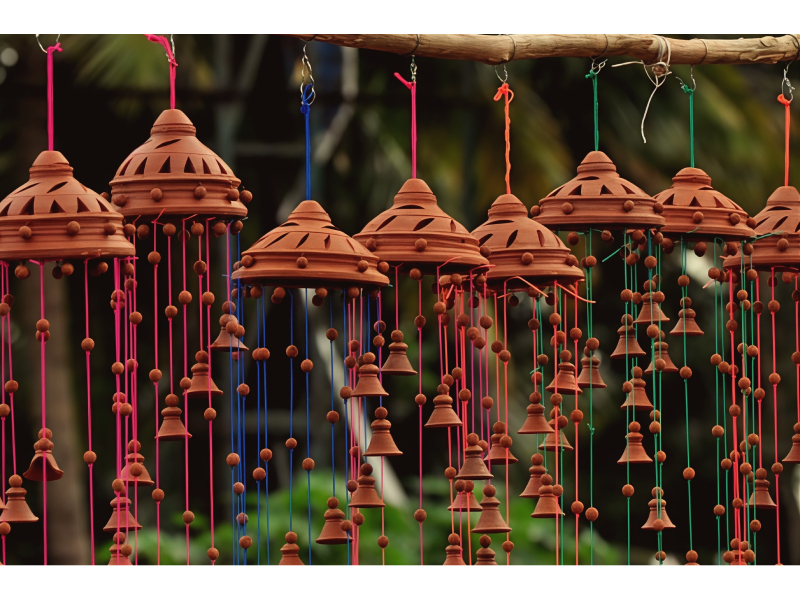
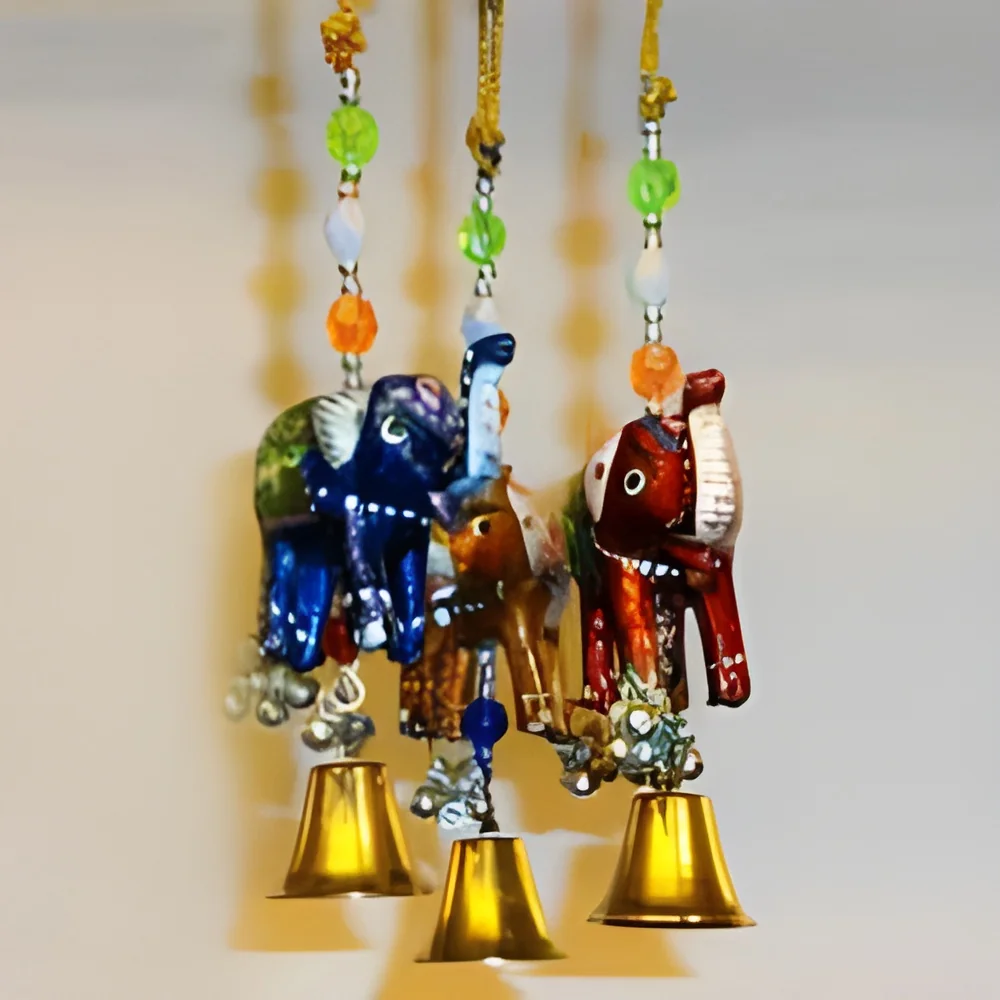
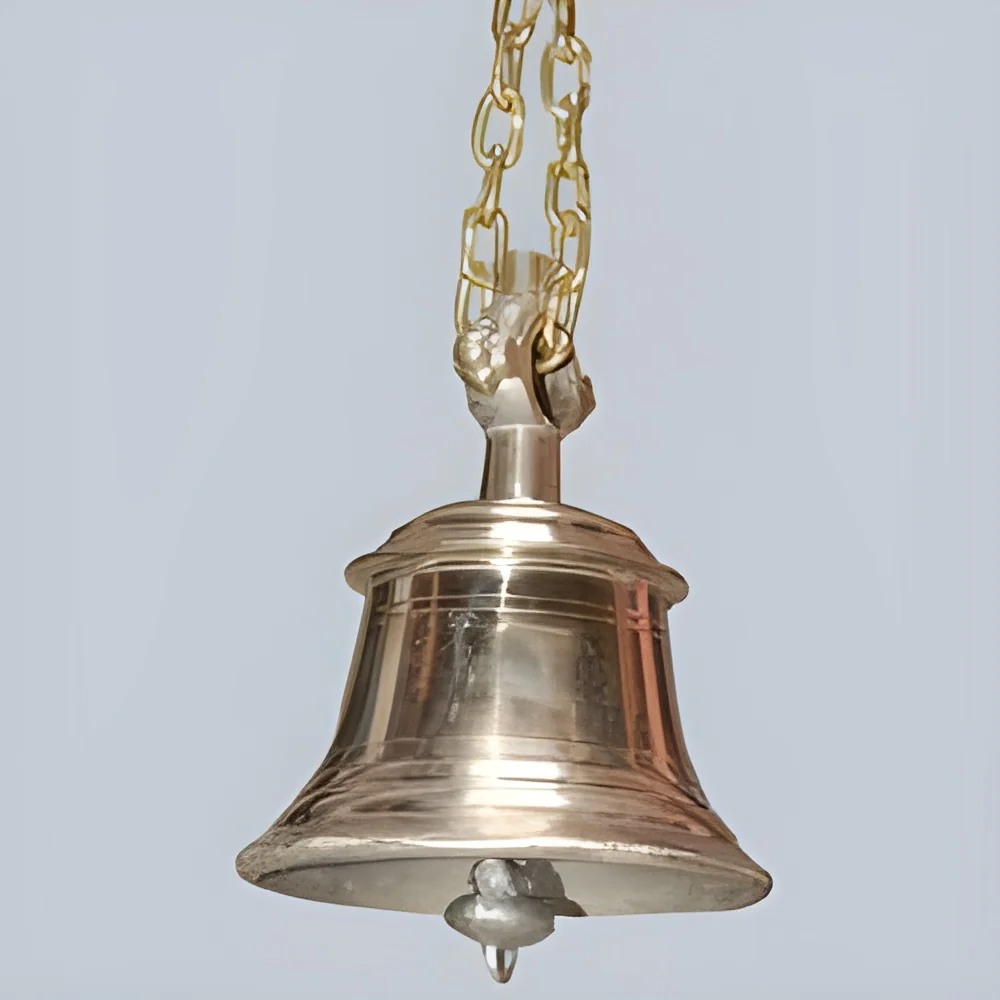
Hanging bells and torans are decorative items traditionally used in various cultures, particularly in Indian households and temples. Hanging bells are often made from materials like brass, bronze, or wood and produce a melodious sound when struck. Torans are decorative door hangings typically crafted from fabrics, beads, or metal, and are often adorned with intricate designs. Both items serve aesthetic purposes and are commonly used to enhance the ambiance of a space.
In business applications, hanging bells and torans are utilized in retail settings, cultural events, and religious ceremonies. They are popular in home decor, hospitality, and gift industries, offering unique products that appeal to customers seeking traditional and cultural items. The market for these products continues to grow as they are increasingly incorporated into modern design aesthetics while retaining their cultural significance.
The relevance of hanging bells and torans spans various industries, including handicrafts, home furnishing, and tourism. As more consumers seek authentic and handcrafted products, businesses can capitalize on the growing demand for these traditional items. The market for hanging bells and torans reflects a blend of cultural heritage and contemporary consumer trends, making it a valuable segment for businesses to explore.
Key Features and Specifications
Hanging bells and torans come with a range of features and specifications that cater to diverse consumer needs. These items not only serve as decorative pieces but also offer functional benefits, such as sound production and the ability to enhance the aesthetic appeal of spaces.
Key specifications include:
1. Material
- Common materials include brass, bronze, wood, and fabric
- Each material offers different durability and aesthetic appeal
2. Size
- Available in various sizes from small decorative pieces to large installations
- Size options cater to different placement needs and design preferences
3. Sound Quality
- Bells produce varying sound qualities depending on material and design
- Sound is often a crucial factor for consumers who value auditory aesthetics
4. Design Style
- Designs vary from traditional to contemporary, allowing for diverse applications
- Customization options may be available for unique designs
5. Weight
- Weight can vary significantly based on materials and size
- Important for installation considerations and ease of use
6. Finish
- Finishes can include polished, antique, or painted options
- Finish affects both appearance and protection against wear
7. Packaging
- Packaging may vary for retail and wholesale purposes
- Eco-friendly packaging options are increasingly popular
In summary, understanding these key features and specifications can help businesses select the right hanging bells and torans for their offerings, ensuring they meet customer expectations.
Common Applications and Use Cases
Hanging bells and torans are versatile products used across various industries. Their unique designs and cultural significance make them popular choices for many applications.
1. Home Decor: Used as decorative accents in living spaces, these items add charm and character to homes. They are often hung at entrances or in gardens.
2. Religious Institutions: Commonly found in temples and places of worship, hanging bells create an inviting atmosphere and are used during rituals and ceremonies.
3. Retail: Many stores incorporate hanging bells and torans to attract customers, enhancing the shopping experience and providing a cultural touch.
4. Events: Frequently used in weddings and festivals, these items contribute to the festive decor, symbolizing prosperity and joy.
5. Hospitality: Hotels and restaurants use these decorative items to create an inviting ambiance, appealing to guests with traditional aesthetics.
6. Gifts: Hanging bells and torans are popular gift items, especially during festivals or special occasions, as they symbolize good luck and positive energy.
7. Cultural Festivals: They are often featured in cultural events and fairs, highlighting craftsmanship and tradition.
Product Variants and Subcategories
Hanging bells and torans come in various styles and designs, catering to different tastes and applications. This diversity allows buyers to choose products that best fit their needs.
Traditional Brass Bells: These bells are handcrafted from brass and often feature intricate engravings. They are popular for their rich sound and cultural significance, making them ideal for temples and homes.
Fabric Torans: Made from colorful fabrics, these torans are often embellished with beads and mirrors. They are commonly used to adorn doorways during festivals and celebrations, adding a vibrant touch to any setting.
Wooden Bells: Crafted from quality wood, these bells offer a rustic charm. They are often used in eco-friendly decor and appeal to consumers looking for sustainable options.
Ceramic Torans: These torans feature ceramic elements and come in various artistic designs. They are suitable for modern homes and can be used as wall hangings or door adornments.
Benefits and Advantages
Hanging bells and torans provide multiple benefits that make them attractive to B2B buyers and consumers alike.
1. Aesthetic Appeal: These items enhance the visual appeal of spaces, making them popular choices for home decor and event settings.
2. Cultural Significance: They hold cultural value, making them meaningful gifts and decor items that resonate with traditional practices.
3. Versatility: Suitable for various applications, they can be used in homes, businesses, and events, catering to a wide audience.
4. Unique Sound: The sound produced by hanging bells adds an auditory element that many consumers appreciate, enhancing the overall atmosphere.
5. Customization Options: Many suppliers offer customization, allowing businesses to create unique designs that reflect their brand identity.
6. Eco-Friendly Choices: With a growing focus on sustainability, many products are made from natural materials, appealing to environmentally conscious consumers.
Buying Guide for B2B Buyers
When sourcing hanging bells and torans, B2B buyers should consider several important factors to ensure they make informed decisions.
1. Quality Assessment: Evaluate the quality of materials and craftsmanship. High-quality items should have a durable finish and clear sound for bells.
2. Supplier Verification: Vet suppliers by checking their credentials, reviews, and certifications. Reliable suppliers should have a proven track record in delivering quality products.
3. Pricing and MOQ: Understand the pricing structure and minimum order quantities. This will help in budgeting and ensuring affordability for bulk purchases.
4. Delivery and Lead Times: Consider logistics, including delivery times and shipping costs. Ensure that suppliers can meet your timelines to avoid delays.
5. Compliance Requirements: Be aware of any regulatory standards that apply to the products. Ensure that items meet safety and quality certifications relevant to your market.
Compliance and Certifications
Hanging bells and torans must adhere to various quality standards and certifications to ensure safety and reliability. Relevant standards may include ISO 9001, which focuses on quality management systems, ensuring that products meet customer and regulatory requirements.
In addition, certifications such as CE indicate that products comply with European health, safety, and environmental protection standards. These certifications provide assurance to buyers regarding the quality and safety of the products.
Moreover, safety and testing requirements should be considered, especially for items used in public spaces or religious settings. Regional compliance may also vary, and businesses should be aware of local regulations governing the use of decorative items in their respective markets.
Why Source Hanging Bells & Torans from Pepagora?
Pepagora offers a trusted platform for sourcing hanging bells and torans, providing businesses with several key advantages.
Verified Supplier Network: Pepagora maintains a robust network of verified suppliers, ensuring that buyers can find high-quality products from reputable manufacturers. This verification process minimizes risks associated with sourcing.
Streamlined RFQ Process: The Request for Quotation (RFQ) system simplifies the procurement process, allowing buyers to receive competitive quotes from multiple suppliers quickly. This efficiency helps businesses save time and effort.
Trade Assurance and Support: Pepagora offers trade assurance, protecting buyers from potential issues with orders. Support services ensure that businesses receive assistance throughout the buying process.
Regional Coverage: With significant reach across India, the GCC, and Southeast Asia, Pepagora caters to a diverse market. This geographic coverage allows businesses to connect with suppliers that meet their specific needs.

 IN
IN