What are Wall Hangings?
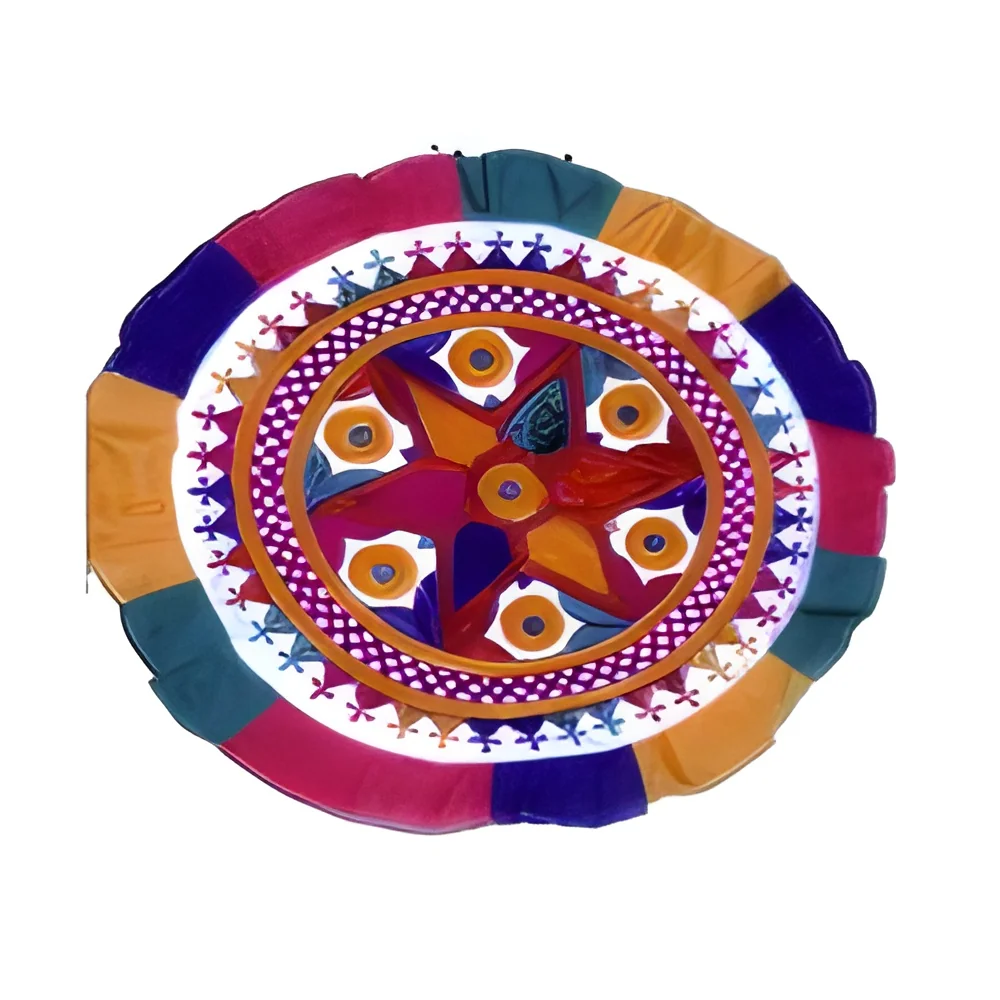
Wall hangings are decorative pieces designed to be mounted on walls, serving both aesthetic and functional purposes. They can be made from various materials, including textiles, metals, and wood, and are often used to enhance the visual appeal of a space. The designs can range from traditional art pieces to modern abstract forms, catering to diverse tastes and styles.
In a business context, wall hangings are often utilized in commercial spaces such as offices, hotels, restaurants, and retail environments. They contribute to branding, create inviting atmospheres, and can even be used for functional purposes such as sound absorption. Wall hangings are particularly relevant in industries that prioritize interior design and ambiance, making them essential for creating a conducive environment.
The market for wall hangings is growing, driven by increased interest in interior design and personalized spaces. Businesses are increasingly investing in visual elements that reflect their brand identity and enhance customer experiences. This trend underscores the importance of wall hangings in both consumer and commercial markets.
Key Features and Specifications
Wall hangings come with a variety of features that cater to different business needs. These specifications help businesses select the appropriate product for their intended application.
Key specifications include:
1. Material Composition
- Wall hangings can be made from textiles, metal, wood, or a combination of these materials.
- Each material offers different aesthetic and functional benefits.
2. Dimensions
- Wall hangings are available in various sizes to fit different wall spaces.
- Common dimensions range from small decorative pieces to large statement installations.
3. Design Style
- Available styles include traditional, contemporary, abstract, and custom designs.
- The choice of style can significantly affect the ambiance of a space.
4. Weight Capacity
- Some wall hangings are designed to hold additional elements, such as shelving or lighting.
- It’s crucial to consider the weight limits for installation.
5. Installation Method
- Options include adhesive, hooks, or frames depending on the design.
- Ease of installation can vary based on the method used.
6. Maintenance Requirements
- Some wall hangings may require specific cleaning methods to maintain their appearance.
- Businesses should consider long-term maintenance when selecting products.
7. Customization Options
- Many suppliers offer customization in size, material, and design.
- Customized wall hangings can enhance brand identity.
8. Safety Standards
- Compliance with safety regulations ensures that wall hangings are safe for installation.
- Businesses should inquire about safety certifications.
In summary, understanding these specifications is essential for businesses looking to select the right wall hangings for their needs. Each feature contributes to the overall effectiveness and suitability of the product in various environments.
Common Applications and Use Cases
Wall hangings are versatile products used across numerous industries.
1. Hospitality: Hotels and restaurants often use wall hangings to create inviting atmospheres and reflect local culture. They enhance guest experiences and contribute to brand identity.
2. Retail: Stores utilize wall hangings as part of their visual merchandising strategy. They can highlight products or convey brand messages, making them essential for customer engagement.
3. Corporate: Offices incorporate wall hangings to foster a professional image. They can enhance employee morale and create a pleasing work environment.
4. Healthcare: Hospitals and clinics use wall hangings to create calming environments for patients. Art pieces can help reduce stress and contribute to a healing atmosphere.
5. Education: Schools and universities display wall hangings to inspire students and create engaging learning environments. They can also showcase achievements and school spirit.
6. Residential: Interior designers use wall hangings to personalize homes and reflect the homeowner's style. They add character and warmth to living spaces.
7. Events: Wall hangings are often used in events and exhibitions as backdrops or branding elements. They help set the tone and enhance the overall experience.
Product Variants and Subcategories
Wall hangings come in various forms, offering diverse options to suit different needs and preferences.
Textile Wall Hangings
These are made from fabrics and can include tapestries or quilts. They add texture and warmth to spaces, making them popular in both residential and commercial settings.
Metal Wall Art
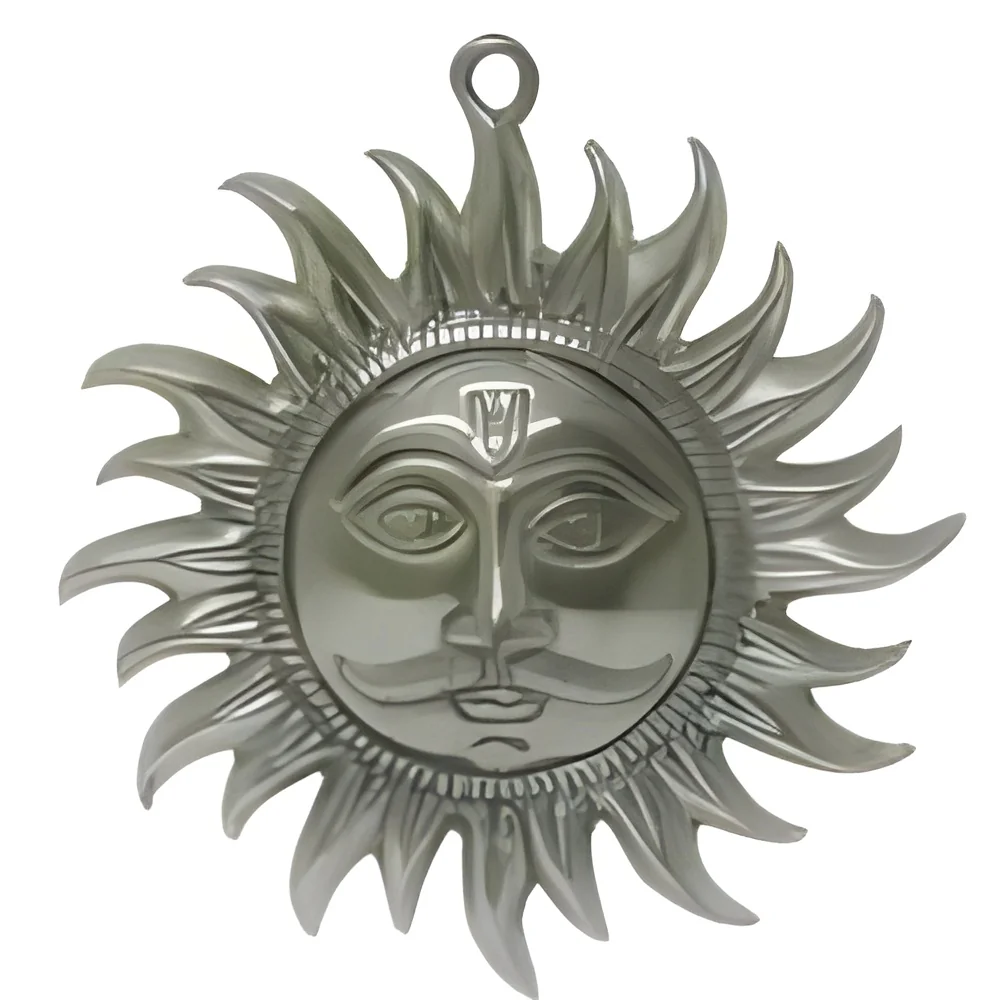
Metal wall hangings provide a modern aesthetic and can be used to create striking focal points. They are durable and often used in outdoor settings as well.
Wooden Wall Hangings
These pieces can feature intricate carvings or simple designs. Wooden wall hangings bring a rustic charm to environments, making them ideal for country-style interiors.
Framed Art Pieces
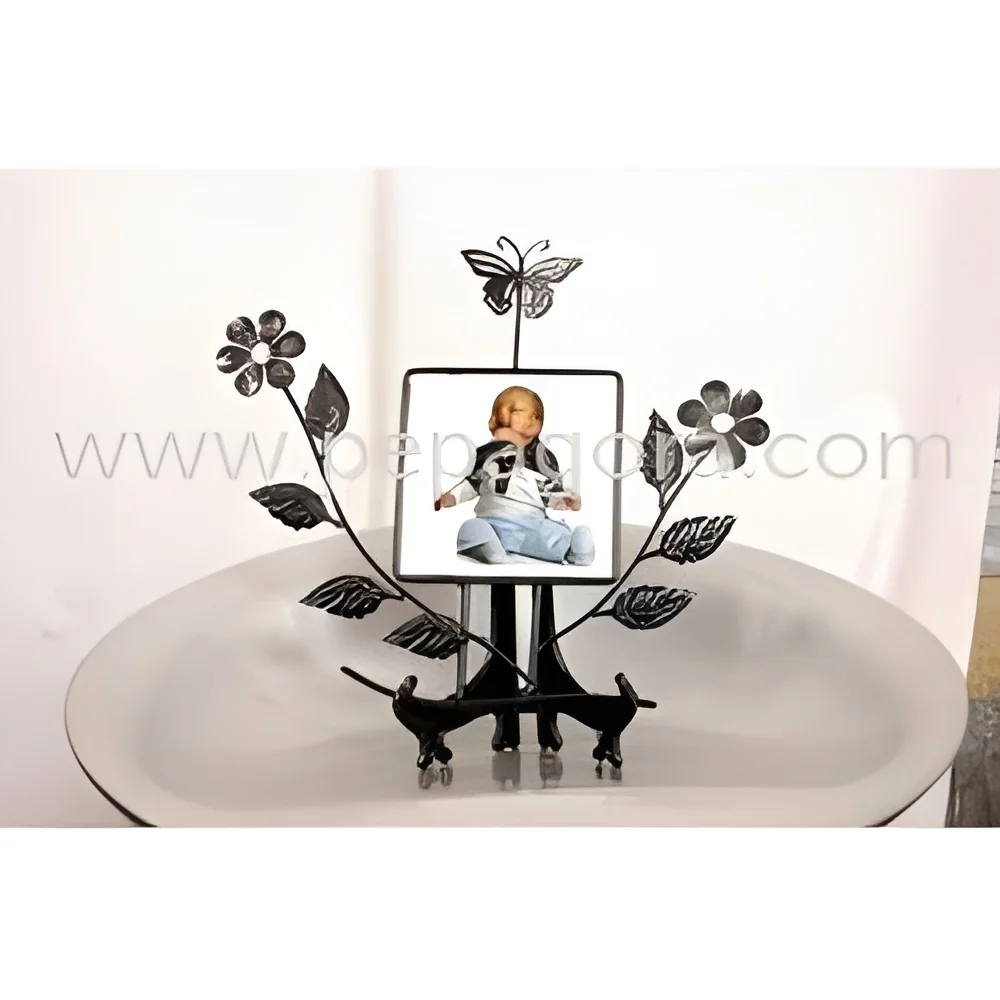
Framed wall hangings can include paintings or prints. They offer a classic look and are often used in formal settings like offices and galleries.
Benefits and Advantages
Investing in wall hangings offers numerous benefits to businesses and organizations.
Key benefits include:
1. Aesthetic Enhancement: Wall hangings significantly improve the visual appeal of any space, making environments more attractive to customers and employees alike.
2. Branding Opportunities: Customized wall hangings can reflect a company's identity, reinforcing brand messages and values in a tangible way.
3. Versatility: Available in various styles and materials, wall hangings can fit into different design themes, making them suitable for a wide range of applications.
4. Easy Installation: Many wall hangings come with straightforward installation options, allowing for quick setup and minimal disruption.
5. Acoustic Benefits: Certain wall hangings can help absorb sound, contributing to a quieter and more comfortable environment in busy spaces.
6. Customization Potential: Businesses can choose to customize wall hangings to meet specific needs, ensuring a perfect fit for their environment and brand.
Buying Guide for B2B Buyers
When sourcing wall hangings, businesses should consider several critical factors to ensure they make informed purchasing decisions.
1. Quality Assessment: Evaluate the materials and craftsmanship of the wall hangings. High-quality products will last longer and maintain their appearance over time.
2. Supplier Verification: Research potential suppliers to ensure they are reputable and reliable. Look for reviews and testimonials from previous customers to gauge their performance.
3. Pricing and MOQ: Understand the pricing structures and minimum order quantities (MOQ) offered by suppliers. This will help in budgeting and planning for purchases.
4. Delivery and Lead Times: Confirm delivery timelines to ensure that wall hangings arrive on schedule. Delays can affect project timelines and overall plans.
5. Compliance Requirements: Be aware of any regulatory standards that may apply to wall hangings, including safety and environmental considerations. Ensuring compliance can prevent issues down the line.
Compliance and Certifications
Compliance and certifications are crucial factors in the selection of wall hangings. Businesses should focus on relevant quality standards such as ISO 9001, which ensures consistent quality management practices.
Industry certifications like CE indicate that the wall hangings meet European safety and environmental standards.
Additionally, safety and testing requirements are essential, especially for products used in public spaces. Companies should inquire about these standards when sourcing wall hangings.
Regional considerations may also play a role in compliance. Different countries have varying regulations, and businesses should ensure that their wall hangings meet local standards.
Why Source Wall Hangings from Pepagora?
Pepagora offers a trusted platform for sourcing wall hangings, providing several key advantages for businesses.
Verified Supplier Network: Pepagora connects buyers with a network of verified suppliers. This ensures that businesses can source high-quality products from reliable manufacturers.
Streamlined RFQ Process: The request for quotation process is straightforward, allowing buyers to obtain competitive pricing easily. This efficiency helps businesses make quicker purchasing decisions.
Trade Assurance and Support: Pepagora provides trade assurance, protecting buyers from potential risks. Support is available throughout the sourcing process, ensuring a smooth experience.
Regional Coverage: With a strong presence in India, the GCC, and Southeast Asia, Pepagora offers extensive regional coverage. This makes it easier for businesses to find wall hangings that suit their specific market needs.

 IN
IN