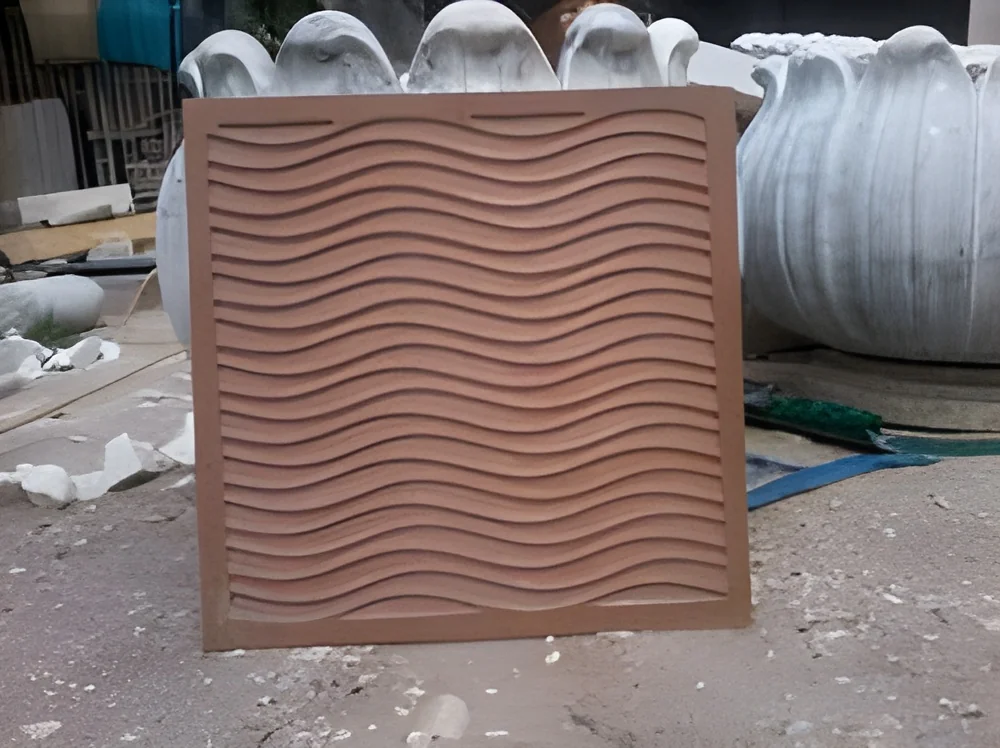
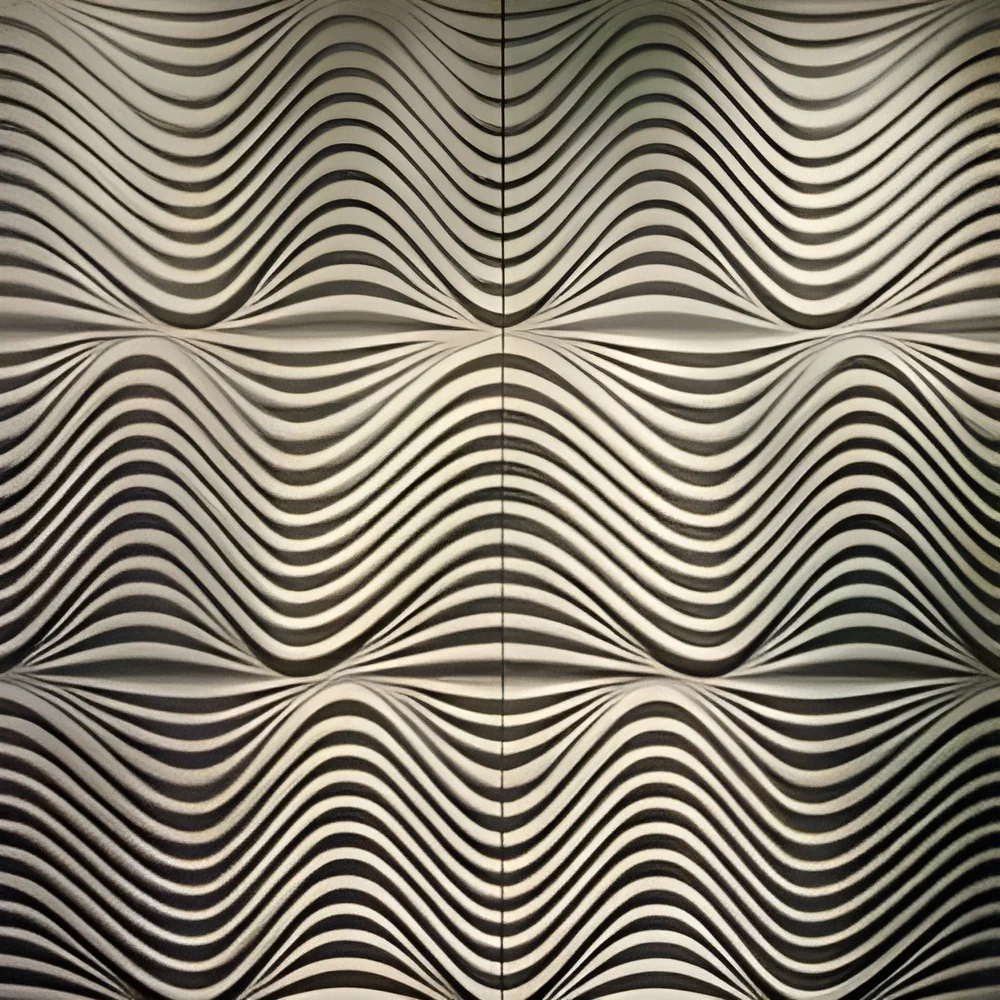
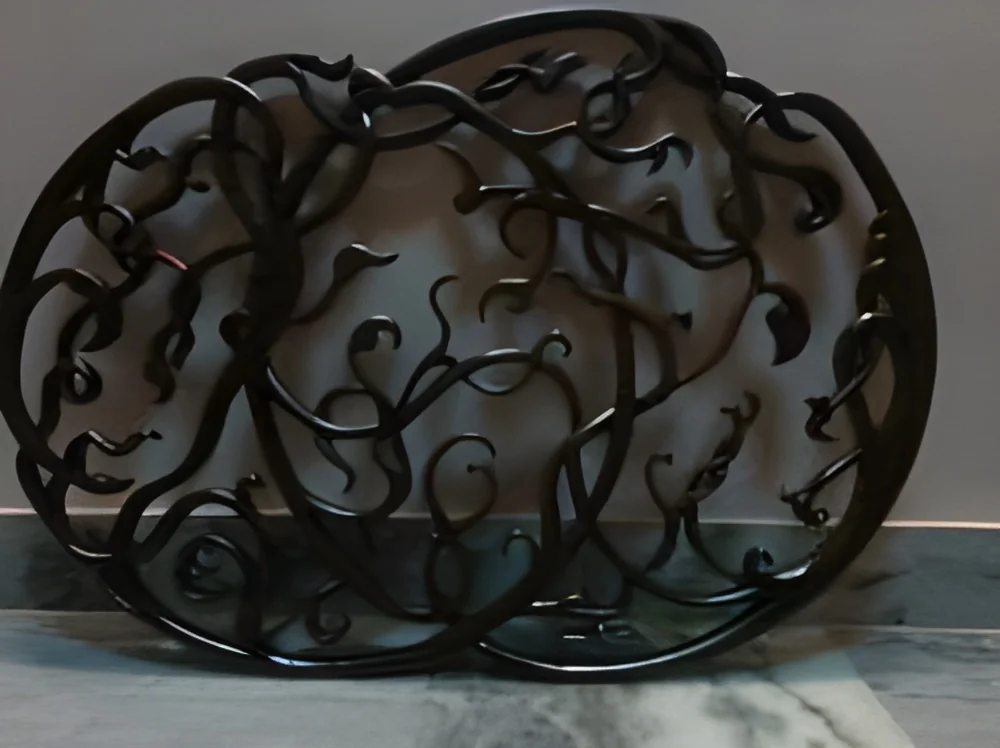
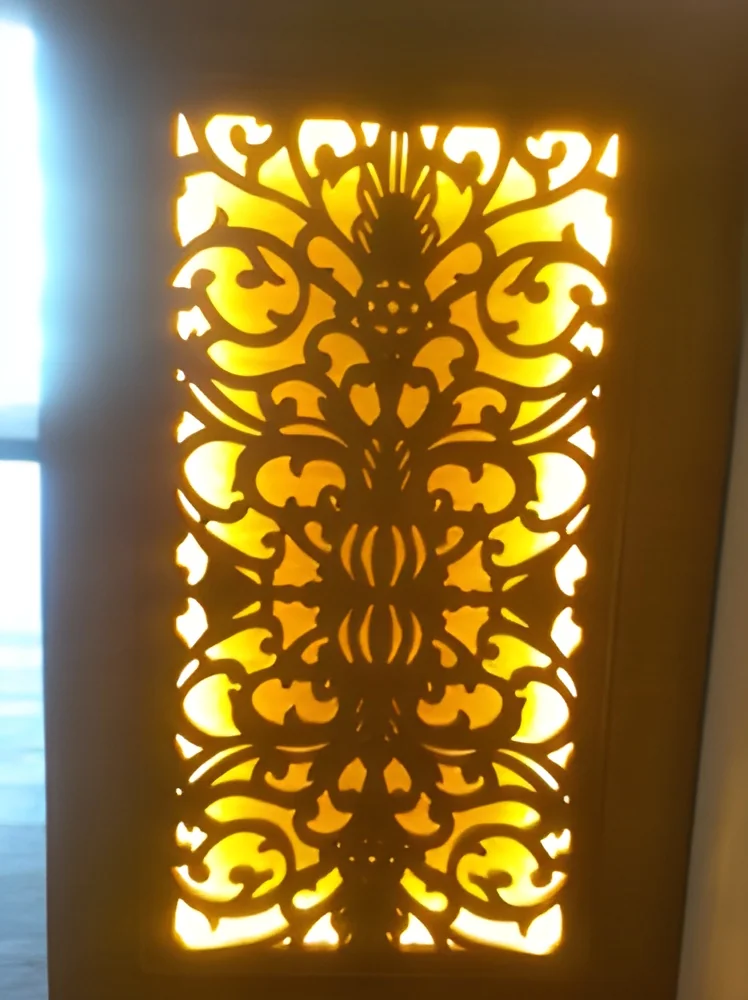
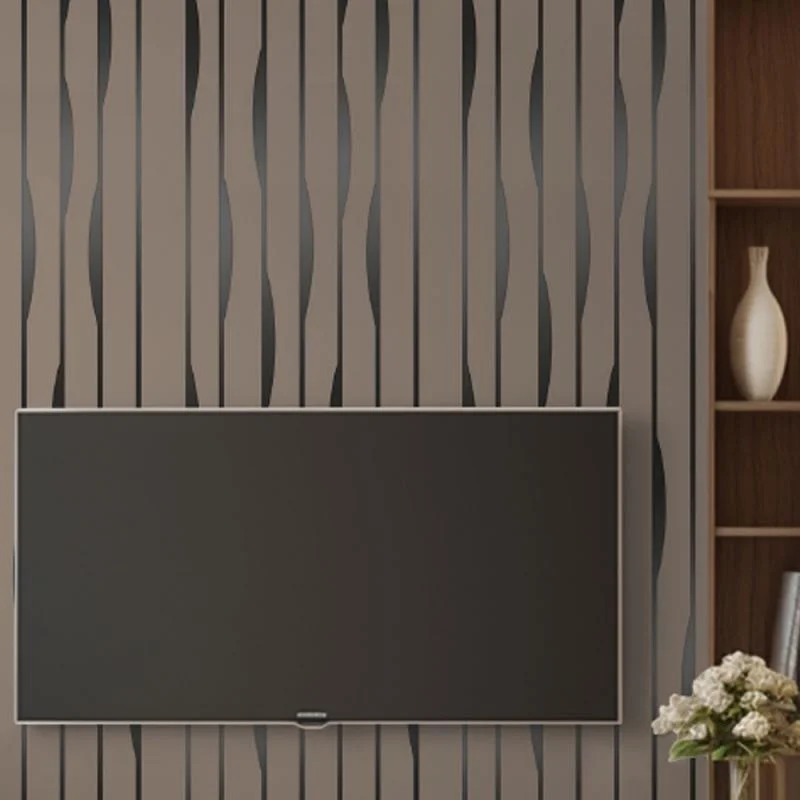
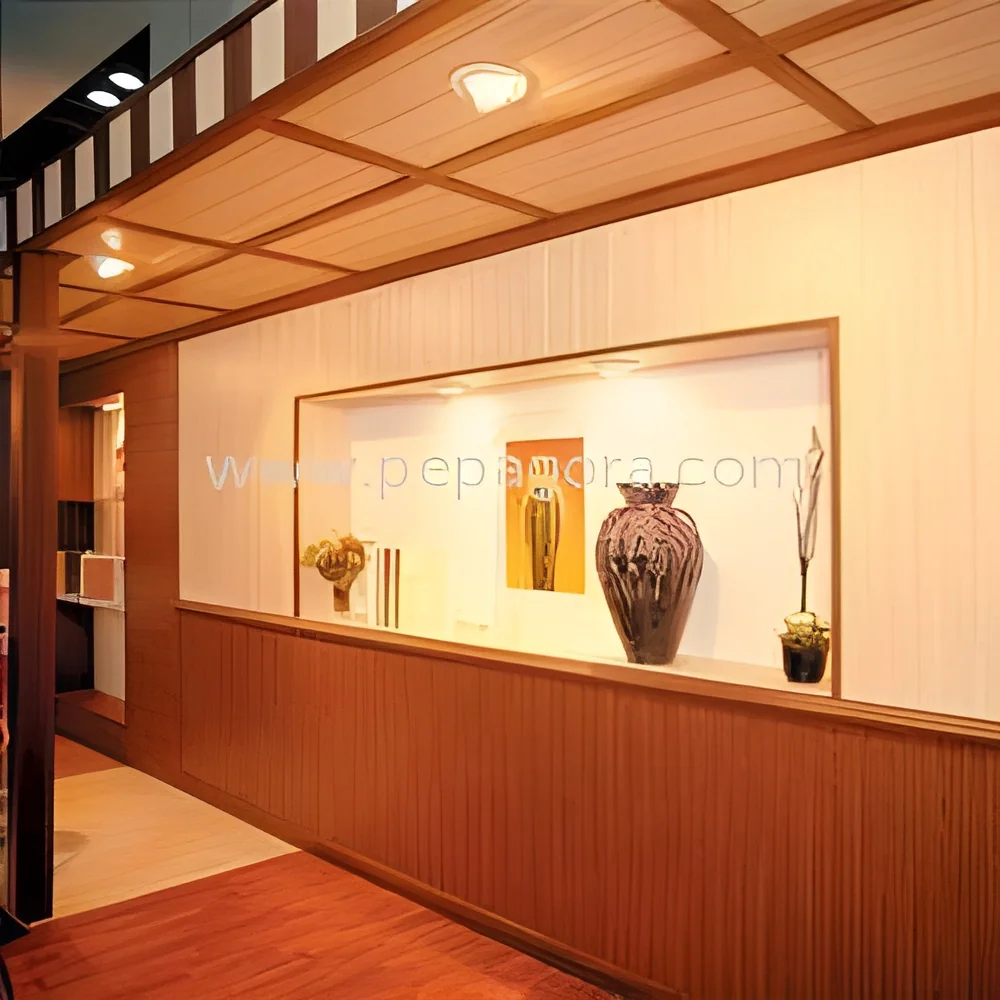
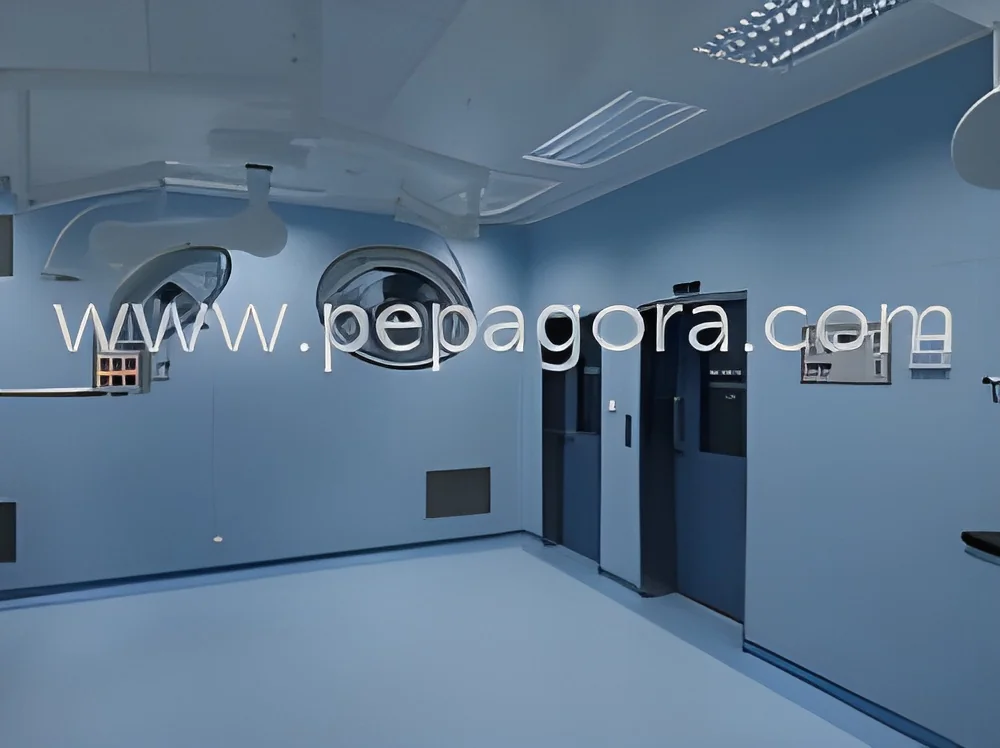
What are Decorative Wall Panels?
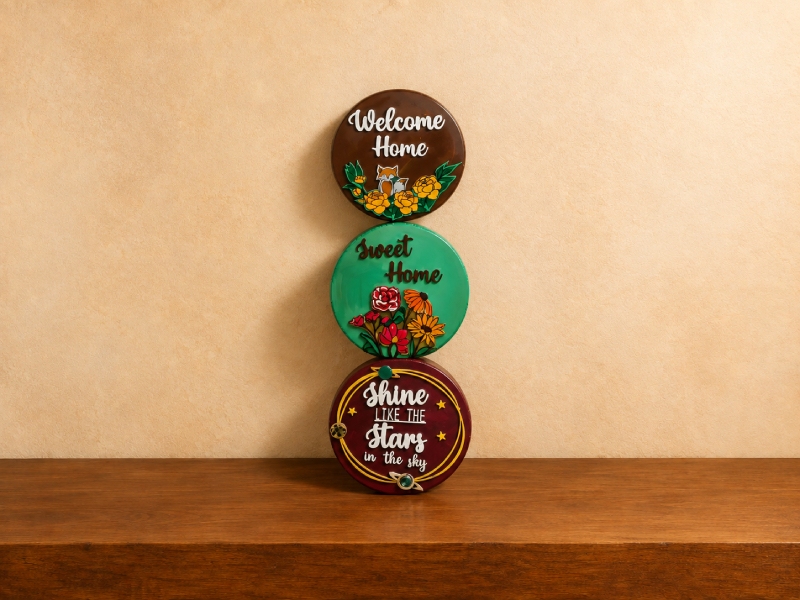
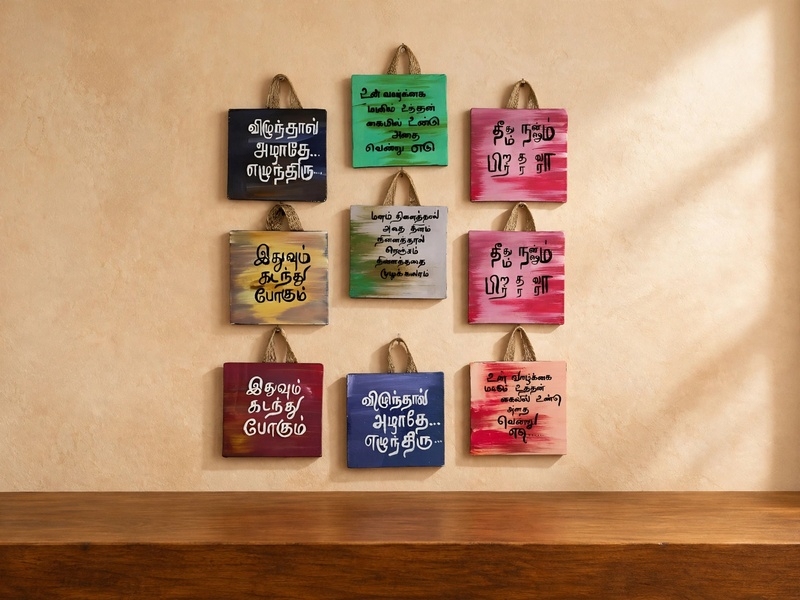
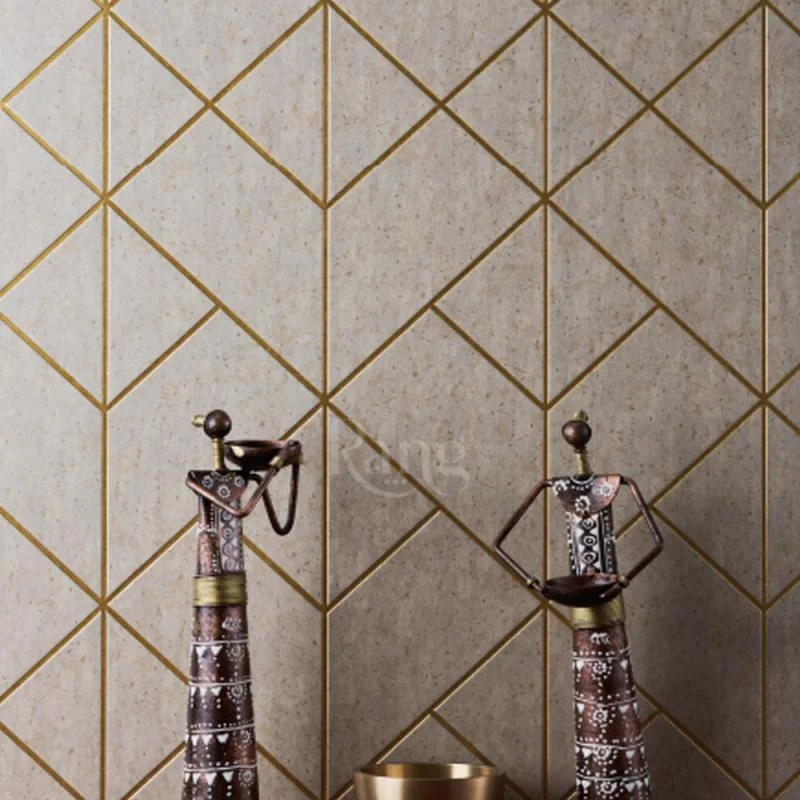
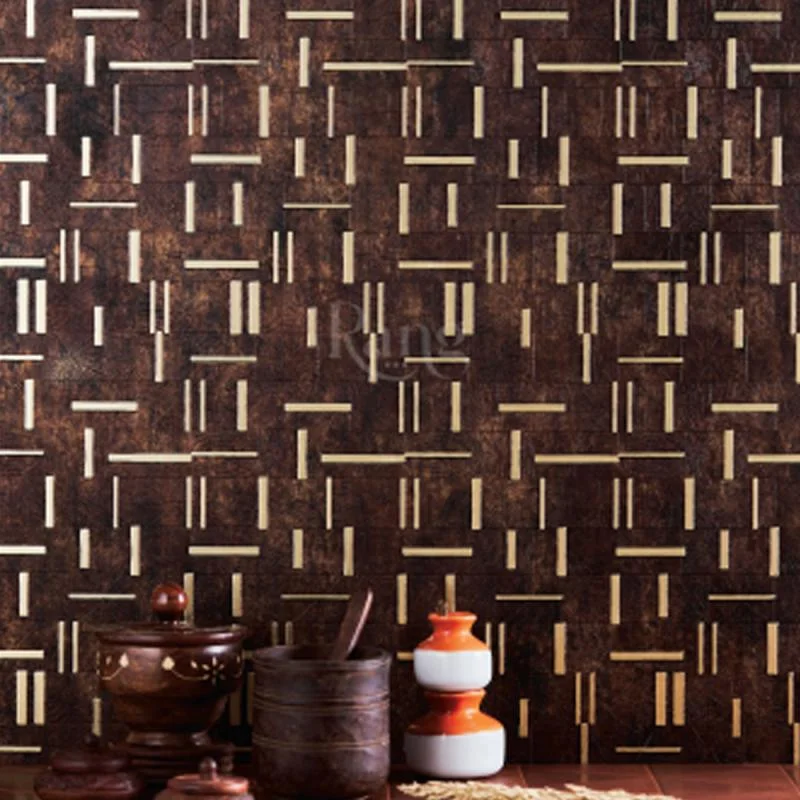
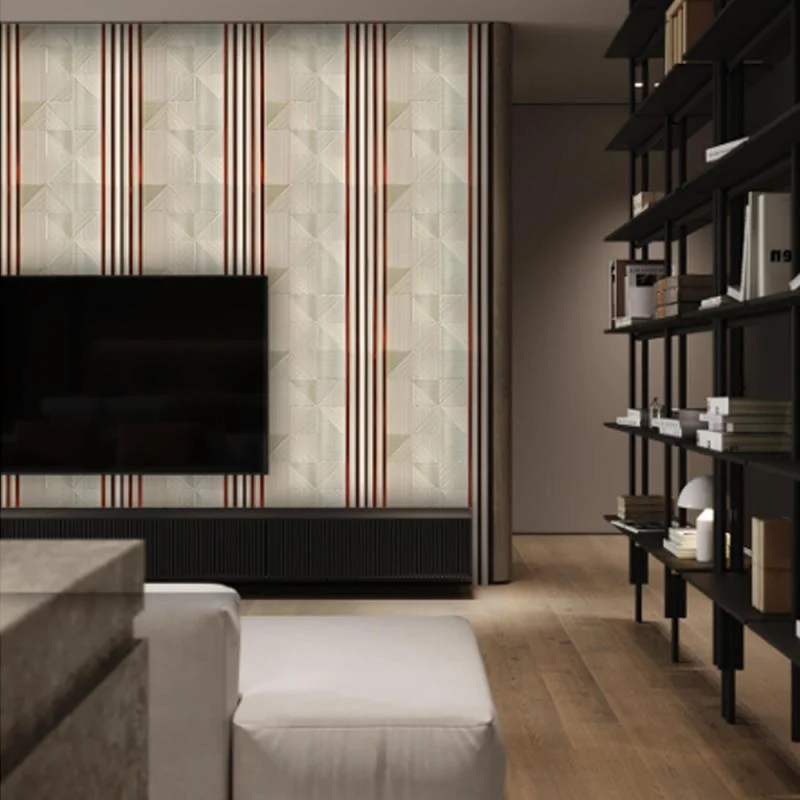
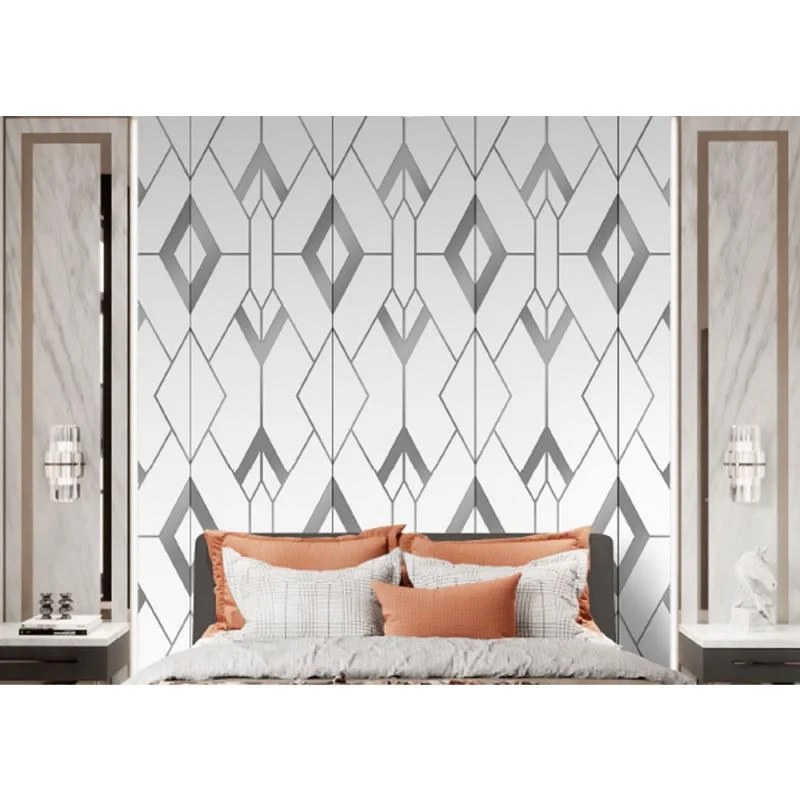
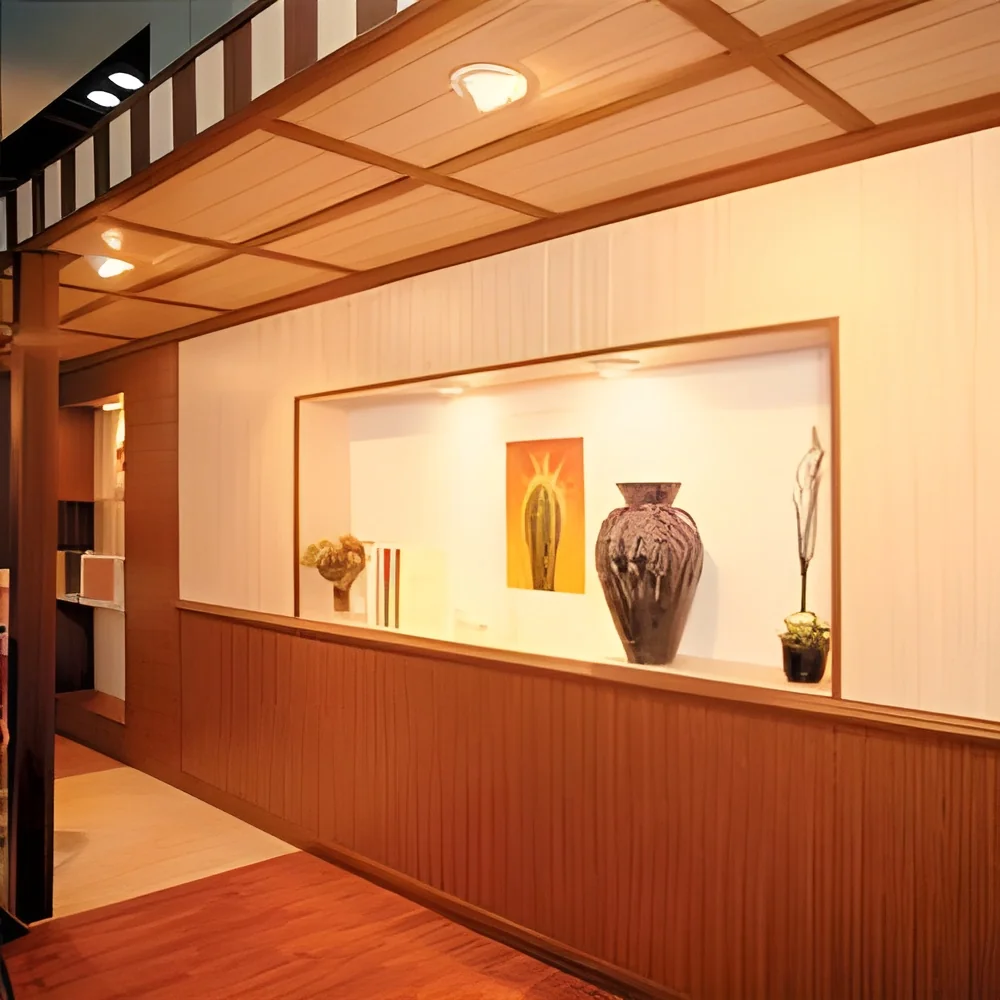
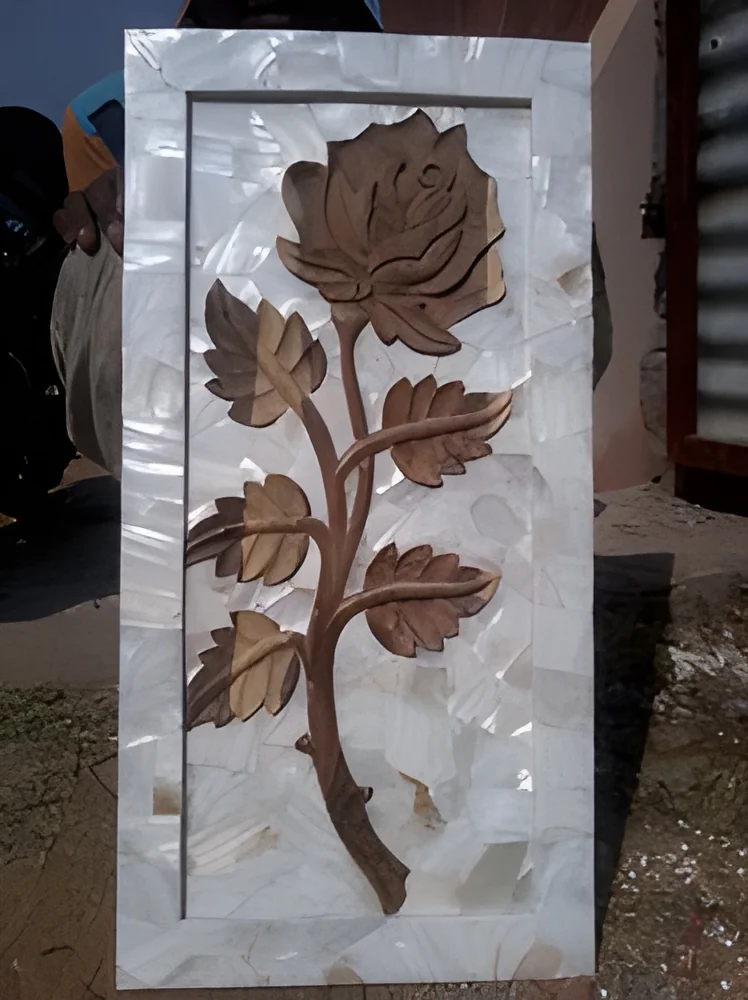
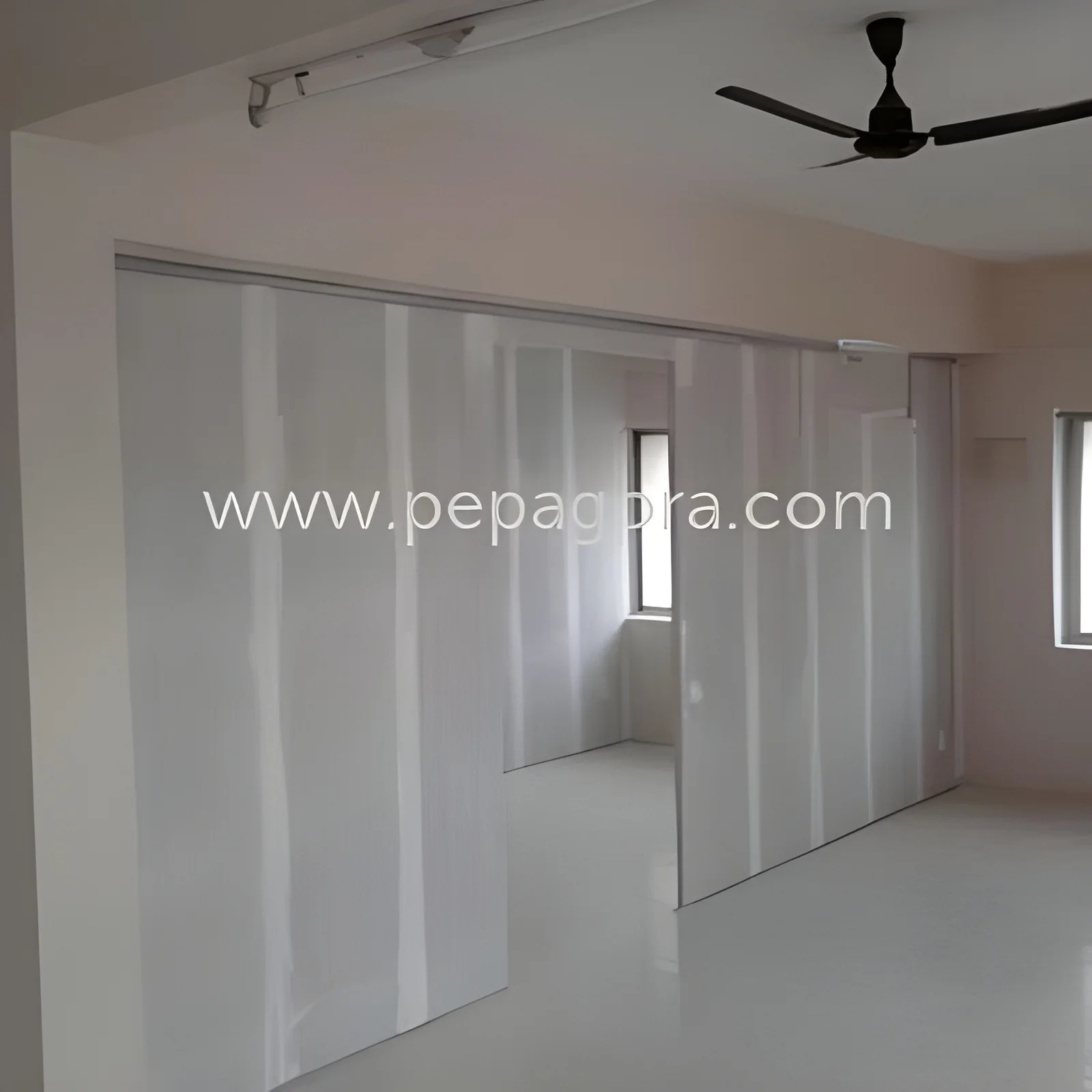
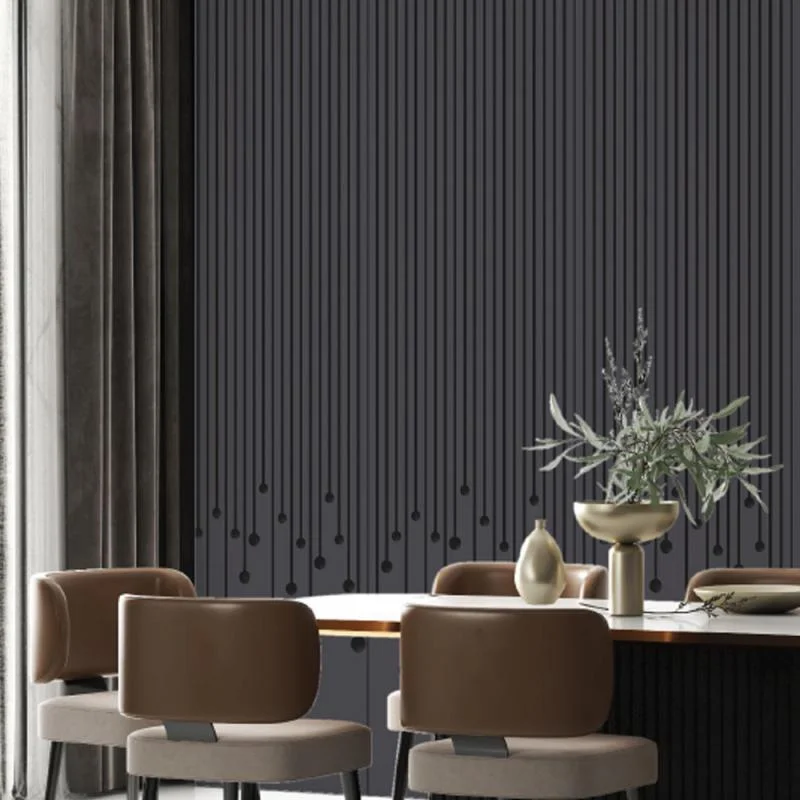
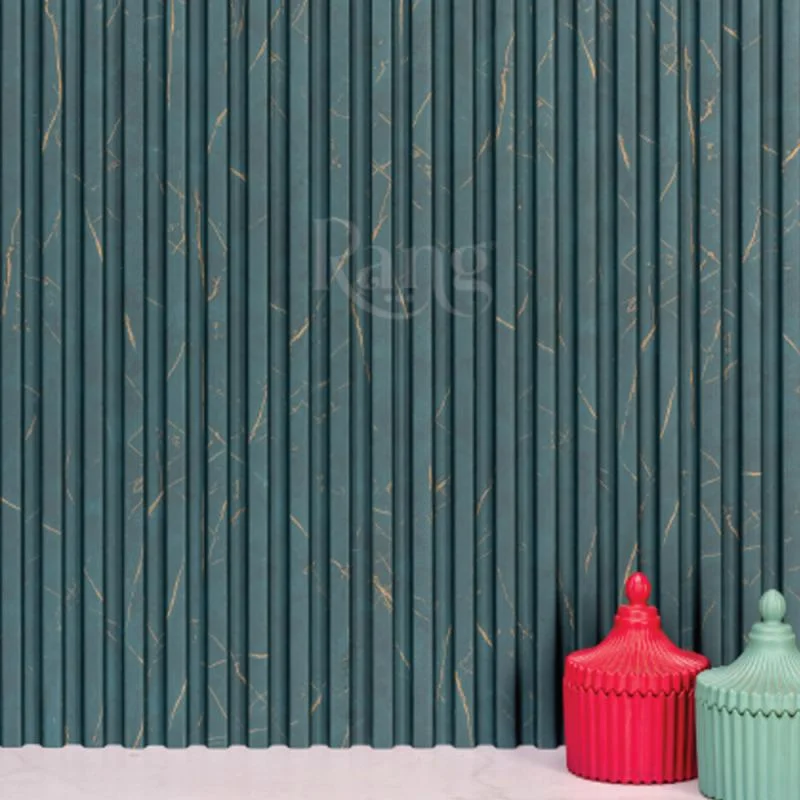
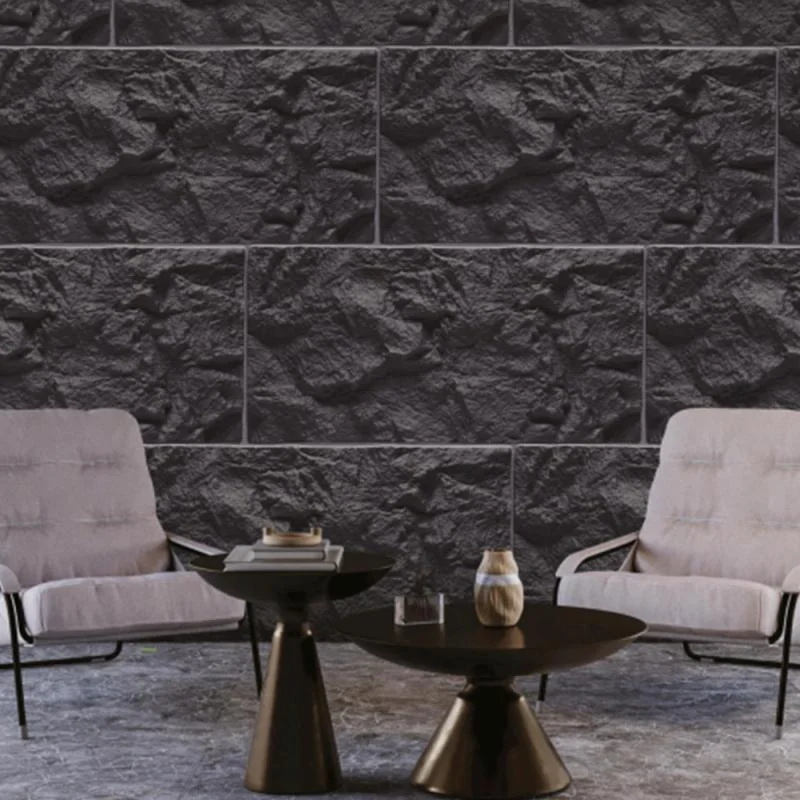
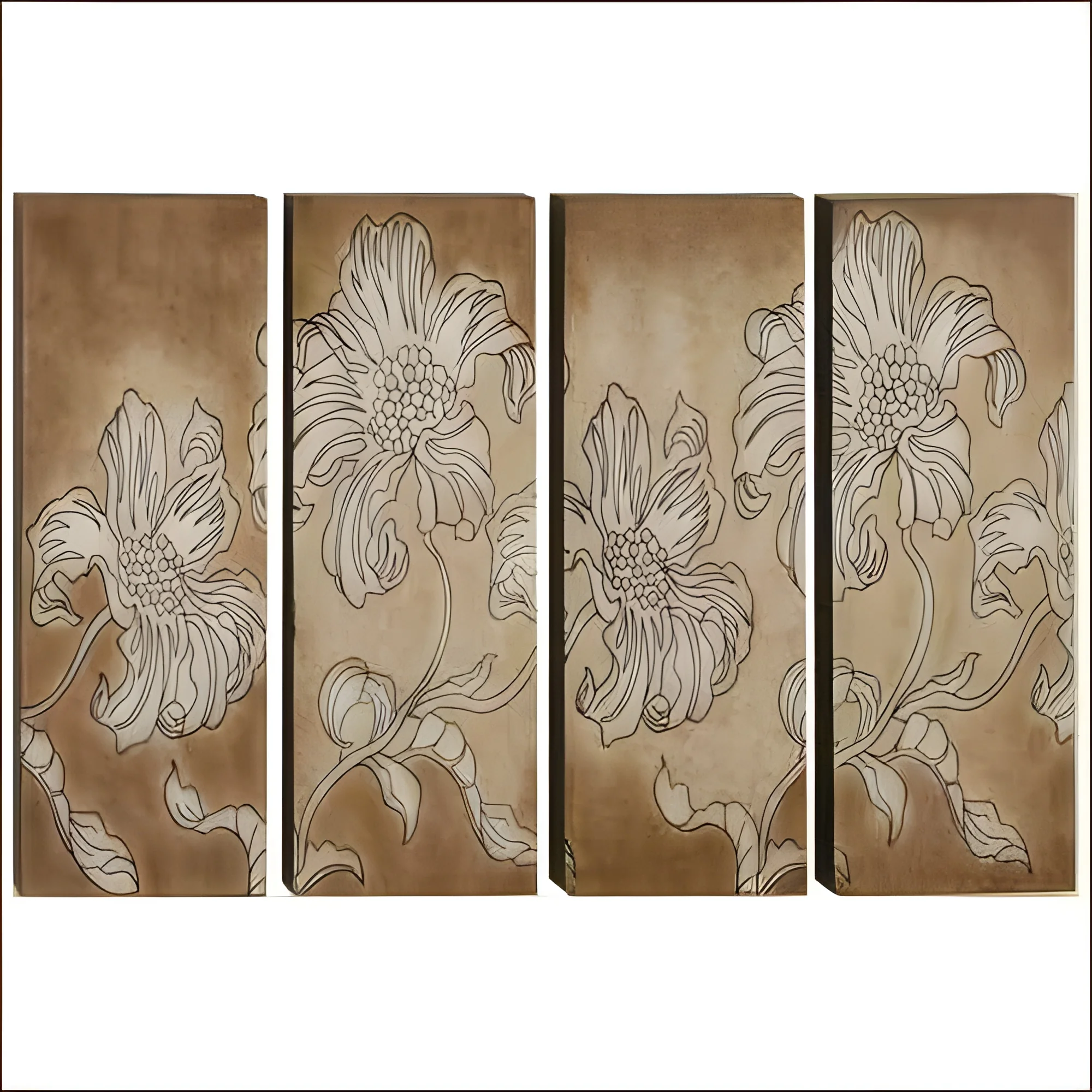
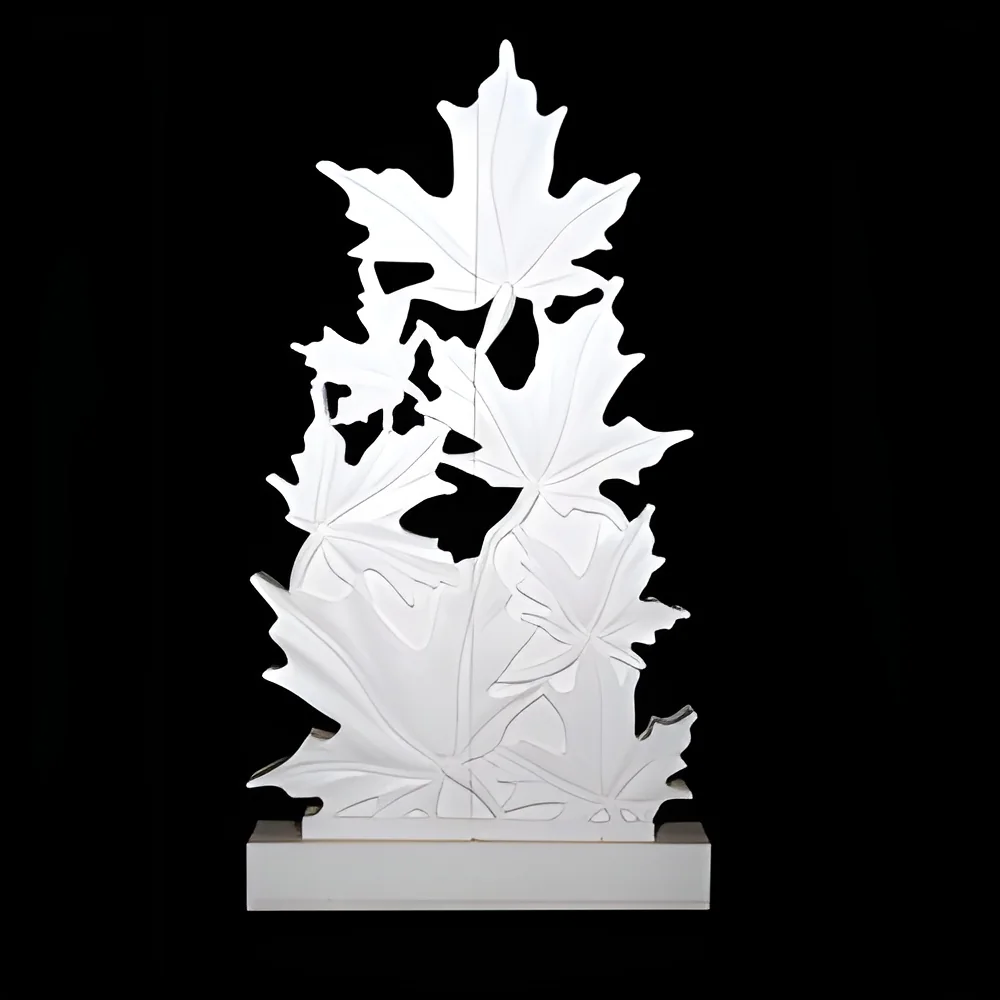
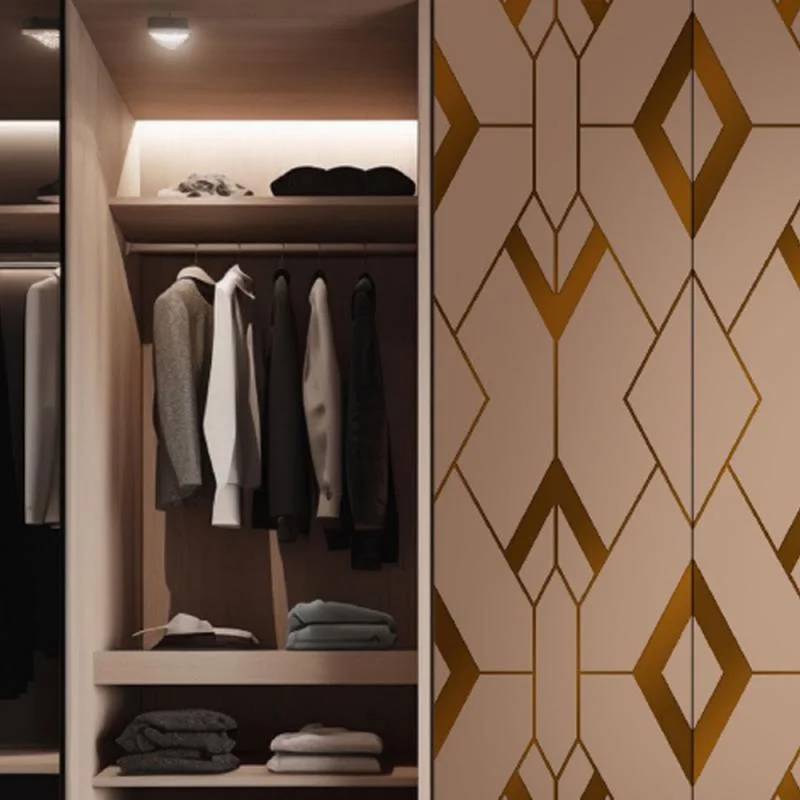
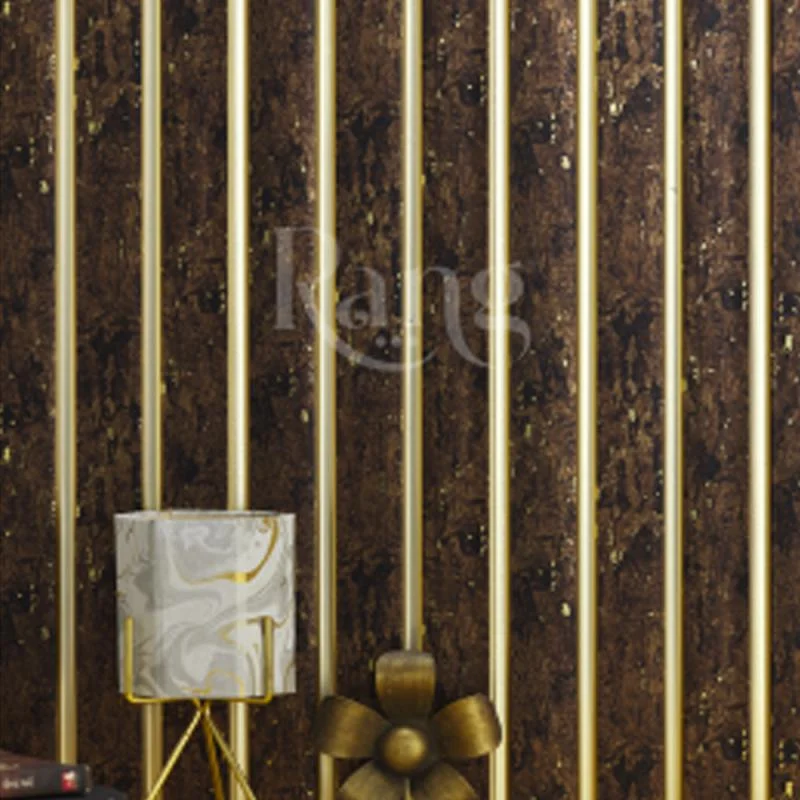
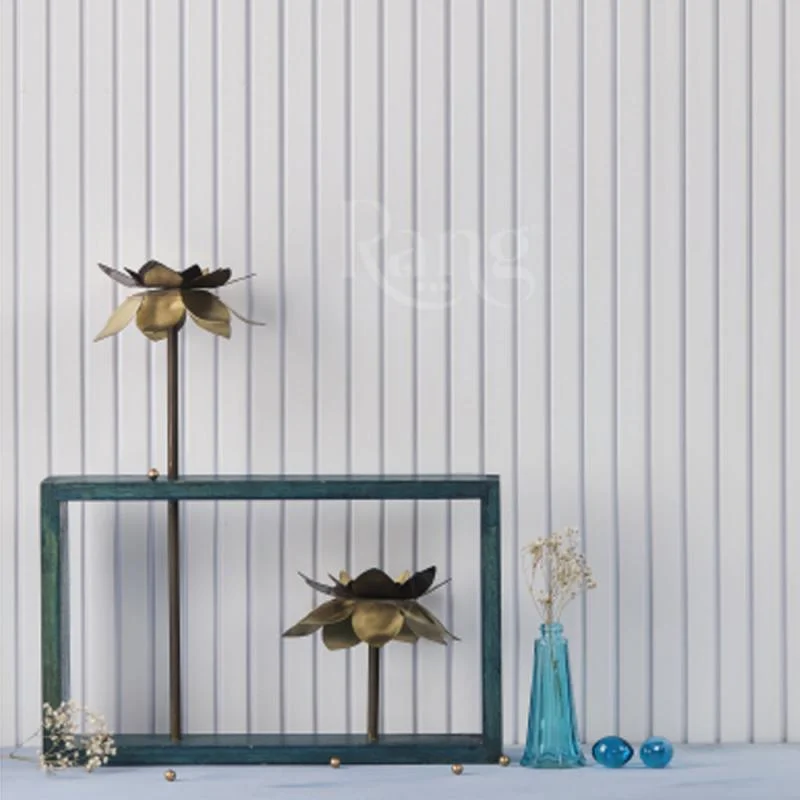
Decorative wall panels are versatile architectural elements designed to enhance the aesthetics of indoor spaces. They come in various materials, textures, and finishes, allowing businesses to create visually appealing environments. These panels can be used to cover entire walls or as accent features, providing an effective way to transform a room's appearance without extensive renovations.
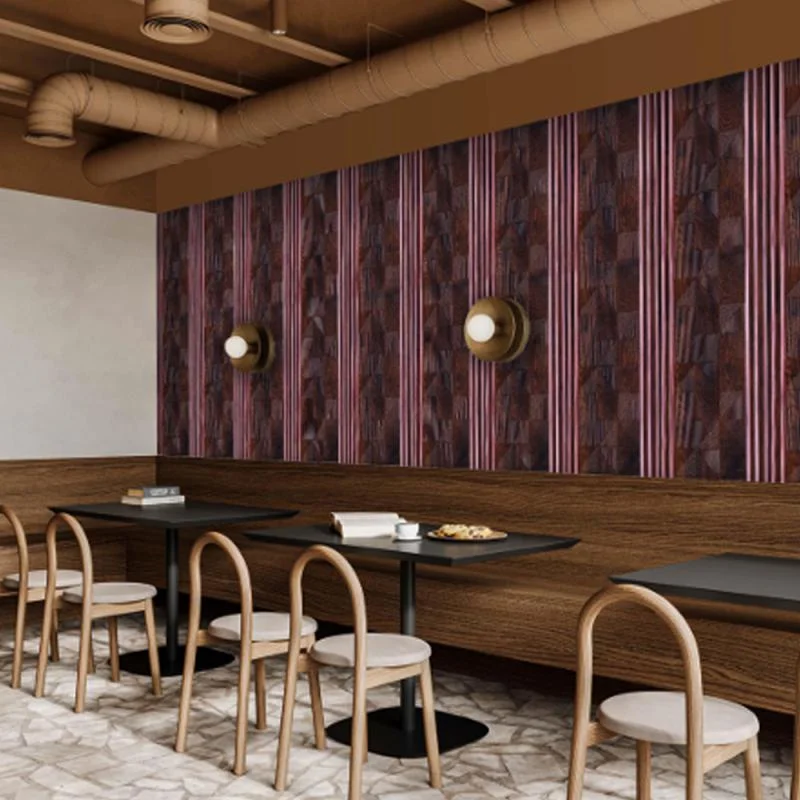
The primary uses of decorative wall panels span across multiple sectors, including commercial, residential, and hospitality. Businesses utilize these panels to create inviting atmospheres in offices, restaurants, hotels, and retail stores. Their design flexibility makes them suitable for branding, enhancing customer experiences, and improving acoustic properties in various settings. In the current market, the demand for decorative wall panels is growing due to an increase in interior design trends that favor aesthetics and functionality.
As businesses look to create distinctive environments, decorative wall panels have gained relevance in the construction and design industries. The market for these products continues to expand, driven by consumer preferences for innovative designs and sustainable materials. With advancements in manufacturing processes, decorative wall panels are becoming more accessible, offering an array of choices for businesses seeking to enhance their spaces.
Key Features and Specifications
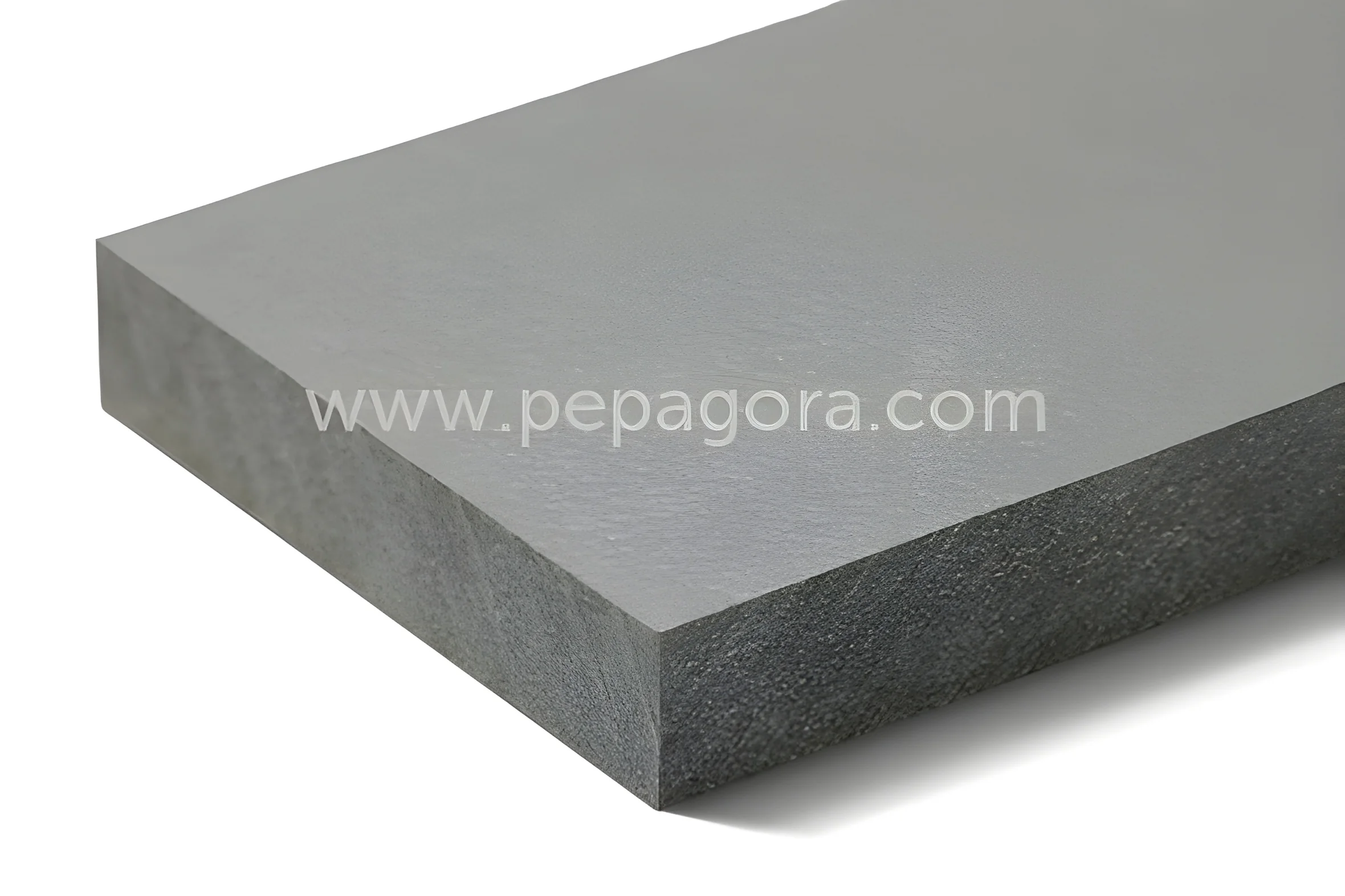
Decorative wall panels offer a range of features and specifications tailored to meet diverse customer needs. These panels are designed for durability, ease of installation, and aesthetic appeal. Understanding the key specifications can help buyers select the right products for their projects.
Key specifications include:
1. Material Composition
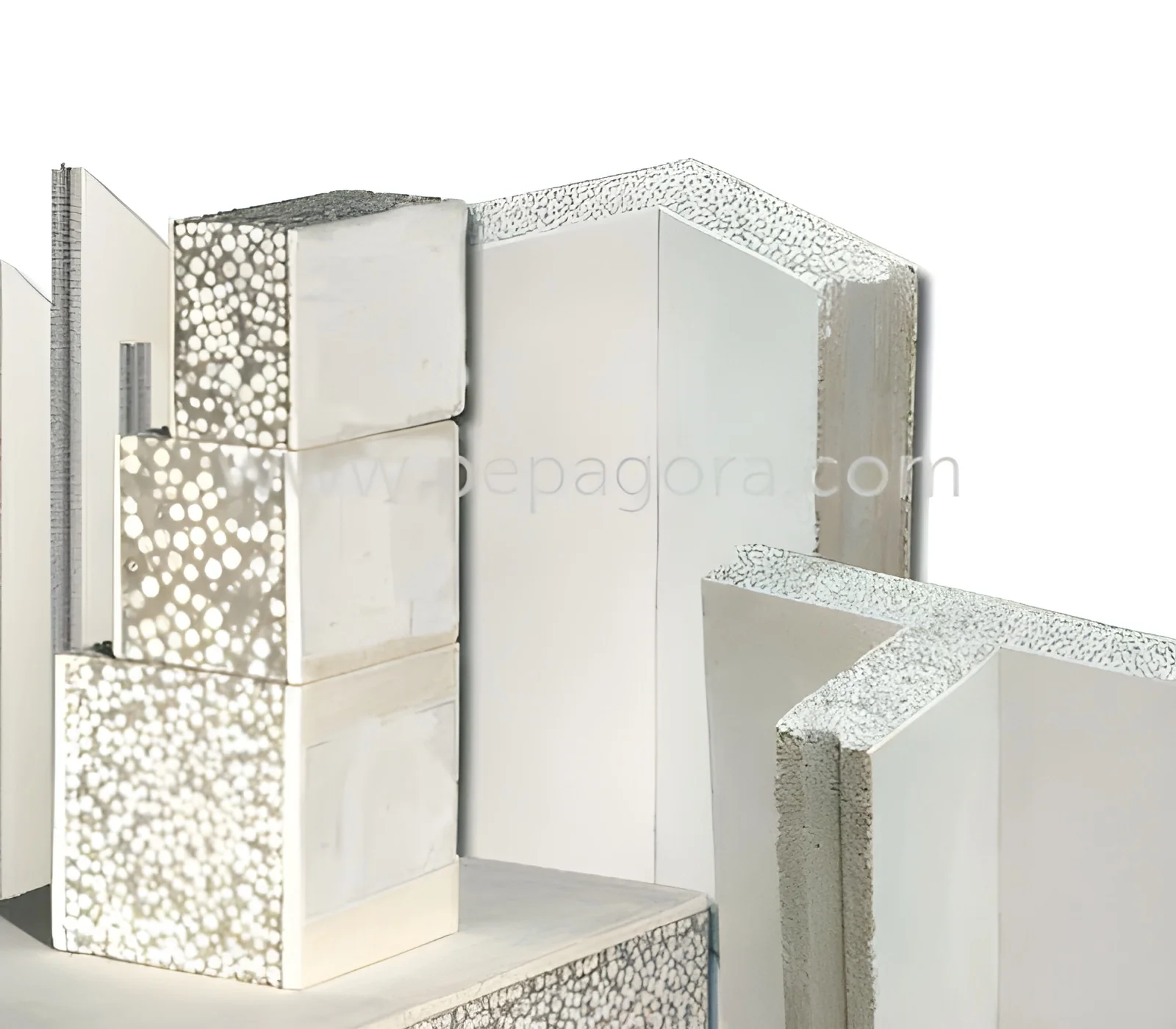
- Panels can be made from wood, PVC, metal, or composite materials.
- Each material provides different aesthetic qualities and durability levels.
2. Surface Finish
- Available finishes include matte, glossy, textured, or laminated.
- Surface finishes impact the visual appeal and ease of maintenance.
3. Panel Size
- Typical dimensions vary, with standard panels ranging from 4x8 feet to custom sizes.
- Larger panels can reduce the number of seams, improving aesthetics.
4. Installation Method
- Options include adhesive, clips, or tongue-and-groove systems.
- The chosen installation method affects ease of use and labor costs.
5. Acoustic Properties
- Some panels offer sound-absorbing features for better acoustics.
- Ideal for environments like conference rooms and auditoriums.
6. Fire Resistance
- Certain panels are treated for fire resistance, meeting safety standards.
- Important for commercial spaces where safety regulations apply.
7. Environmental Impact
- Many panels are produced using sustainable practices and materials.
- Certifications may be available for eco-friendly products.
8. Warranty Information
- Manufacturers often provide warranties to cover defects and ensure longevity.
- Warranty terms can vary based on material and manufacturer.
In summary, decorative wall panels present a variety of features that cater to both aesthetic and functional needs. Understanding these specifications can guide B2B buyers in making informed decisions that align with their project requirements.
Common Applications and Use Cases
Decorative wall panels serve a wide range of industries, offering solutions for various aesthetic and functional needs. Their versatility allows them to be used in many applications.
1. Commercial Offices: Decorative wall panels can create modern, professional environments. They are used to enhance branding and improve employee morale through appealing design.
2. Hospitality: Hotels and restaurants utilize these panels to create inviting atmospheres. Unique designs can enhance the guest experience and reinforce brand identity.
3. Retail Spaces: Stores leverage decorative wall panels to create engaging displays. They can highlight products and improve the overall shopping experience for customers.
4. Healthcare Facilities: Panels can contribute to a calming environment in hospitals and clinics. They are often chosen for their easy maintenance and hygienic properties.
5. Educational Institutions: Schools and universities use decorative wall panels to create inspiring learning environments. They can help in sound absorption and improve the overall aesthetic.
6. Residential Interiors: Homeowners opt for decorative wall panels to enhance living spaces. They provide design flexibility for different rooms, from living areas to bedrooms.
7. Entertainment Venues: Theaters and concert halls use these panels for both aesthetic appeal and acoustic treatment. This helps enhance sound quality while improving visual design.
Product Variants and Subcategories
Decorative wall panels come in various forms to meet different design preferences and functional needs. This diversity allows buyers to select products that best fit their specific applications.
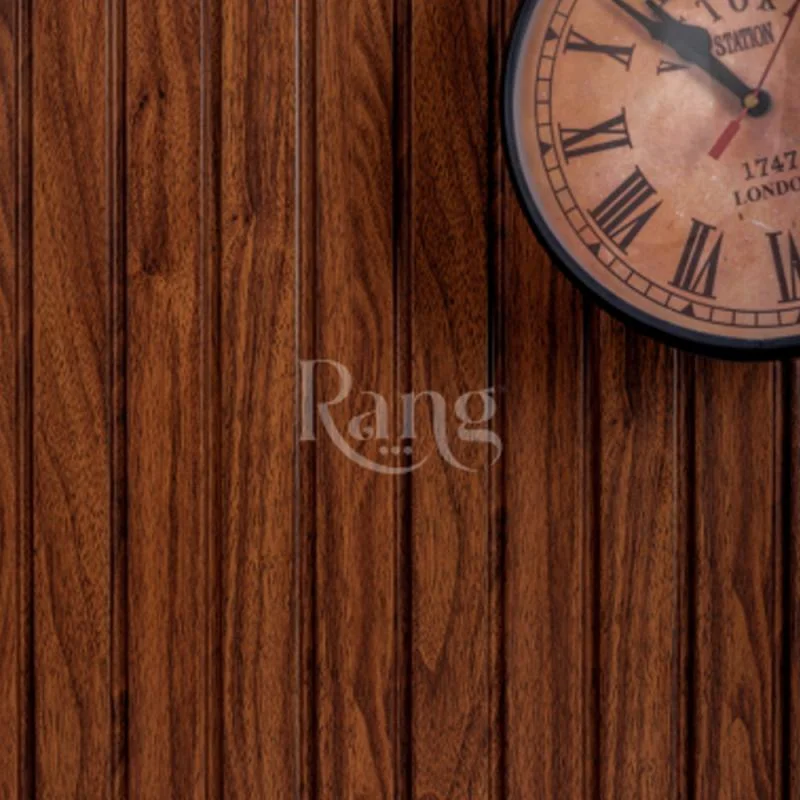
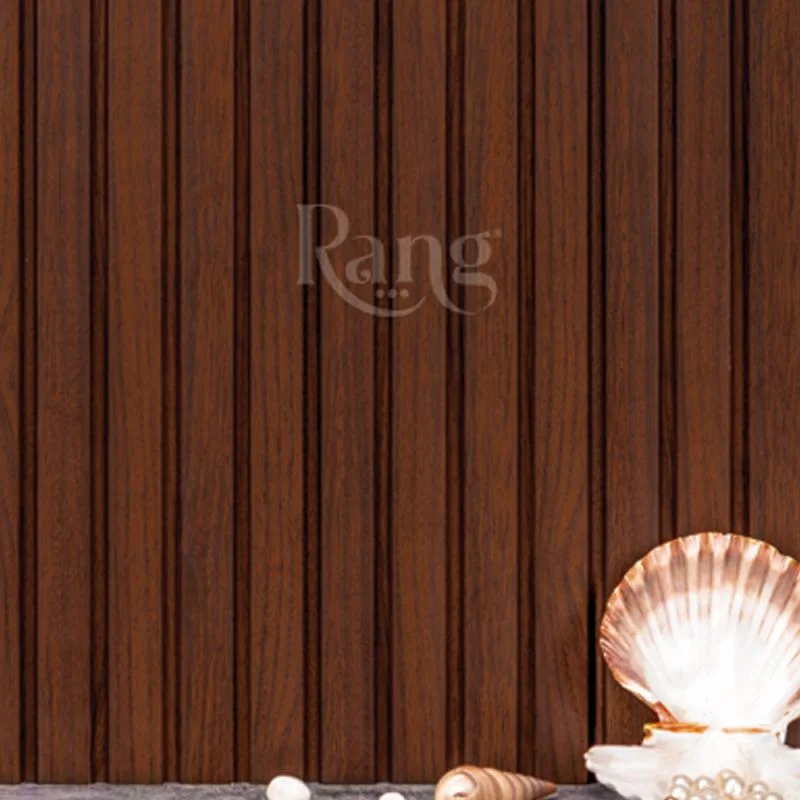
Wood Panels: These panels offer a warm, natural aesthetic, suitable for both modern and traditional designs. They can be used in offices, homes, and commercial spaces, enhancing the environment with their rich textures.
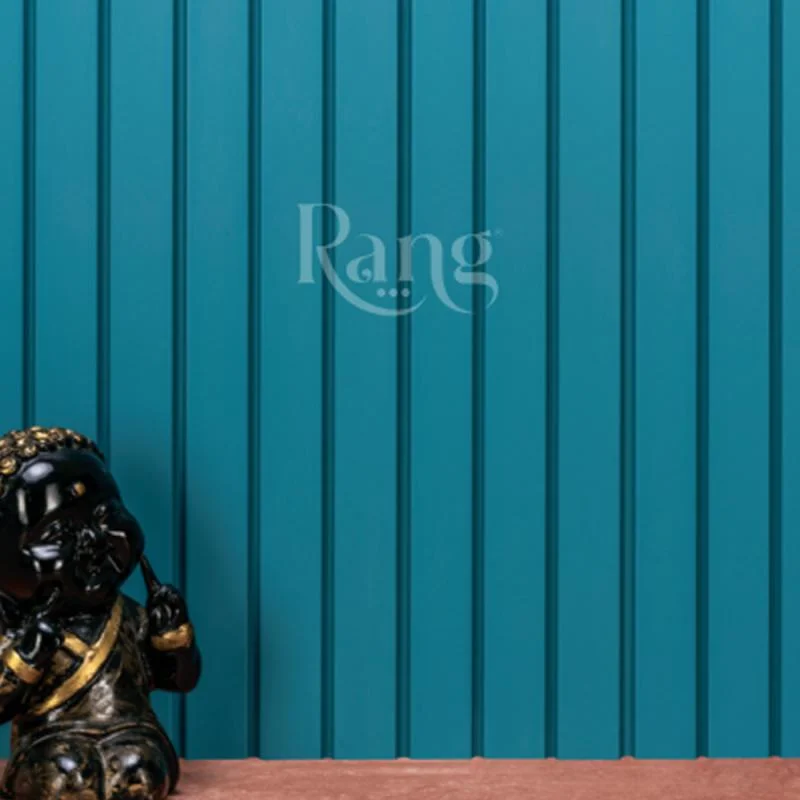
PVC Panels: Lightweight and moisture-resistant, PVC panels are ideal for high-humidity areas like bathrooms and kitchens. They are easy to clean and maintain, making them a practical choice for various applications.
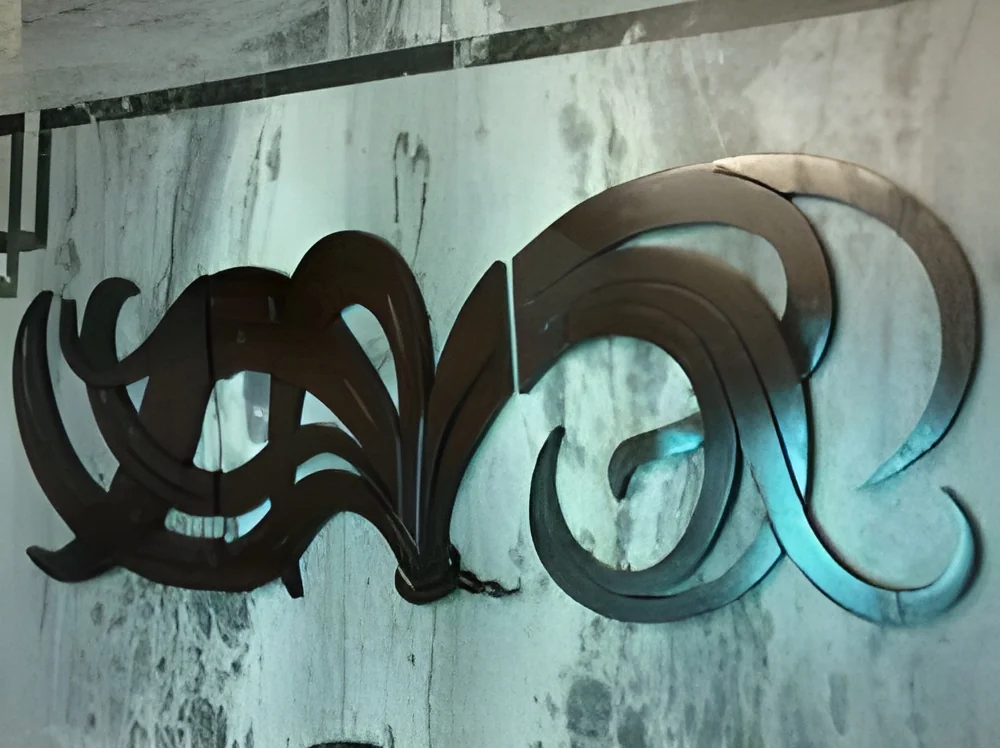
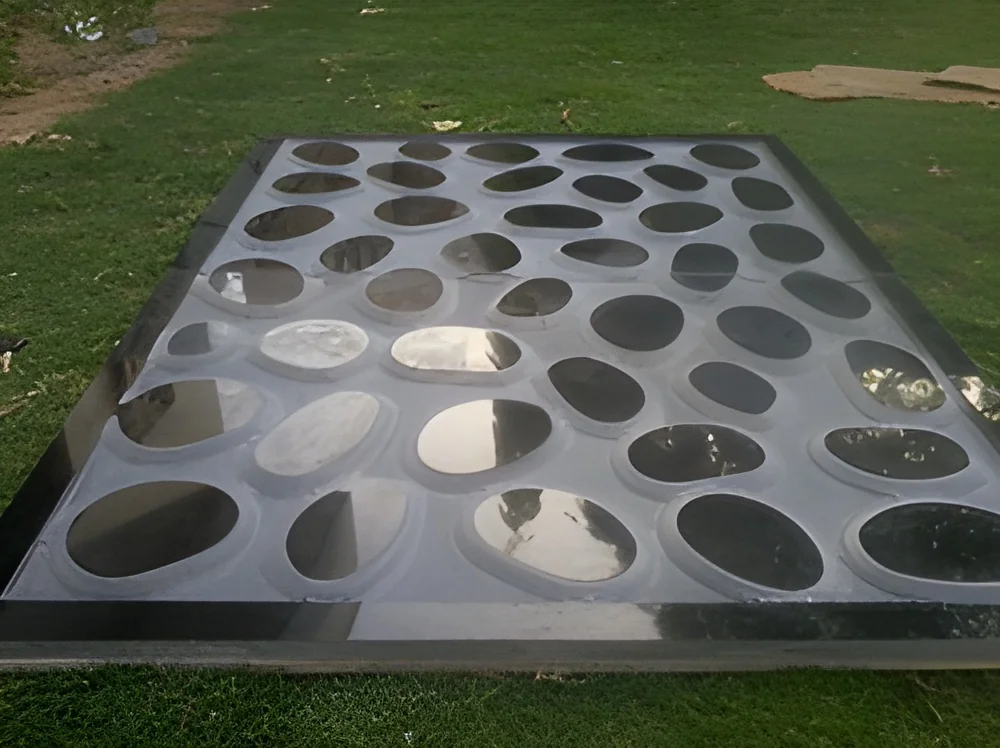
Metal Panels: Offering a contemporary look, metal panels can be used in commercial settings for a sleek, modern finish. They are durable and often chosen for their ability to withstand wear and tear.
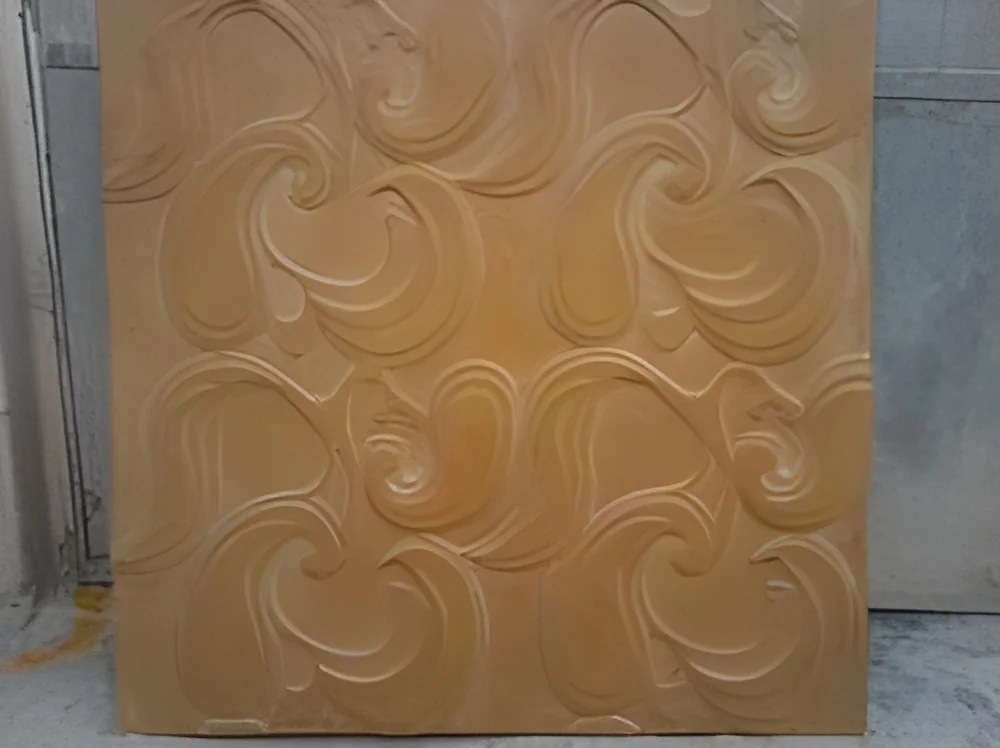
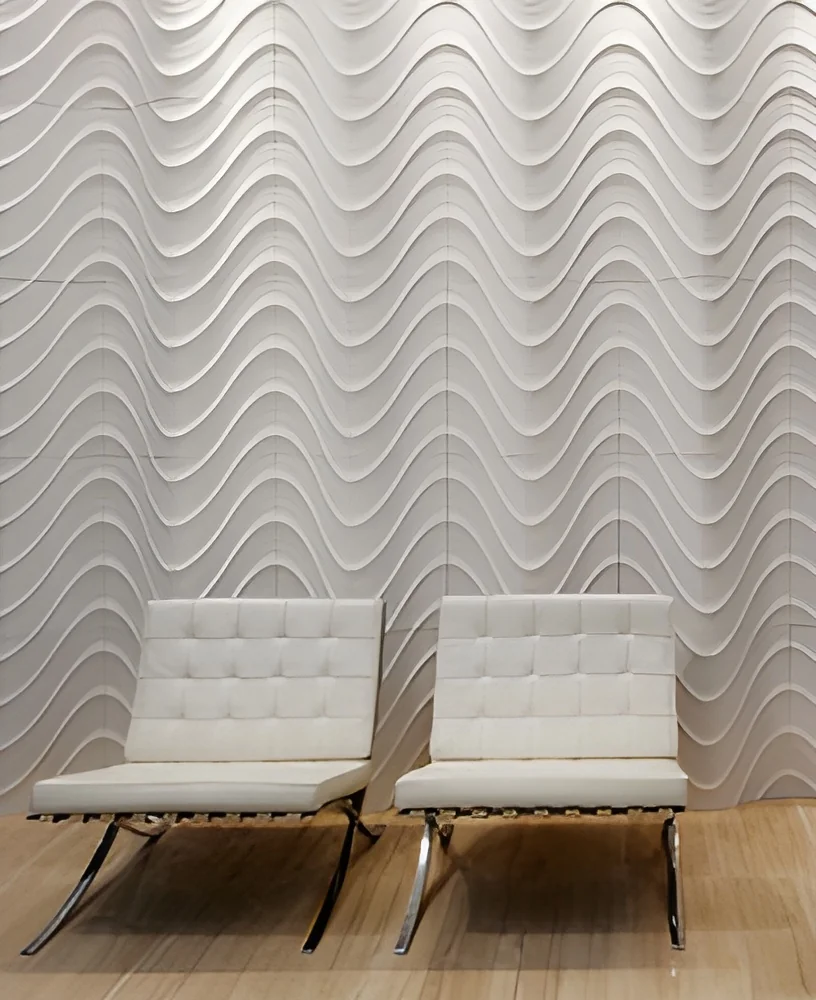
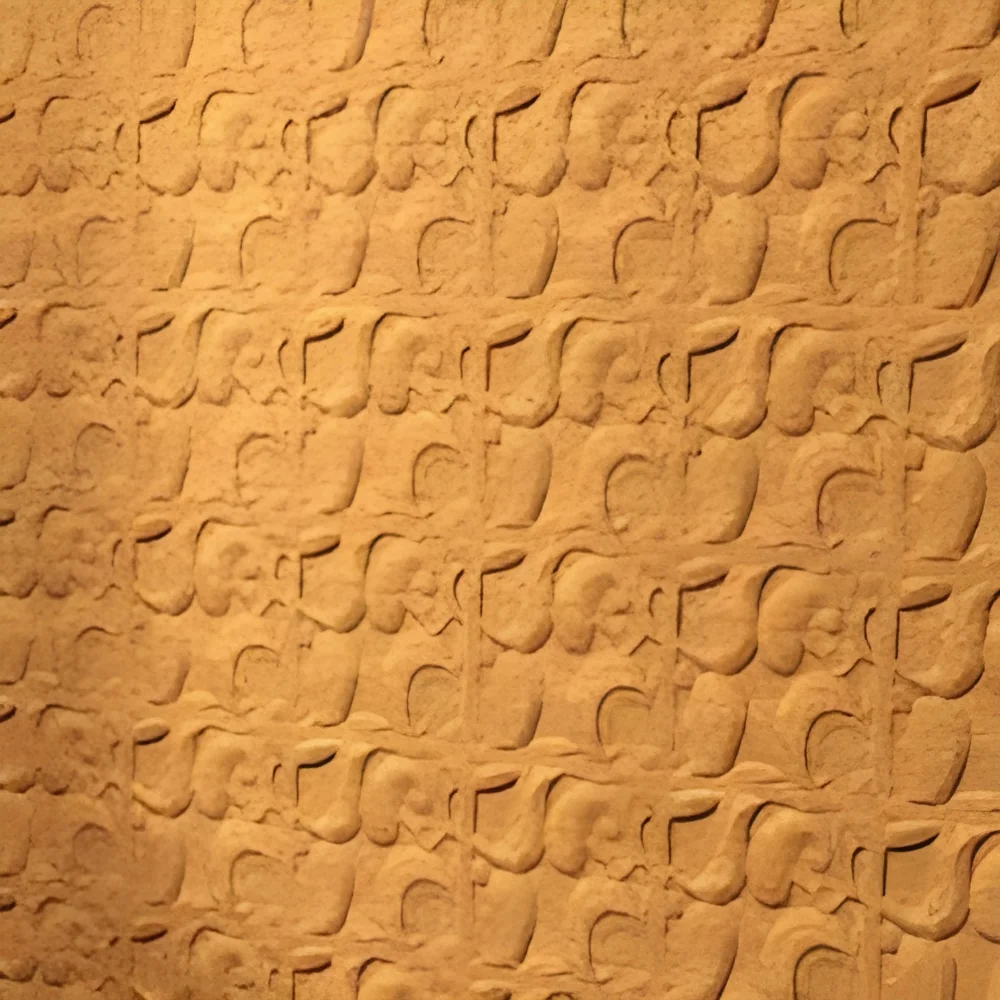
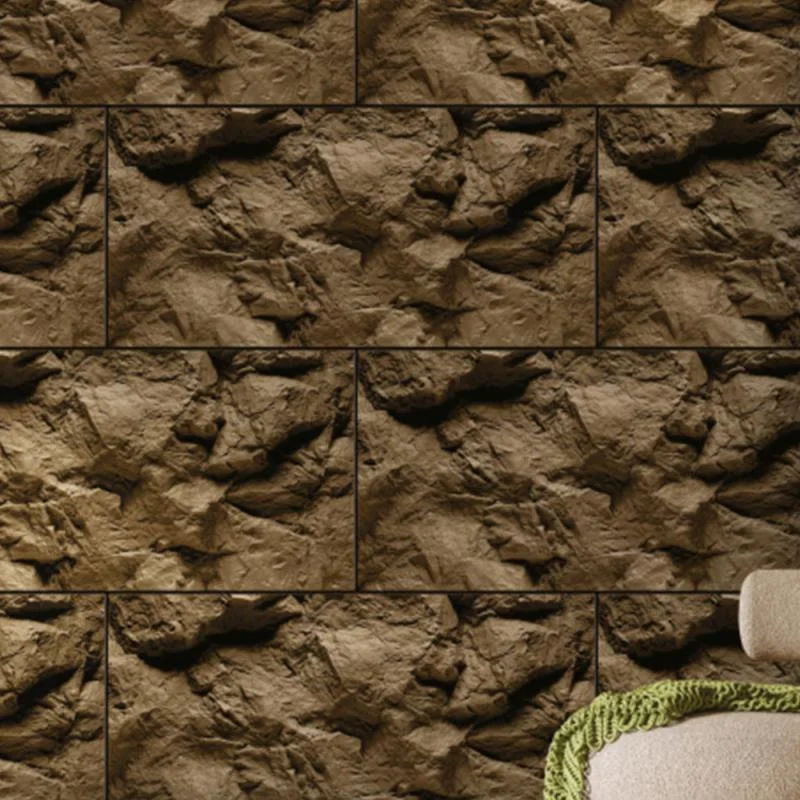
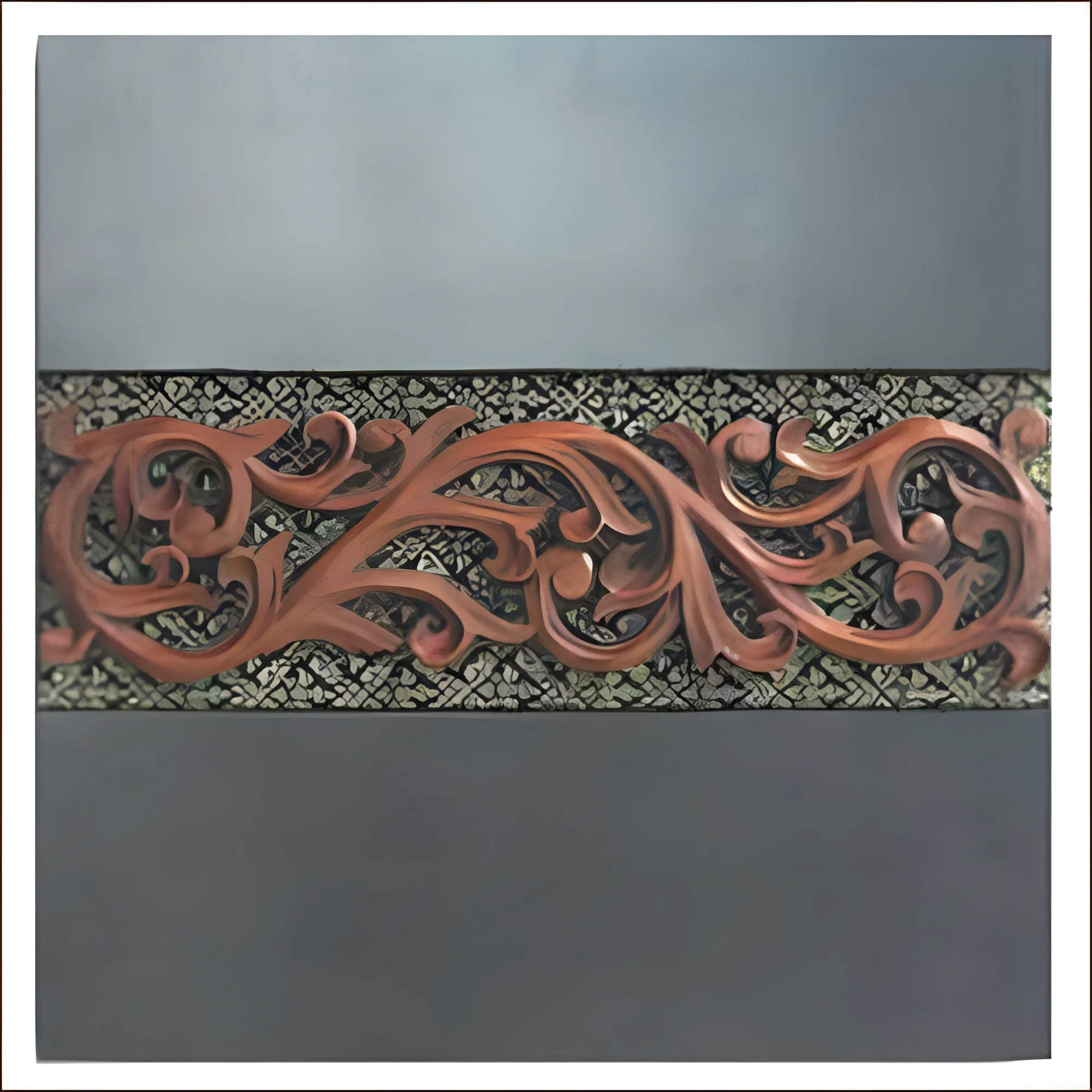
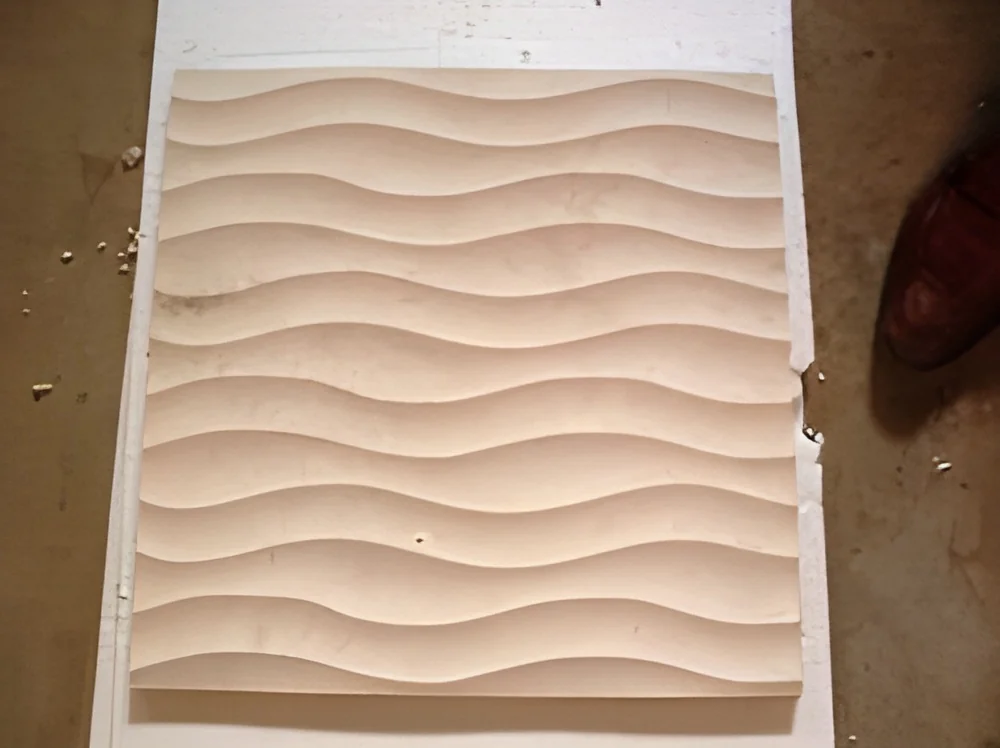
Textured Panels: These panels provide a three-dimensional effect, adding depth and interest to walls. They are used in various settings, including retail and hospitality, to create unique focal points.
Benefits and Advantages
Decorative wall panels present numerous benefits that enhance both aesthetics and functionality in various environments. Their advantages make them a popular choice among businesses and designers.
1. Aesthetic Appeal: Decorative wall panels significantly enhance the visual appeal of spaces. They allow for creative designs that can reflect branding and personal style.
2. Easy Installation: Many panels are designed for quick and straightforward installation. This reduces labor costs and minimizes downtime during renovations.
3. Durability: Quality decorative wall panels are built to last, resisting wear, moisture, and damage. This longevity provides value over time, reducing the need for replacements.
4. Low Maintenance: Panels often require minimal upkeep. Most surfaces can be easily cleaned, making them suitable for high-traffic areas.
5. Sound Absorption: Specific panels are designed to improve acoustics. This feature is particularly beneficial in commercial settings like offices and conference rooms.
6. Customization Options: Many manufacturers offer customization, allowing businesses to select colors, textures, and sizes that fit their specific needs. This flexibility enhances design possibilities.
Buying Guide for B2B Buyers
When sourcing decorative wall panels, it is essential to consider various factors to ensure the right selection for your business needs. A thorough evaluation will lead to better purchasing decisions.
1. Quality Assessment: Look for panels that meet high-quality standards. Consider materials, construction methods, and manufacturers' reputations to ensure durability and performance.
2. Supplier Verification: Always vet suppliers to confirm their credibility. Check for reviews, certifications, and their history in the market to ensure reliability.
3. Pricing and MOQ: Understand the cost structure, including potential minimum order quantities. This will help you budget effectively and avoid unexpected expenses.
4. Delivery and Lead Times: Assess the suppliers' logistics capabilities. Ensure they can meet your delivery timelines and that they provide clear communication regarding shipping.
5. Compliance Requirements: Be aware of any regulatory standards that apply to decorative wall panels. Ensure that the products comply with relevant safety and environmental regulations.
Compliance and Certifications
Compliance and certifications play a crucial role in ensuring the quality and safety of decorative wall panels. Various standards and regulations govern their production and use.
Relevant quality standards include ISO 9001, which outlines requirements for a quality management system. Adhering to this standard ensures that manufacturers maintain high quality in their processes and products.
Industry certifications, such as CE marking, indicate compliance with European safety, health, and environmental protection standards. Products bearing this mark meet rigorous testing and quality assurance processes.
Safety and testing requirements are vital, especially for panels used in commercial and public spaces. Manufacturers must ensure their products are tested for fire resistance and other safety factors.
Regional compliance considerations may vary. Different countries have specific regulations governing materials used in construction and design. Familiarity with these regulations is essential for B2B buyers sourcing decorative wall panels.
Why Source Decorative Wall Panels from Pepagora?
Pepagora provides a trusted platform for sourcing decorative wall panels, offering several key advantages to B2B buyers.
Verified Supplier Network: Pepagora has a robust network of verified suppliers. This ensures that buyers can connect with reputable manufacturers who adhere to quality standards.
Streamlined RFQ Process: The platform simplifies the request for quotation (RFQ) process, allowing buyers to receive competitive pricing and terms from multiple suppliers. This efficiency saves time and effort in procurement.
Trade Assurance and Support: Pepagora offers trade assurance, providing buyers with protection throughout the purchasing process. This support helps mitigate risks associated with sourcing from new suppliers.
Regional Coverage: With a strong presence in India, the GCC, and Southeast Asia, Pepagora connects buyers with suppliers across diverse markets. This geographic reach enhances options for businesses looking for decorative wall panels tailored to regional preferences.

 IN
IN