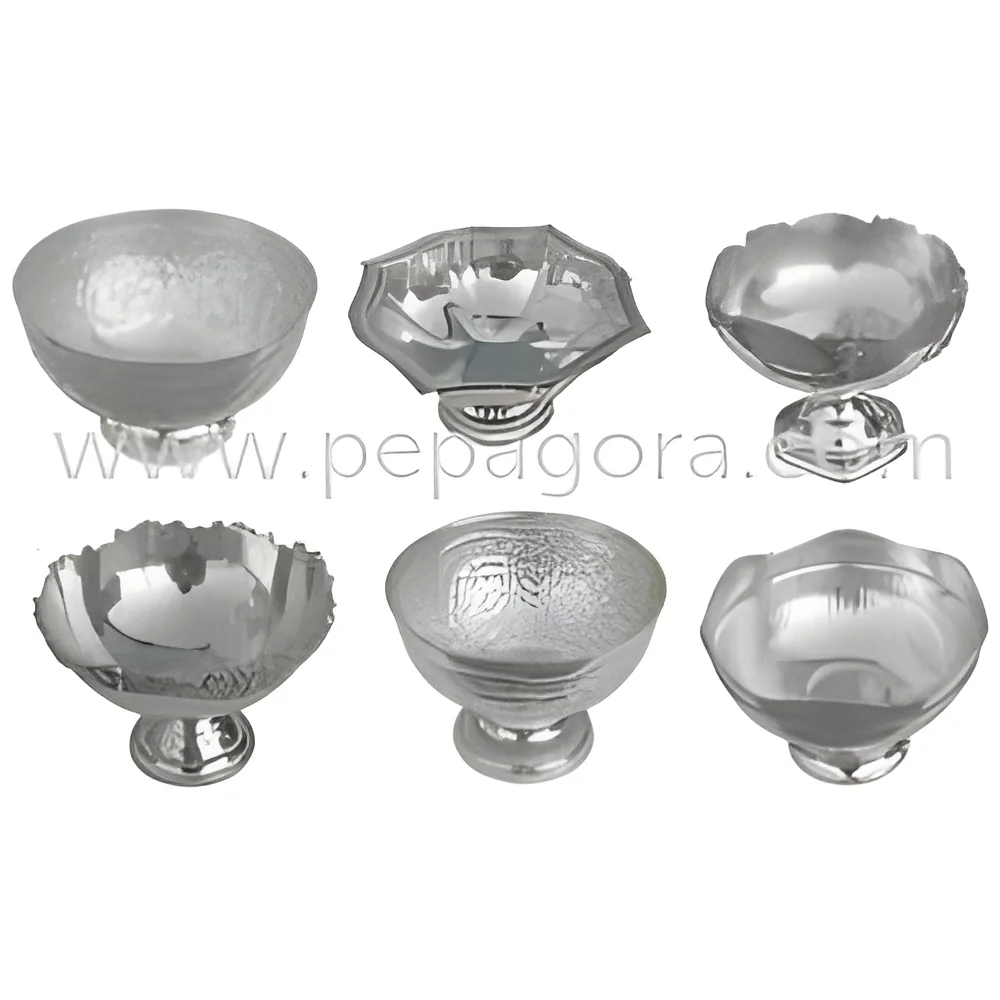
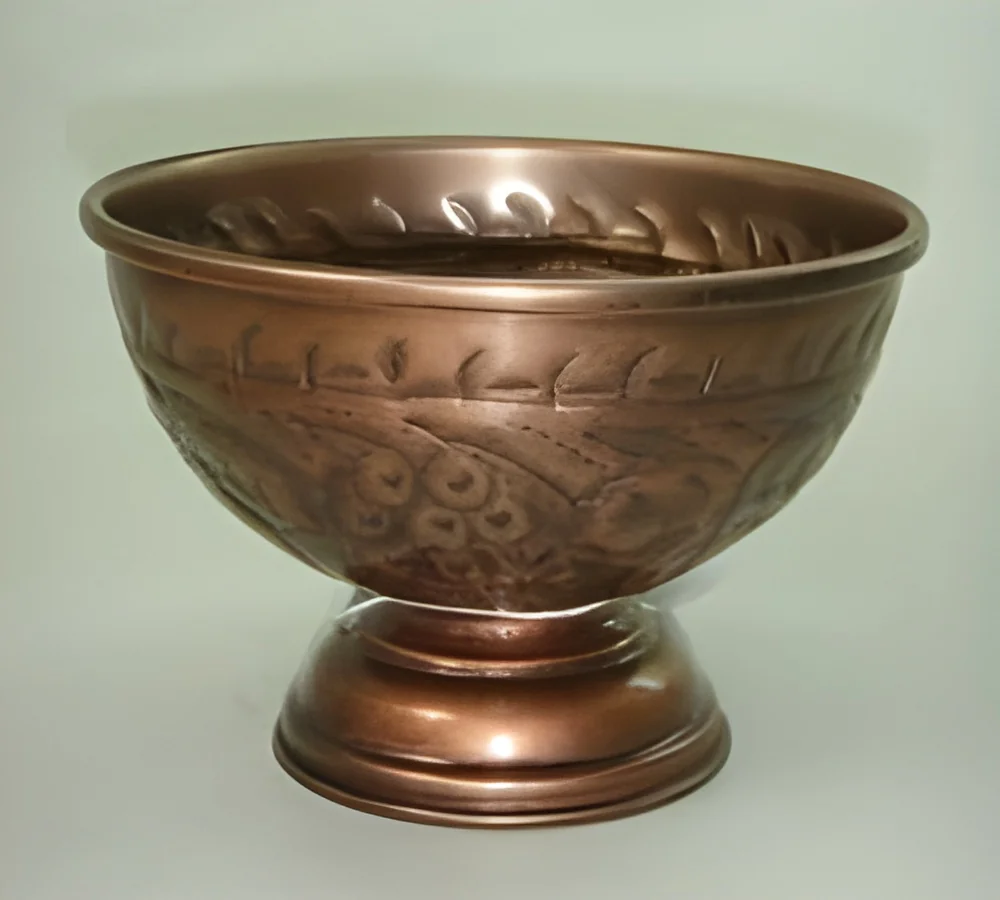
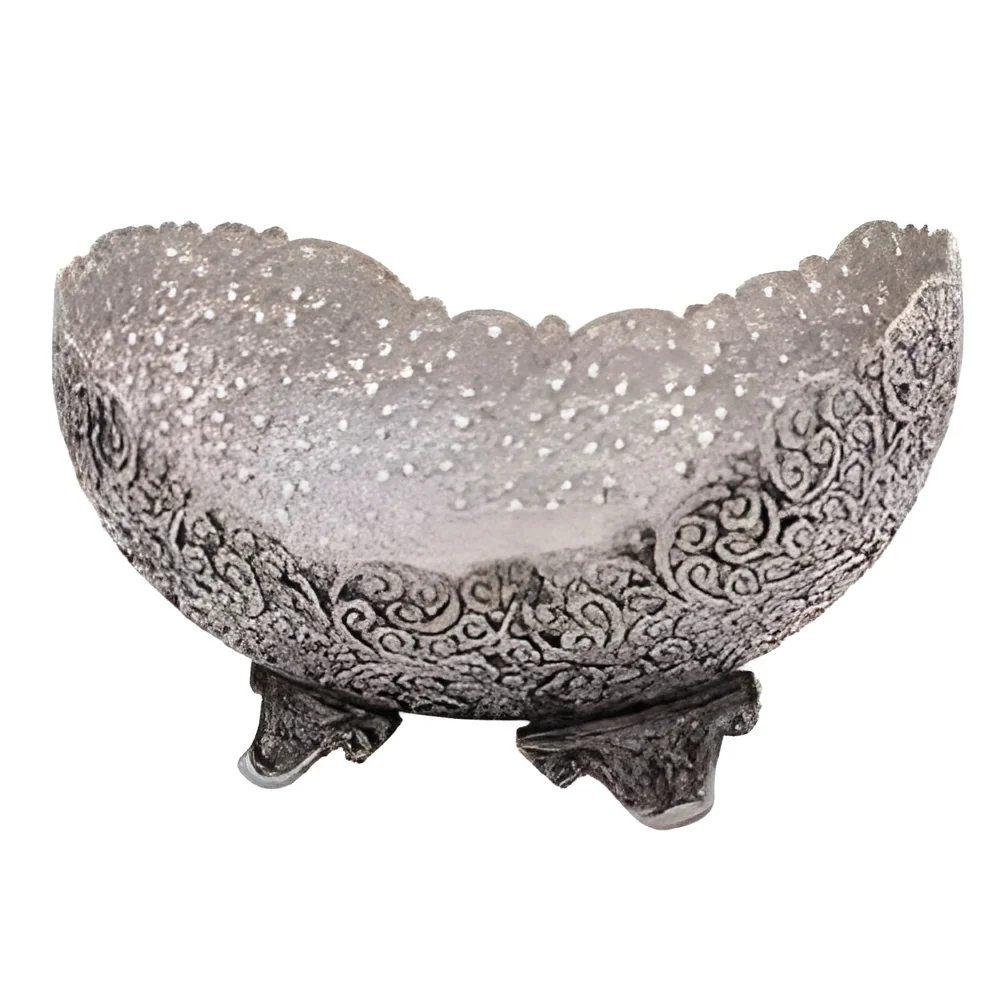
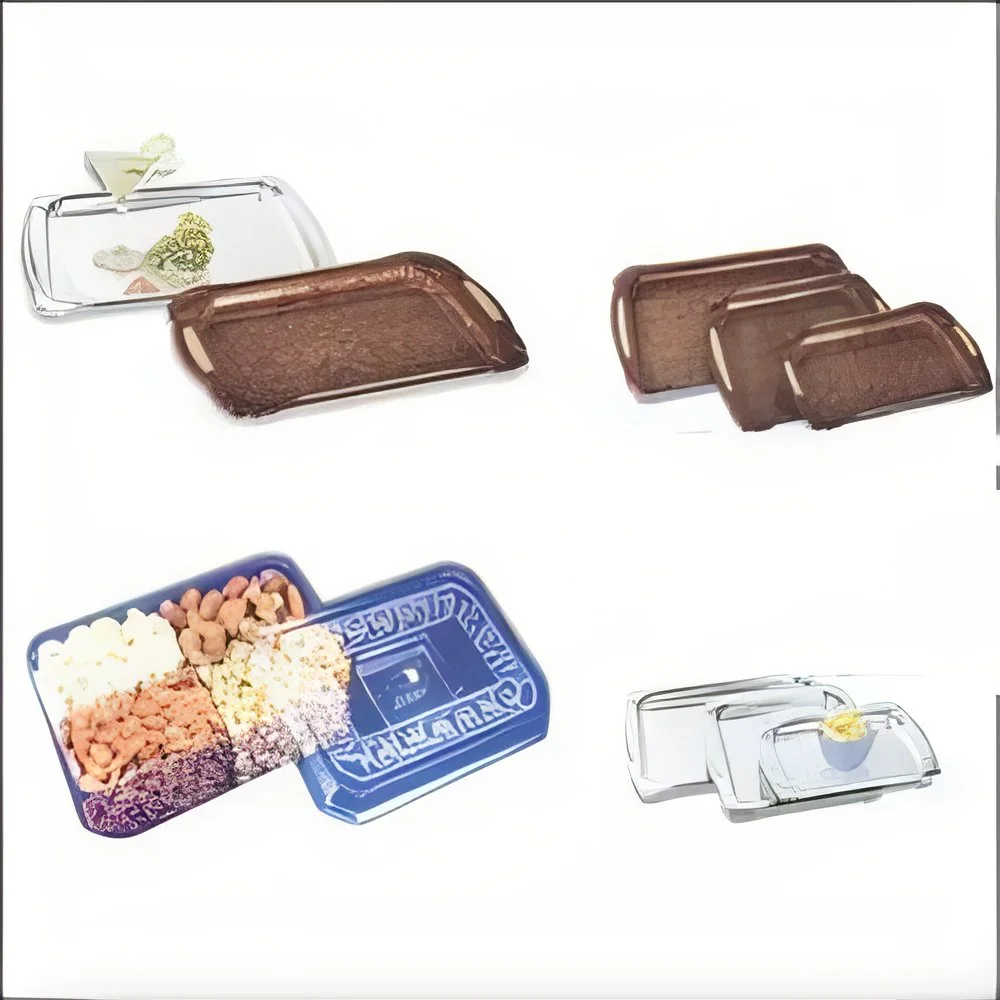
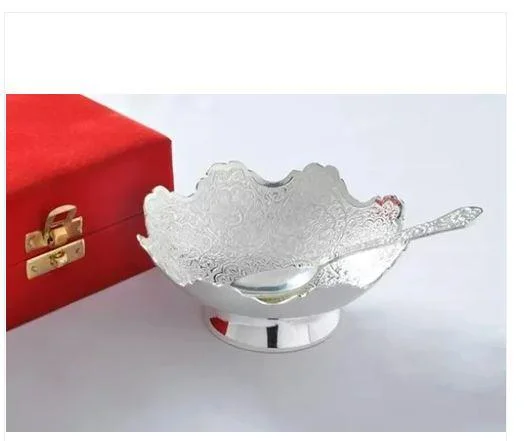
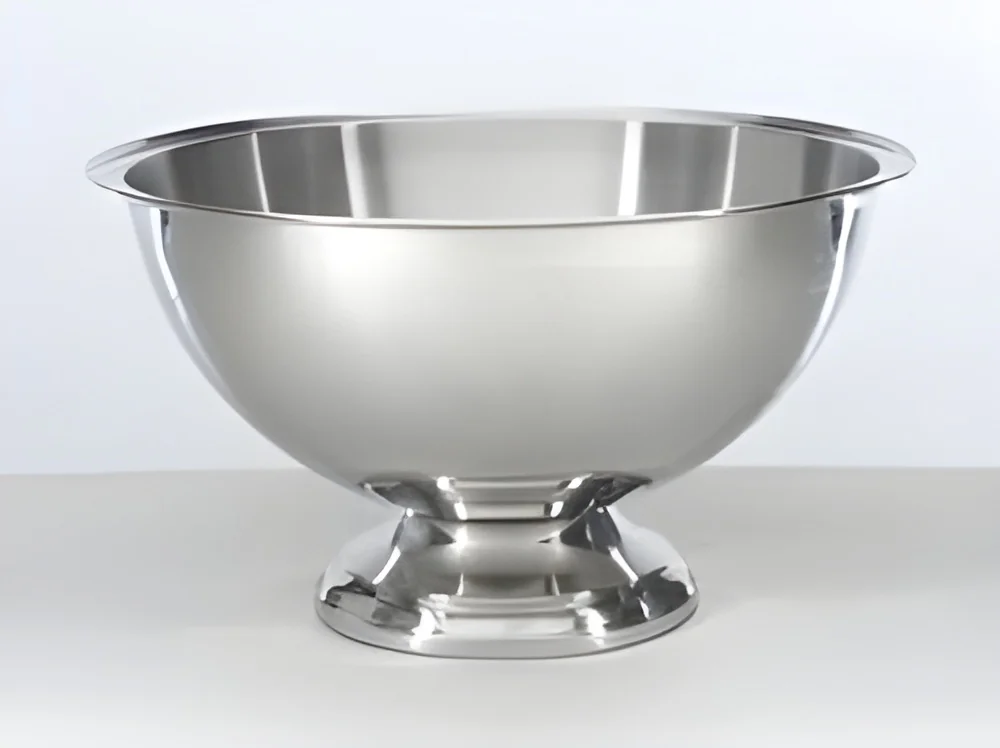
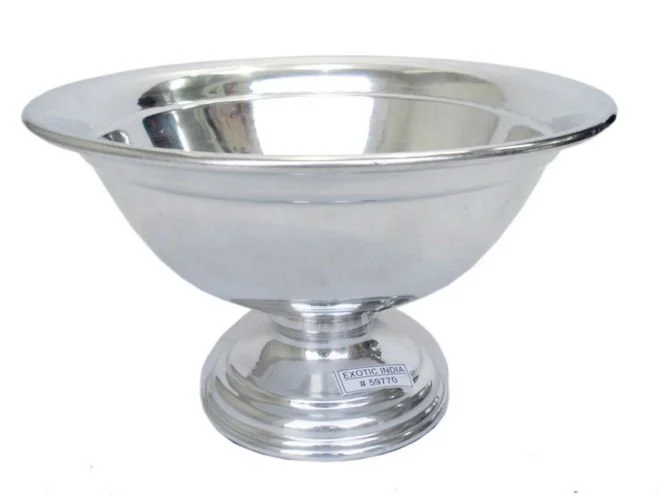
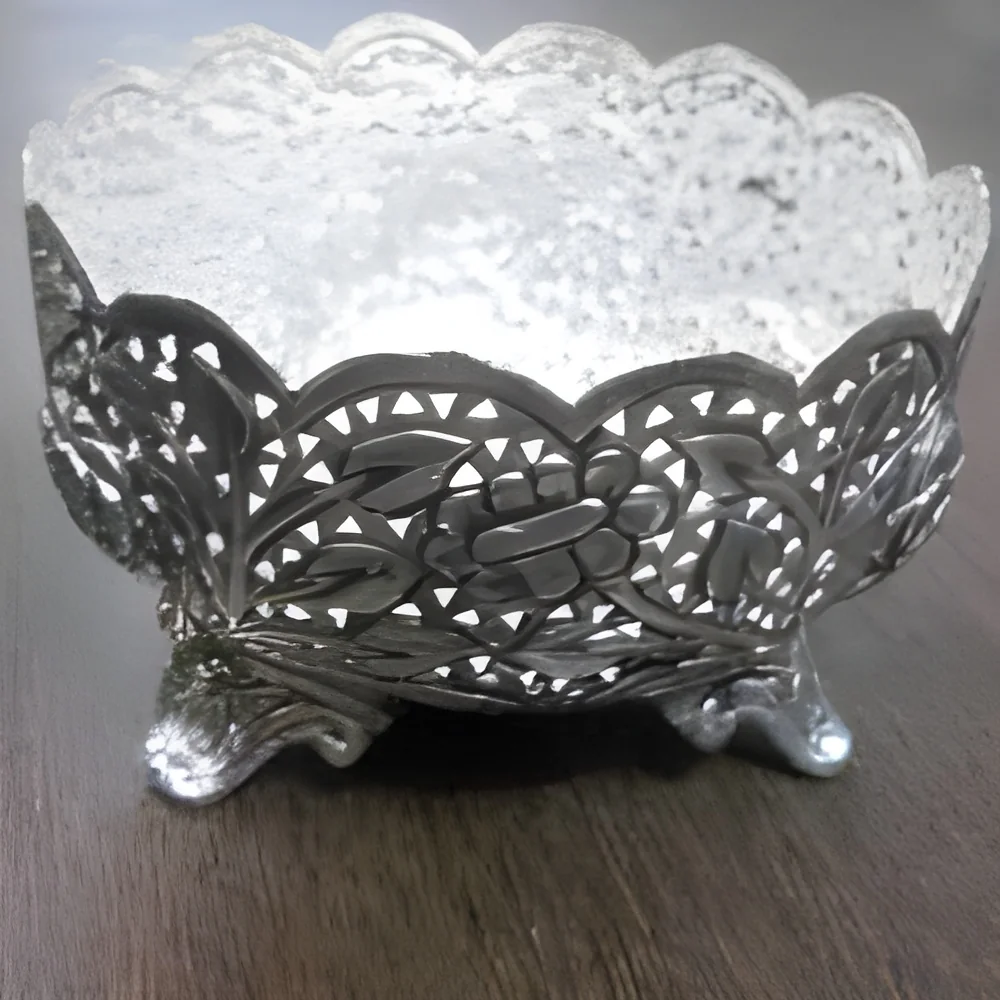
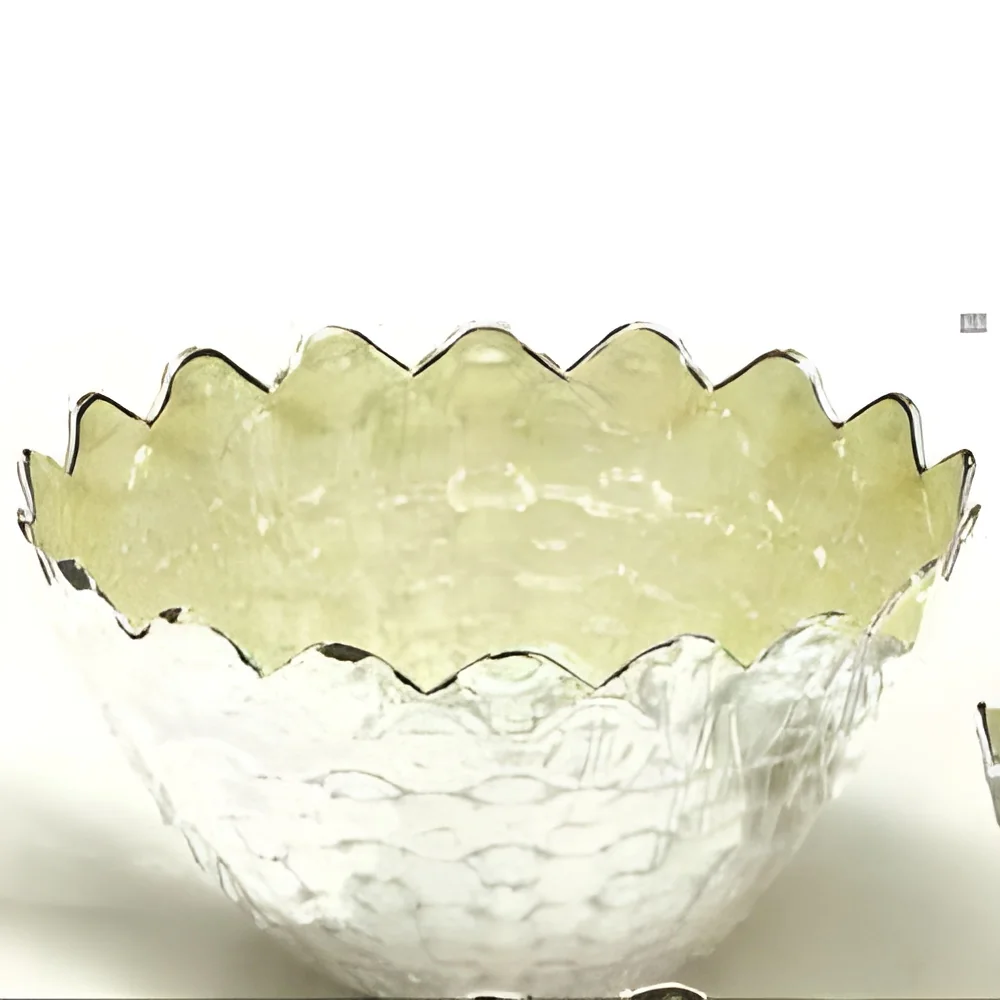
What are Decorative Bowls & Trays?
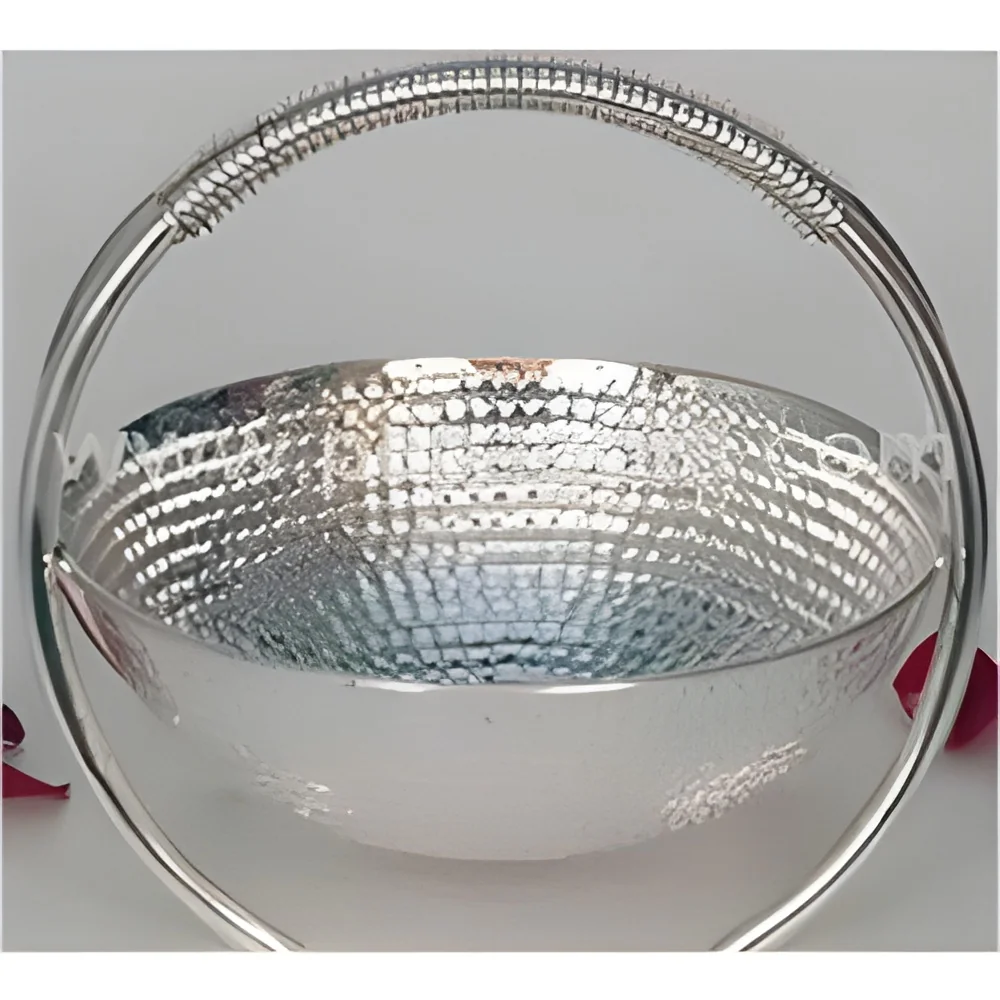
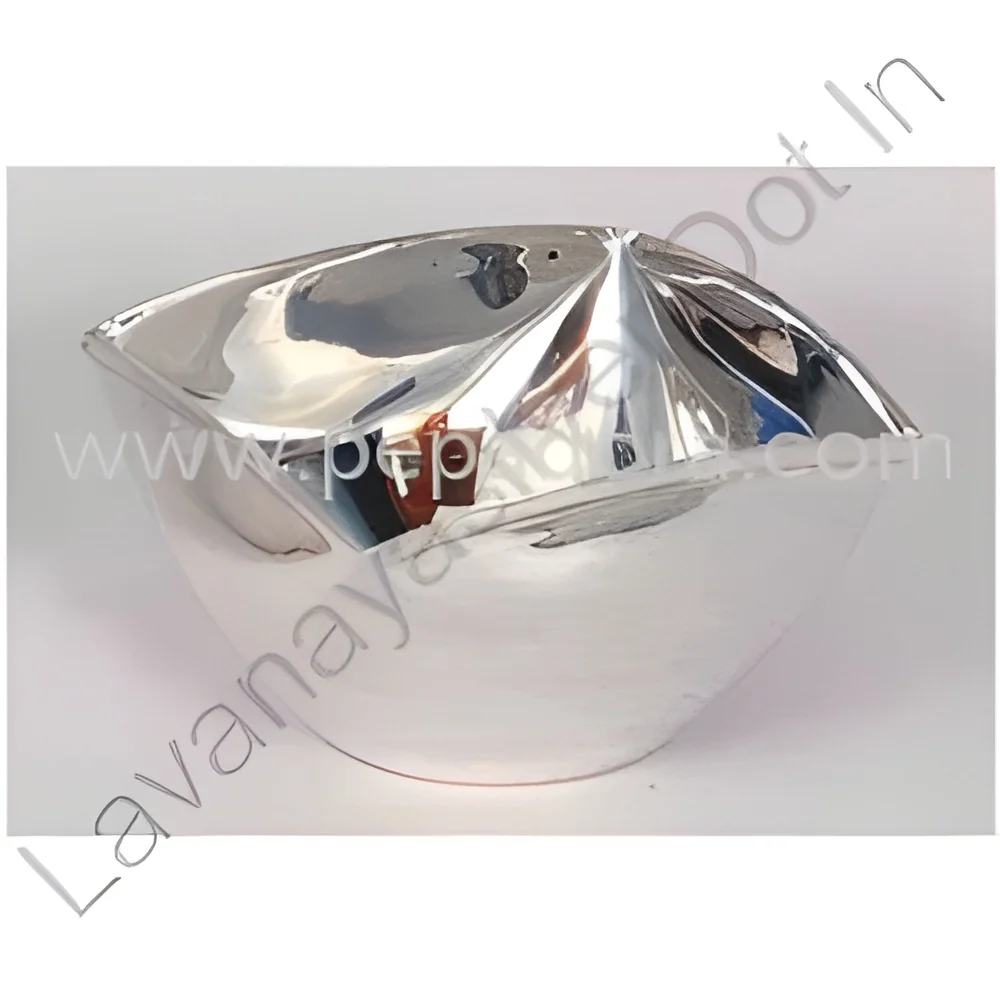
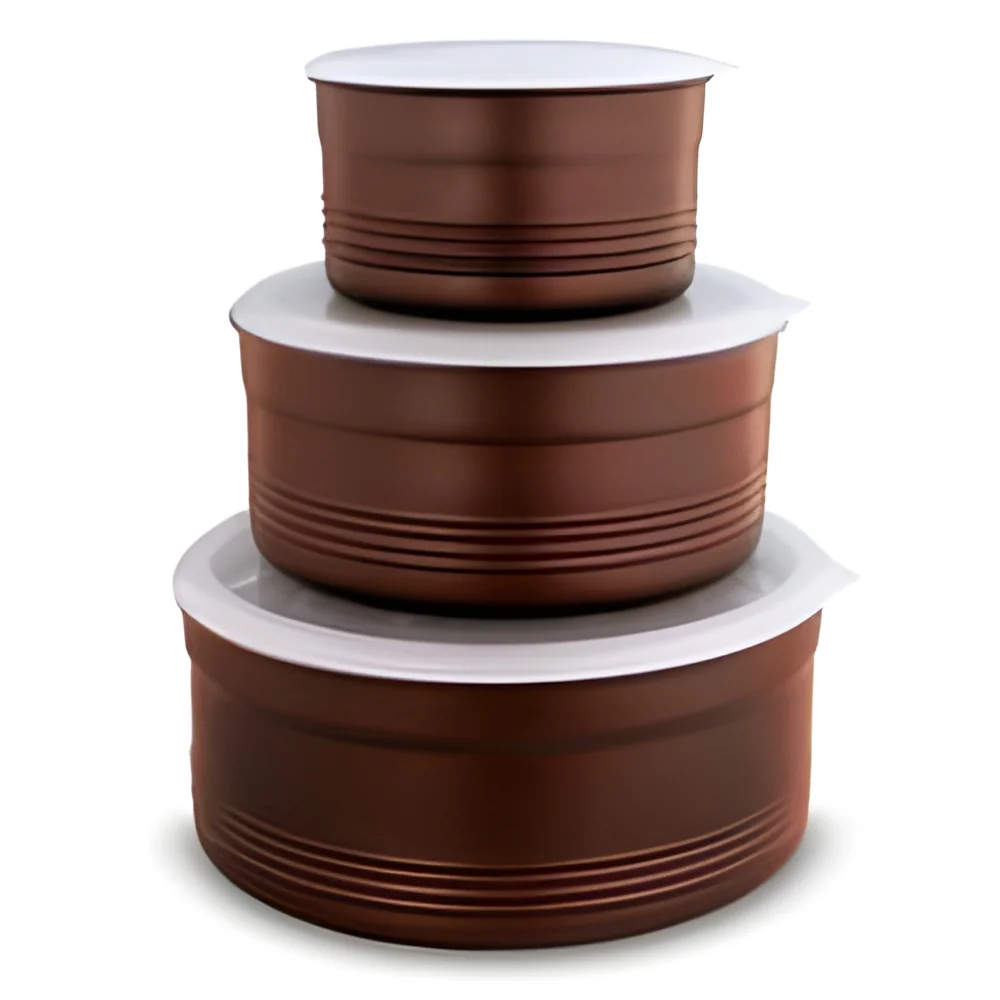
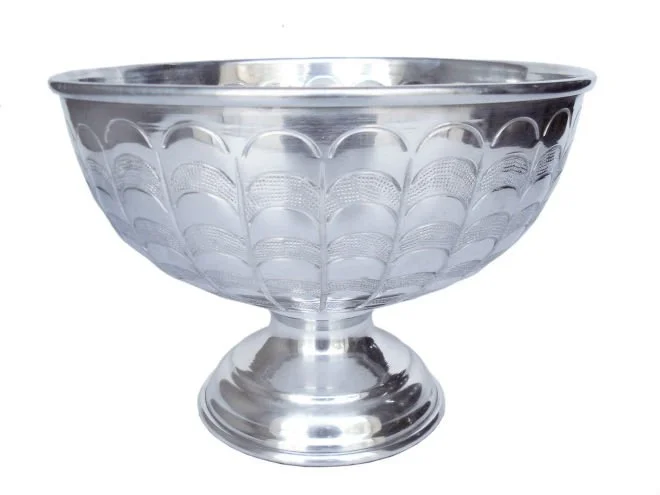
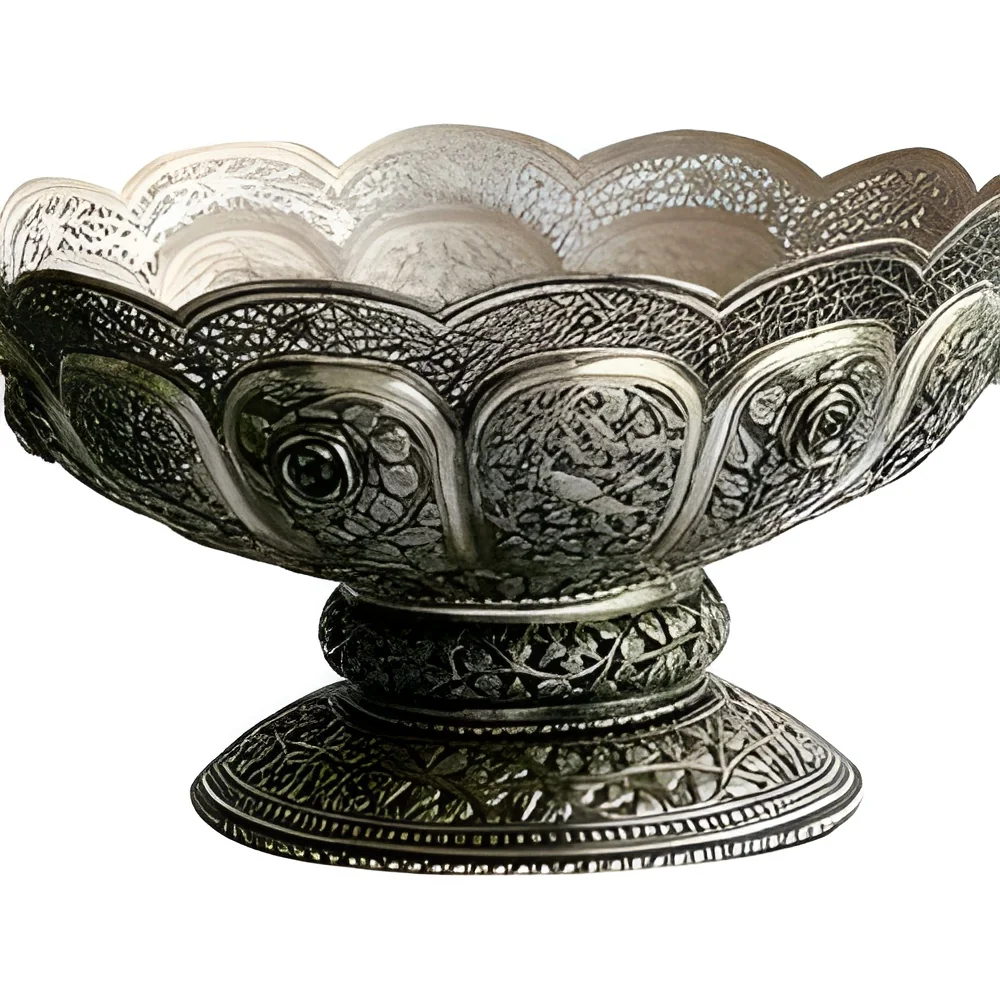
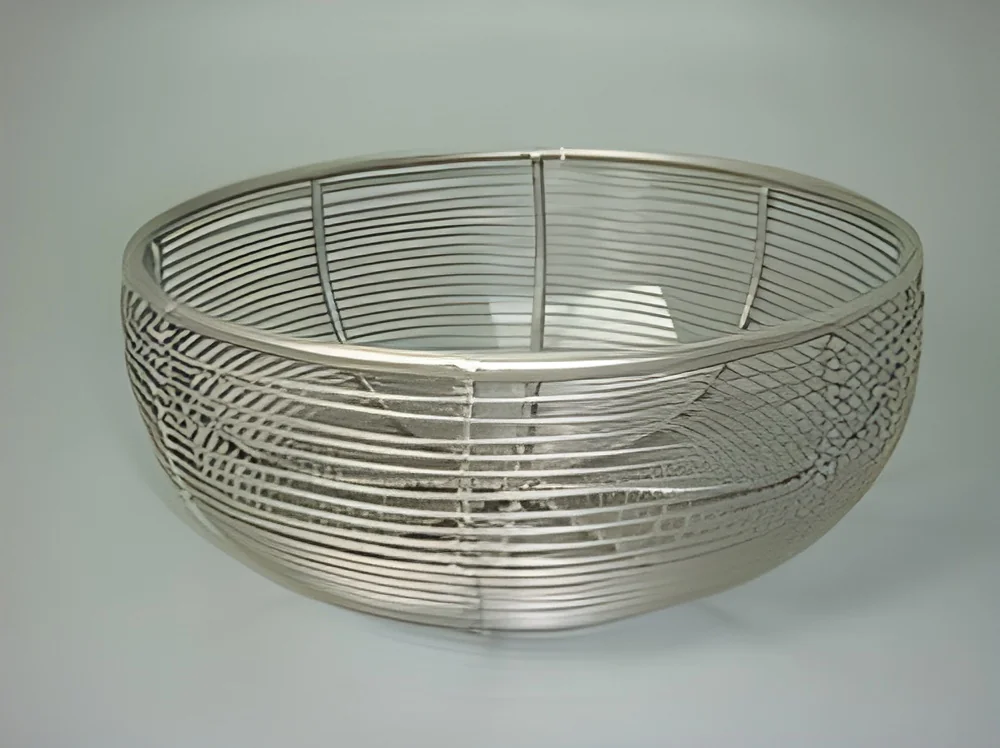
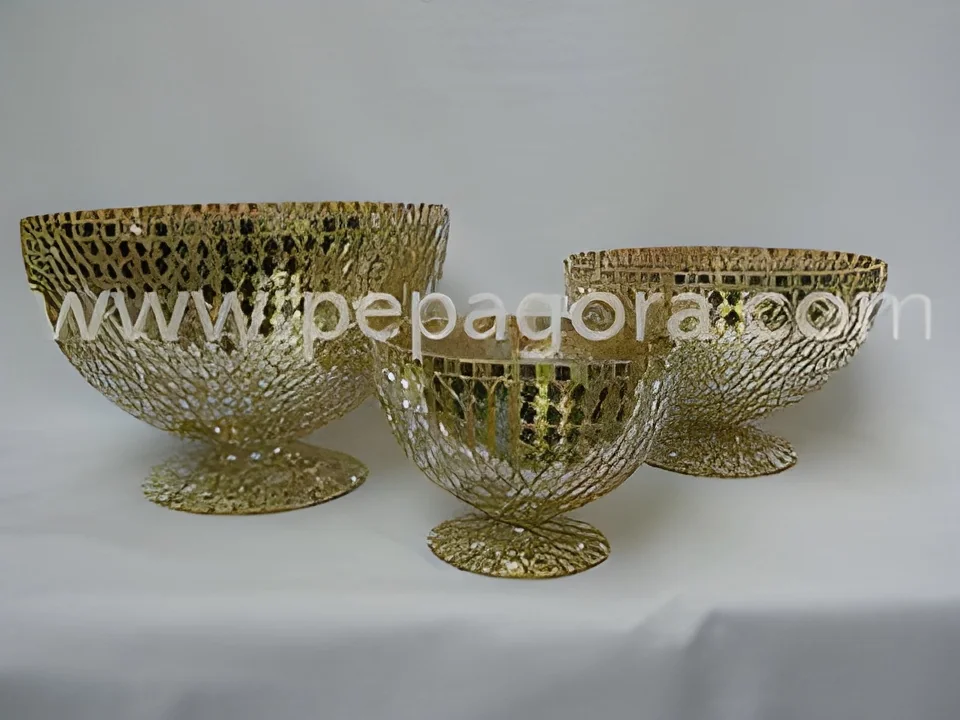
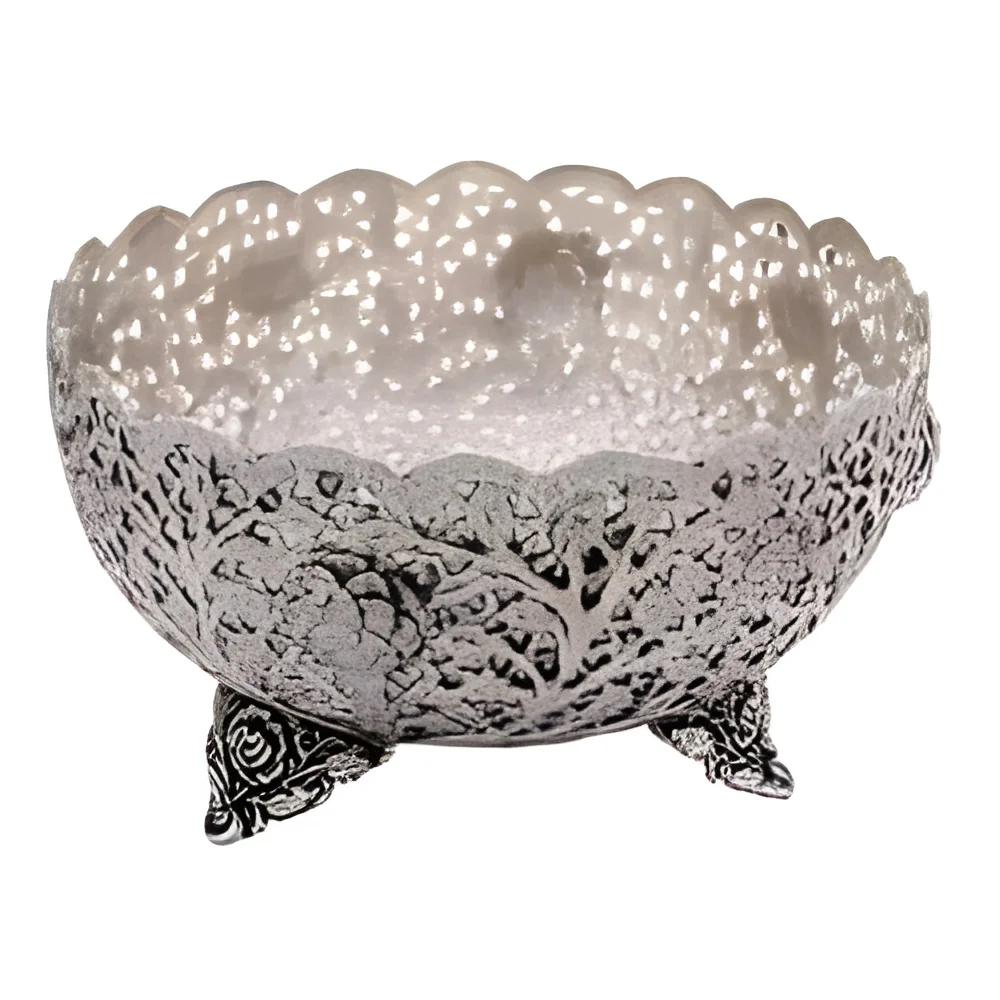
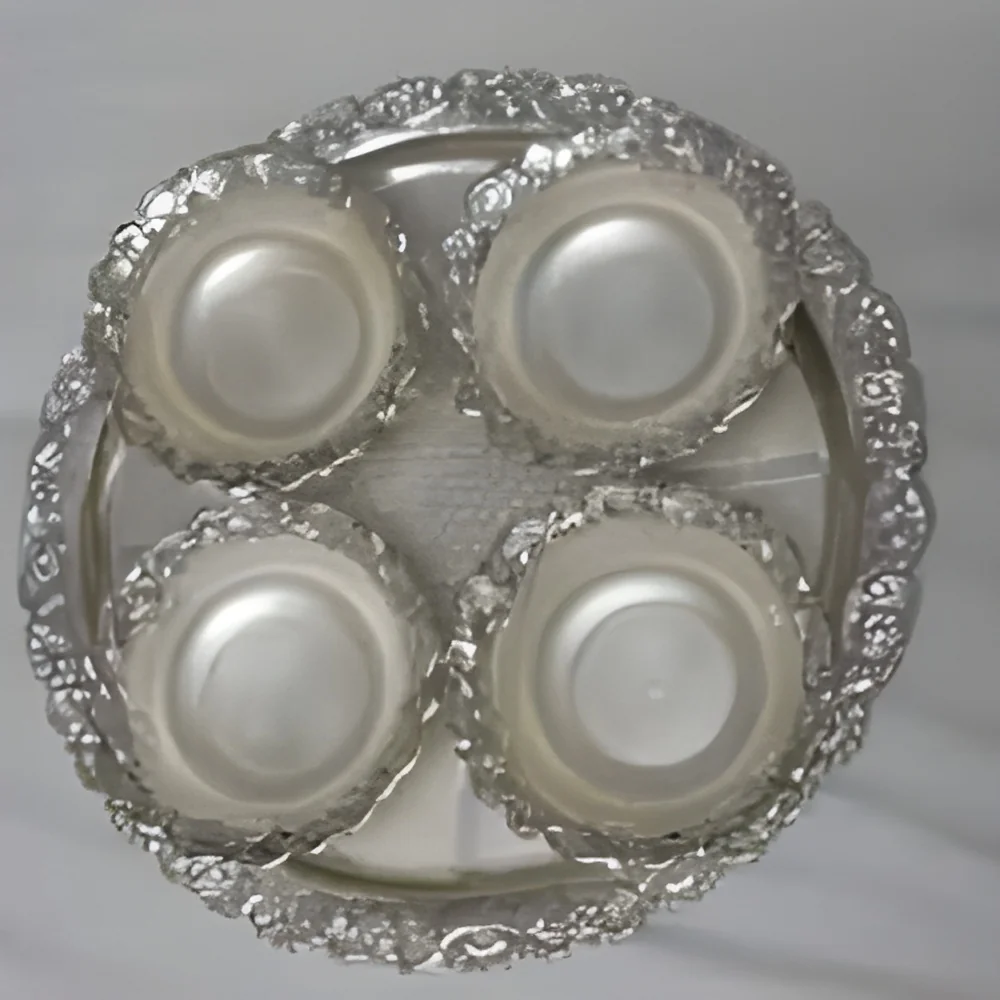
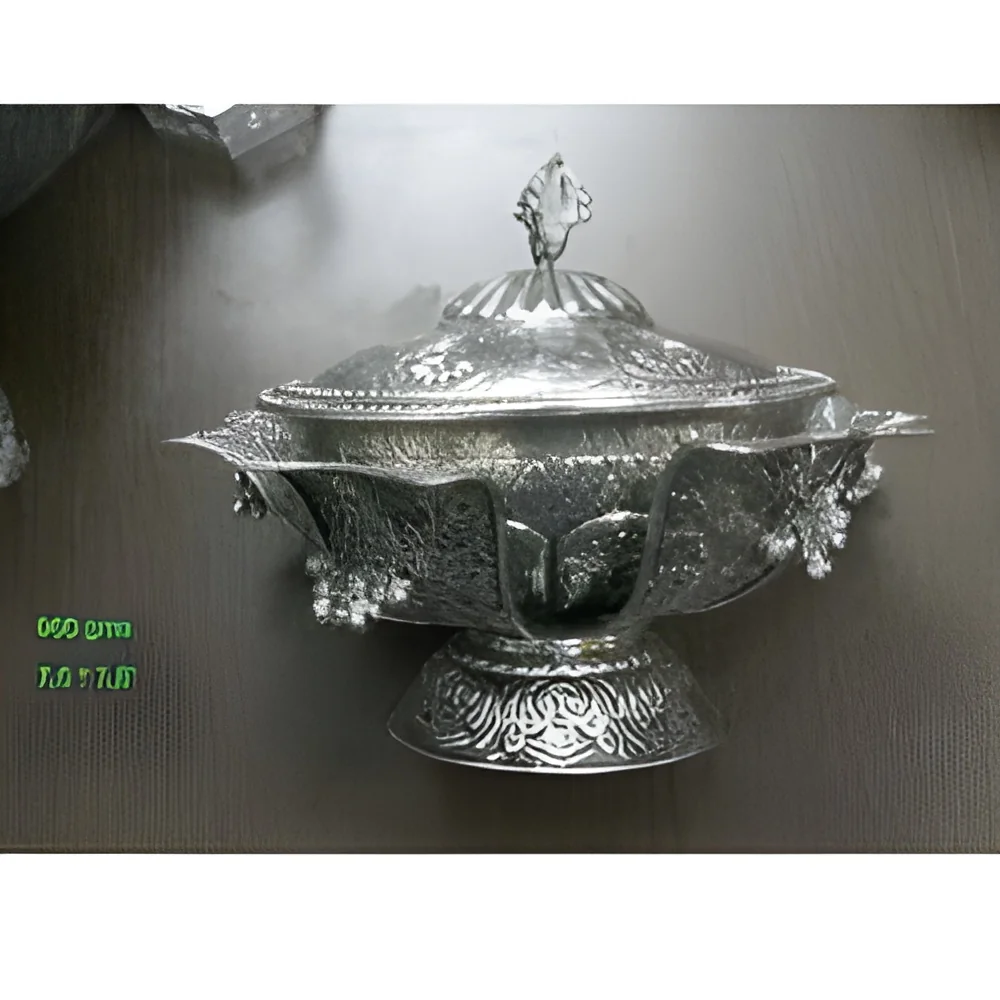
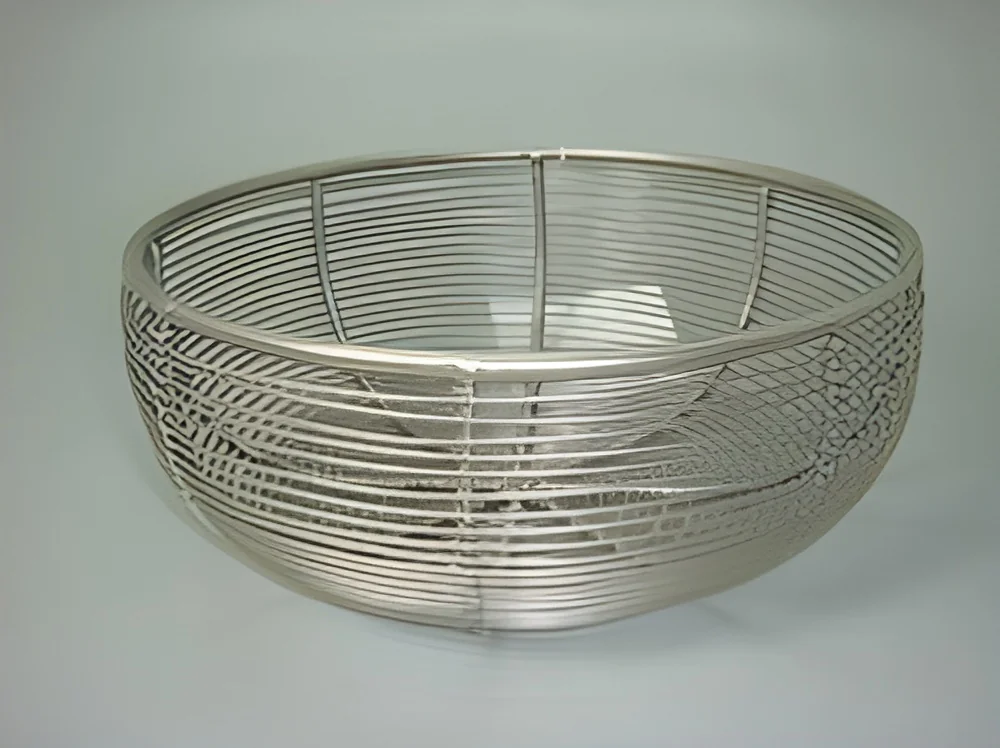
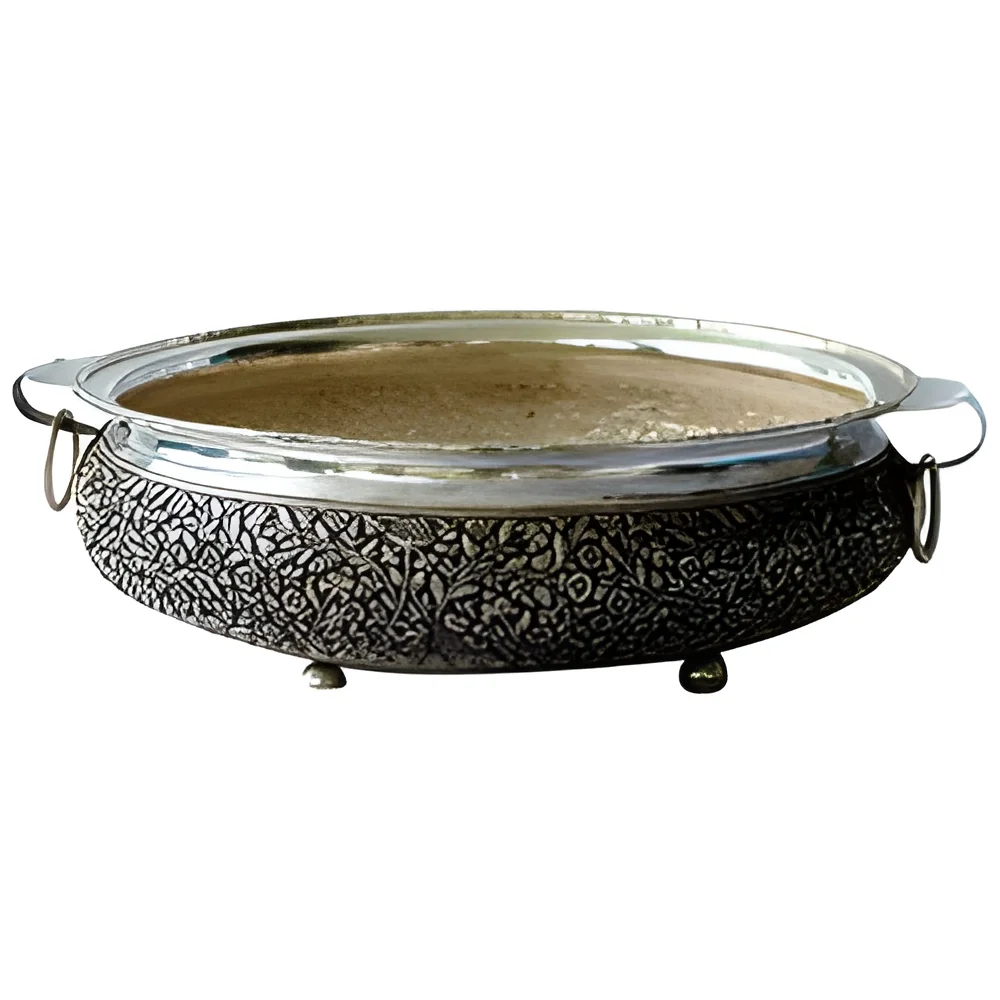
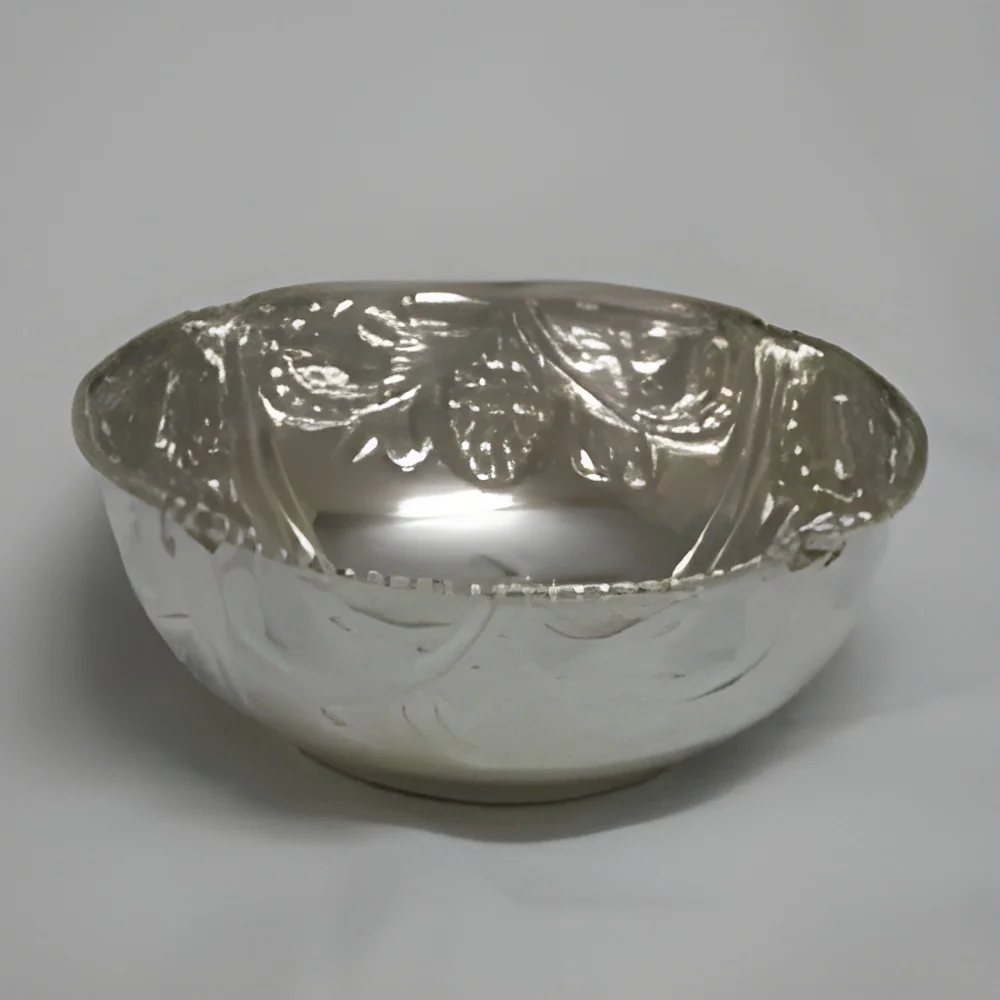
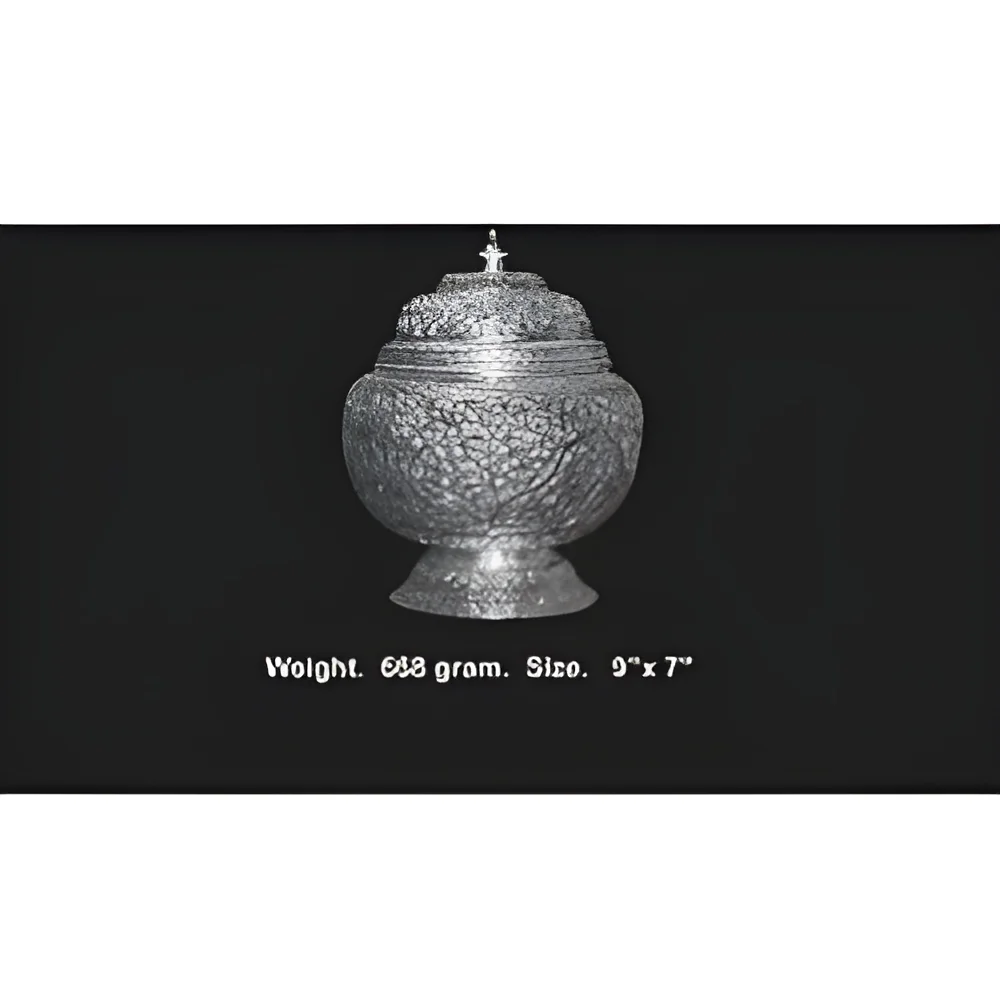
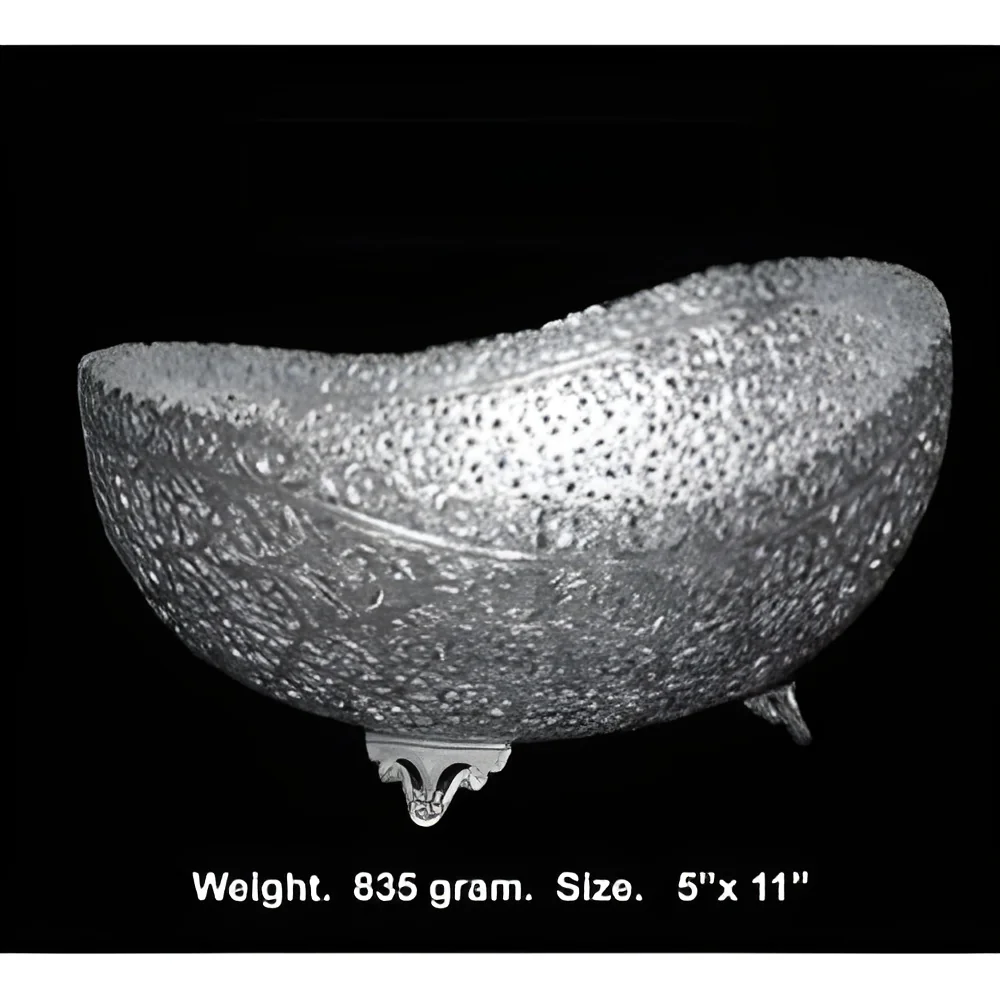
Decorative bowls and trays are functional yet aesthetically pleasing items used in various settings, including residential and commercial spaces. These products serve as vessels for holding or displaying items while also adding visual interest to the environment. Made from a variety of materials such as ceramic, glass, wood, and metal, decorative bowls and trays come in numerous shapes, sizes, and designs, catering to diverse tastes and preferences.
In business applications, decorative bowls and trays are often utilized in hospitality, retail, and event planning industries. They are commonly used for serving food, displaying products, or enhancing the ambiance of a space. These items can also serve as promotional tools, showcasing brand identity through customized designs. The market for decorative bowls and trays has seen consistent growth, driven by trends in interior design and consumer preferences for unique, high-quality decor.
Key Features and Specifications
Decorative bowls and trays come with various features that enhance their functionality and appeal. Understanding these specifications is crucial for businesses looking to source the right products.
Key specifications include:
1. Material Composition
- Options may include ceramic, glass, wood, or metal.
- Each material offers unique aesthetic qualities and durability.
2. Size Dimensions
- Available in a range of sizes to suit different applications.
- Sizes can vary from small individual bowls to large serving trays.
3. Design Style
- Options include modern, traditional, rustic, and minimalist designs.
- Custom designs can be created to align with branding needs.
4. Weight Capacity
- Some trays are designed to support heavier items, while others are lightweight for easy handling.
- Specifications may vary based on the material used.
5. Finish Type
- Finishes may include matte, glossy, or textured surfaces.
- The finish can affect both the durability and appearance of the product.
6. Customization Options
- Many suppliers offer customization, including color, size, and branding.
- Personalized designs can enhance brand visibility at events.
7. Eco-Friendliness
- Options for sustainable materials and production methods are available.
- Eco-friendly products appeal to environmentally conscious consumers.
8. Maintenance Requirements
- Some materials are dishwasher safe, while others require hand washing.
- Knowing maintenance needs can aid in long-term usability.
In summary, decorative bowls and trays present a variety of features that cater to both aesthetic and functional needs, making them a valuable addition to any business's offering.
Common Applications and Use Cases
Decorative bowls and trays find utility across multiple industries, enhancing both functionality and visual appeal.
1. Hospitality Industry: In hotels and restaurants, decorative bowls and trays are used for serving food and beverages, creating an inviting dining experience for guests.
2. Retail Sector: Retailers often use decorative trays to display products attractively, enhancing the shopping experience and encouraging purchases.
3. Event Planning: For weddings and corporate events, decorative bowls and trays serve as centerpieces or serving dishes, contributing to the overall décor and theme of the event.
4. Home Décor: In interior design, these items are used as decorative accents on tables, countertops, and shelves, adding style and personality to residential environments.
5. Gifting and Promotional Items: Businesses often utilize customized decorative bowls and trays as gifts or promotional items to strengthen brand recognition among clients and customers.
6. Craft and DIY Projects: Artisans and crafters use decorative trays as a base for creative projects, facilitating personalization and unique designs.
7. Office Spaces: Decorative bowls can hold office supplies or serve as decorative elements in reception areas, enhancing the professional atmosphere.
Product Variants and Subcategories
The diversity of decorative bowls and trays allows for various options to suit different preferences and functions.
Ceramic Bowls
Ceramic bowls are popular for their versatility and wide range of designs. They are often used in dining settings for serving food, adding a stylish touch to table arrangements.
Glass Trays
Glass trays are known for their elegance and transparency. They can showcase items beautifully, making them ideal for retail displays or event settings.
Wooden Bowls
Wooden bowls offer a rustic charm and are often used for serving or decorative purposes. Their natural finish can complement various décor styles, making them a favorite for home and hospitality use.
Metal Trays
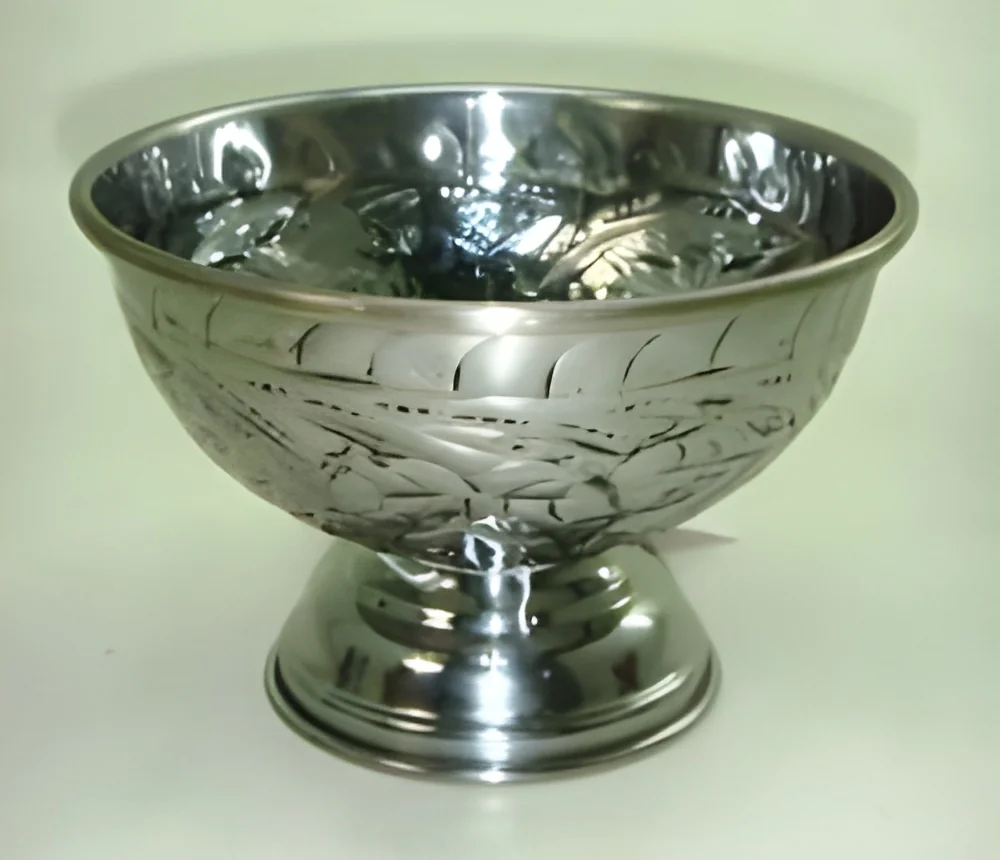
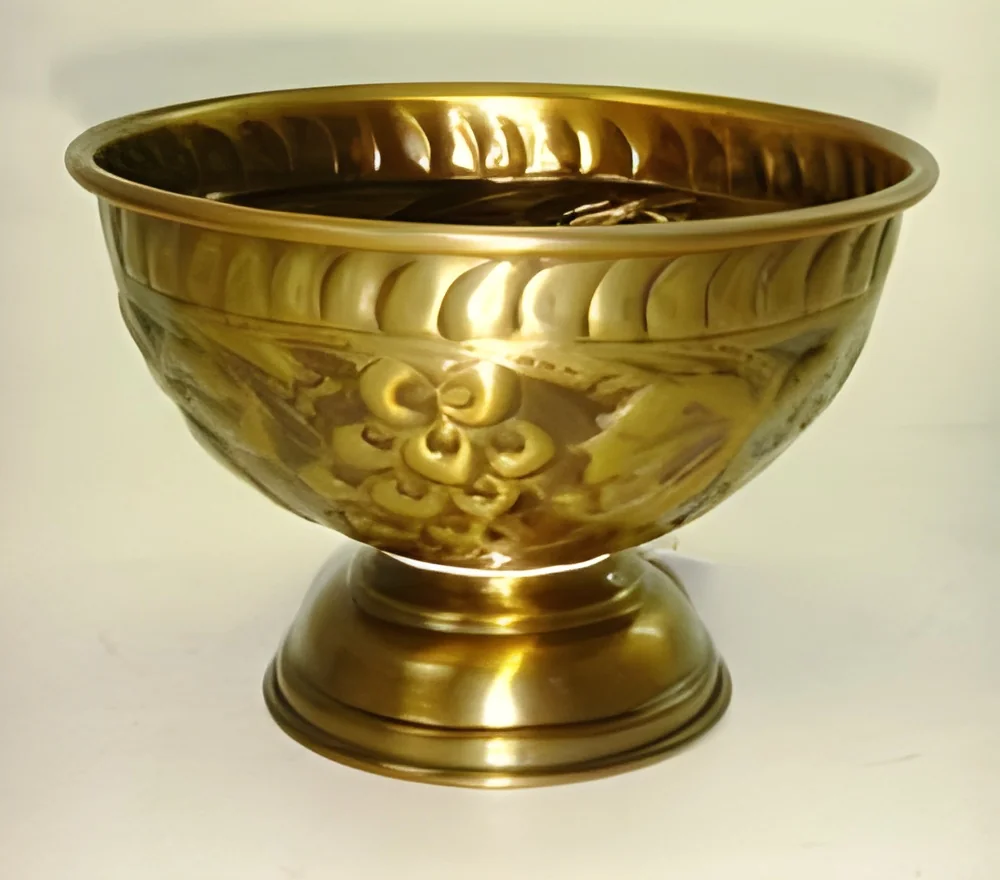
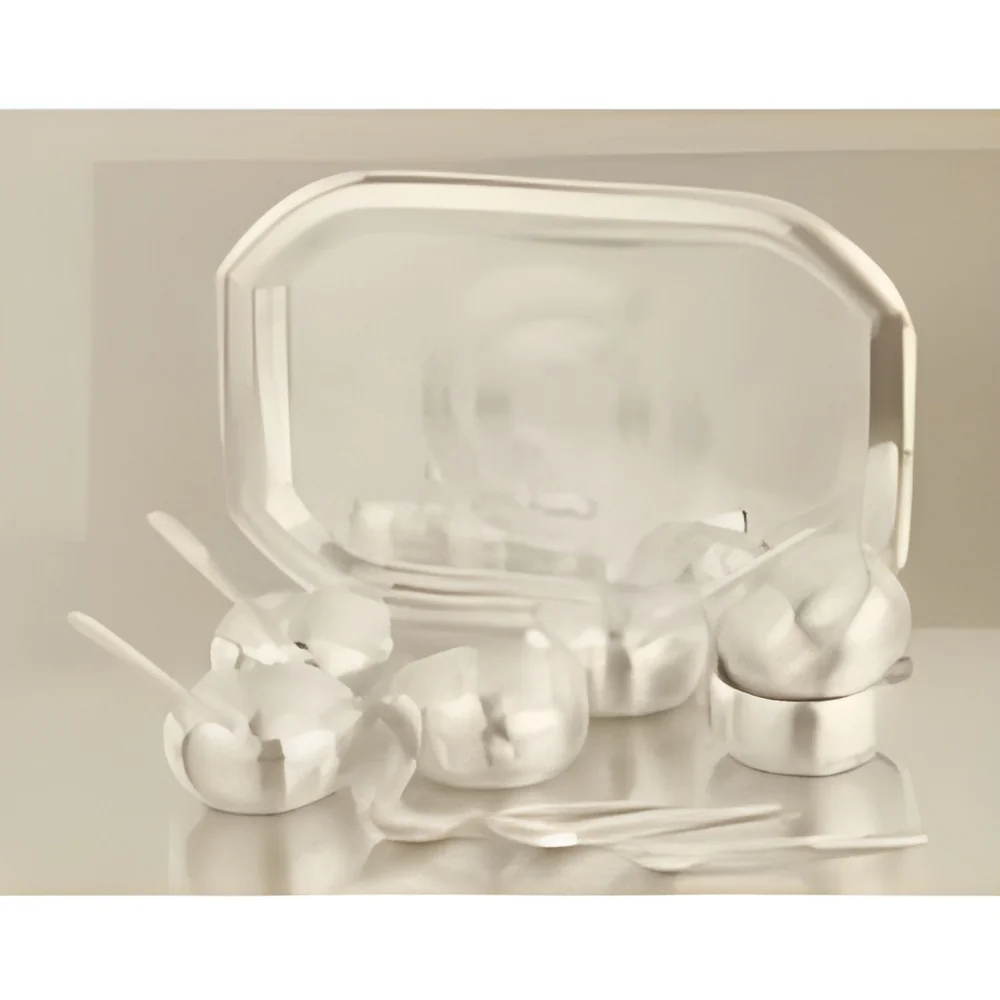
Metal trays, often made from stainless steel or aluminum, provide durability and a modern aesthetic. They are commonly used in commercial settings for serving or displaying products.
Benefits and Advantages
Decorative bowls and trays offer several advantages that enhance their appeal for businesses and consumers alike.
1. Aesthetic Appeal: These products enhance the visual appeal of a space, making them valuable for interior design and branding.
2. Functional Versatility: They serve multiple purposes, from serving food to displaying items, increasing their utility in various settings.
3. Customization Opportunities: Businesses can personalize bowls and trays, aligning them with their brand identity and marketing strategies.
4. Durable Options: Many materials used in decorative bowls and trays are designed for longevity, making them a wise investment.
5. Eco-Friendly Choices: Sourcing sustainable materials can attract environmentally conscious consumers and improve brand reputation.
6. Market Demand: The growing interest in home décor and hospitality ensures a steady demand for decorative bowls and trays, providing businesses with profitable opportunities.
Buying Guide for B2B Buyers
When sourcing decorative bowls and trays, it is essential for businesses to consider specific factors to ensure they make informed purchasing decisions.
1. Quality Assessment: Look for products made from high-quality materials that meet durability and aesthetic standards. Consider the manufacturing process to ensure it aligns with quality expectations.
2. Supplier Verification: Vet suppliers to ensure they have a reliable track record. Check for customer reviews and request references to confirm their credibility.
3. Pricing and MOQ: Understand the pricing structure and minimum order quantities. Compare prices across suppliers to find the best value without compromising quality.
4. Delivery and Lead Times: Inquire about shipping options and lead times. Timely delivery is crucial for maintaining inventory and meeting customer demand.
5. Compliance Requirements: Be aware of any regulatory or compliance standards that apply to decorative bowls and trays in your region. Ensure that suppliers can meet these requirements.
Compliance and Certifications
Compliance with quality standards is essential for the production and distribution of decorative bowls and trays. Relevant quality standards include ISO 9001, which focuses on maintaining high-quality management systems. Additionally, industry certifications such as CE signify that products meet European safety requirements.
Safety and testing requirements should be thoroughly understood, particularly for products used in food service. This includes ensuring that materials are food-safe and free from harmful substances.
Regional compliance considerations may vary, so it is important to be aware of local regulations that could impact the sourcing and sale of decorative bowls and trays. Ensuring compliance not only protects consumers but also enhances brand reputation.
Why Source Decorative Bowls & Trays from Pepagora?
Pepagora provides a trusted platform for sourcing decorative bowls and trays, offering several key advantages to B2B buyers.
Verified Supplier Network: Pepagora maintains a network of verified suppliers, ensuring that buyers can access high-quality products from reputable manufacturers. This reduces the risk of sourcing from unreliable sources.
Streamlined RFQ Process: The platform simplifies the request for quotation (RFQ) process, enabling buyers to obtain competitive pricing from multiple suppliers quickly. This efficiency saves time and facilitates better purchasing decisions.
Trade Assurance and Support: Pepagora offers trade assurance and support, providing buyers with protection against potential disputes and ensuring a smooth transaction experience. This added security fosters confidence in the sourcing process.
Regional Coverage: With a strong presence in India, the GCC, and Southeast Asia, Pepagora connects buyers with suppliers in diverse markets. This geographic reach enables businesses to tap into various supply chains and expand their sourcing options.

 IN
IN