What are Decorative Boxes?
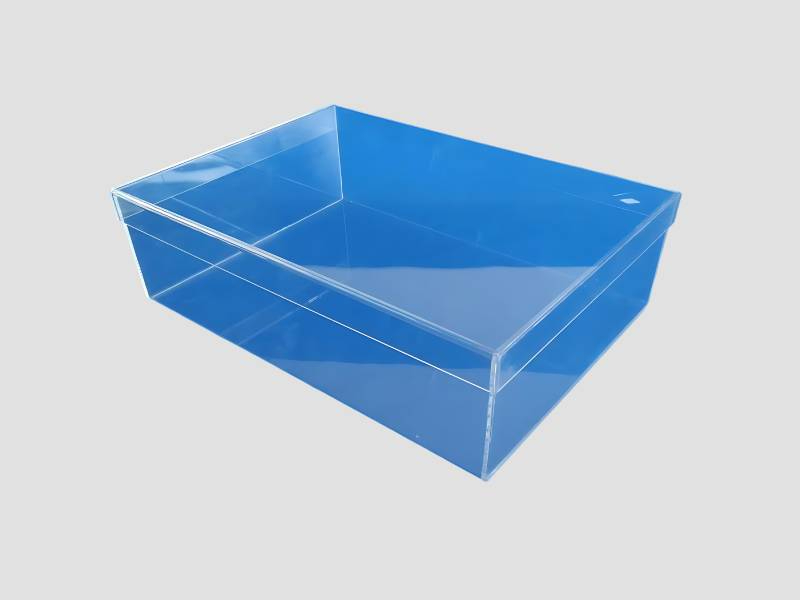
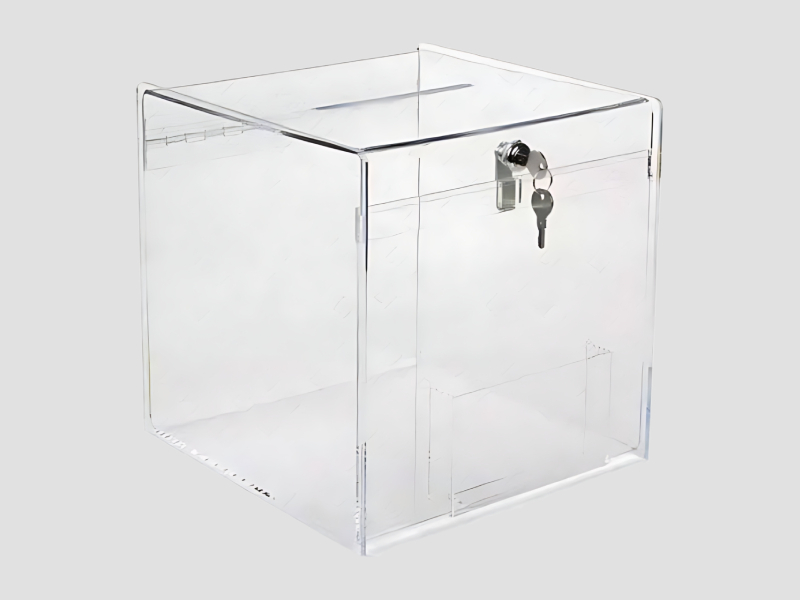
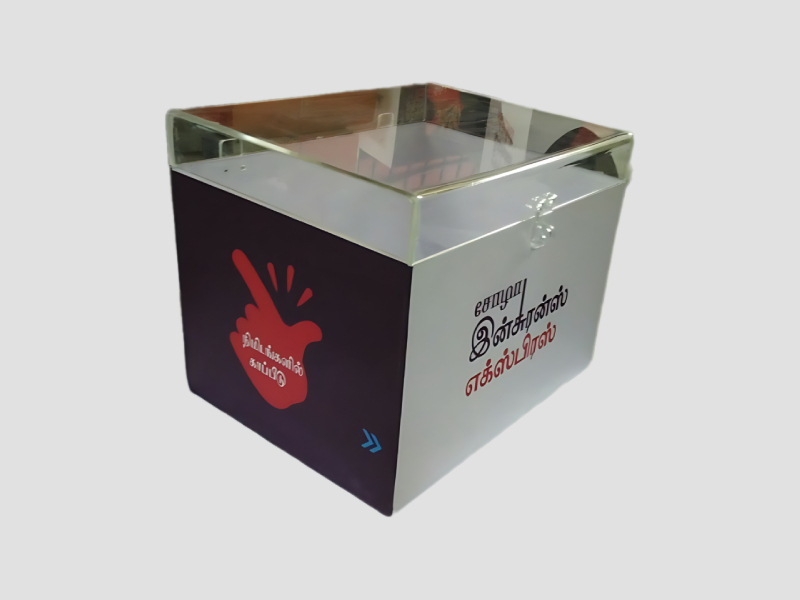
Decorative boxes are versatile containers designed for both functionality and aesthetics. These boxes can be made from various materials, including wood, metal, and cardboard, and are often adorned with intricate designs, colors, and finishes. Their primary purpose is to store or present items in a visually appealing manner, making them popular in both personal and professional settings.
In a business context, decorative boxes are commonly used for packaging products, gift items, and promotional materials. They enhance the overall presentation of goods, attracting customers' attention and providing an added value to the merchandise. Industries such as retail, hospitality, and event planning frequently utilize decorative boxes to elevate the presentation of their offerings, resulting in improved customer engagement and satisfaction.
The market for decorative boxes continues to grow as businesses increasingly recognize the importance of branding and presentation. With a variety of styles and customization options available, companies can choose decorative boxes that align with their brand identity, making them a vital product in the packaging and promotional materials sector.
Key Features and Specifications
Decorative boxes come equipped with several features that enhance their usability and appeal. Understanding these specifications can help businesses make informed purchasing decisions.
Key specifications include:
1. Material Type
- Decorative boxes can be crafted from wood, metal, cardboard, or plastic, each offering unique benefits.
- Choices in materials influence durability, cost, and aesthetic appeal.
2. Size and Dimensions
- Decorative boxes are available in various sizes to accommodate different items.
- Dimensions can range from small gift boxes to large storage containers.
3. Design and Finish
- These boxes feature diverse designs, including printed patterns, embossed surfaces, and custom colors.
- The finish can include matte, glossy, or textured surfaces to enhance visual appeal.
4. Closure Types
- Popular closure options include lids, magnetic clasps, or ribbon ties, ensuring secure storage.
- Closure types can affect ease of use and presentation.
5. Customization Options
- Many suppliers offer customization for logos and branding, allowing businesses to personalize their boxes.
- Custom options can include size, color, and design alterations.
6. Eco-friendliness
- Some decorative boxes are made from sustainable materials, appealing to environmentally conscious consumers.
- Eco-friendly options can enhance brand reputation and customer loyalty.
7. Weight Capacity
- Decorative boxes vary in weight capacity based on materials and construction.
- It's essential to select boxes that can support the intended contents.
8. Packaging and Shipping
- Consideration of how decorative boxes are packaged for shipping can impact costs and logistics.
- Efficient packaging reduces the risk of damage during transit.
In summary, decorative boxes offer a range of features and specifications that cater to various business needs. Understanding these details can assist buyers in selecting the right options for their applications.
Common Applications and Use Cases
Decorative boxes serve various industries, enhancing product presentation and storage solutions.
1. Retail: In retail settings, decorative boxes are utilized for packaging gifts, cosmetics, and jewelry. They enhance product display and can be designed to reflect brand identity.
2. Hospitality: Hotels and restaurants use decorative boxes for amenities and promotional gifts. These boxes elevate the guest experience by providing a memorable presentation.
3. Event Planning: Event planners often incorporate decorative boxes for favors and gifts at weddings or corporate events. They add a personalized touch to the event.
4. E-commerce: Online retailers use decorative boxes for shipping products to customers. A well-designed box can create a positive unboxing experience.
5. Crafting: Crafters and hobbyists use decorative boxes for storage and organization of art supplies, tools, and materials. They can also be customized for DIY projects.
6. Corporate Gifting: Businesses use decorative boxes for corporate gifts and promotional items, reinforcing brand image and appreciation for clients.
7. Home Décor: Decorative boxes are increasingly used in home décor as storage solutions for small items, contributing to a stylish and organized living space.
Product Variants and Subcategories
Decorative boxes come in various styles and designs, providing options for different needs and preferences.
Gift Boxes
Gift boxes are specifically designed for presenting gifts attractively. They often include decorative elements such as ribbons and custom prints, making them ideal for special occasions.
Storage Boxes
Storage boxes are practical solutions for organizing items at home or in the office. While they may prioritize functionality, many still feature decorative designs for aesthetic appeal.
Jewelry Boxes
Jewelry boxes offer specialized storage for jewelry items. They typically include compartments and cushioning to protect delicate pieces while showcasing their beauty.
Food Packaging Boxes
Food packaging boxes are tailored for food items, often made from materials that ensure safety and freshness. These boxes may include vibrant designs to attract customers.
Subscription Box Packaging
As the subscription box service industry grows, decorative boxes designed for this purpose are increasingly popular. They focus on creating an exciting unboxing experience for customers.
Benefits and Advantages
Decorative boxes offer several advantages for businesses looking to enhance their product presentation and organization.
1. Enhanced Branding: Decorative boxes allow companies to showcase their branding and identity through custom designs. This increases brand recognition and appeal.
2. Improved Customer Experience: Aesthetic packaging enhances the overall customer experience, making products more desirable and memorable.
3. Versatile Applications: Decorative boxes can be used across various industries, including retail, hospitality, and events, making them a flexible solution for diverse needs.
4. Protection and Security: These boxes provide a secure way to store and transport items, reducing the risk of damage during handling and shipping.
5. Eco-friendly Options: Many decorative boxes are available in sustainable materials, appealing to environmentally conscious consumers and enhancing brand loyalty.
6. Cost-effective Marketing: Decorative boxes serve as an effective marketing tool, attracting customers and encouraging purchases without significant additional costs.
Buying Guide for B2B Buyers
When sourcing decorative boxes, several key factors should be considered to ensure the right purchase.
1. Quality Assessment: Evaluate the quality of materials and construction to ensure the boxes meet your standards. Look for suppliers who offer samples for testing.
2. Supplier Verification: Conduct thorough research on potential suppliers. Verify their reputation, customer reviews, and any certifications they hold to ensure reliability.
3. Pricing and MOQ: Understand the pricing structure and minimum order quantities set by suppliers. This helps in budgeting and determining the feasibility of large-scale orders.
4. Delivery and Lead Times: Assess delivery options and lead times to ensure timely receipt of products. Consider suppliers who offer reliable shipping methods.
5. Compliance Requirements: Be aware of any regulatory needs specific to your industry. Ensure that the decorative boxes meet required standards for safety and labeling.
Compliance and Certifications
Decorative boxes may be subject to various quality and safety standards depending on their intended use. Relevant certifications include ISO 9001, which ensures quality management systems are in place. CE certification confirms that products meet EU safety, health, and environmental protection standards.
Additionally, compliance with industry-specific regulations, such as HACCP for food-related packaging, may be required. It is crucial to ensure that the decorative boxes you source adhere to these standards to avoid potential legal or safety issues.
Regional compliance considerations can vary. It is essential to understand the regulations in your target market, whether in India, GCC countries, or Southeast Asia. Ensuring compliance with local laws can help mitigate risks and enhance marketability.
Why Source Decorative Boxes from Pepagora?
Pepagora provides a trusted platform for sourcing decorative boxes, offering several key advantages for buyers.
Verified Supplier Network: Pepagora features a network of verified suppliers, ensuring that businesses can find reliable sources for their decorative box needs. This vetting process helps maintain quality and trust.
Streamlined RFQ Process: The platform simplifies the request for quotation (RFQ) process, allowing buyers to efficiently compare options and make informed decisions. This saves time and enhances purchasing efficiency.
Trade Assurance and Support: Pepagora offers trade assurance to protect buyers during transactions. This support ensures that businesses can source products with confidence, minimizing risks associated with online procurement.
Regional Coverage: With a strong presence in India, GCC, and Southeast Asia, Pepagora facilitates access to a wide range of decorative box options. This regional coverage ensures that businesses can find suitable products tailored to their market needs.
Overall, sourcing decorative boxes from Pepagora can enhance your procurement process, ensuring you receive quality products that meet your business requirements.

 IN
IN