
 IN
Sculptures & Figurines
25 products available
What are Sculptures & Figurines?
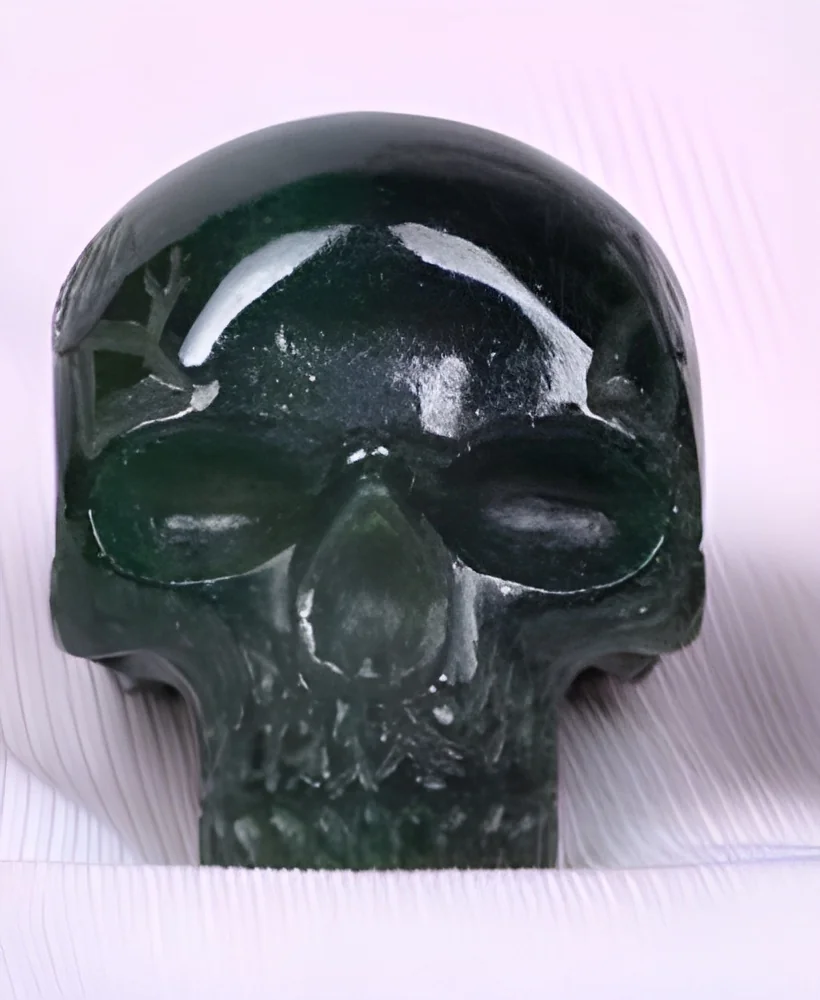
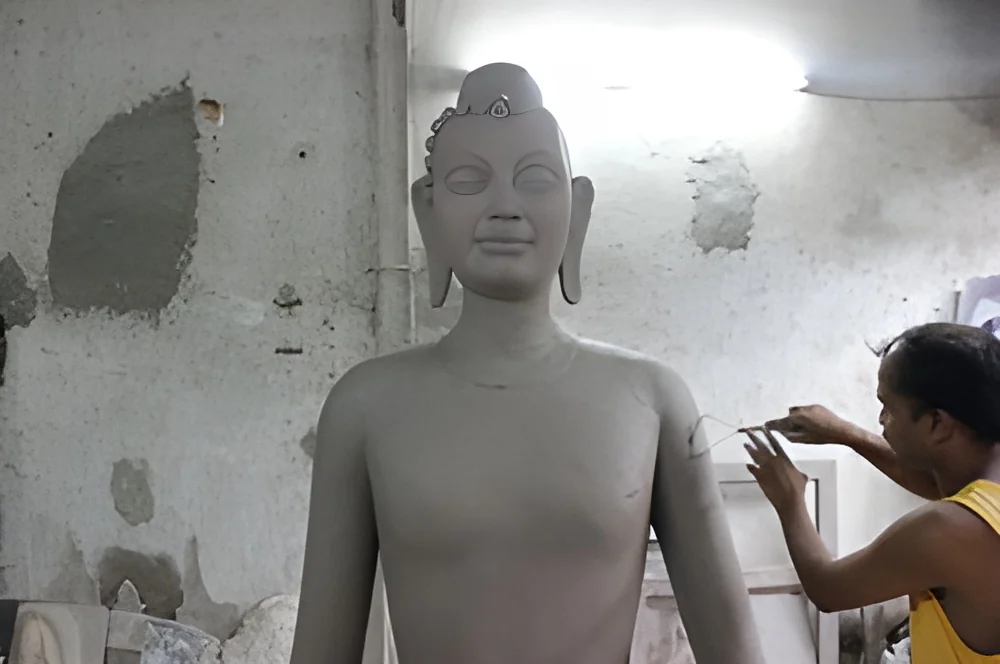
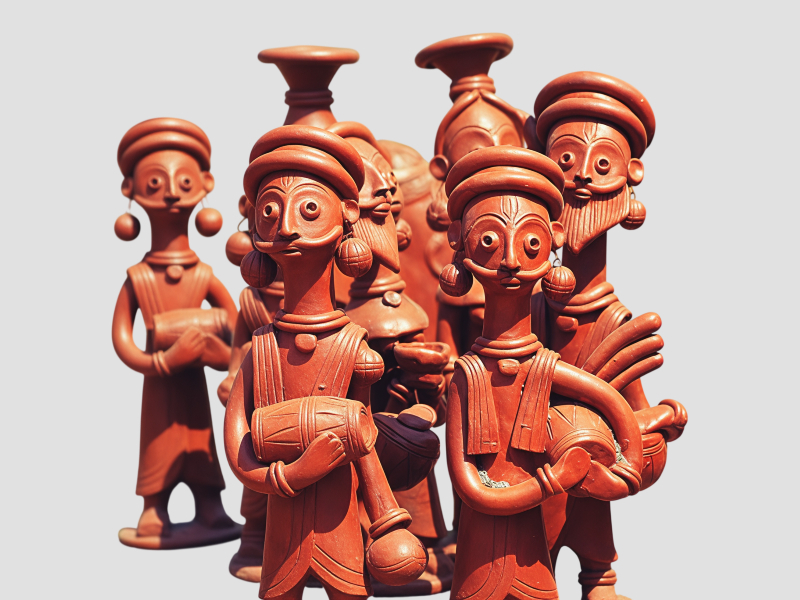
Sculptures and figurines are three-dimensional artworks created through various artistic techniques, including carving, modeling, and casting. These items can be made from a range of materials such as wood, metal, stone, or resin. Sculptures are generally larger and more complex, while figurines are smaller, often depicting human or animal figures in a stylized manner. Both forms serve not only as decorative pieces but also as expressions of artistic vision.
In the business context, sculptures and figurines are commonly used in interior design, corporate gifts, and promotional items. They serve as focal points in homes, offices, and public spaces, enhancing aesthetic appeal and conveying meaning or themes. Industries such as hospitality, retail, and event planning frequently utilize these products to create engaging environments or to establish brand identity through customized designs. The relevance of sculptures and figurines in the marketplace is significant, as they cater to both individual customers and businesses seeking unique decorative solutions.
Key Features and Specifications
Sculptures and figurines come with various features and specifications that cater to different needs and preferences. These features ensure that products meet quality standards and client expectations.
Key specifications include:
1. Material Type
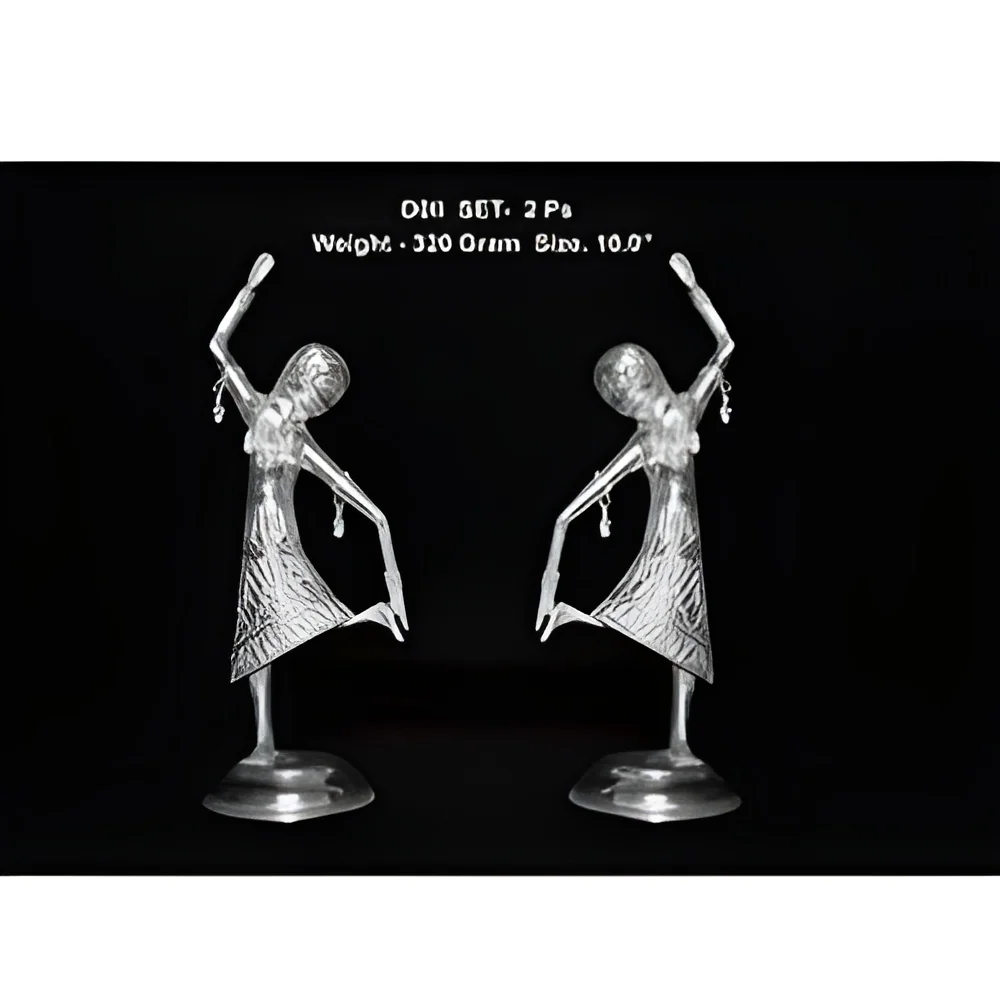
- Common materials include resin, bronze, ceramic, and wood
- Each material varies in durability, weight, and aesthetic appeal
2. Size and Dimensions
- Available in various sizes ranging from small figurines to large sculptures
- Dimensions can be customized based on client requirements
3. Design Complexity
- Ranges from simple, minimalist designs to intricate, detailed artworks
- Customization options available for personalized designs
4. Finish and Texture
- Options include polished, matte, or textured finishes
- Different textures can enhance visual interest and tactile experience
5. Color Variations
- Available in various colors or can be painted according to specifications
- Custom color matching is possible for branding purposes
6. Weight
- Varies significantly based on material and size
- Important for shipping and display considerations
7. Packaging
- Designed for safe transportation and aesthetic presentation
- Custom packaging options may be available for branding
In summary, understanding these key specifications can help businesses select the right sculptures and figurines for their needs.
Common Applications and Use Cases
Sculptures and figurines serve various industries, each leveraging these products for specific purposes.
1. Interior Design: Sculptures are used to enhance the aesthetics of residential and commercial spaces, with figurines often used as accents on shelves and tables.
2. Retail: Stores utilize sculptures and figurines to create engaging displays that attract customers and enhance the shopping experience.
3. Hospitality: Hotels and restaurants incorporate sculptures in their decor to establish a theme and create a welcoming atmosphere for guests.
4. Corporate Gifts: Businesses often use customized figurines as promotional items or awards, helping to strengthen client relationships.
5. Art Collecting: Artists and collectors appreciate sculptures and figurines as valuable pieces of art that can be displayed or traded.
6. Events and Exhibitions: Sculptures are frequently showcased at trade shows and exhibitions to attract attention and convey brand messages.
7. Educational Purposes: Figurines are used in educational settings to illustrate concepts in history, biology, and art.
Product Variants and Subcategories
Sculptures and figurines encompass a diverse range of products, each with unique features tailored to different applications.
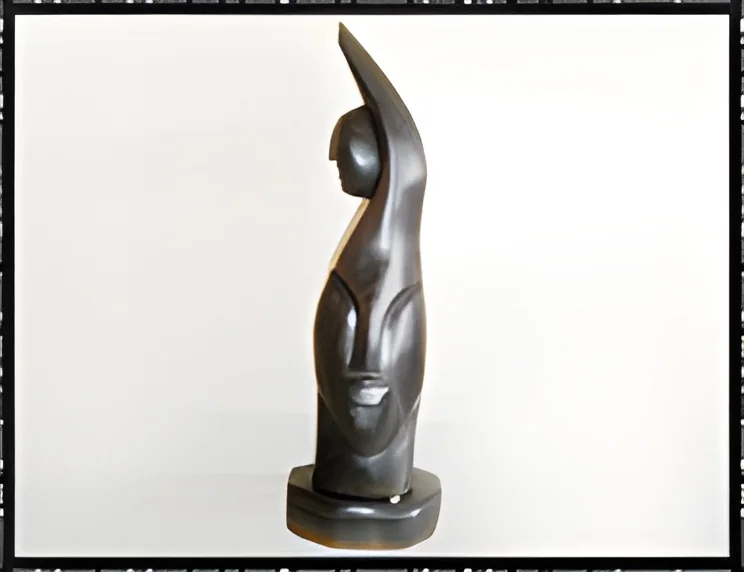
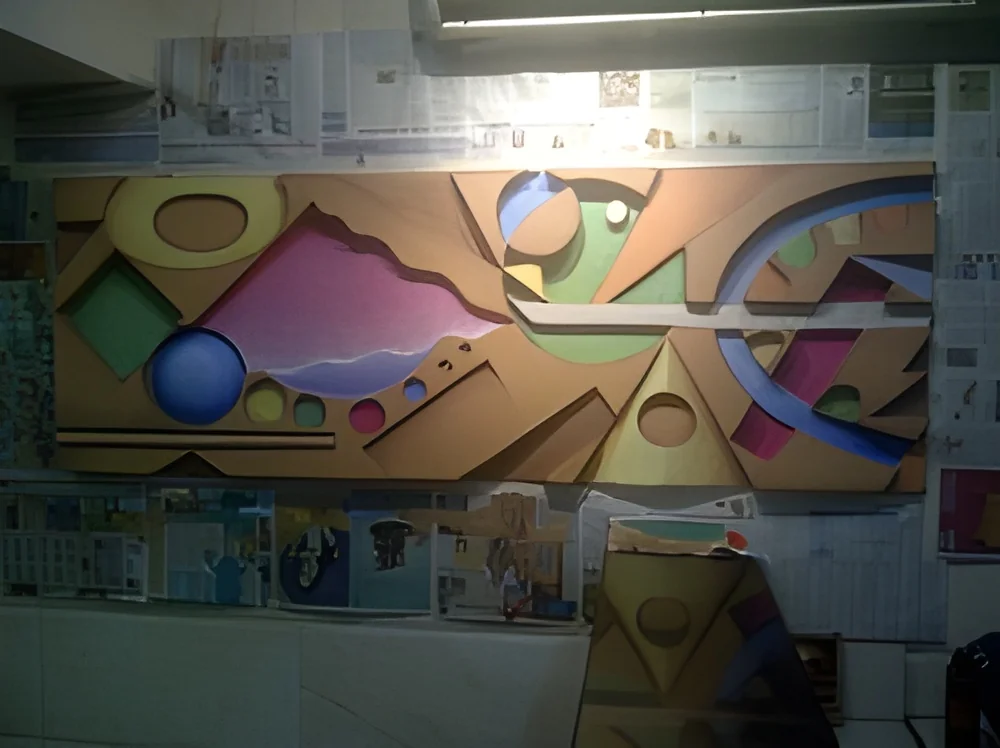
Abstract Sculptures: These pieces focus on form and color rather than representational accuracy. They are often used in modern decor to evoke thought and discussion.
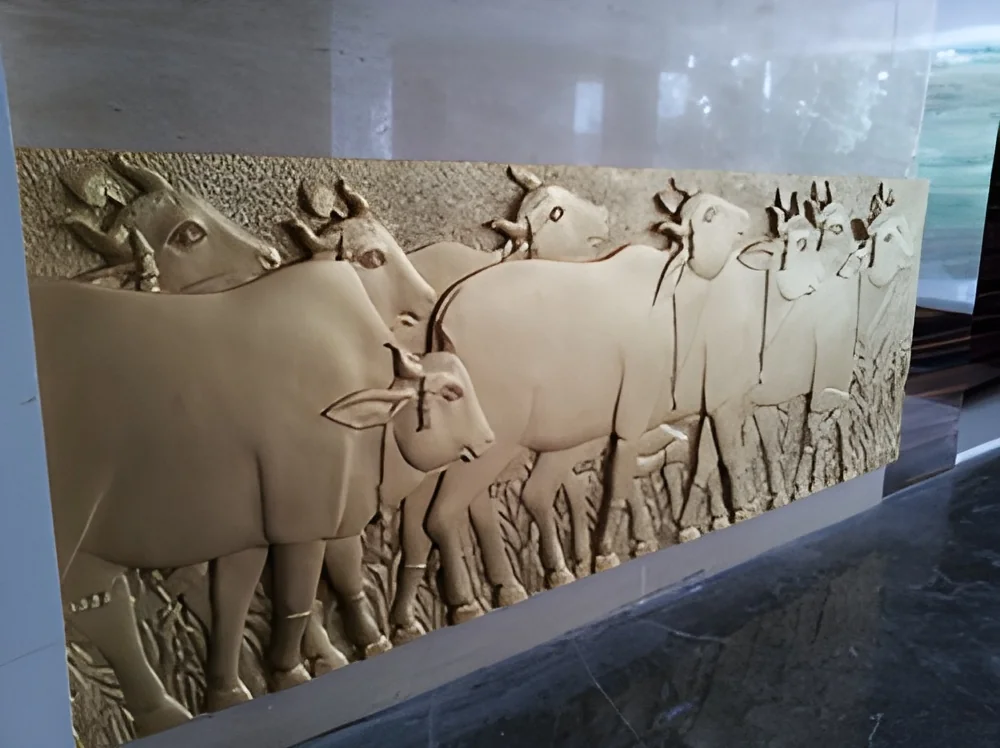
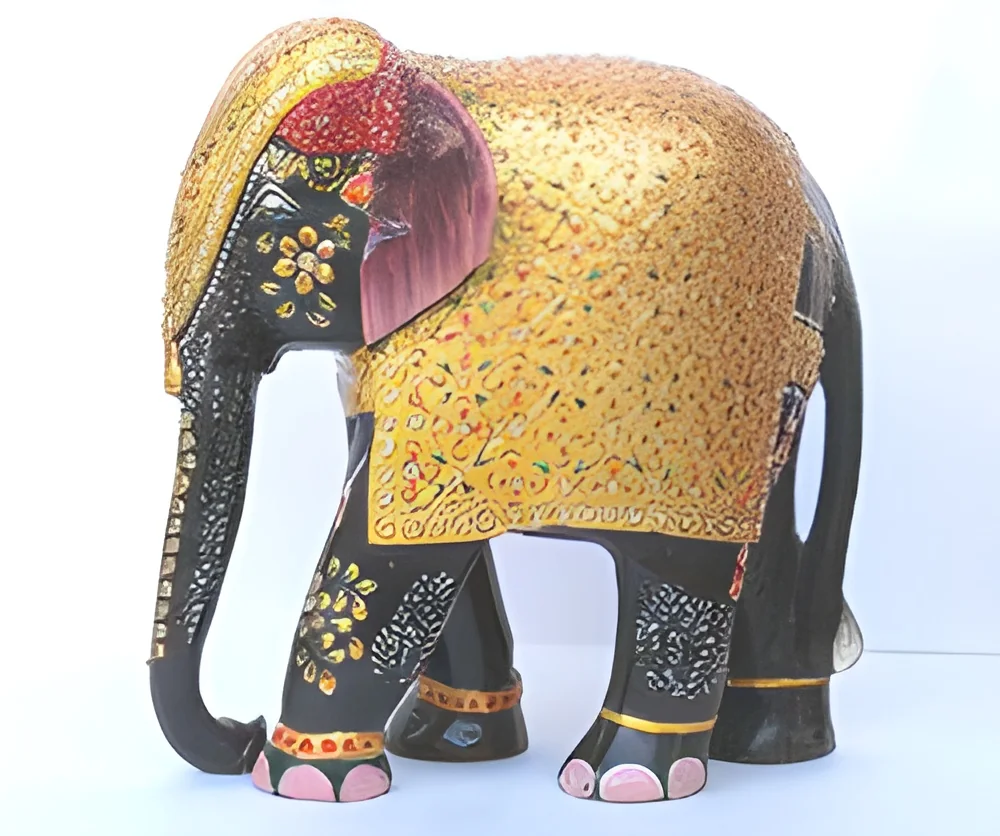
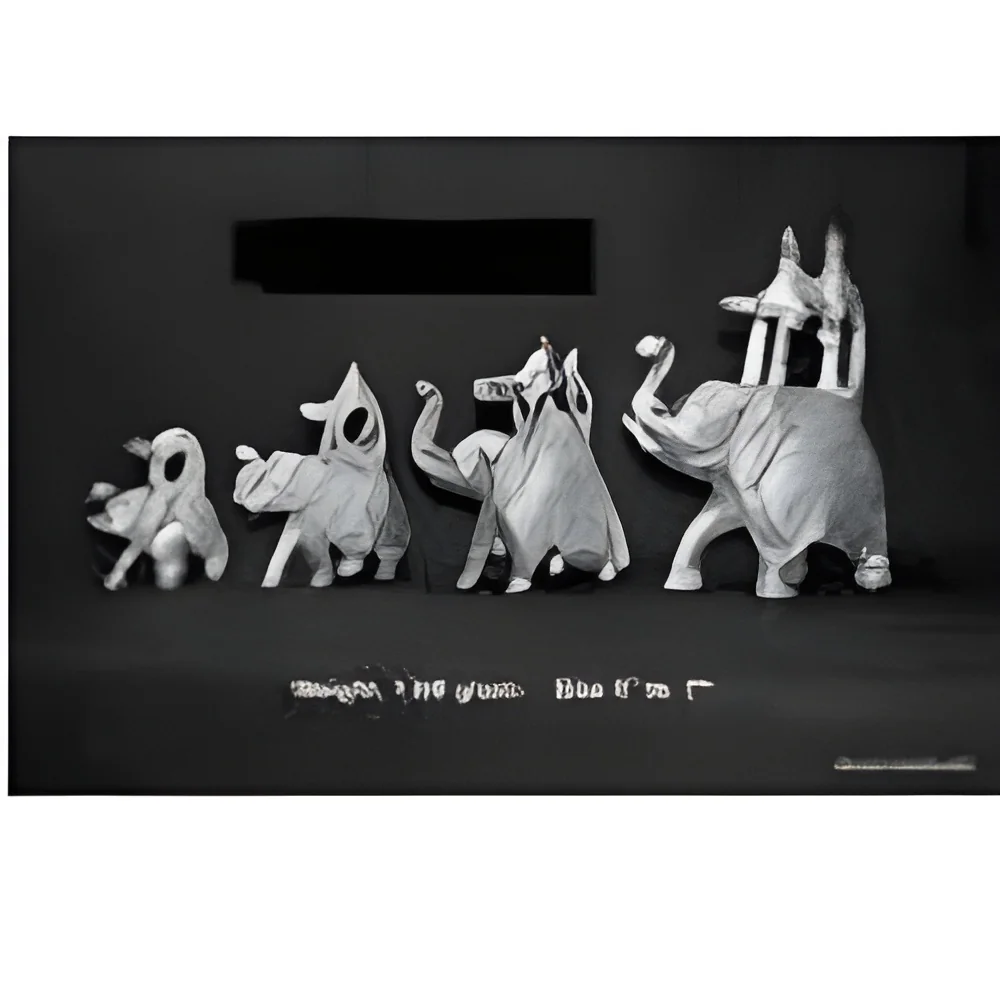
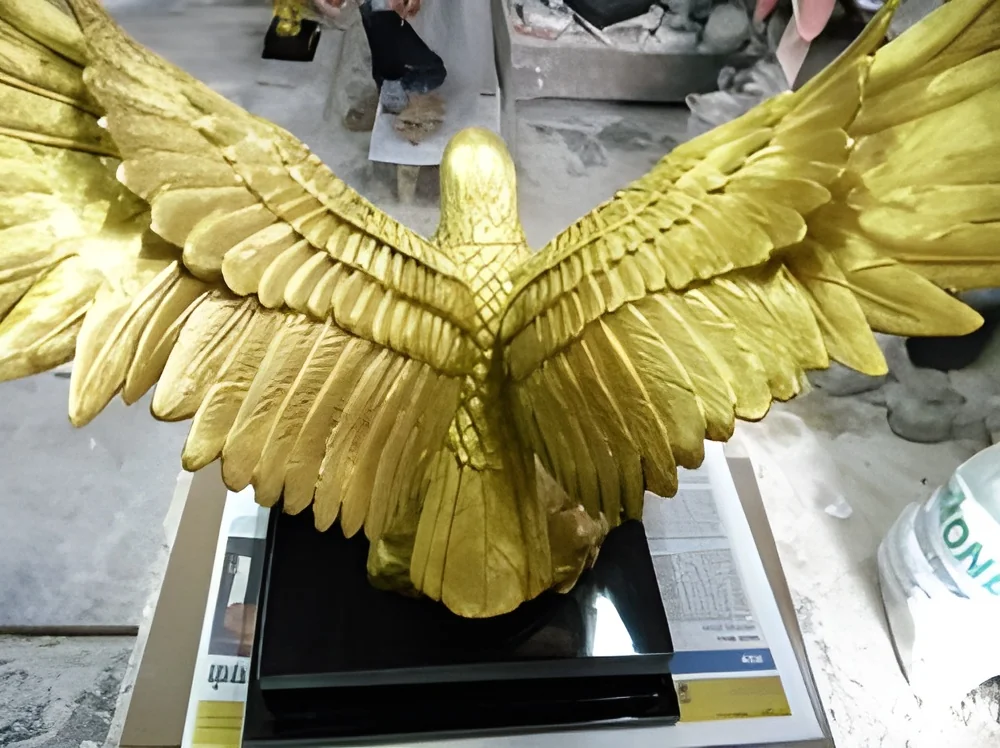
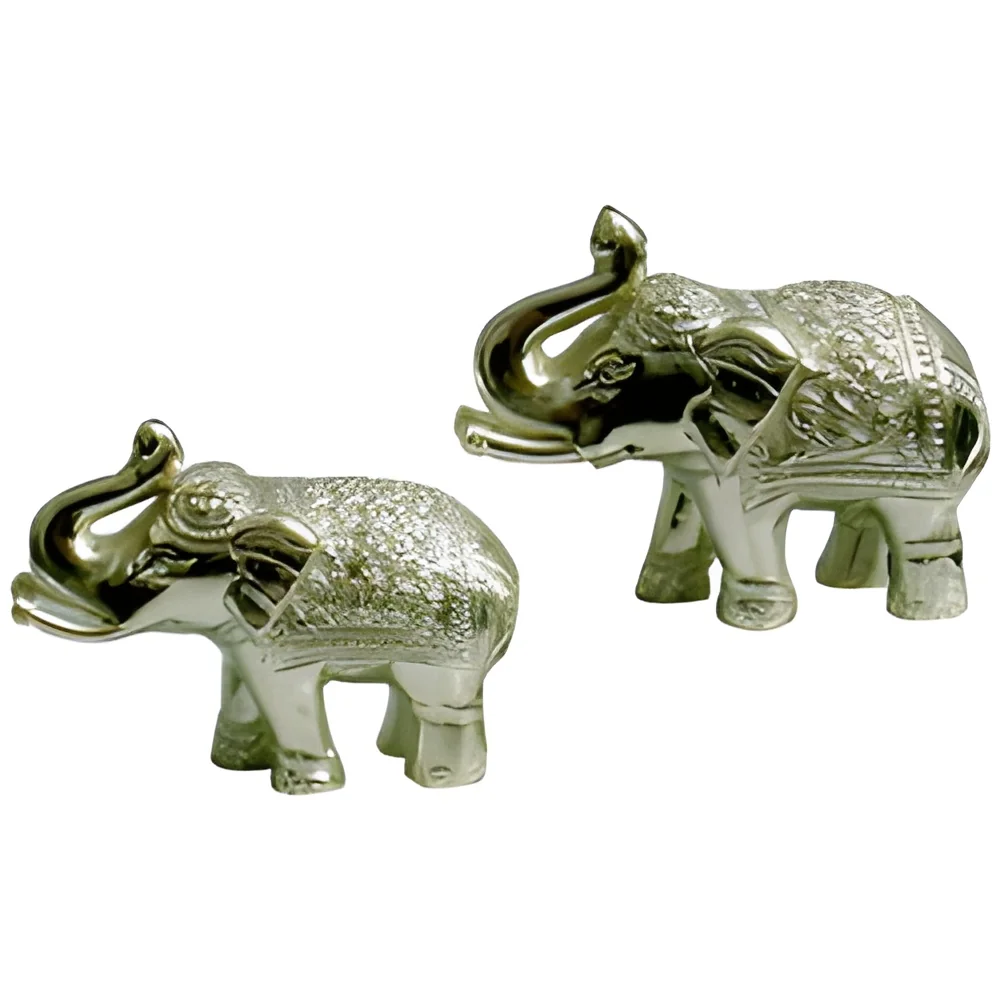
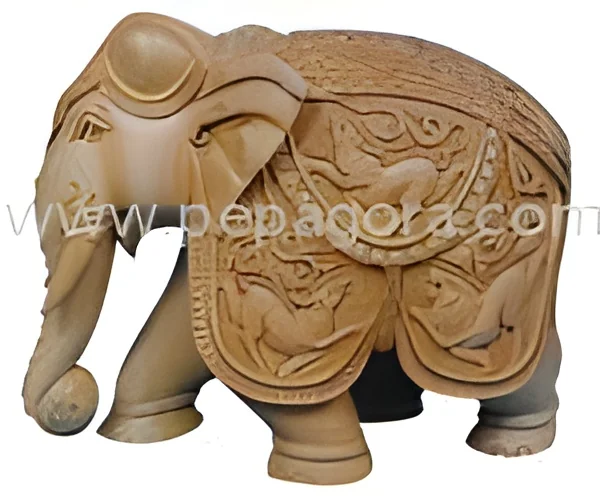
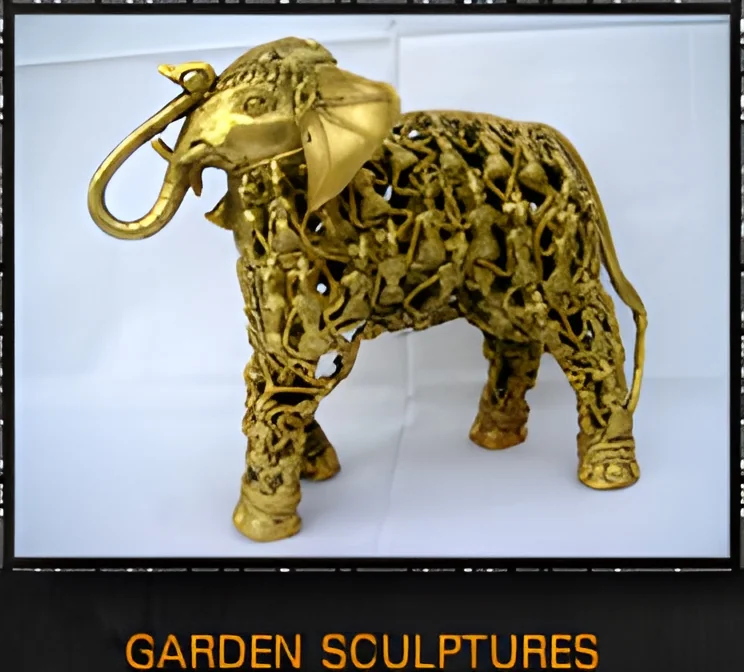
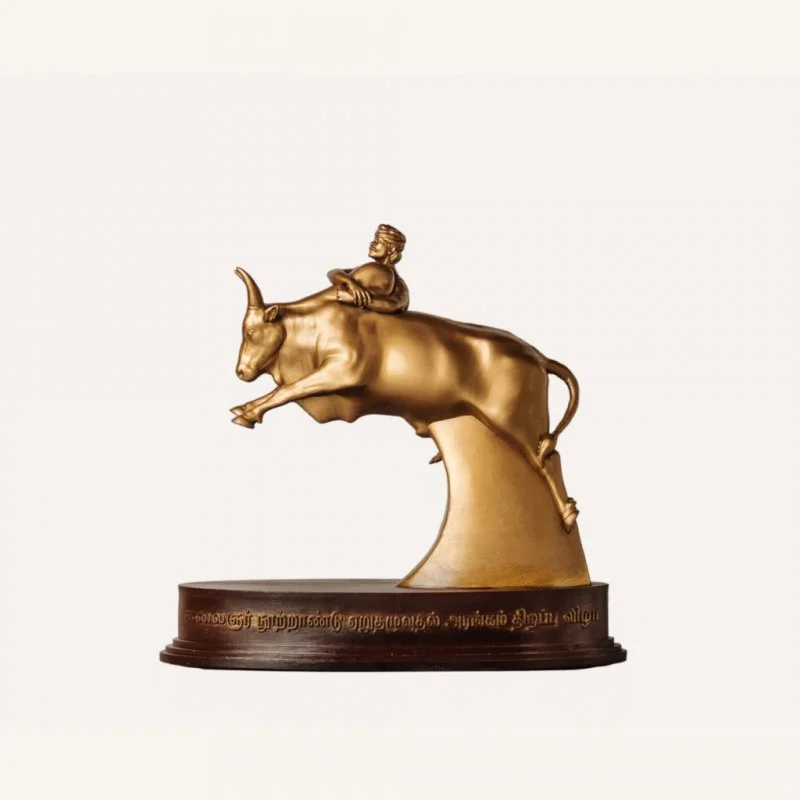
Animal Figurines: These depict various animals in both realistic and stylized forms. They serve as decorative accents or collectibles for animal enthusiasts.
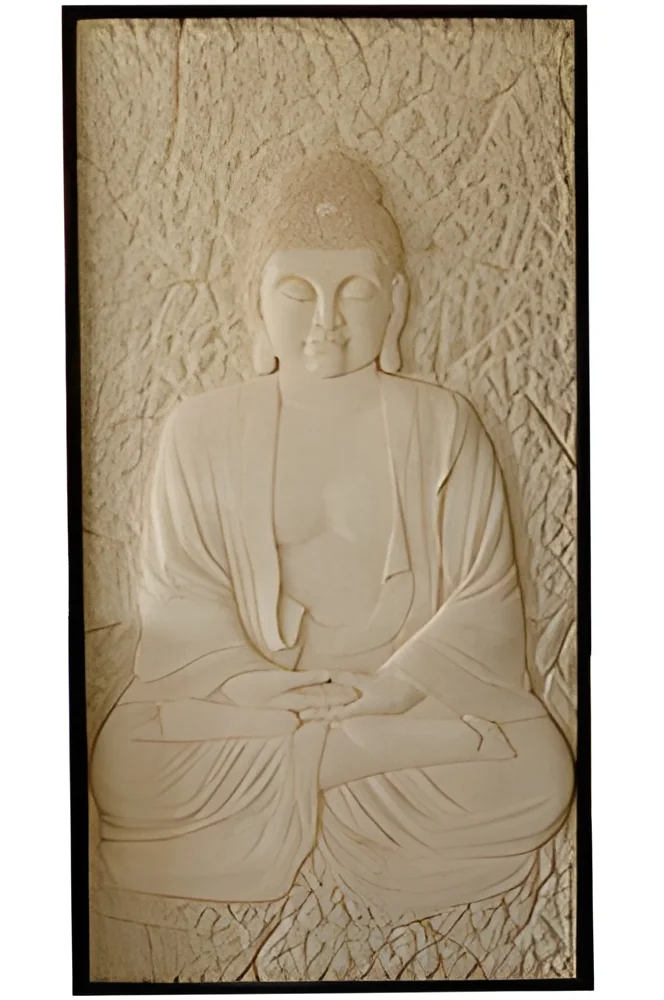
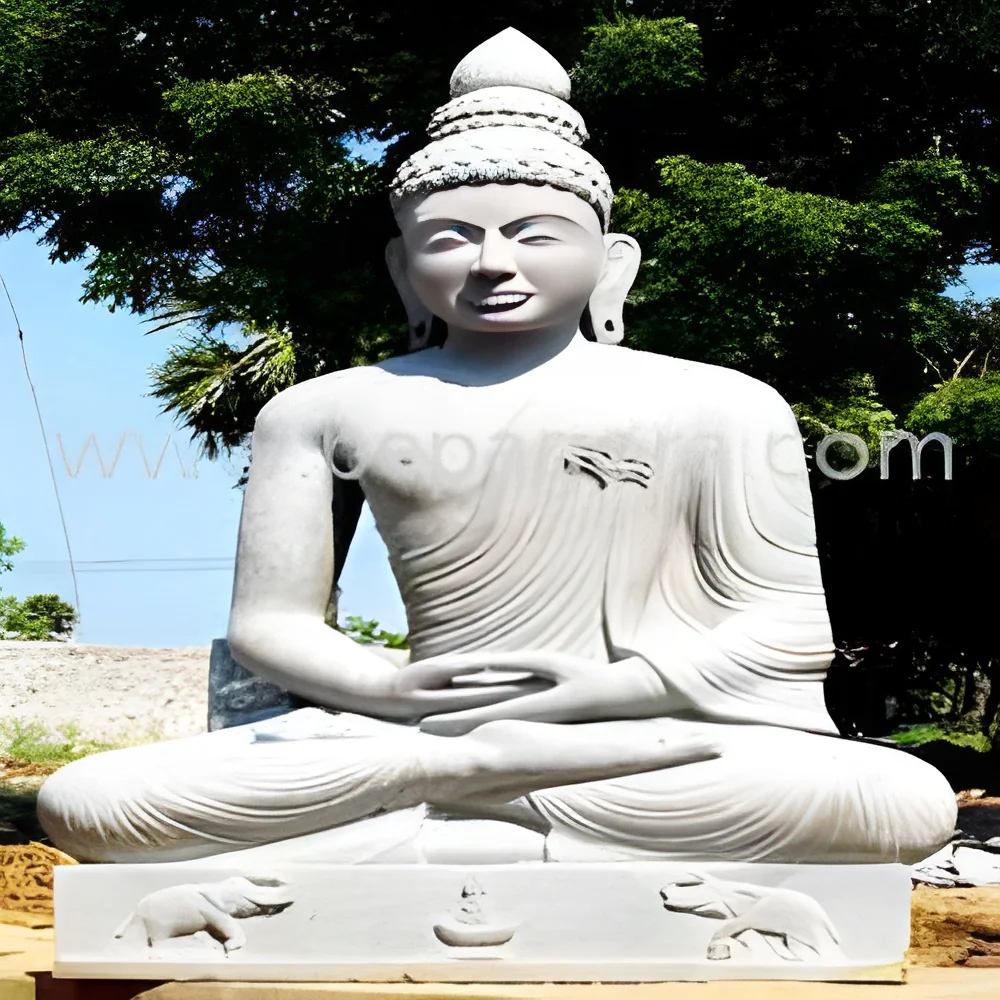
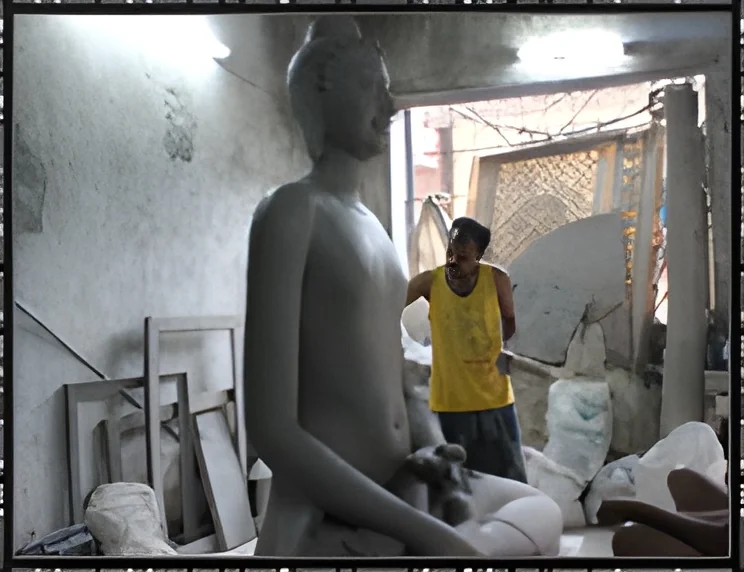
Religious Statues: Often created to represent deities or religious symbols, these sculptures are commonly found in places of worship and personal shrines.
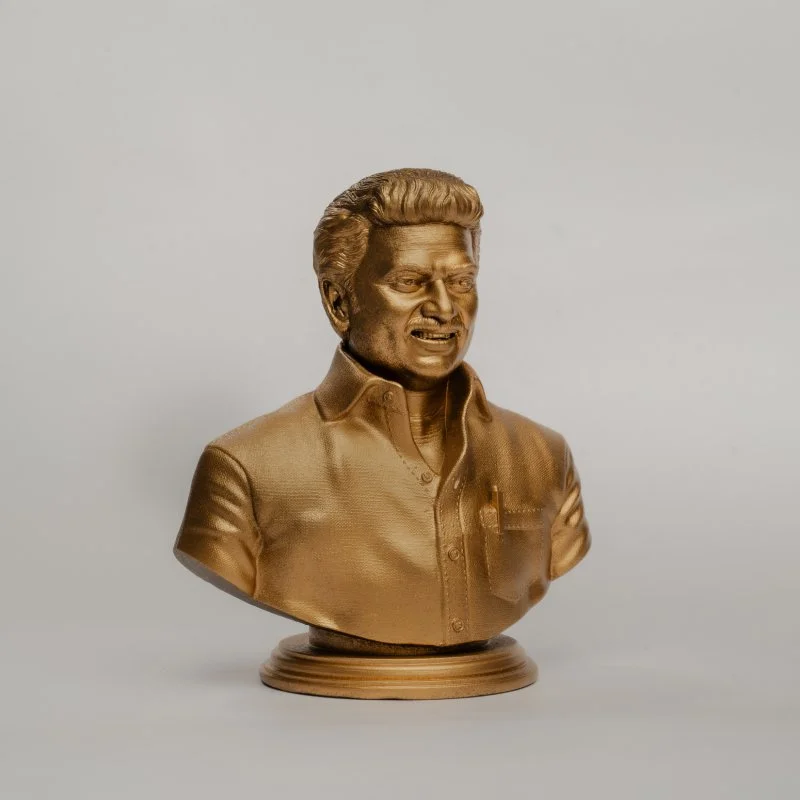
Custom Sculptures: Tailored to client specifications, these can represent specific themes, brands, or commemorative events. They are often used in corporate settings or as unique gifts.
Benefits and Advantages
Sourcing sculptures and figurines offers several advantages for businesses looking to enhance their environments or product offerings.
1. Aesthetic Appeal: Sculptures and figurines provide visual interest and can transform a space, making it more inviting and engaging.
2. Customization: Many suppliers offer personalized designs, allowing businesses to align products with their brand identity and messaging.
3. Versatility: These products can be used in various settings, from homes to corporate offices, making them suitable for diverse applications.
4. Cultural Significance: Sculptures often carry cultural or historical meaning, adding depth to their presence in a space.
5. Gift Potential: Custom figurines make for meaningful gifts that can strengthen client relationships and enhance brand loyalty.
6. Art Investment: Quality sculptures can appreciate in value over time, making them a potential investment opportunity for businesses and collectors.
Buying Guide for B2B Buyers
When sourcing sculptures and figurines, several key factors should be considered to ensure a successful purchase.
1. Quality Assessment: Evaluate the craftsmanship and materials used in the sculptures and figurines. Look for well-made products that reflect the desired aesthetic and durability.
2. Supplier Verification: Conduct thorough research on potential suppliers. Check reviews, certifications, and their ability to meet your specific needs.
3. Pricing and MOQ: Understand the price range for different types of sculptures and figurines. Inquire about minimum order quantities to ensure they align with your budget and requirements.
4. Delivery and Lead Times: Confirm logistics details, including shipping costs and lead times. This is crucial for timely delivery, especially for events or promotions.
5. Compliance Requirements: Ensure that the products meet any relevant industry standards and certifications. This may include safety and quality compliance based on your region.
Compliance and Certifications
Sculptures and figurines must adhere to various quality standards and certifications to ensure safety and reliability. Common standards include ISO 9001, which focuses on maintaining quality management systems. This standard is crucial for manufacturers to ensure consistency in production.
Additionally, industry certifications like CE and UL can indicate compliance with European and North American safety standards, respectively. These certifications assure buyers of the product's safety and performance.
Safety and testing requirements are also important, especially for products intended for public spaces or children. Manufacturers should conduct appropriate testing to ensure that materials used are non-toxic and safe for handling.
Regional compliance considerations may vary, so businesses should be aware of local regulations regarding art and decor products. Understanding these aspects can help ensure that sourced sculptures and figurines meet necessary legal and safety requirements.
Why Source Sculptures & Figurines from Pepagora?
Pepagora provides a trusted platform for sourcing sculptures and figurines, offering several key advantages for B2B buyers.
Verified Supplier Network: Pepagora ensures a network of verified suppliers, giving businesses confidence in the quality and reliability of products offered. Each supplier undergoes a thorough vetting process to ensure they meet industry standards.
Streamlined RFQ Process: The Request for Quotation system simplifies the sourcing process, allowing businesses to easily request quotes from multiple suppliers. This efficiency enables buyers to compare options and make informed decisions.
Trade Assurance and Support: Pepagora offers buyer protection through its trade assurance program. This ensures that businesses can source with confidence, knowing that their transactions are secure and that support is available if issues arise.
Regional Coverage: With a strong presence in India, the GCC, and Southeast Asia, Pepagora provides extensive geographic reach, making it easier for businesses to connect with suppliers in key markets. This regional coverage enhances the sourcing experience and broadens access to diverse products.


Frequently Asked Questions
What are Sculptures & Figurines?
Sculptures & Figurines are three-dimensional works of art created from various materials such as metal, wood, stone, and resin. They can represent people, animals, abstract forms, or themes and are used for decorative purposes in homes, offices, and public spaces.
What are the different types of Sculptures & Figurines?
The different types of Sculptures & Figurines include abstract sculptures, realistic figurines, busts, relief sculptures, and kinetic sculptures. They can be categorized based on their materials, styles, and intended use, such as indoor decorations or outdoor installations.
How do I choose the right Sculptures & Figurines?
Choosing the right Sculptures & Figurines involves considering the intended space, the theme or message you want to convey, and the size of the sculpture. It is also important to assess the material and craftsmanship to ensure it aligns with your aesthetic preferences and durability requirements.
What are the standard specifications for Sculptures & Figurines?
Standard specifications for Sculptures & Figurines typically include dimensions, weight, material type, and finish quality. Depending on the design, some sculptures may also have specific requirements for installation or maintenance.
What is the price range for Sculptures & Figurines?
The price range for Sculptures & Figurines can vary significantly based on size, material, craftsmanship, and brand reputation. Generally, prices can start from a few hundred rupees for small figurines to several thousand rupees for larger, intricately designed sculptures.
What quality standards apply to Sculptures & Figurines?
Quality standards for Sculptures & Figurines include material durability, craftsmanship, and finishing details. To ensure high quality, it is advisable to source from reputable manufacturers who adhere to industry standards for both artistry and material integrity.
Where can I find Sculptures & Figurines suppliers in India?
You can find Sculptures & Figurines suppliers in India through online B2B marketplaces, trade shows, and local artisan markets. Platforms like Pepagora.com provide access to a wide range of suppliers and manufacturers specializing in various types of sculptures and figurines.
Can Sculptures & Figurines be customized?
Yes, many manufacturers offer customization options for Sculptures & Figurines. Customization can include changes in size, material, color, or even the design itself to better suit individual preferences or specific themes.
What is the typical minimum order quantity for Sculptures & Figurines?
The typical minimum order quantity (MOQ) for Sculptures & Figurines can vary widely depending on the supplier and the type of sculpture. Generally, MOQs can range from a single piece for unique items to several dozen for mass-produced figurines.
What is the typical lead time for Sculptures & Figurines?
The typical lead time for Sculptures & Figurines varies based on factors such as the complexity of the design and the supplier's production capabilities. Generally, lead times can range from a few days for stock items to several weeks for custom orders.
Why Businesses Trust Pepagora
Thousands of companies trust Pepagora to source smarter and sell faster
Expand Your Sales Globally

Source Smarter,Grow Faster
