
 IN
Urea
3 products available
What are Urea?
Urea is an organic compound that is widely recognized for its applications in various industries. It is a colorless, odorless, crystalline substance that is primarily produced from ammonia and carbon dioxide. Urea is classified as a nitrogenous fertilizer, making it crucial in agriculture for enhancing crop yields by providing essential nutrients to plants. The compound is soluble in water and has a high nitrogen content, which makes it a preferred choice among farmers and agricultural businesses.
Urea plays a significant role in several business applications beyond agriculture. It is used in the manufacturing of plastics, resins, and adhesives, contributing to the production of everyday products. Additionally, urea is utilized in the automotive industry for diesel exhaust fluid, which helps reduce harmful emissions. The demand for urea continues to grow, driven by the increasing global population and the need for efficient agricultural practices. This compound is a key player in the industrial market, with a substantial presence in both developed and developing economies.
Key Features and Specifications
Urea is characterized by several key features and specifications that define its industrial utility. Understanding these specifications is essential for businesses looking to source urea for their operations.
Key specifications include:
1. Purity Level
- Urea typically has a purity level of 46% nitrogen.
- This high purity ensures effective fertilization and industrial application.
2. Physical Form
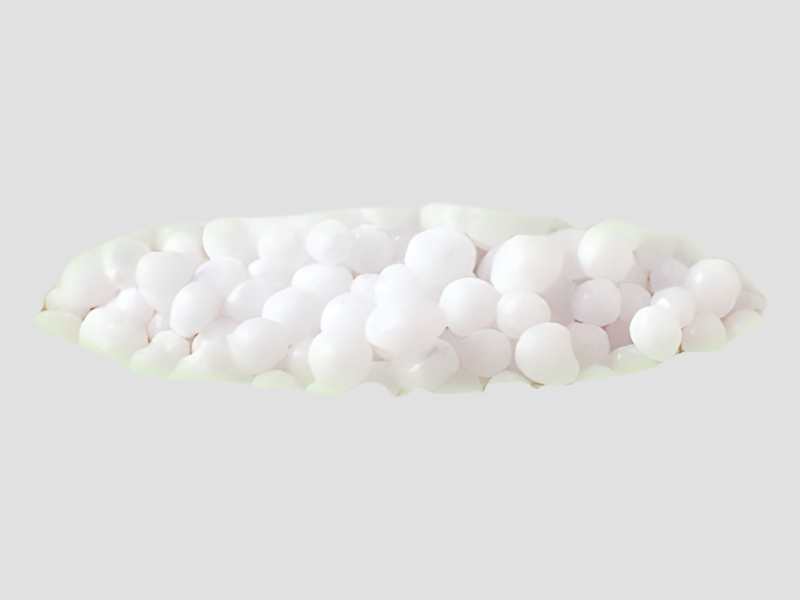
- Urea is available in granular, prilled, or solution forms.
- The choice of form may depend on specific application requirements.
3. Solubility
- Urea is highly soluble in water.
- This property allows for easy application in various agricultural and industrial processes.
4. Melting Point
- The melting point of urea is around 132 degrees Celsius.
- This characteristic is important for handling and storage.
5. Chemical Stability
- Urea is chemically stable under normal conditions.
- This stability ensures safe storage and use in various environments.
6. Moisture Content
- Urea typically contains less than 0.5% moisture.
- Low moisture content enhances shelf life and usability.
7. pH Level
- Urea has a neutral pH level, typically around 7.
- This neutrality makes it suitable for a variety of applications without altering pH balance.
In summary, these specifications make urea a versatile and essential compound across multiple industries.
Common Applications and Use Cases
Urea serves various industries, each benefiting from its unique properties.
1. Agriculture: Urea is predominantly used as a nitrogen fertilizer. It provides essential nutrients to crops, promoting healthy growth and increased yields.
2. Chemical Industry: Urea is a key ingredient in the production of plastics and resins. Its properties are utilized to create durable materials for various applications.
3. Automotive Sector: Urea is used in diesel exhaust fluid (DEF) to reduce nitrogen oxide emissions from diesel engines. This application supports environmental compliance and cleaner air standards.
4. Animal Feed: Urea is sometimes included in animal feed as a non-protein nitrogen source, aiding in the growth of livestock.
5. Pharmaceuticals: Urea is used in the synthesis of certain medications and topical creams, taking advantage of its properties for specific therapeutic applications.
6. Textile Industry: Urea is used in the dyeing process, enhancing color brightness and fixation in fabrics.
7. Construction: Urea is utilized in the production of certain adhesives and sealants, providing strong bonding capabilities for construction materials.
Product Variants and Subcategories
Urea comes in several forms, accommodating different application needs.
Granular Urea
Granular urea is the most common form used in agriculture. It is easy to handle and apply, making it ideal for large-scale farming operations. Its granules dissolve slowly, providing a steady release of nitrogen to crops.
Prilled Urea
Prilled urea features smaller, spherical granules that are also widely used in agriculture. This form is preferred for precision application and is often used in fertigation systems, ensuring efficient nutrient delivery.
Liquid Urea
Liquid urea is often used in industrial applications and can be directly injected into processes. It is favored for its ease of use and rapid solubility.
Benefits and Advantages
Sourcing urea offers several advantages for businesses across various sectors.
1. High Nitrogen Content: Urea contains 46% nitrogen, making it one of the most concentrated nitrogen fertilizers available.
2. Cost-Effective: Urea is generally more affordable compared to other nitrogen fertilizers, providing an economical solution for farmers and industrial users.
3. Versatile Applications: Urea can be used in multiple sectors, including agriculture, automotive, and chemicals, enhancing its value proposition.
4. Easy Storage and Handling: Urea's solid forms are easy to store and transport, minimizing logistical challenges.
5. Environmentally Friendly: When used in the automotive industry, urea helps reduce harmful emissions, contributing to cleaner air.
6. Enhances Crop Yields: The use of urea in agriculture significantly boosts crop productivity, supporting food security.
Buying Guide for B2B Buyers
When sourcing urea, it is essential for B2B buyers to consider several key factors to ensure they make informed decisions.
1. Quality Assessment: Evaluate the quality of urea by checking for purity levels and compliance with industry standards. High-quality urea will provide better results in applications.
2. Supplier Verification: Conduct thorough checks on suppliers to ensure they are reputable and capable of delivering consistent quality. Look for reviews and certifications.
3. Pricing and MOQ: Understand the pricing structure and minimum order quantities (MOQ) set by suppliers. This information is crucial for budgeting and inventory management.
4. Delivery and Lead Times: Assess the supplier's ability to meet delivery deadlines. Timely delivery is critical for maintaining production schedules.
5. Compliance Requirements: Ensure that the urea meets necessary regulatory and safety standards relevant to your industry to avoid legal complications.
Compliance and Certifications
Urea is subject to various compliance standards and certifications that ensure its quality and safety in industrial applications.
Relevant quality standards include ISO 9001, which focuses on quality management systems, ensuring consistent product quality. Compliance with HACCP (Hazard Analysis Critical Control Point) is also important in industries like food and agriculture, ensuring that urea does not introduce hazards into the food supply chain.
In addition to quality standards, urea products may carry CE certification, indicating conformity with European health, safety, and environmental protection standards.
Safety and testing requirements are vital, particularly in agricultural applications, where improper usage could lead to negative environmental impacts. It is also critical to consider regional compliance, as different countries may have specific regulations governing the use and distribution of urea.
Why Source Urea from Pepagora?
Pepagora provides a trusted platform for sourcing urea, offering several key advantages that cater to the needs of B2B buyers.
Verified Supplier Network: Pepagora ensures that all suppliers in its network are thoroughly vetted. This verification process guarantees that buyers receive high-quality products from reputable sources.
Streamlined RFQ Process: The platform features a streamlined request for quotation (RFQ) system, making it easy for buyers to obtain competitive pricing and compare offers from multiple suppliers.
Trade Assurance and Support: Pepagora offers trade assurance, providing buyers with protection throughout the purchasing process. This support minimizes risks and enhances buyer confidence.
Regional Coverage: Pepagora has a wide geographic reach, covering regions such as India, the GCC, and Southeast Asia. This extensive network enables buyers to access urea suppliers that best meet their regional needs.




Frequently Asked Questions
What are Urea?
Urea is a nitrogen-containing organic compound widely used as a fertilizer in agriculture. It is known for its high nitrogen content, which is essential for plant growth and development.
What are the different types of Urea?
Urea comes in various forms, including granulated urea, prilled urea, and liquid urea. Each type has specific applications based on soil conditions and crop requirements.
How do I choose the right Urea?
To choose the right urea, consider factors such as soil type, crop requirements, and local climate conditions. It is also important to assess the nitrogen content and application methods suitable for your agricultural practices.
What are the standard specifications for Urea?
Standard specifications for urea typically include a nitrogen content of 46%, moisture content, and the presence of impurities. Compliance with agricultural standards ensures optimal performance and safety.
What is the price range for Urea?
The price of urea can vary widely based on factors such as quality, quantity, and market demand. Generally, prices may range from INR 15,000 to INR 25,000 per ton.
What quality standards apply to Urea?
Quality standards for urea are established by organizations such as the Bureau of Indian Standards (BIS). These standards ensure that urea meets specific criteria for purity, nutrient content, and safety.
Where can I find Urea suppliers in India?
You can find urea suppliers in India through various channels, including online B2B marketplaces like Pepagora, agricultural trade shows, and local distributors. Researching suppliers' credentials and reviews is also recommended.
Can Urea be customized?
Yes, urea can be customized in terms of formulations to meet specific agricultural needs. This may include variations in nutrient ratios or additional additives to enhance performance.
What is the typical minimum order quantity for Urea?
The typical minimum order quantity (MOQ) for urea varies by supplier and can range from 1 ton to several tons. It's advisable to check with specific suppliers for their MOQ policies.
What is the typical lead time for Urea?
The typical lead time for urea orders can range from a few days to several weeks, depending on the supplier's inventory and shipping methods. It is best to confirm delivery timelines with the supplier at the time of order.
Why Businesses Trust Pepagora
Thousands of companies trust Pepagora to source smarter and sell faster
Expand Your Sales Globally

Source Smarter,Grow Faster
