
 IN
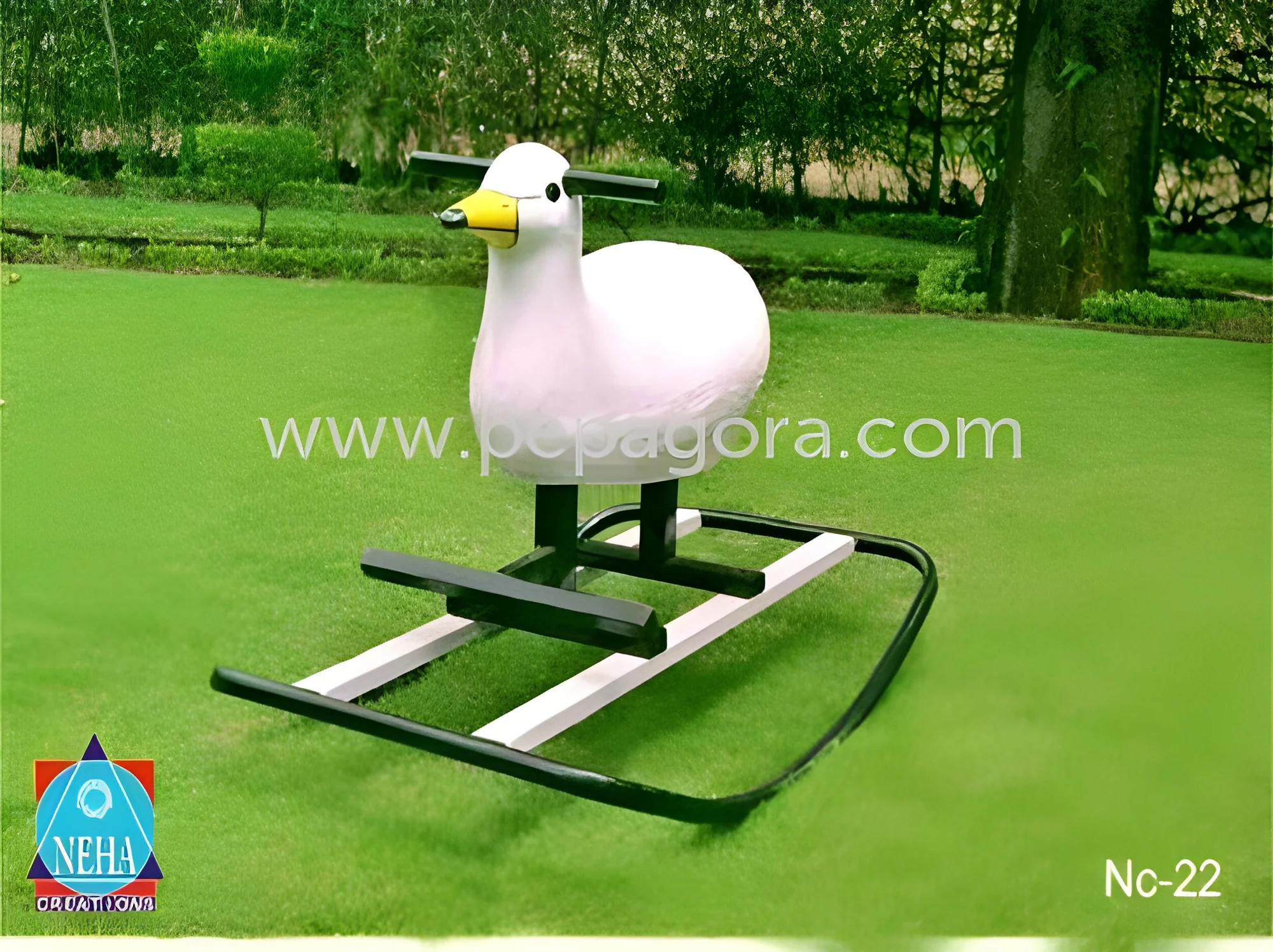
Trampolines & Accessories
1 products available
What are Trampolines & Accessories?
Trampolines and accessories are specialized recreational products designed for various applications, including fitness, entertainment, and therapeutic uses. A trampoline typically consists of a sturdy frame, a flexible jumping surface, and safety features such as nets and padding. Accessories may include safety nets, pads, and replacement springs, among other components. These products are engineered to provide a safe and enjoyable experience for users of all ages.
In business settings, trampolines are often used in sports facilities, gyms, schools, and recreational centers. They serve as tools for fitness training, acrobatics, and even rehabilitation. The growing awareness of physical fitness and the trend toward active lifestyles have led to increased demand for trampolines and accessories across various sectors. The market is expanding, driven by innovations in design and safety measures, as well as a broader acceptance of trampolining as a legitimate form of exercise.
Key Features and Specifications
Trampolines come with a range of features and specifications that enhance their performance, safety, and durability. These specifications are essential for B2B buyers to consider when selecting products for commercial or recreational use.
Key specifications include:
1. Frame Material
- Usually made from galvanized steel for rust resistance
- Varies in thickness and strength to support different weight limits
2. Jumping Surface
- Constructed from high-quality polypropylene or similar materials
- Designed for optimal bounce and durability
3. Weight Capacity
- Typically ranges from 200 to 1000 pounds
- Higher capacities are available for commercial-grade models
4. Safety Features
- Includes safety nets, padding, and reinforced stitching
- Must meet specific safety standards to ensure user protection
5. Warranty Period
- Commonly ranges from 1 to 10 years depending on the manufacturer
- Longer warranties are indicative of product quality
6. Dimensions
- Vary by model, commonly found in sizes from 8 to 16 feet in diameter
- Larger trampolines are suitable for group activities
7. Accessories Compatibility
- Designed to accommodate various accessories like nets and pads
- Ensure compatibility with existing equipment
8. Assembly Requirements
- Some models require professional assembly, while others are DIY-friendly
- Ease of setup can impact purchasing decisions
Overall, understanding these specifications helps buyers select the right trampoline for their specific needs.
Common Applications and Use Cases
Trampolines and accessories find applications in various industries beyond recreational use.
1. Fitness Centers: Trampolines are utilized in fitness classes to enhance cardiovascular workouts and improve coordination. They provide an engaging way to promote physical activity.
2. Educational Institutions: Schools often incorporate trampolines into physical education programs. They help students develop motor skills and encourage active play.
3. Therapy Clinics: Some rehabilitation centers use trampolines for therapeutic purposes. They aid in improving balance and strength for patients recovering from injuries.
4. Entertainment Venues: Trampoline parks have become popular attractions, offering a safe environment for jumping and acrobatic activities. They cater to families and groups seeking fun activities.
5. Sports Training Facilities: Trampolines are used in training programs for athletes, especially in gymnastics and cheerleading. They allow for practice in a controlled setting.
6. Event Rentals: Trampolines can be rented for parties and events. They provide entertainment and physical activity for attendees of all ages.
7. Home Use: Families invest in trampolines for backyard recreation. They promote outdoor play and physical fitness for children.
Product Variants and Subcategories
Trampolines and accessories come in diverse forms to meet different needs and preferences.
Recreational Trampolines
These are designed for home use and focus on safety and fun. They often come with safety nets and padded edges to minimize injury risks during use.
Commercial Trampolines
Engineered for high traffic use in facilities like gyms and trampoline parks, these trampolines are built with enhanced durability and higher weight capacities.
Mini Trampolines
Also known as rebounders, these smaller versions are used for low-impact exercise and can easily be stored. They are popular in fitness routines for individual workouts.
Trampoline Accessories
This category includes safety nets, protective pads, and replacement parts. These accessories enhance the trampoline experience and ensure safety for users.
Benefits and Advantages
Investing in trampolines and accessories provides several advantages for businesses and recreational facilities.
1. Health Benefits: Trampolining is an excellent way to engage in physical activity. It promotes cardiovascular health and builds strength in users of all ages.
2. Versatility: Trampolines can be used for various activities, including fitness routines, sports training, and recreational play. This versatility makes them appealing to a wide audience.
3. Engaging Experience: Trampolines provide a fun and exciting way to stay active. Their unique bouncing motion attracts users, encouraging regular participation.
4. Safety Features: Modern trampolines are equipped with advanced safety technologies. This reduces the risk of injury and enhances user confidence.
5. Space Efficiency: Many trampolines are designed to be compact and can fit in smaller areas. This makes them suitable for both commercial and residential use.
6. Potential for Revenue Generation: For businesses, trampolines can attract customers and generate income through admissions, classes, and events.
Buying Guide for B2B Buyers
When sourcing trampolines and accessories, several factors should be considered to ensure a successful purchase.
1. Quality Assessment: Evaluate the materials and construction of the trampolines. Look for durable materials that meet safety standards to ensure longevity and user safety.
2. Supplier Verification: Research potential suppliers to confirm their reputation and reliability. This includes checking reviews, certifications, and their history in the industry.
3. Pricing and MOQ: Understand the pricing structure and minimum order quantities (MOQ) required by suppliers. This helps in budgeting and ensures that you can meet your demands.
4. Delivery and Lead Times: Inquire about shipping options and delivery timelines. Timely delivery is crucial for businesses that need to meet specific operational schedules.
5. Compliance Requirements: Ensure that products meet all relevant safety and regulatory standards. This may include certifications such as CE and other industry-specific regulations.
Compliance and Certifications
Trampolines and accessories must adhere to various compliance and certification standards to ensure safety and quality. Key standards include ISO 9001, which focuses on quality management systems, and HACCP, which addresses safety and hygiene in manufacturing processes.
Additionally, CE certification is essential for products sold in the European market, indicating that they meet safety and health requirements. Compliance with these standards helps manufacturers and suppliers demonstrate their commitment to quality and safety.
Furthermore, products should undergo rigorous testing to ensure they perform as intended without posing risks to users. Regional compliance considerations may vary, so it is critical to stay informed about the specific regulations in different markets.
Why Source Trampolines & Accessories from Pepagora?
Pepagora offers a trusted platform for sourcing trampolines and accessories, providing numerous advantages for B2B buyers.
Verified Supplier Network: Pepagora ensures that all suppliers are thoroughly vetted, maintaining a high standard for quality and reliability. This gives buyers confidence in their purchase decisions.
Streamlined RFQ Process: The request for quotation (RFQ) system simplifies the process of obtaining pricing and product information. This saves time and allows buyers to compare options efficiently.
Trade Assurance and Support: Buyers benefit from trade assurance programs that protect their transactions. Pepagora provides support throughout the procurement process, ensuring a smooth experience.
Regional Coverage: With a strong presence in India, the GCC, and Southeast Asia, Pepagora connects buyers with suppliers across diverse markets. This geographic reach facilitates access to a wide range of products and competitive pricing.
By choosing Pepagora, businesses can ensure they are sourcing high-quality trampolines and accessories while enjoying a seamless purchasing experience.

 India
Frequently Asked Questions
What are Trampolines & Accessories?
Trampolines are recreational devices consisting of a strong fabric stretched over a frame with springs that allow users to bounce off the surface. Accessories for trampolines include safety nets, pads, enclosures, and various other items that enhance safety and performance.
What are the different types of Trampolines & Accessories?
Trampolines can be categorized into several types, including in-ground, above-ground, and mini trampolines. Accessories vary from safety nets and covers to replacement springs and padded enclosures, each serving specific safety and functional purposes.
How do I choose the right Trampolines & Accessories?
Choosing the right trampoline involves considering factors such as size, weight capacity, and safety features. For accessories, ensure compatibility with the type and model of your trampoline, and prioritize safety and durability.
What are the standard specifications for Trampolines & Accessories?
Standard specifications for trampolines typically include frame material, weight capacity, and the diameter of the jumping surface. Accessories specifications can vary widely, including dimensions for safety nets and thickness of padding.
What is the price range for Trampolines & Accessories?
The price range for trampolines can vary significantly based on size and quality, generally starting from a few thousand rupees to over ₹50,000 for high-end models. Accessories can range from a few hundred to several thousand rupees, depending on the type and brand.
What quality standards apply to Trampolines & Accessories?
Quality standards for trampolines and accessories often adhere to international safety guidelines, such as ASTM or EN standards, which ensure products are tested for durability and safety. Always check for certifications when purchasing.
Where can I find Trampolines & Accessories suppliers in India?
You can find suppliers of trampolines and accessories in India through B2B marketplaces like Pepagora.com, local sports equipment stores, or manufacturers specializing in recreational products. It's advisable to compare multiple suppliers for the best options.
Can Trampolines & Accessories be customized?
Yes, many manufacturers offer customization options for trampolines and accessories, including size, color, and additional safety features. Customization can enhance the functionality and aesthetic appeal of the products.
What is the typical minimum order quantity for Trampolines & Accessories?
The typical minimum order quantity (MOQ) for trampolines and accessories can vary by supplier but often ranges from 1 to 10 units for individual orders. Bulk purchases may have different MOQs, which can be discussed with the supplier.
What is the typical lead time for Trampolines & Accessories?
The typical lead time for trampolines and accessories can range from 1 to 6 weeks, depending on the supplier, customization requests, and stock availability. Always confirm the lead time with your supplier before placing an order.
Why Businesses Trust Pepagora
Thousands of companies trust Pepagora to source smarter and sell faster
Expand Your Sales Globally

Source Smarter,Grow Faster
