𝗪𝗵𝗮𝘁 𝗮𝗿𝗲 𝗖𝗵𝗶𝗹𝗱𝗿𝗲𝗻’𝘀 𝗣𝗹𝗮𝘆 𝗘𝗾𝘂𝗶𝗽𝗺𝗲𝗻𝘁 & 𝗧𝗼𝘆𝘀?
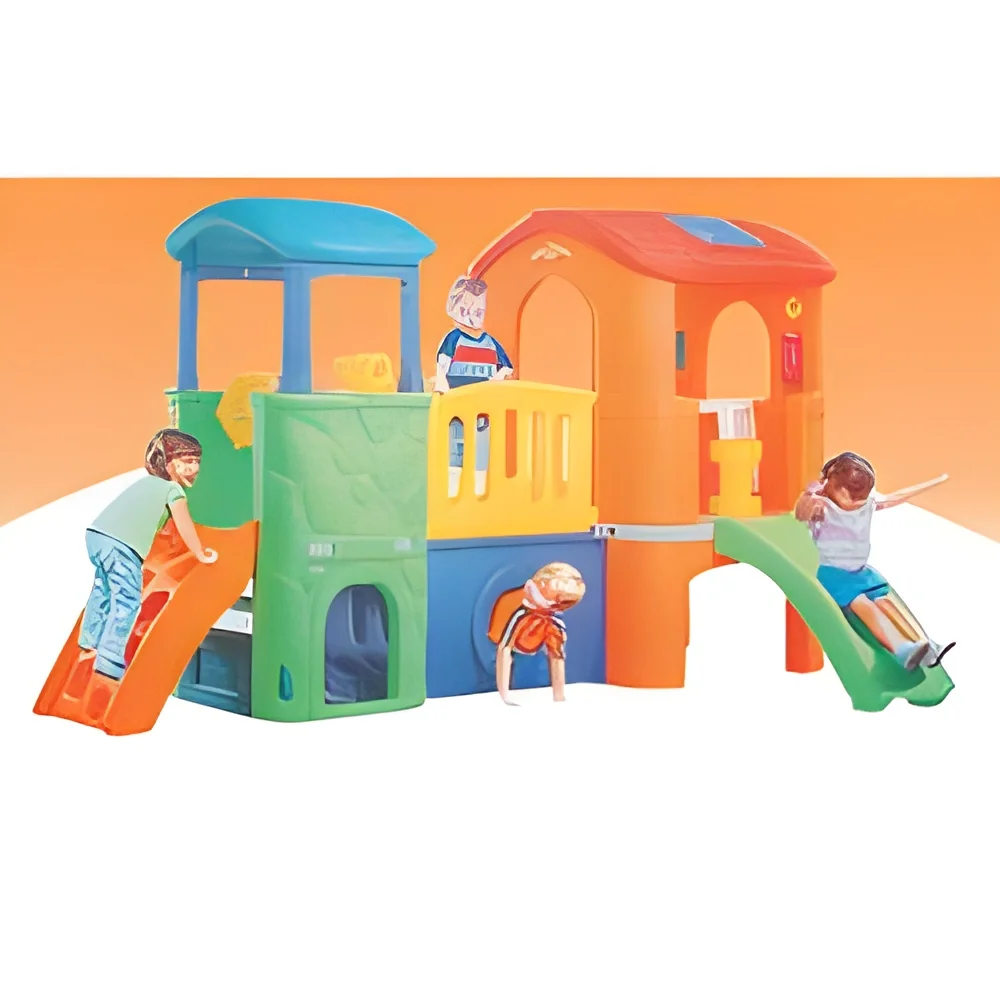
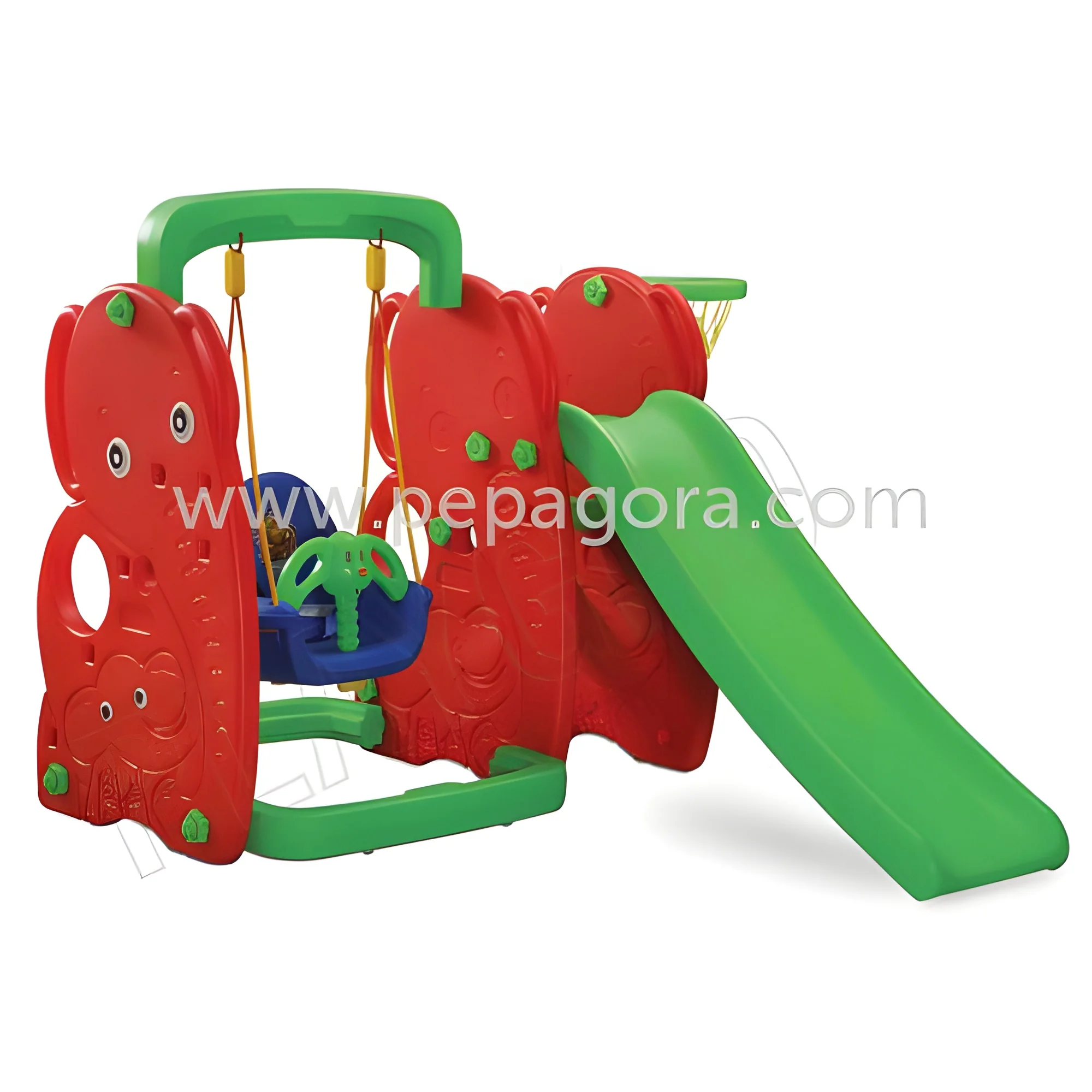
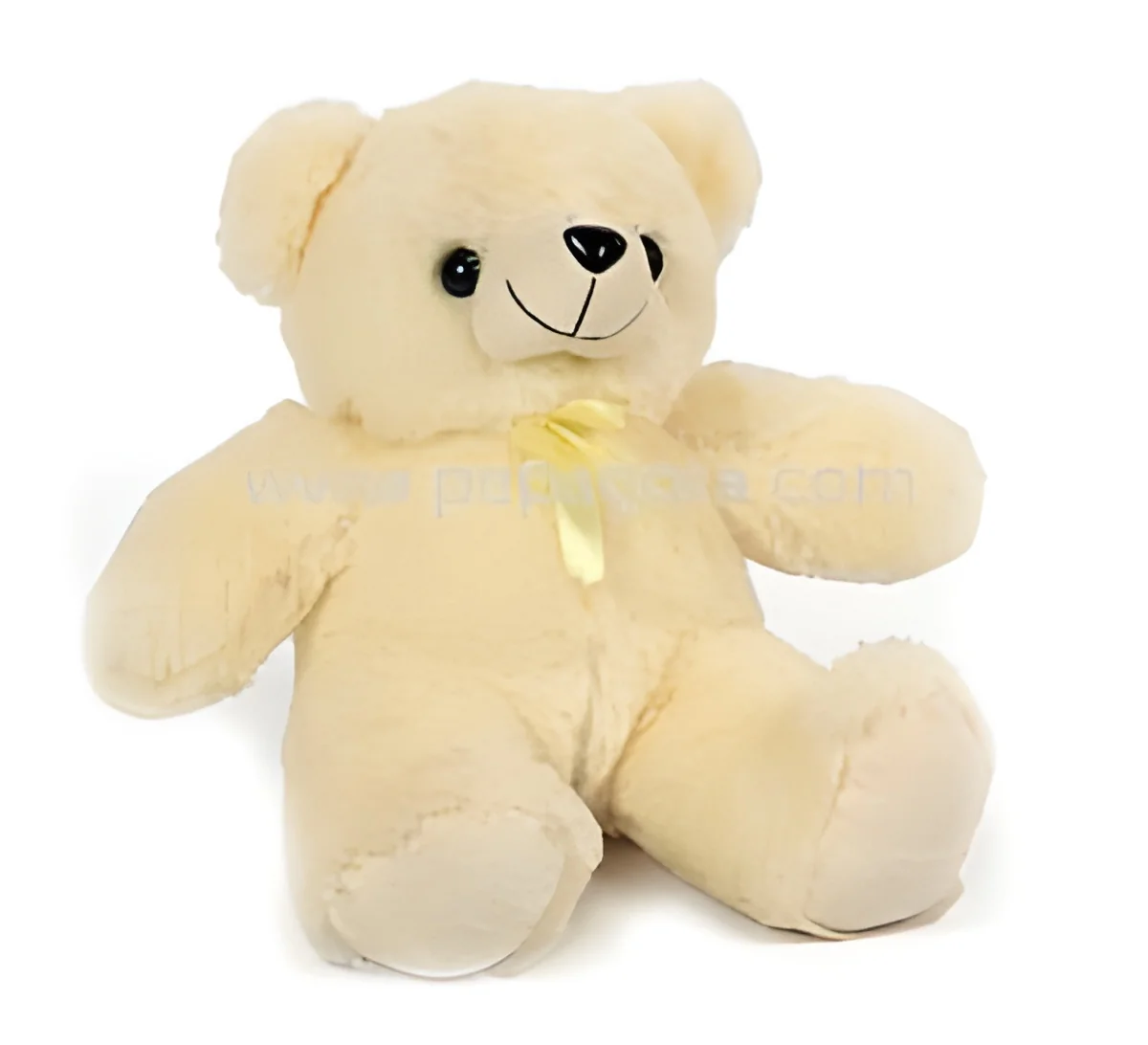
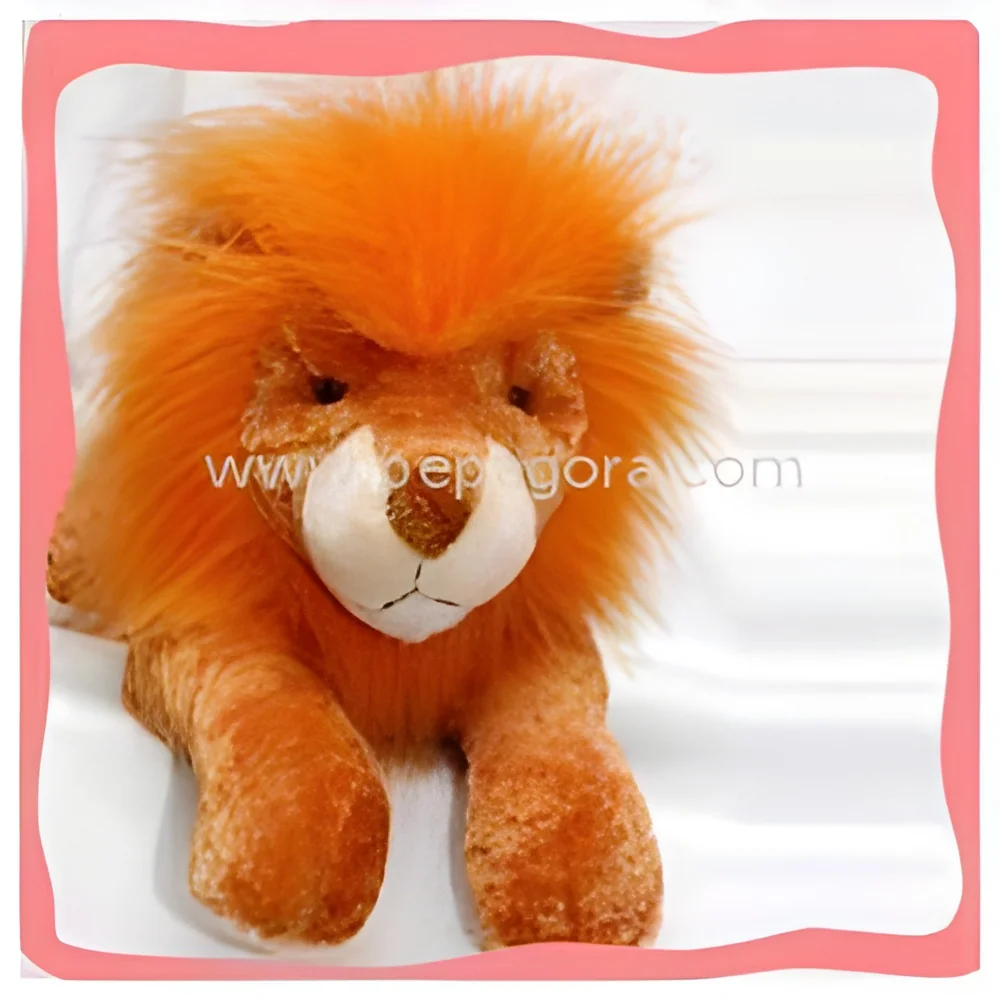
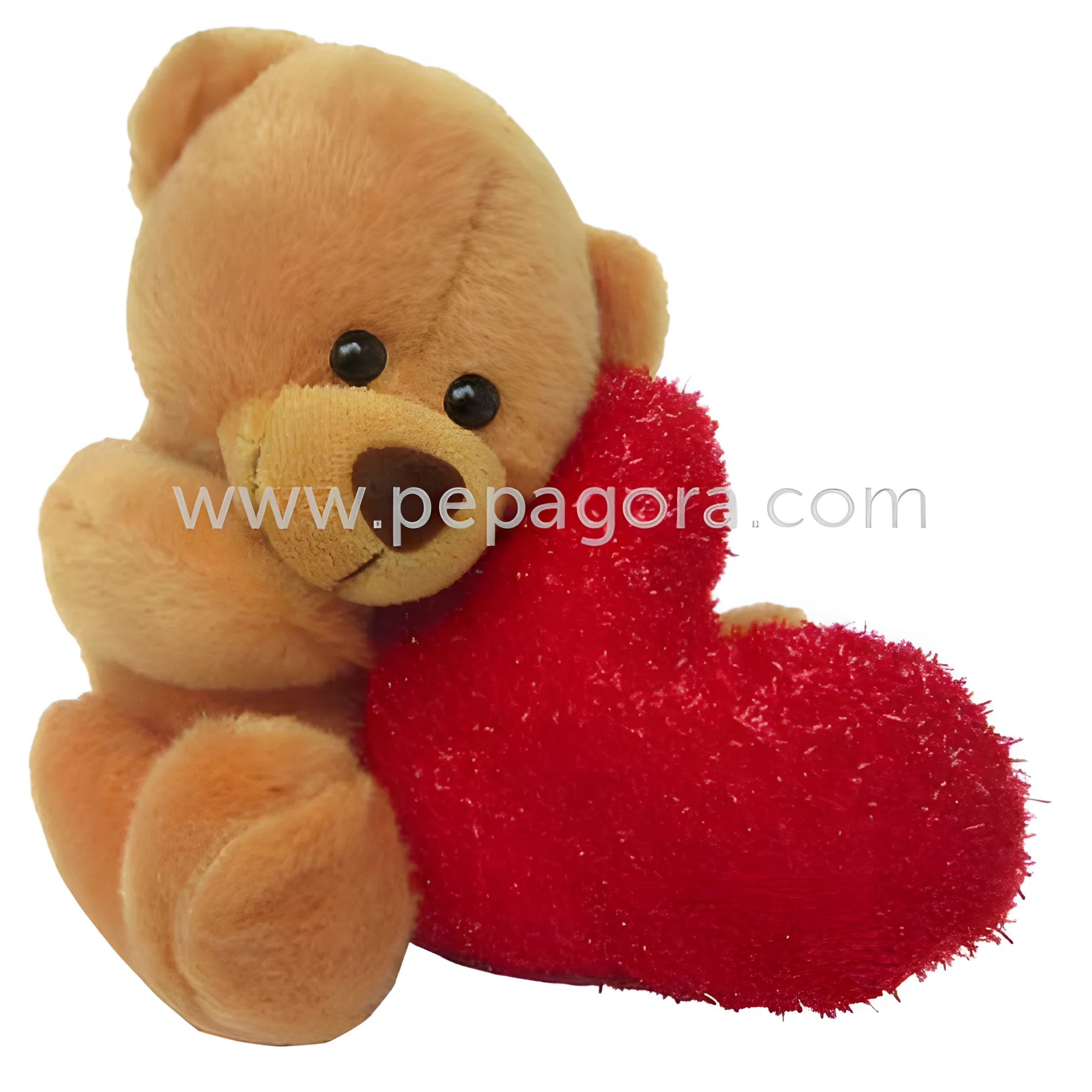
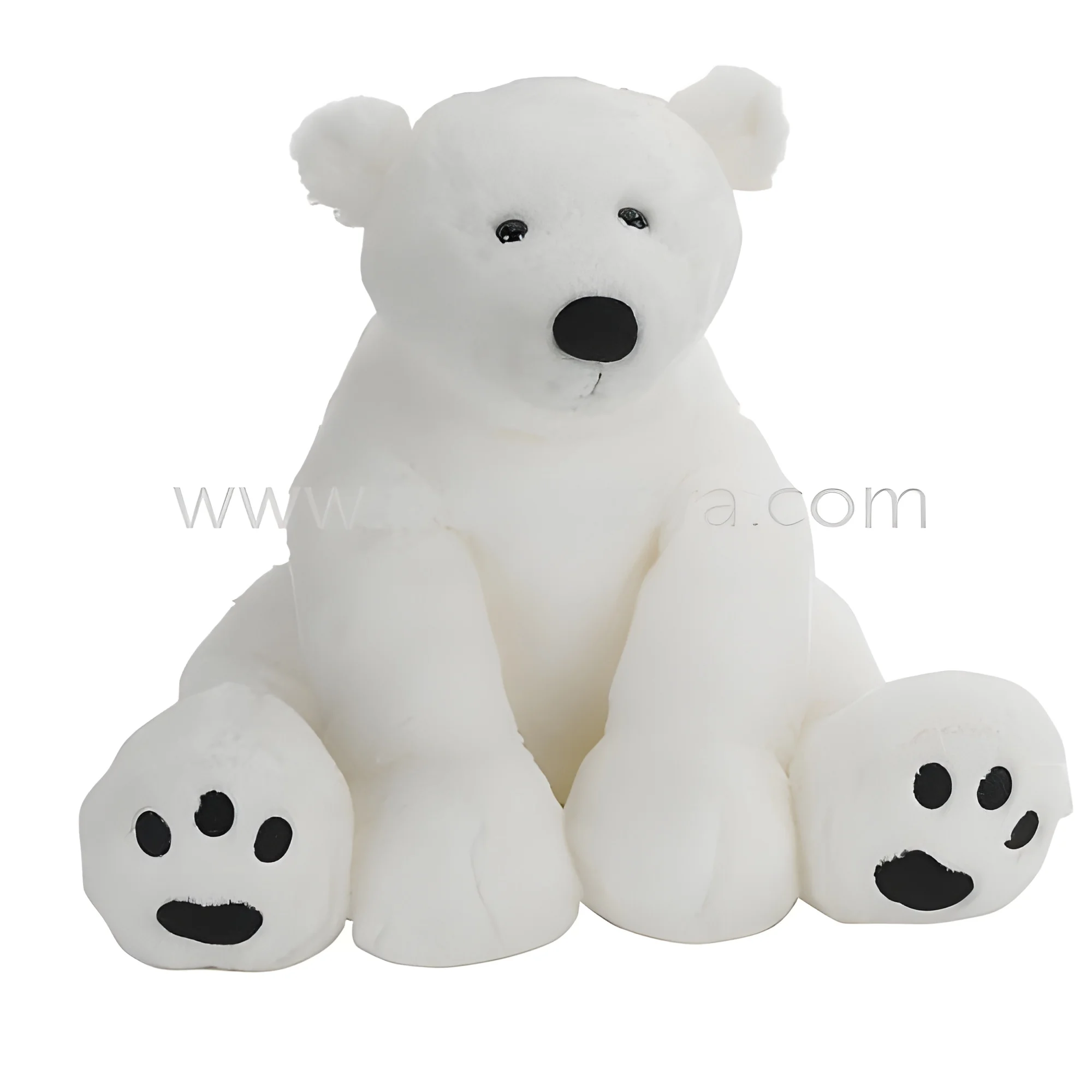
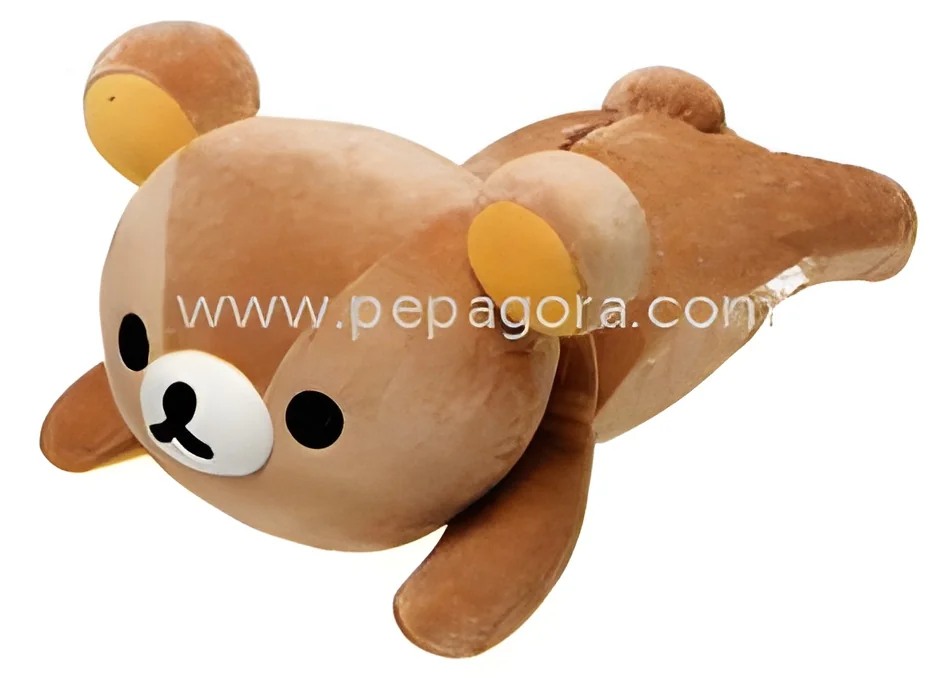
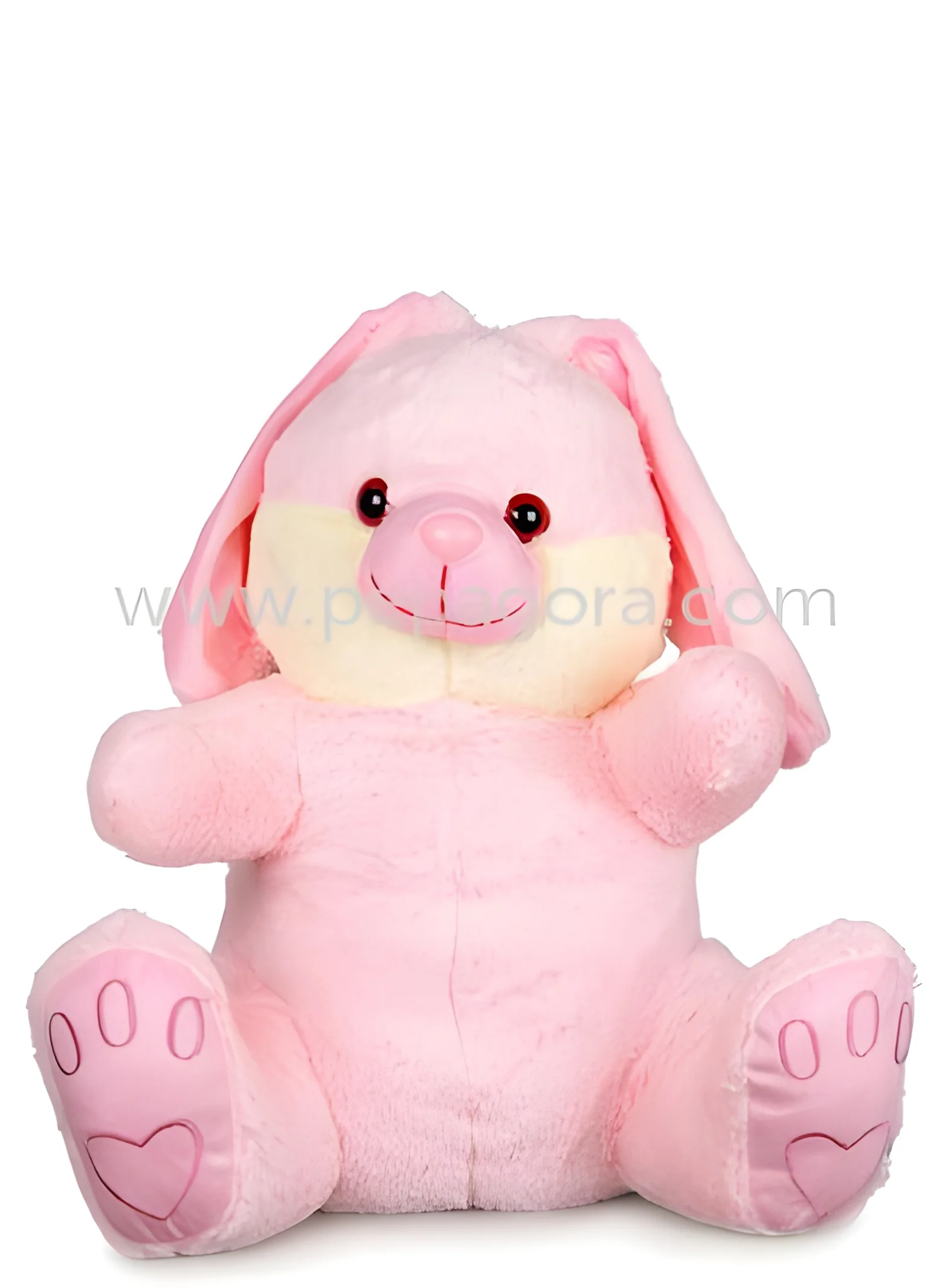
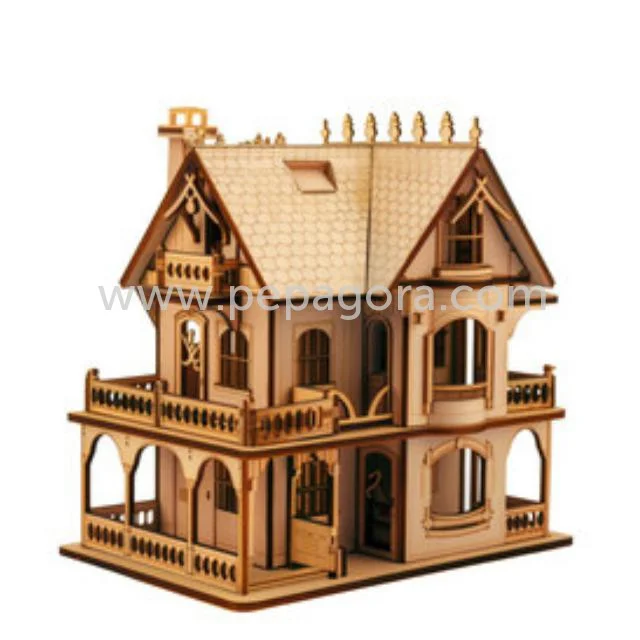
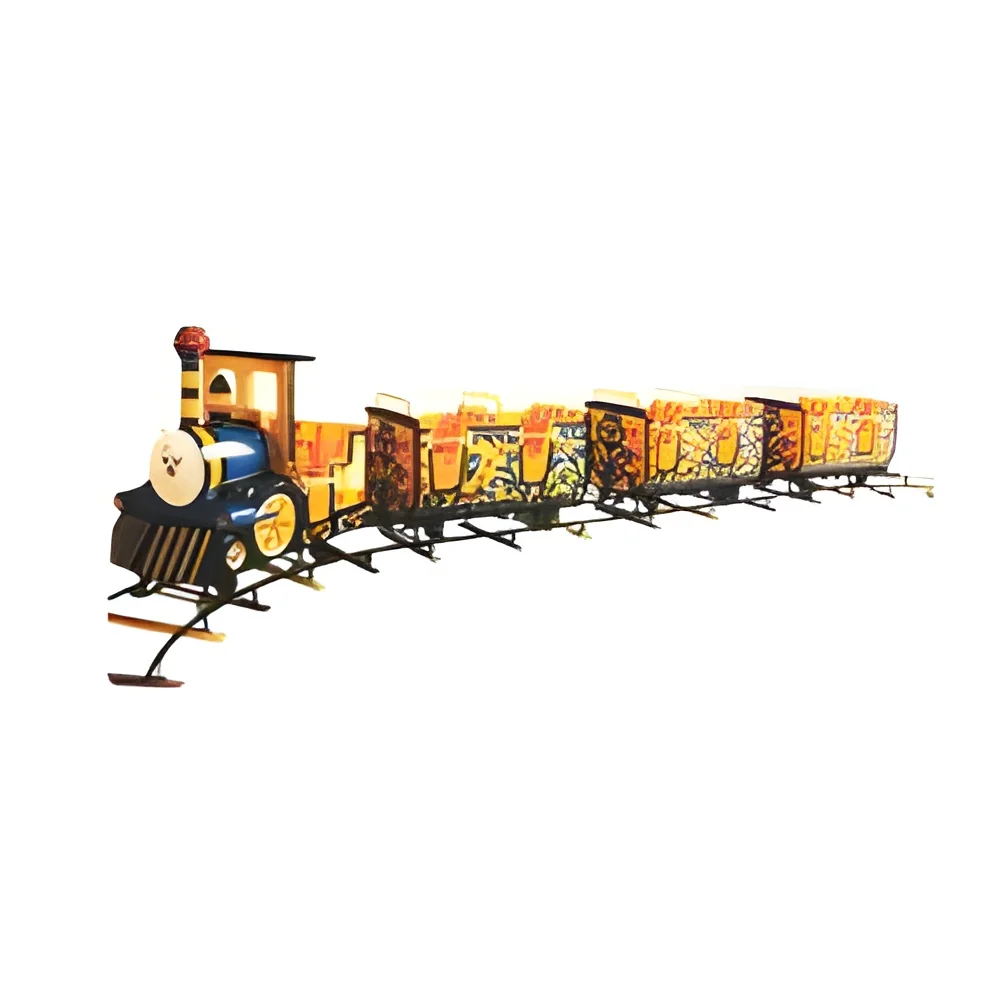
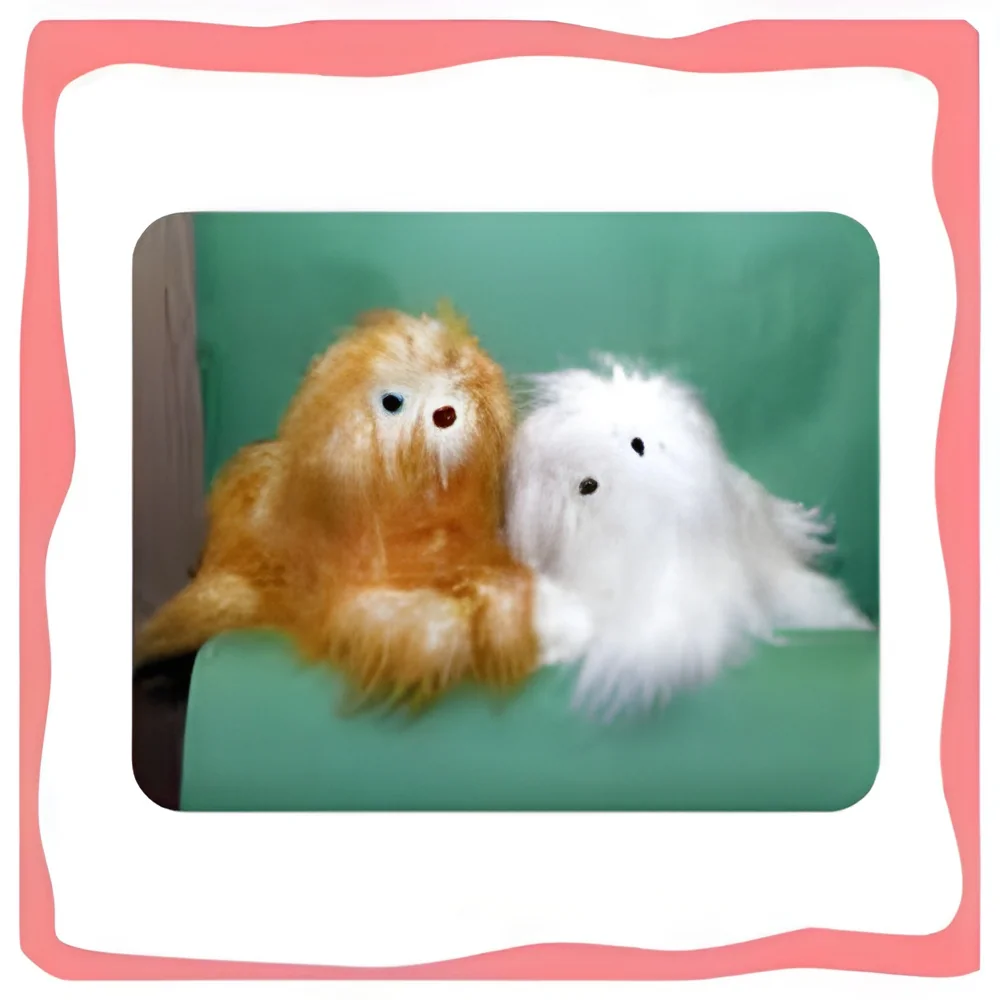
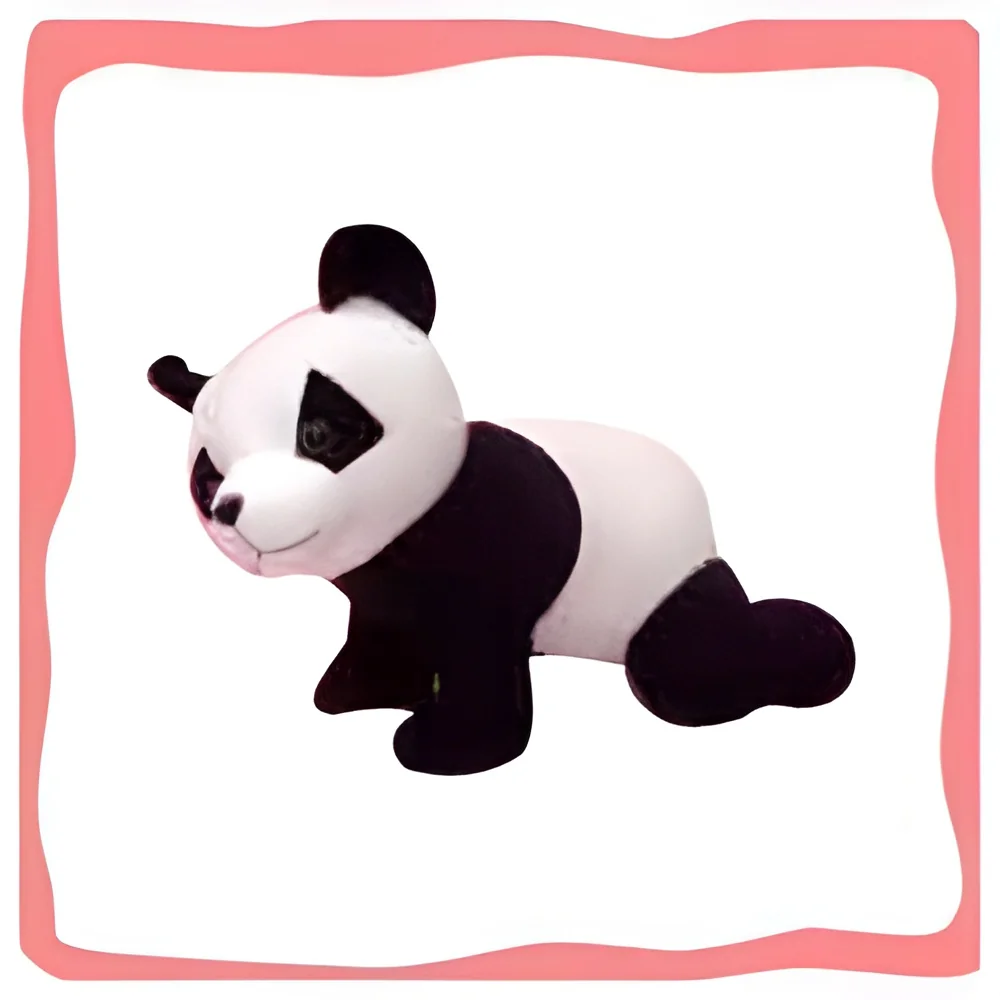
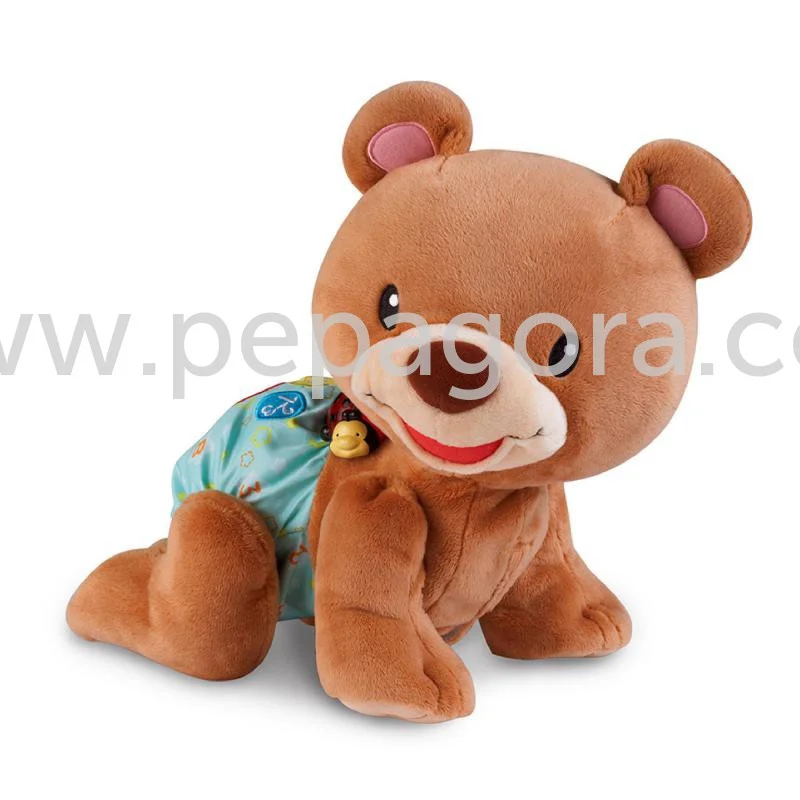
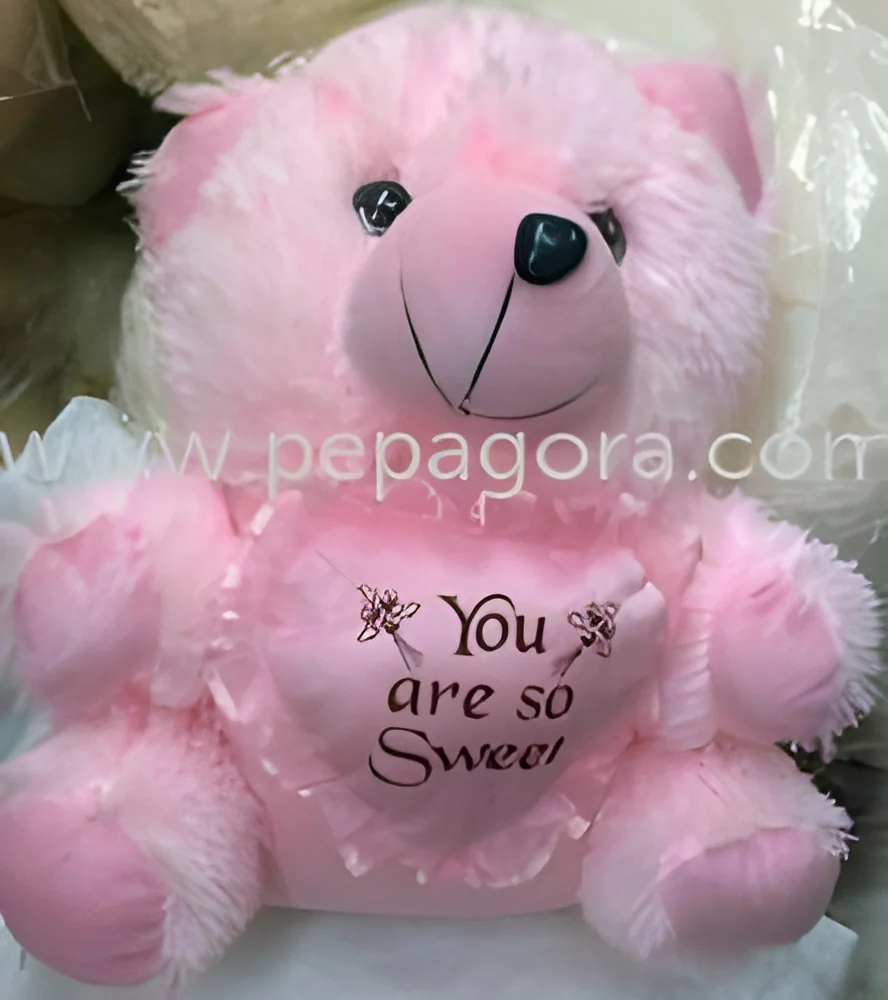
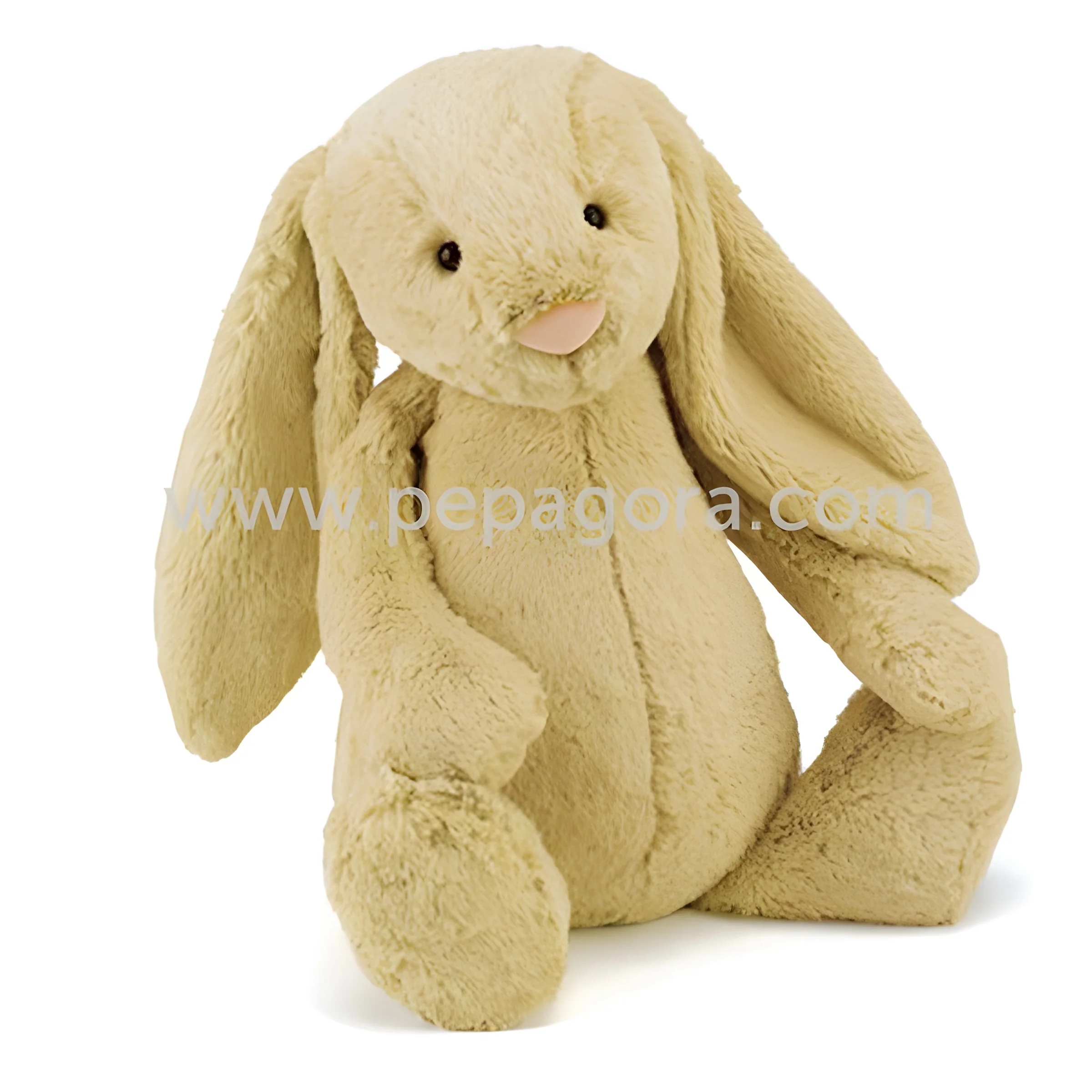
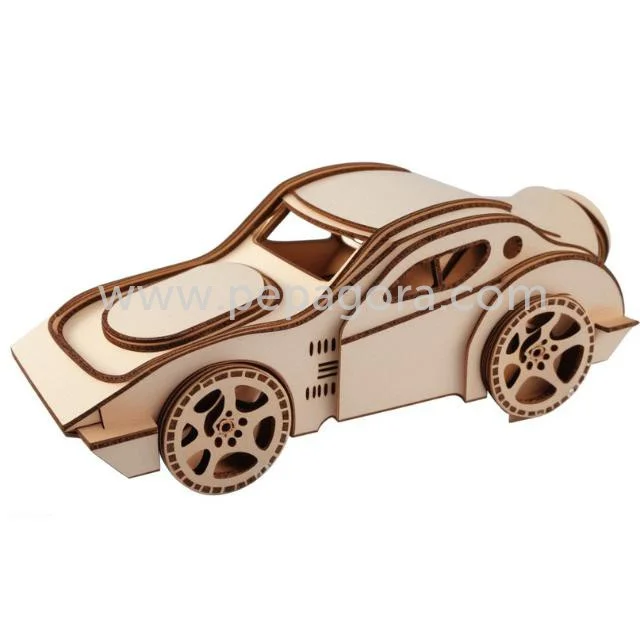
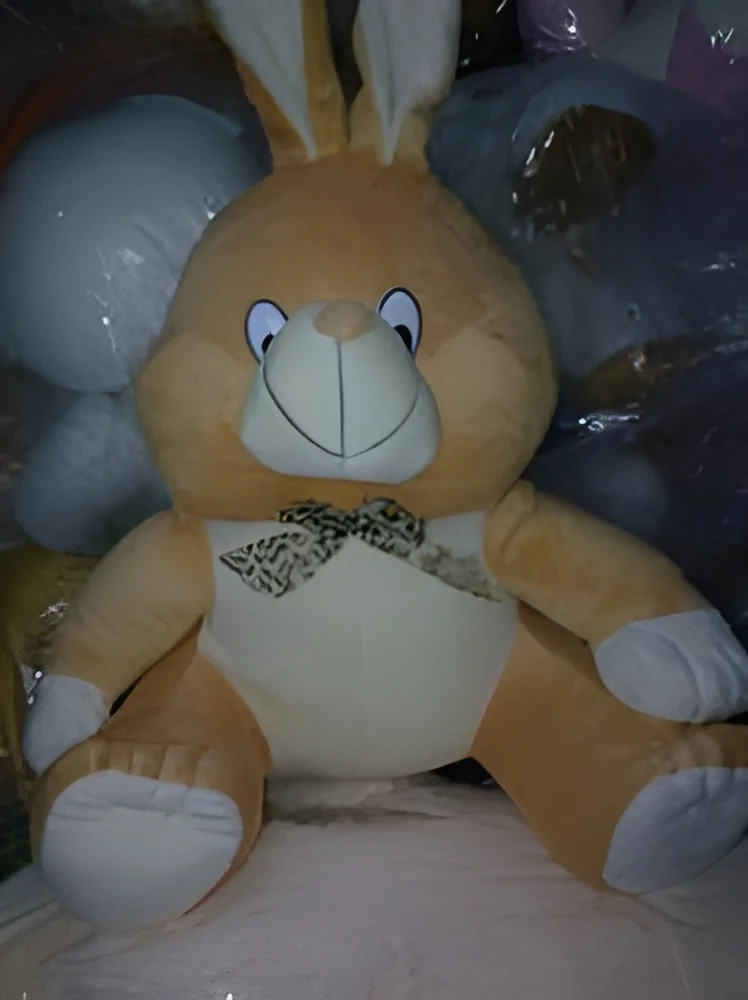
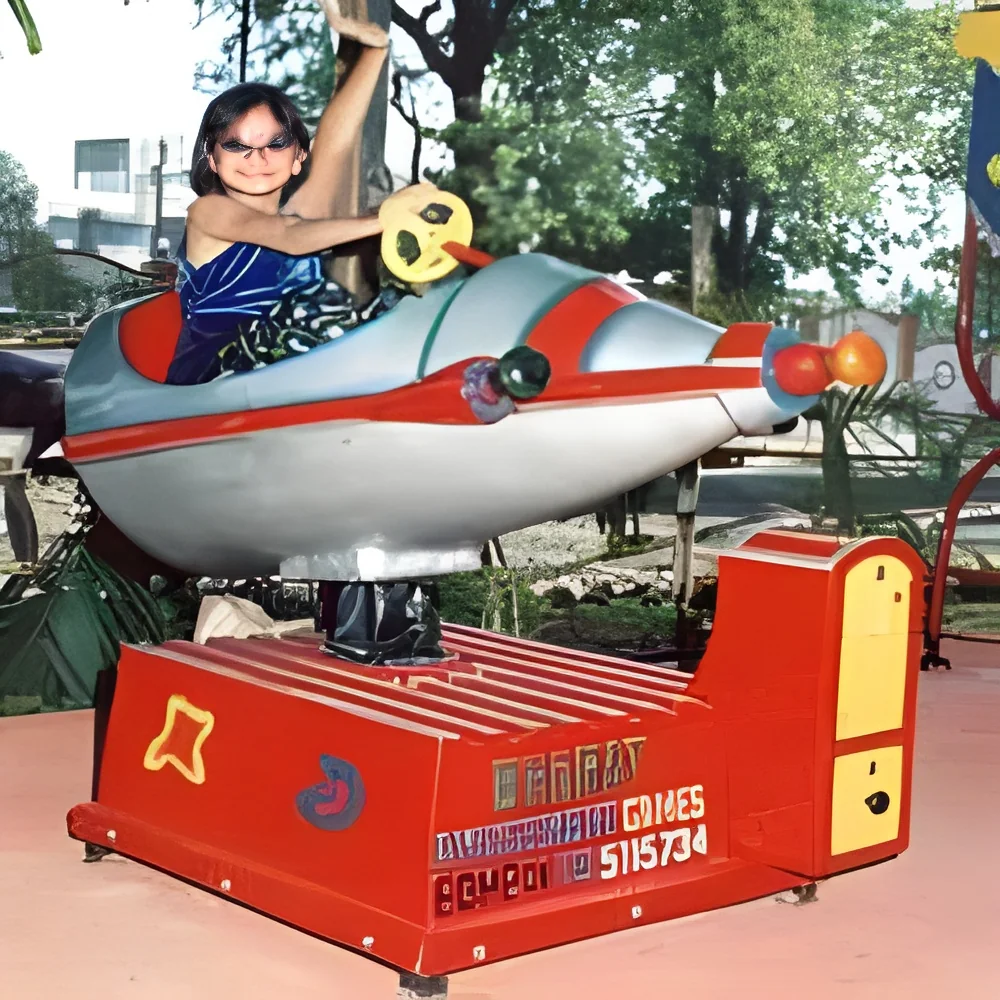
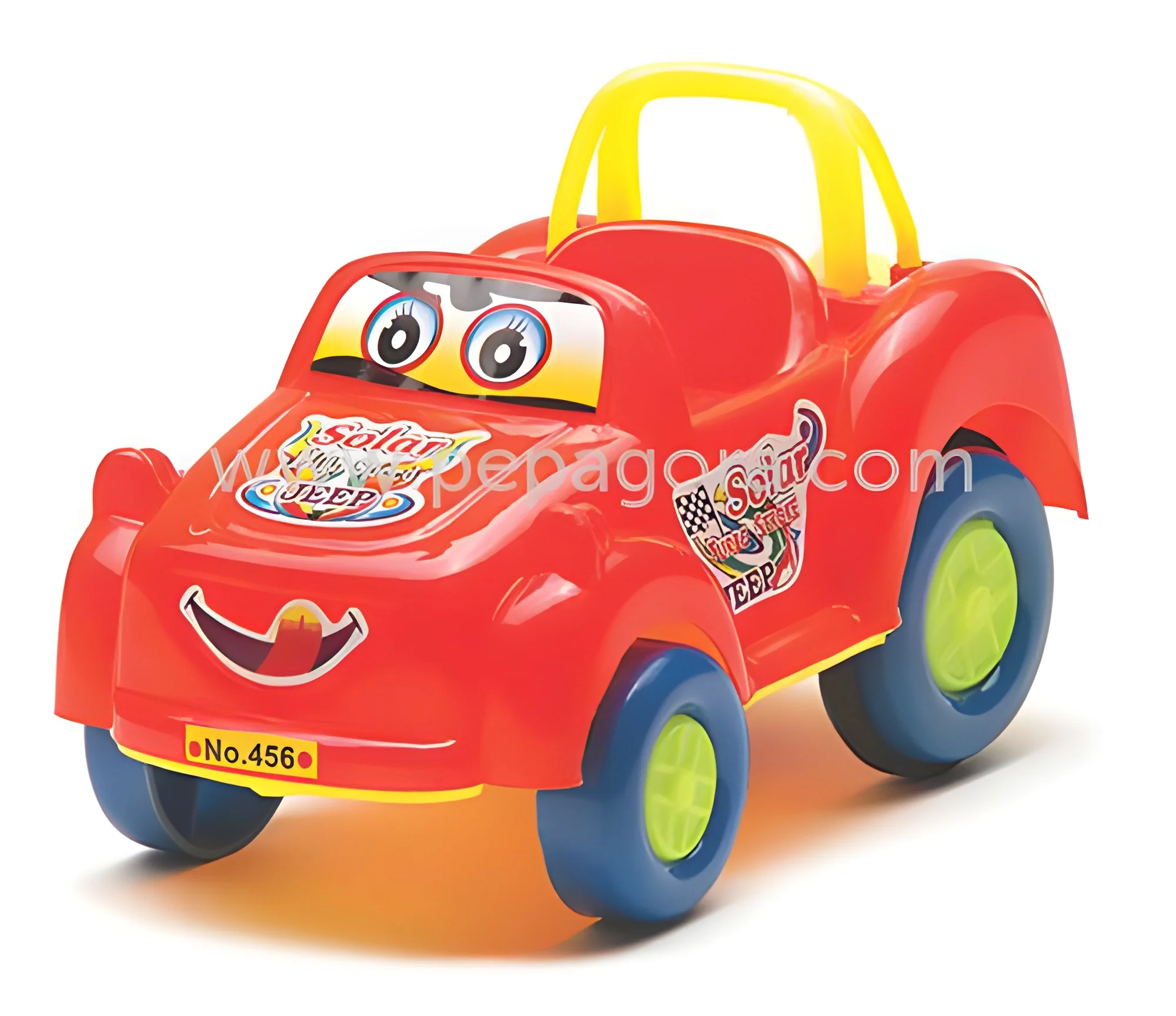
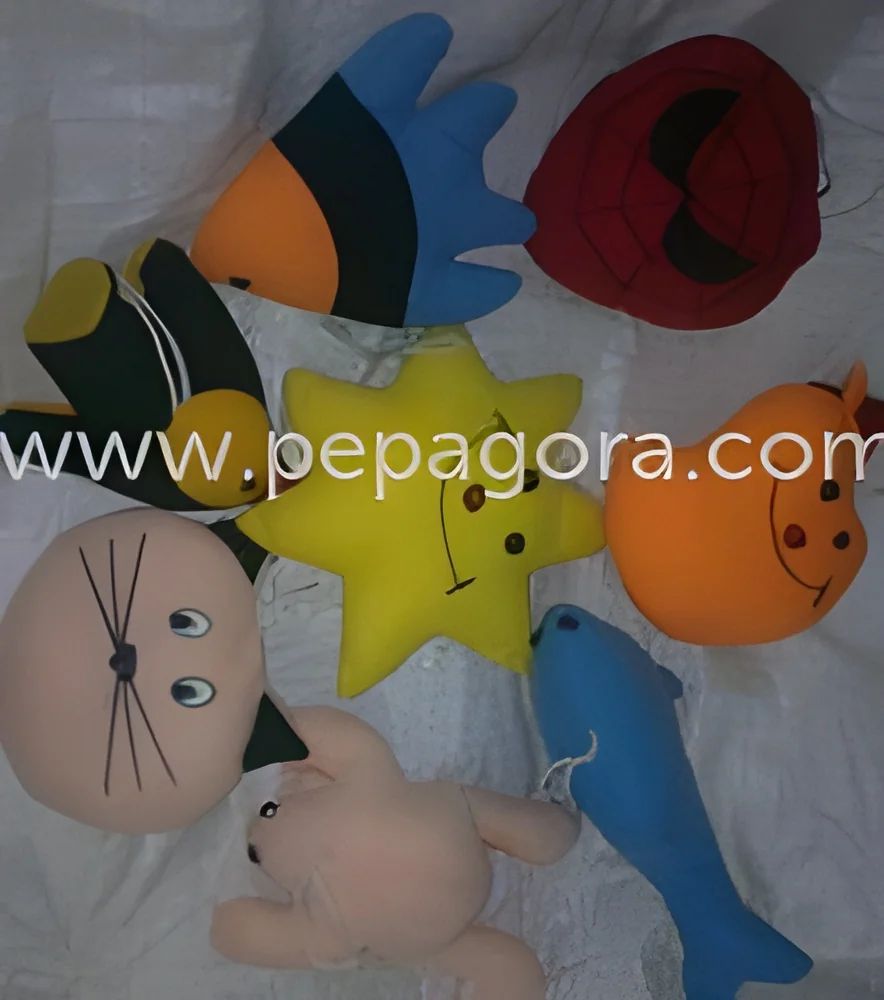
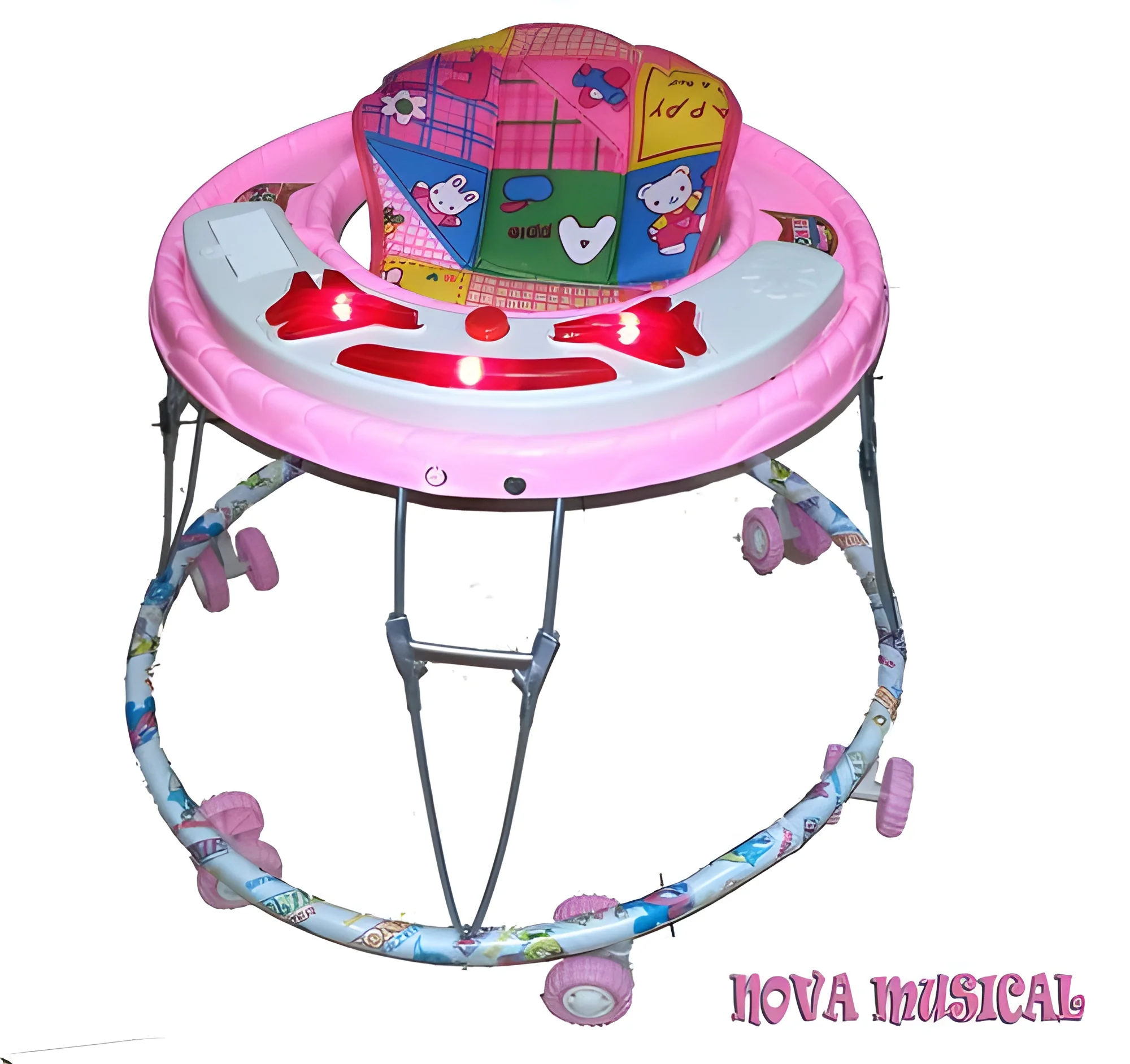
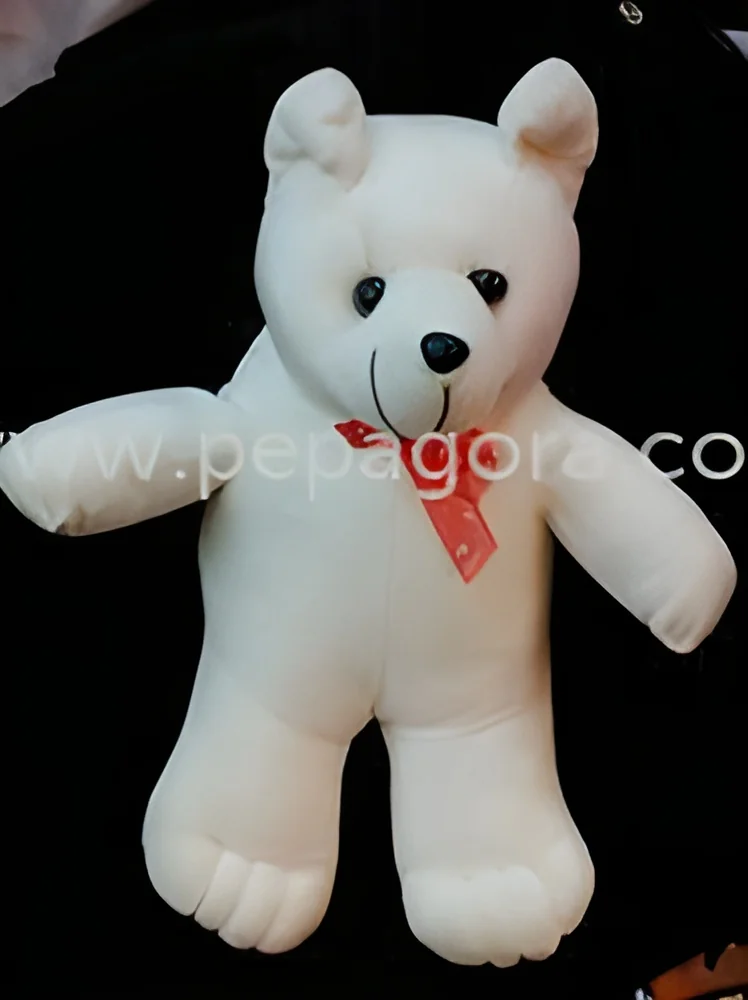
Children's play equipment and toys encompass a wide range of products designed for young children to engage in physical activity and imaginative play. This category includes items such as swings, slides, climbing structures, and a variety of educational and recreational toys. These products are often made from durable materials to withstand regular use and provide a safe environment for children to explore and develop their physical and cognitive skills.
The primary uses of children's play equipment and toys are to promote healthy development and social interaction among children. They are commonly found in schools, daycare centers, parks, and residential areas. Businesses in the education and recreation sectors often invest in high-quality play equipment and toys to enhance their offerings and create engaging environments for children. As awareness of the importance of play in child development grows, the demand for innovative and safe play products continues to increase in the market.
In terms of industry relevance, the children's play equipment and toys market is a vital segment of the broader toy and recreational products industry. As parents and educators increasingly prioritize safety and developmental benefits, manufacturers are adapting to these demands by creating products that conform to safety standards and provide educational value. This sector is projected to grow, driven by trends in outdoor play, technology integration, and sustainability.
𝗞𝗲𝘆 𝗙𝗲𝗮𝘁𝘂𝗿𝗲𝘀 𝗮𝗻𝗱 𝗦𝗽𝗲𝗰𝗶𝗳𝗶𝗰𝗮𝘁𝗶𝗼𝗻𝘀
Children's play equipment and toys are designed with specific features to ensure safety, durability, and engaging play experiences. Understanding these features is essential for businesses looking to source the right products.
Key specifications include:
1. Material Quality
- Typically made from high-density polyethylene, wood, or metal.
- Must comply with safety standards for children’s products.
2. Safety Standards
- Must meet local and international safety standards, such as CE certification.
- Includes features like rounded edges and non-toxic finishes.
3. Age Appropriateness
- Designed for specific age groups, typically ranging from toddlers to early teens.
- Clear labeling to ensure suitable use.
4. Weight Capacity
- Varies by equipment type; swings may support up to 100 pounds, while climbing structures can support multiple children at once.
- Important for safety and longevity.
5. Installation Requirements
- Some equipment may require professional installation, while others are designed for easy assembly.
- Instructions must be clear and thorough.
6. Customization Options
- Many manufacturers offer customization in colors and designs.
- Allows businesses to tailor products to their specific market needs.
7. Outdoor vs. Indoor Use
- Equipment designed for outdoor use is often weather-resistant.
- Indoor toys focus on space-saving and safety features.
8. Educational Value
- Many toys include elements that promote learning, such as problem-solving and creativity.
- Engages children in both physical and cognitive play.
In summary, understanding these specifications helps businesses select children's play equipment and toys that meet safety, quality, and developmental requirements.
𝗖𝗼𝗺𝗺𝗼𝗻 𝗔𝗽𝗽𝗹𝗶𝗰𝗮𝘁𝗶𝗼𝗻𝘀 𝗮𝗻𝗱 𝗨𝘀𝗲 𝗖𝗮𝘀𝗲𝘀
Children's play equipment and toys find applications across various industries, enhancing play and learning experiences.
1. Educational Institutions: Schools and daycare centers utilize play equipment to foster social skills and physical development in children.
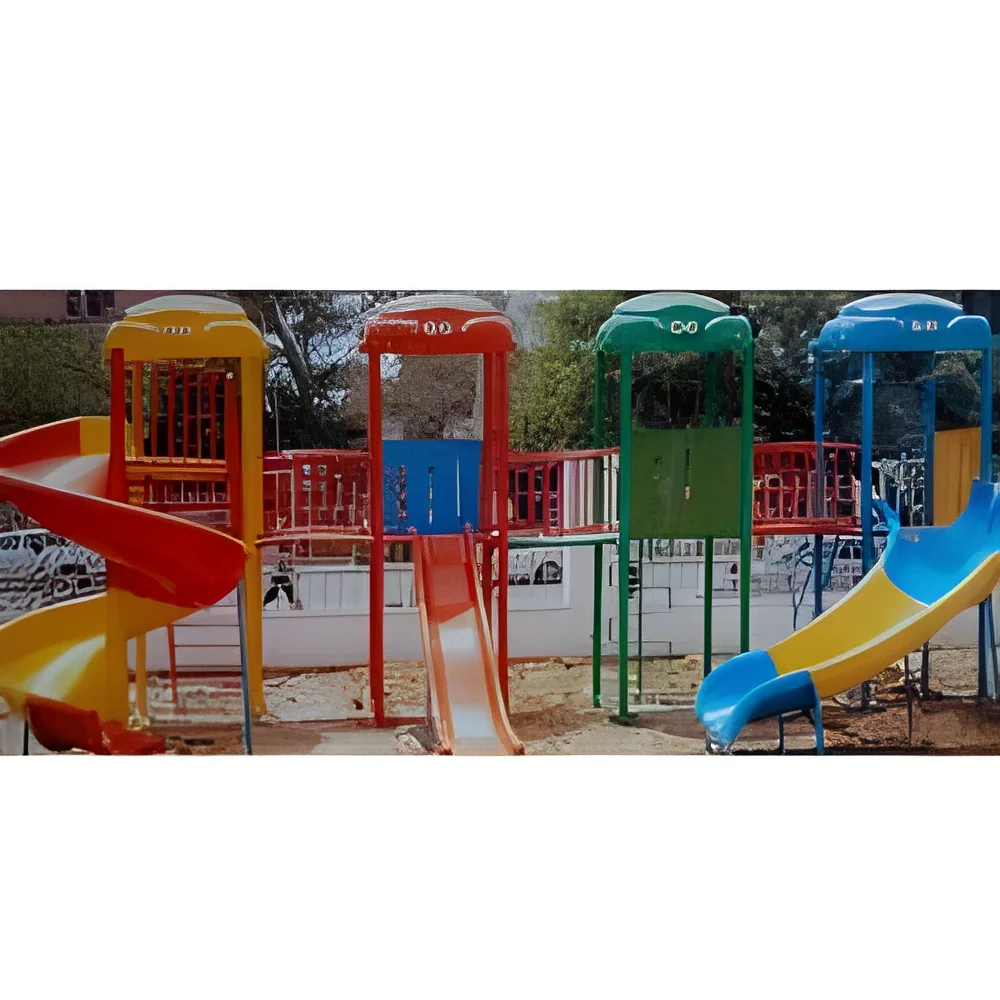
2. Parks and Recreation: Public parks incorporate playgrounds and play structures to encourage outdoor activity and community engagement among families.
3. Retail: Toy stores and online platforms offer a diverse range of play equipment and toys, catering to parents seeking quality and safe options for their children.
4. Childcare Services: Daycare facilities use play equipment to create stimulating environments that promote exploration and learning through play.
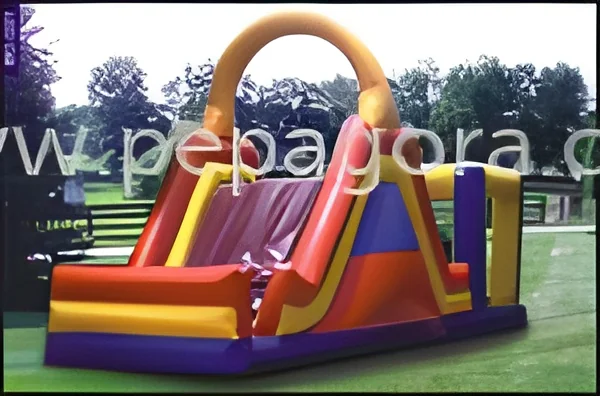
5. Event Planning: Companies specializing in children's events often rent or purchase play equipment to enhance the experience at parties and gatherings.
6. Hospitality: Hotels and resorts may provide play areas equipped with toys and equipment to attract families and enhance guest experiences.
7. Nonprofit Organizations: Charities focused on child development often install play equipment in underserved communities to promote healthy play opportunities.
𝗣𝗿𝗼𝗱𝘂𝗰𝘁 𝗩𝗮𝗿𝗶𝗮𝗻𝘁𝘀 𝗮𝗻𝗱 𝗦𝘂𝗯𝗰𝗮𝘁𝗲𝗴𝗼𝗿𝗶𝗲𝘀
Children's play equipment and toys come in various forms to cater to diverse needs and preferences.
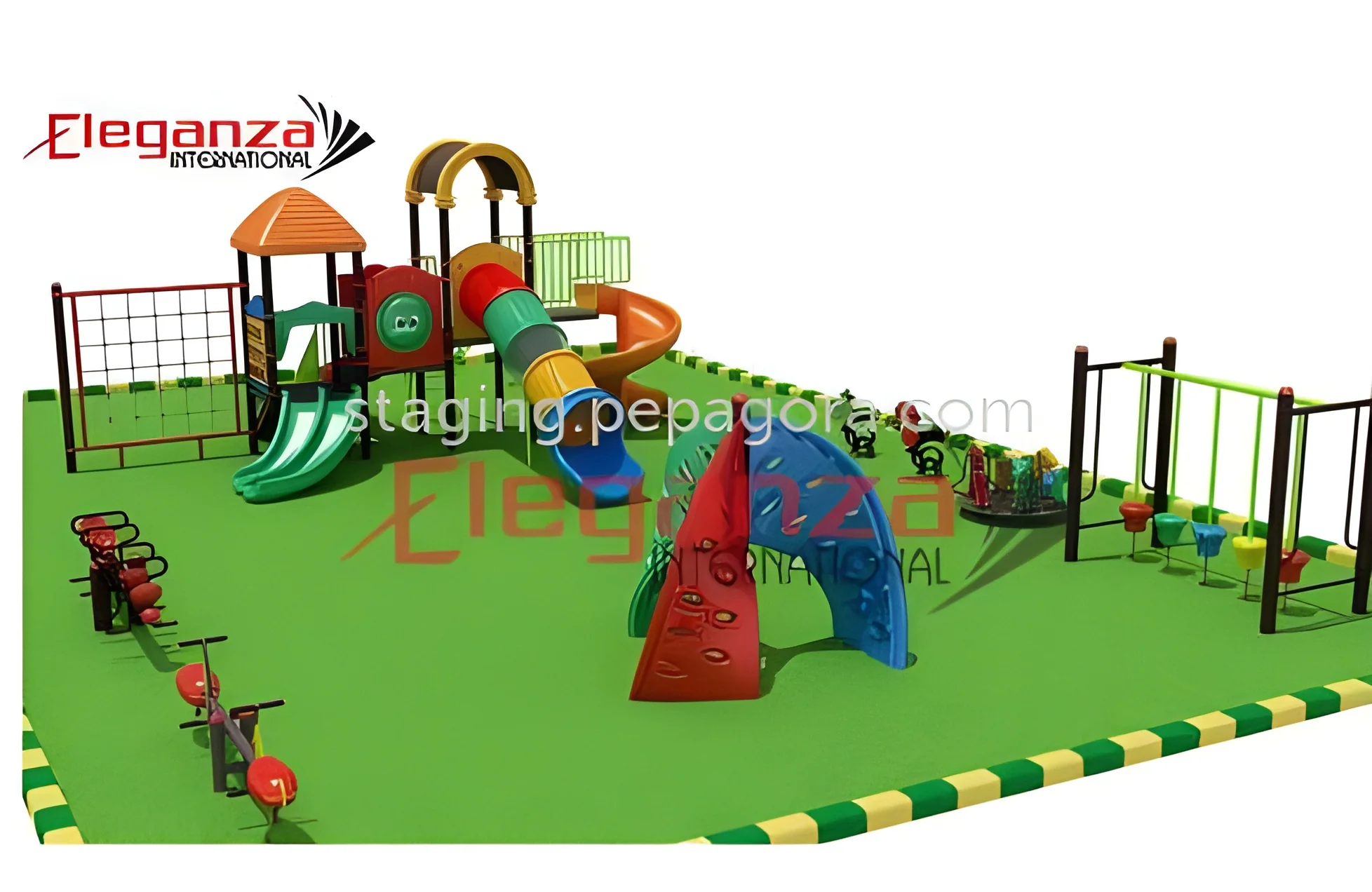
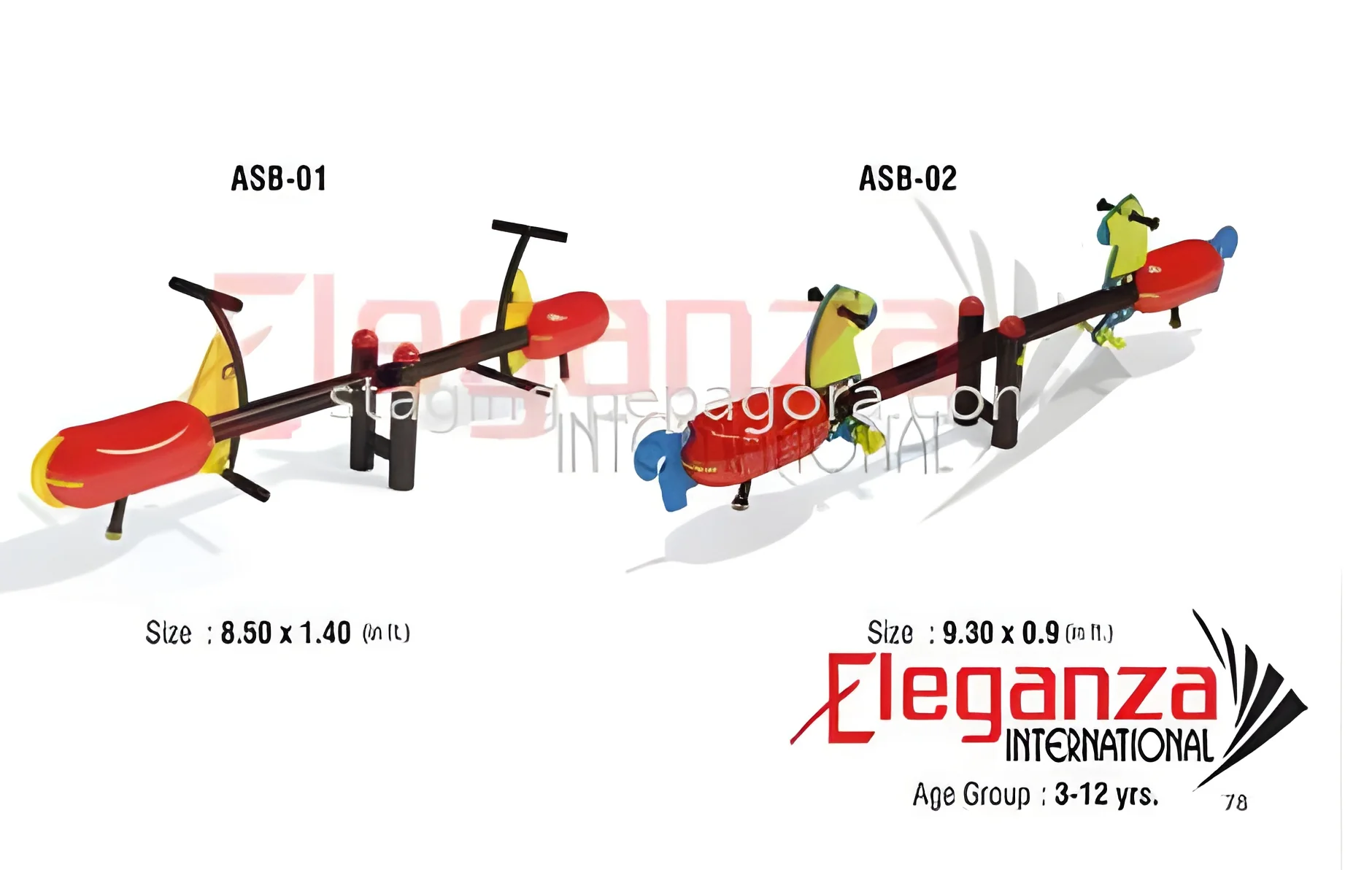
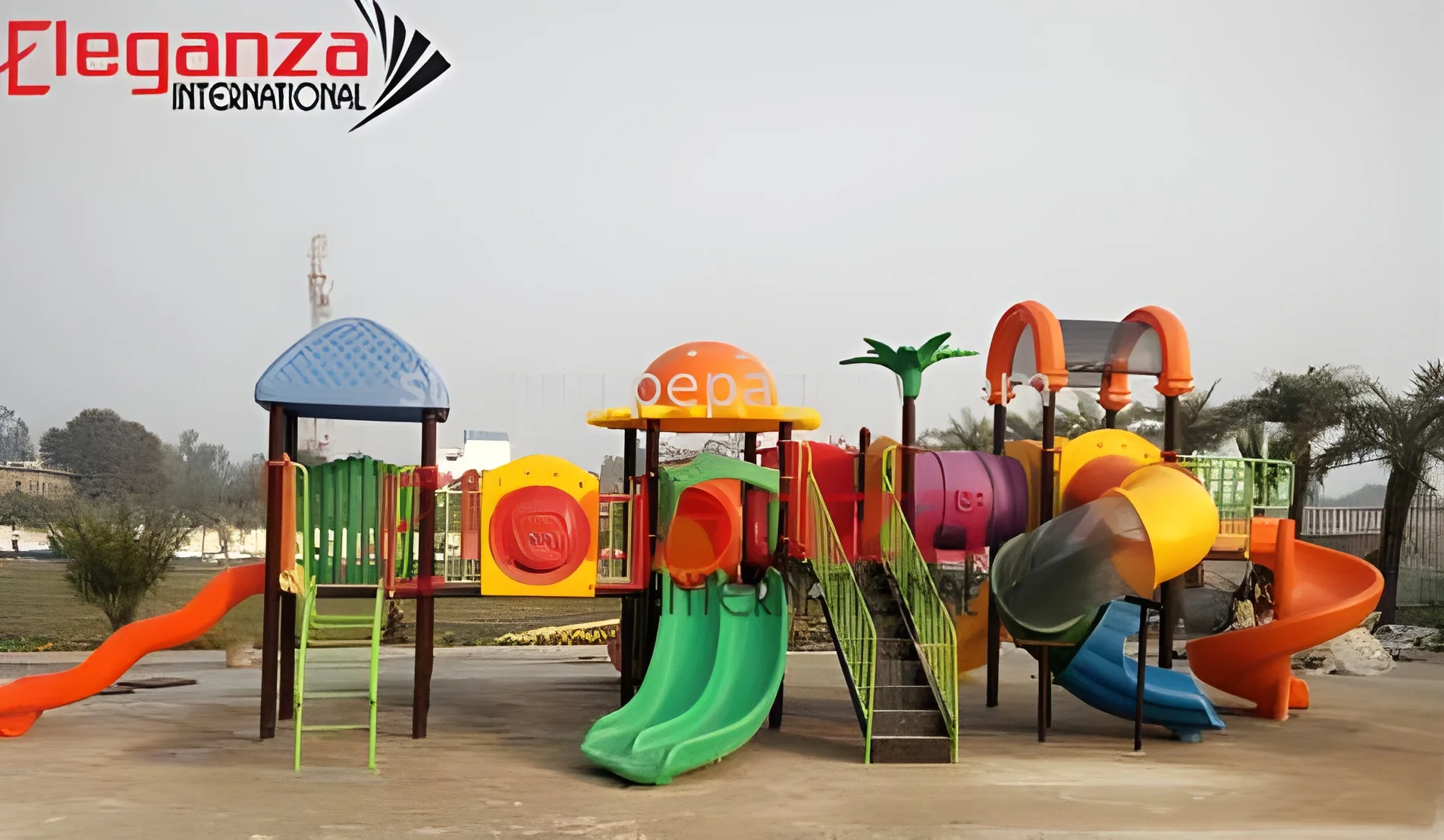
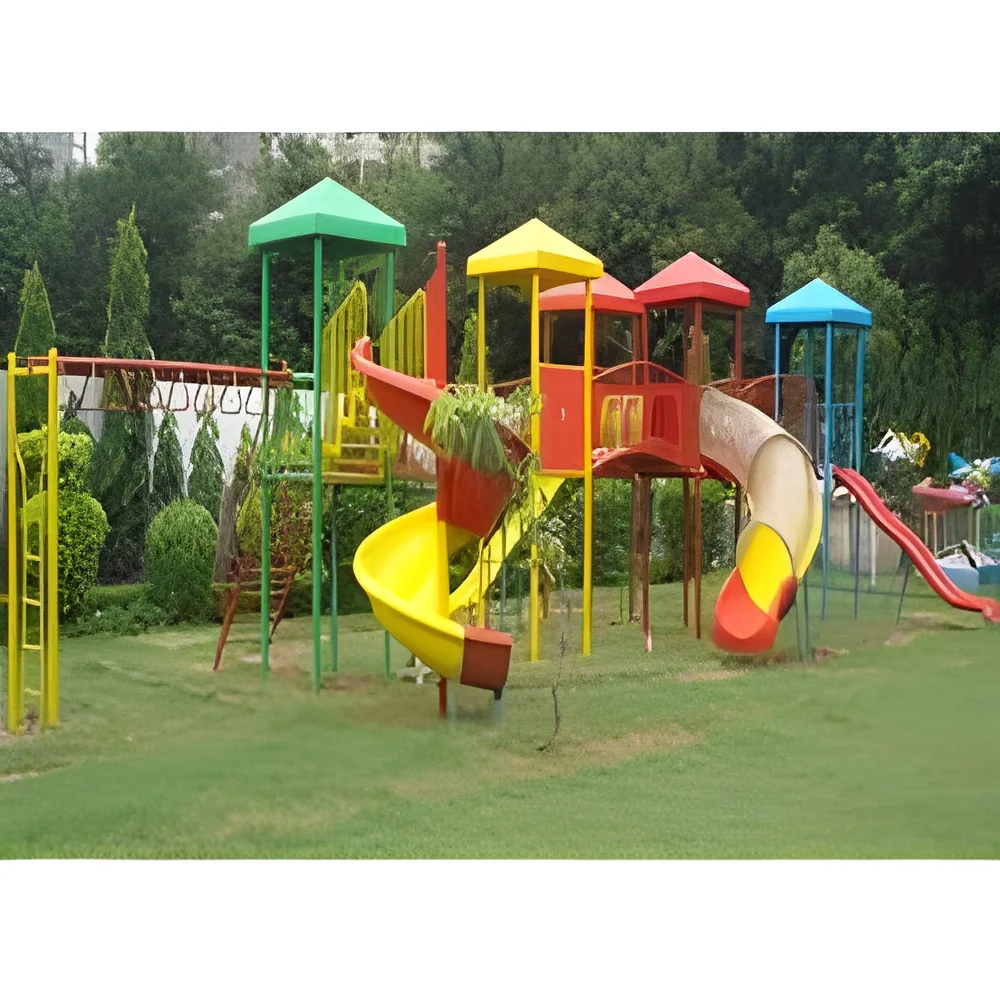
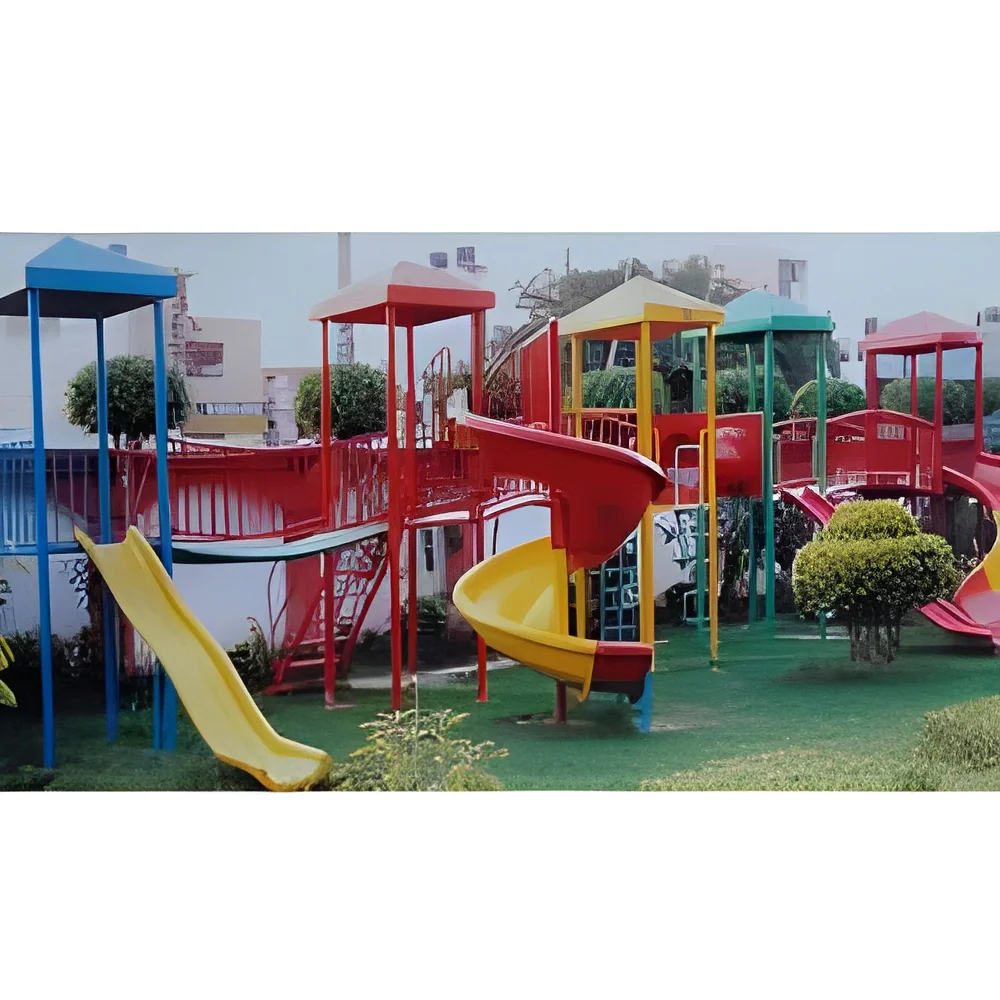
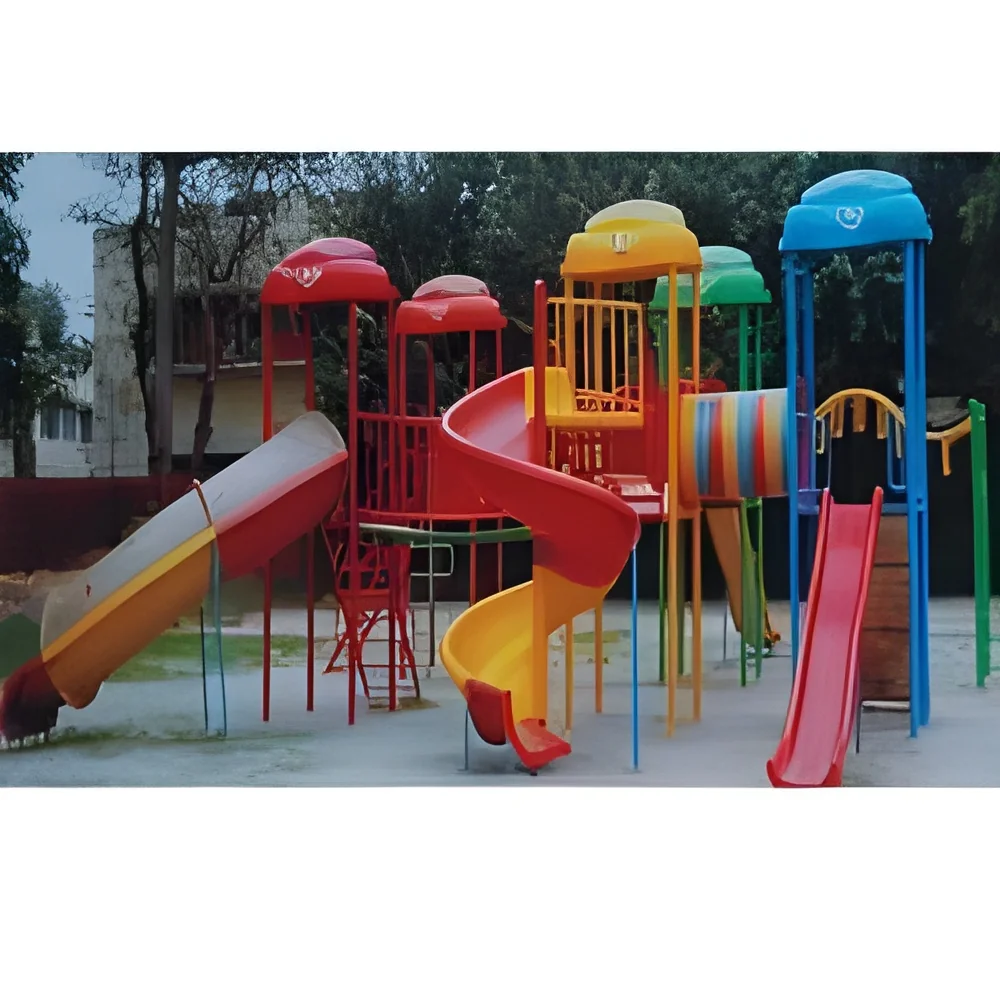
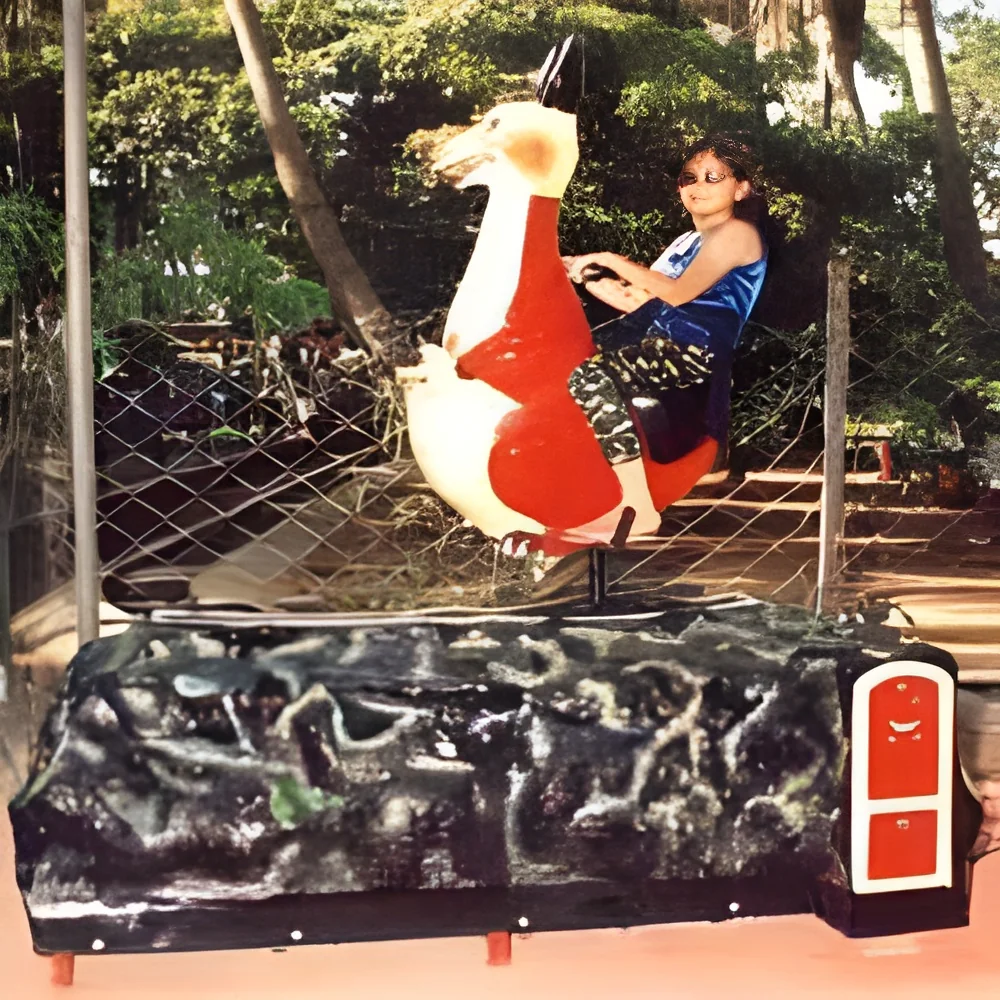
Outdoor Playground Equipment: This variant includes swings, slides, climbing frames, and sandbox setups designed for outdoor use. They encourage physical activity and social interaction.
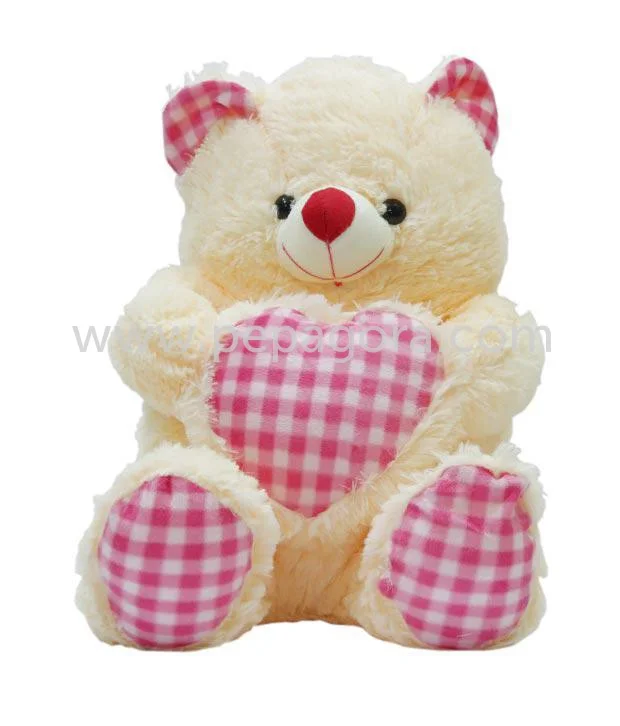
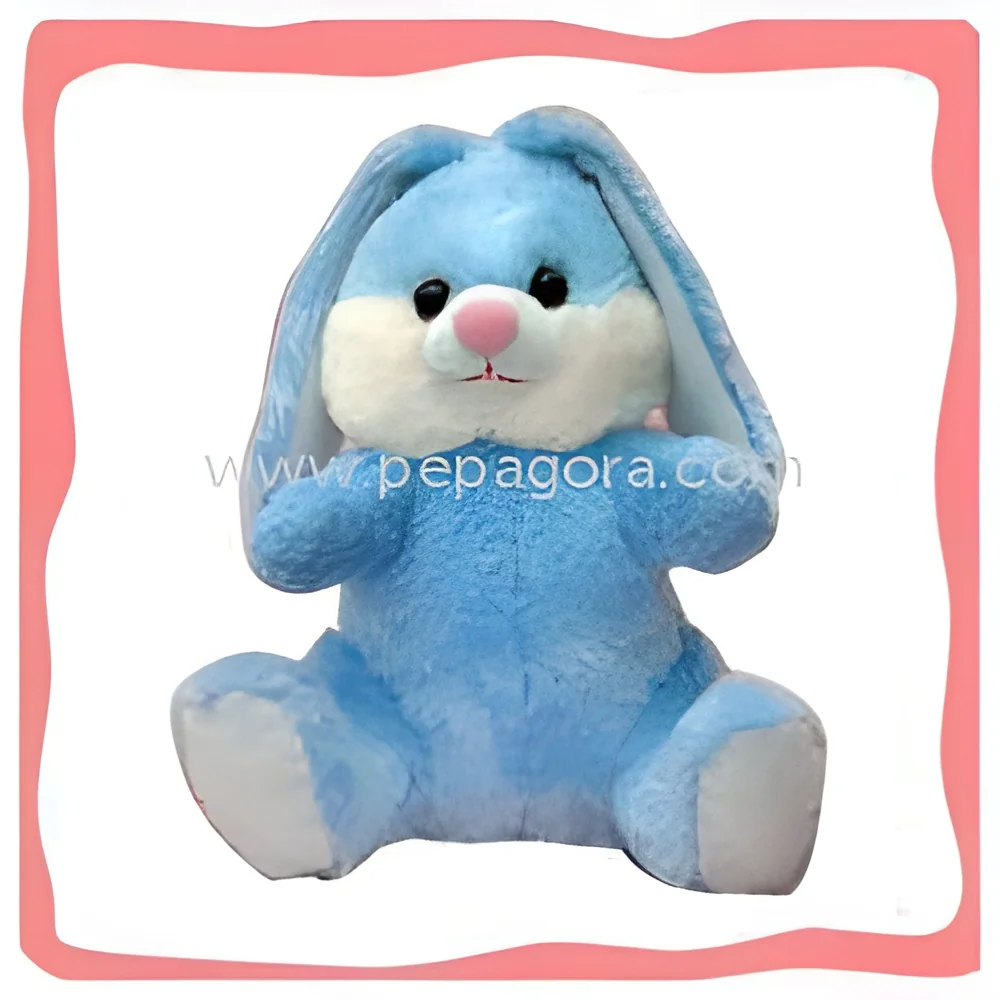
Indoor Play Equipment: These products are typically compact and safe for indoor environments. They include soft play areas, interactive toys, and educational games that promote learning and creativity.
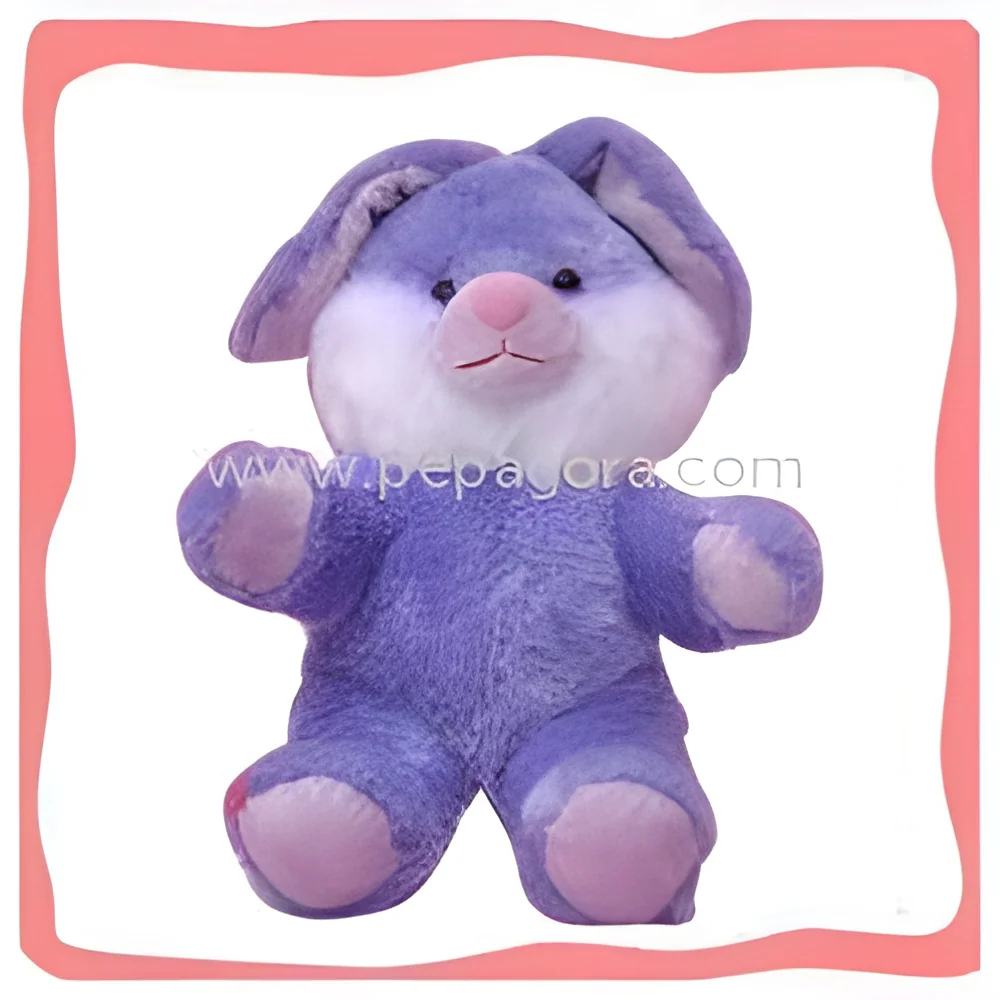
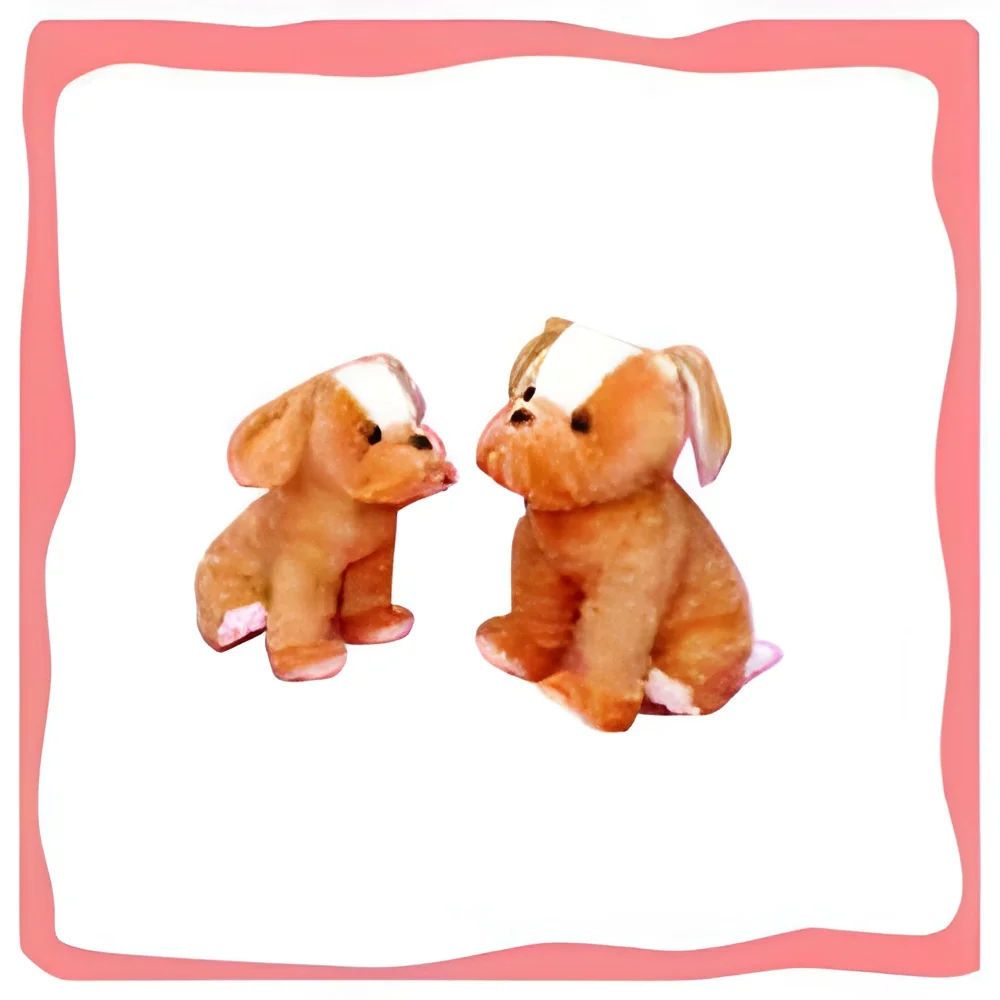
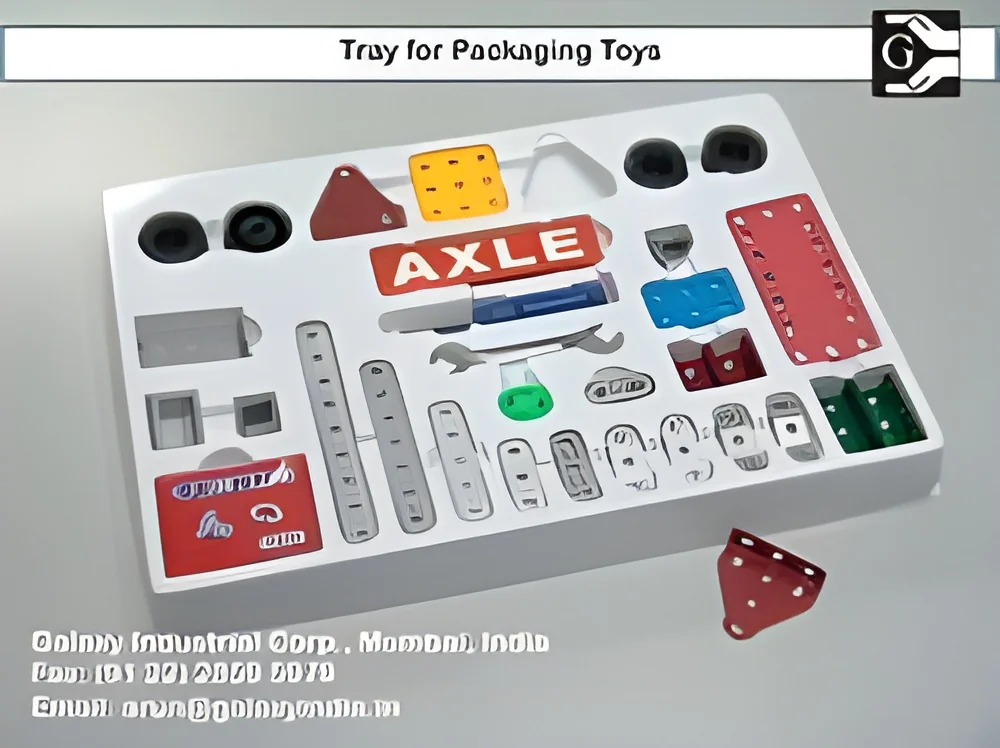
Educational Toys: These toys focus on cognitive development, including puzzles, building blocks, and STEM-based kits. They are designed to engage children while providing learning opportunities.
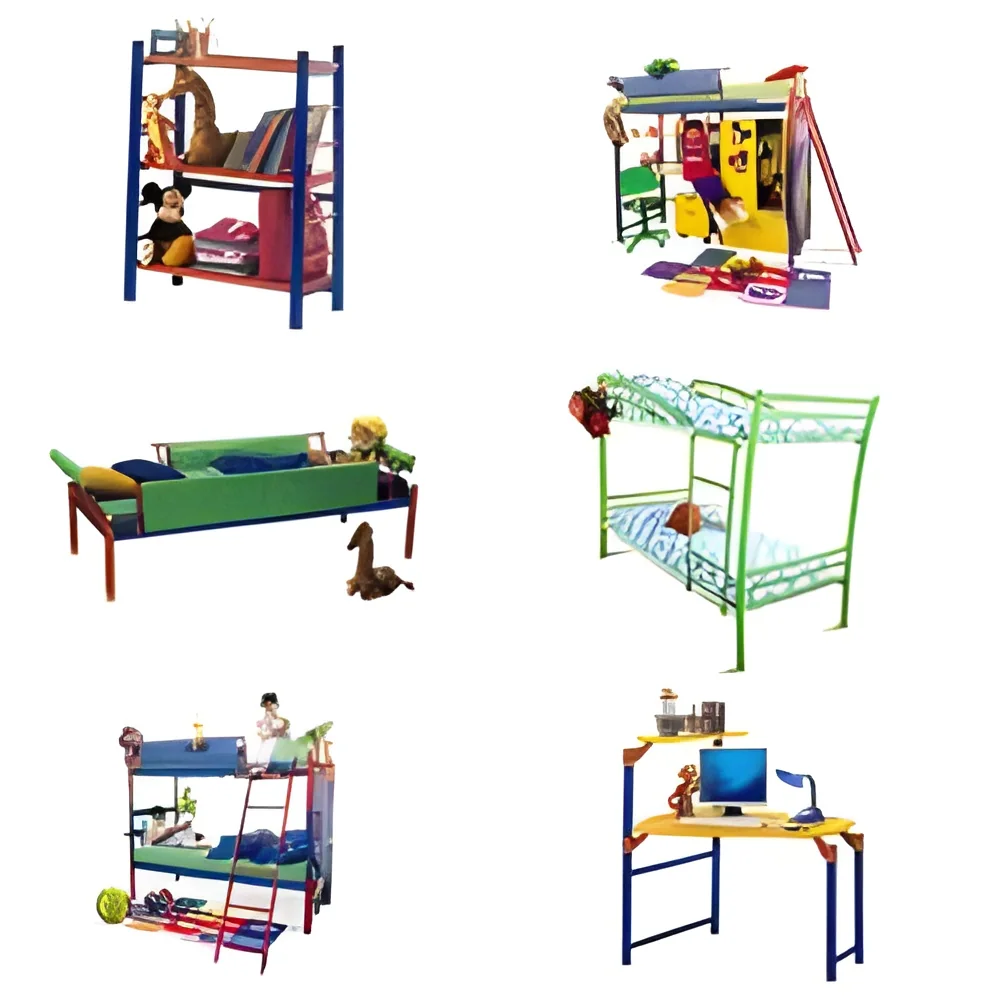
Activity Tables: Versatile tables that combine play and learning experiences. They often include features like art supplies, building blocks, or interactive elements.
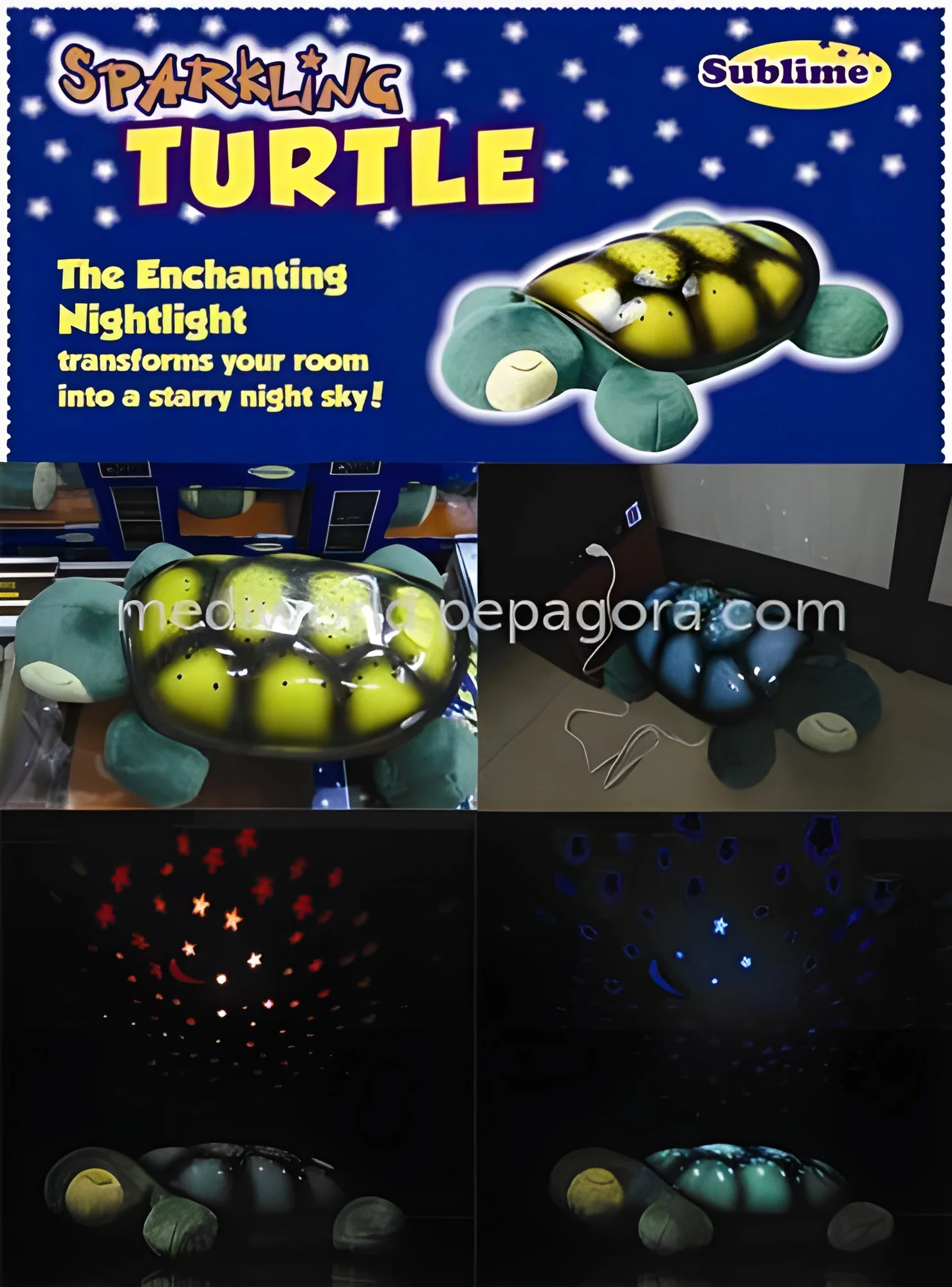
Interactive Toys: Incorporating technology, these toys engage children through digital interfaces, enhancing learning and play experiences.
𝗕𝗲𝗻𝗲𝗳𝗶𝘁𝘀 𝗮𝗻𝗱 𝗔𝗱𝘃𝗮𝗻𝘁𝗮𝗴𝗲𝘀
Sourcing high-quality children's play equipment and toys offers numerous advantages for businesses.
1. Promotes Healthy Development: Engaging play equipment encourages physical activity, essential for children's physical health and motor skill development.
2. Enhances Learning: Educational toys provide cognitive benefits, fostering problem-solving skills, creativity, and social interaction among children.
3. Safety Assurance: Products that meet safety standards reduce liability risks for businesses and ensure a safe play environment for children.
4. Increases Customer Satisfaction: Offering a diverse selection of play equipment and toys can attract more customers, leading to increased sales and loyalty.
5. Supports Community Engagement: Investing in quality play equipment enhances community spaces, promoting family-friendly environments that encourage outdoor play.
6. Customization Opportunities: Businesses can tailor products to meet specific customer needs, enhancing their market appeal and competitiveness.
𝗕𝘂𝘆𝗶𝗻𝗴 𝗚𝘂𝗶𝗱𝗲 𝗳𝗼𝗿 𝗕𝟮𝗕 𝗕𝘂𝘆𝗲𝗿𝘀
When sourcing children's play equipment and toys, businesses should consider several key factors to ensure informed purchasing decisions.
1. Quality Assessment: Evaluate the materials and construction of play products to ensure they meet safety and durability standards. Look for certifications from reputable organizations.
2. Supplier Verification: Vet potential suppliers by checking their reputation, production capabilities, and compliance with safety regulations. Established suppliers often provide a more reliable partnership.
3. Pricing and MOQ: Understand the pricing structure and minimum order quantities offered by suppliers. This helps in budgeting and ensures stock availability.
4. Delivery and Lead Times: Inquire about logistics and shipping options to ensure timely delivery of products, which can affect inventory management.
5. Compliance Requirements: Familiarize yourself with local regulations and safety standards applicable to children's play equipment and toys in your region to ensure compliance.
𝗖𝗼𝗺𝗽𝗹𝗶𝗮𝗻𝗰𝗲 𝗮𝗻𝗱 𝗖𝗲𝗿𝘁𝗶𝗳𝗶𝗰𝗮𝘁𝗶𝗼𝗻𝘀
Children's play equipment and toys must adhere to various safety and quality standards to ensure they are safe for use by children. Key standards include ISO 9001 for quality management systems, which ensures that manufacturers maintain consistent quality in their production processes.
Additionally, CE certification is crucial for products sold in the European market. This certification indicates that the products meet EU safety, health, and environmental protection standards, assuring customers of their safety and reliability.
Safety and testing requirements are also vital. Products must undergo rigorous testing to ensure they are free from hazardous materials and designed to prevent injuries. Regular inspections and certifications are necessary to maintain compliance.
Regional compliance considerations may vary, so businesses should be aware of local regulations governing children's products to ensure they meet all necessary safety and quality standards.
𝗪𝗵𝘆 𝗦𝗼𝘂𝗿𝗰𝗲 𝗖𝗵𝗶𝗹𝗱𝗿𝗲𝗻’𝘀 𝗣𝗹𝗮𝘆 𝗘𝗾𝘂𝗶𝗽𝗺𝗲𝗻𝘁 & 𝗧𝗼𝘆𝘀 𝗳𝗿𝗼𝗺 𝗣𝗲𝗽𝗮𝗴𝗼𝗿𝗮?
Pepagora provides a trusted platform for sourcing children's play equipment and toys, offering several key advantages for B2B buyers.
Verified Supplier Network: Pepagora has established a comprehensive network of verified suppliers, ensuring that buyers can source quality products with confidence. Each supplier undergoes a thorough vetting process to guarantee reliability.
Streamlined RFQ Process: The platform simplifies the request for quotation process, allowing buyers to easily compare prices and product specifications from multiple suppliers. This ensures that businesses can find the best deals tailored to their needs.
Trade Assurance and Support: Pepagora offers trade assurance, providing buyers with protection against potential disputes. Their dedicated support team is available to assist with any inquiries, ensuring a seamless purchasing experience.
Regional Coverage: With a focus on markets in India, the GCC, and Southeast Asia, Pepagora enables businesses to access a wide range of children's play equipment and toys that cater to diverse regional preferences and regulatory requirements. This geographic reach enhances opportunities for sourcing quality products across various markets.

 IN
IN