What are Sports Toys for Kids?
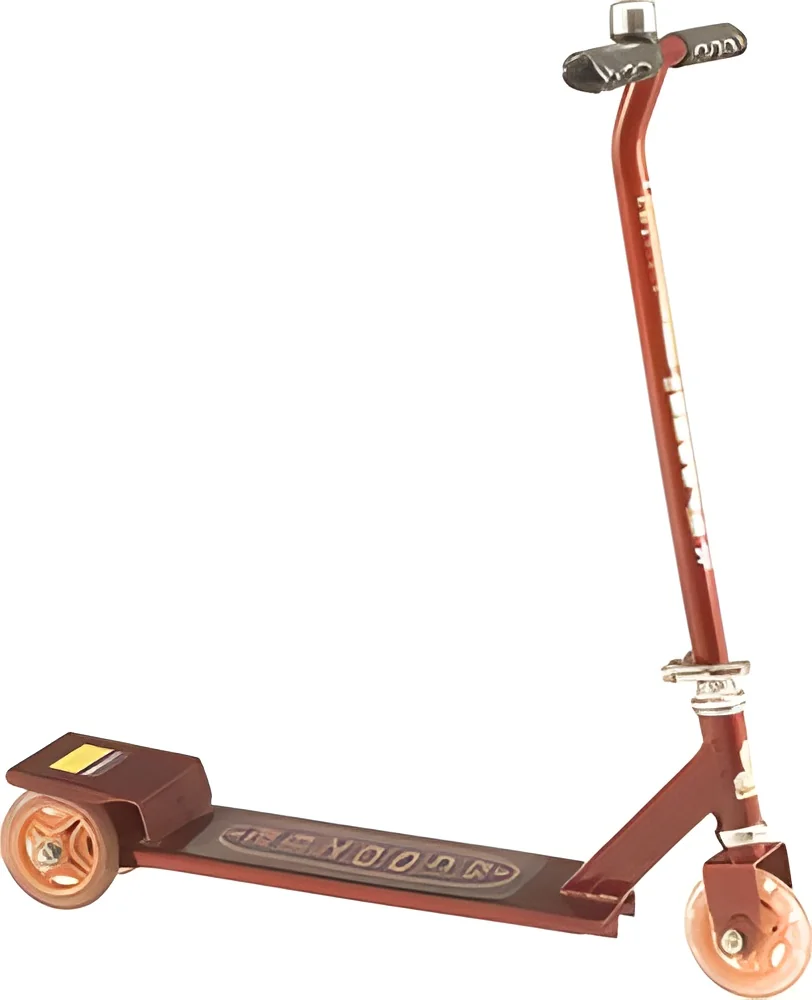
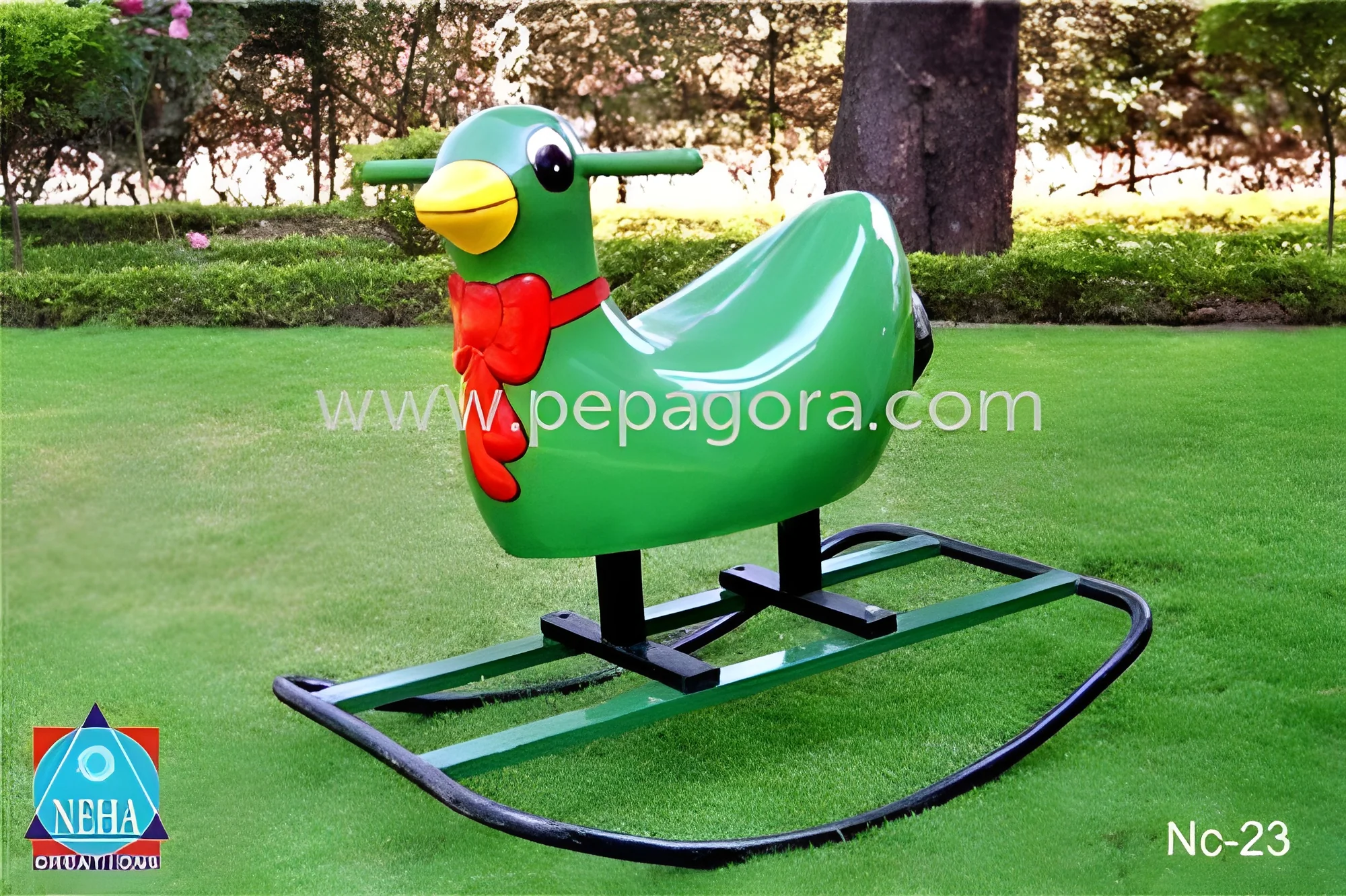
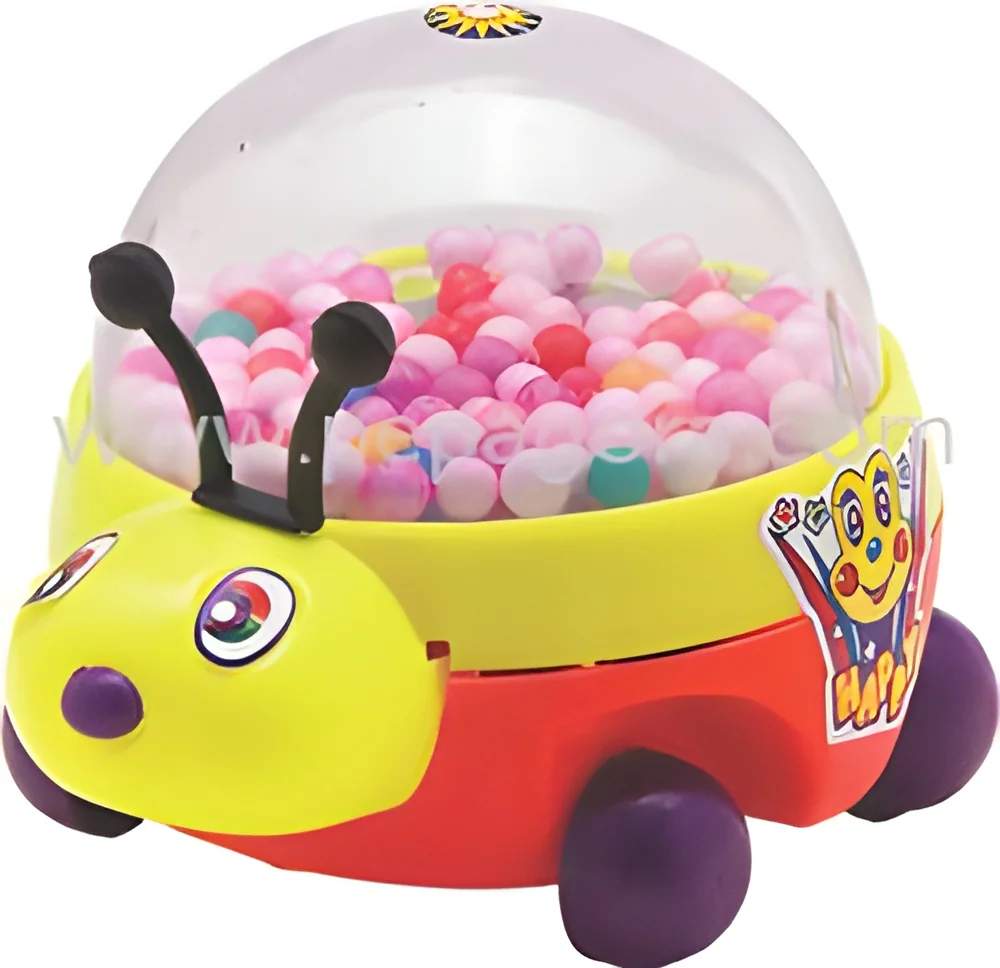
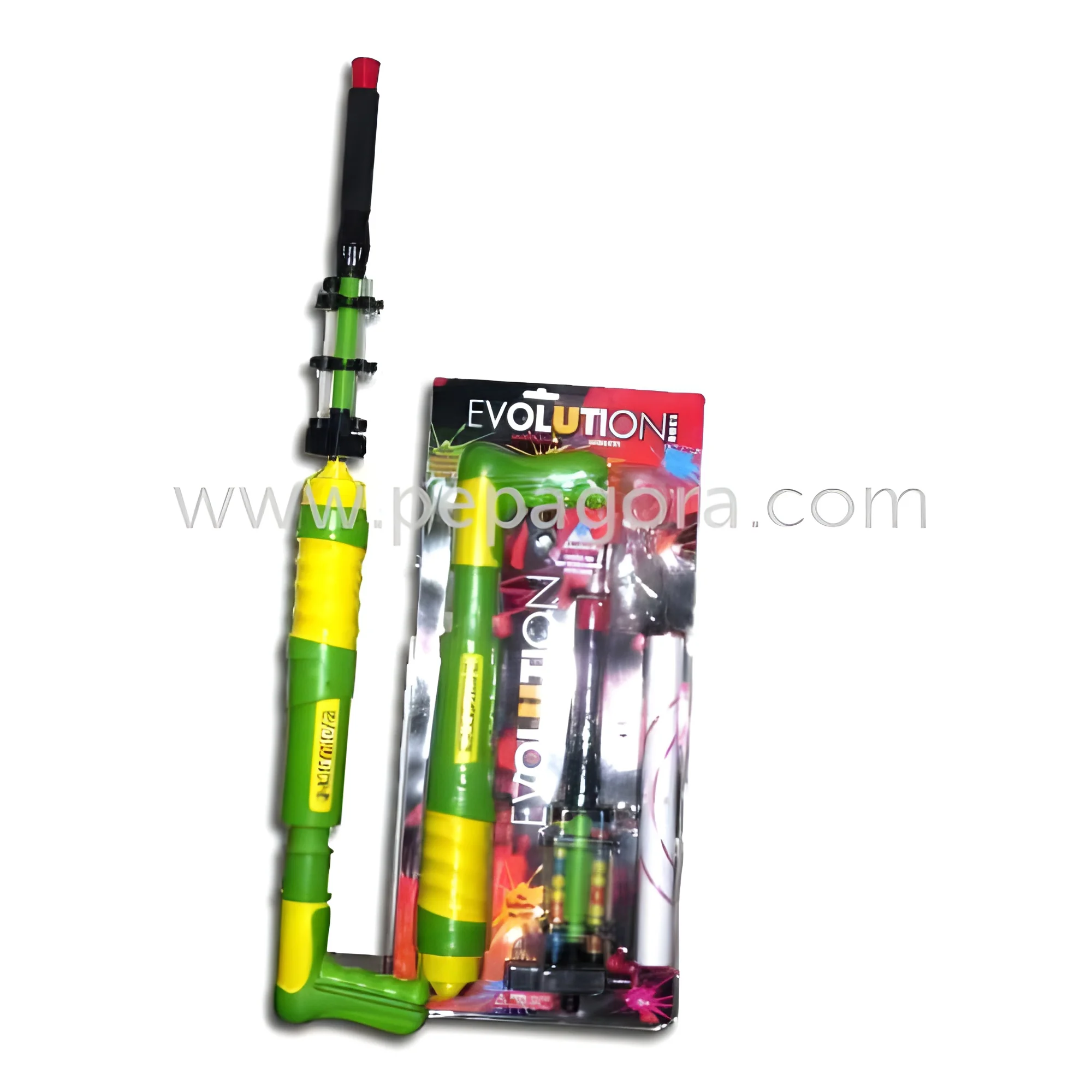
Sports toys for kids are specially designed playthings that encourage physical activity and skill development in children. These toys can range from traditional items like balls, bats, and nets to innovative equipment designed to enhance specific athletic skills. The primary goal is to promote active play, helping children develop motor skills, coordination, and teamwork while enjoying themselves.
These toys are widely used in schools, recreational facilities, and at home, serving as essential tools for physical education and recreational activities. Businesses targeting educational institutions or retail consumers can leverage sports toys to foster a culture of health and fitness among young children. With the growing emphasis on physical activity, the market for sports toys is expanding, making it a relevant choice for companies looking to invest in children’s health and wellness products.
Key Features and Specifications
Sports toys for kids are designed with various features that enhance their usability and safety. When selecting these products, it is important to pay close attention to their specifications to ensure they meet the needs of young users.
Key specifications include:
1. Material Composition
- Durable and safe materials, often non-toxic and environmentally friendly
- Common materials include plastic, rubber, and fabric
2. Size and Weight
- Appropriate sizing for different age groups to ensure safety and ease of use
- Weight specifications that facilitate easy handling by children
3. Safety Standards
- Compliance with safety regulations to minimize injury risks
- Certifications such as CE to guarantee quality
4. Design Features
- Ergonomic designs to promote comfort during use
- Vibrant colors and appealing shapes to attract children
5. Age Appropriateness
- Clearly marked age ranges to ensure suitability for different developmental stages
- Toys designed to grow with the child’s abilities
6. Functionality
- Multi-functional toys that can be used in various sports or activities
- Indoor and outdoor usability to enhance versatility
7. Packaging
- Eco-friendly packaging that reflects the brand's commitment to sustainability
- Informative labeling that includes usage instructions and safety tips
In summary, understanding these features helps buyers select the right sports toys that meet safety, durability, and usability standards.
Common Applications and Use Cases
Sports toys for kids serve various industries, enhancing their versatility and market appeal.
1. Education: Schools utilize sports toys to facilitate physical education classes and promote active play among students.
2. Recreation: Parks and recreational facilities often provide sports toys to encourage outdoor activities and social interaction among children.
3. Retail: Toy stores and online platforms sell sports toys, targeting parents looking to promote an active lifestyle for their children.
4. Events: Community events and sports camps use sports toys as part of their programs to engage children in physical activities.
5. After-school Programs: Daycare centers and after-school programs incorporate sports toys into their activities to keep children engaged and active.
6. Home Use: Families purchase sports toys for backyard play, supporting children's physical development in a home environment.
7. Therapy: Occupational therapists may use sports toys to aid in physical rehabilitation and motor skill development in children.
Product Variants and Subcategories
Sports toys for kids come in various forms, catering to different interests and activities.
Soccer Balls: These are designed for durability and optimal performance, allowing children to practice their soccer skills. They come in various sizes to match different age groups.
Basketballs: These toys are lightweight and designed for easy handling, making them perfect for young players learning the game. They often feature bright colors to enhance visibility.
Frisbees: Lightweight and easy to throw, frisbees promote hand-eye coordination and can be used in various settings, from parks to backyards.
Jump Ropes: These are excellent for improving cardiovascular fitness and coordination. They are often adjustable to accommodate different heights.
Benefits and Advantages
Investing in sports toys for kids offers several key benefits that support their development and well-being.
1. Physical Fitness: Encouraging active play helps combat childhood obesity and promotes overall health.
2. Skill Development: Sports toys help children develop essential motor skills, coordination, and balance.
3. Social Interaction: Playing with sports toys fosters teamwork and social skills as children engage with peers.
4. Cognitive Development: Sports activities can enhance focus, discipline, and strategic thinking in children.
5. Emotional Well-being: Active play contributes to improved mood and reduced stress levels among children.
6. Lifelong Habits: Introducing sports toys at a young age encourages children to adopt active lifestyles as they grow.
Buying Guide for B2B Buyers
When sourcing sports toys for kids, it is important for B2B buyers to consider several key factors.
1. Quality Assessment: Evaluate the quality of materials and construction to ensure durability and safety. Look for toys that meet recognized safety standards.
2. Supplier Verification: Vet suppliers thoroughly to ensure they have a reliable reputation and can provide consistent quality. Check for certifications and customer reviews.
3. Pricing and MOQ: Understand the pricing structure and minimum order quantities (MOQ) required by suppliers to ensure the products fit within budget constraints.
4. Delivery and Lead Times: Confirm delivery options and lead times to ensure timely inventory replenishment, especially during peak seasons.
5. Compliance Requirements: Ensure that the products meet local and regional compliance standards, including safety regulations and certifications.
Compliance and Certifications
Sports toys for kids must adhere to various compliance standards to ensure safety and quality. Relevant quality standards include ISO 9001, which focuses on quality management systems, and CE certification, confirming that products meet European safety standards.
Additionally, safety and testing requirements are essential, with products needing to be tested for hazards such as choking, sharp edges, and toxic materials. Regional compliance considerations may vary, so it is important for manufacturers and suppliers to stay informed about local regulations governing children's toys.
Why Source Sports Toys for Kids from Pepagora?
Pepagora offers a trusted platform for sourcing sports toys for kids, providing several key advantages that benefit B2B buyers.
Verified Supplier Network: Pepagora features a network of verified suppliers, ensuring that buyers can access high-quality products from reputable manufacturers. This reduces the risk of purchasing subpar items.
Streamlined RFQ Process: The platform simplifies the request for quotation (RFQ) process, making it easy for buyers to obtain quotes from multiple suppliers quickly. This efficiency helps in making informed purchasing decisions.
Trade Assurance and Support: Buyers are protected through trade assurance policies, providing peace of mind during transactions. Pepagora's support team is available to assist with any issues that may arise.
Regional Coverage: Pepagora has a broad geographic reach, covering markets in India, the GCC, and Southeast Asia. This allows buyers to source products that cater to their specific market demands while benefiting from local insights.

 IN
IN