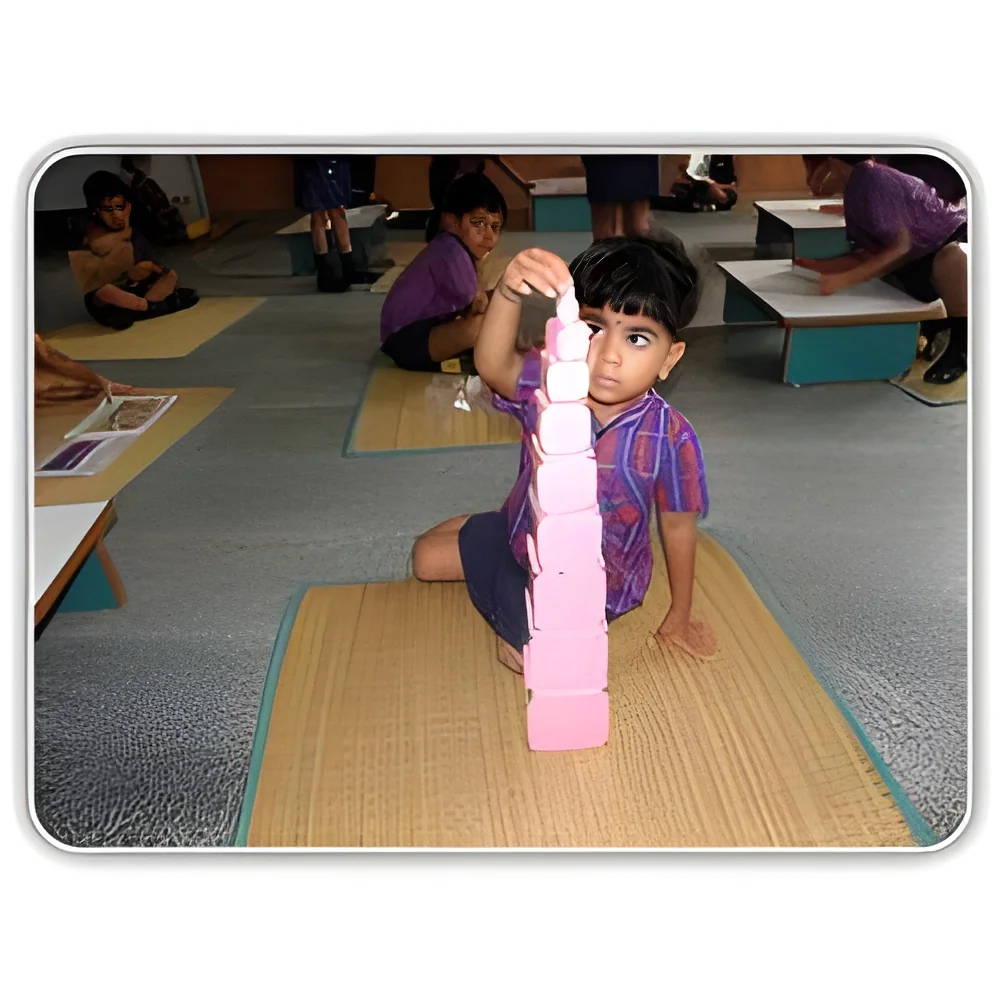
What are Montessori Toys?
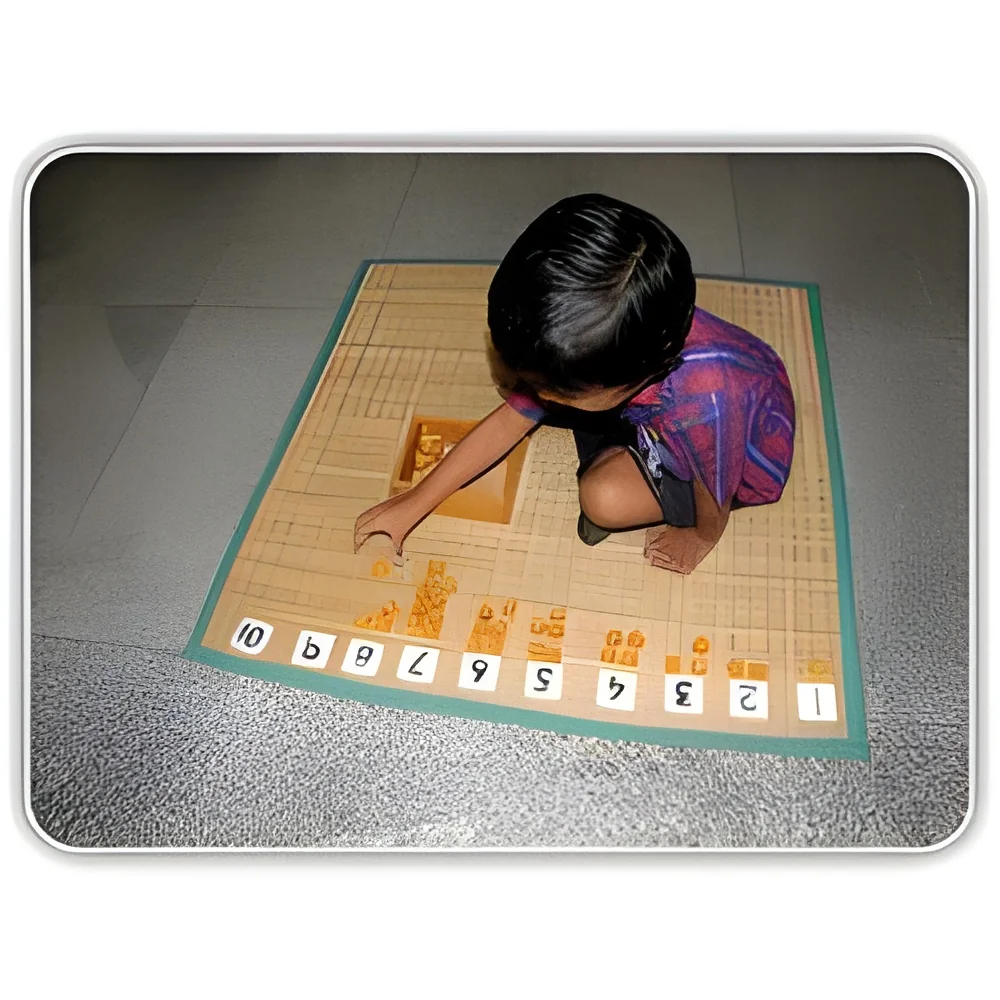
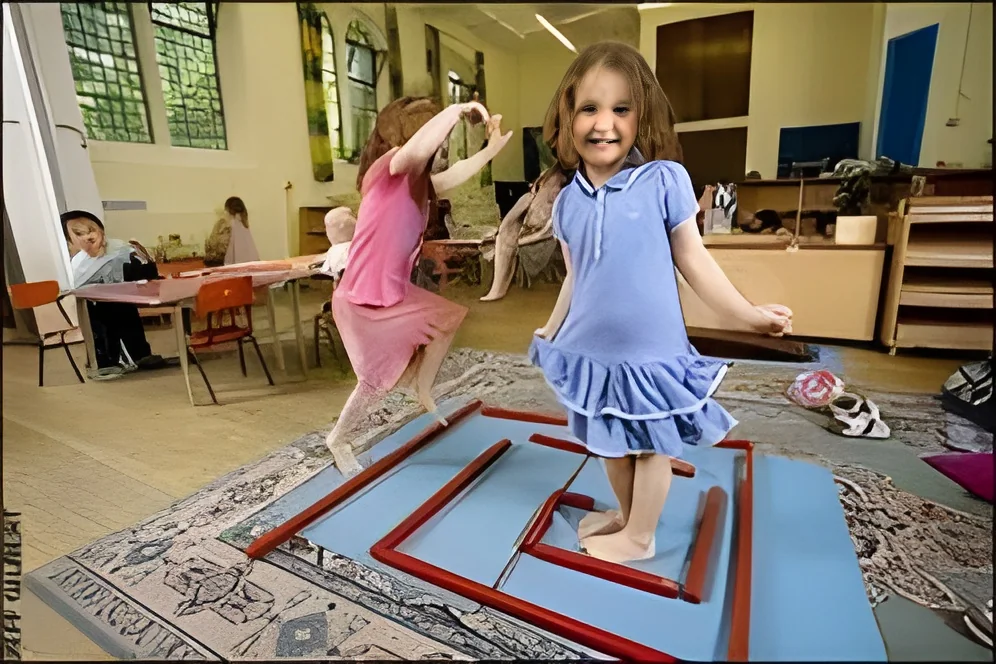
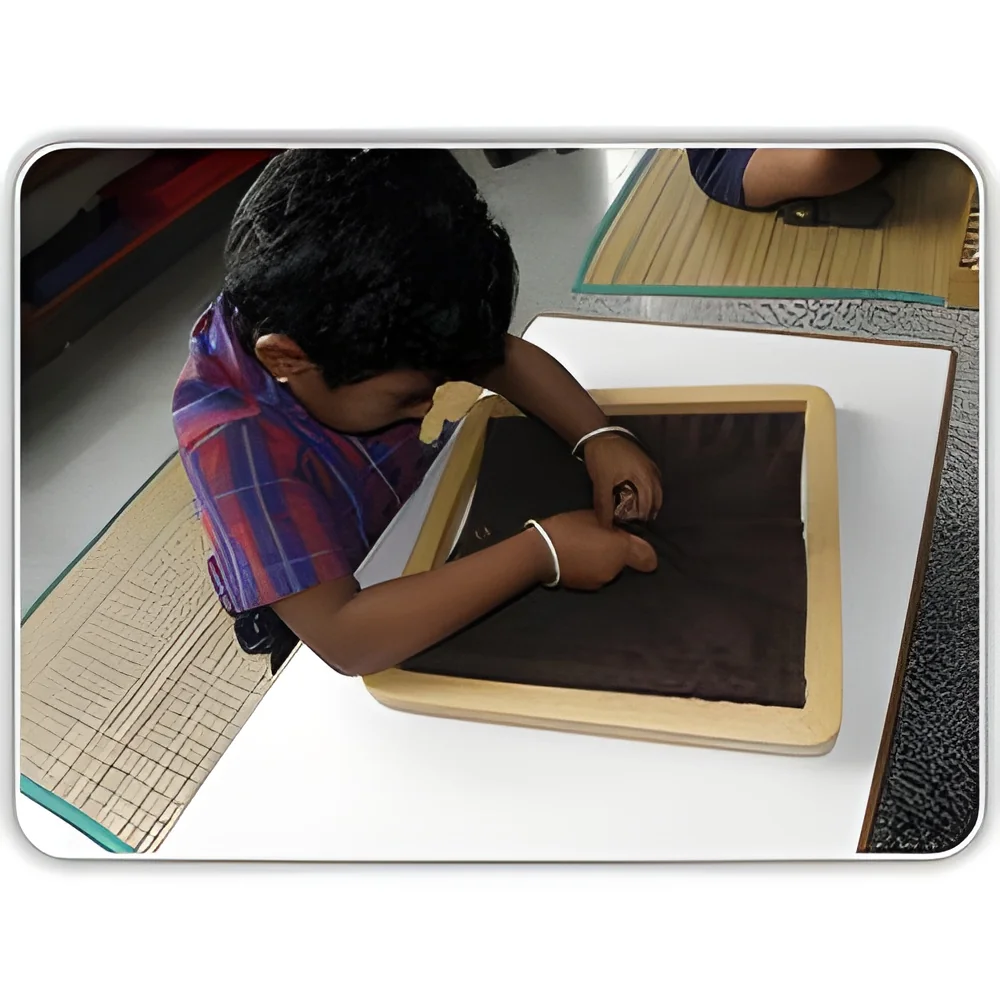
Montessori Toys are educational tools designed to foster children's natural curiosity and promote learning through hands-on experiences. Rooted in the Montessori educational philosophy, these toys encourage independent exploration, problem-solving, and cognitive development. They are typically made from natural materials and are designed to be safe and engaging for children, allowing them to learn at their own pace.
These toys are primarily used in educational settings, such as Montessori schools, as well as in homes where parents seek to provide their children with enriching play experiences. Businesses in the education sector, including toy manufacturers and retailers, often incorporate Montessori Toys into their product lines to meet growing demand for quality educational resources. The market for Montessori Toys continues to expand as more parents and educators recognize the importance of play-based learning in early childhood development.
The relevance of Montessori Toys in the industry lies in their alignment with modern educational practices that prioritize experiential learning. As the global market for educational toys grows, Montessori Toys represent a significant segment, appealing to parents and educators seeking innovative ways to enhance children's learning experiences.
Key Features and Specifications
Montessori Toys come with various features that enhance their educational value. These specifications are crucial for businesses looking to source high-quality products that meet their customers' needs.
Key specifications include:
1. Material Quality
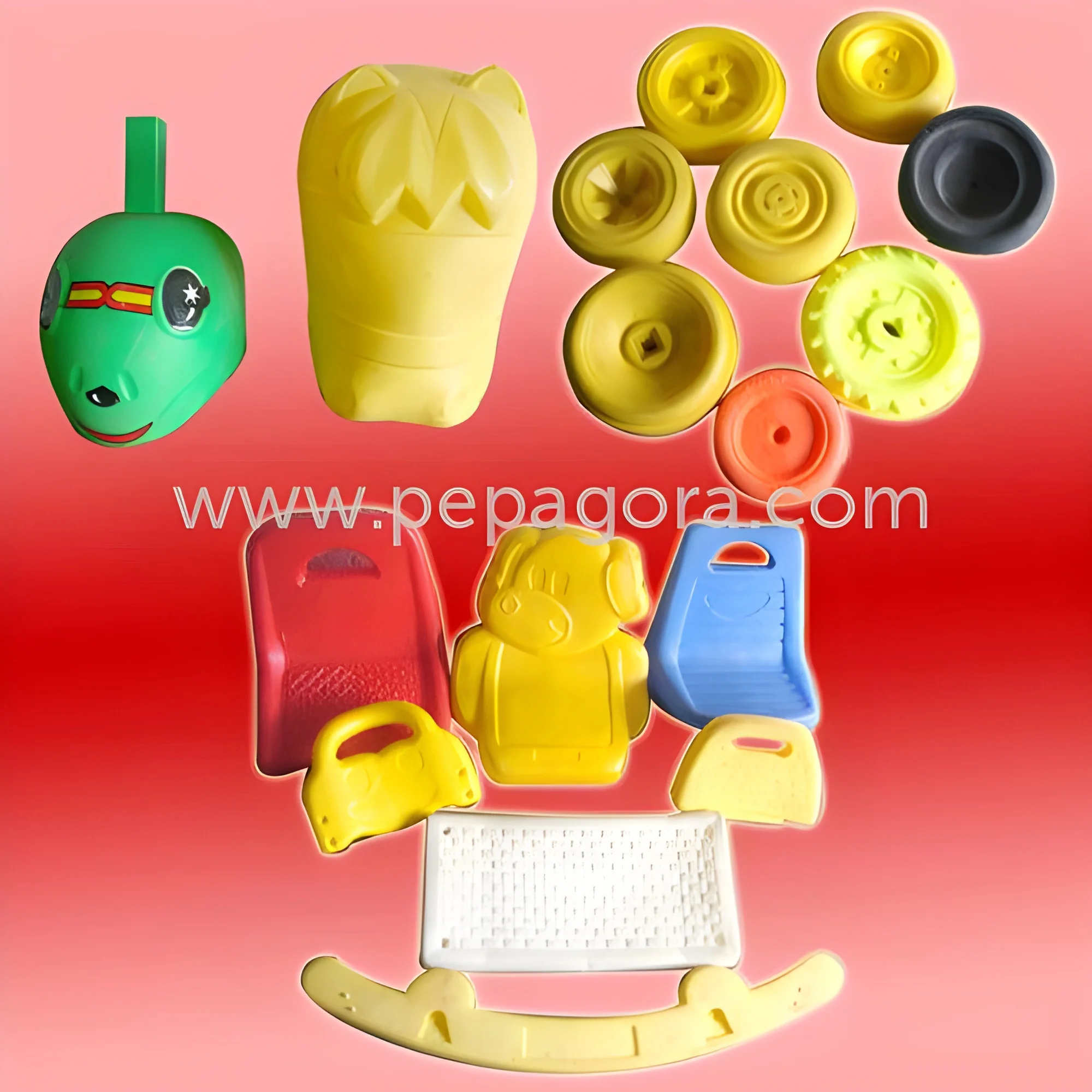
- Constructed from natural, non-toxic materials
- Ensures safety and durability for extended use
2. Age Appropriateness
- Designed for specific age ranges, typically from birth to 6 years
- Promotes developmental skills suitable for the target age group
3. Skill Development Focus
- Toys are designed to develop fine motor skills, cognitive abilities, and social-emotional skills
- Encourages independent play and learning
4. Design and Aesthetics
- Simple, open-ended designs that stimulate imagination
- Available in various colors and shapes to attract children's interest
5. Safety Standards
- Complies with international safety standards such as CE certification
- Regular testing for choking hazards and material safety
6. Packaging
- Eco-friendly packaging options that reflect sustainability practices
- Clear labeling for age appropriateness and safety information
7. Customization Options
- Some suppliers offer customization for branding or specific educational themes
- Allows businesses to differentiate their product offerings
In summary, these features and specifications are pivotal for understanding the quality and educational value of Montessori Toys, making them appealing to B2B buyers in the education sector.
Common Applications and Use Cases
Montessori Toys serve various industries, each with its unique applications.
1. Educational Institutions: Montessori schools utilize these toys as part of their curriculum to enhance learning through play. They provide children with opportunities to explore concepts in math, science, and language.
2. Childcare Centers: Daycare and preschool facilities incorporate Montessori Toys to create an engaging learning environment. These toys promote social interaction and cognitive development among young children.
3. Retail Toy Stores: Businesses that specialize in educational toys often stock Montessori Toys to cater to parents seeking high-quality, developmentally appropriate options for their children.
4. E-commerce Platforms: Online retailers emphasize the benefits of Montessori Toys to attract customers looking for educational products. They often provide detailed descriptions to help buyers make informed choices.
5. Home Use: Parents purchase Montessori Toys for at-home learning activities, supporting their children's education outside of formal settings.
6. Non-profit Organizations: Organizations focused on early childhood education may use Montessori Toys in programs aimed at underserved communities to promote developmentally appropriate play.
7. Therapy and Special Education: Occupational therapists may use these toys to support skill development in children with special needs, utilizing their design to facilitate various therapeutic activities.
Product Variants and Subcategories
Montessori Toys come in various types, each serving different educational needs.
Wooden Blocks
These classic toys allow children to build and create, fostering spatial awareness and fine motor skills. They are versatile and can be used in numerous play scenarios, promoting creativity.
Shape Sorters
These toys engage children in problem-solving by allowing them to fit different shapes into corresponding holes. They help develop hand-eye coordination and shape recognition.
Sorting and Stacking Toys
Designed to enhance fine motor skills, these toys encourage children to sort and stack pieces in various configurations. They promote cognitive skills through exploration and experimentation.
Musical Instruments
Simple instruments like xylophones or tambourines introduce children to rhythm and sound. They encourage sensory exploration and enhance auditory skills.
Benefits and Advantages
Montessori Toys offer numerous advantages that make them appealing for education-focused businesses.
Key benefits include:
1. Promotes Independent Learning: These toys encourage children to explore and learn at their own pace, fostering a love for learning.
2. Enhances Developmental Skills: Montessori Toys are designed to support various developmental domains, including cognitive, social, and motor skills.
3. Safe and Eco-Friendly: Made from natural materials, they are safe for children and often produced with environmentally friendly practices.
4. Engages Multiple Learning Styles: The open-ended nature of these toys allows children with different learning styles to engage and benefit.
5. Supports Parent-Child Interaction: Many Montessori Toys encourage collaborative play, promoting bonding and learning between parents and children.
6. Builds a Foundation for Future Learning: By developing critical skills early on, Montessori Toys prepare children for more complex learning experiences.
Buying Guide for B2B Buyers
When sourcing Montessori Toys, businesses should consider several factors to ensure they are making informed purchasing decisions.
1. Quality Assessment: Evaluate the materials and construction of the toys to ensure they meet safety standards. Look for certifications that indicate adherence to quality benchmarks.
2. Supplier Verification: Vet suppliers to ensure they have a reliable history of delivering quality products. Check their reputation through reviews and industry references.
3. Pricing and MOQ: Understand the pricing structure and minimum order quantities (MOQ) required by suppliers. This information helps in budgeting and inventory planning.
4. Delivery and Lead Times: Confirm the expected delivery times to align with your business needs. Delays can impact stock levels and customer satisfaction.
5. Compliance Requirements: Be aware of any regulatory compliance needed for selling educational toys in your region, including safety certifications and labeling requirements.
Compliance and Certifications
Montessori Toys must adhere to various quality standards and certifications to ensure safety and effectiveness in educational settings.
Relevant quality standards include ISO 9001, which focuses on quality management systems, helping manufacturers maintain high production quality. Additionally, HACCP guidelines may apply to ensure product safety, particularly in materials used.
Industry certifications, such as CE marking, indicate compliance with European safety standards. This certification ensures that the toys meet essential health and safety requirements, giving buyers confidence in their purchase.
Safety and testing requirements are critical in evaluating Montessori Toys. Regular testing for choking hazards, material safety, and durability are essential to ensure the toys are safe for children.
Regional compliance considerations may vary, so it is crucial for businesses to stay informed about local regulations regarding educational toys. This knowledge helps in maintaining product legality and safety in different markets.
Why Source Montessori Toys from Pepagora?
Pepagora provides a trusted platform for sourcing Montessori Toys, offering several key advantages that appeal to B2B buyers.
Verified Supplier Network: Pepagora ensures that all suppliers are thoroughly vetted, providing buyers with a reliable source of high-quality Montessori Toys. This verification process builds trust and confidence in the purchasing decision.
Streamlined RFQ Process: The Request for Quotation process is designed to be efficient, allowing buyers to receive competitive pricing and detailed information from multiple suppliers. This feature simplifies the sourcing process.
Trade Assurance and Support: Pepagora offers trade assurance, providing added protection for buyers during transactions. This includes support in case of disputes, ensuring a smooth purchasing experience.
Regional Coverage: With a strong presence in India, the GCC, and Southeast Asia, Pepagora connects buyers with suppliers in these regions. This geographic reach facilitates access to a diverse range of Montessori Toys, catering to varying market needs and preferences.

 IN
IN