What are STEM Toys & Kits?
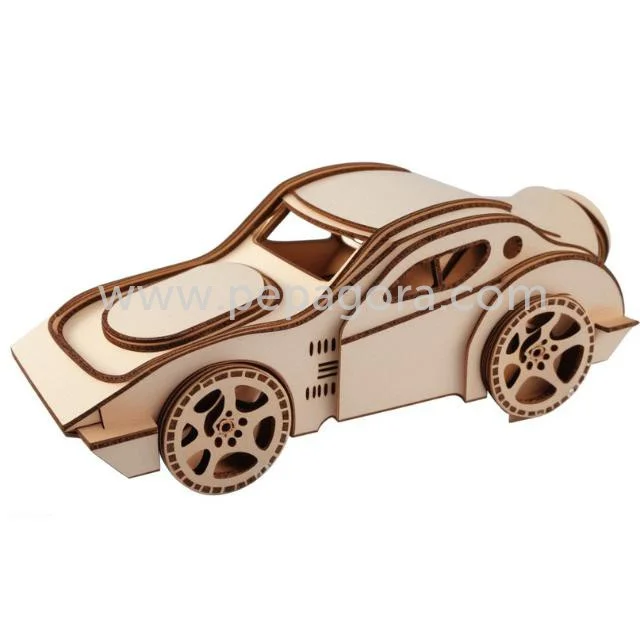
STEM Toys and Kits are educational products designed to enhance learning in the fields of Science, Technology, Engineering, and Mathematics. These toys and kits engage children in hands-on activities that promote critical thinking, problem-solving, and creativity. They often include components such as building blocks, robotics, coding games, and experiments that stimulate learning in a fun and interactive way.
These products serve a variety of purposes in educational settings, including classrooms, after-school programs, and home learning environments. They are increasingly being adopted by schools and educational institutions to supplement traditional curricula. The rise in popularity of STEM education has driven the demand for these toys and kits, making them relevant in today's market where educational tools that foster innovation are highly valued.
As the focus on STEM education grows, the market for STEM Toys and Kits is expanding rapidly. Businesses that produce or distribute these products are tapping into a lucrative sector driven by parents and educators seeking to prepare children for future careers in technology and engineering. This trend positions STEM Toys and Kits at the forefront of educational resources.
Key Features and Specifications
STEM Toys and Kits come with a range of features designed to foster engagement and learning. The specifications often vary based on the product type and manufacturer. Understanding these specifications is essential for B2B buyers looking to make informed purchasing decisions.
Key specifications include:
1. Learning Objectives
- Designed to meet specific educational goals such as enhancing problem-solving skills and fostering creativity.
- Align with curriculum standards in STEM education.
2. Age Appropriateness
- Include recommendations for suitable age ranges to ensure safety and developmental relevance.
- Typically designed for children aged 4 to 14 years.
3. Material Quality
- Made from non-toxic, durable materials that ensure safety during play.
- Often tested for compliance with international safety standards.
4. Assembly Requirements
- Some kits may require assembly, promoting teamwork and collaboration among users.
- Clear instructions are provided to facilitate ease of use.
5. Interactive Components
- May include electronic parts like sensors and motors to enhance interactivity.
- Encourage hands-on learning through experiments and challenges.
6. Customization Options
- Some manufacturers offer customizable kits that can cater to specific educational themes or projects.
- Allows educators to tailor the learning experience to their needs.
7. Packaging and Presentation
- Attractive and informative packaging that highlights educational benefits and learning outcomes.
- Designed to appeal to both children and educators.
8. Warranty and Support
- Often come with warranties or customer support services to address issues post-purchase.
- Ensures buyer confidence in the product's longevity and usability.
In summary, the specifications of STEM Toys and Kits are essential for ensuring they meet educational standards and safety requirements, making them suitable for various age groups.
Common Applications and Use Cases
STEM Toys and Kits are utilized across multiple industries, catering to various educational needs.
1. Education Sector: Schools and learning centers use STEM Toys and Kits to supplement classroom learning and engage students in hands-on activities that align with the curriculum.
2. After-School Programs: Many after-school programs incorporate these kits to provide children with additional learning opportunities outside the traditional classroom setting.
3. Home Schooling: Parents who homeschool their children often use these kits to create interactive learning experiences at home, enhancing their children's education.
4. Educational Retail: Toy retailers stock STEM Toys and Kits to meet the growing consumer demand for educational products that promote learning through play.
5. Corporate Training: Some organizations utilize STEM Kits for team-building exercises, encouraging employees to work collaboratively on problem-solving tasks.
6. Science Fairs and Competitions: These products are frequently used in science fairs, allowing students to showcase their projects and innovations.
7. Non-Profit Organizations: Organizations focused on education often distribute STEM Toys and Kits to underprivileged communities to promote STEM learning.
Product Variants and Subcategories
STEM Toys and Kits come in a diverse range of variants, each designed to cater to specific interests and educational goals.
Robotics Kits
These kits allow users to build and program their robots, fostering skills in engineering and coding. They often include motors, sensors, and user-friendly software for programming.
Engineering Building Sets
These sets provide components for constructing various structures and machines, enhancing spatial awareness and design skills. They are ideal for users interested in architecture and engineering principles.
Science Experiment Kits
These kits include materials for conducting hands-on experiments, helping users learn scientific concepts through real-world applications. They are perfect for aspiring scientists.
Coding Games
Coding games engage users in learning programming languages through interactive gameplay. They are designed to make coding fun and accessible for young learners.
Benefits and Advantages
STEM Toys and Kits offer numerous advantages that enhance learning experiences for children.
1. Enhanced Learning: These products promote critical thinking and problem-solving skills, crucial for academic success.
2. Engagement and Motivation: Interactive play keeps children engaged, making learning enjoyable and effective.
3. Development of Soft Skills: Collaborative activities foster teamwork and communication, essential skills for future careers.
4. Foster Creativity: Many kits encourage creative thinking, allowing children to explore and innovate.
5. Real-World Applications: STEM Toys and Kits often relate to real-world scenarios, helping children understand the relevance of their education.
6. Preparedness for Future Careers: By introducing children to STEM concepts early, these toys help prepare them for future job opportunities in a tech-driven economy.
Buying Guide for B2B Buyers
When sourcing STEM Toys and Kits, it is crucial for B2B buyers to consider several factors to ensure quality and suitability.
1. Quality Assessment: Evaluate materials and construction to ensure durability and safety. Seeking products that meet established safety standards is vital.
2. Supplier Verification: Conduct thorough research on suppliers to verify their credibility and track record in the industry. Look for reviews and testimonials from other buyers.
3. Pricing and MOQ: Understand pricing structures and minimum order quantities (MOQ) to ensure that they align with your budget and inventory needs.
4. Delivery and Lead Times: Consider logistics, including shipping times and delivery methods, to meet your project deadlines and ensure timely availability.
5. Compliance Requirements: Be aware of regional and international compliance standards relevant to educational products. Ensuring that products meet these requirements is essential for safety and legal considerations.
Compliance and Certifications
STEM Toys and Kits must adhere to various compliance and certification standards to ensure safety and quality. Relevant standards include ISO 9001, which focuses on maintaining quality management systems. Additionally, many products obtain CE certification, indicating compliance with European health, safety, and environmental protection standards.
Safety and testing requirements play a critical role in the manufacturing of these products. They must be tested for harmful substances and choking hazards to protect young users. Regional compliance considerations can vary, so it is essential for manufacturers and suppliers to stay updated on local regulations regarding educational toys.
Ensuring compliance with these standards not only enhances product safety but also builds trust with consumers and educational institutions.
Why Source STEM Toys & Kits from Pepagora?
Pepagora provides a trusted platform for sourcing STEM Toys and Kits, offering several key advantages to B2B buyers.
Verified Supplier Network: Pepagora ensures that all suppliers are thoroughly vetted for reliability and quality. This verification process gives buyers confidence in their purchasing decisions.
Streamlined RFQ Process: The platform features an efficient Request for Quotation (RFQ) system that simplifies the procurement process. Buyers can easily request quotes from multiple suppliers, saving time and effort.
Trade Assurance and Support: Pepagora offers trade assurance services to protect buyers against potential disputes and ensure a smooth transaction process. Their customer support team is available to assist with inquiries and issues.
Regional Coverage: With a strong presence in India, the GCC, and Southeast Asia, Pepagora provides extensive geographical reach. This allows buyers to connect with suppliers across these regions, ensuring access to a diverse range of products and competitive pricing.
By sourcing STEM Toys and Kits through Pepagora, businesses can benefit from a reliable network and a streamlined purchasing experience, ultimately enhancing their educational offerings.

 IN
IN