
 IN
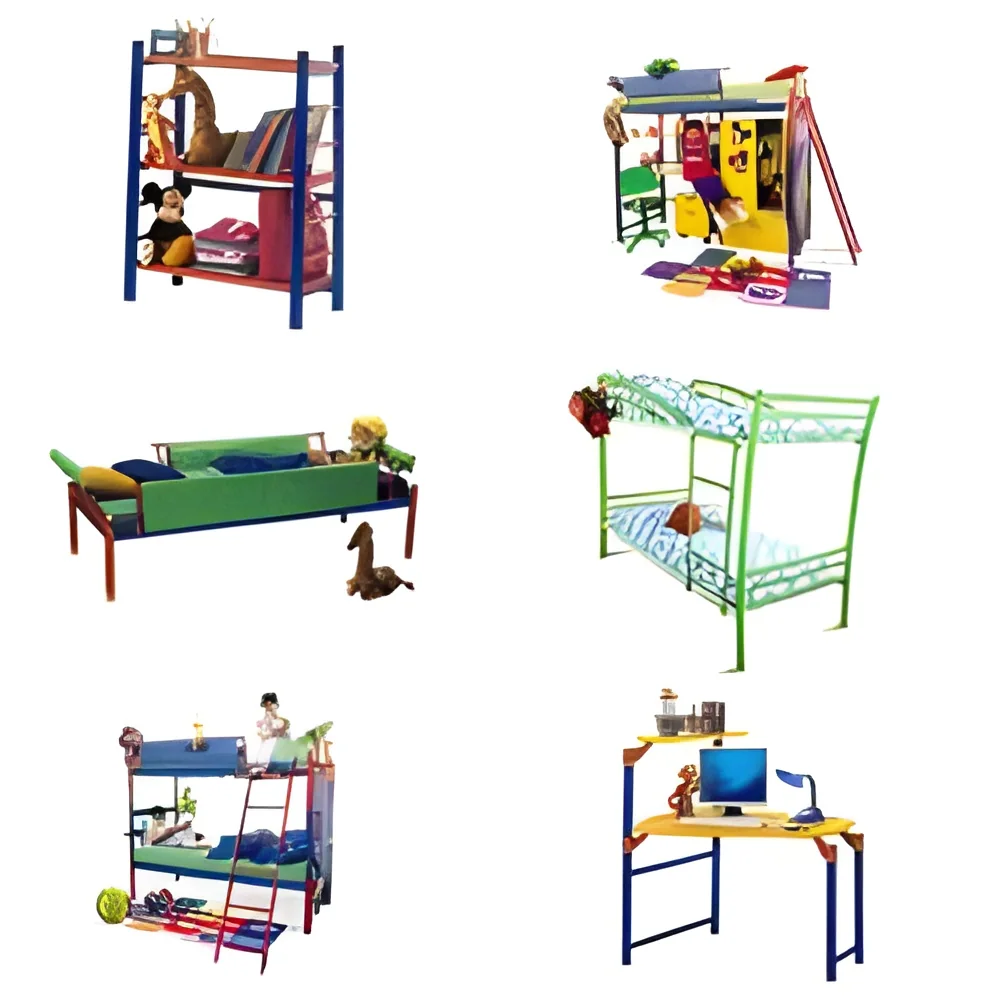
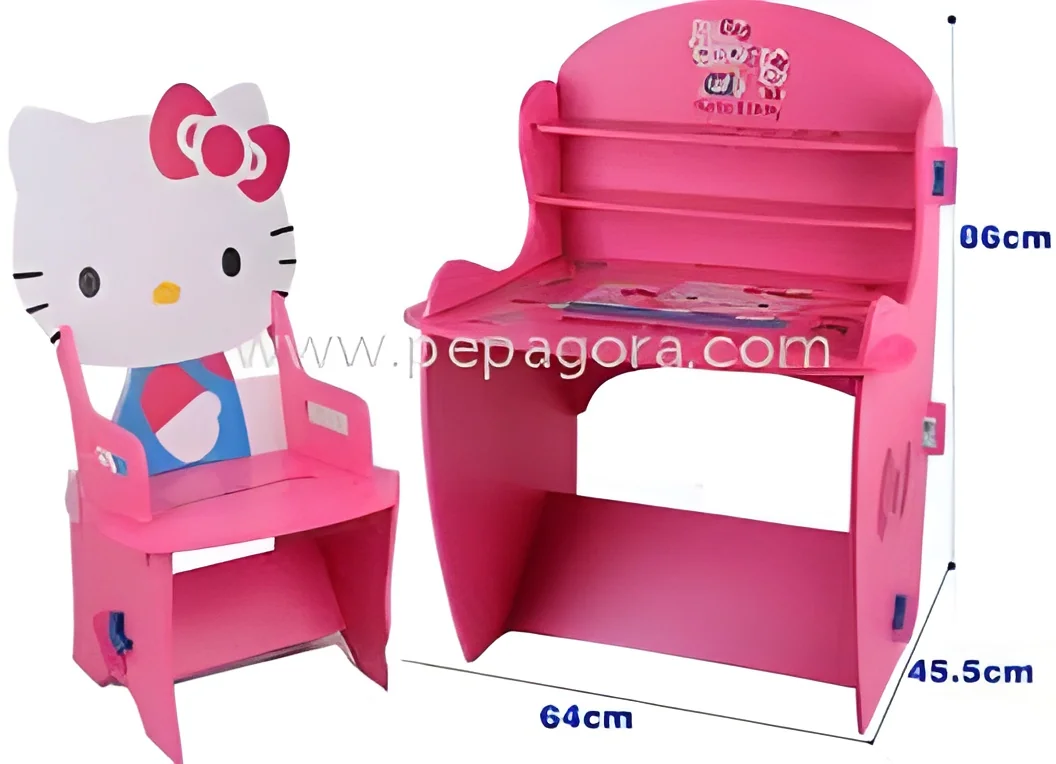
Kids’ Furniture & Play Tables
2 products available
What are Kids’ Furniture & Play Tables?
Kids’ furniture and play tables are specifically designed pieces aimed at providing safe and functional spaces for children to play, learn, and engage in various activities. These products are crafted from durable materials, ensuring they can withstand the rigors of daily use while being visually appealing to children. The furniture is often colorful and designed with child-friendly dimensions, making it suitable for different age groups.
The primary uses for kids’ furniture and play tables include educational settings, childcare facilities, and home environments. In schools and daycare centers, these items are essential for creating interactive learning spaces where children can collaborate on projects or engage in imaginative play. Businesses that supply educational institutions or childcare services find these products invaluable for enhancing learning experiences.
In terms of market relevance, the demand for kids’ furniture and play tables has seen steady growth. As parents and educators increasingly recognize the importance of creating stimulating environments for children, manufacturers are adapting their offerings to meet these needs. This sector is influenced by trends in child development, educational methodologies, and safety standards, making it a dynamic area within the furniture industry.
Key Features and Specifications
Kids’ furniture and play tables come with a variety of features that cater to the needs of children and the requirements of educational environments. These specifications ensure that the furniture is not only functional but also safe and suitable for children.
Key specifications include:
1. Material Quality
- Constructed from non-toxic, durable materials
- Often includes wood, plastic, or metal components
2. Safety Features
- Rounded edges to reduce injury risk
- Sturdy construction to prevent tipping
3. Size Dimensions
- Available in various heights and sizes to accommodate different age groups
- Standard height for tables typically ranges from 18 to 24 inches
4. Color Options
- Variety of colors available to enhance visual appeal
- Customization options may be available depending on the supplier
5. Weight Capacity
- Designed to support multiple children or heavy play materials
- Standard weight capacity ranges from 100 to 200 pounds
6. Easy Maintenance
- Surfaces are often easy to clean and resistant to stains
- Some products may feature removable parts for washing
7. Versatility
- Can be used for different activities including arts and crafts, homework, and play
- Some models may be adjustable or modular
In summary, the range of features and specifications found in kids’ furniture and play tables makes them an essential choice for creating engaging and safe spaces for children.
Common Applications and Use Cases
Kids’ furniture and play tables serve various industries, each with specific applications that enhance children's development and engagement.
1. Educational Institutions: Schools and daycare centers utilize these products for classrooms, promoting collaborative learning and creativity among students.
2. Childcare Facilities: Nurseries and preschools benefit from durable play tables that withstand frequent use while providing safe environments for play and exploration.
3. Home Use: Parents often invest in kids’ furniture to create designated play areas in their homes, encouraging children to engage in productive and imaginative activities.
4. Recreational Centers: Community centers and libraries incorporate play tables into their family-friendly spaces, providing children with opportunities to interact and learn.
5. Retail Environments: Stores that specialize in children's products often showcase kids’ furniture as part of their display to attract families and provide hands-on experiences.
6. Hospitality Industry: Hotels and resorts may include play areas equipped with kids’ furniture to enhance family-friendly accommodations.
7. Healthcare Facilities: Pediatric clinics and hospitals frequently use these items to create welcoming waiting areas that help reduce anxiety in children.
Product Variants and Subcategories
Kids’ furniture and play tables are diverse, with various subcategories catering to different needs and preferences.
Activity Tables
These tables often feature built-in storage for art supplies and toys, making them ideal for craft and play activities. They are designed to encourage creativity and organization.
Playhouse Furniture
This category includes furniture designed for playhouses or themed environments. Items often feature imaginative designs that enhance role-playing activities for children.
Convertible Tables
These versatile tables can be adjusted in height, making them suitable for various ages and activities. They provide flexibility for different uses, from art projects to homework.
Benefits and Advantages
Sourcing kids’ furniture and play tables offers numerous advantages for businesses and educational institutions.
Key benefits include:
1. Enhanced Learning Environments: Quality furniture promotes better focus and engagement among children, making learning more effective.
2. Safety Assurance: Well-designed furniture minimizes injury risks, giving parents and educators peace of mind.
3. Durability: High-quality materials ensure longevity, reducing the need for frequent replacements and saving costs in the long run.
4. Customization Options: Many suppliers offer tailored solutions to meet specific needs, allowing for personalized environments.
5. Improved Organization: Features like storage and multi-functionality help keep play areas tidy and efficient.
6. Aesthetic Appeal: Colorful and attractive designs enhance the visual appeal of spaces, making them more inviting for children.
Buying Guide for B2B Buyers
When sourcing kids’ furniture and play tables, it is crucial for B2B buyers to consider several factors to ensure they make informed decisions.
1. Quality Assessment: Evaluate the materials and construction quality to guarantee safety and durability. Look for products that meet industry standards.
2. Supplier Verification: Vet suppliers thoroughly to ensure they have a good reputation and can provide reliable products. Check for reviews or testimonials from previous clients.
3. Pricing and MOQ: Understand the pricing structure and minimum order quantities required by suppliers. This can impact budget planning and inventory management.
4. Delivery and Lead Times: Confirm logistics arrangements and expected delivery times to avoid disruptions in operations. Ensure that suppliers can meet your deadlines.
5. Compliance Requirements: Be aware of any regulatory standards that apply to kids’ furniture, including safety certifications and material regulations. Compliance is essential for market readiness.
Compliance and Certifications
Compliance and certifications are critical aspects of the kids’ furniture and play tables industry. Adhering to relevant quality standards, such as ISO 9001, ensures consistent manufacturing processes and product reliability.
Additionally, obtaining industry certifications like CE indicates compliance with European safety standards, enhancing the marketability of products.
Safety and testing requirements are paramount in this sector. Manufacturers must conduct rigorous testing to verify that their products are free from harmful substances and meet established safety benchmarks.
Regional compliance considerations should also be taken into account. Different markets may have specific regulations regarding materials and manufacturing processes, which can affect product availability and importation.
Why Source Kids’ Furniture & Play Tables from Pepagora?
Pepagora serves as a trusted platform for sourcing kids’ furniture and play tables, providing several key advantages to B2B buyers.
Verified Supplier Network: Pepagora ensures that all suppliers on its platform meet stringent verification processes. This builds a network of trustworthy partners, reducing the risk associated with sourcing.
Streamlined RFQ Process: The platform offers an efficient Request for Quotation (RFQ) system, allowing buyers to easily compare prices and specifications from multiple suppliers. This simplifies decision-making.
Trade Assurance and Support: Pepagora offers trade assurance, providing buyers with protection against potential disputes and ensuring a smoother purchasing experience.
Regional Coverage: With a strong presence in markets such as India, GCC, and Southeast Asia, Pepagora connects buyers with suppliers across these regions, facilitating access to diverse products and competitive pricing.
Overall, Pepagora is committed to enhancing the sourcing experience for businesses seeking quality kids’ furniture and play tables.

Frequently Asked Questions
What are Kids’ Furniture & Play Tables?
Kids’ Furniture & Play Tables refer to specially designed furniture items and tables that cater to the needs and preferences of children. These products ensure safety, comfort, and functionality while providing a playful environment for kids to engage in various activities.
What are the different types of Kids’ Furniture & Play Tables?
Different types of Kids’ Furniture & Play Tables include play tables, study tables, chairs, storage units, and multi-functional furniture. These items come in various styles, colors, and sizes to suit different age groups and room themes.
How do I choose the right Kids’ Furniture & Play Tables?
When selecting Kids’ Furniture & Play Tables, consider factors such as the child's age, the available space, and the intended use of the furniture. It's also important to prioritize safety features, durability, and ease of cleaning.
What are the standard specifications for Kids’ Furniture & Play Tables?
Standard specifications for Kids’ Furniture & Play Tables typically include dimensions that accommodate a child's height, weight capacity, and materials used. Common materials include wood, plastic, and metal, which should meet safety regulations.
What is the price range for Kids’ Furniture & Play Tables?
The price range for Kids’ Furniture & Play Tables can vary widely based on the type, materials, and brand. Generally, you can expect to pay anywhere from INR 2,000 to INR 15,000 for quality items in this category.
What quality standards apply to Kids’ Furniture & Play Tables?
Quality standards for Kids’ Furniture & Play Tables include compliance with safety regulations such as ASTM and EN standards. These standards ensure that the furniture is free from harmful chemicals and has no sharp edges to protect children.
Where can I find Kids’ Furniture & Play Tables suppliers in India?
You can find Kids’ Furniture & Play Tables suppliers in India through various online marketplaces like Pepagora.com. Additionally, local furniture stores and manufacturers can also offer a range of options.
Can Kids’ Furniture & Play Tables be customized?
Yes, many manufacturers provide customization options for Kids’ Furniture & Play Tables. You can request specific dimensions, colors, designs, or additional features to meet your child's unique needs.
What is the typical minimum order quantity for Kids’ Furniture & Play Tables?
The typical minimum order quantity (MOQ) for Kids’ Furniture & Play Tables can vary by supplier but usually ranges from 10 to 50 units. Always check with the supplier for their specific MOQ requirements.
What is the typical lead time for Kids’ Furniture & Play Tables?
The typical lead time for Kids’ Furniture & Play Tables varies depending on the supplier and order specifications. Generally, it can range from 2 to 8 weeks for standard orders and may be longer for customized items.
Why Businesses Trust Pepagora
Thousands of companies trust Pepagora to source smarter and sell faster
Expand Your Sales Globally

Source Smarter,Grow Faster
