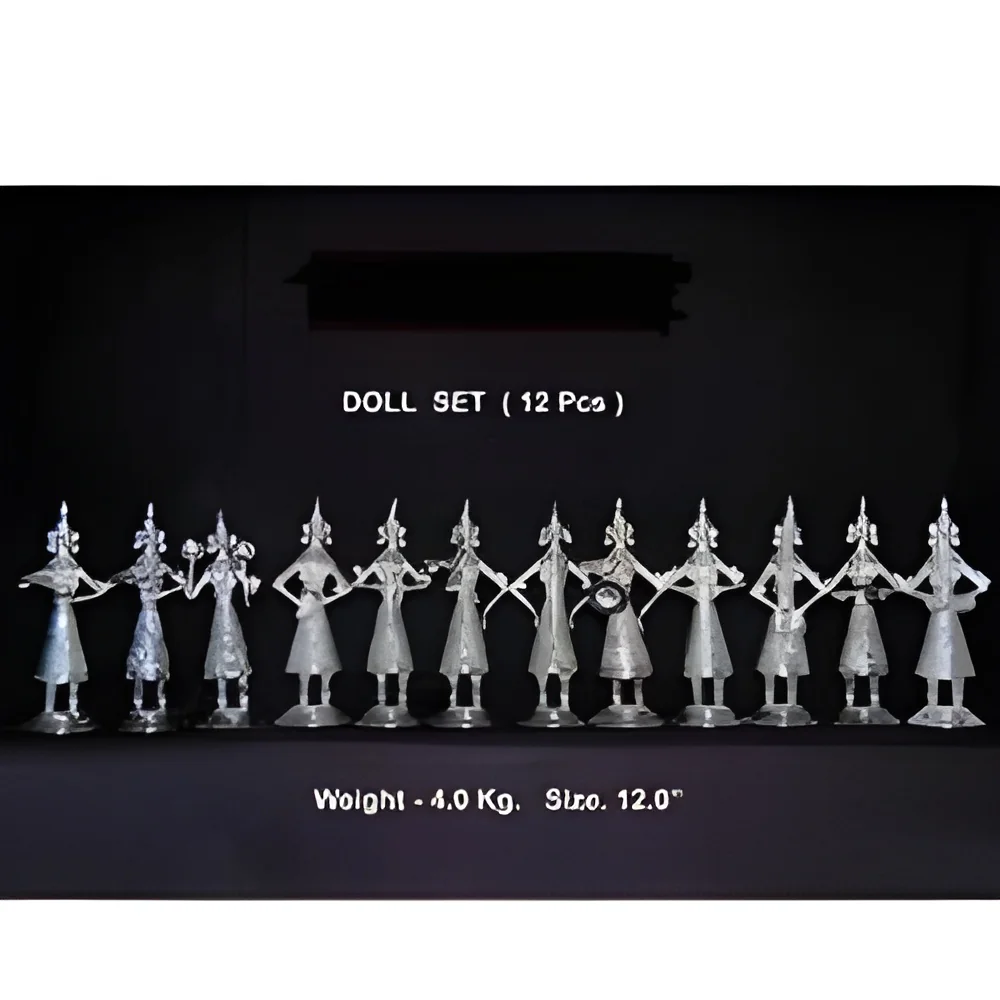
What are Action Figures & Dolls?
Action figures and dolls are collectible toys designed to represent characters from various media, such as movies, television shows, comics, and video games. These products often feature articulated joints, allowing for dynamic posing and playability. Action figures are typically modeled after superheroes or action-oriented characters, while dolls often represent human figures, including children and adults, and can vary in design from realistic to stylized.
In the business landscape, action figures and dolls serve numerous purposes. They are commonly used in the retail sector for merchandising, promotional activities, and as part of themed collections. Moreover, they are integral to the entertainment industry, where they help build brand loyalty and enhance consumer engagement through interactive play. The market for these products is expansive, with a diverse range of buyers from individual collectors to large retailers, making it a significant segment in the toy industry.
The relevance of action figures and dolls within the industry is considerable. The global market for these toys has been growing, driven by nostalgia, franchise expansions, and increased demand for collectibles. Companies are increasingly focusing on quality and design innovation to meet consumer expectations, which further fuels market competitiveness and opportunities for business collaborations.
Key Features and Specifications
Action figures and dolls come with a range of features and specifications that cater to diverse consumer needs. Understanding these specifications can help buyers make informed decisions when sourcing products.
Key specifications include:
1. Material Composition
- Typically made from durable plastics.
- Variations may include soft vinyl or fabric for enhanced realism.
2. Articulation Points
- Commonly feature multiple points of articulation for dynamic posing.
- Standard ranges include 5 to 20 points of articulation depending on the design.
3. Size Variability
- Available in various sizes, typically ranging from 3 inches to 12 inches.
- Specialty figures may exceed 12 inches for display purposes.
4. Design Detailing
- High-quality paint applications and sculpting for realistic representation.
- Customization options may be available for unique designs.
5. Packaging Type
- May come in window boxes, blister packs, or collector’s boxes.
- Packaging often reflects branding and can enhance shelf appeal.
6. Age Recommendations
- Targeted for specific age groups, typically ranging from 3 years and up.
- Safety and suitability for younger children are key considerations.
7. Licensing and Branding
- Many figures are based on licensed characters from popular franchises.
- Authenticity is often verified through branding and copyright markings.
In summary, these specifications not only impact the quality and usability of action figures and dolls but also influence purchasing decisions for businesses looking to stock or distribute these products.
Common Applications and Use Cases
Action figures and dolls serve various industries and applications, making them versatile products in the marketplace.
1. Toy Retail: Retailers use action figures and dolls to attract customers and enhance in-store displays. Seasonal promotions often leverage popular franchises to boost sales.
2. Collectibles Market: Many individuals collect action figures and dolls for their artistic value and nostalgia. Limited edition releases and exclusives create demand among collectors.
3. Entertainment Industry: Movie studios and game developers utilize these figures as promotional tools, creating merchandise that enhances audience engagement with their brands.
4. Educational Products: Some dolls are designed for educational purposes, helping children learn about diverse cultures or historical figures through play.
5. Gift and Novelty Items: Action figures and dolls often serve as gifts for various age groups, from children to adult collectors, making them popular choices for birthdays and holidays.
6. Theme Parks and Events: Many theme parks sell exclusive action figures and dolls based on their attractions, providing guests with a tangible connection to their experiences.
7. Customization and Art: Artists often create customized figures, showcasing their creativity and providing unique products for niche markets.
Product Variants and Subcategories
The diversity in action figures and dolls leads to various product variants that cater to different consumer preferences and market demands.
Classic Action Figures
These figures often represent iconic characters from popular culture, featuring classic designs and articulation. They are typically aimed at collectors and fans of franchises.
Fashion Dolls
Fashion dolls are designed with an emphasis on clothing and style. They often come with various outfits and accessories, appealing to children and collectors interested in fashion trends.
Miniature Figures
These smaller figures are often used for tabletop games or as collectibles. Their compact size allows for easy display and transport, making them popular among gamers and hobbyists.
Limited Edition Collectibles
These are often produced in low quantities, featuring exclusive designs that appeal to serious collectors. Limited editions can command a higher price due to their rarity.
Benefits and Advantages
Sourcing action figures and dolls offers several key benefits for businesses.
1. High Demand: The popularity of action figures and dolls ensures a steady market demand, leading to potential for increased sales and revenue.
2. Versatile Target Audience: These products appeal to multiple demographics, including children, teens, and adult collectors, allowing for broad market reach.
3. Brand Loyalty: Action figures and dolls often foster brand loyalty among consumers, translating to repeat purchases and customer retention.
4. Creative Marketing Opportunities: Businesses can leverage popular franchises for promotional activities, enhancing marketing campaigns and driving consumer interest.
5. Customization Potential: Many suppliers offer customization options, allowing businesses to create unique products that appeal to specific customer preferences.
6. Engaging Play Experiences: These products provide interactive play opportunities, enhancing consumer satisfaction and encouraging additional purchases.
Buying Guide for B2B Buyers
When sourcing action figures and dolls, businesses should consider several factors to ensure they select the right products for their needs.
1. Quality Assessment: Evaluate the materials and craftsmanship of action figures and dolls. Look for products that meet safety standards and have positive reviews regarding durability.
2. Supplier Verification: Vet suppliers thoroughly to ensure they have a reliable reputation and can meet your quality and delivery expectations. Check for references and past performance.
3. Pricing and MOQ: Understand the pricing structures and minimum order quantities (MOQ) offered by suppliers. Balance cost with quality to find the best value for your business.
4. Delivery and Lead Times: Inquire about logistics and expected lead times for orders. Timely delivery is crucial for maintaining inventory levels and meeting customer demand.
5. Compliance Requirements: Ensure that products comply with local regulations and safety standards. Knowledge of certifications like CE can help in making informed sourcing decisions.
Compliance and Certifications
Compliance and certifications are essential aspects of sourcing action figures and dolls. Adhering to relevant quality standards ensures that products are safe and reliable for consumers.
Companies often seek certifications such as ISO 9001, which signifies a commitment to quality management systems. This standard helps businesses maintain high levels of customer satisfaction through effective processes.
Another critical certification is CE marking, which indicates compliance with European safety standards. This is particularly important for businesses selling products in European markets, ensuring that items meet health and safety regulations.
Safety testing requirements must also be considered, particularly for products intended for children. Ensuring that action figures and dolls are free from harmful substances and meet safety guidelines is crucial for consumer trust.
In addition to safety certifications, regional compliance considerations can vary significantly. Businesses should be aware of local laws and regulations regarding toy safety and labeling requirements to avoid compliance issues.
Why Source Action Figures & Dolls from Pepagora?
Pepagora provides a trusted platform for sourcing action figures and dolls, offering several key advantages for businesses.
Verified Supplier Network: Pepagora has established a network of verified suppliers, ensuring that buyers can source high-quality products with confidence. Each supplier undergoes a thorough verification process to maintain standards.
Streamlined RFQ Process: The platform features a user-friendly Request for Quotation (RFQ) process, allowing buyers to request quotes easily from multiple suppliers. This efficiency helps in making informed purchasing decisions.
Trade Assurance and Support: Pepagora offers trade assurance, providing buyers with protection for their orders. Support services are available to assist with any issues that may arise during the sourcing process.
Regional Coverage: With a focus on markets in India, the GCC, and Southeast Asia, Pepagora enables businesses to tap into diverse markets and expand their reach. This regional expertise enhances sourcing capabilities and market understanding.

 IN
IN