What are Remote Control Toys?
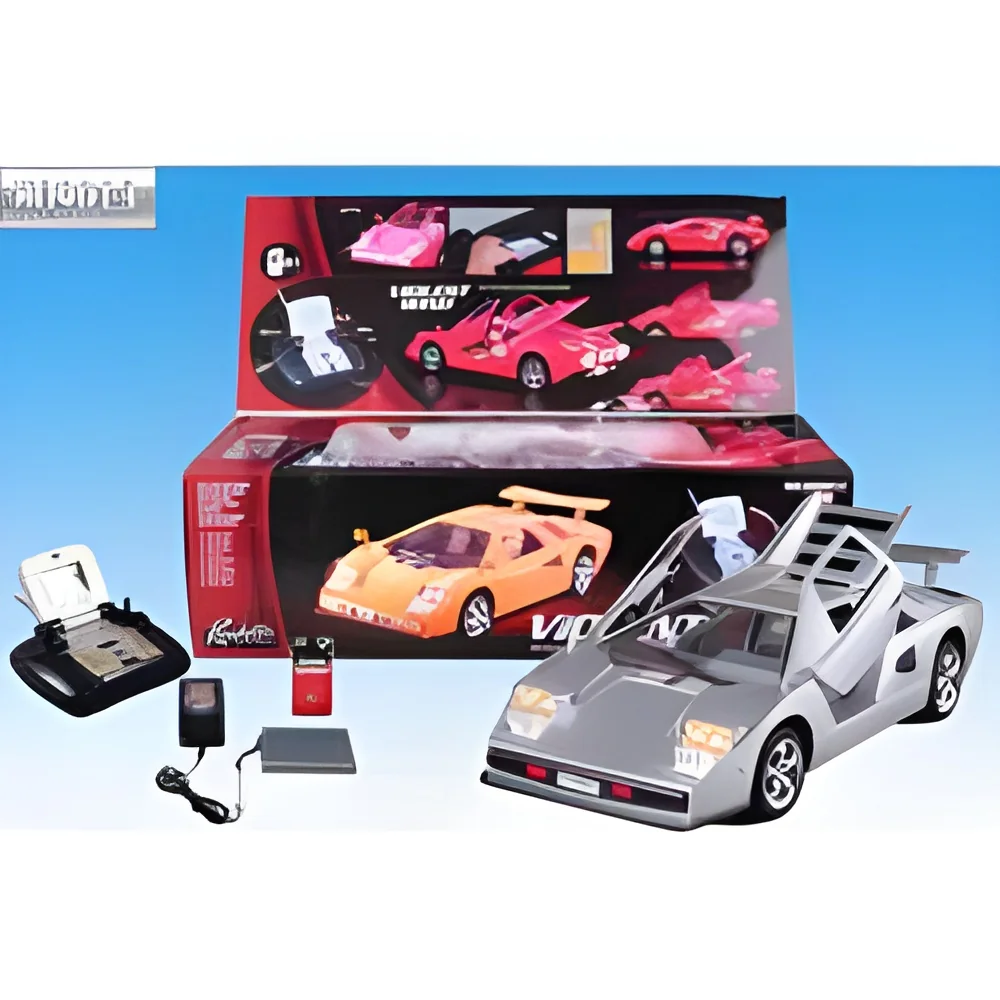
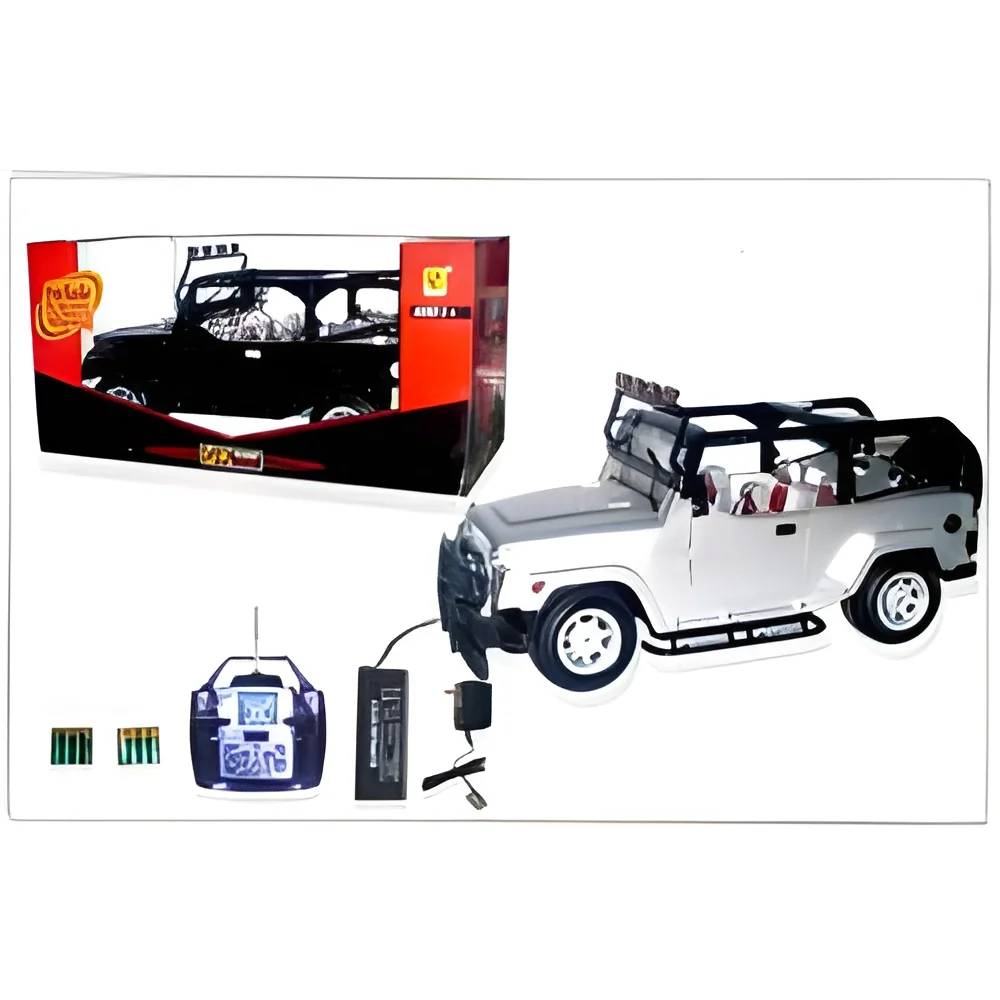
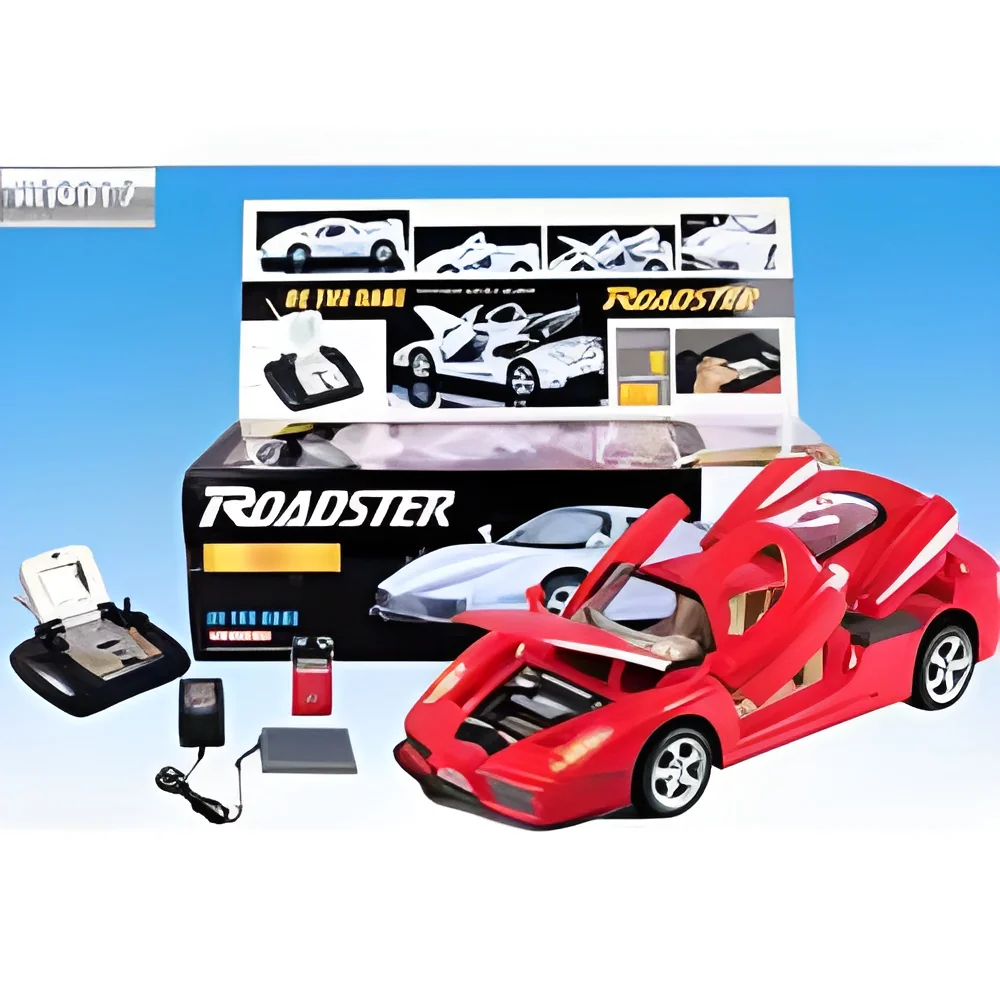
Remote control toys are miniature vehicles or devices that can be operated from a distance using a remote control transmitter. These toys often feature radio or infrared technology, allowing users to maneuver them in various directions. Common examples include cars, boats, drones, and helicopters, each offering unique functionalities and experiences. The appeal of remote control toys lies in their interactive nature, engaging users of all ages in play and hobby activities.
In the business context, remote control toys serve multiple purposes, from entertainment to educational applications. They are widely used in recreational settings and can also be found in training and simulation environments. For instance, some industries utilize remote control drones for surveying and monitoring, while educational institutions may incorporate remote control vehicles into STEM programs. The growing interest in technology and innovation has led to an expanding market for these toys, with businesses recognizing their potential to enhance customer engagement and brand visibility.
Key Features and Specifications
Remote control toys come equipped with various features that enhance their usability and performance. Understanding these specifications can help businesses select the right products to meet their needs.
Key specifications include:
1. Range
- The operational distance from the remote control to the toy.
- Typical ranges can vary from 30 meters to 100 meters or more.
2. Battery Life
- Duration the toy can operate on a single charge.
- Battery life often ranges from 15 minutes to 60 minutes depending on the model.
3. Speed
- The maximum speed the toy can achieve.
- Speeds can range from 5 km/h to 40 km/h or higher.
4. Control Channels
- The number of channels used for controlling the toy.
- Commonly, toys may have 2 to 4 channels for basic functions, while advanced toys can have 6 or more.
5. Charging Time
- Duration required to fully charge the toy’s battery.
- Charging times typically range from 30 minutes to 2 hours.
6. Material Composition
- The type of materials used in construction.
- Common materials include durable plastics and metals, enhancing longevity and performance.
7. Weight
- The overall weight of the toy.
- Weights can vary from a few hundred grams to several kilograms depending on size and model.
8. Control Type
- The method of control used, either through infrared or radio frequency.
- Radio frequency controls are more common for longer ranges.
In summary, the features and specifications of remote control toys play a crucial role in determining their performance and suitability for specific applications.
Common Applications and Use Cases
Remote control toys are versatile products that find applications across various industries.
1. Education: Remote control toys are often used in educational settings to teach principles of physics and robotics. They provide hands-on learning experiences that enhance student engagement.
2. Entertainment: In the leisure industry, these toys are popular among children and adults alike for recreational activities, including competitions and exhibitions.
3. Surveillance: Drones and remote-controlled vehicles are employed in security applications for monitoring large areas, providing a cost-effective solution for surveillance.
4. Marketing: Businesses use remote control toys as promotional items to attract attention at trade shows and events, helping to enhance brand awareness.
5. Research: In scientific research, remote control vehicles can be utilized for data collection in hard-to-reach areas, such as underwater or in rugged terrains.
6. Emergency Response: Some remote control devices are used in search and rescue operations, providing critical support in hazardous environments.
7. Agriculture: Remote control drones are increasingly used in agriculture for crop monitoring and management, improving efficiency and yield.
Product Variants and Subcategories
Remote control toys come in a wide range of variants, each designed to meet specific user needs and preferences.
RC Cars: These are one of the most popular types of remote control toys. They are available in various sizes and can range from basic models for children to high-performance versions designed for racing. Features often include customizable parts and enhanced speed capabilities.
RC Drones: Offering aerial exploration, these drones are equipped with cameras and advanced navigation features. They are used for photography, videography, and recreational flying, making them popular among hobbyists and professionals alike.
RC Boats: Ideal for water enthusiasts, these toys are designed for use in pools, lakes, and oceans. They come with varying speeds and control ranges, catering to both casual users and serious racers.
RC Helicopters: These offer more complex flying experiences and are available in different sizes. Some models allow for advanced maneuvers, making them appealing to enthusiasts looking for a challenge.
Benefits and Advantages
Remote control toys provide numerous advantages that make them appealing to both consumers and businesses.
1. Enhanced Engagement: These toys foster interaction and engagement, making them ideal for both entertainment and educational purposes.
2. Skill Development: Operating remote control toys can improve hand-eye coordination and fine motor skills, particularly in younger users.
3. Versatility: They can be used in various applications, from play to serious tasks like surveillance and research.
4. Innovation: Many remote control toys integrate the latest technology, offering features like live video streaming and advanced control systems.
5. Social Interaction: Using these toys can encourage social play and teamwork, as users often engage in group activities and competitions.
6. Customization: Many models offer customizable parts, allowing users to modify their toys according to personal preferences.
Buying Guide for B2B Buyers
When sourcing remote control toys, businesses should consider several key factors to ensure they make informed purchasing decisions.
1. Quality Assessment: It is crucial to evaluate the quality of the toys, including material durability and performance reliability. Testing samples before bulk purchases can help ensure product quality.
2. Supplier Verification: Vetting suppliers is essential to ensure they have a good reputation and meet quality standards. Look for established suppliers with positive reviews and a history of reliability.
3. Pricing and MOQ: Understanding the pricing structure and minimum order quantities is important for budgeting. Be sure to compare prices among different suppliers to find the best deal without compromising quality.
4. Delivery and Lead Times: Consider logistics and delivery times when planning orders. Ensure suppliers can meet timelines to avoid disruptions in business operations.
5. Compliance Requirements: Familiarize yourself with relevant regulatory and safety standards. Ensure that the products comply with any necessary certifications, such as CE for safety.
Compliance and Certifications
Remote control toys must adhere to specific quality standards and certifications to ensure safety and reliability.
ISO 9001 is a quality management standard that ensures consistent quality in products and services. Manufacturers of remote control toys should aim for this certification to demonstrate their commitment to quality.
CE certification indicates that a toy meets European safety standards, ensuring it is safe for consumer use. This certification is crucial for businesses exporting products to Europe.
Safety and testing requirements are paramount in the toy industry. Compliance with regulations ensures that toys do not pose any hazards to users, particularly children.
Regional compliance considerations may vary, so businesses should be aware of local regulations governing toy safety and quality standards in their respective markets.
Why Source Remote Control Toys from Pepagora?
Pepagora is a trusted platform for sourcing remote control toys, offering several key advantages for B2B buyers.
Verified Supplier Network: Pepagora connects buyers with a network of verified suppliers. This ensures that businesses have access to reputable manufacturers who meet quality standards.
Streamlined RFQ Process: The platform features a user-friendly request for quotation (RFQ) system, allowing buyers to easily obtain quotes from multiple suppliers. This simplifies the sourcing process and enhances decision-making.
Trade Assurance and Support: Pepagora provides buyer protection through trade assurance policies. This offers peace of mind for businesses, ensuring their purchases are safe and secure.
Regional Coverage: With a strong presence in India, the GCC, and Southeast Asia, Pepagora offers extensive geographic reach. This allows businesses to source remote control toys from a variety of regions, optimizing logistics and costs.

 IN
IN