
 IN
Tomato Ketchup
3 products available
What are Tomato Ketchup?
Tomato Ketchup is a popular condiment made primarily from tomatoes, vinegar, sugar, and various spices. It is known for its smooth texture and sweet, tangy flavor, making it a versatile addition to many dishes. Initially developed in the 17th century, ketchup has evolved into a staple in homes and restaurants worldwide. Its primary ingredient, tomatoes, provides a rich source of vitamins and antioxidants.
In the business context, Tomato Ketchup is widely used in the food service industry, particularly in restaurants, cafes, and fast-food chains. It is often served with a variety of foods such as burgers, fries, and sandwiches. Additionally, ketchup is a common ingredient in many sauces, dressings, and marinades, enhancing the flavor profile of dishes. The global market for Tomato Ketchup continues to grow, driven by increasing consumer demand for convenience foods and fast-casual dining experiences.
Key Features and Specifications
Tomato Ketchup offers various features that cater to both consumers and businesses. Understanding these specifications can help B2B buyers make informed decisions when sourcing this product.
Key specifications include:
1. Ingredients
- Made primarily from ripe tomatoes, vinegar, sugar, and spices.
- May contain preservatives and flavor enhancers.
2. Consistency
- Smooth, thick texture that allows for easy application.
- Viscosity can vary based on production methods.
3. Flavor Profile
- Sweet and tangy taste with a hint of spices.
- Variations may include lower sugar or organic options.
4. Packaging
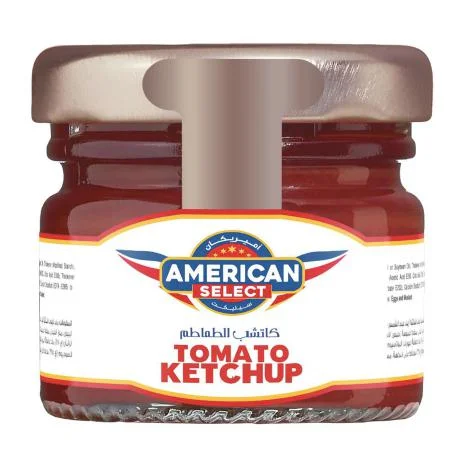
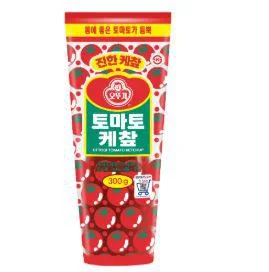
- Available in various sizes including single-serve packets, squeeze bottles, and bulk containers.
- Packaging can be customized for branding needs.
5. Shelf Life
- Typically has a shelf life of 12 to 24 months when stored properly.
- Requires refrigeration after opening.
6. Nutritional Information
- Contains vitamins A and C, along with a moderate calorie count.
- Low in fat and cholesterol.
7. Allergen Information
- Generally free from common allergens but should be checked for specific formulations.
- Gluten-free options are available.
8. Certifications
- Complies with food safety standards and regulations.
- CE certification indicates compliance with European health, safety, and environmental protection standards.
In summary, Tomato Ketchup is characterized by its key ingredients, flavor profile, and versatile packaging options, making it suitable for diverse culinary applications.
Common Applications and Use Cases
Tomato Ketchup serves various industries, reflecting its widespread appeal and versatility.
1. Food Service Industry: Restaurants and cafes utilize ketchup as a standard condiment for burgers, fries, and sandwiches, enhancing the dining experience.
2. Fast Food Chains: Fast-food establishments often feature ketchup in meal combos, making it a popular choice among consumers seeking quick meals.
3. Catering Services: Ketchup is frequently included in catering menus for events and gatherings, providing a familiar sauce option for guests.
4. Food Manufacturing: Many food manufacturers use ketchup as a base for sauces and dressings, integrating it into their product lines.
5. Retail Grocery: Retail stores offer a variety of ketchup options, catering to consumer preferences for organic, low-sugar, or gourmet variants.
6. Export Markets: Ketchup is a significant product for exporters, meeting the demands of international markets where Western cuisine is popular.
7. Home Cooking: Many households keep ketchup as a pantry staple, using it in everyday cooking and meal preparation.
Product Variants and Subcategories
Tomato Ketchup is available in several variants, catering to different preferences and dietary needs.
Classic Tomato Ketchup
This variant features a traditional recipe with ripe tomatoes, sugar, and spices. It is widely used in restaurants and homes for its familiar taste and smooth texture.
Organic Tomato Ketchup
Made from organically grown tomatoes, this variant is free from synthetic preservatives and additives. It appeals to health-conscious consumers looking for natural options.
Low-Sugar Tomato Ketchup
Designed for those watching their sugar intake, this variant offers a reduced sugar content while maintaining a flavorful taste. It is popular among health-focused consumers.
Spicy Tomato Ketchup
Infused with spices and hot peppers, this variant provides an extra kick for those who enjoy bold flavors. It is often used in gourmet dishes and as a dipping sauce.
Benefits and Advantages
Tomato Ketchup offers numerous benefits that make it a valuable addition to culinary applications.
1. Versatility: Ketchup can be used in various dishes, from dips to marinades, enhancing flavors and adding moisture.
2. Convenience: Its ready-to-use nature allows for quick application, making it ideal for fast-paced food service environments.
3. Flavor Enhancement: Ketchup's sweet and tangy profile complements a wide range of foods, improving overall taste.
4. Nutritional Value: With vitamins and antioxidants, ketchup can contribute to a balanced diet when consumed in moderation.
5. Wide Availability: Tomato Ketchup is readily available in various forms and packaging, making it easy to source for businesses.
6. Consumer Preference: It is a well-loved condiment, ensuring continued demand in both retail and food service markets.
Buying Guide for B2B Buyers
When sourcing Tomato Ketchup, B2B buyers should consider several critical factors to ensure they make informed purchasing decisions.
1. Quality Assessment: Evaluate the quality of ketchup by reviewing ingredient lists, taste tests, and shelf stability. Look for products that meet industry standards.
2. Supplier Verification: Vet suppliers by checking their certifications, production processes, and customer reviews to ensure reliability and consistency.
3. Pricing and MOQ: Be aware of the price range for different ketchup variants and inquire about minimum order quantities to align with budget and inventory needs.
4. Delivery and Lead Times: Confirm delivery schedules and lead times to ensure timely availability for operations, especially in high-demand seasons.
5. Compliance Requirements: Understand any regulatory needs for food products in your region, including labeling and safety standards, to ensure compliance.
Compliance and Certifications
Tomato Ketchup is subject to various quality standards and certifications that ensure safety and reliability in food products.
Relevant quality standards include ISO 9001, which outlines requirements for quality management systems, and HACCP, focusing on food safety management. These standards help ensure that ketchup is produced safely and consistently.
Industry certifications, such as CE certification, indicate that the product complies with European health, safety, and environmental protection standards. This is particularly important for businesses exporting to European markets.
Safety and testing requirements vary by region but generally include microbiological testing and ingredient verification to prevent contamination and ensure quality.
Regional compliance considerations must also be taken into account, as different countries may have specific regulations governing food products. It is essential for suppliers to stay informed about these requirements to facilitate smooth distribution.
Why Source Tomato Ketchup from Pepagora?
Pepagora provides a trusted platform for sourcing Tomato Ketchup, offering several key advantages to buyers seeking quality products.
Verified Supplier Network: Pepagora connects buyers with a network of verified suppliers, ensuring that all products meet high standards of quality and compliance.
Streamlined RFQ Process: The platform features a user-friendly request for quotation system, allowing buyers to quickly obtain pricing and product information from multiple suppliers.
Trade Assurance and Support: Pepagora offers buyer protection through trade assurance, providing support throughout the purchasing process to ensure satisfaction and address any concerns.
Regional Coverage: With a strong presence in India, the GCC, and Southeast Asia, Pepagora facilitates sourcing for businesses across diverse markets, ensuring access to quality Tomato Ketchup regardless of location.


 India

 United Arab Emirates
Frequently Asked Questions
What are Tomato Ketchup?
Tomato Ketchup is a condiment made primarily from tomatoes, sugar, vinegar, and various spices. It is commonly used as a topping or dip for a variety of foods, including fries, burgers, and sandwiches.
What are the different types of Tomato Ketchup?
There are several types of Tomato Ketchup available, including traditional, organic, low-sugar, and spicy variations. Each type may differ in taste, ingredients, and nutritional content, catering to different consumer preferences.
How do I choose the right Tomato Ketchup?
When choosing the right Tomato Ketchup, consider factors such as taste preference, ingredient quality, and dietary restrictions. Reading labels for sugar content, preservatives, and organic certification can also guide your decision.
What are the standard specifications for Tomato Ketchup?
Standard specifications for Tomato Ketchup typically include parameters such as pH level, viscosity, and tomato solids content. These specifications ensure product consistency and quality across different manufacturers.
What is the price range for Tomato Ketchup?
The price range for Tomato Ketchup can vary widely depending on brand, type, and packaging. Generally, prices may range from INR 50 to INR 300 per unit, with bulk purchasing options often available for cost savings.
What quality standards apply to Tomato Ketchup?
Quality standards for Tomato Ketchup are governed by regulations set by food safety authorities, which may include parameters for safety, hygiene, and labeling. Adherence to these standards ensures that the product is safe for consumption.
Where can I find Tomato Ketchup suppliers in India?
Tomato Ketchup suppliers in India can be found through various online B2B marketplaces, trade directories, and food industry exhibitions. Platforms like Pepagora.com provide a comprehensive list of verified suppliers and manufacturers.
Can Tomato Ketchup be customized?
Yes, Tomato Ketchup can often be customized to meet specific flavor profiles or packaging requirements. Many manufacturers offer customization options for bulk orders to cater to business needs.
What is the typical minimum order quantity for Tomato Ketchup?
The typical minimum order quantity (MOQ) for Tomato Ketchup varies by supplier but often ranges from 100 to 1000 units. It's advisable to check with individual manufacturers for their specific MOQ policies.
What is the typical lead time for Tomato Ketchup?
The typical lead time for Tomato Ketchup orders can range from 1 to 4 weeks, depending on the supplier's production capacity and order size. It's best to confirm the lead time with the supplier when placing an order.
Why Businesses Trust Pepagora
Thousands of companies trust Pepagora to source smarter and sell faster
Expand Your Sales Globally

Source Smarter,Grow Faster
