What are Thai, Korean, Japanese Sauces?
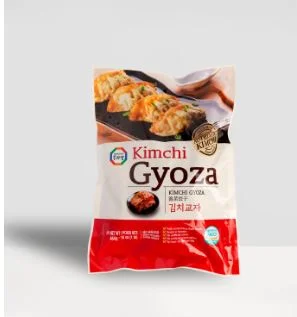
Thai, Korean, and Japanese sauces represent a diverse range of condiments that are integral to the culinary traditions of their respective cultures. These sauces are characterized by their unique flavor profiles, which often blend sweet, spicy, salty, and umami elements. Thai sauces, for example, frequently utilize ingredients such as fish sauce, tamarind, and coconut milk. Korean sauces often focus on gochujang and doenjang, while Japanese sauces may feature soy sauce, miso, and rice vinegar.
In business applications, these sauces are widely used in restaurants, catering services, and food production. Their versatility allows them to be used in various dishes, including marinades, dressings, and dipping sauces. Industries such as food service, hospitality, and retail benefit from incorporating these sauces into their offerings, helping to enhance flavor and provide authentic dining experiences.
The relevance of Thai, Korean, and Japanese sauces in the global market is significant. As consumer interest in international cuisines continues to rise, demand for these sauces has expanded. This trend is particularly pronounced in regions with growing multicultural populations and an increasing number of restaurants specializing in Asian cuisine. Companies engaged in food production and distribution can leverage this popularity to increase their market share.
Key Features and Specifications
Thai, Korean, and Japanese sauces offer a variety of features and specifications that cater to different culinary needs. These specifications ensure consistency, quality, and safety in food preparation and service.
Key specifications include:
1. Flavor Profile
- A balanced blend of sweet, savory, spicy, and tangy notes tailored to traditional recipes.
- Varies by region and usage, providing unique taste experiences.
2. Ingredients
- Made from high-quality, authentic ingredients specific to each culture.
- Includes natural preservatives to maintain freshness and flavor.
3. Packaging Options
- Available in various sizes, such as bulk containers for food service or retail packaging for consumer use.
- Designed for easy storage and extended shelf life.
4. Shelf Life
- Typically ranges from 6 months to 2 years, depending on the sauce type and storage conditions.
- Ensures product usability over an extended period.
5. Nutritional Information
- Clear labeling of nutritional content, including calories, fats, sugars, and allergens.
- Compliance with food labeling regulations for transparency.
6. Certifications
- Often certified for quality and safety by industry standards such as CE.
- May include organic or non-GMO certifications based on ingredients.
In summary, the key features and specifications of these sauces ensure they meet industry standards while providing authentic flavors that enhance culinary creations.
Common Applications and Use Cases
Thai, Korean, and Japanese sauces serve a wide range of industries, showcasing their versatility and appeal in various culinary contexts.
1. Food Service: Restaurants and catering services use these sauces in dishes such as stir-fries, marinades, and dressings, providing authentic flavors that attract customers.
2. Retail: Grocery stores and specialty food shops stock these sauces for consumers looking to prepare authentic Asian meals at home, tapping into the growing interest in international cuisine.
3. Food Manufacturing: Companies in the food production sector incorporate these sauces into pre-packaged meals and snacks, enhancing flavor profiles and meeting consumer demand for diverse options.
4. Hospitality: Hotels and resorts use these sauces in their dining establishments to offer international cuisine options, enhancing guest experience and satisfaction.
5. Meal Kit Providers: Businesses offering meal kits often include these sauces to simplify preparation while ensuring authentic taste, appealing to home cooks seeking convenience.
6. Food Trucks: Mobile food vendors frequently utilize these sauces in fusion dishes, attracting a diverse clientele looking for unique flavor combinations.
Product Variants and Subcategories
The diversity of Thai, Korean, and Japanese sauces allows for a wide range of product variants, each tailored to specific culinary needs.
Sriracha Sauce
This Thai chili sauce is known for its distinctive heat and sweetness, making it a favorite for dipping and drizzling on various dishes. It enhances the flavor of everything from noodles to tacos.
Gochujang
A staple in Korean cuisine, this fermented chili paste offers a rich umami flavor combined with sweetness and spice. It is ideal for marinades, stews, and grilling applications.
Soy Sauce
Common in Japanese cooking, soy sauce is a versatile condiment used in marinades, dressings, and as a seasoning for dishes. Its salty, savory profile pairs well with a wide range of ingredients.
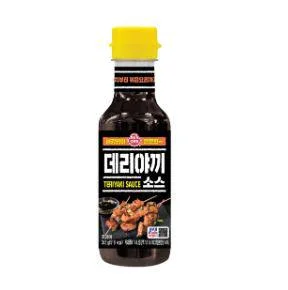
Teriyaki Sauce
This sweet and savory Japanese sauce is commonly used for glazing meats and vegetables. It adds a rich flavor to grilled and stir-fried dishes, making it a popular choice for home cooks and chefs alike.
Chili Garlic Sauce
Often used in Thai cuisine, this sauce combines the heat of chili peppers with the aromatic flavor of garlic. It is perfect for adding a kick to soups, stir-fries, and dipping sauces.
Benefits and Advantages
Sourcing Thai, Korean, and Japanese sauces offers numerous benefits for businesses looking to enhance their culinary offerings.
1. Authentic Flavor: These sauces provide genuine taste experiences that resonate with consumers seeking traditional Asian flavors.
2. Versatility: Their diverse applications allow for use in various recipes, making them suitable for multiple culinary styles and preferences.
3. Quality Ingredients: Sourced from high-quality components, these sauces ensure that end products meet consumer expectations for flavor and safety.
4. Convenience: Pre-made sauces save time and labor in food preparation, allowing businesses to focus on service and customer satisfaction.
5. Market Appeal: Incorporating these sauces can attract new customers and retain existing ones by offering exciting and diverse menu options.
6. Cultural Relevance: Using these sauces connects businesses to the growing trend of global cuisine, catering to evolving consumer tastes.
Buying Guide for B2B Buyers
When sourcing Thai, Korean, and Japanese sauces, it is essential for B2B buyers to consider several key factors to ensure effective procurement.
1. Quality Assessment: Evaluate the quality of the sauces by checking for authentic ingredients, flavor profiles, and certifications. Conduct tastings and gather samples to ensure the product meets your standards.
2. Supplier Verification: Vet suppliers thoroughly to ensure they have a reliable track record in producing high-quality sauces. Look for feedback from other businesses and check for compliance with industry standards.
3. Pricing and MOQ: Understand the pricing structure and minimum order quantities (MOQ) to ensure that your procurement aligns with your budget and operational needs. Negotiate terms where necessary to achieve favorable pricing.
4. Delivery and Lead Times: Inquire about logistics, including delivery schedules and lead times, to ensure timely availability of products for your operations. Establish clear communication with suppliers to avoid delays.
5. Compliance Requirements: Be aware of any regulatory requirements specific to food products in your region. Ensure that the sauces comply with local food safety standards and labeling regulations.
Compliance and Certifications
In the production and distribution of Thai, Korean, and Japanese sauces, compliance with relevant quality standards and certifications is crucial for ensuring product safety and consumer trust.
ISO 9001 is a widely recognized standard that focuses on quality management systems. Adhering to this standard helps manufacturers maintain consistent product quality through effective processes and procedures.
HACCP (Hazard Analysis and Critical Control Points) is essential for food safety management. This system identifies potential hazards and establishes critical control points in the production process, ensuring that sauces are safe for consumption.
CE certification indicates compliance with European safety and health standards. It assures buyers that the products meet necessary regulations, enhancing marketability in regions that require such certifications.
Safety and testing requirements are also vital in ensuring that sauces are free from contaminants and meet nutritional standards. Regular testing for microbiological and chemical safety is necessary to maintain quality assurance.
Regional compliance considerations may vary, so it is essential for manufacturers and suppliers to stay updated on local regulations affecting food products in different markets.
Why Source Thai, Korean, Japanese Sauces from Pepagora?
Pepagora provides a trusted platform for sourcing Thai, Korean, and Japanese sauces that offers several key advantages for B2B buyers.
Verified Supplier Network: Pepagora boasts a robust network of verified suppliers, ensuring that businesses can find reputable sources for high-quality sauces. This network reduces the risk of sourcing from unverified or unreliable suppliers.
Streamlined RFQ Process: The request for quotation (RFQ) process on Pepagora simplifies the procurement experience. Buyers can easily request quotes from multiple suppliers, compare pricing, and make informed decisions quickly.
Trade Assurance and Support: Pepagora offers trade assurance, providing buyers with protection against potential issues during the sourcing process. This support helps to build confidence in transactions and fosters long-term supplier relationships.
Regional Coverage: With a presence in India, the Gulf Cooperation Council (GCC) countries, and Southeast Asia, Pepagora ensures geographic reach for businesses looking to source sauces across diverse markets. This coverage allows suppliers to reach a wider audience while meeting local demand efficiently.

 IN
IN