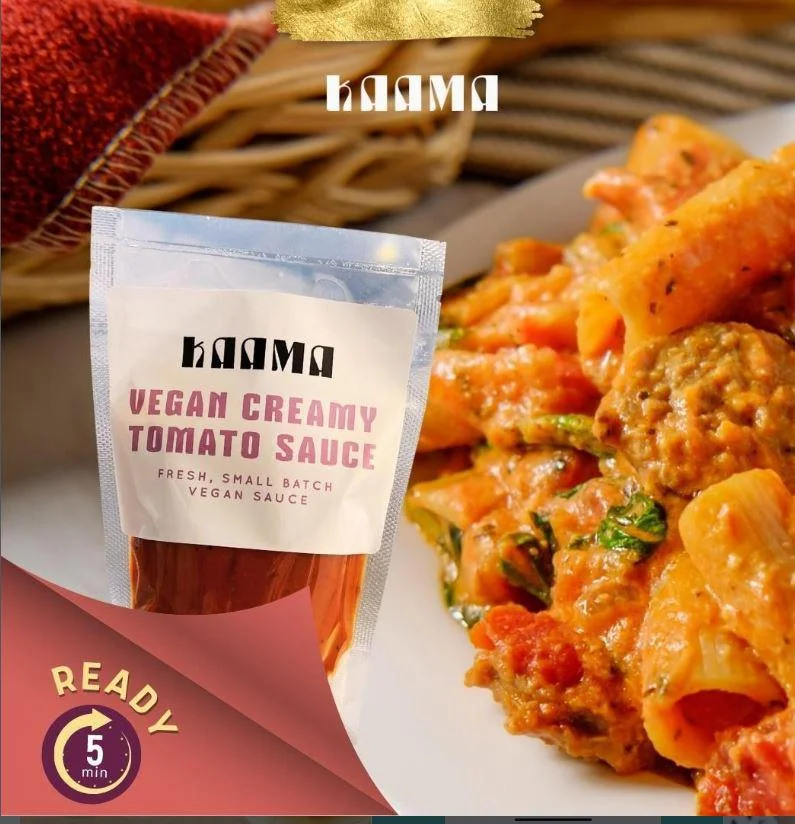
What are Fermented Sauces & Kombucha Condiments?
Fermented sauces and kombucha condiments are specialty food products created through the fermentation process. Fermented sauces typically include ingredients such as soy, fish, or vegetables that undergo fermentation, enhancing their flavor, nutritional profile, and shelf life. Kombucha condiments, on the other hand, are derived from fermented tea, which is combined with various flavorings to create unique condiment options. Both types of products offer businesses opportunities to cater to the growing demand for probiotic-rich, flavorful ingredients.
These products find primary uses in diverse culinary applications. They are popular in restaurants, food manufacturing, and catering services, where they act not only as flavor enhancers but also as health-promoting ingredients. Businesses can leverage these products to appeal to health-conscious consumers seeking natural, fermented options. The market for fermented sauces and kombucha condiments is experiencing significant growth, driven by an increasing awareness of the benefits of fermentation in food.
Key Features and Specifications
Fermented sauces and kombucha condiments come with various features and specifications that make them attractive to businesses. Understanding these specifications is crucial for making informed purchasing decisions.
Key specifications include:
1. Flavor Profile
- Offers a range of flavors from tangy to savory
- Customizable options available for different culinary needs
2. Shelf Life
- Extended shelf life due to natural fermentation
- Typically lasts several months to a year when stored properly
3. Nutritional Content
- Rich in probiotics and beneficial enzymes
- Low in preservatives and artificial additives
4. Packaging Options
- Available in bulk containers or retail packaging
- Eco-friendly packaging options are increasingly common
5. Ingredients Sourcing
- Made from natural ingredients, often sourced locally
- Availability of organic options for health-conscious consumers
6. Production Method
- Crafted through traditional fermentation techniques
- May include small-batch production for quality control
7. Regulatory Compliance
- Adheres to food safety and labeling regulations
- Certifications such as CE demonstrate quality assurance
These features enhance the usability and appeal of fermented sauces and kombucha condiments in the marketplace.
Common Applications and Use Cases
Fermented sauces and kombucha condiments serve a wide range of industries, making them versatile ingredients for various applications.
1. Food Service Industry: Used in restaurants and cafes to enhance flavors in dishes, dressings, and marinades.
2. Food Manufacturing: Incorporated into packaged foods, snacks, and ready-to-eat meals for added flavor and health benefits.
3. Catering Services: Utilized in catering menus to provide unique flavor profiles and health-conscious options for clients.
4. Health and Wellness: Popular in health-focused establishments such as juice bars and wellness centers for their probiotic content.
5. Retail Grocery: Sold in supermarkets and specialty stores as gourmet condiments, attracting consumers looking for unique flavors.
6. Ethnic Cuisine: Essential in various cultural dishes, offering authenticity and traditional taste experiences.
7. Vegan and Plant-Based Markets: Ideal for plant-based food producers seeking flavorful, natural ingredients.
Product Variants and Subcategories
Fermented sauces and kombucha condiments include a variety of product options that cater to different tastes and applications.
Hot Sauce Variant
This variant offers a spicy kick and is made from fermented chili peppers. It is perfect for adding heat to dishes or as a condiment for grilled foods.
Soy Sauce Variant
A staple in many kitchens, this fermented sauce is made from soybeans and wheat. It is used in marinades, dressings, and as a dipping sauce for sushi and other dishes.
Kombucha Marinades
These marinades blend the tanginess of kombucha with herbs and spices, ideal for marinating meats or vegetables before grilling or roasting.
Vinegar-Based Condiments
These are made from fermented kombucha and are used in salad dressings or as a flavor enhancer for various recipes.
Benefits and Advantages
Fermented sauces and kombucha condiments offer several benefits that can enhance product offerings for businesses.
Key benefits include:
1. Health Benefits: Rich in probiotics, these products support gut health and digestion, appealing to health-conscious consumers.
2. Unique Flavor: The fermentation process creates complex flavors that can elevate dishes and attract culinary enthusiasts.
3. Versatility: Suitable for a variety of applications across different cuisines, making them adaptable for various business needs.
4. Natural Ingredients: Many products are made from organic or locally sourced ingredients, aligning with consumer preferences for clean labels.
5. Extended Shelf Life: Fermentation increases shelf stability, reducing waste and increasing profitability for businesses.
6. Customization: Many manufacturers offer customization options, allowing businesses to create unique flavors that differentiate their brand.
Buying Guide for B2B Buyers
When sourcing fermented sauces and kombucha condiments, it is essential to consider several factors to ensure the best purchasing decisions.
1. Quality Assessment: Look for products that meet high-quality standards, including taste, freshness, and ingredient sourcing.
2. Supplier Verification: Vet potential suppliers to ensure they have a good reputation and comply with food safety regulations.
3. Pricing and MOQ: Compare prices and understand the minimum order quantities (MOQ) required by suppliers to find solutions that fit your budget.
4. Delivery and Lead Times: Inquire about logistics and delivery schedules to prevent disruptions in supply.
5. Compliance Requirements: Ensure that the products meet regional compliance standards and labeling requirements to avoid regulatory issues.
Compliance and Certifications
Compliance and certifications are critical aspects of sourcing fermented sauces and kombucha condiments. Relevant quality standards such as ISO 9001 ensure consistency in quality management systems. HACCP (Hazard Analysis Critical Control Point) guidelines are crucial for maintaining food safety throughout the production process. Additionally, Good Distribution Practice (GDP) standards help ensure that products are handled and distributed in a way that maintains their quality and safety.
Industry certifications such as CE indicate that the products meet European health, safety, and environmental protection standards. Safety and testing requirements are essential to ensure that the products are safe for consumer consumption. Furthermore, regional compliance considerations may vary, so businesses should be aware of local regulations that impact labeling and ingredient sourcing.
Why Source Fermented Sauces & Kombucha Condiments from Pepagora?
Pepagora provides a trusted platform for sourcing fermented sauces and kombucha condiments, offering several key advantages for B2B buyers.
Verified Supplier Network: Pepagora ensures that suppliers undergo thorough verification processes, giving buyers confidence in the quality and reliability of their products.
Streamlined RFQ Process: The platform simplifies the request for quotation (RFQ) process, allowing buyers to easily compare options and receive timely responses from suppliers.
Trade Assurance and Support: Pepagora offers trade assurance, protecting buyers against potential risks during transactions and providing support throughout the purchasing journey.
Regional Coverage: With a strong presence in India, the GCC, and Southeast Asia, Pepagora connects buyers with suppliers across these regions, facilitating access to a diverse range of fermented sauces and kombucha condiments.

 IN
IN