
 IN
INCondiments & Sauces
76 products available
𝗪𝗵𝗮𝘁 𝗮𝗿𝗲 𝗖𝗼𝗻𝗱𝗶𝗺𝗲𝗻𝘁𝘀 & 𝗦𝗮𝘂𝗰𝗲𝘀?
Condiments and sauces are essential culinary products designed to enhance the flavor and presentation of a wide variety of dishes. They encompass a broad range of items, including ketchup, mustard, mayonnaise, and various dressings. These products play a significant role in both food preparation and consumption, serving to complement or elevate the main ingredients in a meal.
In the B2B context, condiments and sauces find extensive applications across multiple industries, including food service, catering, and food manufacturing. They are crucial in restaurants, cafeterias, and food processing plants, where they are used to add flavor, moisture, and texture to dishes. The market for condiments and sauces continues to grow, driven by consumer demand for diverse flavors and convenient meal options. Companies that can provide high-quality, innovative products are well-positioned to capitalize on this expanding market.
𝗞𝗲𝘆 𝗙𝗲𝗮𝘁𝘂𝗿𝗲𝘀 𝗮𝗻𝗱 𝗦𝗽𝗲𝗰𝗶𝗳𝗶𝗰𝗮𝘁𝗶𝗼𝗻𝘀
When evaluating condiments and sauces, several key features and specifications are crucial for businesses to consider. These specifications ensure that products meet quality and performance standards across various applications.
Key specifications include:
1. Flavor Profile
- The specific taste characteristics, such as sweet, savory, or spicy, that define the product.
- Varies widely depending on the intended use and target market.
2. Packaging Type
- Available in various formats, including bottles, jars, pouches, and bulk containers.
- Selection depends on the distribution method and end-user requirements.
3. Shelf Life
- Indicates how long the product remains safe and suitable for consumption.
- Typically ranges from several months to a few years, depending on the formulation.
4. Ingredients List
- Details the composition of the product, including any potential allergens.
- Important for compliance with dietary regulations and consumer preferences.
5. Nutritional Information
- Provides data on calories, fats, sugars, and other nutritional components.
- Essential for health-conscious consumers and compliance with labeling laws.
6. Production Method
- Describes whether the product is homemade, industrially produced, or artisanal.
- Influences quality perception and market positioning.
7. Customization Options
- Availability of tailored flavors or formulations to meet specific client needs.
- Allows businesses to differentiate their offerings.
8. Regulatory Compliance
- Ensures that the product meets local and international food safety standards.
- Critical for market acceptance and consumer trust.
In summary, understanding these specifications helps B2B buyers select condiments and sauces that align with their operational needs and market demands.
𝗖𝗼𝗺𝗺𝗼𝗻 𝗔𝗽𝗽𝗹𝗶𝗰𝗮𝘁𝗶𝗼𝗻𝘀 𝗮𝗻𝗱 𝗨𝘀𝗲 𝗖𝗮𝘀𝗲𝘀
Condiments and sauces have diverse applications across various industries, making them versatile products in the B2B space.
1. Food Service: In restaurants and cafes, condiments and sauces are used as table toppings or cooking ingredients, enhancing dishes like burgers, sandwiches, and salads.
2. Catering: Catering companies utilize various condiments and sauces to elevate their menus, providing guests with flavorful options that appeal to diverse tastes.
3. Food Manufacturing: In food processing, sauces are often added to ready-to-eat meals, enhancing flavor and improving product appeal to consumers.
4. Retail: Grocery stores and supermarkets stock a wide range of sauces and condiments to meet consumer demand, making them an essential part of the retail food sector.
5. Hospitality: Hotels and resorts use condiments and sauces in their dining services, offering guests a variety of flavors to complement their dining experience.
6. Online Food Delivery: With the rise of food delivery services, there is an increasing demand for packaged sauces and condiments that can be conveniently included with meals.
7. Healthcare: Some hospitals and healthcare facilities incorporate sauces and condiments into diet-specific meals, helping to improve patient nutrition and satisfaction.
𝗣𝗿𝗼𝗱𝘂𝗰𝘁 𝗩𝗮𝗿𝗶𝗮𝗻𝘁𝘀 𝗮𝗻𝗱 𝗦𝘂𝗯𝗰𝗮𝘁𝗲𝗴𝗼𝗿𝗶𝗲𝘀
The condiment and sauce market offers a wide range of product variants to cater to diverse consumer preferences and culinary needs.
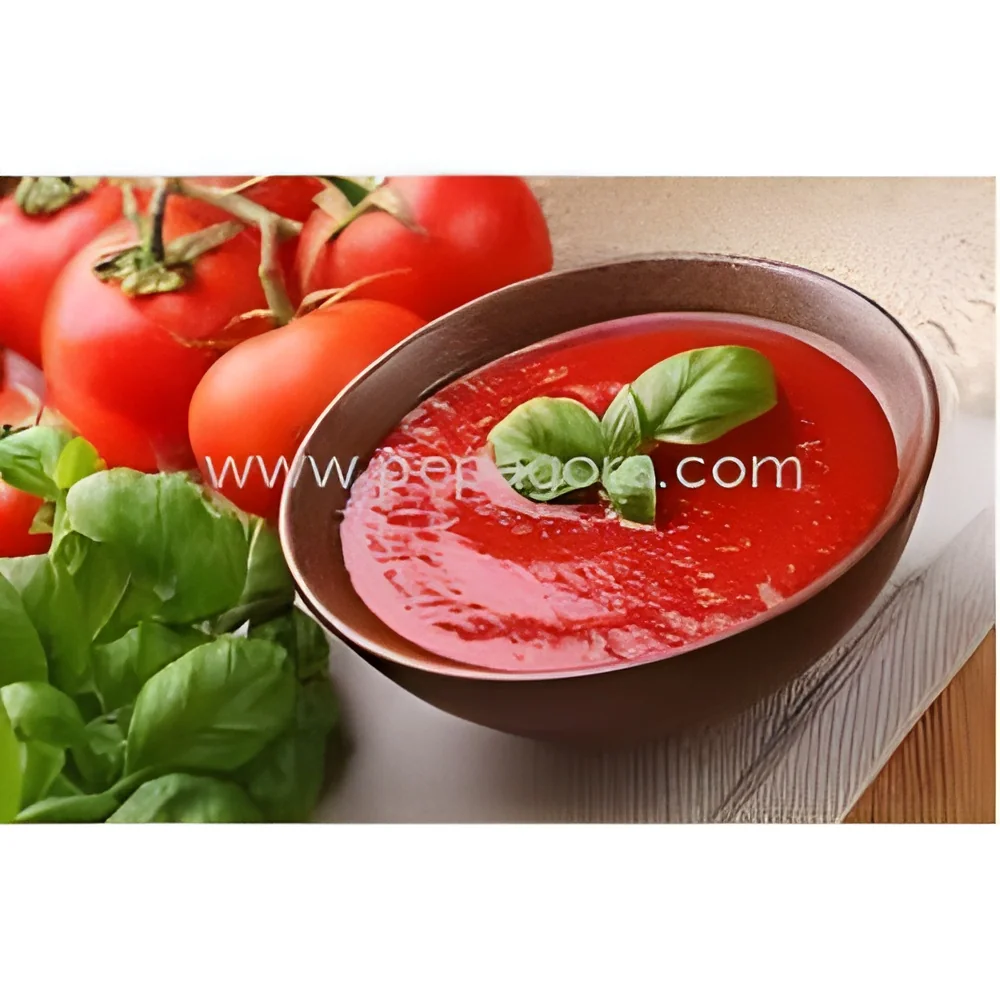
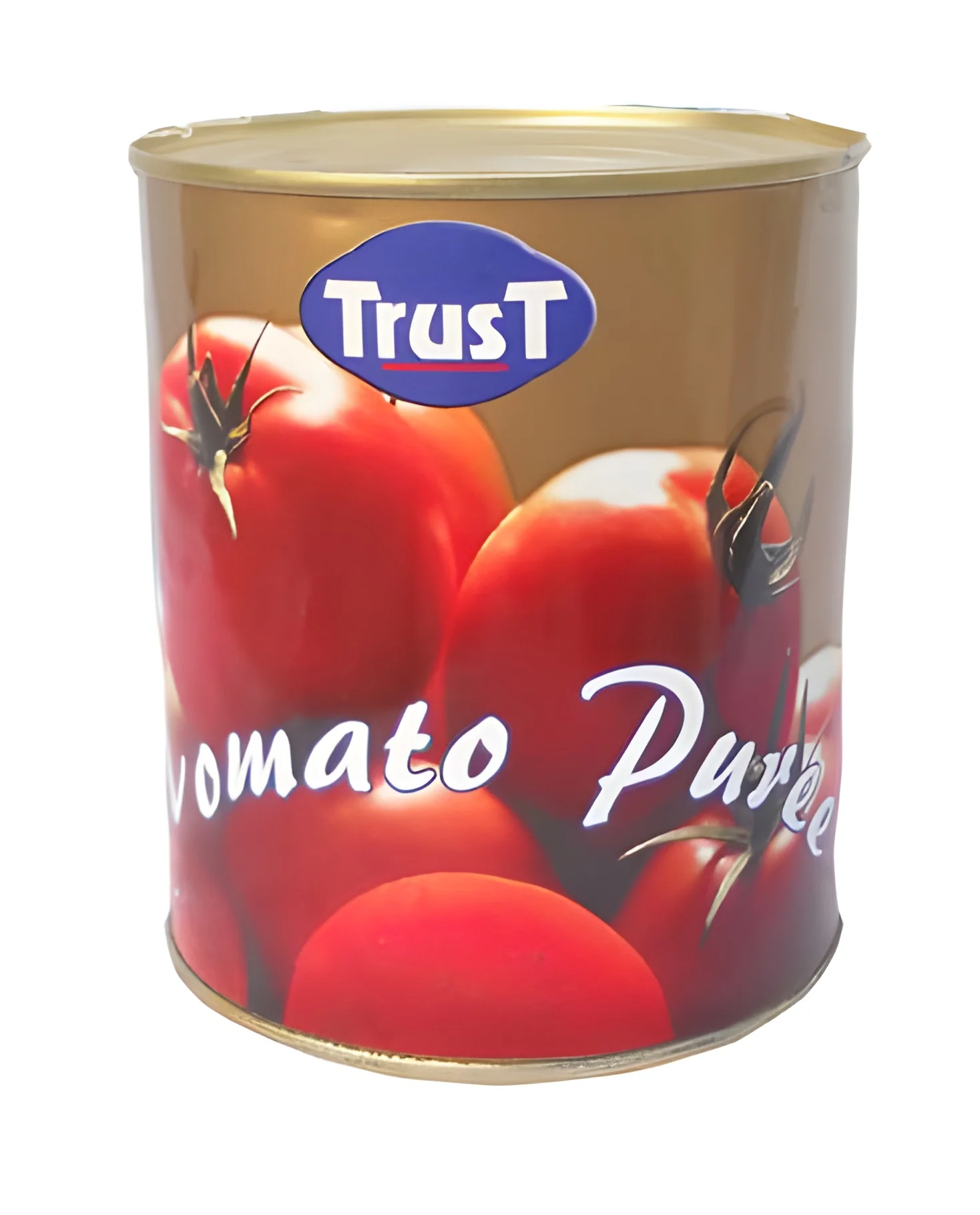
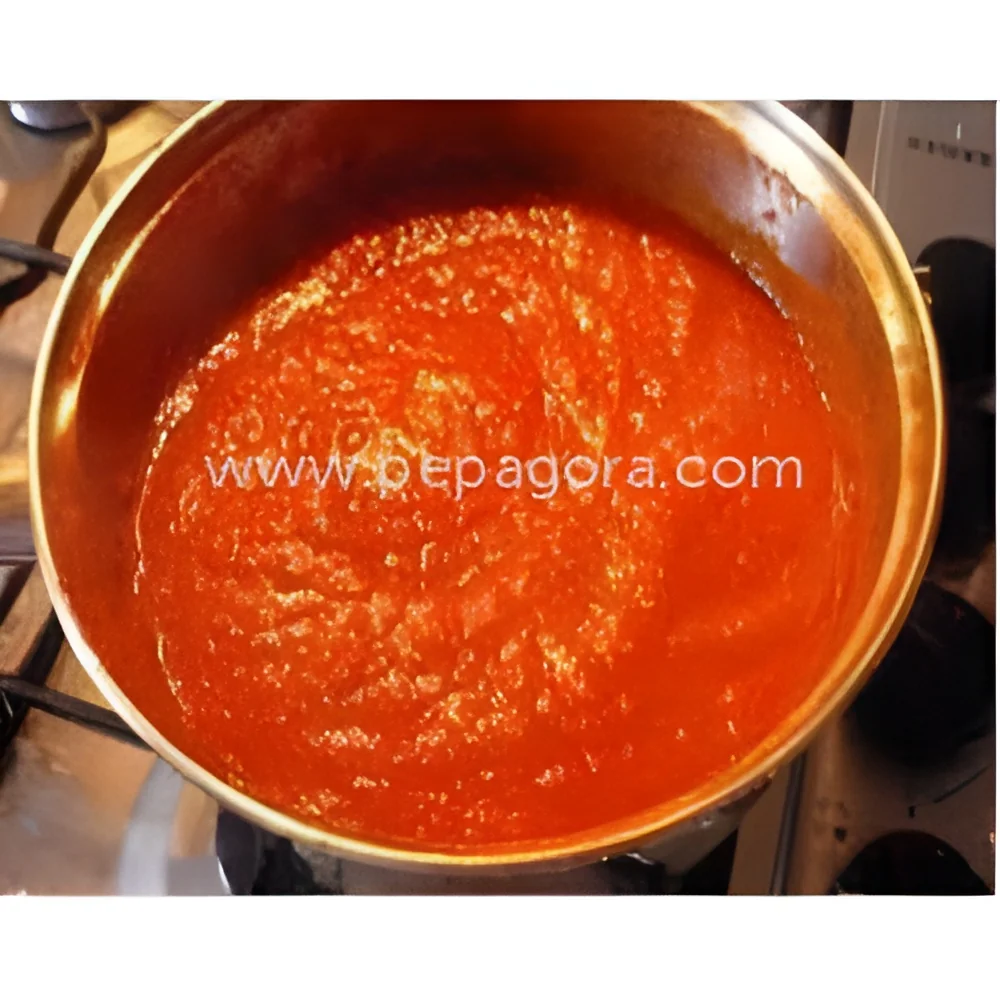
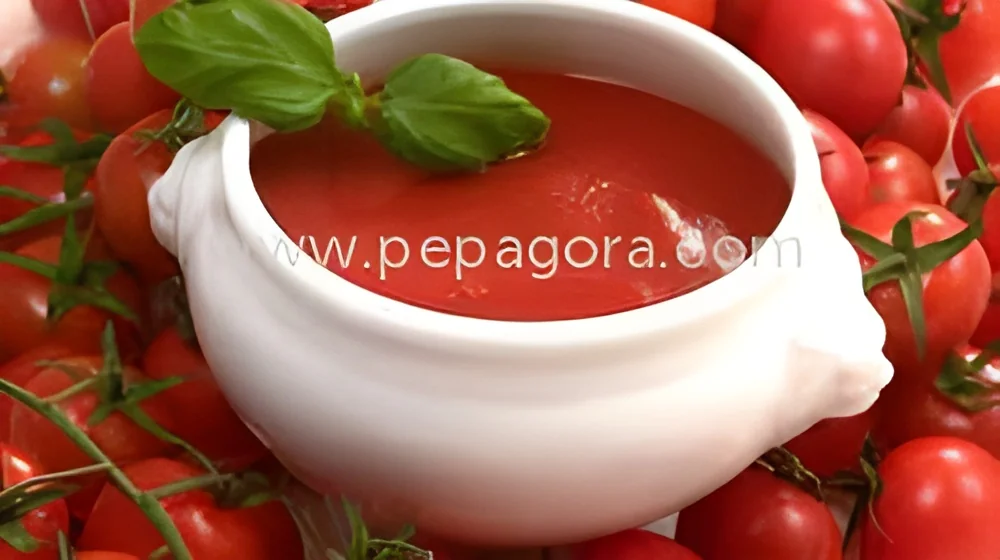
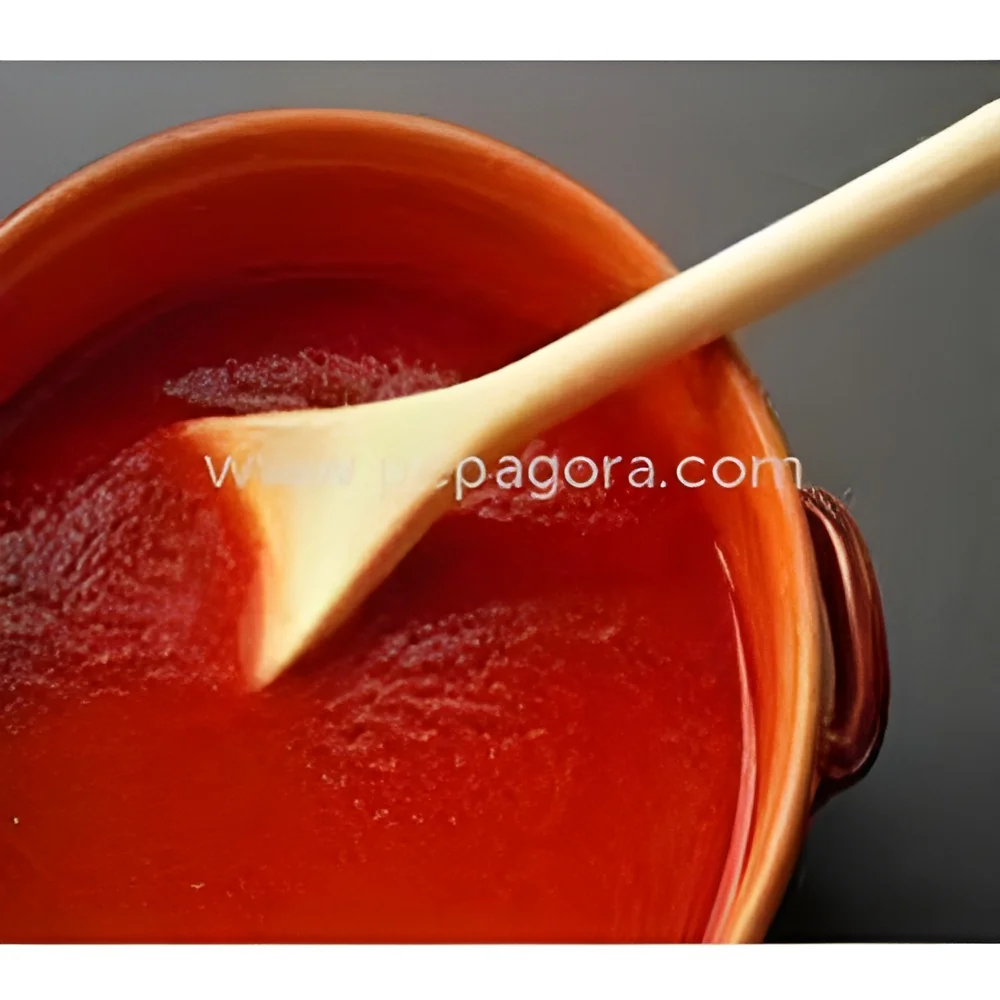
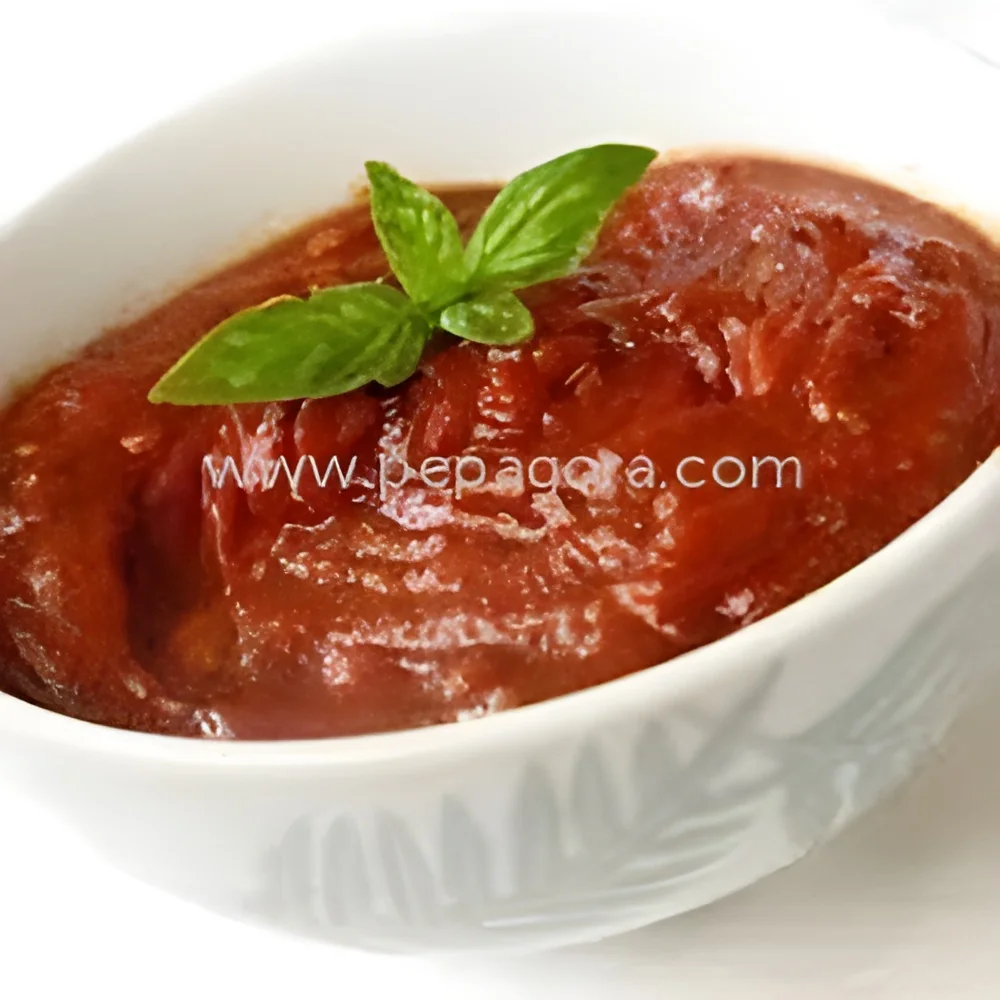
Tomato-Based Sauces: These sauces, including ketchup and marinara, are widely used in many cuisines and are popular for their versatility and flavor.
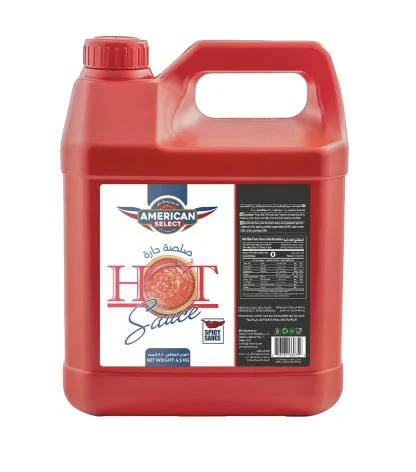
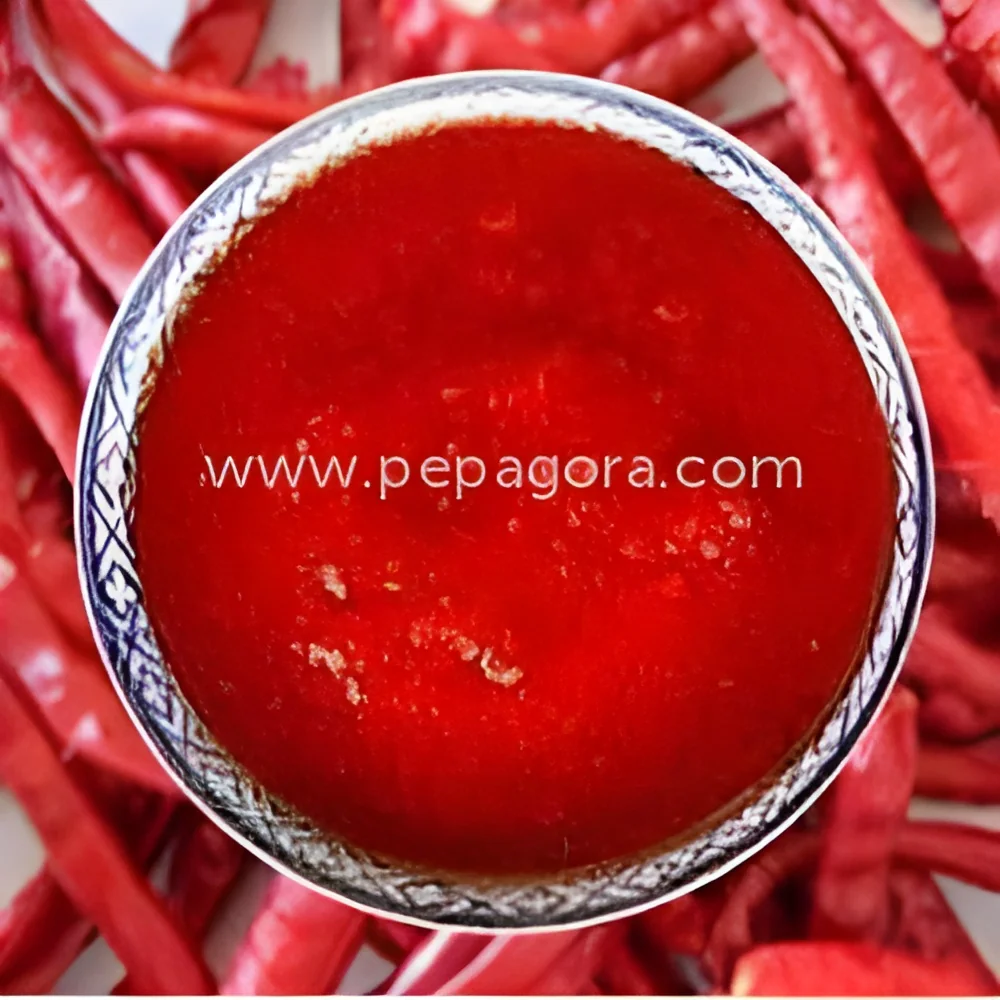
Spicy Sauces: Varieties such as sriracha and hot sauce appeal to consumers looking for an extra kick in their meals, often used in Asian and Mexican dishes.
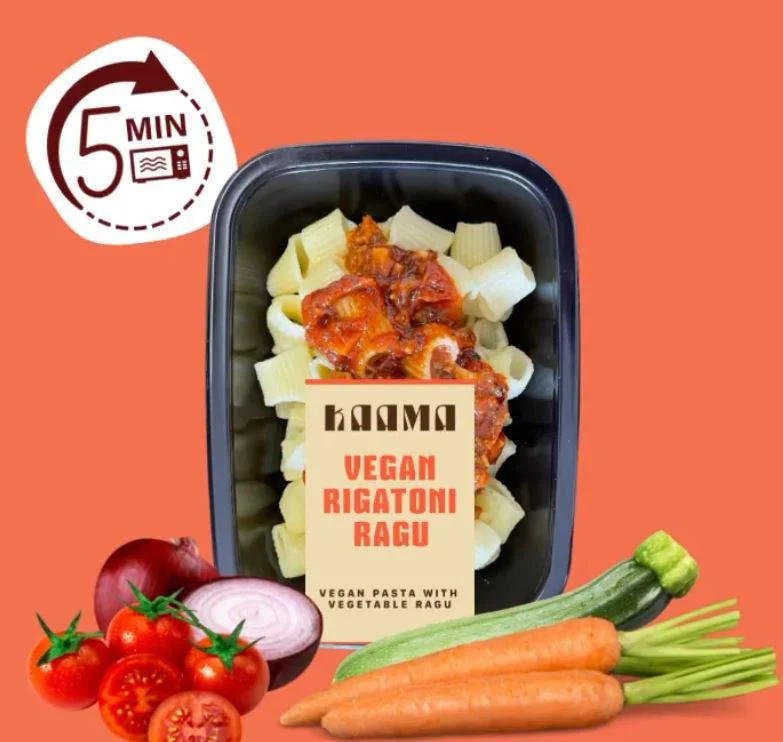
Vegan and Plant-Based Sauces: As plant-based diets gain popularity, sauces that cater to vegan consumers are increasingly in demand, offering alternatives to traditional products.
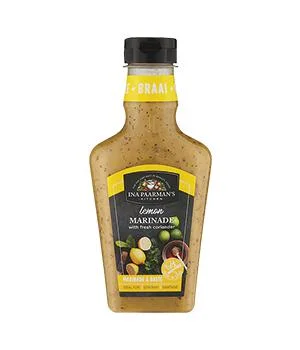
Dressings: Salad dressings, such as vinaigrettes and creamy dressings, are essential in both restaurants and retail, enhancing the taste of salads and cold dishes.
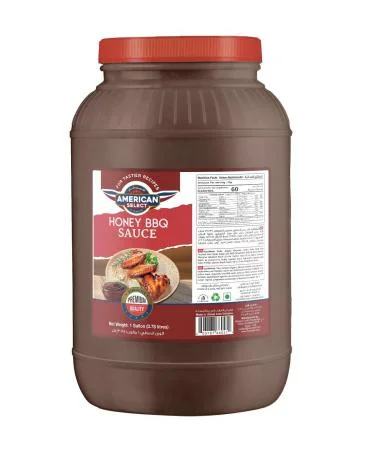
Barbecue Sauces: These sauces are popular in grilling and outdoor cooking, with a range of flavors from sweet to smoky, appealing to various consumer tastes.
𝗕𝗲𝗻𝗲𝗳𝗶𝘁𝘀 𝗮𝗻𝗱 𝗔𝗱𝘃𝗮𝗻𝘁𝗮𝗴𝗲𝘀
Choosing the right condiments and sauces provides several benefits for B2B buyers and their businesses.
1. Flavor Enhancement: These products significantly improve the taste of dishes, making them more appealing to customers.
2. Versatility: Condiments and sauces can be used across multiple dishes and cuisines, providing flexibility for menu development and food preparation.
3. Cost-Effectiveness: Utilizing condiments can enhance meals without significantly increasing food costs, optimizing profit margins for businesses.
4. Consumer Appeal: High-quality condiments and sauces can attract and retain customers, helping businesses meet evolving consumer preferences.
5. Customization Potential: Many suppliers offer the option to customize flavors and formulations, allowing businesses to differentiate their products.
6. Convenience: Ready-to-use condiments and sauces save time in food preparation, enabling staff to focus on other critical kitchen tasks.
𝗕𝘂𝘆𝗶𝗻𝗴 𝗚𝘂𝗶𝗱𝗲 𝗳𝗼𝗿 𝗕𝟮𝗕 𝗕𝘂𝘆𝗲𝗿𝘀
When sourcing condiments and sauces, B2B buyers should consider several critical factors to ensure they make informed purchasing decisions.
1. Quality Assessment: Evaluate products based on taste, texture, and consistency. Request samples to assess quality before placing large orders.
2. Supplier Verification: Vet suppliers to ensure they meet industry standards and have a track record of reliable delivery and product quality.
3. Pricing and MOQ: Understand pricing structures and minimum order quantities to align purchasing strategies with budgetary constraints.
4. Delivery and Lead Times: Confirm the supplier’s ability to meet delivery schedules and how lead times may affect your inventory management.
5. Compliance Requirements: Ensure that products meet local and international food safety regulations, as well as any specific certifications required for your market.
𝗖𝗼𝗺𝗽𝗹𝗶𝗮𝗻𝗰𝗲 𝗮𝗻𝗱 𝗖𝗲𝗿𝘁𝗶𝗳𝗶𝗰𝗮𝘁𝗶𝗼𝗻𝘀
In the condiment and sauce industry, compliance with relevant quality standards and certifications is crucial for ensuring product safety and marketability.
Many manufacturers adhere to ISO 9001 standards, which ensure consistent quality management systems are in place. This certification is a hallmark of quality assurance in food production.
HACCP (Hazard Analysis Critical Control Point) is another widely recognized standard that focuses on food safety and risk management throughout the production process.
Additionally, CE certification is often required for products sold in certain markets, ensuring they meet essential health and safety requirements.
Businesses must also consider safety testing requirements to ensure that products are free from contaminants and meet labeling regulations.
Regional compliance considerations can vary significantly, impacting how products are marketed and distributed across different geographies.
𝗪𝗵𝘆 𝗦𝗼𝘂𝗿𝗰𝗲 𝗖𝗼𝗻𝗱𝗶𝗺𝗲𝗻𝘁𝘀 & 𝗦𝗮𝘂𝗰𝗲𝘀 𝗳𝗿𝗼𝗺 𝗣𝗲𝗽𝗮𝗴𝗼𝗿𝗮?
Pepagora offers a trusted platform for sourcing condiments and sauces, providing several key advantages for B2B buyers.
Verified Supplier Network: Pepagora connects buyers with verified suppliers, ensuring that businesses can find reputable partners with a proven track record in quality and reliability.
Streamlined RFQ Process: The request for quotation system makes it easy for buyers to obtain competitive pricing and product details, simplifying the sourcing process.
Trade Assurance and Support: Buyers benefit from trade assurance programs that protect their purchases and provide support throughout the transaction, fostering confidence in their sourcing decisions.
Regional Coverage: With a strong presence in India, the GCC, and Southeast Asia, Pepagora offers extensive geographic reach, enabling businesses to source products tailored to their local markets.


































Frequently Asked Questions
What are Condiments & Sauces?
Condiments & Sauces are flavorful substances added to food to enhance its taste, texture, or appearance. Common examples include ketchup, mustard, mayonnaise, and various salad dressings. They play a crucial role in culinary practices across different cultures.
What are the different types of Condiments & Sauces?
There are several types of Condiments & Sauces, including sauces (like barbecue and teriyaki), dressings (such as vinaigrettes), dips (like hummus and salsa), and spreads (like pesto and aioli). Each category serves a unique purpose and flavor profile in various cuisines.
How do I choose the right Condiments & Sauces?
Choosing the right Condiments & Sauces depends on the dish you are preparing and your flavor preferences. Consider factors such as the primary ingredients, spice levels, and any dietary restrictions. Tasting samples can also help in making an informed decision.
What are the standard specifications for Condiments & Sauces?
Standard specifications for Condiments & Sauces often include parameters such as pH levels, viscosity, and ingredient quality. These specifications ensure product consistency and safety in consumption. It is essential to check compliance with local food safety regulations.
What is the price range for Condiments & Sauces?
The price range for Condiments & Sauces can vary widely based on factors like brand, quality, and packaging. Typically, prices can start from a few rupees for basic products and go up to several hundred rupees for premium or specialty items.
What quality standards apply to Condiments & Sauces?
Quality standards for Condiments & Sauces generally include adherence to food safety regulations, consistency in flavor and texture, and proper labeling. Certifications such as FSSAI in India ensure that products meet safety and quality benchmarks.
Where can I find Condiments & Sauces suppliers in India?
You can find Condiments & Sauces suppliers in India through various online B2B marketplaces like Pepagora, trade directories, and industry-specific trade shows. Networking within the food and beverage industry can also lead to reliable supplier contacts.
Can Condiments & Sauces be customized?
Yes, many manufacturers offer customization options for Condiments & Sauces to meet specific customer needs. This can include variations in flavor, packaging size, and ingredient substitutions. It's advisable to discuss customization options with suppliers directly.
What is the typical minimum order quantity for Condiments & Sauces?
The typical minimum order quantity (MOQ) for Condiments & Sauces varies by supplier and product type. Generally, it can range from a few dozen units to several hundred liters for bulk orders. Always confirm the MOQ with the supplier before placing an order.
What is the typical lead time for Condiments & Sauces?
The typical lead time for Condiments & Sauces can range from a few days to several weeks, depending on the supplier, order size, and product availability. It's important to communicate your requirements clearly and confirm the expected delivery timeline when placing an order.
Why Businesses Trust Pepagora
Thousands of companies trust Pepagora to source smarter and sell faster
Expand Your Sales Globally

Source Smarter,Grow Faster
