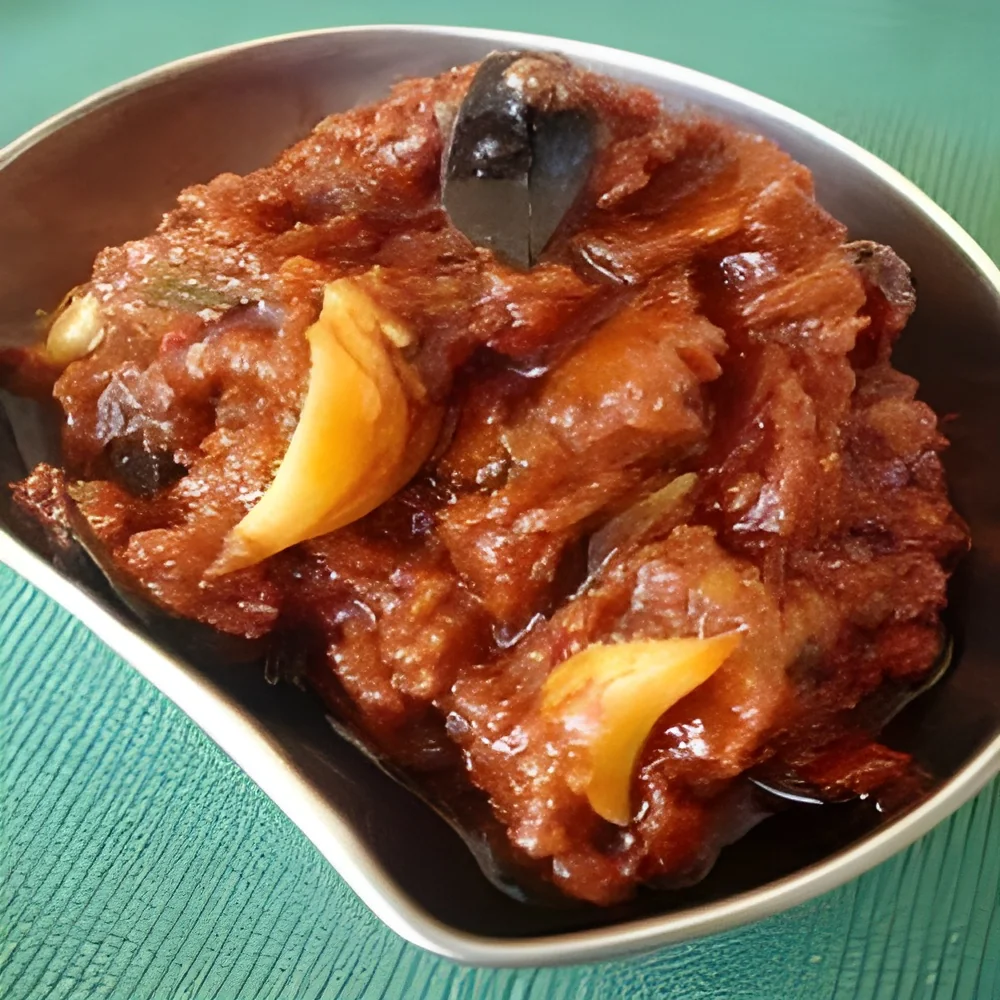
What are Mixed Vegetable Pickle?
Mixed vegetable pickle is a tangy and spicy condiment made from a variety of vegetables that have been preserved in a mixture of spices, vinegar, and oil. This traditional method of preservation enhances the flavor of the vegetables while extending their shelf life. Typically, a mixed vegetable pickle may include ingredients such as carrots, cauliflower, and green chilies, among others, providing a bold combination of textures and tastes.
In the B2B context, mixed vegetable pickles are primarily used in the food industry, especially in restaurants, catering services, and food manufacturing. These pickles can be served as accompaniments to main dishes, enhancing the overall flavor profile of meals. Additionally, they are often incorporated into various recipes, offering an extra layer of taste to sandwiches, salads, and rice dishes. The growing demand for ethnic and gourmet foods has further increased the significance of mixed vegetable pickles in the market.
The relevance of mixed vegetable pickles extends to various sectors including food processing, hospitality, and retail. As consumers seek more adventurous flavors and authentic culinary experiences, the market for pickled products is witnessing steady growth. Businesses that can provide high-quality mixed vegetable pickles stand to benefit from this trend, tapping into a niche that appeals to both local and international customers.
Key Features and Specifications
Mixed vegetable pickles are characterized by several key features that make them appealing to consumers and businesses alike. Understanding these specifications can help buyers make informed decisions.
Key specifications include:
1. Ingredients
- A blend of assorted vegetables such as carrots, cauliflower, and green chilies.
- Spices and preservatives to enhance flavor and ensure shelf stability.
2. Packaging
- Available in jars or pouches, with options for bulk packaging.
- Airtight seals to maintain freshness and prevent spoilage.
3. Shelf Life
- Typically lasts for several months to a year when stored properly.
- Storage conditions can influence longevity, with cooler temperatures extending shelf life.
4. Flavor Profile
- A balanced mix of tangy, spicy, and salty flavors.
- Customizable heat levels based on consumer preferences.
5. Nutritional Value
- Rich in vitamins and minerals due to the variety of vegetables used.
- Low in calories, making it a healthy condiment option.
6. Certification
- Compliance with food safety standards such as CE certification.
- Assurance of quality through adherence to industry norms.
7. Customization Options
- Ability to tailor recipes for specific markets or consumer tastes.
- Options for organic or non-GMO ingredients available.
In summary, the diversity of mixed vegetable pickles, along with their appealing features, makes them a valuable addition to various culinary applications.
Common Applications and Use Cases
Mixed vegetable pickles serve various industries and have multiple applications, making them versatile products.
1. Food Service Industry: Restaurants and catering services utilize mixed vegetable pickles as side dishes to enhance the flavor of main courses, particularly in ethnic cuisines.
2. Food Manufacturing: Processors incorporate mixed vegetable pickles into ready-to-eat meals, snacks, and other products, adding unique flavors to their offerings.
3. Retail Market: Supermarkets and specialty stores sell mixed vegetable pickles as gourmet condiments, appealing to consumers looking for bold flavors.
4. Export Markets: International buyers seek high-quality mixed vegetable pickles that cater to diverse culinary tastes, contributing to global trade.
5. Health Food Sector: Organic and health-focused brands create mixed vegetable pickles that emphasize natural ingredients and nutritional benefits.
6. Home Cooking: Home chefs use mixed vegetable pickles to enhance everyday meals, tapping into the trend of homemade and artisanal foods.
7. Food Pairing: Mixed vegetable pickles are often paired with various dishes, including sandwiches, curries, and rice, providing a complementary flavor balance.
Product Variants and Subcategories
Mixed vegetable pickles come in various forms, catering to different consumer preferences and market demands.
Spicy Mixed Vegetable Pickle
This variant is characterized by its bold heat and vibrant flavors. It typically includes extra spices and chilies, appealing to those who enjoy spicy foods.
Sweet Mixed Vegetable Pickle
Offering a milder flavor, this variant balances sweetness with tanginess. It is suitable for consumers who prefer a less intense taste experience.
Organic Mixed Vegetable Pickle
Made with certified organic vegetables and natural preservatives, this variant appeals to health-conscious consumers seeking clean-label products.
Gourmet Mixed Vegetable Pickle
Targeting upscale markets, this variant may include exotic spices and unique vegetable combinations, designed for gourmet food enthusiasts.
Benefits and Advantages
Mixed vegetable pickles offer numerous benefits to both businesses and consumers.
1. Enhanced Flavor: They provide a burst of flavor that can elevate a dish from ordinary to extraordinary.
2. Extended Shelf Life: The preservation process allows vegetables to be stored for long periods without losing quality.
3. Nutritional Benefits: Packed with vitamins and minerals, mixed vegetable pickles can contribute to a balanced diet.
4. Versatile Usage: They can be used in a variety of dishes, making them a staple in both home and professional kitchens.
5. Customization: Businesses can tailor pickles to meet specific dietary needs or flavor preferences, catering to diverse consumer tastes.
6. Cost-Effective: Mixed vegetable pickles can be a budget-friendly way to add variety and excitement to meals without significant cost.
Buying Guide for B2B Buyers
When sourcing mixed vegetable pickle, there are several factors to consider to ensure quality and suitability for your needs.
1. Quality Assessment: Evaluate the ingredients and preservation methods used. Look for products that use high-quality vegetables and natural preservatives to ensure a great taste and safety.
2. Supplier Verification: Research suppliers to confirm their reputation and reliability. Consider requesting samples and checking for certifications to ensure they meet industry standards.
3. Pricing and MOQ: Understand the pricing structure and minimum order quantities (MOQ) set by suppliers. This can help you manage your budget and ensure you order the right amount.
4. Delivery and Lead Times: Discuss logistics with suppliers to gauge delivery times. Ensure that they can meet your scheduling needs, especially if you are running a tight inventory.
5. Compliance Requirements: Familiarize yourself with local regulations and safety standards. Ensure that the products you are considering comply with these requirements to avoid potential issues.
Compliance and Certifications
Mixed vegetable pickles must adhere to various quality standards and certifications to ensure safety and consumer trust.
Relevant quality standards include ISO 9001, which emphasizes quality management systems, and HACCP, which focuses on food safety through hazard analysis and critical control points. Compliance with Good Distribution Practices (GDP) is also critical to ensuring that products are handled and stored correctly throughout the supply chain.
Industry certifications such as CE signify that the product meets European health, safety, and environmental protection standards. This can be particularly important for businesses looking to enter international markets.
Safety and testing requirements are essential to ensure that mixed vegetable pickles are free from harmful contaminants. Regular testing for microbial safety and chemical residues is vital.
Additionally, regional compliance considerations may vary based on local regulations. Understanding these requirements can help businesses navigate the complexities of sourcing and selling mixed vegetable pickles in different markets.
Why Source Mixed Vegetable Pickle from Pepagora?
Pepagora provides a trusted platform for sourcing mixed vegetable pickle, ensuring businesses have access to quality products through several key advantages.
Verified Supplier Network: Pepagora connects buyers with a network of verified suppliers, allowing businesses to find reliable partners for their sourcing needs. This reduces the risk associated with procurement.
Streamlined RFQ Process: The request for quotation (RFQ) system simplifies the process of obtaining quotes from multiple suppliers. This enables buyers to compare prices and terms efficiently.
Trade Assurance and Support: Pepagora offers trade assurance, providing buyers with protection during transactions. This adds a layer of security, ensuring peace of mind when sourcing products.
Regional Coverage: With a strong presence in India, the GCC, and Southeast Asia, Pepagora facilitates access to a diverse range of mixed vegetable pickles, catering to varied consumer preferences across these regions.

 IN
IN