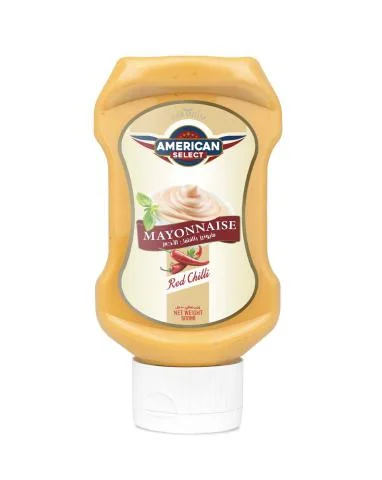
What are Mayonnaise (Plain, Garlic, Spicy)?
Mayonnaise is a thick, creamy condiment made primarily from egg yolks, oil, vinegar, and seasonings. It serves as a versatile base for various dressings and sauces and is known for its rich flavor and smooth texture. The three popular variants include Plain Mayonnaise, Garlic Mayonnaise, and Spicy Mayonnaise, each offering unique flavor profiles to enhance culinary creations.
In the food industry, mayonnaise is widely utilized in products such as sandwiches, salads, and dips. It acts as an emulsifier, binding ingredients together while adding moisture. Businesses in the food service, catering, and retail sectors frequently incorporate mayonnaise in their offerings, catering to consumer preferences for flavor and texture. The market for mayonnaise continues to grow, fueled by increasing demand for convenient and flavorful food options.
๐๐ฒ๐ ๐๐ฒ๐ฎ๐๐๐ฟ๐ฒ๐ ๐ฎ๐ป๐ฑ ๐ฆ๐ฝ๐ฒ๐ฐ๐ถ๐ณ๐ถ๐ฐ๐ฎ๐๐ถ๐ผ๐ป๐
Mayonnaise products come with distinct features and specifications that cater to diverse culinary needs. These specifications are crucial for businesses to ensure quality and consistency in their food offerings.
Key specifications include:
1. Flavor Profile
- Plain, Garlic, or Spicy
- Each variant provides a specific taste experience
2. Packaging Options
- Available in bulk containers or retail packs
- Sizes range from 1-liter jars to 20-liter food service containers
3. Shelf Life
- Typically ranges from 6 to 12 months
- Depends on storage conditions and packaging
4. Ingredients
- Made from high-quality oils, eggs, and vinegar
- No artificial preservatives in select variants
5. Nutritional Information
- Contains essential fats and calories
- Specifics vary by flavor variant
6. Customization Options
- Ability to create tailored blends for specific applications
- Available for businesses looking for unique flavors
7. Allergens
- Contains eggs and may include other allergens
- Important for labeling compliance
8. Certifications
- CE certification ensures compliance with safety standards
- Additional quality assurance measures may apply
In summary, mayonnaise products offer various specifications that cater to different market needs, ensuring businesses can find the right fit for their culinary applications.
๐๐ผ๐บ๐บ๐ผ๐ป ๐๐ฝ๐ฝ๐น๐ถ๐ฐ๐ฎ๐๐ถ๐ผ๐ป๐ ๐ฎ๐ป๐ฑ ๐จ๐๐ฒ ๐๐ฎ๐๐ฒ๐
Mayonnaise is a staple in many industries, each utilizing it in unique ways.
1. Food Service: Restaurants use mayonnaise in sandwiches, burgers, and salads, enhancing flavor and texture.
2. Catering: Caterers incorporate mayonnaise into dips and dressings, providing a creamy base for varied dishes.
3. Retail: Grocery stores sell mayonnaise in various sizes, catering to consumer demand for home cooking.
4. Food Manufacturing: Processors use mayonnaise as an ingredient in prepared foods, such as salads and spreads.
5. Hospitality: Hotels and event venues offer mayonnaise in buffet spreads, appealing to diverse tastes.
6. Meal Kits: Companies producing meal kits utilize mayonnaise as a key ingredient in sauces and dressings.
7. Food Trucks: Mobile food vendors often feature mayonnaise-based condiments in their menu items, enhancing flavor.
๐ฃ๐ฟ๐ผ๐ฑ๐๐ฐ๐ ๐ฉ๐ฎ๐ฟ๐ถ๐ฎ๐ป๐๐ ๐ฎ๐ป๐ฑ ๐ฆ๐๐ฏ๐ฐ๐ฎ๐๐ฒ๐ด๐ผ๐ฟ๐ถ๐ฒ๐
The diversity of mayonnaise products allows businesses to choose variants that best suit their needs.
Plain Mayonnaise
Plain mayonnaise is the classic variant known for its simple, creamy flavor. It serves as a versatile base for sauces and dressings, making it ideal for various culinary applications.
Garlic Mayonnaise
Garlic mayonnaise features a robust garlic flavor, perfect for adding a punch to sandwiches and dips. It is popular in Mediterranean cuisine and often used in gourmet dishes.
Spicy Mayonnaise
Spicy mayonnaise incorporates chili and spices for a zesty kick. It is commonly used in fusion dishes, seafood applications, and as a condiment for burgers and tacos.
๐๐ฒ๐ป๐ฒ๐ณ๐ถ๐๐ ๐ฎ๐ป๐ฑ ๐๐ฑ๐๐ฎ๐ป๐๐ฎ๐ด๐ฒ๐
Sourcing mayonnaise offers several advantages for businesses in the food industry.
1. Versatility: Mayonnaise can be used in countless recipes, making it a valuable ingredient in various culinary applications.
2. Flavor Enhancement: Each variant provides a distinct taste, allowing businesses to cater to diverse consumer preferences.
3. Ease of Use: Mayonnaise is ready to use and requires no additional preparation, saving time in food preparation.
4. Customization: Businesses can create unique blends to differentiate their offerings and meet specific customer demands.
5. Consistency: Quality mayonnaise ensures uniform flavor and texture across dishes, supporting brand reliability.
6. Quality Assurance: Sourcing from reputable suppliers ensures compliance with safety standards, providing peace of mind.
๐๐๐๐ถ๐ป๐ด ๐๐๐ถ๐ฑ๐ฒ ๐ณ๐ผ๐ฟ ๐๐ฎ๐ ๐๐๐๐ฒ๐ฟ๐
When sourcing mayonnaise, several factors should be considered to ensure quality and reliability.
1. Quality Assessment: Look for mayonnaise with high-quality ingredients and favorable nutritional profiles. Conduct taste tests to ensure the flavor meets your standards.
2. Supplier Verification: Vet suppliers by checking their certifications and industry reputation. Ensure they follow good manufacturing practices and can provide product samples.
3. Pricing and MOQ: Understand the pricing structure and minimum order quantities (MOQ) to ensure they align with your budget and needs.
4. Delivery and Lead Times: Confirm delivery schedules and lead times to avoid supply chain disruptions. Timely delivery is critical for maintaining inventory levels.
5. Compliance Requirements: Ensure that the product meets local and international regulatory standards. This includes food safety regulations and labeling requirements.
๐๐ผ๐บ๐ฝ๐น๐ถ๐ฎ๐ป๐ฐ๐ฒ ๐ฎ๐ป๐ฑ ๐๐ฒ๐ฟ๐๐ถ๐ณ๐ถ๐ฐ๐ฎ๐๐ถ๐ผ๐ป๐
Mayonnaise products must adhere to various quality standards and certifications to ensure safety and quality in the food industry.
Relevant quality standards include ISO 9001, which ensures effective quality management systems are in place. Additionally, HACCP (Hazard Analysis Critical Control Point) is critical for identifying and managing food safety risks during production.
Industry certifications, such as CE, signify that the product meets the necessary safety and health requirements. Companies should also consider safety and testing requirements, ensuring that the mayonnaise is free from harmful contaminants.
Regional compliance considerations are essential for businesses operating in different markets. Understanding local regulations regarding food safety, labeling, and ingredient sourcing is crucial for compliance.
Why Source Mayonnaise (Plain, Garlic, Spicy) from Pepagora?
Pepagora offers a reliable platform for sourcing mayonnaise, providing businesses with several key advantages.
Verified Supplier Network: Pepagora connects buyers with a network of verified suppliers. This ensures that businesses can source high-quality mayonnaise from reputable manufacturers.
Streamlined RFQ Process: The platform simplifies the request for quotation (RFQ) process, allowing buyers to easily compare offers and make informed decisions.
Trade Assurance and Support: With trade assurance, buyers are protected against potential risks in transactions. Pepagora provides support to facilitate smooth procurement processes.
Regional Coverage: Pepagora has a strong presence in India, the GCC, and Southeast Asia, ensuring businesses can access mayonnaise products tailored to their regional markets.