What are Hot Sauce / Chili Sauce?
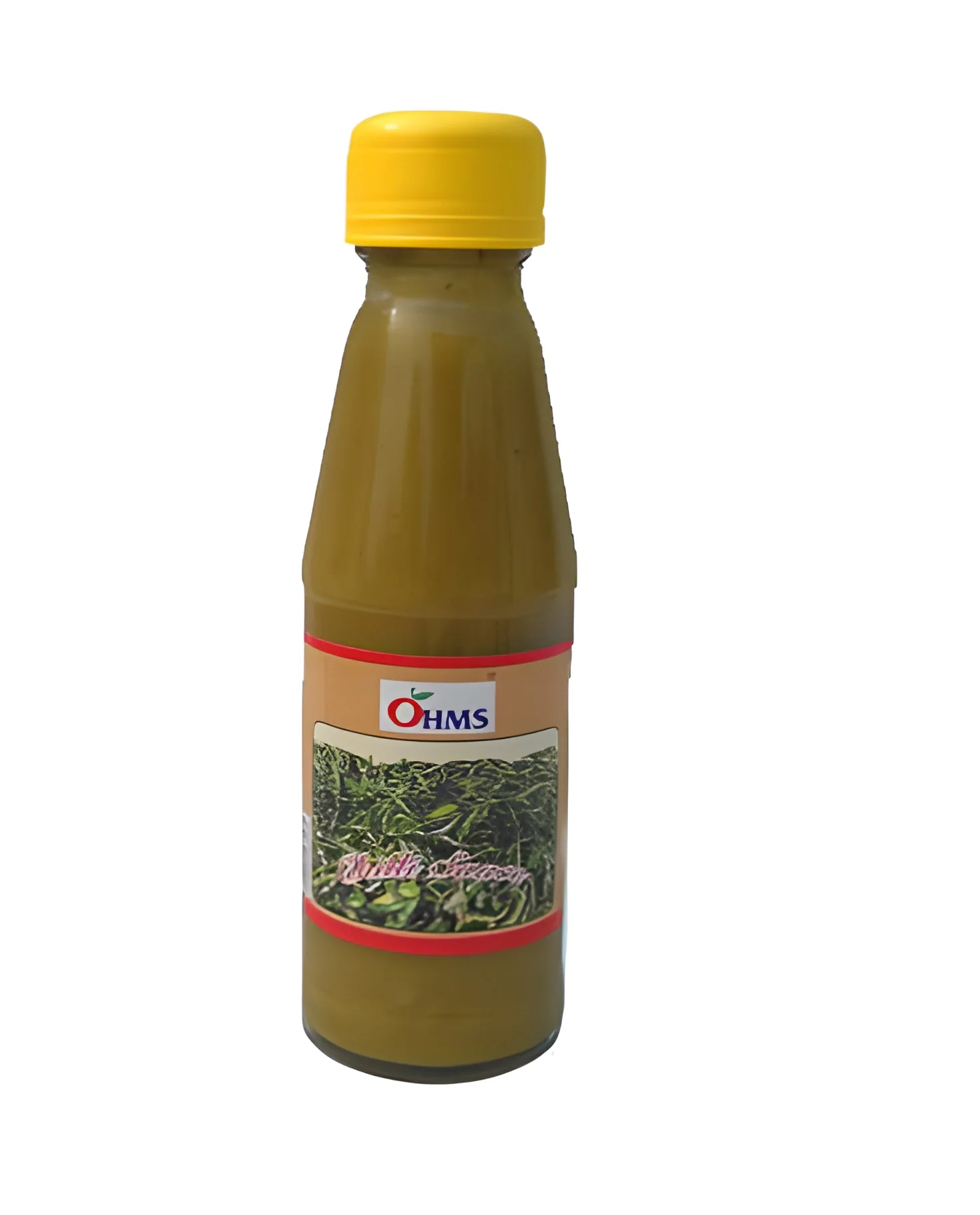
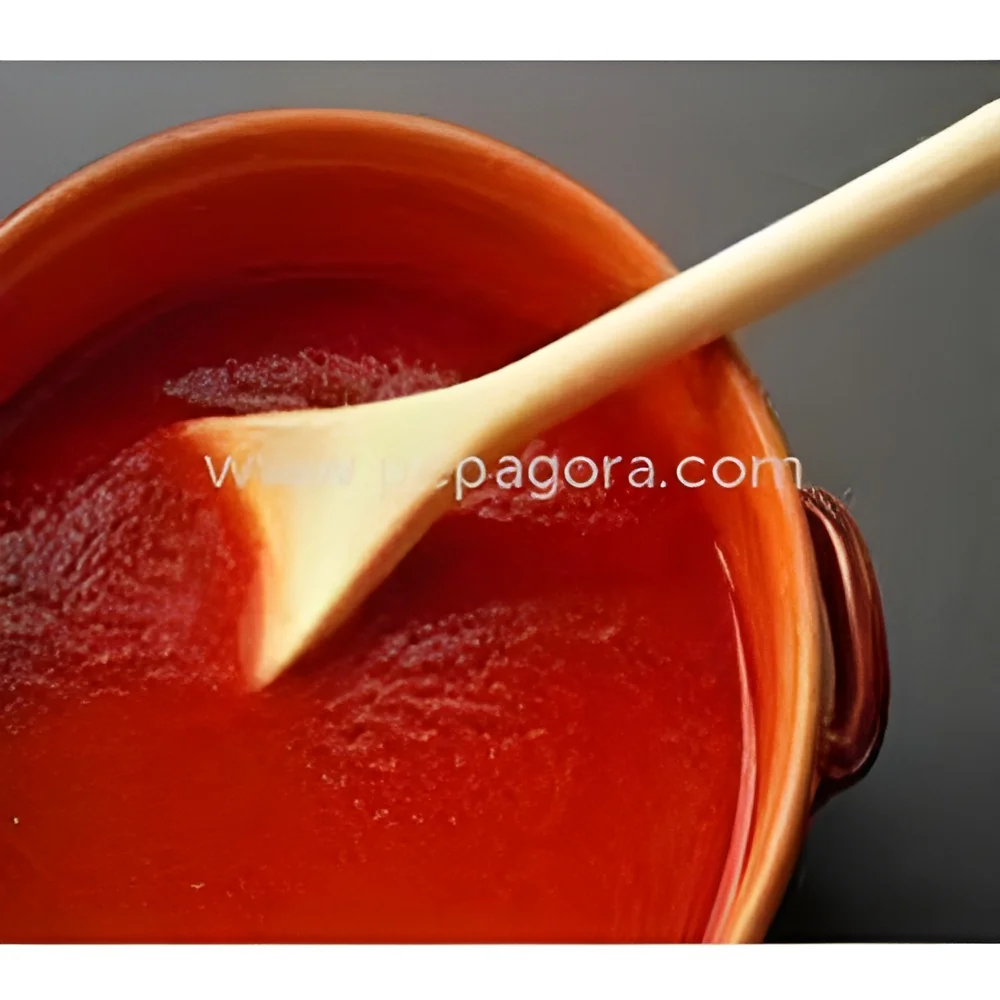
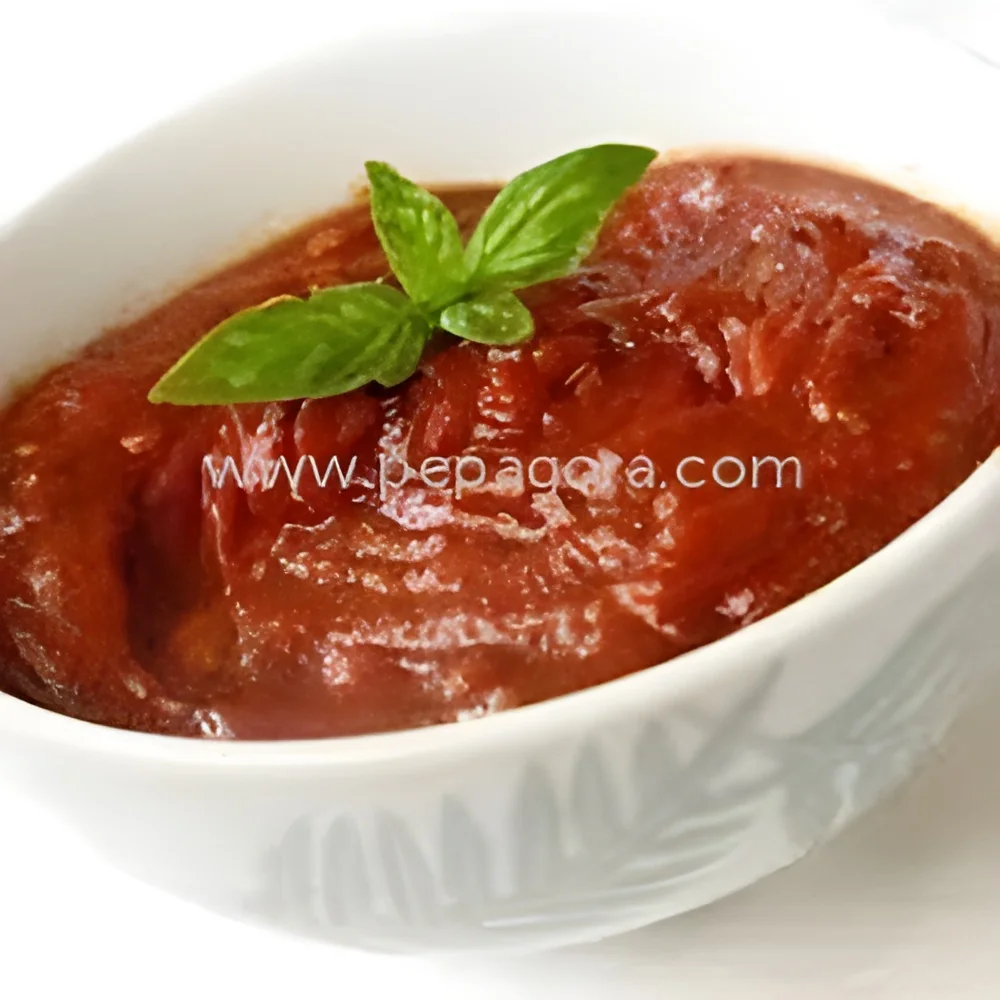
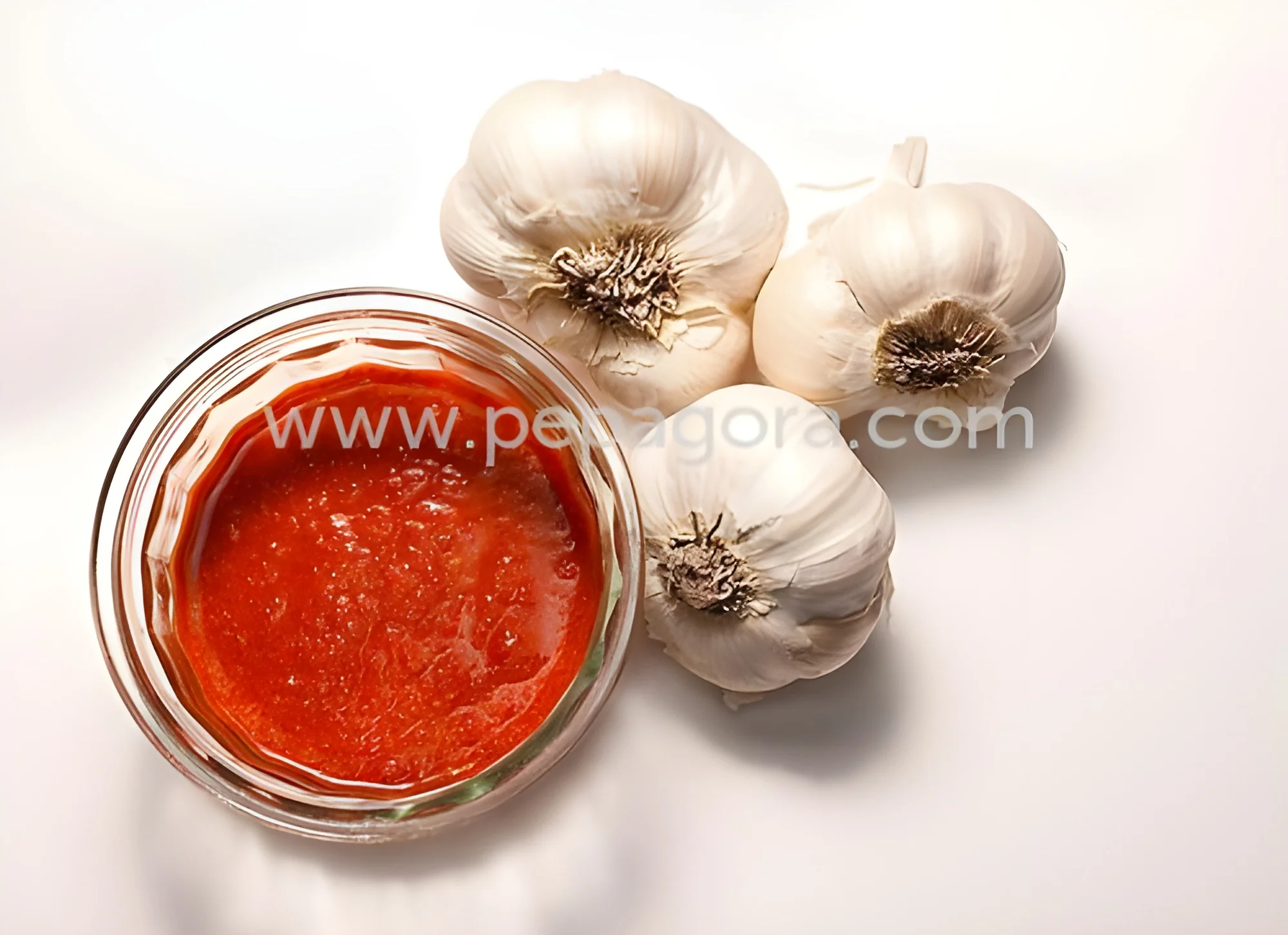
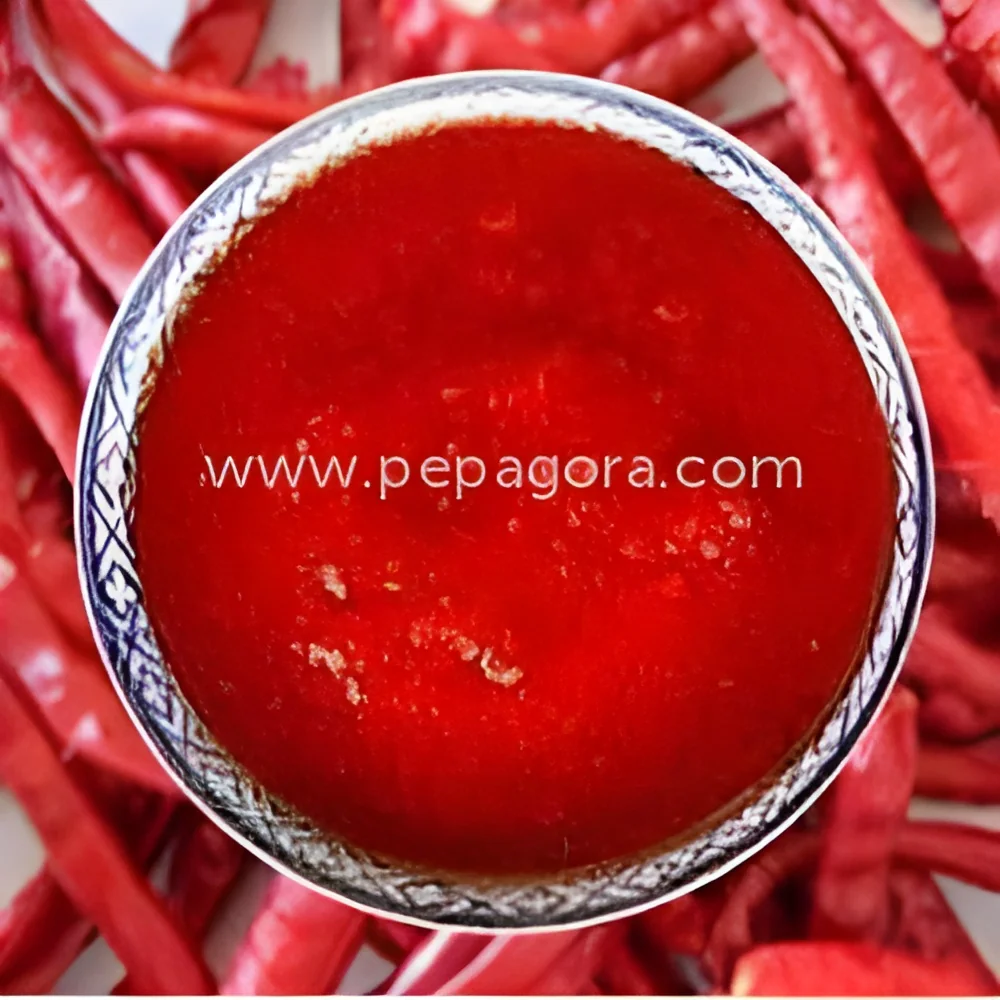
Hot sauce, also known as chili sauce, is a condiment made from chili peppers and other ingredients such as vinegar, salt, and spices. It varies in heat levels, flavors, and formulations, making it a versatile addition to many dishes. The primary component, chili peppers, provides a range of flavors from mild to extremely hot, catering to diverse culinary preferences.
In business applications, hot sauce is utilized in the food industry, particularly in restaurants, catering services, and food processing. It can enhance the taste of various dishes, from traditional meals to modern culinary creations. Additionally, hot sauce has gained popularity in retail, with many consumers seeking unique flavors for home cooking or as gifts.
The hot sauce market has experienced significant growth due to increasing consumer interest in spicy foods and global cuisines. Many businesses are innovating with unique recipes and ingredients, contributing to a competitive landscape. This growth is supported by rising demand for spicy flavor profiles in both domestic and international markets.
Key Features and Specifications
Hot sauce products come with a variety of features and specifications that cater to different needs and preferences. Understanding these specifications is crucial for making informed purchasing decisions.
Key specifications include:
1. Heat Level
- Measured in Scoville Heat Units (SHU)
- Ranges from mild (under 1,000 SHU) to extremely hot (over 1,000,000 SHU)
2. Ingredients
- Common ingredients include chili peppers, vinegar, salt, and spices
- Some brands offer organic or all-natural options
3. Packaging
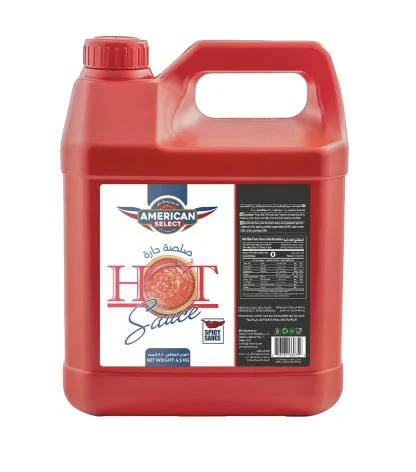
- Available in various sizes, from small bottles to bulk containers
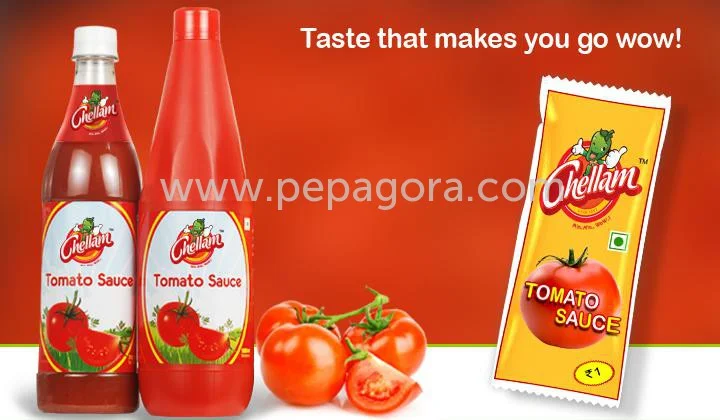
- Packaging options may include glass bottles, plastic squeeze bottles, or pouches
4. Shelf Life
- Typically ranges from 1 to 3 years depending on ingredients and preservation methods
- Proper storage can extend shelf life
5. Flavor Profiles
- Varieties include smoky, fruity, tangy, or garlic-infused flavors
- Some hot sauces may include additional spices or herbs for complexity
6. Nutritional Information
- Low-calorie options are available
- Check for sodium content and other dietary information
7. Certifications
- May include certifications such as CE for quality assurance
- Relevant for compliance with food safety standards
8. Customization Options
- Some suppliers may offer the ability to customize heat levels or flavor combinations
- Important for businesses seeking unique product offerings
In summary, understanding these specifications can help businesses select the right hot sauce to meet their specific culinary needs.
Common Applications and Use Cases
Hot sauce serves various industries, making it a valuable product for many business applications.
1. Food Service Industry: Restaurants and cafes utilize hot sauce to enhance menu items, create signature dishes, and provide customers with customizable spice options.
2. Food Manufacturing: Food processors incorporate hot sauce into pre-packaged meals, sauces, and condiments to appeal to consumers seeking bold flavors.
3. Retail: Grocery stores and specialty shops offer an array of hot sauces to cater to consumer demand for diverse and unique flavor profiles.
4. Catering Services: Catering businesses use hot sauce to add flavor to a variety of dishes, from appetizers to main courses, appealing to clients looking for spicy options.
5. International Cuisine: Ethnic restaurants use hot sauce as an essential ingredient in traditional dishes, emphasizing authenticity and cultural diversity in their offerings.
6. Home Cooking: Many consumers use hot sauce as a staple in their kitchens for everyday cooking, enhancing the flavor of meals and snacks.
7. Food Styling and Photography: Hot sauce is often used in food styling to add color and visual appeal to dishes presented in media and advertising.
Product Variants and Subcategories
The diversity of hot sauce products allows for a wide range of options to fit different tastes and applications.
Classic Hot Sauce: This variant typically features a straightforward blend of chili peppers, vinegar, and salt. It is versatile and can be used in various dishes or as a table condiment.
Gourmet Hot Sauce: This variant includes unique ingredients and flavor combinations, such as fruits, herbs, and spices. It aims to provide a more refined taste experience and is often marketed as a premium product.
Salsa: While technically different from hot sauce, salsa often contains similar ingredients and can range in heat levels. It is popular as a dip or condiment.
Chipotle Sauce: This variant uses smoked jalapeño peppers, providing a rich and smoky flavor. It is ideal for marinades, BBQ, and Mexican dishes.
Extra Hot Sauce: Designed for heat enthusiasts, this variant features extremely hot peppers and high Scoville ratings, aimed at those seeking intense spice.
Benefits and Advantages
Hot sauce offers several key benefits that make it appealing to consumers and businesses alike.
1. Flavor Enhancement: Hot sauce adds depth and complexity to dishes, elevating their overall taste profile and making meals more enjoyable.
2. Versatility: It can be used in a wide variety of culinary applications, from marinades to dressings, making it suitable for numerous cuisines.
3. Consumer Demand: As interest in spicy foods continues to grow, businesses can leverage hot sauce offerings to attract and retain customers.
4. Customization: Many suppliers offer options for custom flavors and formulations, allowing businesses to create unique products that stand out in the market.
5. Health Perceptions: Some consumers perceive hot sauce as a healthier alternative to other condiments, as it often contains fewer calories and no added sugars.
6. Cultural Relevance: Hot sauce is often associated with cultural cuisines, allowing businesses to connect with diverse customer bases and promote authenticity.
Buying Guide for B2B Buyers
When sourcing hot sauce, there are critical factors to consider to ensure quality and reliability.
1. Quality Assessment: Evaluate the quality of the product based on ingredients, flavor, and consistency. Request samples to assess taste and performance in culinary applications.
2. Supplier Verification: Vet potential suppliers by checking their reputation, certifications, and customer reviews. Ensure they comply with food safety standards and regulations.
3. Pricing and MOQ: Understand pricing structures, including volume discounts and minimum order quantities. Compare offers from different suppliers to find the best value.
4. Delivery and Lead Times: Consider logistics and shipping options. Ensure suppliers can meet your delivery timelines and have reliable methods for transporting perishable goods.
5. Compliance Requirements: Verify that products meet necessary regulatory standards, including labeling and safety requirements. Compliance with local and international standards is essential for market access.
Compliance and Certifications
Hot sauce products must adhere to various quality standards and certifications to ensure safety and reliability.
Relevant quality standards include ISO 9001, which outlines requirements for a quality management system, and HACCP, focusing on food safety management. These standards help ensure that products are consistently produced and controlled according to quality standards.
Certifications such as CE indicate compliance with European health and safety regulations, providing assurance to buyers regarding product quality and safety.
Safety and testing requirements are essential in the food industry, with products undergoing rigorous testing for contaminants and quality assurance. Businesses should also be aware of regional compliance considerations, as different markets may have specific regulations regarding food products.
Why Source Hot Sauce / Chili Sauce from Pepagora?
Pepagora provides a trusted platform for sourcing hot sauce and chili sauce, offering several key advantages that benefit B2B buyers.
Verified Supplier Network: Pepagora connects businesses with a network of verified suppliers, ensuring the authenticity and quality of products. This reduces the risk associated with sourcing from unknown vendors.
Streamlined RFQ Process: The platform simplifies the request for quotation (RFQ) process, allowing buyers to obtain multiple quotes quickly. This efficiency helps businesses make informed decisions while saving time.
Trade Assurance and Support: Pepagora offers buyer protection features, ensuring that transactions are secure and that buyers receive the quality products they expect. Support services are available to assist with any concerns or issues.
Regional Coverage: With a strong presence in regions like India, the GCC, and Southeast Asia, Pepagora facilitates sourcing for businesses looking to expand their reach or find local suppliers. This geographic diversity allows buyers to tap into various markets and trends.

 IN
IN