
 IN
Vegan Sauces & Dressings
3 products available
What are Vegan Sauces & Dressings?
Vegan sauces and dressings are plant-based condiments crafted without any animal-derived ingredients. These products are typically made from a variety of plants, seeds, nuts, and spices, creating flavors that enhance dishes while adhering to vegan dietary requirements. The popularity of vegan sauces and dressings has surged in response to the increasing demand for healthier, plant-based food options among consumers.
These sauces and dressings serve numerous purposes in both commercial and industrial kitchens. They are used to add flavor to salads, marinades, pasta, and a wide range of dishes, offering versatility to chefs and food service operators. The growing trend towards veganism and vegetarianism has made these products relevant in markets where health and sustainability are prioritized. Businesses in food service, catering, and retail are increasingly incorporating vegan sauces and dressings into their offerings to meet consumer preferences and dietary needs.
Key Features and Specifications
Vegan sauces and dressings vary widely in their formulations and applications, catering to diverse culinary needs. Key specifications to consider when evaluating these products include:
1. Flavor Profiles
- Range of flavors such as creamy, tangy, spicy, and sweet
- Ability to enhance various dishes from salads to main courses
2. Ingredient Quality
- Use of organic, non-GMO, and locally sourced ingredients
- Free from artificial additives and preservatives
3. Shelf Life
- Typically ranges from 6 months to 1 year when unopened
- Must be refrigerated after opening for optimal freshness
4. Packaging Options
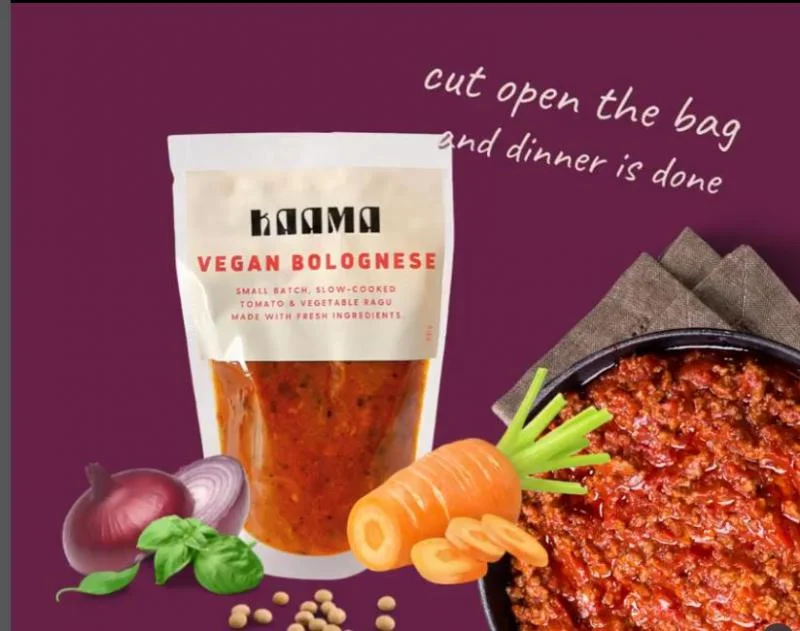
- Available in bulk sizes, retail bottles, and pouches
- Eco-friendly packaging options to appeal to environmentally conscious consumers
5. Nutritional Information
- Low in calories and fat, high in nutrients
- Gluten-free and allergen-friendly options available
6. Customization Options
- Ability to create unique flavors or formulations to meet specific business needs
- Possibility for private labeling for branding purposes
In summary, vegan sauces and dressings are characterized by their plant-based ingredients, diverse flavors, and potential for customization, making them a valuable addition to any food service operation.
Common Applications and Use Cases
Vegan sauces and dressings find extensive use across various industries, enhancing the flavor profiles of dishes while adhering to plant-based diets.
1. Food Service: Restaurants and cafes use vegan sauces and dressings to create flavorful dishes that cater to vegan and vegetarian customers, enhancing their menu offerings.
2. Catering: Catering companies incorporate these products into their presentations, providing clients with gourmet plant-based options for events and celebrations.
3. Retail: Grocery stores and health food stores stock vegan sauces and dressings to meet the demand from health-conscious consumers looking for convenient and tasty additions to their meals.
4. Meal Kits: Companies producing meal kits utilize vegan sauces and dressings to provide easy-to-use flavor enhancers, attracting customers seeking quick and nutritious meal solutions.
5. Food Manufacturing: Manufacturers of plant-based products incorporate vegan sauces and dressings into their formulations to improve taste and texture, appealing to a wider audience.
6. Snack Foods: Vegan dressings are often used in dips or as flavoring agents in vegan snack products, enhancing their appeal to health-focused consumers.
Product Variants and Subcategories
Vegan sauces and dressings come in a range of variants to cater to different taste preferences and culinary applications.
Creamy Vegan Dressing
This variant is often made from blended nuts or seeds, providing a rich and smooth texture. It can be used as a salad dressing or a dip, and is popular for its versatility in various dishes.
Spicy Vegan Sauce
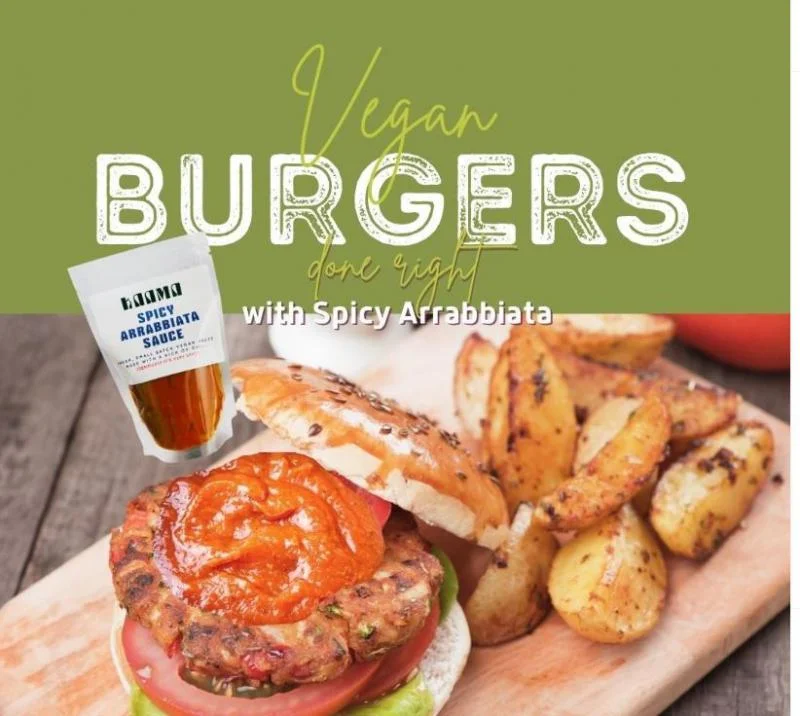
Featuring bold flavors from ingredients like chili, garlic, and herbs, this sauce is perfect for adding heat to dishes such as tacos, stir-fries, and grilled vegetables.
Tangy Vinaigrette
A classic choice for salads, this dressing combines vinegar and plant oils, offering a light and zesty flavor that complements a variety of greens and vegetables.
Herbed Vegan Dressing
Infused with a blend of fresh or dried herbs, this dressing enhances the flavor of salads and roasted vegetables, appealing to consumers looking for fresh, vibrant tastes.
Benefits and Advantages
Vegan sauces and dressings offer numerous benefits for both consumers and businesses.
1. Health Benefits: These products are often lower in calories and fat compared to traditional sauces, making them a healthier choice for consumers.
2. Dietary Inclusivity: Vegan sauces and dressings cater to a wide range of dietary needs, including vegan, vegetarian, gluten-free, and allergen-sensitive diets.
3. Flavor Enhancement: They provide a rich depth of flavor to dishes, making meals more enjoyable for customers and improving overall dining experiences.
4. Sustainability: Many vegan sauces and dressings are produced with sustainable practices, appealing to environmentally conscious consumers and businesses.
5. Versatility: Their diverse flavor profiles allow for a wide range of culinary applications, making them suitable for various cuisines and meal types.
6. Convenience: Pre-made sauces and dressings save time for both chefs and home cooks looking for quick and easy flavor solutions.
Buying Guide for B2B Buyers
When sourcing vegan sauces and dressings for your business, consider the following factors to ensure the best quality and value.
1. Quality Assessment: Evaluate the ingredient list to ensure the absence of artificial additives and preservatives. Consider organic and non-GMO certifications for a higher quality product.
2. Supplier Verification: Vet potential suppliers for their reliability and reputation. Look for reviews, certifications, and the ability to meet your specific needs.
3. Pricing and MOQ: Compare pricing among different suppliers and understand the minimum order quantities required. This will help you determine the most cost-effective options for your business.
4. Delivery and Lead Times: Discuss logistics and delivery timelines with suppliers to ensure that you can meet your operational needs without delays.
5. Compliance Requirements: Verify that suppliers adhere to relevant food safety regulations and certifications, such as CE certification, to ensure the quality and safety of the products.
Compliance and Certifications
Compliance and certifications are critical in ensuring the quality and safety of vegan sauces and dressings. Relevant quality standards such as ISO 9001 and HACCP help businesses maintain high manufacturing practices and food safety protocols. Adhering to these standards ensures that products are consistently safe for consumption.
Additionally, various industry certifications, including CE certification, indicate compliance with European health and safety regulations. These certifications enhance the credibility of suppliers and the products they offer.
Safety and testing requirements are essential in maintaining product integrity. Regular testing for allergens and contaminants is necessary to protect consumers and meet regulatory standards. Businesses should also consider regional compliance, as regulations may vary significantly between markets.
Why Source Vegan Sauces & Dressings from Pepagora?
Pepagora offers a reliable platform for sourcing vegan sauces and dressings, providing several key advantages to B2B buyers.
Verified Supplier Network: Pepagora ensures that all suppliers are thoroughly vetted for reliability and product quality. This reduces the risk associated with sourcing and provides buyers with peace of mind.
Streamlined RFQ Process: The request for quotation process on Pepagora is designed to be user-friendly, allowing buyers to receive competitive quotes from multiple suppliers quickly. This efficiency saves time and helps businesses secure the best deals.
Trade Assurance and Support: Pepagora offers trade assurance that protects buyers against potential issues, ensuring smooth transactions and support throughout the sourcing process.
Regional Coverage: With a geographic focus on markets such as India, GCC, and Southeast Asia, Pepagora provides broad access to quality vegan sauces and dressings tailored to meet local tastes and preferences.

Frequently Asked Questions
What are Vegan Sauces & Dressings?
Vegan sauces and dressings are condiments made entirely from plant-based ingredients, free from any animal products. They are often used to enhance the flavor of dishes, salads, and sandwiches while catering to vegan diets.
What are the different types of Vegan Sauces & Dressings?
There are various types of vegan sauces and dressings, including vinaigrettes, creamy dressings made from cashews or tofu, marinades, and dipping sauces. Popular examples include tahini sauce, balsamic vinaigrette, and ranch dressing made with plant-based ingredients.
How do I choose the right Vegan Sauces & Dressings?
When selecting vegan sauces and dressings, consider the flavor profiles that complement your dishes, as well as any dietary restrictions. It's also important to check the ingredient list for allergens and additives, ensuring they align with your health preferences.
What are the standard specifications for Vegan Sauces & Dressings?
Standard specifications for vegan sauces and dressings include ingredient quality, pH levels, and shelf life. Additionally, they should be free from artificial preservatives and meet food safety regulations applicable in the region.
What is the price range for Vegan Sauces & Dressings?
The price range for vegan sauces and dressings can vary widely based on brand, ingredients, and packaging. Typically, prices can range from INR 100 to INR 1000 per unit, depending on the quality and type of product.
What quality standards apply to Vegan Sauces & Dressings?
Quality standards for vegan sauces and dressings often include compliance with FSSAI regulations, ensuring that products are safe for consumption. Manufacturers may also adhere to organic or non-GMO certifications, depending on their production practices.
Where can I find Vegan Sauces & Dressings suppliers in India?
You can find vegan sauces and dressings suppliers in India through online B2B marketplaces like Pepagora.com. Additionally, local food trade shows and industry directories can help you connect with manufacturers and distributors.
Can Vegan Sauces & Dressings be customized?
Yes, many manufacturers offer customization options for vegan sauces and dressings. You can request specific flavors, ingredient substitutions, or packaging types to meet your unique requirements.
What is the typical minimum order quantity for Vegan Sauces & Dressings?
The typical minimum order quantity (MOQ) for vegan sauces and dressings can vary by supplier but generally ranges from 50 to 500 units. It is advisable to check with individual manufacturers for their specific MOQs.
What is the typical lead time for Vegan Sauces & Dressings?
The typical lead time for vegan sauces and dressings can range from 2 to 6 weeks, depending on the supplier's production capacity and order size. It's best to communicate directly with suppliers for accurate delivery timelines.
Why Businesses Trust Pepagora
Thousands of companies trust Pepagora to source smarter and sell faster
Expand Your Sales Globally

Source Smarter,Grow Faster
