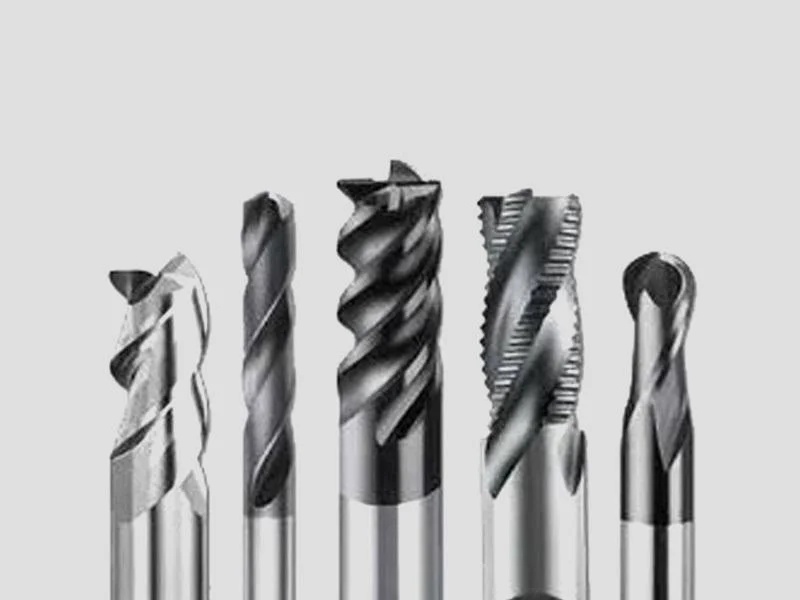
𝗪𝗵𝗮𝘁 𝗮𝗿𝗲 𝗧𝗮𝗽𝗽𝗶𝗻𝗴 𝗧𝗼𝗼𝗹𝘀?
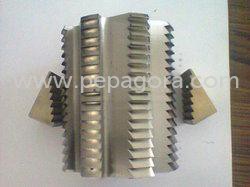
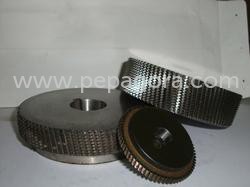
Tapping tools are specialized devices used for creating internal threads in various materials. They function by cutting a helical groove into the material, enabling the insertion of bolts or screws. Tapping is an essential process in machining operations, allowing for precise threading that ensures proper fastening and assembly of components. These tools are available in various designs and sizes, catering to different applications and industry requirements.
Tapping tools are widely used across numerous business sectors, including manufacturing, automotive, aerospace, and construction. In these industries, tapping tools facilitate the production of threaded holes in metals, plastics, and composites, contributing to the efficiency and reliability of assembled products. The demand for tapping tools continues to grow as industries seek to improve automation and precision in their manufacturing processes.
The relevance of tapping tools in the market is underscored by ongoing advancements in manufacturing technologies. With the rise of CNC (Computer Numerical Control) machinery, tapping tools are evolving to meet the needs for speed, accuracy, and durability. As industries strive to enhance productivity and maintain competitive advantages, tapping tools remain a critical component of modern manufacturing and assembly operations.
𝗞𝗲𝘆 𝗙𝗲𝗮𝘁𝘂𝗿𝗲𝘀 𝗮𝗻𝗱 𝗦𝗽𝗲𝗰𝗶𝗳𝗶𝗰𝗮𝘁𝗶𝗼𝗻𝘀
Tapping tools come with various features and specifications that cater to different applications and materials. Understanding these specifications can help buyers make informed decisions.
Key specifications include:
1. Material Composition
- Typically made from high-speed steel (HSS) or carbide
- HSS offers a good balance of hardness and toughness, while carbide provides superior wear resistance
2. Thread Types
- Available in different thread profiles such as UNC, UNF, and metric
- Suitable for a variety of fastening applications
3. Tapping Method
- Includes hand tapping, machine tapping, and spiral fluted tapping
- Selection depends on the application and material type
4. Diameter Range
- Tapping tools are available in various diameters, commonly ranging from 1 mm to 40 mm
- Ensures compatibility with multiple fastener sizes
5. Length Options
- Various lengths available to accommodate different depth requirements
- Standard lengths typically range from 25 mm to 150 mm
6. Coating Options
- Many tapping tools come with coatings such as TiN or TiAlN
- Coatings enhance tool life and reduce friction during the tapping process
7. Tolerance Levels
- Precision tools are manufactured with specific tolerance levels
- Ensures compatibility and fitting accuracy in threaded applications
In summary, the features and specifications of tapping tools are essential considerations for buyers looking to optimize their machining processes and ensure product quality.
𝗖𝗼𝗺𝗺𝗼𝗻 𝗔𝗽𝗽𝗹𝗶𝗰𝗮𝘁𝗶𝗼𝗻𝘀 𝗮𝗻𝗱 𝗨𝘀𝗲 𝗖𝗮𝘀𝗲𝘀
Tapping tools serve a variety of industries, each with specific applications that highlight their versatility.
1. Manufacturing: Tapping tools are used extensively in the production of machine parts, allowing for the creation of precise threads necessary for assembly.
2. Automotive: In the automotive industry, tapping tools are critical for producing threaded holes in engine components, chassis, and transmission systems.
3. Aerospace: Tapping tools are employed to create strong, lightweight threaded connections in aircraft parts, ensuring safety and performance.
4. Construction: These tools are used in construction to create threaded holes for anchoring and securing structural elements.
5. Electronics: Tapping tools enable the creation of threads in housings and casings for electronic devices, facilitating assembly.
6. Plumbing: In plumbing applications, tapping tools help create threads in pipes and fittings, ensuring secure connections.
7. Renewable Energy: Tapping tools play a role in the manufacturing of components used in wind turbines and solar panels, contributing to sustainable energy solutions.
𝗣𝗿𝗼𝗱𝘂𝗰𝘁 𝗩𝗮𝗿𝗶𝗮𝗻𝘁𝘀 𝗮𝗻𝗱 𝗦𝘂𝗯𝗰𝗮𝘁𝗲𝗴𝗼𝗿𝗶𝗲𝘀
Tapping tools come in various forms to meet the diverse needs of different applications. Although no specific subcategories are available, several variants are noteworthy.
Hand Taps
Hand taps are designed for manual operation and are used primarily in smaller applications or in situations where precision is paramount. They typically feature a tapered end for easy entry into the material.
Machine Taps
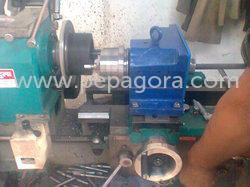
Machine taps are designed for use with CNC machines and are built for higher production rates. They often have a more robust design to withstand the rigors of automated tapping processes.
Spiral Flute Taps
Spiral flute taps are ideal for tapping blind holes and materials that produce long chips. Their design facilitates efficient chip removal, reducing the risk of breakage during use.
𝗕𝗲𝗻𝗲𝗳𝗶𝘁𝘀 𝗮𝗻𝗱 𝗔𝗱𝘃𝗮𝗻𝘁𝗮𝗴𝗲𝘀
Investing in high-quality tapping tools offers numerous benefits to businesses looking to enhance their machining operations.
Key benefits include:
1. Increased Efficiency: Tapping tools enable faster thread creation, reducing overall production times and increasing throughput.
2. Enhanced Precision: High-quality tapping tools provide consistent and accurate threads, minimizing the risk of assembly failures.
3. Improved Tool Life: Tools made from durable materials, such as carbide, offer extended service life and lower replacement costs.
4. Versatility: Tapping tools can be used on various materials, making them suitable for a wide range of applications.
5. Cost-Effectiveness: By reducing downtime and improving productivity, tapping tools can lead to significant cost savings in manufacturing processes.
6. Easy Integration: Tapping tools are compatible with both manual and automated processes, allowing seamless integration into existing systems.
𝗕𝘂𝘆𝗶𝗻𝗴 𝗚𝘂𝗶𝗱𝗲 𝗳𝗼𝗿 𝗕𝟮𝗕 𝗕𝘂𝘆𝗲𝗿𝘀
When sourcing tapping tools, several factors should be considered to ensure a successful purchase.
1. Quality Assessment: Look for tools made from high-quality materials and with a proven track record in performance. Check for manufacturer certifications and customer reviews to gauge reliability.
2. Supplier Verification: Vet potential suppliers by assessing their reputation in the industry, checking references, and reviewing their quality control processes to ensure they meet your standards.
3. Pricing and MOQ: Understand the pricing structure and minimum order quantities (MOQ) from suppliers. This can help you negotiate better deals and manage your inventory effectively.
4. Delivery and Lead Times: Inquire about delivery options and lead times to avoid disruptions in your production schedule. Ensure that the supplier can meet your required timelines.
5. Compliance Requirements: Verify that the tapping tools meet relevant industry standards and regulations, such as CE marking or other safety requirements, to ensure compliance in your operations.
𝗖𝗼𝗺𝗽𝗹𝗶𝗮𝗻𝗰𝗲 𝗮𝗻𝗱 𝗖𝗲𝗿𝘁𝗶𝗳𝗶𝗰𝗮𝘁𝗶𝗼𝗻𝘀
Tapping tools are subject to various quality standards and certifications that ensure their reliability and safety in industrial applications.
ISO 9001 is a widely recognized standard that outlines the criteria for a quality management system. Products meeting this standard have undergone rigorous quality control processes, ensuring consistent performance.
Industry certifications, such as CE marking, indicate compliance with European Union standards, assuring buyers of the tool's safety and effectiveness.
Additionally, tapping tools may need to meet specific safety and testing requirements based on their intended use. This includes performance testing and material safety evaluations to prevent failures during operation.
Regional compliance considerations vary depending on the market. Understanding local regulations is crucial for businesses looking to source tapping tools internationally.
𝗪𝗵𝘆 𝗦𝗼𝘂𝗿𝗰𝗲 𝗧𝗮𝗽𝗽𝗶𝗻𝗴 𝗧𝗼𝗼𝗹𝘀 𝗳𝗿𝗼𝗺 𝗣𝗲𝗽𝗮𝗴𝗼𝗿𝗮?
Pepagora offers a trusted platform for sourcing tapping tools, providing several advantages for B2B buyers.
Verified Supplier Network: Pepagora partners with a network of verified suppliers, ensuring that buyers have access to high-quality products from reputable manufacturers. This reduces the risk of sourcing inferior tools.
Streamlined RFQ Process: The Request for Quotation (RFQ) process on Pepagora is designed for efficiency. Buyers can easily submit their requirements and receive competitive quotes from multiple suppliers, saving time and effort.
Trade Assurance and Support: Pepagora provides trade assurance, protecting buyers' interests during transactions. Additionally, customer support is available to assist with inquiries and resolve any issues that may arise.
Regional Coverage: With a strong presence in regions such as India, the GCC, and Southeast Asia, Pepagora offers extensive coverage, enabling buyers to source tapping tools locally and efficiently. This enhances accessibility and reduces lead times for procurement.

 IN
IN
 India
India