What are Tamarind Paste?
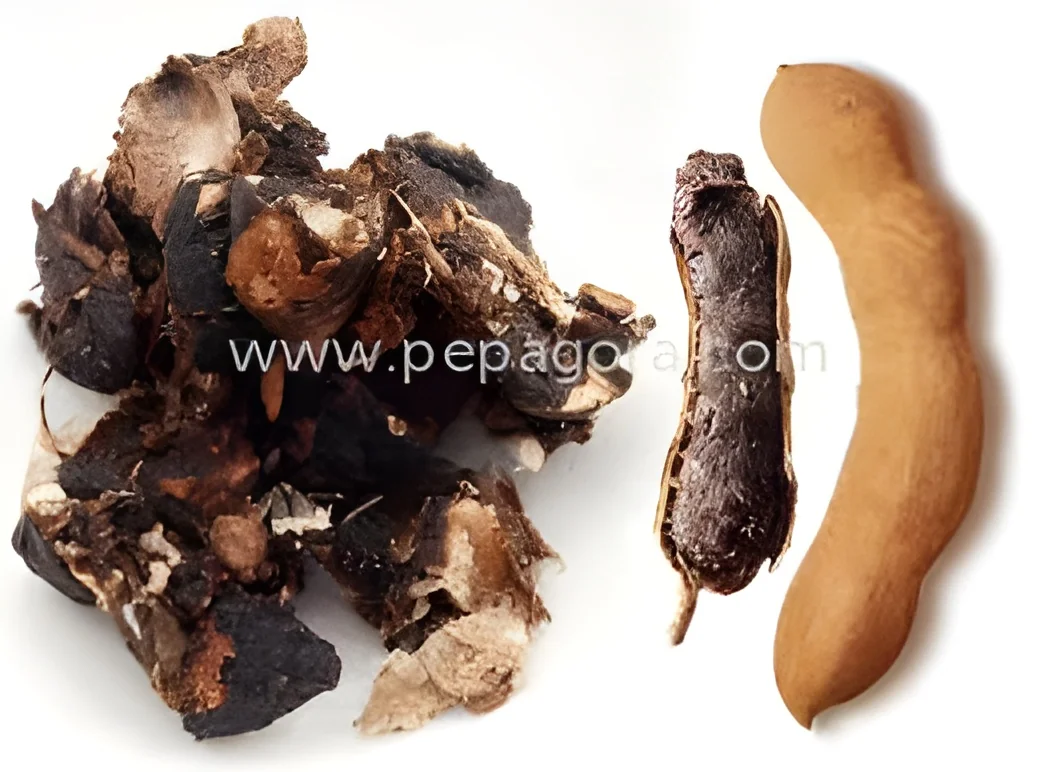
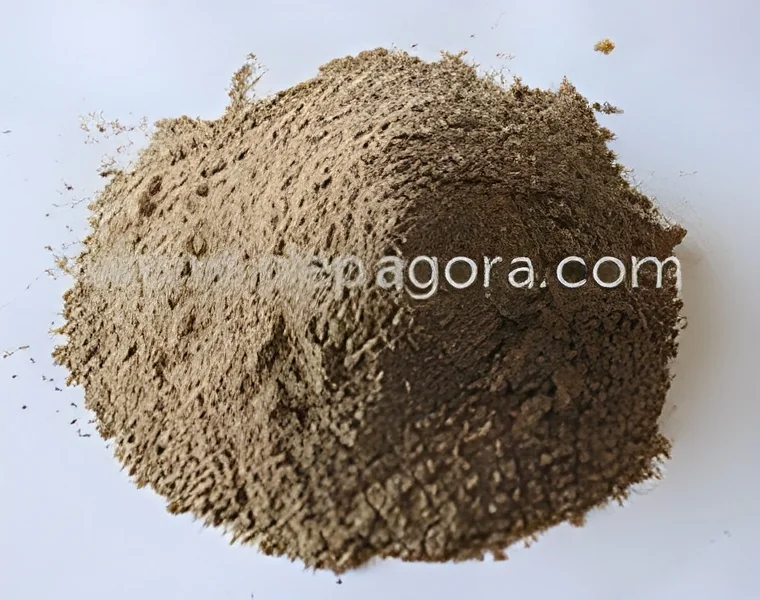
Tamarind paste is a thick, dark-brown product made from the pulp of tamarind fruit. The tamarind tree, native to Africa but widely cultivated in tropical regions, produces pods that contain a sticky, sweet-sour pulp. This pulp is extracted and processed into paste, which is valued for its unique flavor profile that blends tanginess with sweetness. Tamarind paste is widely recognized for its culinary applications in various global cuisines, including Indian, Thai, and Mexican dishes.
In the business context, tamarind paste is primarily used as a flavoring agent in sauces, chutneys, marinades, and beverages. It is also an essential ingredient in many traditional recipes and ethnic foods. The paste finds applications in food production, catering, and the hospitality industry, where it enhances the taste of dishes. Given the increasing demand for authentic flavors in the food industry, tamarind paste has gained significant traction in various markets.
The market for tamarind paste is expanding, driven by the growing popularity of international cuisines and the increasing consumer preference for natural ingredients. This trend has led to the establishment of suppliers and manufacturers focusing on high-quality tamarind products, catering to both local and international markets.
Key Features and Specifications
Tamarind paste is characterized by its unique flavor and versatile applications. It comes with specific features and specifications that are essential for B2B buyers to understand.
Key specifications include:
1. Flavor Profile
- Tangy and sweet with a complex flavor
- Ideal for both savory and sweet dishes
2. Color
- Dark brown to reddish-brown hue
- Consistency can vary from thick to semi-liquid
3. Shelf Life
- Typically ranges from 12 to 24 months
- Depends on storage conditions and packaging
4. Packaging Options
- Available in jars, bottles, or bulk containers
- Custom packaging options may be available
5. Nutritional Content
- Rich in vitamins and minerals
- Contains natural sugars and acids
6. Processing Standards
- Must meet food safety regulations
- Quality assurance processes in place for production
7. Origin
- Sourced from reputable suppliers
- Geographic origin may impact flavor and quality
8. Certifications
- CE certified for food safety
- Compliance with relevant industry standards
In summary, understanding these features and specifications can help businesses make informed decisions when sourcing tamarind paste.
Common Applications and Use Cases
Tamarind paste serves various industries due to its versatile nature and unique flavor.
1. Food Industry: Tamarind paste is commonly used in sauces, dressings, and marinades, providing a distinctive taste to a wide range of dishes.
2. Beverage Production: It is utilized in creating refreshing drinks and cocktails, often combined with other ingredients to enhance flavor.
3. Confectionery: Tamarind paste can be found in sweets and desserts, especially in Asian and Latin American cuisines, where it adds a tangy kick.
4. Culinary Arts: Professional chefs incorporate tamarind paste in gourmet cooking to create innovative dishes that require a balance of flavors.
5. Health Food Sector: With its natural ingredients, tamarind paste is gaining popularity in health food products, including energy bars and supplements.
6. Snack Food Production: It is used in flavored snacks, contributing to the savory and sweet profiles that appeal to consumers.
7. Ethnic Cuisine Restaurants: Tamarind paste is a staple ingredient in many ethnic restaurants, particularly those specializing in Indian and Southeast Asian cuisines.
Product Variants and Subcategories
Tamarind paste is a diverse product that can come in various forms and formulations, catering to different business needs.
Organic Tamarind Paste
This variant is made from organically grown tamarind fruit. It is free from pesticides and chemicals, appealing to health-conscious consumers and businesses.
Concentrated Tamarind Paste
A more potent version that requires less quantity for a strong flavor. This variant is ideal for manufacturers looking to enhance flavor without adding bulk.
Ready-to-Use Tamarind Sauce
This product comes pre-mixed with spices and other ingredients, making it convenient for restaurants and food service providers to use directly in their dishes.
Benefits and Advantages
Sourcing tamarind paste offers several key benefits to businesses looking to enhance their product offerings.
1. Unique Flavor: Tamarind paste provides a distinct flavor that can elevate dishes, making them more appealing to consumers.
2. Versatility: It can be used in a wide range of applications, from savory to sweet, making it a valuable ingredient for various food products.
3. Natural Ingredients: Tamarind paste is derived from natural sources, aligning with the increasing consumer demand for clean label products.
4. Health Benefits: Rich in vitamins and antioxidants, tamarind paste can contribute to healthier food options, attracting health-conscious buyers.
5. Cost-Effectiveness: With a long shelf life and concentrated flavor, tamarind paste can be a cost-effective ingredient for manufacturers and chefs.
6. Authenticity: Incorporating tamarind paste can help businesses offer authentic flavors, appealing to customers seeking genuine culinary experiences.
Buying Guide for B2B Buyers
When sourcing tamarind paste, businesses should consider several important factors to ensure they select the right product and supplier.
1. Quality Assessment: Look for tamarind paste that meets high-quality standards. Consider factors such as taste, color, and consistency, as well as any certifications like CE.
2. Supplier Verification: It is crucial to vet suppliers to ensure they have a reliable track record and can provide consistent quality. Check references and previous client feedback.
3. Pricing and MOQ: Understand the pricing structure and minimum order quantities. This helps in budgeting and ensures that the supplier can meet your volume needs.
4. Delivery and Lead Times: Inquire about logistics and delivery times to ensure timely procurement. Reliable suppliers should provide clear timelines for order fulfillment.
5. Compliance Requirements: Ensure the product complies with local regulations and standards. This is vital for maintaining quality and safety in food products.
Compliance and Certifications
Tamarind paste must adhere to various quality standards and certifications to ensure safety and reliability in the food industry.
Relevant quality standards include ISO 9001, which focuses on quality management systems, ensuring consistent product quality. HACCP (Hazard Analysis Critical Control Point) is another important standard that identifies and manages food safety risks.
Industry certifications like CE indicate that the product meets European health, safety, and environmental protection standards. These certifications are crucial for businesses looking to expand their market reach, especially in regions with strict compliance requirements.
Safety and testing requirements also play a significant role in the production of tamarind paste. Products must undergo rigorous testing to ensure they are free from contaminants and meet nutritional claims.
Regional compliance considerations vary by location, impacting how tamarind paste is produced and marketed. Businesses should be aware of these differences when sourcing from different suppliers.
Why Source Tamarind Paste from Pepagora?
Pepagora provides a trusted platform for sourcing tamarind paste, offering several key advantages that benefit B2B buyers.
Verified Supplier Network: Pepagora connects buyers with verified suppliers who have undergone rigorous vetting. This ensures that businesses can source high-quality tamarind paste from reputable manufacturers.
Streamlined RFQ Process: The platform features an efficient request for quotation (RFQ) system, allowing buyers to easily compare prices and specifications from multiple suppliers. This saves time and aids in making informed purchasing decisions.
Trade Assurance and Support: Pepagora offers buyer protection through trade assurance services. This ensures that businesses receive the products they ordered, providing peace of mind in their transactions.
Regional Coverage: The platform boasts extensive regional coverage, including India, the Gulf Cooperation Council (GCC) countries, and Southeast Asia. This geographic reach allows buyers to tap into diverse markets and suppliers, enhancing their sourcing capabilities.

 IN
IN

 India
India