What are Studio Microphones?
Studio microphones are high-quality audio recording devices specifically designed for capturing sound in controlled environments. Unlike standard microphones, studio microphones are engineered to provide exceptional sound fidelity, clarity, and detail. They are built with advanced technology to capture a wide frequency range, making them essential tools for professionals in audio production, music recording, broadcasting, and other industries where sound quality is paramount.
These microphones are primarily used in recording studios, film production, live sound environments, and for voice-over work. Businesses such as music studios, radio stations, podcasting companies, and video production houses rely on studio microphones to ensure that their audio recordings meet industry standards. The relevance of studio microphones in the market is significant, as the demand for high-quality audio content continues to grow across various platforms, including streaming services, social media, and digital entertainment.
Key Features and Specifications
Studio microphones come with various features that enhance their performance in professional settings. Understanding these specifications is crucial for buyers looking to invest in high-quality audio equipment.
Key specifications include:
1. Polar Patterns
- This specification refers to the directionality of the microphone.
- Common types include cardioid, omnidirectional, and bidirectional.
2. Frequency Response
- Frequency response indicates the range of sound frequencies the microphone can capture.
- Typical ranges may vary from 20 Hz to 20 kHz, depending on the model.
3. Sensitivity
- Sensitivity measures how effectively the microphone converts sound waves into electrical signals.
- It is often expressed in millivolts per pascal (mV/Pa).
4. Maximum SPL (Sound Pressure Level)
- This specification indicates the loudest sound the microphone can handle without distortion.
- Values often range from 130 dB to over 140 dB.
5. Impedance
- Impedance affects how the microphone interacts with audio equipment.
- Common impedance values range from 150 ohms to 600 ohms.
6. Connector Type
- Studio microphones typically use XLR connectors for balanced audio signals.
- Some models may also offer USB connectivity for direct use with computers.
7. Build Quality
- The materials used in construction can affect durability and sound quality.
- High-end models often feature metal housings and shock mounts.
8. Included Accessories
- Many studio microphones come with additional accessories such as pop filters, shock mounts, and carrying cases.
In summary, the features and specifications of studio microphones play a critical role in their performance, and understanding these elements helps buyers make informed choices.
Common Applications and Use Cases
Studio microphones serve various industries and applications, making them versatile tools for audio production.
1. Music Production: In music studios, these microphones capture vocals and instruments with precision, ensuring high-quality recordings for albums and singles.
2. Broadcasting: Radio and television stations utilize studio microphones for clear and professional audio during live broadcasts and recorded segments.
3. Podcasting: The growing podcast industry relies on studio microphones to deliver clear and engaging audio content to listeners.
4. Voice-Over Work: In film and animation, studio microphones are used for voice-over recordings, providing clarity and depth for character dialogue.
5. Live Sound: Some studio microphones are adapted for live performances, ensuring that sound is captured accurately in front of an audience.
6. Audiobooks: The audiobook industry employs studio microphones to record narration, ensuring that the spoken word is presented with clarity and expression.
7. Field Recording: Professionals in documentary filmmaking and sound design use studio microphones for high-quality field recordings.
Product Variants and Subcategories
Studio microphones come in a variety of types to cater to different recording needs and preferences.
Condenser Microphones
These microphones are popular for their sensitivity and broad frequency response. They are often used for vocals and acoustic instruments in studio settings.
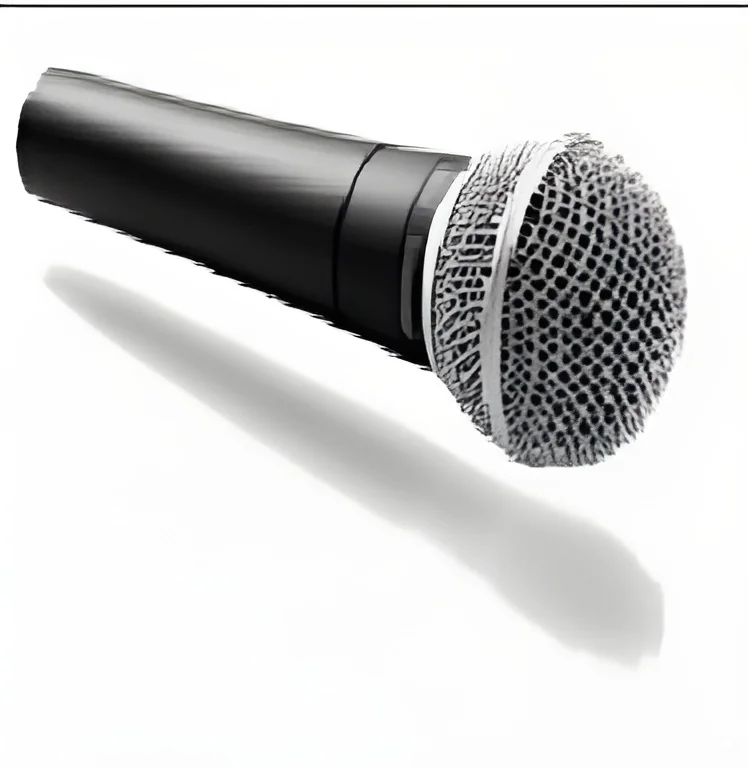
Dynamic Microphones
Dynamic microphones are known for their durability and ability to handle high sound pressure levels. They are typically used for live sound applications and can be effective in studio environments as well.
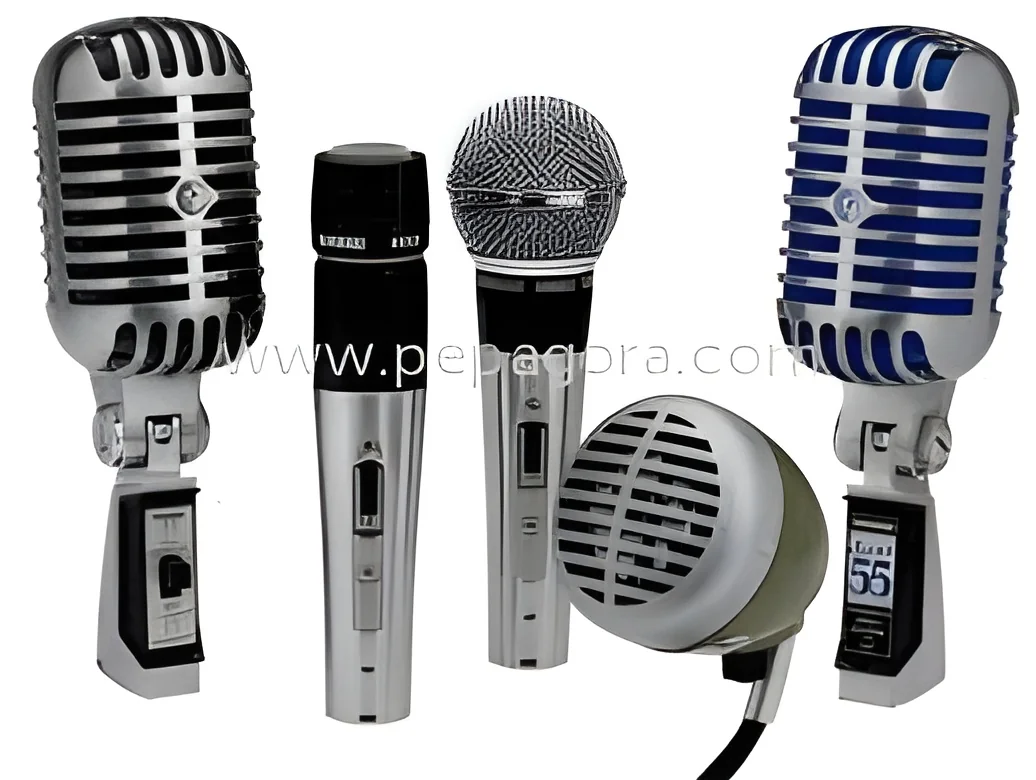
Ribbon Microphones
Ribbon microphones offer a vintage sound quality and are favored for capturing warmth in recordings. They are often used for vocals and brass instruments.
Lavalier Microphones
These small, clip-on microphones are designed for hands-free operation and are commonly used in film and television for interviews and presentations.
Benefits and Advantages
Investing in studio microphones offers numerous benefits for businesses in the audio industry.
1. Superior Sound Quality: Studio microphones provide high fidelity audio, which is essential for professional recordings.
2. Versatility: With various types available, studio microphones can be used for multiple applications, from music production to broadcasting.
3. Enhanced Clarity: These microphones capture fine details in sound, ensuring that recordings are clear and engaging.
4. Durable Construction: Many studio microphones are built to withstand frequent use, making them a long-term investment.
5. Industry Standards: High-quality studio microphones meet professional audio standards, making them suitable for commercial projects.
6. Accessibility: Options like USB microphones make it easier for beginners and professionals alike to produce high-quality audio without extensive equipment.
Buying Guide for B2B Buyers
When sourcing studio microphones, it is essential for buyers to consider several factors to ensure they make the right choice.
1. Quality Assessment: Evaluate the audio quality of the microphones by reviewing specifications and conducting sound tests to ensure they meet the desired standards.
2. Supplier Verification: Vet suppliers by checking their reputation, customer reviews, and certifications to ensure reliability and quality.
3. Pricing and MOQ: Understand the pricing structure and minimum order quantities (MOQ) to align purchases with budget constraints.
4. Delivery and Lead Times: Confirm logistics and delivery timelines to ensure timely acquisition of products, especially for projects with tight schedules.
5. Compliance Requirements: Be aware of any regulatory needs or certifications required for audio equipment in specific regions to ensure compliance.
Compliance and Certifications
Studio microphones must adhere to various compliance and certification standards to ensure quality and safety.
Relevant quality standards such as ISO 9001 ensure that manufacturers maintain effective quality management systems. This standard is crucial for ensuring that products meet customer and regulatory requirements.
Industry certifications, such as CE marking, indicate that the microphones comply with European health, safety, and environmental protection standards.
Safety and testing requirements are also important, as studio microphones need to undergo rigorous testing to ensure they function correctly and safely in professional settings.
Finally, regional compliance considerations may vary by market, so it is essential for buyers to research the specific requirements in their area to ensure adherence.
Why Source Studio Microphones from Pepagora?
Pepagora provides a trusted platform for sourcing studio microphones, offering several key advantages for businesses.
Verified Supplier Network: Pepagora connects buyers with verified suppliers, ensuring that the products meet industry standards and quality expectations. This network helps mitigate risks associated with sourcing.
Streamlined RFQ Process: The platform features a user-friendly request for quotation (RFQ) system, allowing buyers to easily compare suppliers and receive competitive pricing for their needs.
Trade Assurance and Support: Pepagora offers trade assurance, providing buyers with protection and support throughout the sourcing process. This assurance builds confidence in transactions.
Regional Coverage: With a strong presence in regions such as India, the GCC, and Southeast Asia, Pepagora enables buyers to access a wide range of studio microphones tailored to their local market demands.
By choosing Pepagora, businesses can confidently source high-quality studio microphones that enhance their audio production capabilities.

 IN
IN

 India
India