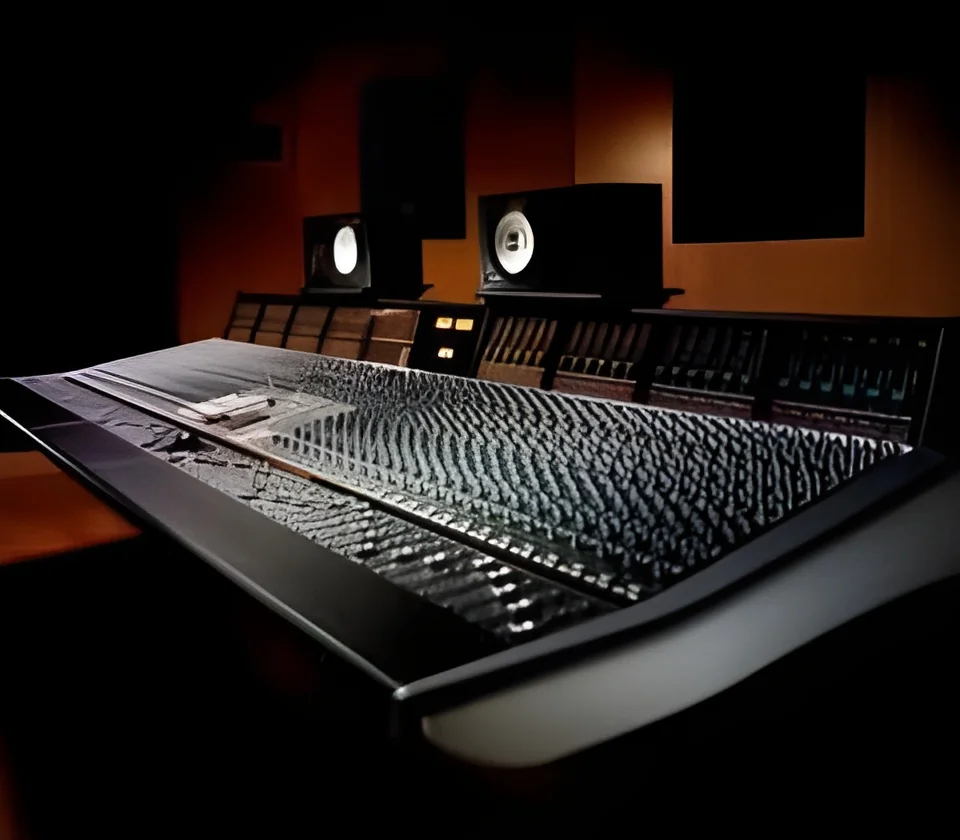
What are Multitrack Recorders?
Multitrack recorders are sophisticated audio recording devices that allow users to capture multiple audio channels simultaneously. These devices are equipped with a variety of inputs, enabling the recording of different sound sources such as instruments, vocals, or ambient noise. By providing the ability to record multiple tracks independently, multitrack recorders facilitate complex audio production, mixing, and editing processes.
These recorders are widely used across various sectors, including music production, film and television, and live sound engineering. They serve as essential tools for sound engineers and producers, who rely on them to create polished audio productions. In the film industry, for example, multitrack recorders are crucial for capturing dialogue and sound effects separately for post-production editing. With the rise of digital audio workstations, multitrack recorders continue to hold relevance in the marketplace, catering to professionals who require high-quality audio capture and playback.
Key Features and Specifications
Multitrack recorders come with an array of features that enhance their usability and performance. When selecting a multitrack recorder, it is essential to consider key specifications that define its capabilities.
Key specifications include:
1. Number of Tracks
- Refers to the total number of individual audio channels that can be recorded.
- Common ranges include 4, 8, 16, or more tracks, depending on the model.
2. Sample Rate
- Indicates the number of samples taken per second during recording.
- Typical sample rates are 44.1 kHz, 48 kHz, or higher for professional applications.
3. Bit Depth
- Determines the resolution of the audio recording.
- Common bit depths include 16-bit, 24-bit, or 32-bit float.
4. Input Options
- Details the types and number of inputs available for connecting microphones, instruments, or other audio sources.
- Options may include XLR, TRS, or USB inputs.
5. Storage Capacity
- Refers to the internal or external storage options for recorded audio.
- Capacities vary widely, ranging from a few gigabytes to terabytes.
6. Playback Features
- Includes capabilities such as looping, editing, and mixing of recorded tracks.
- Many models offer built-in effects and processing options.
7. Connectivity
- Refers to the types of connections available for interfacing with computers or other audio equipment.
- Common connection types include USB, MIDI, and digital outputs.
8. Battery Life
- Indicates the operational time the device can function on battery power alone.
- Typical ranges vary based on usage and device specifications.
In summary, understanding these features and specifications can help buyers select the right multitrack recorder that meets their specific audio recording needs.
Common Applications and Use Cases
Multitrack recorders are versatile tools that find applications across various industries.
1. Music Production: In the music industry, multitrack recorders are essential for capturing separate instrumental and vocal tracks, allowing for detailed mixing and mastering in professional studios.
2. Film and Television: Sound engineers use multitrack recorders to capture dialogue, sound effects, and environmental sounds independently, which can then be edited during post-production for optimal audio quality.
3. Live Sound Engineering: During live events, multitrack recorders are utilized to capture performances in real-time, providing a high-quality audio archive for future use or distribution.
4. Podcasting: Content creators employ multitrack recorders to record various audio elements separately, enhancing the overall production quality of their podcasts.
5. Field Recording: Wildlife and environmental sound recordists use multitrack recorders to capture multiple audio sources in natural settings, allowing for rich soundscapes.
6. Education: In academic settings, multitrack recorders are used for teaching audio engineering and music production, providing hands-on experience in sound recording techniques.
7. Speech and Voiceover: Voiceover artists utilize multitrack recorders for capturing vocal tracks separately, enabling clear editing and integration into multimedia projects.
Product Variants and Subcategories
Multitrack recorders come in various formats to meet diverse needs in audio recording.
Portable Multitrack Recorders: These devices are compact and designed for mobile use. They often run on batteries and feature built-in microphones, making them ideal for field recording or on-the-go music production.
Desktop Multitrack Recorders: Typically used in studio environments, these recorders offer extensive features and connectivity options. They are designed for more complex recording sessions and often include advanced mixing capabilities.
Digital Audio Workstation (DAW) Integration: Some multitrack recorders are designed to integrate seamlessly with DAWs, allowing users to transfer tracks easily for further editing and mixing.
Benefits and Advantages
Multitrack recorders provide several advantages for businesses and professionals in various fields.
1. Enhanced Audio Quality: These devices are designed to capture high-fidelity audio, ensuring clarity and detail in recordings.
2. Flexibility in Mixing: With the ability to record multiple tracks separately, users can mix and edit audio more effectively, leading to professional-sounding results.
3. Time Efficiency: Multitrack recorders streamline the recording process, allowing for quicker session setups and faster project turnaround times.
4. Portability: Many models are lightweight and portable, enabling users to record in various locations without compromising quality.
5. User-Friendly Interface: Most multitrack recorders feature intuitive controls, making them accessible for both beginners and experienced audio professionals.
6. Versatile Applications: The wide range of applications across industries makes multitrack recorders valuable assets for businesses involved in audio production.
Buying Guide for B2B Buyers
When sourcing multitrack recorders, it is important for buyers to consider several factors to ensure they make informed decisions.
1. Quality Assessment: Evaluate the build quality and audio performance of the recorder. Look for reviews and comparisons to determine which models meet professional standards.
2. Supplier Verification: Research potential suppliers to verify their reputation and reliability. Check for customer testimonials and industry references.
3. Pricing and MOQ: Understand the pricing structures and minimum order quantities. This helps in budgeting and ensuring that the purchase aligns with financial constraints.
4. Delivery and Lead Times: Inquire about delivery schedules and lead times. Timely delivery is crucial for project deadlines and operational continuity.
5. Compliance Requirements: Be aware of any regulatory compliance standards that the product must meet in your region. Certifications such as CE and UL can indicate adherence to safety and quality standards.
Compliance and Certifications
Multitrack recorders are subject to various compliance standards and certifications that ensure their safety and performance in the market.
ISO 9001 is a widely recognized standard that addresses quality management systems. Manufacturers of multitrack recorders that comply with this standard demonstrate their commitment to continuous improvement and customer satisfaction.
CE marking indicates that the product meets European health, safety, and environmental protection standards. This certification is critical for multitrack recorders sold in the European market.
Underwriters Laboratories (UL) certification signifies that the product has been tested for safety and meets specific performance criteria. This certification is particularly important for electronics to ensure they operate safely under various conditions.
Safety testing requirements may also include assessments for electrical safety, electromagnetic compatibility, and environmental impact. Regional compliance considerations may vary, so it is essential for buyers to check local regulations when sourcing multitrack recorders.
Why Source Multitrack Recorders from Pepagora?
Pepagora provides a trusted platform for sourcing multitrack recorders, offering several key advantages for B2B buyers.
Verified Supplier Network: Pepagora connects buyers with a network of verified suppliers, ensuring that the products meet industry standards and quality benchmarks. This reduces the risk associated with sourcing from unknown vendors.
Streamlined RFQ Process: The request for quotation system simplifies the procurement process. Buyers can submit their requirements and receive competitive quotes from multiple suppliers, facilitating informed decision-making.
Trade Assurance and Support: Pepagora offers trade assurance to protect buyers' investments. This includes support throughout the transaction process, ensuring that buyers receive the products as described and on time.
Regional Coverage: With a focus on markets in India, the GCC, and Southeast Asia, Pepagora provides extensive regional coverage. This enhances accessibility for businesses looking to source multitrack recorders in these key markets.
In summary, sourcing multitrack recorders from Pepagora offers reliability, efficiency, and support, making it an ideal choice for businesses in need of quality audio recording solutions.

 IN
IN