๐ช๐ต๐ฎ๐ ๐ฎ๐ฟ๐ฒ ๐ฆ๐๐๐ฑ๐ถ๐ผ ๐๐ฒ๐ฎ๐ฑ๐ฝ๐ต๐ผ๐ป๐ฒ๐?
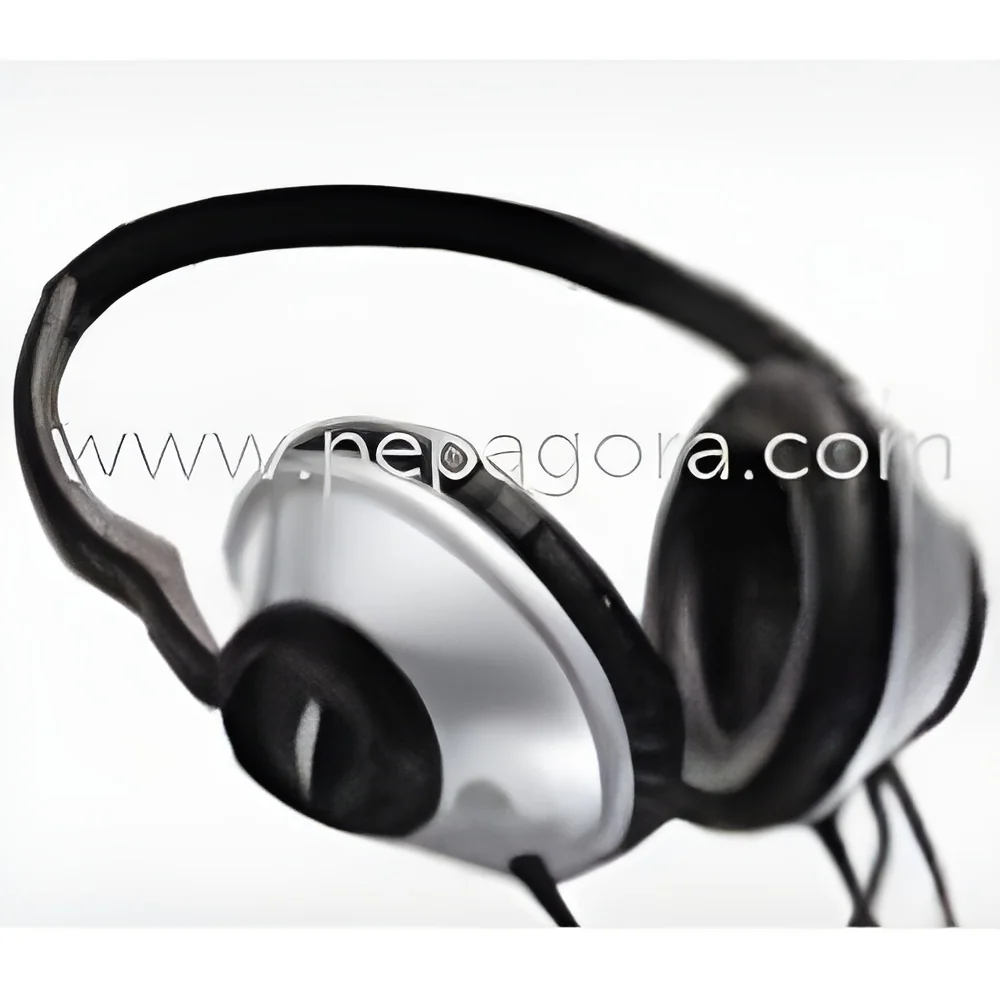
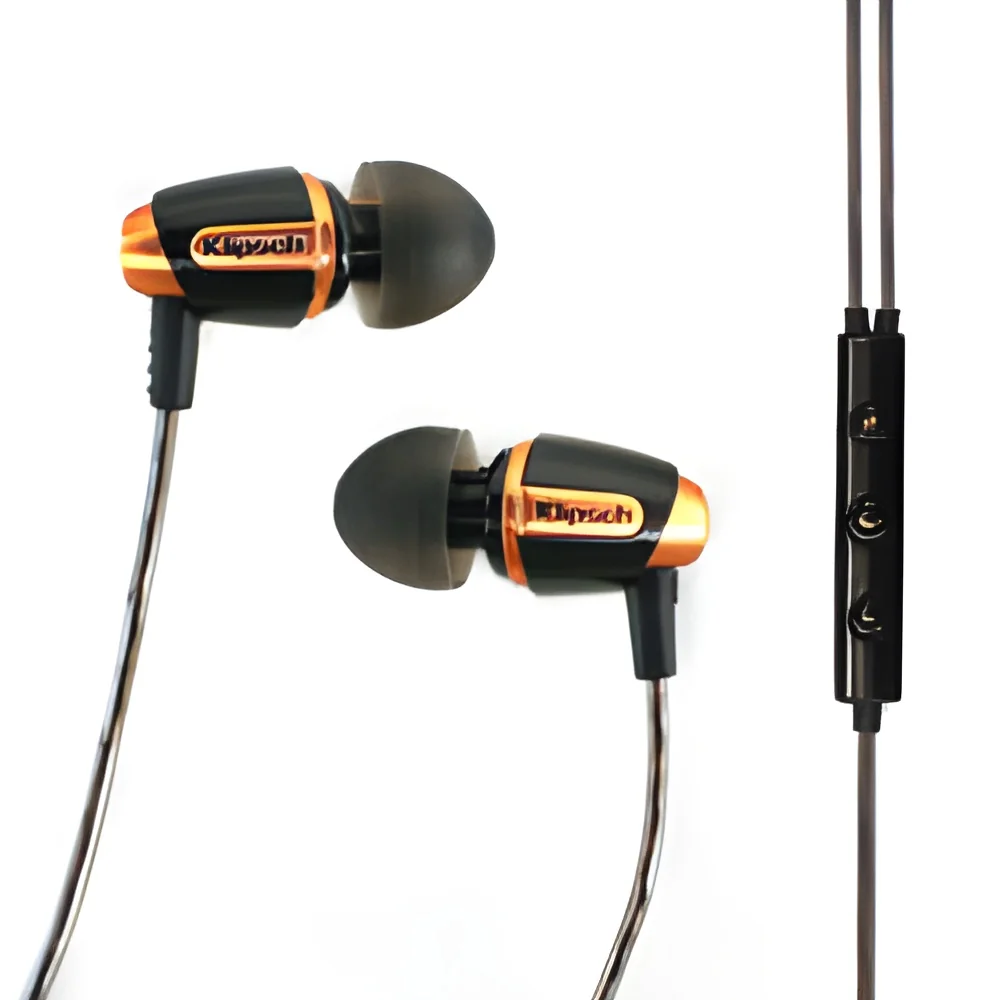
Studio headphones are specialized audio equipment designed for professional use in recording, mixing, and mastering environments. Unlike regular headphones, studio headphones provide a flat frequency response, ensuring that sound is reproduced accurately without coloration. This attribute is essential for audio professionals who require precise monitoring of audio tracks to achieve the best sound quality.
These headphones are primarily used in music studios, radio stations, and post-production facilities. They enable sound engineers, music producers, and artists to analyze audio in detail, making informed decisions about sound mixing and mastering. The relevance of studio headphones in the industry is underscored by their widespread adoption across diverse audio-related sectors. As music production and audio engineering continue to evolve, the demand for high-quality studio headphones remains strong in the market.
๐๐ฒ๐ ๐๐ฒ๐ฎ๐๐๐ฟ๐ฒ๐ ๐ฎ๐ป๐ฑ ๐ฆ๐ฝ๐ฒ๐ฐ๐ถ๐ณ๐ถ๐ฐ๐ฎ๐๐ถ๐ผ๐ป๐
Studio headphones come equipped with various features and specifications that cater to professional audio needs. Understanding these specifications is crucial for making an informed purchasing decision.
Key specifications include:
1. Frequency Response
- Typically ranges from 20 Hz to 20 kHz
- Ensures accurate sound reproduction across the audible spectrum
2. Impedance
- Common values range from 32 ohms to 250 ohms
- Affects compatibility with devices and overall sound quality
3. Sensitivity
- Usually between 90 dB to 110 dB
- Indicates how loud the headphones will sound at a given power level
4. Driver Size
- Ranges from 40 mm to 50 mm
- Larger drivers can produce better bass response and clarity
5. Cable Type
- Detachable or fixed cables
- Length may vary, typically between 1.2 meters to 3 meters
6. Weight
- Generally ranges from 200 grams to 400 grams
- Affects comfort during extended use
7. Build Quality
- Materials often include plastic, metal, and padded ear cups
- Durability is essential for frequent use in professional settings
8. Noise Isolation
- Closed-back designs provide better isolation
- Important for minimizing external sound interference
In summary, these specifications collectively influence the performance and usability of studio headphones in professional audio environments.
๐๐ผ๐บ๐บ๐ผ๐ป ๐๐ฝ๐ฝ๐น๐ถ๐ฐ๐ฎ๐๐ถ๐ผ๐ป๐ ๐ฎ๐ป๐ฑ ๐จ๐๐ฒ ๐๐ฎ๐๐ฒ๐
Studio headphones are versatile tools used across various industries. Their design and features make them suitable for specific applications in audio production.
1. Music Production: Studio headphones are essential in recording studios, allowing producers and sound engineers to accurately monitor tracks during recording and mixing sessions.
2. Broadcasting: Radio stations and television networks utilize studio headphones for clear audio monitoring, ensuring that sound quality meets industry standards during live broadcasts.
3. Film and Video Production: Sound designers and editors use studio headphones to make precise audio edits and to ensure that dialogue, sound effects, and music are perfectly balanced.
4. Podcasting: Podcasters rely on studio headphones to monitor audio levels, ensuring clarity and consistency throughout their recordings.
5. Gaming: Professional gamers and streamers use studio headphones for enhanced audio immersion and accurate sound positioning in competitive gaming.
6. Audio Testing: Engineers and technicians use studio headphones for testing audio equipment and ensuring quality control in manufacturing processes.
7. Educational Institutions: Music and audio production programs in schools and universities often provide studio headphones for student use in practical learning environments.
๐ฃ๐ฟ๐ผ๐ฑ๐๐ฐ๐ ๐ฉ๐ฎ๐ฟ๐ถ๐ฎ๐ป๐๐ ๐ฎ๐ป๐ฑ ๐ฆ๐๐ฏ๐ฐ๐ฎ๐๐ฒ๐ด๐ผ๐ฟ๐ถ๐ฒ๐
Studio headphones come in various models to cater to different preferences and requirements. While specific subcategories may not be available, the diversity in features and price points allows users to choose according to their needs.
Open-Back Studio Headphones: These headphones feature a design that allows air and sound to pass through the ear cups. This results in a more natural and open sound, making them ideal for mixing and critical listening in quiet environments.
Closed-Back Studio Headphones: Designed to isolate sound, closed-back headphones are perfect for recording sessions where external noise must be minimized. They provide a focused listening experience, making them suitable for tracking vocals and instruments.
Wireless Studio Headphones: Offering the convenience of mobility, wireless studio headphones utilize Bluetooth technology. They are ideal for professionals who require freedom of movement during sessions without compromising sound quality.
๐๐ฒ๐ป๐ฒ๐ณ๐ถ๐๐ ๐ฎ๐ป๐ฑ ๐๐ฑ๐๐ฎ๐ป๐๐ฎ๐ด๐ฒ๐
Using studio headphones offers numerous benefits that enhance the audio experience.
Key benefits include:
1. Accurate Sound Representation: Studio headphones provide a flat frequency response, allowing professionals to hear audio as it truly is, without added color or distortion.
2. Enhanced Comfort: Designed for long sessions, studio headphones often feature cushioned ear pads and adjustable headbands, ensuring comfort during extended use.
3. Noise Isolation: Closed-back designs effectively block external sounds, allowing users to focus on the audio without distractions.
4. Durability: Built with high-quality materials, studio headphones are designed to withstand the rigors of professional use, ensuring longevity.
5. Versatility: Studio headphones can be used across various applications, from music production to broadcasting and gaming, making them a valuable investment.
6. Detailed Monitoring: The precision offered by studio headphones allows sound engineers to identify subtle nuances in audio, crucial for achieving professional sound quality.
๐๐๐๐ถ๐ป๐ด ๐๐๐ถ๐ฑ๐ฒ ๐ณ๐ผ๐ฟ ๐๐ฎ๐ ๐๐๐๐ฒ๐ฟ๐
When sourcing studio headphones for business needs, several factors should be considered to ensure the best purchase decision.
1. Quality Assessment: Look for headphones that meet industry standards and have positive reviews from audio professionals. Testing samples can help determine sound quality and comfort.
2. Supplier Verification: Ensure that suppliers have a proven track record in the industry. Check for certifications and customer feedback to gauge reliability.
3. Pricing and MOQ: Consider budget constraints and the minimum order quantities required by suppliers. Understanding the pricing structure helps in making informed financial decisions.
4. Delivery and Lead Times: Assess the supplier's ability to meet delivery deadlines. Timely delivery is crucial for maintaining workflow in busy production environments.
5. Compliance Requirements: Ensure that the studio headphones comply with relevant safety and quality standards. Inquire about certifications such as CE to guarantee product reliability.
๐๐ผ๐บ๐ฝ๐น๐ถ๐ฎ๐ป๐ฐ๐ฒ ๐ฎ๐ป๐ฑ ๐๐ฒ๐ฟ๐๐ถ๐ณ๐ถ๐ฐ๐ฎ๐๐ถ๐ผ๐ป๐
Studio headphones must adhere to various quality standards and certifications to ensure safety and performance in professional environments.
ISO 9001 is a widely recognized standard for quality management systems. Manufacturers of studio headphones often comply with ISO 9001 to ensure that their products consistently meet customer requirements and regulatory standards.
The CE certification indicates that studio headphones meet European health, safety, and environmental protection standards. This certification is crucial for products being sold in the European market, ensuring they are safe for consumer use.
Safety and testing requirements for studio headphones may involve assessments for electrical safety and electromagnetic compatibility. These tests help verify that the headphones will not pose any hazards to users.
Regional compliance considerations should also be taken into account. Different countries may have varying regulations regarding audio equipment, and suppliers must ensure their products meet these local requirements.
๐ช๐ต๐ ๐ฆ๐ผ๐๐ฟ๐ฐ๐ฒ ๐ฆ๐๐๐ฑ๐ถ๐ผ ๐๐ฒ๐ฎ๐ฑ๐ฝ๐ต๐ผ๐ป๐ฒ๐ ๐ณ๐ฟ๐ผ๐บ ๐ฃ๐ฒ๐ฝ๐ฎ๐ด๐ผ๐ฟ๐ฎ?
Pepagora provides a trusted platform for sourcing studio headphones with several key advantages.
Verified Supplier Network: Pepagora connects buyers with a network of verified suppliers, ensuring that all listed products meet high-quality standards. This verification process minimizes the risk of sourcing inferior products.
Streamlined RFQ Process: The request for quotation (RFQ) system simplifies the purchasing process. Buyers can easily request quotes from multiple suppliers, allowing for competitive pricing and informed decision-making.
Trade Assurance and Support: Pepagora offers trade assurance, providing buyers with protection against potential issues during transactions. Dedicated customer support is available to assist with any concerns or queries.
Regional Coverage: With a strong presence in India, the GCC, and Southeast Asia, Pepagora offers extensive regional coverage. This reach enables buyers to source studio headphones that meet their specific needs, regardless of location.