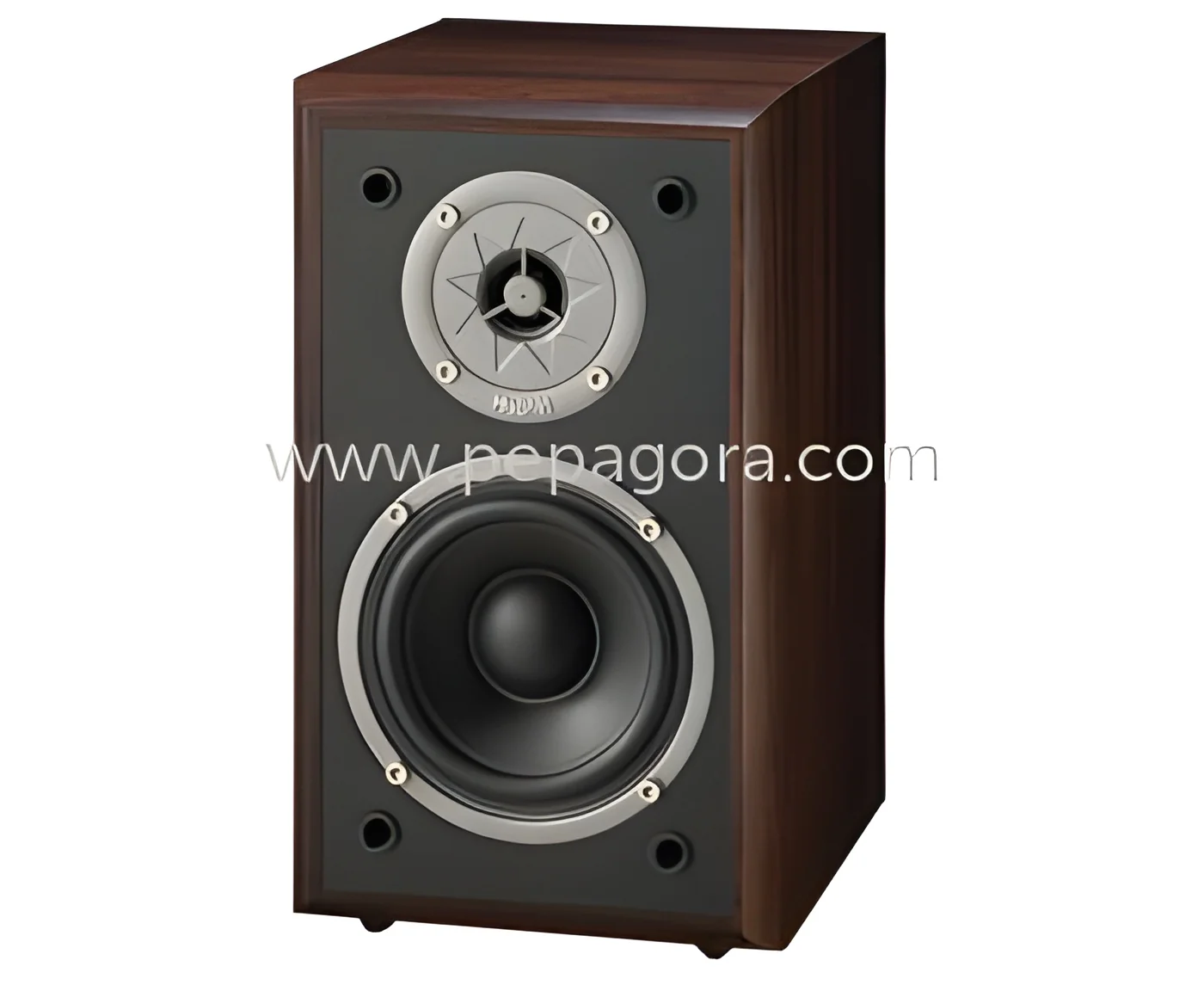
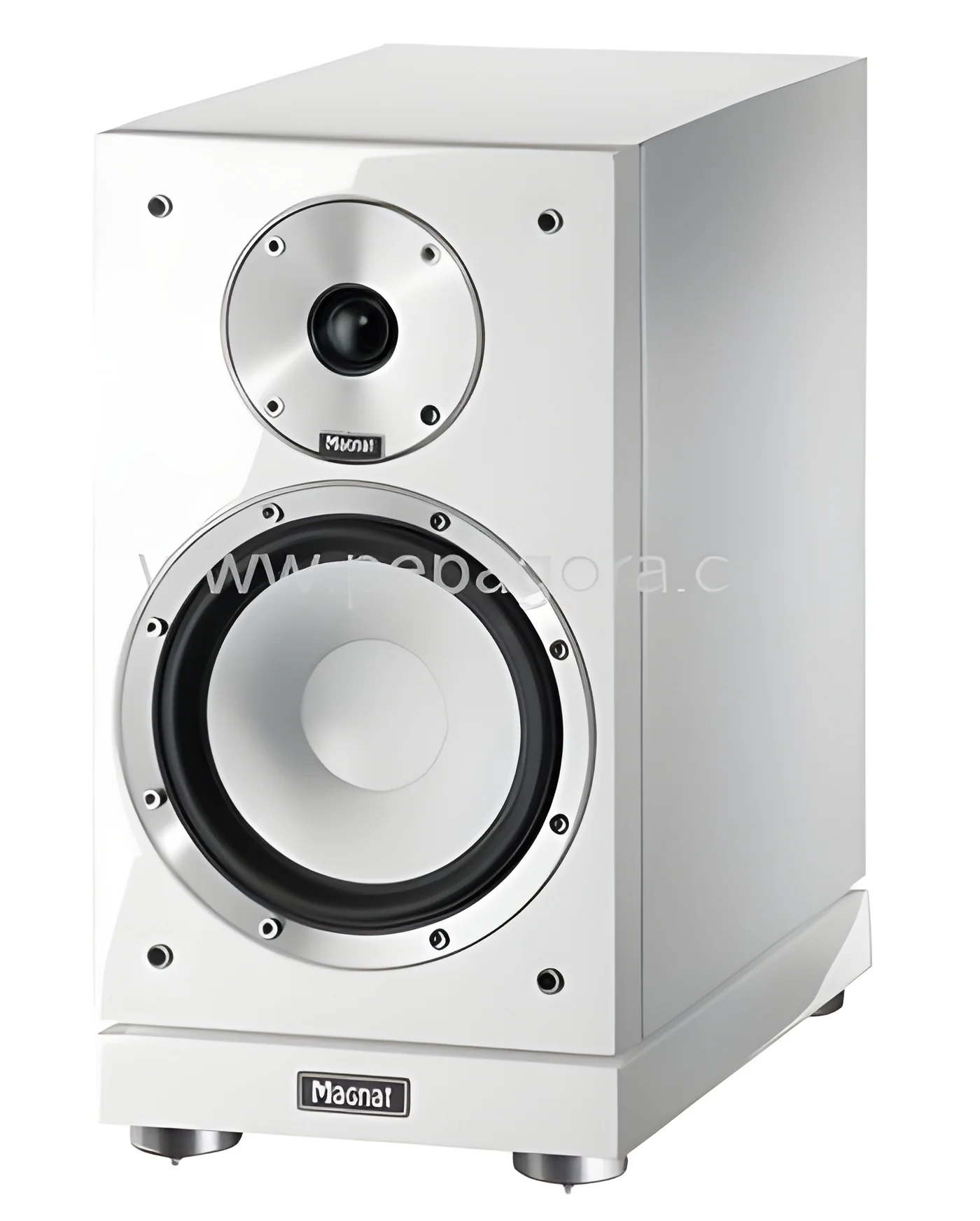
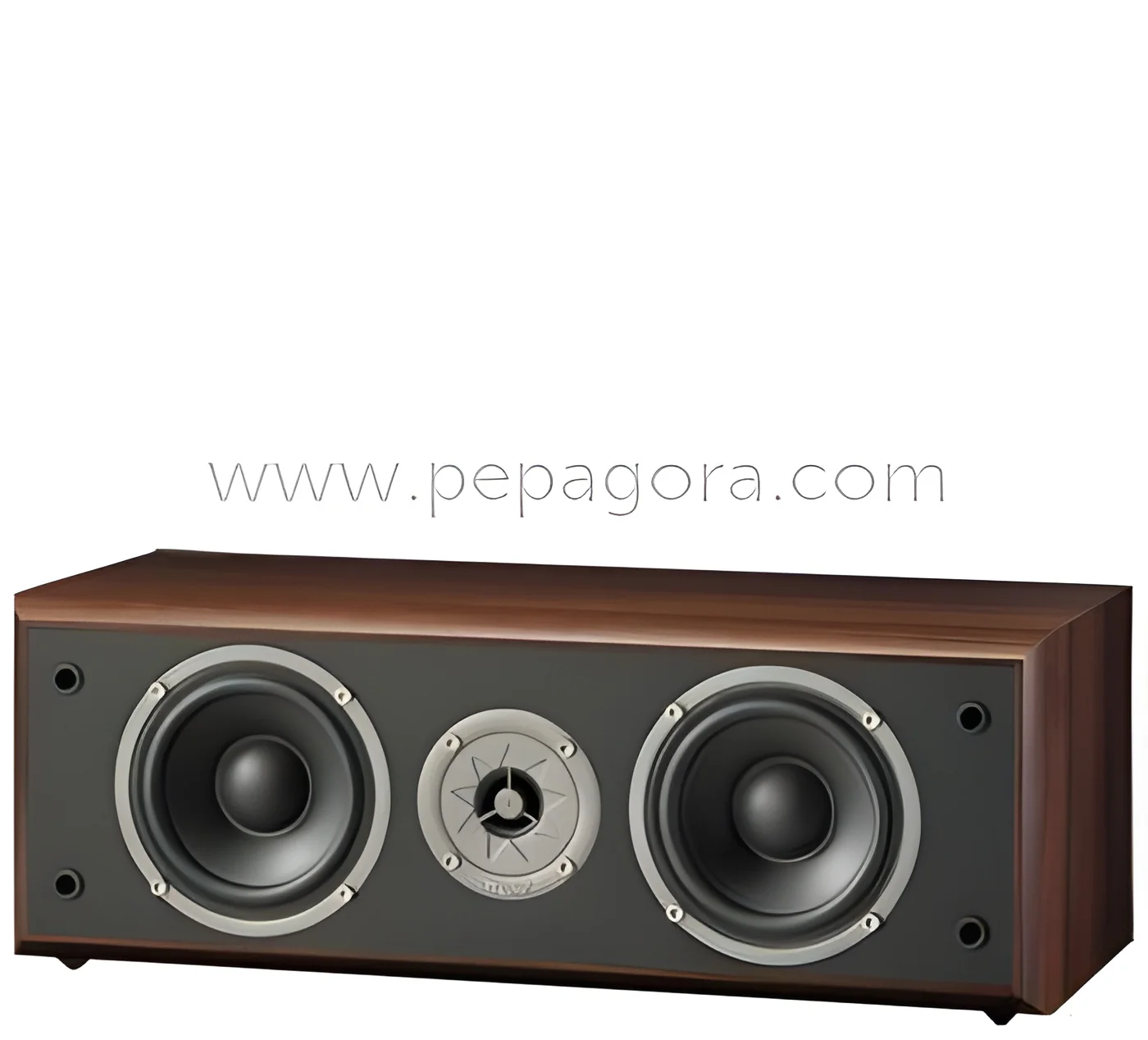
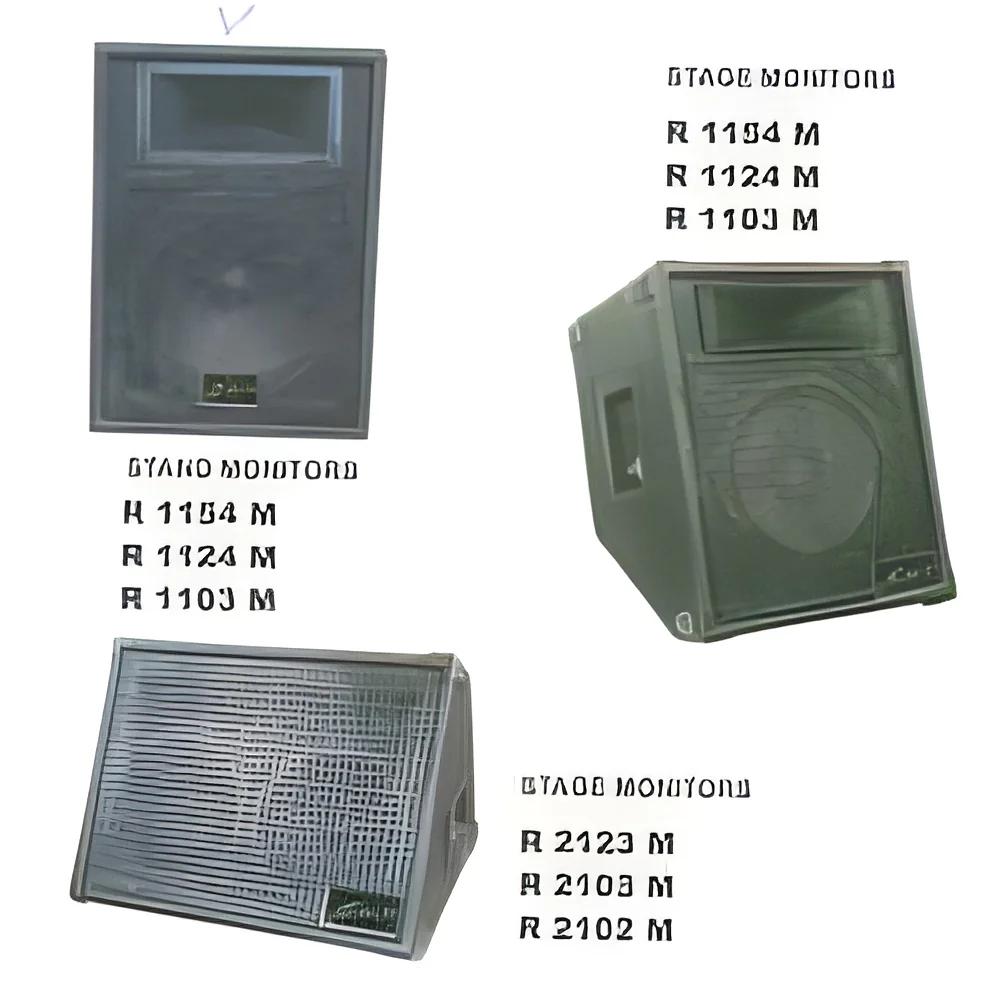
What are Studio Monitors?
Studio monitors are specialized loudspeakers designed for professional audio production. Unlike regular speakers, studio monitors provide a flat frequency response, which means they reproduce sound accurately without coloring or altering the audio. This makes them crucial tools for sound engineers, music producers, and other audio professionals who require precise sound reproduction to make informed decisions during mixing and mastering.
The primary use of studio monitors is in recording studios, broadcasting stations, and music production environments. They are essential for mixing music, editing audio, and sound design, as they allow professionals to hear the nuances of their work without distortion. Businesses in the music industry, film production, and broadcasting rely on high-quality studio monitors to ensure that their audio output meets industry standards. The relevance of studio monitors in the audio industry remains high, with ongoing advancements in technology and design, which continually improve their performance and usability.
Key Features and Specifications
Studio monitors come with a range of features and specifications designed to meet the needs of audio professionals. Understanding these specifications can help buyers make informed decisions.
Key specifications include:
1. Frequency Response
- This specification indicates the range of frequencies that the monitor can reproduce.
- Typically, a wider frequency response allows for better sound clarity.
2. Power Output
- Power output is measured in watts and determines the loudness of the speakers.
- Higher power output often leads to clearer sound at higher volumes.
3. Driver Size
- Driver size affects the sound's bass response and overall clarity.
- Common sizes range from 5 to 8 inches for woofers.
4. Connectivity Options
- Studio monitors can include various inputs, such as XLR, TRS, and RCA.
- Multiple connectivity options enhance versatility in different setups.
5. Port Design
- The port design (front or rear) influences the bass response and placement flexibility.
- Front-ported monitors are often easier to position in smaller studios.
6. Room Correction Technology
- Some monitors feature built-in room correction technology to optimize sound based on the environment.
- This technology helps mitigate acoustic issues in less-than-ideal spaces.
7. Weight and Size
- The weight and size are important for portability and space management.
- Consideration is necessary for those with limited studio space.
8. Brand Reputation
- Established brands often provide reliable quality and performance.
- Researching brand reviews can lead to better purchasing decisions.
Overall, studio monitors are designed to provide accurate sound reproduction, making them indispensable for audio professionals.
Common Applications and Use Cases
Studio monitors find applications across various industries due to their precision and reliability.
1. Music Production: In music studios, studio monitors are essential for mixing tracks, allowing sound engineers to hear every detail in their recordings.
2. Film and Video Production: Audio professionals use studio monitors to ensure dialogue and sound effects are mixed accurately for films and video projects.
3. Broadcast Media: Radio and television stations rely on studio monitors to maintain audio quality and consistency during live broadcasts.
4. Game Development: Sound designers use studio monitors to create immersive audio experiences for video games, ensuring sound effects and music are well-balanced.
5. Podcasting: Podcasters utilize studio monitors for editing and mixing audio, ensuring clarity in speech and sound.
6. Live Sound Engineering: Engineers use monitors during rehearsals and live performances to mix sound in real-time, ensuring the best audio experience for audiences.
7. Educational Institutions: Music and audio engineering schools use studio monitors for teaching students about sound mixing and production techniques.
Product Variants and Subcategories
Studio monitors come in a variety of designs to cater to different user needs and environments.
Active Studio Monitors
These monitors have built-in amplifiers, making them easier to set up and use. They are popular among home studios and professionals who prefer a simplified setup without external amplifiers.
Passive Studio Monitors
Passive monitors require an external amplifier for operation, providing more flexibility in terms of customization and sound tuning. They are favored by experienced professionals who want to fine-tune their audio setup.
Nearfield Studio Monitors
Designed to be placed close to the listener, nearfield monitors are ideal for small spaces. They minimize room acoustics' impact, allowing for accurate sound reproduction at shorter distances.
Midfield Studio Monitors
Midfield monitors are suitable for larger studios where the listener is positioned further from the speakers. They provide a balanced sound over a wider area, making them effective in larger mixing environments.
Benefits and Advantages
Investing in studio monitors provides significant advantages for audio professionals.
1. Accurate Sound Representation: Studio monitors offer a flat frequency response, ensuring audio is reproduced accurately without distortion.
2. Improved Mixing Decisions: With precise sound reproduction, audio engineers can make informed mixing and mastering decisions, leading to higher quality output.
3. Enhanced Listening Experience: The clarity and detail provided by studio monitors result in a better listening experience for both producers and audiences.
4. Versatility: Studio monitors can be used in various settings, from professional studios to home recording environments, making them adaptable to different needs.
5. Reliable Performance: High-quality studio monitors are built to last and provide consistent performance over time, reducing the need for frequent replacements.
6. Room Adaptability: Many monitors come with features that allow for room correction, making them effective in various acoustic environments.
Buying Guide for B2B Buyers
When sourcing studio monitors, it is essential to consider several key factors to ensure the right choice.
1. Quality Assessment: Evaluate monitors based on their frequency response, build quality, and brand reputation. Look for reviews and performance tests to gauge reliability.
2. Supplier Verification: Vet potential suppliers by checking their credentials, customer reviews, and service history. Ensure that they are recognized within the industry.
3. Pricing and MOQ: Consider the price range and minimum order quantities offered by suppliers. Balancing cost with quality is crucial for budget management.
4. Delivery and Lead Times: Discuss delivery times with suppliers to ensure that products arrive when needed. Factor in logistics and potential delays.
5. Compliance Requirements: Understand any regulatory standards or certifications required for studio monitors in your region. Ensure that the products meet these compliance needs.
Compliance and Certifications
Studio monitors must adhere to various quality standards and certifications to ensure safety and performance.
ISO 9001 is a widely recognized quality management standard that ensures products meet customer and regulatory requirements. Manufacturers of studio monitors often pursue this certification to demonstrate their commitment to quality.
CE certification indicates that a product meets European safety standards. Studio monitors with this certification are deemed safe for use and compliant with the necessary health and environmental regulations.
Safety and testing requirements are crucial for studio monitors. They must undergo rigorous testing to ensure they can handle various environmental conditions and perform safely during use.
Regional compliance considerations may vary depending on the market. Buyers should be aware of local regulations and standards to ensure that their chosen studio monitors meet all necessary guidelines.
Why Source Studio Monitors from Pepagora?
Pepagora offers a reliable platform for sourcing studio monitors, providing significant advantages to B2B buyers.
Verified Supplier Network: Pepagora connects buyers with a network of verified suppliers, ensuring that all listed products meet high-quality standards. This reduces the risk of purchasing subpar equipment.
Streamlined RFQ Process: The Request for Quotation (RFQ) system simplifies procurement, allowing buyers to receive competitive quotes from multiple suppliers quickly. This helps in making informed purchasing decisions.
Trade Assurance and Support: Pepagora offers buyer protection through trade assurance, ensuring that transactions are secure. Their support team is available to assist buyers throughout the sourcing process.
Regional Coverage: With a strong presence in regions like India, the GCC, and Southeast Asia, Pepagora provides access to diverse suppliers and products. This geographic reach helps buyers find the right studio monitors for their specific market needs.

 IN
IN