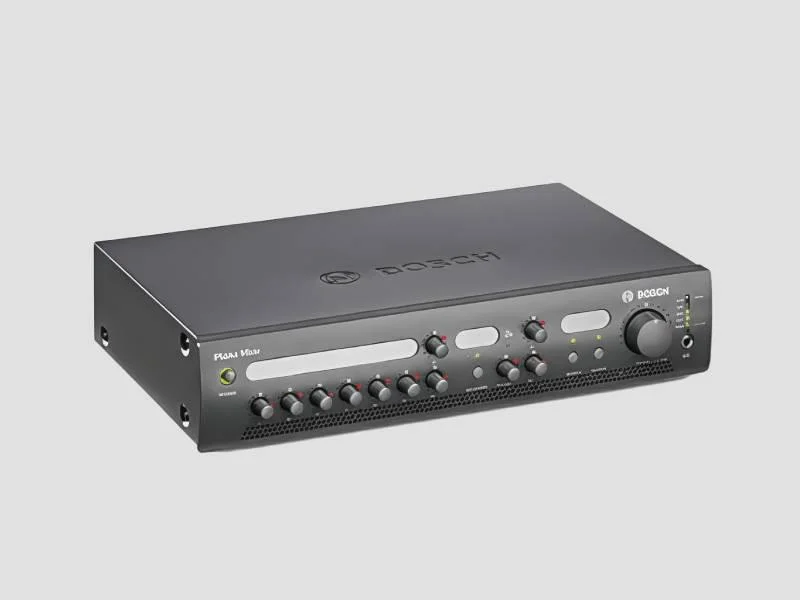
What are Audio Mixers?
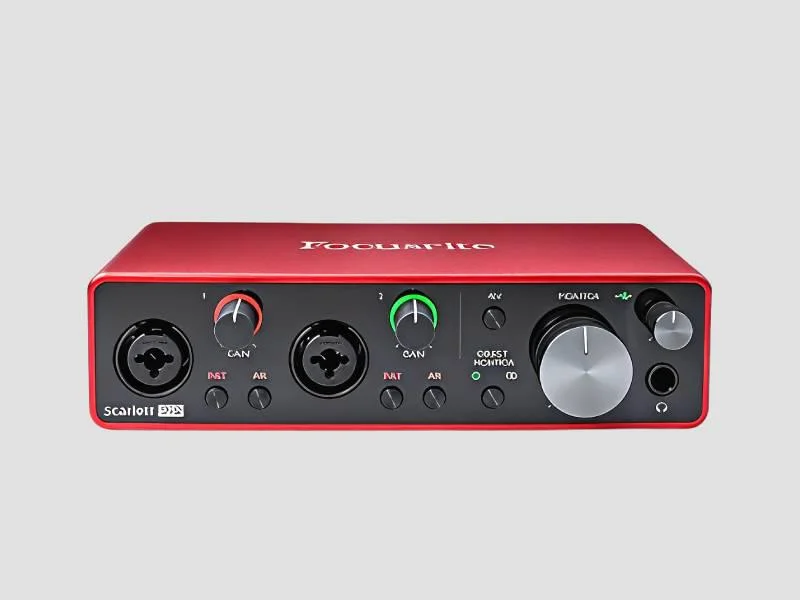
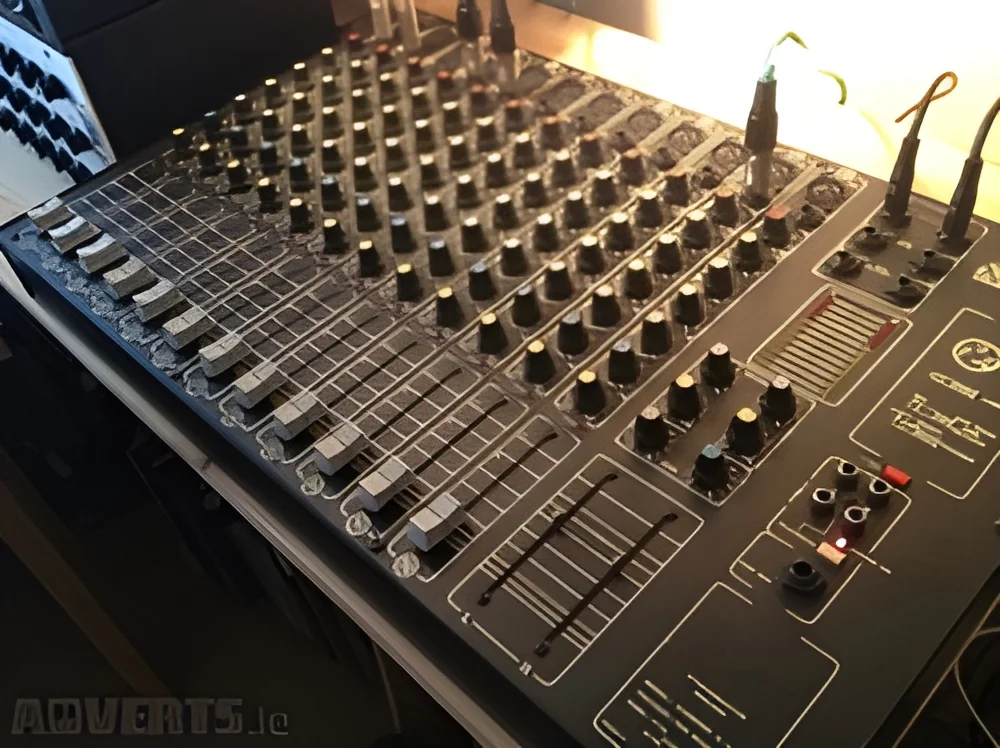
Audio mixers are essential devices used in sound production to combine multiple audio signals into a single output. They allow sound engineers to adjust levels, equalization, and effects for each audio source, ensuring a balanced and polished final mix. Audio mixers can vary in complexity, from simple analog devices to sophisticated digital consoles equipped with advanced features.
These mixers play a crucial role in various applications across industries, including music production, live sound reinforcement, broadcasting, and film post-production. They enable users to mix different audio channels, making them indispensable in settings such as recording studios, concert venues, and radio stations. The demand for high-quality audio mixers continues to grow as the entertainment and media landscape evolves.
In the current market, audio mixers are available in numerous configurations and sizes, catering to different user needs. As technology advances, features such as digital signal processing and remote control capabilities are becoming standard, making these devices increasingly versatile and user-friendly.
Key Features and Specifications
Audio mixers come equipped with a range of features designed to enhance audio production quality. Understanding these specifications is key for businesses looking to invest in audio mixing technology.
Key specifications include:
1. Input Channels
- Number of channels available for connecting audio sources
- Typically ranges from 4 to over 64 channels
2. Output Options
- Types of outputs available, such as XLR, TRS, and USB
- Allows for flexibility in connecting to various audio equipment
3. Equalization
- Built-in EQ options for adjusting frequency response
- Usually includes high, mid, and low frequency controls
4. Effects Processing
- Availability of onboard effects like reverb, delay, and compression
- Enhances audio quality and provides creative options
5. Fader Types
- Types of faders, such as linear or rotary, for volume control
- Affects user experience and ease of mixing
6. Digital Connectivity
- Support for digital audio interfaces and protocols like Dante or AES67
- Facilitates integration with modern digital audio systems
7. Monitoring Capabilities
- Options for monitoring audio through headphones or external speakers
- Ensures accurate sound representation during mixing
8. Build Quality
- Durability and materials used in construction
- Important for long-term usage in professional environments
In summary, understanding these key features and specifications will help businesses select the right audio mixer to meet their specific needs.
Common Applications and Use Cases
Audio mixers serve a wide range of industries and applications, making them versatile tools in sound production.
1. Music Production: Audio mixers are vital in recording studios, allowing sound engineers to mix instruments and vocals seamlessly. They enable precise control over each audio element, ensuring a polished final product.
2. Live Sound Reinforcement: In concert venues, audio mixers manage sound levels for multiple performers and instruments. They help achieve optimal sound quality for audiences, enhancing the overall experience.
3. Broadcasting: Radio and television stations utilize audio mixers to combine various audio feeds, such as music, interviews, and advertisements. This ensures clear and balanced sound transmission to listeners and viewers.
4. Film and Video Production: In post-production, audio mixers are used to blend dialogue, sound effects, and music tracks. This process is crucial for creating immersive audio experiences in films and videos.
5. Corporate Events: Audio mixers are frequently used in conferences and corporate gatherings to manage audio for presentations and speeches. They ensure that all speakers are heard clearly by the audience.
6. Theater Productions: In live theater, audio mixers balance dialogue, music, and sound effects, creating an engaging experience for audiences. They are essential for achieving professional audio quality in performances.
7. Podcasting: Content creators use audio mixers to enhance the quality of their recordings, allowing for the integration of multiple audio sources and effects. This is vital for producing professional-sounding podcasts.
Product Variants and Subcategories
Audio mixers come in various forms to cater to different user needs and environments.
Analog Mixers
These mixers provide a traditional approach to sound mixing, using analog circuitry for signal processing. They are favored for their warm sound characteristics and are often used in live sound applications.
Digital Mixers
Digital mixers offer advanced features such as onboard effects, automation, and digital connectivity. They are ideal for complex mixing tasks and are widely used in recording studios and live events.
Portable Mixers
Designed for mobile use, portable mixers are lightweight and compact. They are perfect for field recording, small events, and travel needs, providing essential mixing capabilities without sacrificing quality.
Benefits and Advantages
Investing in high-quality audio mixers offers several key benefits for businesses.
1. Enhanced Sound Quality: Audio mixers allow for precise control over audio levels and equalization, resulting in superior sound quality in any production.
2. Flexibility and Versatility: With various input and output options, audio mixers can accommodate a wide range of audio sources and devices, making them adaptable to different environments.
3. Streamlined Workflow: Advanced features such as automation and effects processing simplify the mixing process, allowing sound engineers to work more efficiently.
4. Improved Collaboration: Audio mixers facilitate teamwork among sound engineers, musicians, and producers, enhancing the overall production process.
5. Greater Control: The ability to adjust individual audio channels provides sound engineers with the control needed to create a balanced and polished final mix.
6. Future-Proof Technology: Many modern audio mixers are designed to integrate with current and emerging technologies, ensuring longevity and relevance in a rapidly changing industry.
Buying Guide for B2B Buyers
When sourcing audio mixers, businesses should consider several important factors to make informed purchasing decisions.
1. Quality Assessment: Evaluate the build quality and performance of audio mixers to ensure they meet the demands of professional use. Look for user reviews and expert recommendations.
2. Supplier Verification: It is crucial to vet suppliers to ensure they provide reliable products and services. Check for industry certifications and customer feedback.
3. Pricing and MOQ: Understand the pricing structure and minimum order quantities (MOQ) associated with different suppliers. This will help in budgeting and procurement planning.
4. Delivery and Lead Times: Consider the logistics involved in sourcing audio mixers, including delivery times and shipping options. Timely delivery is essential for project timelines.
5. Compliance Requirements: Ensure that the audio mixers meet relevant industry standards and regulations, such as safety and performance certifications. This is critical for maintaining quality and safety in production environments.
Compliance and Certifications
Audio mixers must adhere to various quality standards and certifications to ensure reliability and safety in usage.
Relevant quality standards, such as ISO 9001, provide a framework for quality management systems in manufacturing. These standards ensure that products consistently meet customer and regulatory requirements.
Industry certifications, including CE marking, signify that audio mixers comply with European safety, health, and environmental protection standards. This is vital for products sold in or imported into the European market.
Safety and testing requirements are essential to ensure that audio mixers operate safely and effectively in professional settings. Manufacturers often conduct rigorous testing to meet these standards.
Regional compliance considerations may vary based on the target market. It is important for businesses to understand local regulations and ensure that the audio mixers they source comply with these requirements.
Why Source Audio Mixers from Pepagora?
Pepagora provides a trusted platform for sourcing audio mixers with several key advantages that benefit B2B buyers.
Verified Supplier Network: Pepagora connects buyers with a network of verified suppliers, ensuring that businesses can source high-quality audio mixers from reputable manufacturers. This reduces the risk of receiving subpar products.
Streamlined RFQ Process: The platform offers a user-friendly request for quotation (RFQ) system, allowing buyers to easily compare quotes from different suppliers. This efficiency helps businesses make quick and informed purchasing decisions.
Trade Assurance and Support: Pepagora offers trade assurance, providing buyers with protection throughout the purchasing process. This includes support for resolving any issues that may arise, ensuring a smooth experience.
Regional Coverage: With a strong presence in markets such as India, the GCC, and Southeast Asia, Pepagora offers extensive regional coverage. This allows businesses to access a wide range of audio mixers tailored to their specific local needs.
By choosing Pepagora, businesses can confidently source audio mixers that meet their production requirements while benefiting from a comprehensive support system.

 IN
IN