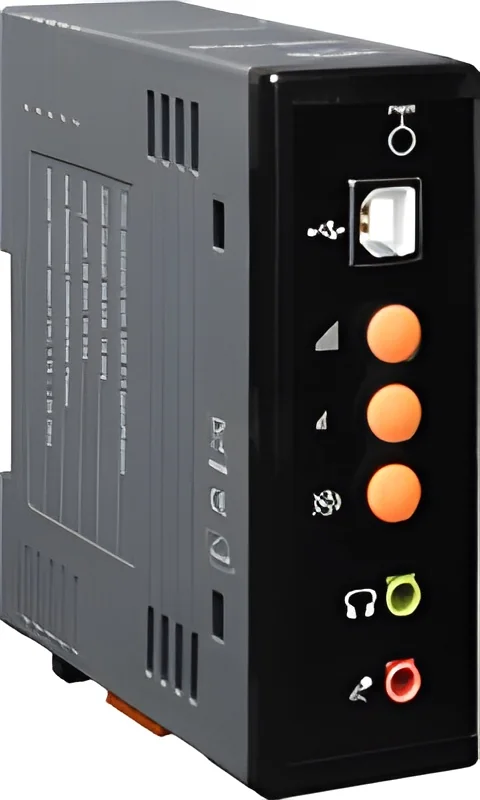
What are Audio Interfaces for Studio?
Audio interfaces for studio use are devices that convert analog audio signals into digital data and vice versa. These interfaces act as the bridge between traditional audio equipment, such as microphones and instruments, and digital audio workstations (DAWs). By facilitating high-quality audio recording, they are essential tools for music producers, sound engineers, and content creators who seek to achieve professional sound quality in their projects.
The primary uses of audio interfaces include recording, playback, and monitoring of sound. They are widely employed in various business applications, including music production, podcasting, video production, and live sound reinforcement. In these settings, audio interfaces help ensure clear and accurate sound reproduction, which is crucial for achieving the desired audio fidelity. As the demand for high-quality audio content grows across industries, audio interfaces have become increasingly relevant, making them a vital component in modern studios.
In the context of the audio equipment market, audio interfaces have evolved significantly. With advancements in technology, they now offer features like low-latency performance, multiple input/output channels, and enhanced connectivity options. This has led to their widespread adoption not only by professional studios but also by home recording enthusiasts and small businesses aiming to produce high-quality audio content.
Key Features and Specifications
Audio interfaces come equipped with various features and specifications tailored to meet the needs of different users. Understanding these specifications is crucial for selecting the right audio interface for studio applications.
Key specifications include:
1. Audio Resolution
- Typically measured in bits (16-bit, 24-bit)
- Higher resolutions allow for greater audio detail and clarity
2. Sample Rate
- Common rates include 44.1 kHz, 48 kHz, 96 kHz, and 192 kHz
- Higher sample rates provide better sound reproduction
3. Input/Output Channels
- Ranges from 2 in / 2 out to 32 in / 32 out
- More channels allow for simultaneous recording of multiple sources
4. Latency
- Measured in milliseconds (ms)
- Lower latency is essential for real-time monitoring during recording
5. Connectivity Options
- USB, Thunderbolt, and FireWire are common interfaces
- Compatibility with various devices and systems enhances usability
6. MIDI Support
- Enables connectivity with MIDI instruments and controllers
- Useful for music production and virtual instrument integration
7. Phantom Power
- Provides power to condenser microphones
- Typically 48V, essential for professional audio recording
8. Monitoring Features
- Direct monitoring allows for real-time audio monitoring without delay
- Stereo and headphone outputs are standard for audio playback
In summary, selecting an audio interface with the right features and specifications enhances recording quality and overall studio performance. Proper consideration of these aspects ensures that users achieve their desired audio outcomes.
Common Applications and Use Cases
Audio interfaces are versatile tools that find applications across various industries. Their ability to deliver high-quality audio makes them essential in many settings.
1. Music Production: Audio interfaces are crucial in music studios, allowing musicians and producers to record multiple instruments and vocals simultaneously with high fidelity.
2. Podcasting: Podcasters utilize audio interfaces to capture clear dialogue and sound effects, ensuring professional audio quality for their shows.
3. Video Production: In film and video production, audio interfaces help synchronize sound with visuals, providing a seamless viewing experience.
4. Live Sound: Event organizers and sound engineers use audio interfaces to manage sound during live performances, ensuring optimal audio delivery to audiences.
5. Broadcasting: Radio stations and online streaming platforms rely on audio interfaces for high-quality audio transmission, enhancing listener experiences.
6. Education: Audio interfaces are used in educational settings for teaching music production and audio engineering, providing hands-on experience with professional equipment.
7. Content Creation: Influencers and content creators leverage audio interfaces to improve the sound quality of their videos and streams, making their content more engaging.
Product Variants and Subcategories
Audio interfaces come in various configurations to suit different user needs and applications. This diversity allows buyers to choose the most suitable option for their specific requirements.
Portable Audio Interfaces
These compact interfaces are designed for musicians and content creators on the go. They typically offer USB connectivity and battery-powered options for easy transport and use in various locations.
Rackmount Audio Interfaces
Ideal for professional studios, rackmount audio interfaces provide multiple channels and advanced features. They are designed to be installed in standard equipment racks and often come with enhanced connectivity options.
Desktop Audio Interfaces
These interfaces are perfect for home studios and personal setups. They offer user-friendly designs with essential features for recording and playback, making them suitable for beginners and experienced users alike.
Benefits and Advantages
Investing in audio interfaces for studio use provides numerous benefits that enhance audio production quality and workflow efficiency.
1. Improved Audio Quality: High-resolution audio conversion ensures that recordings capture every detail, resulting in polished final products.
2. Enhanced Workflow: Features like low latency and multiple I/O channels streamline the recording process, allowing for more efficient sessions.
3. Versatility: Audio interfaces support a wide range of applications, making them suitable for various industries and projects.
4. Compatibility: Most audio interfaces are designed to work with popular DAWs and operating systems, ensuring ease of integration into existing setups.
5. User-Friendly: Many models offer intuitive controls and interfaces, making them accessible for users of all skill levels.
6. Cost-Effective: Compared to full studio setups, audio interfaces provide a budget-friendly option for achieving professional audio quality in home studios.
Buying Guide for B2B Buyers
When sourcing audio interfaces for studio use, B2B buyers should consider several important factors to ensure they make informed purchasing decisions.
1. Quality Assessment: Evaluate the audio quality specifications, including resolution and sample rate, to ensure the interface meets professional standards.
2. Supplier Verification: Vet suppliers based on their reputation, customer reviews, and product offerings to ensure reliability and quality.
3. Pricing and MOQ: Consider the pricing structure and minimum order quantities to align with budget constraints and project needs.
4. Delivery and Lead Times: Factor in logistics and delivery timelines to ensure that audio interfaces arrive when needed for production schedules.
5. Compliance Requirements: Verify that the audio interfaces meet any applicable regulatory standards and certifications, such as CE, to ensure safe and reliable use.
Compliance and Certifications
Audio interfaces must adhere to various quality standards and certifications to ensure they meet industry requirements. Key standards include ISO 9001, which emphasizes quality management systems, and CE certification, indicating compliance with European safety, health, and environmental protection standards.
Additionally, products may be subjected to safety and testing requirements to ensure reliability and performance. It is essential for buyers to understand regional compliance considerations, as these can vary significantly based on location. Ensuring compliance with these standards not only enhances product reliability but also builds trust with end-users.
Why Source Audio Interfaces for Studio from Pepagora?
Pepagora provides a trusted platform for sourcing audio interfaces for studio use, offering several key advantages for B2B buyers.
Verified Supplier Network: Pepagora has a robust network of verified suppliers, ensuring that buyers can source high-quality audio interfaces from reputable manufacturers. This verification process helps mitigate risks associated with purchasing from unknown sources.
Streamlined RFQ Process: The request for quotation (RFQ) system on Pepagora simplifies the procurement process. Buyers can easily compare quotes from multiple suppliers, allowing them to make informed decisions based on price and specifications.
Trade Assurance and Support: Pepagora offers trade assurance, providing buyers with protection against potential issues such as product quality discrepancies or shipment delays. This support fosters confidence in the purchasing process.
Regional Coverage: With a focus on regions such as India, the GCC, and Southeast Asia, Pepagora ensures that buyers can access a diverse range of audio interfaces tailored to their local markets. This geographic reach enhances the platform's effectiveness in meeting the needs of various businesses.

 IN
IN