𝗪𝗵𝗮𝘁 𝗮𝗿𝗲 𝗗𝗝 & 𝗦𝘁𝘂𝗱𝗶𝗼 𝗘𝗾𝘂𝗶𝗽𝗺𝗲𝗻𝘁?
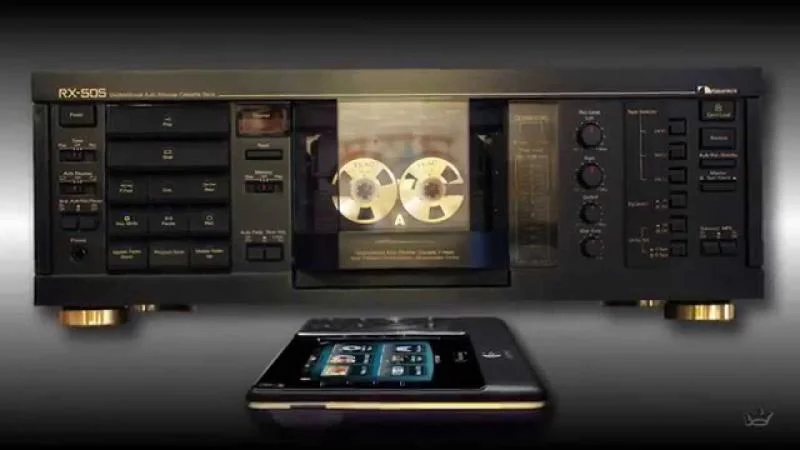
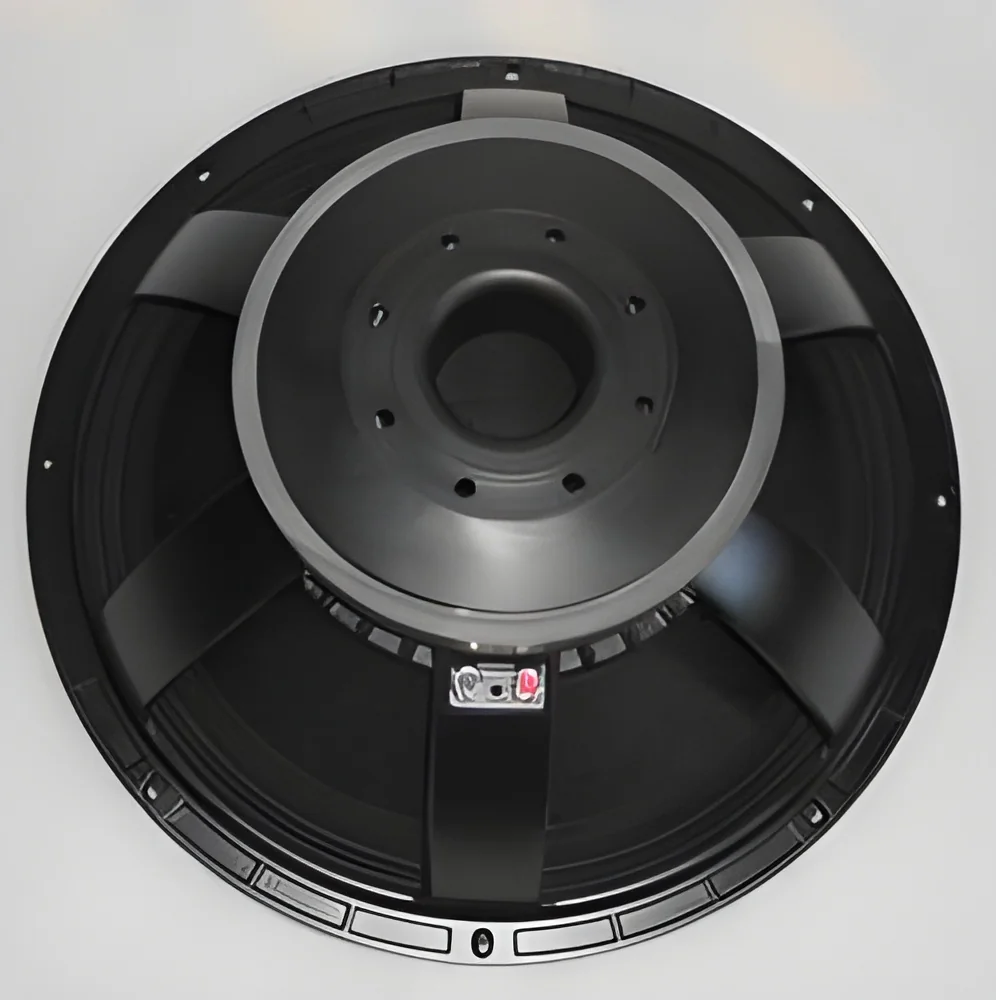
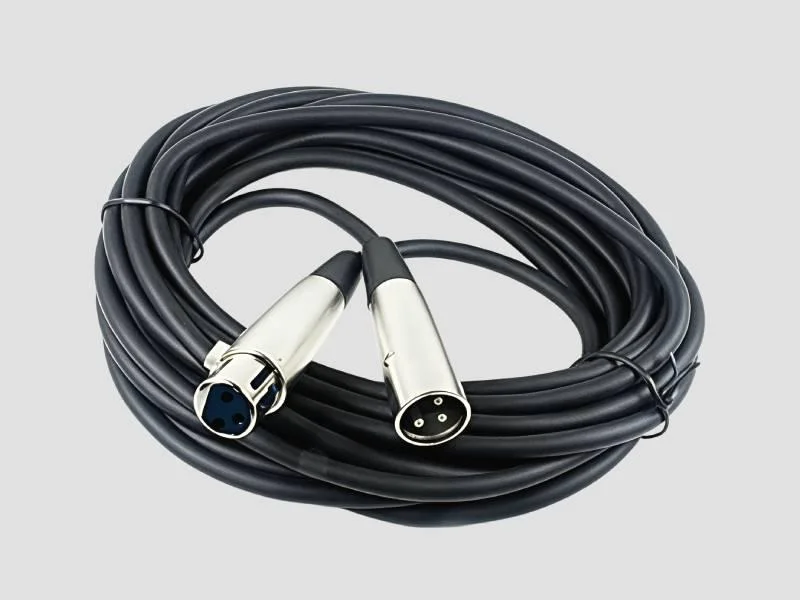
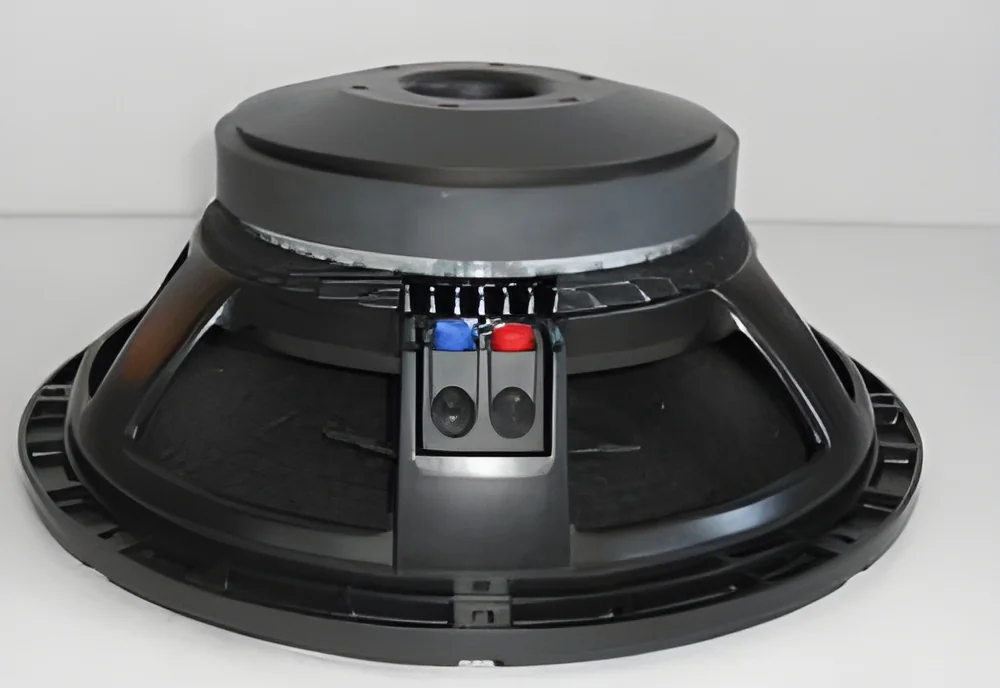
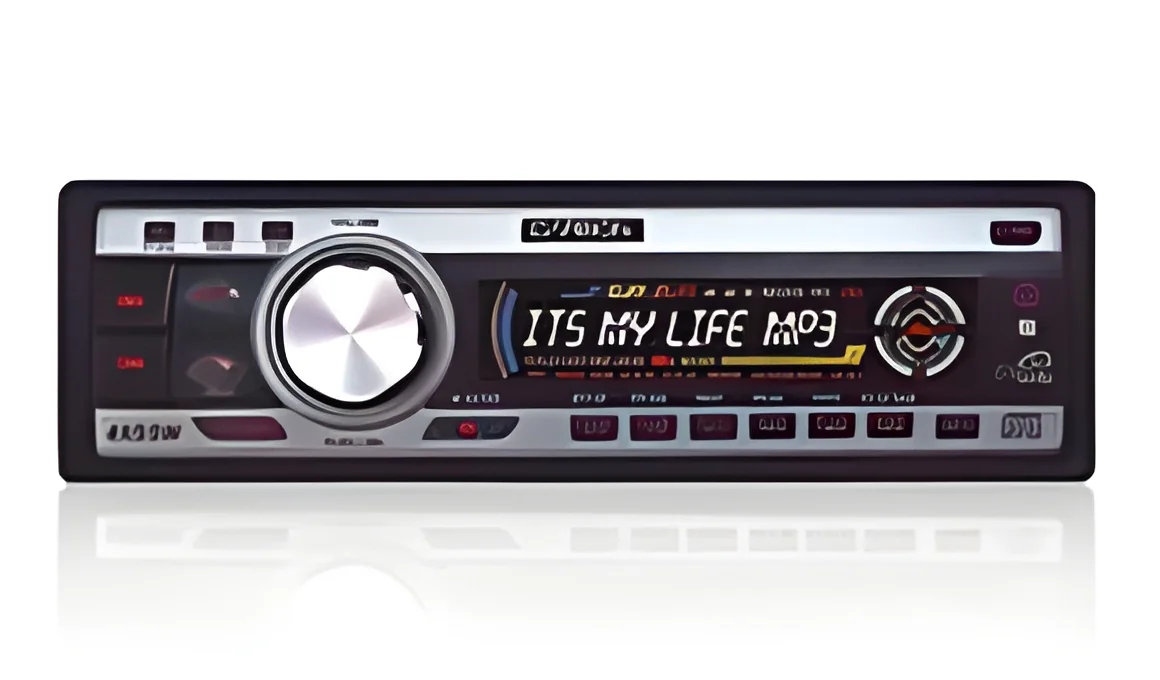
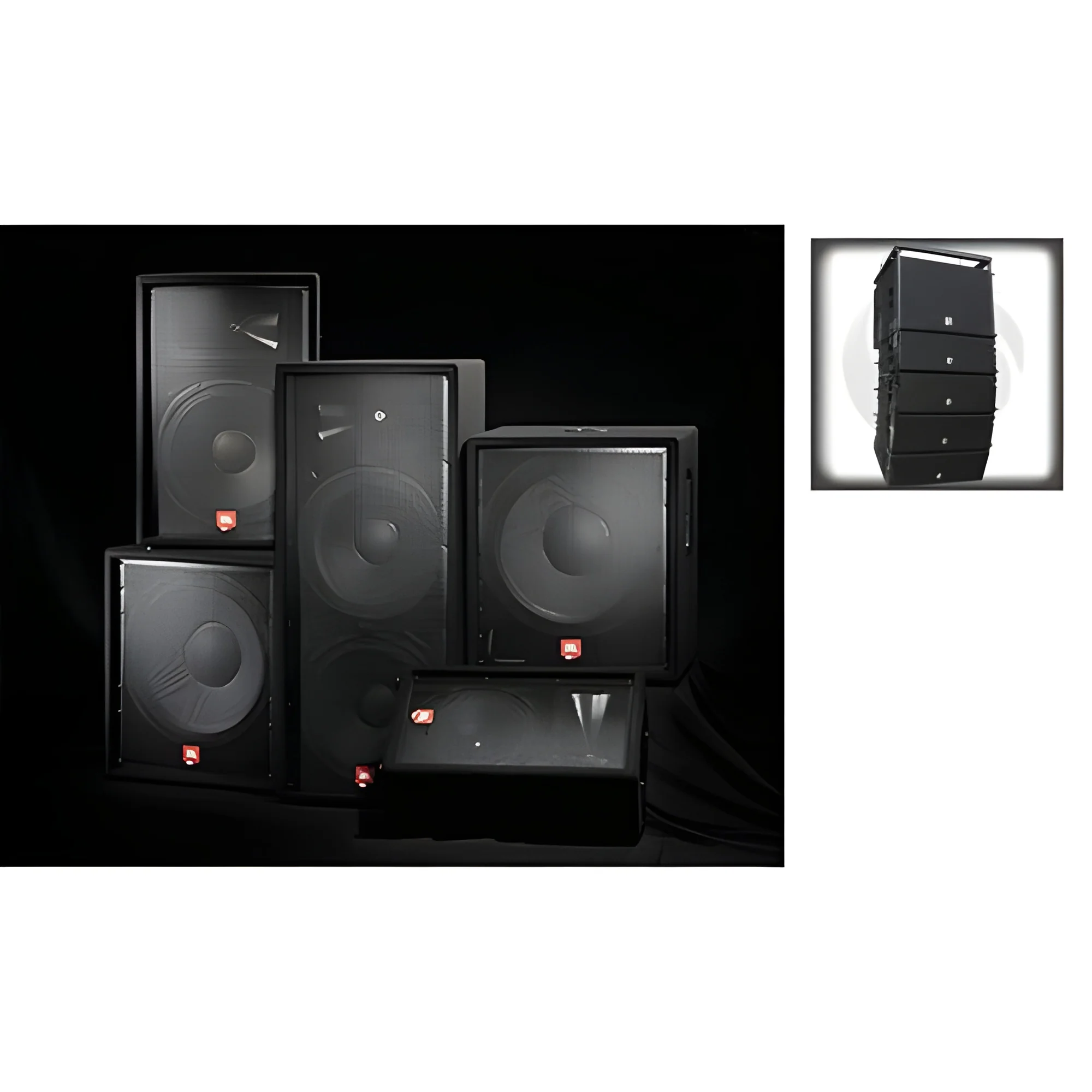
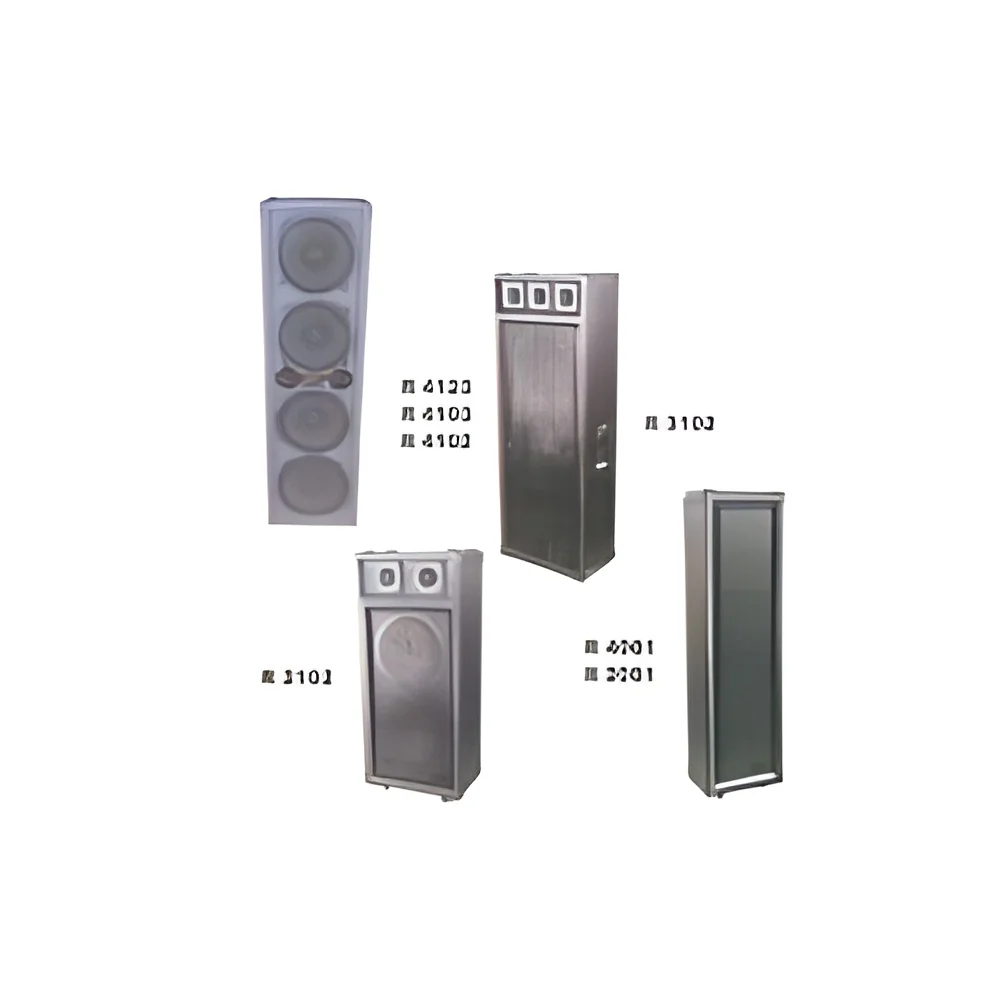
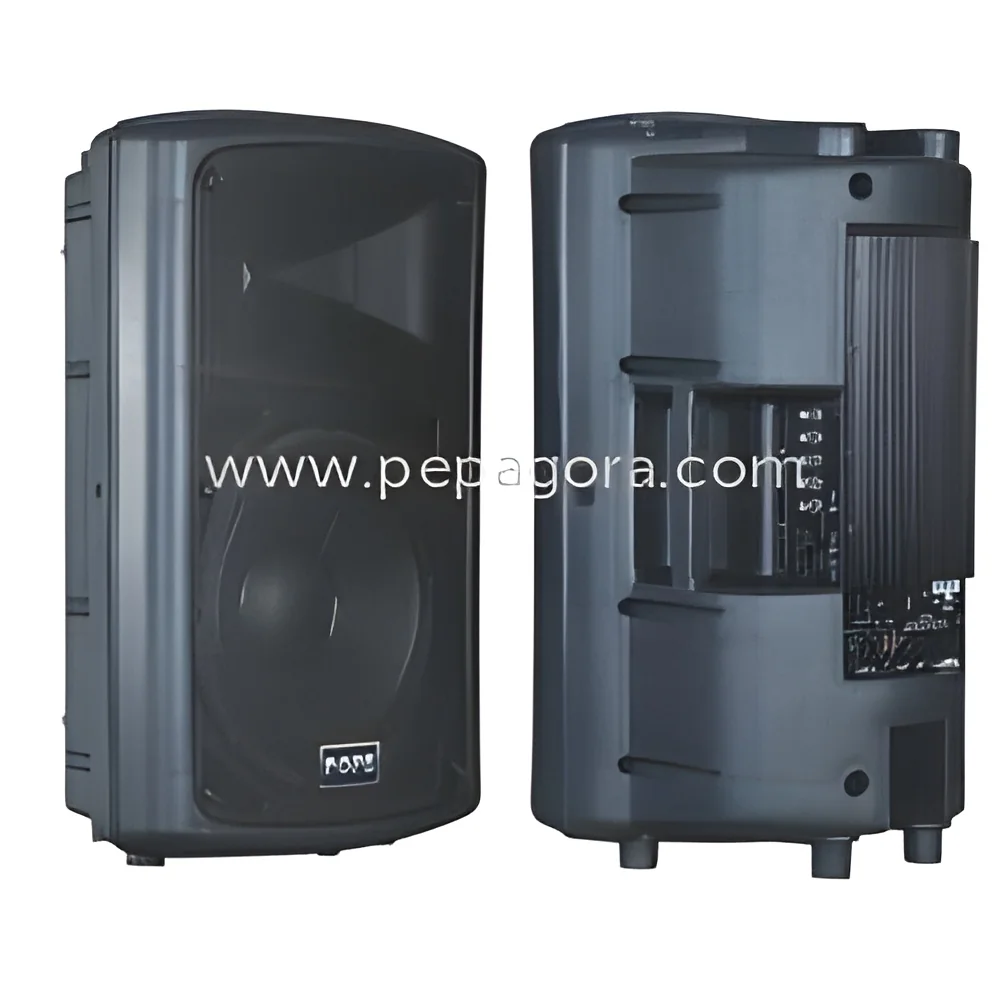
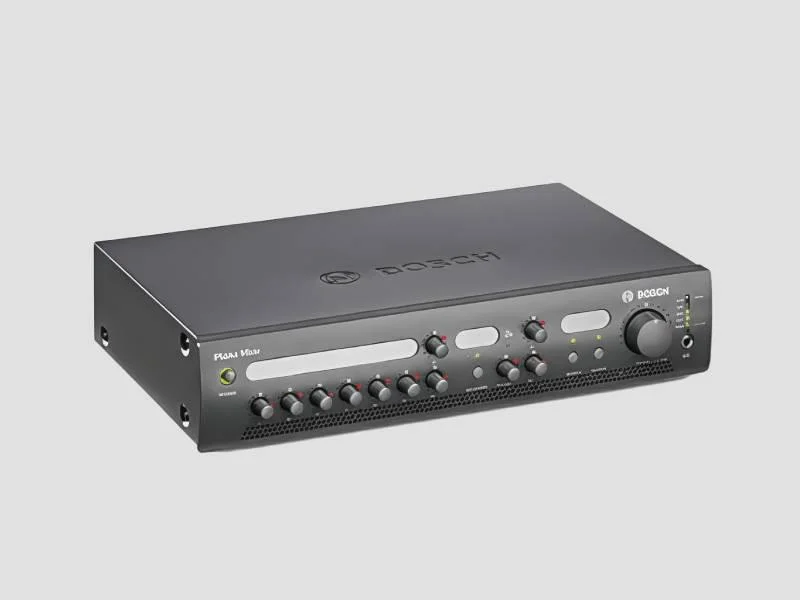
DJ and studio equipment encompasses a wide range of tools and devices used by music professionals, including DJs, sound engineers, and recording artists. This equipment is essential for creating, mixing, and producing music in various settings, from live performances to studio recordings. It includes items such as mixers, turntables, microphones, audio interfaces, and studio monitors, among others. The main purpose of this equipment is to enhance sound quality and facilitate the artistic process of music creation.
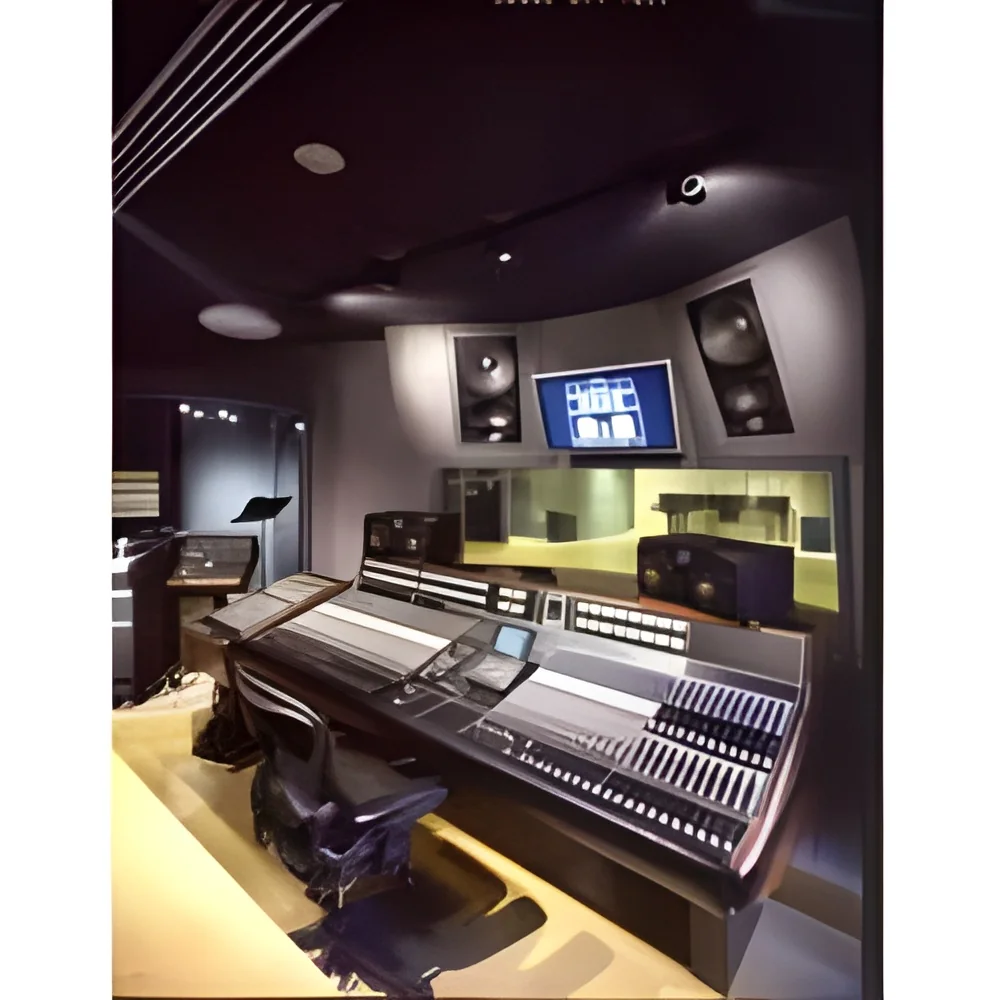
The primary applications of DJ and studio equipment are found in the music and entertainment industries. DJs use this equipment to manipulate audio tracks and create seamless transitions during live performances. In studio environments, sound engineers and producers rely on this equipment to record, mix, and master music tracks for artists. This equipment is also relevant in broadcasting, film production, and content creation, where high-quality audio is paramount. As the music industry continues to evolve, investment in DJ and studio equipment remains critical for professionals looking to deliver superior sound experiences.
𝗞𝗲𝘆 𝗙𝗲𝗮𝘁𝘂𝗿𝗲𝘀 𝗮𝗻𝗱 𝗦𝗽𝗲𝗰𝗶𝗳𝗶𝗰𝗮𝘁𝗶𝗼𝗻𝘀
DJ and studio equipment comes with a variety of features designed to meet the specific needs of professionals in the music industry. These features enhance usability, sound quality, and connectivity, making it essential for both live performances and studio work.
Key specifications include:
1. Mixer Type
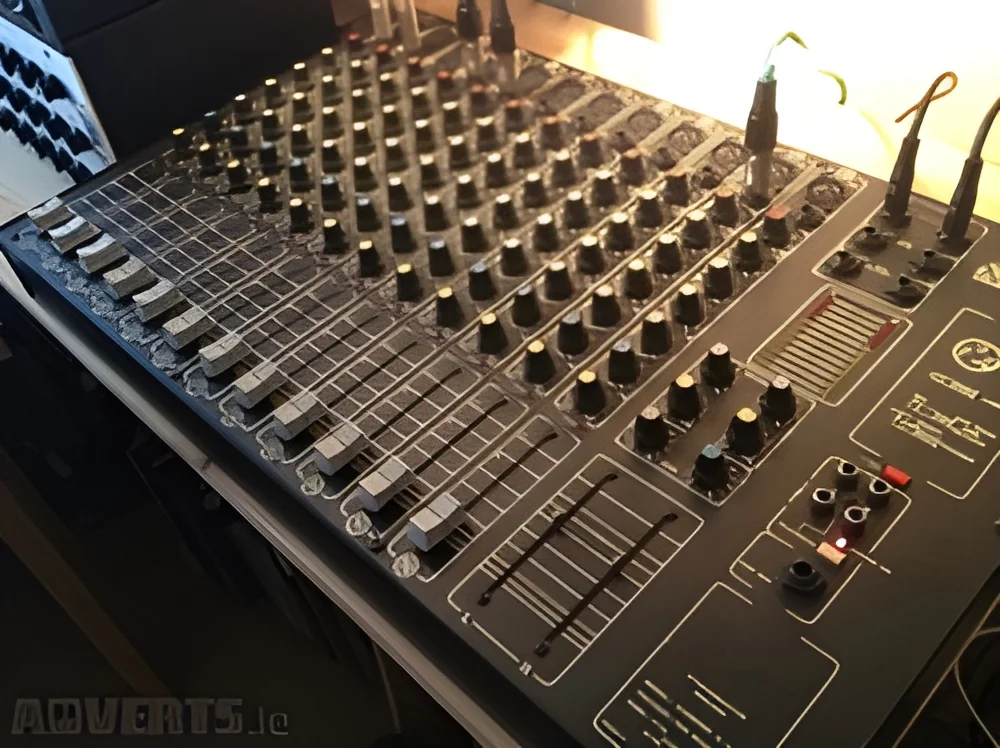
- Analog or digital mixers with multiple channels
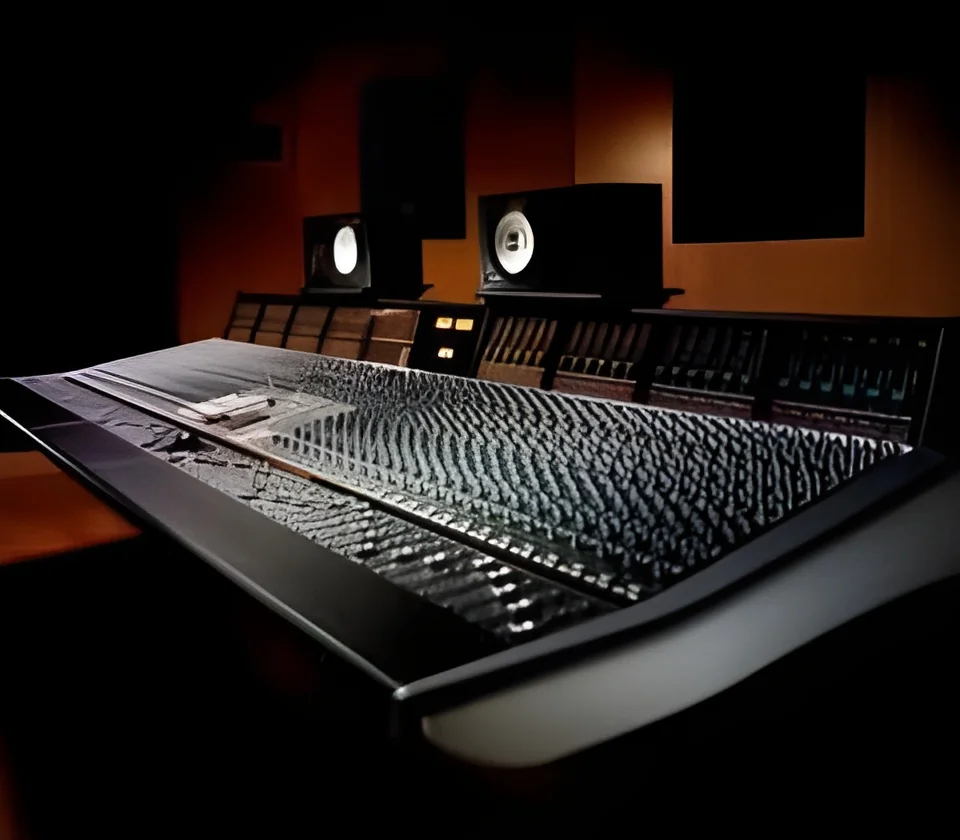
- Features like EQ, effects, and routing options
2. Audio Interface
- Supports various input/output configurations
- Can include USB, MIDI, and line-level connections
3. Microphone Type
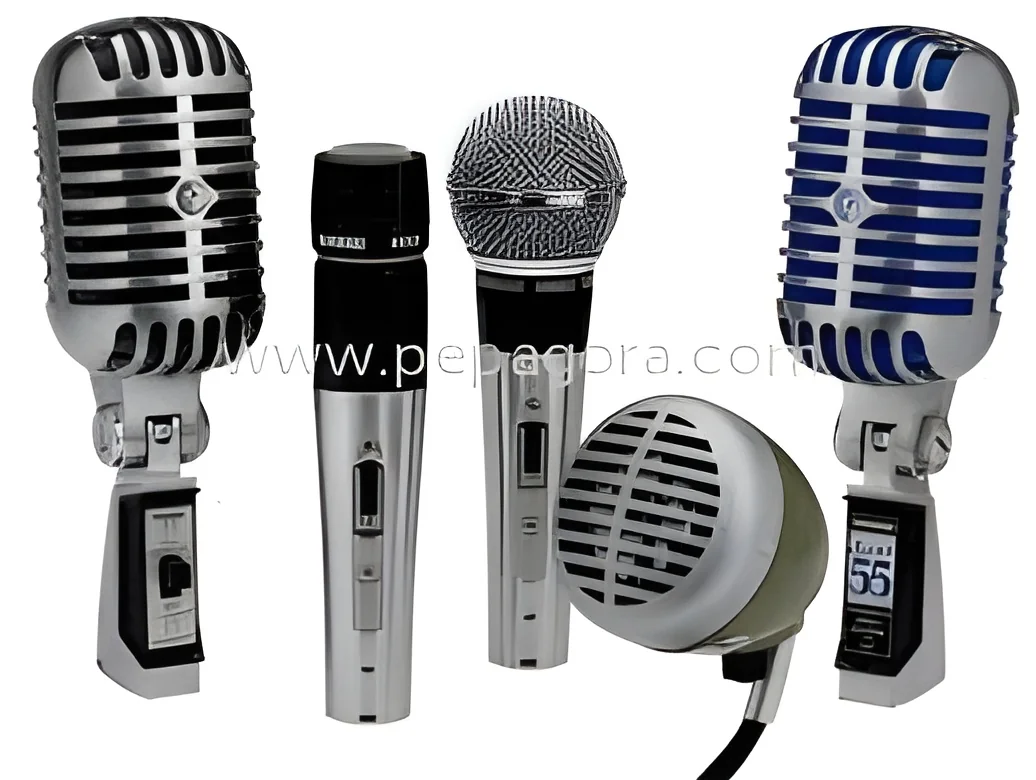
- Dynamic, condenser, or ribbon microphones
- Frequency response and sensitivity ratings
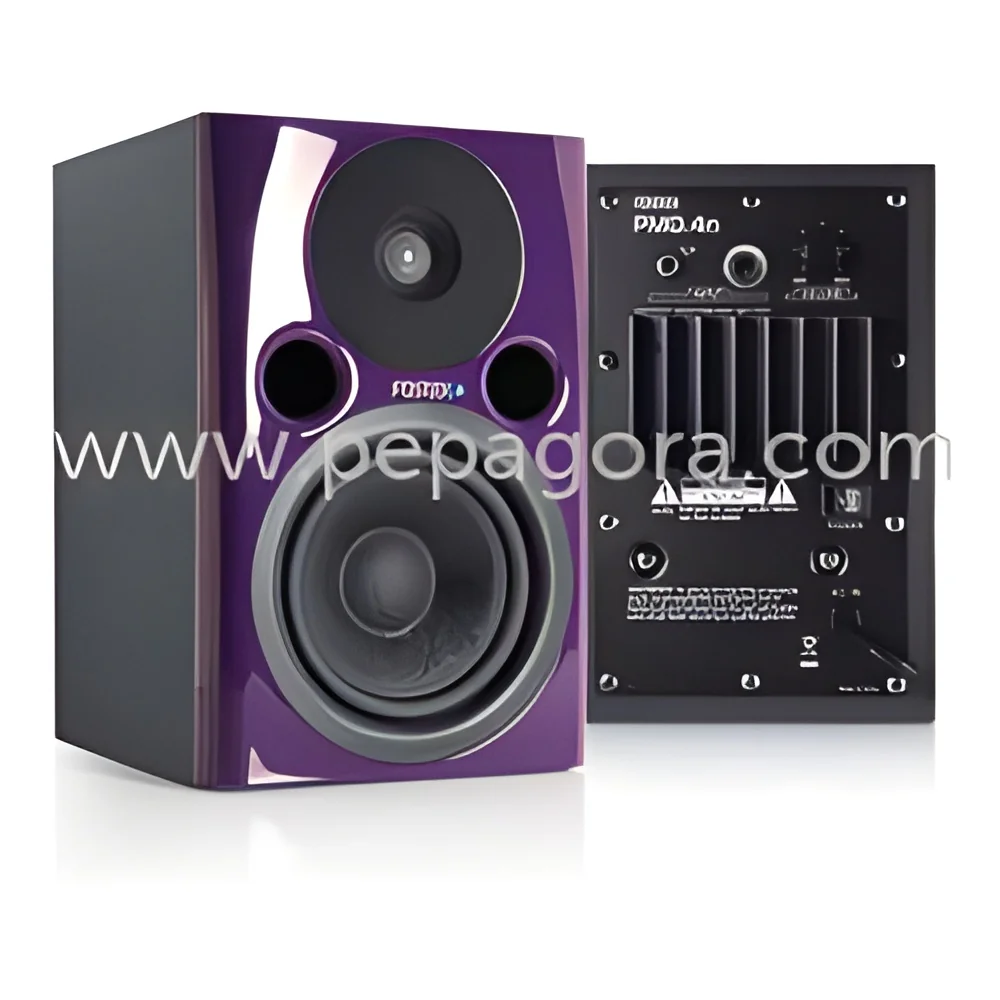
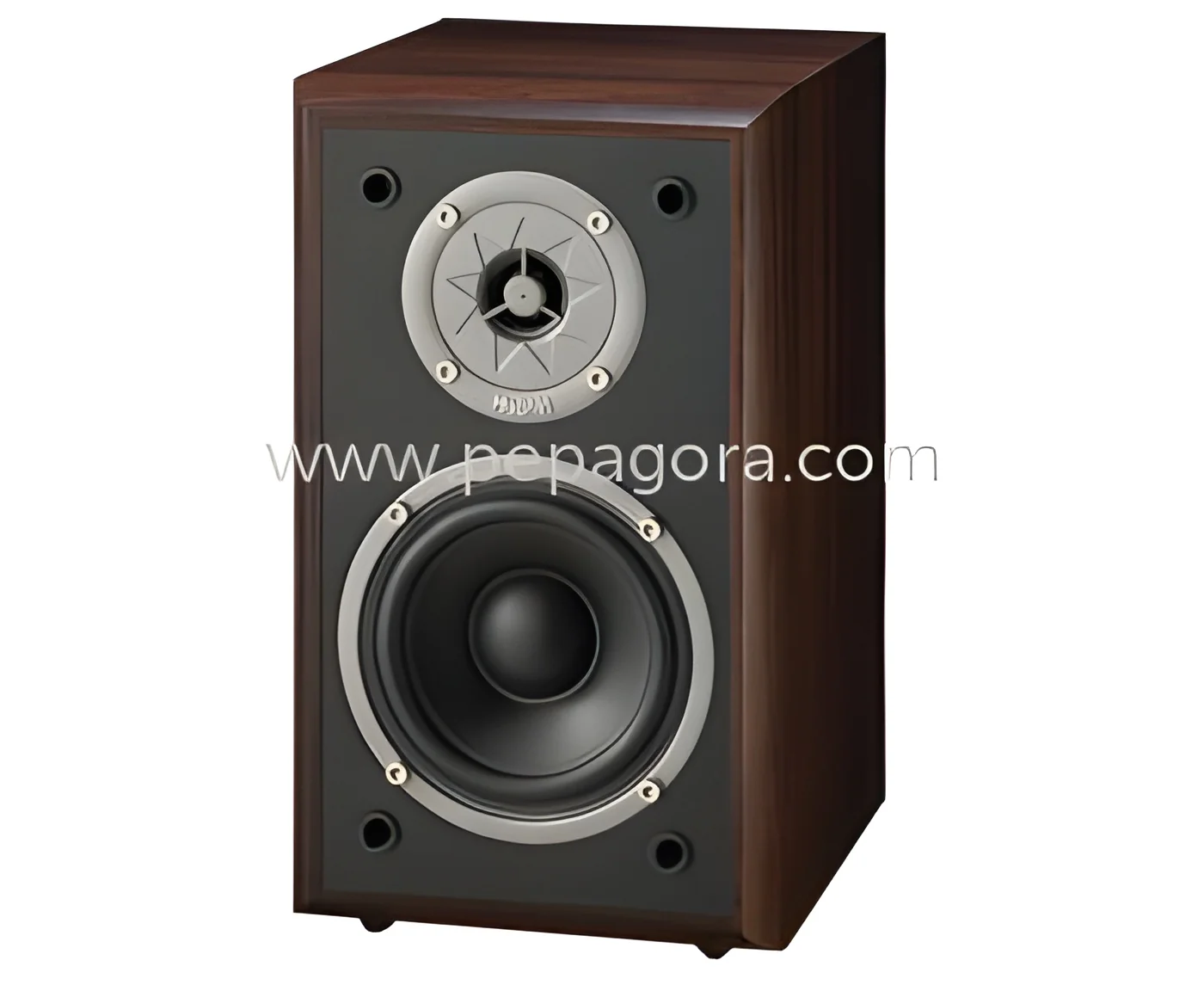
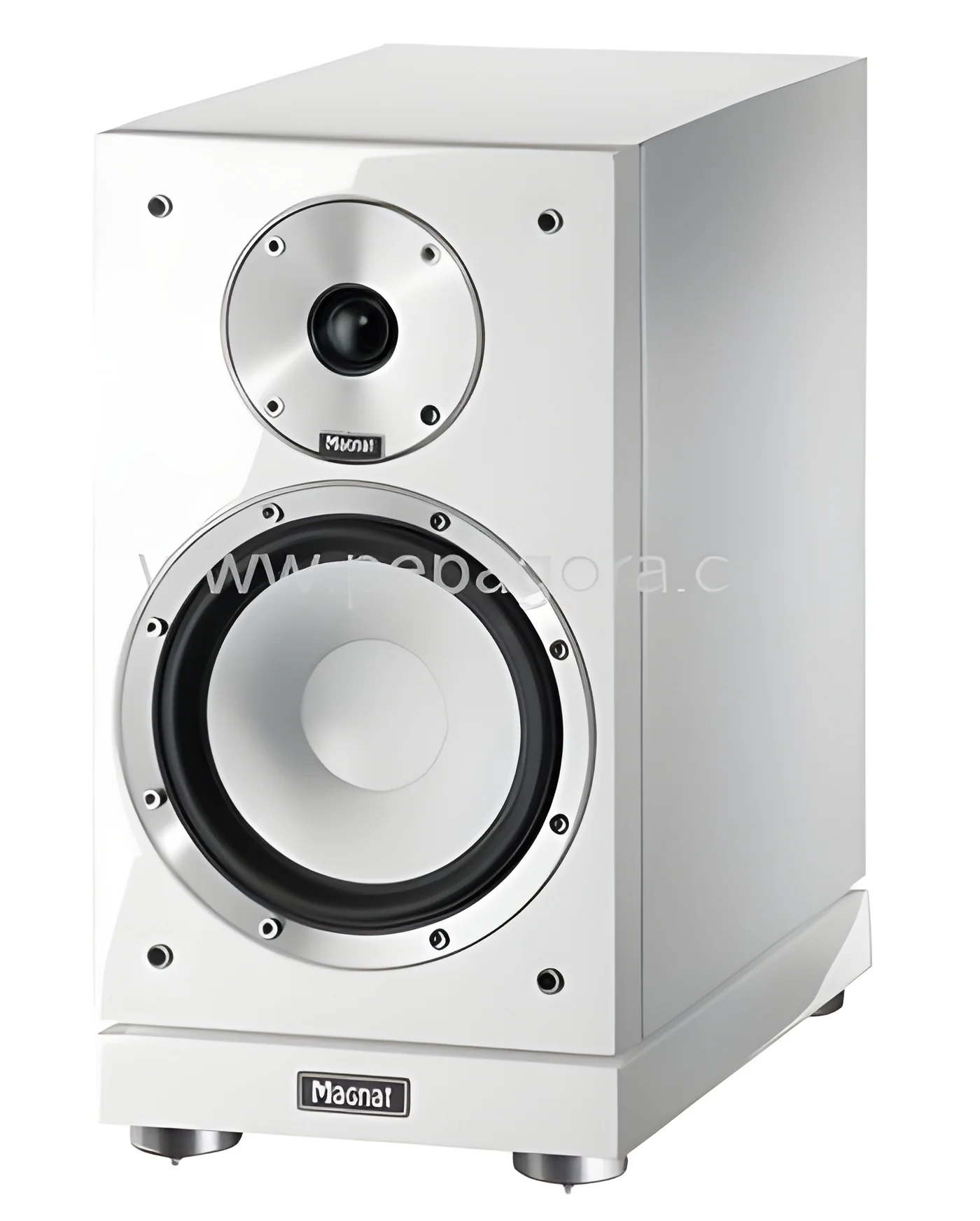
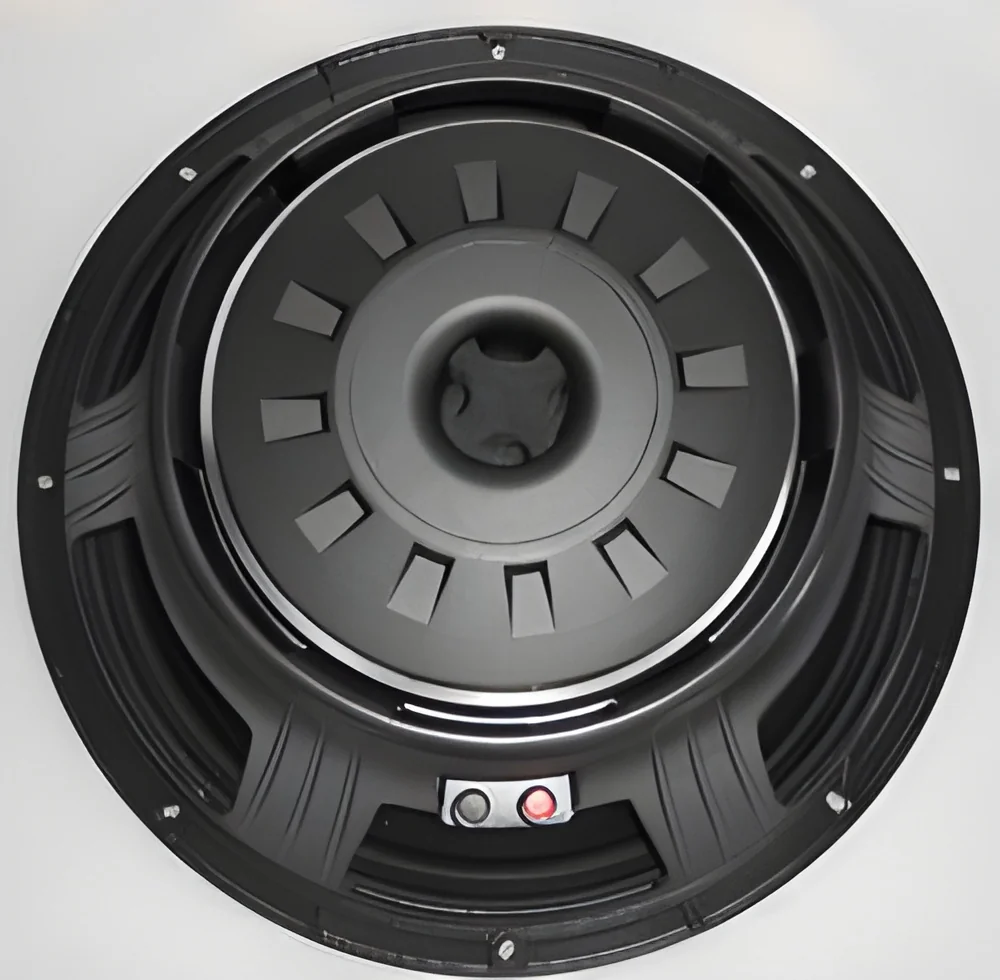
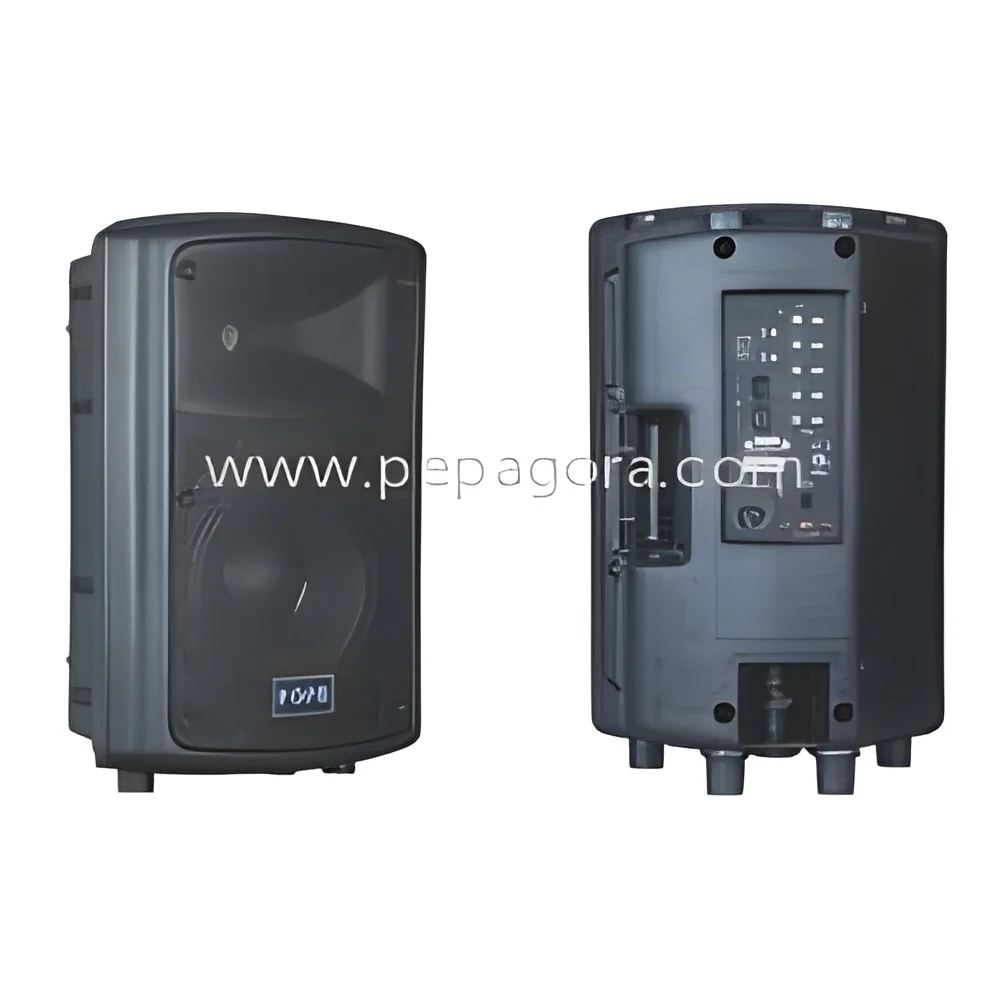
4. Studio Monitors
- Near-field or far-field designs
- Frequency range and power handling capabilities
5. Turntables
- Direct drive or belt drive systems
- Speed settings for vinyl playback
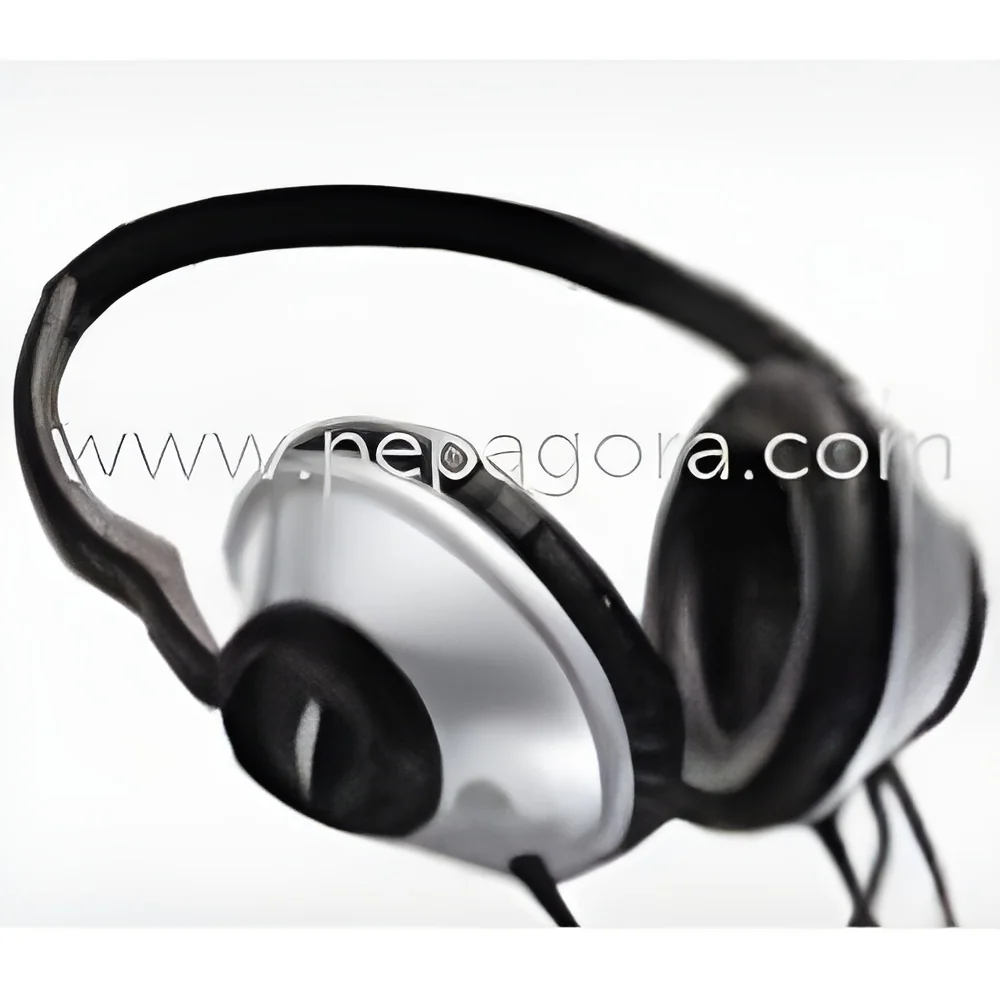
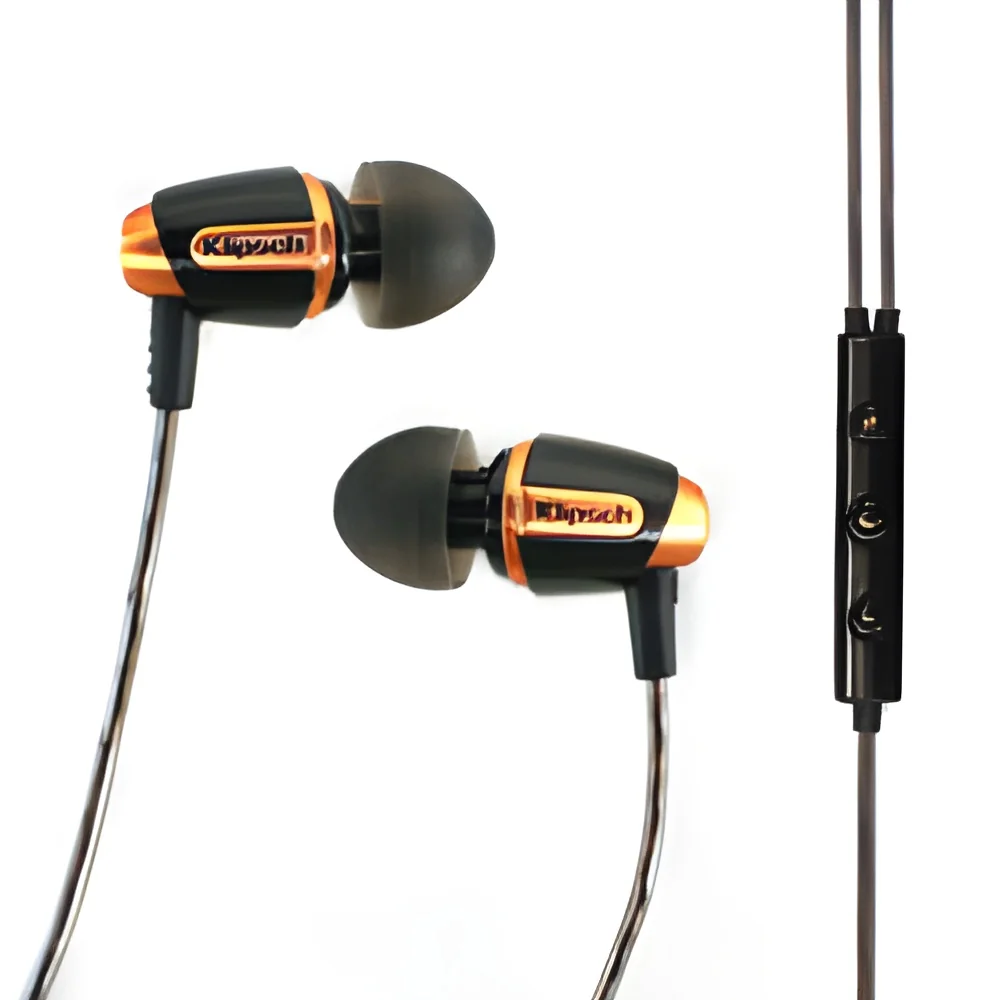
6. Headphone Quality
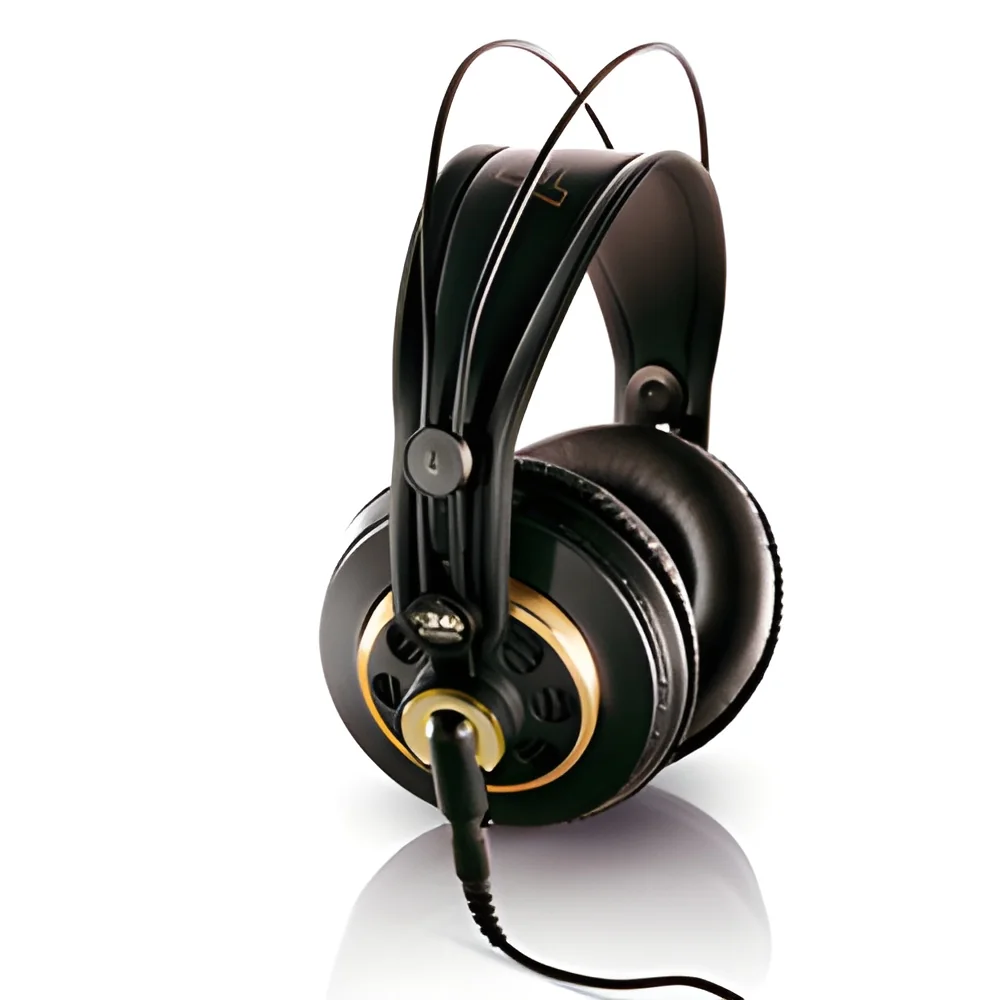
- Closed-back or open-back designs
- Impedance and frequency response specifications
7. Software Compatibility
- Compatible with major DAWs (Digital Audio Workstations)
- Supports various plugins and effects
8. Build Quality
- Durability and materials used in construction
- Portability features for mobile setups
In summary, understanding the key features and specifications of DJ and studio equipment is crucial for making informed purchasing decisions that meet specific audio production needs.
𝗖𝗼𝗺𝗺𝗼𝗻 𝗔𝗽𝗽𝗹𝗶𝗰𝗮𝘁𝗶𝗼𝗻𝘀 𝗮𝗻𝗱 𝗨𝘀𝗲 𝗖𝗮𝘀𝗲𝘀
DJ and studio equipment serves a variety of industries and applications beyond just music performance and production.
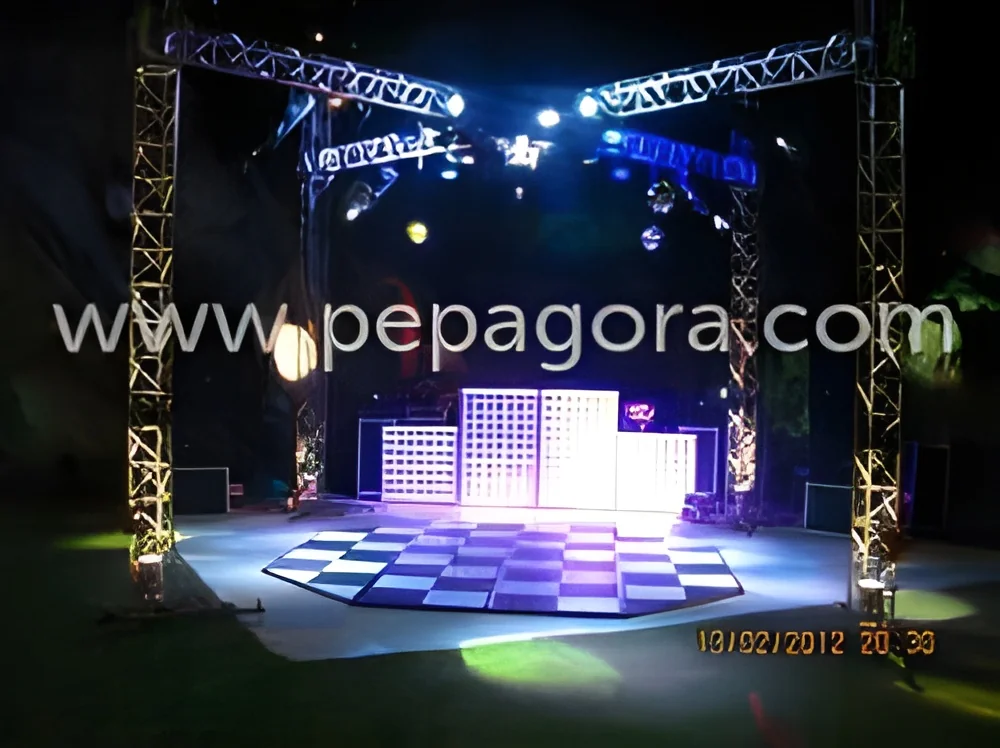
1. Live Events: DJs utilize this equipment in clubs, festivals, and concerts to deliver engaging performances with seamless audio transitions.
2. Recording Studios: Sound engineers use studio equipment for recording vocals and instruments, ensuring high fidelity and professional sound quality.
3. Film Production: Audio equipment is essential in film for recording dialogue and ambient sounds, contributing to the overall production quality.
4. Broadcasting: Radio stations and media outlets use studio equipment to produce live shows and recorded segments, ensuring clear audio transmission.
5. Content Creation: Podcasters and video creators rely on this equipment to produce high-quality audio for their content, enhancing listener engagement.
6. Education: Music schools and institutions utilize DJ and studio equipment for teaching students about sound engineering and music production.
7. Multimedia Arts: Artists use this equipment to create audio installations and interactive exhibits, pushing the boundaries of traditional art forms.
𝗣𝗿𝗼𝗱𝘂𝗰𝘁 𝗩𝗮𝗿𝗶𝗮𝗻𝘁𝘀 𝗮𝗻𝗱 𝗦𝘂𝗯𝗰𝗮𝘁𝗲𝗴𝗼𝗿𝗶𝗲𝘀
DJ and studio equipment comes in various forms, catering to different needs and preferences of users.
DJ Controllers: These devices combine a mixer and turntables into a single unit, allowing DJs to control software directly. They often include built-in effects and performance pads for creative mixing.
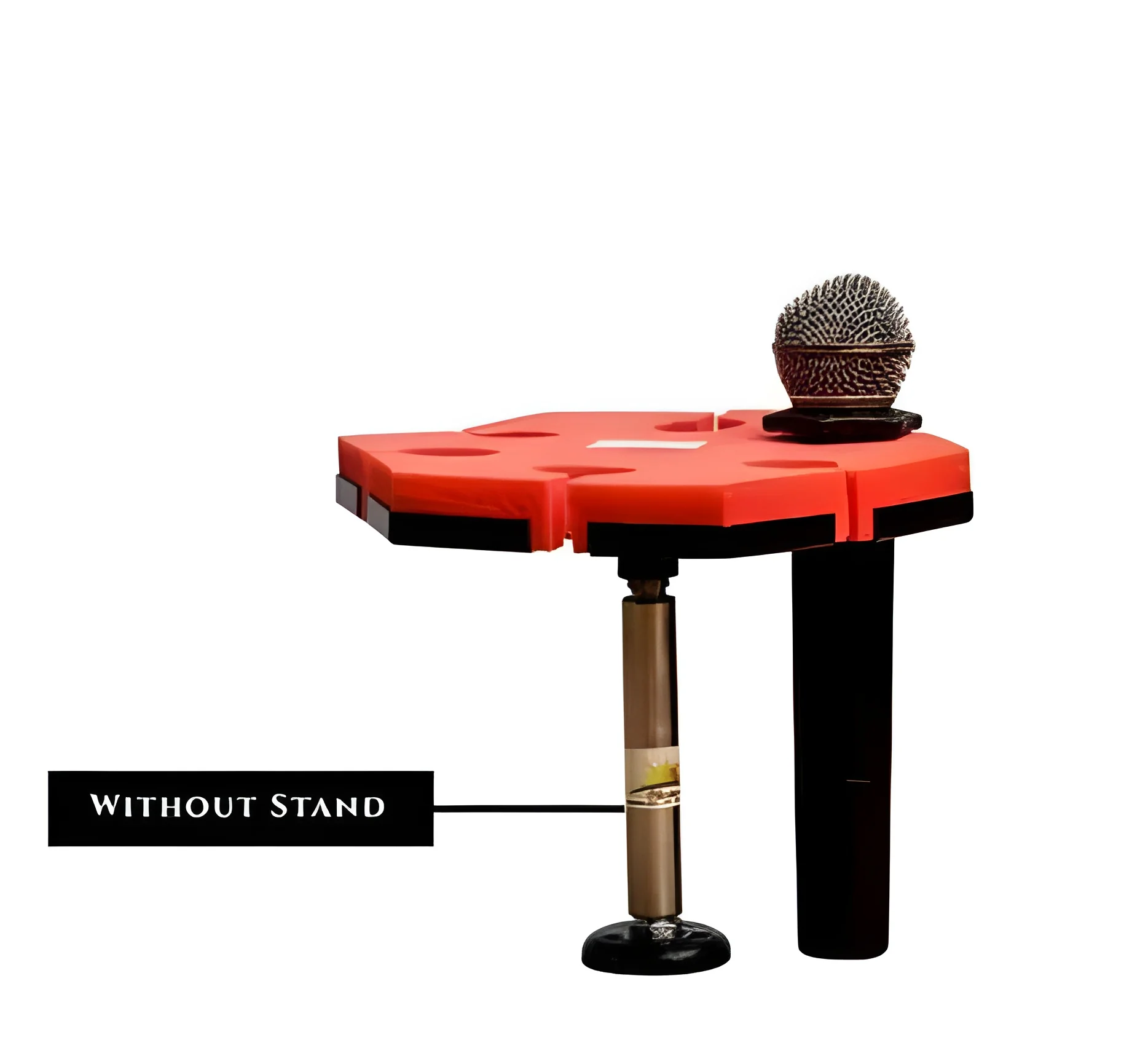
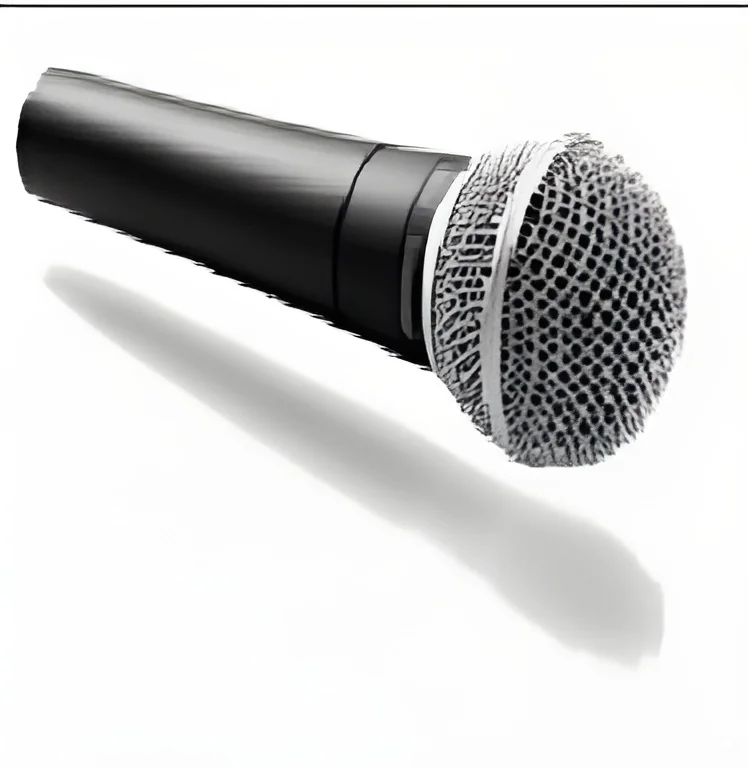
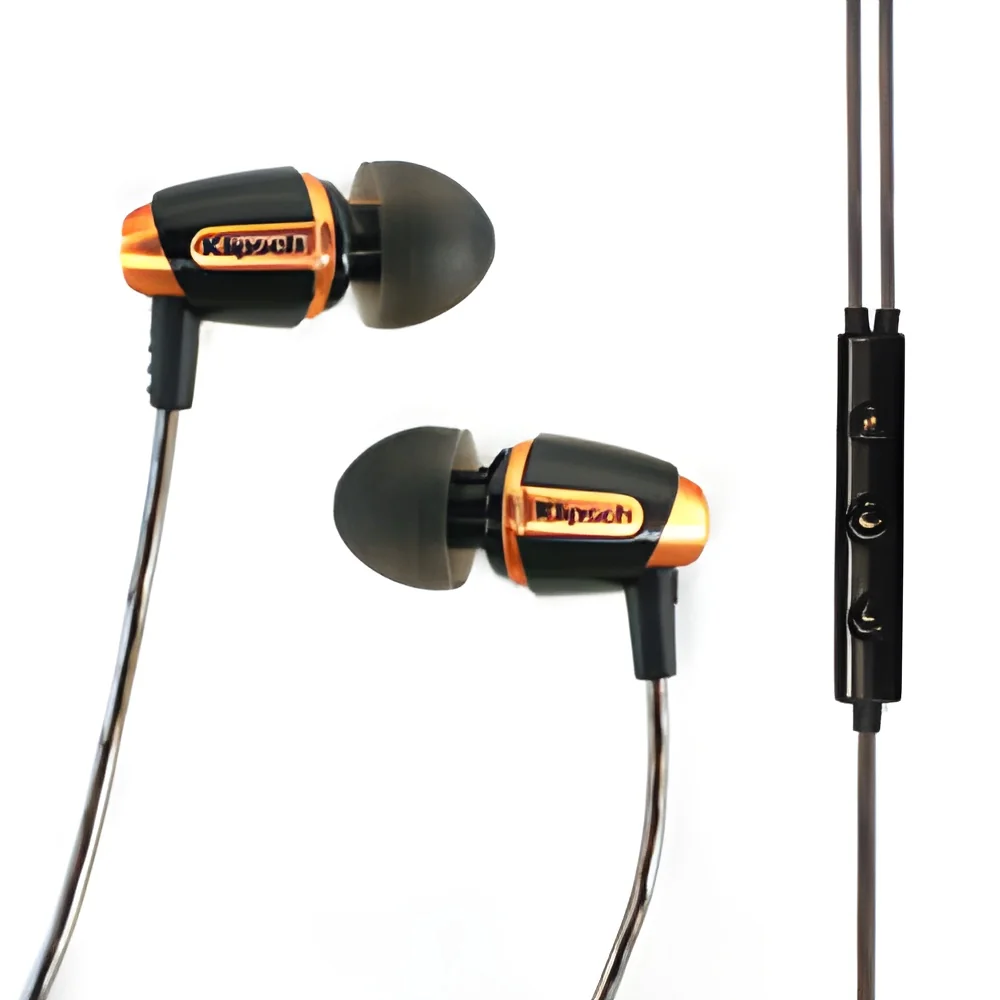
Studio Microphones: Available in dynamic and condenser types, these microphones cater to different recording environments. They are essential for capturing vocals and instruments with clarity.
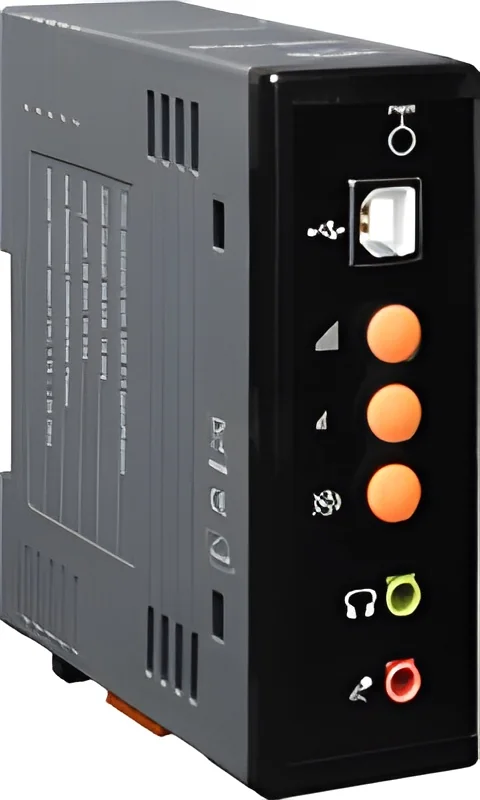
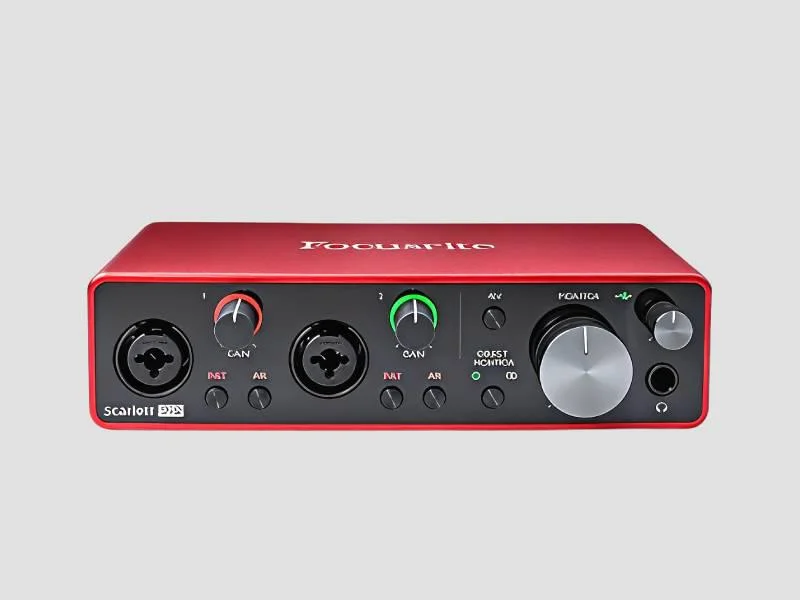
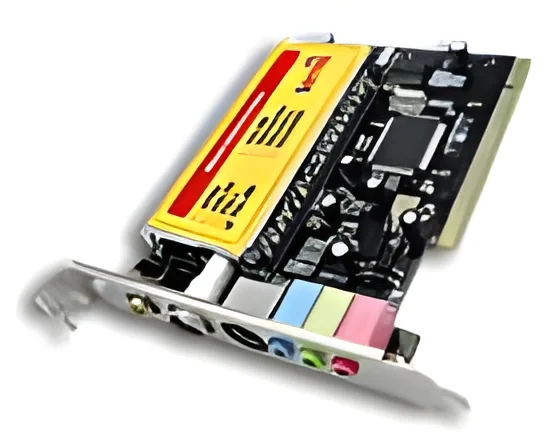
Audio Interfaces: These devices connect microphones and instruments to computers, converting audio signals for digital processing. They vary in terms of input/output options and sound quality.
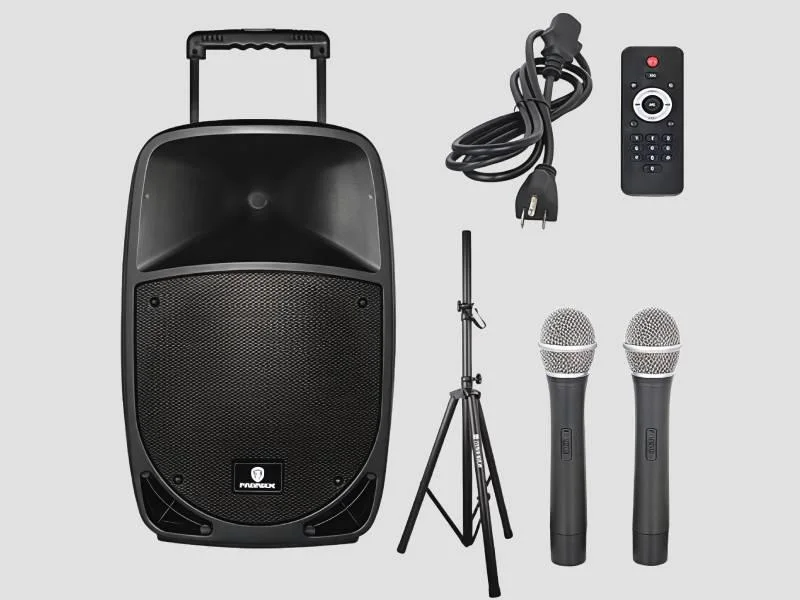
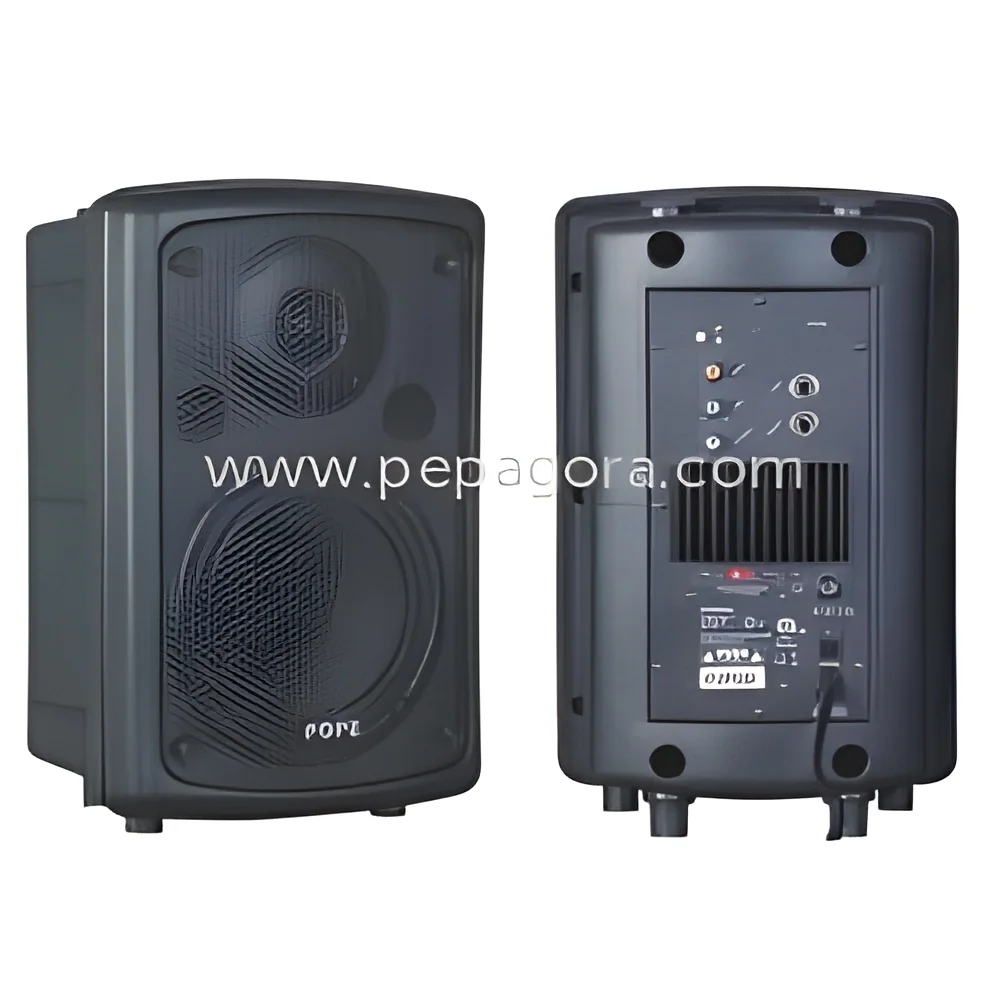
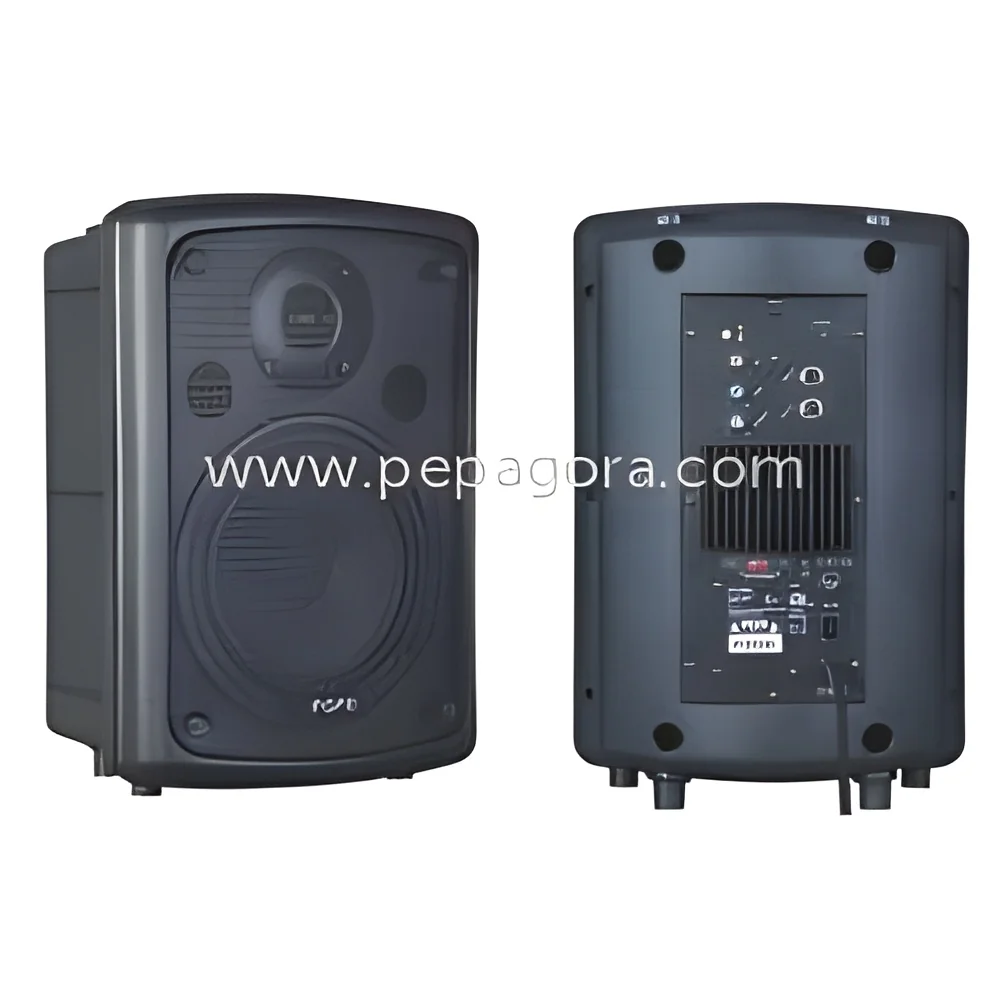
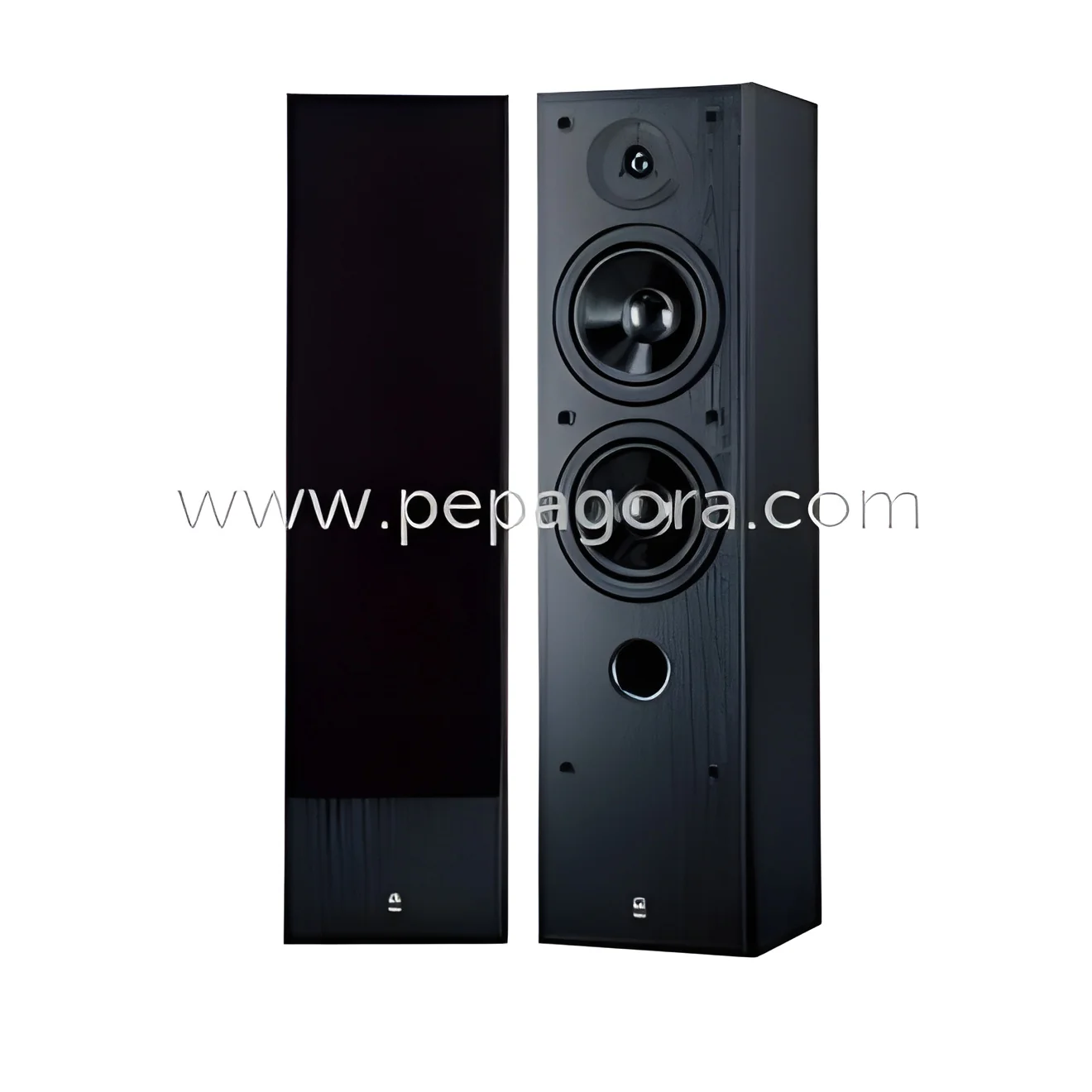
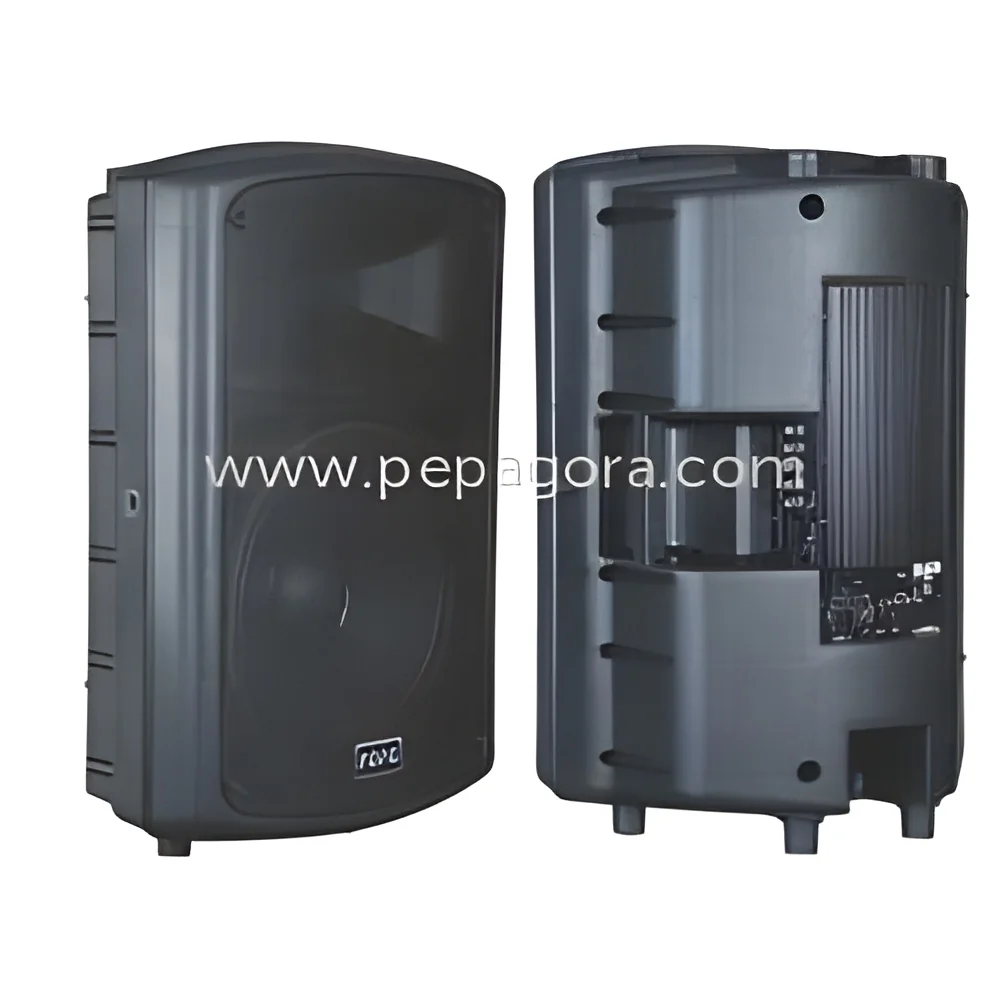
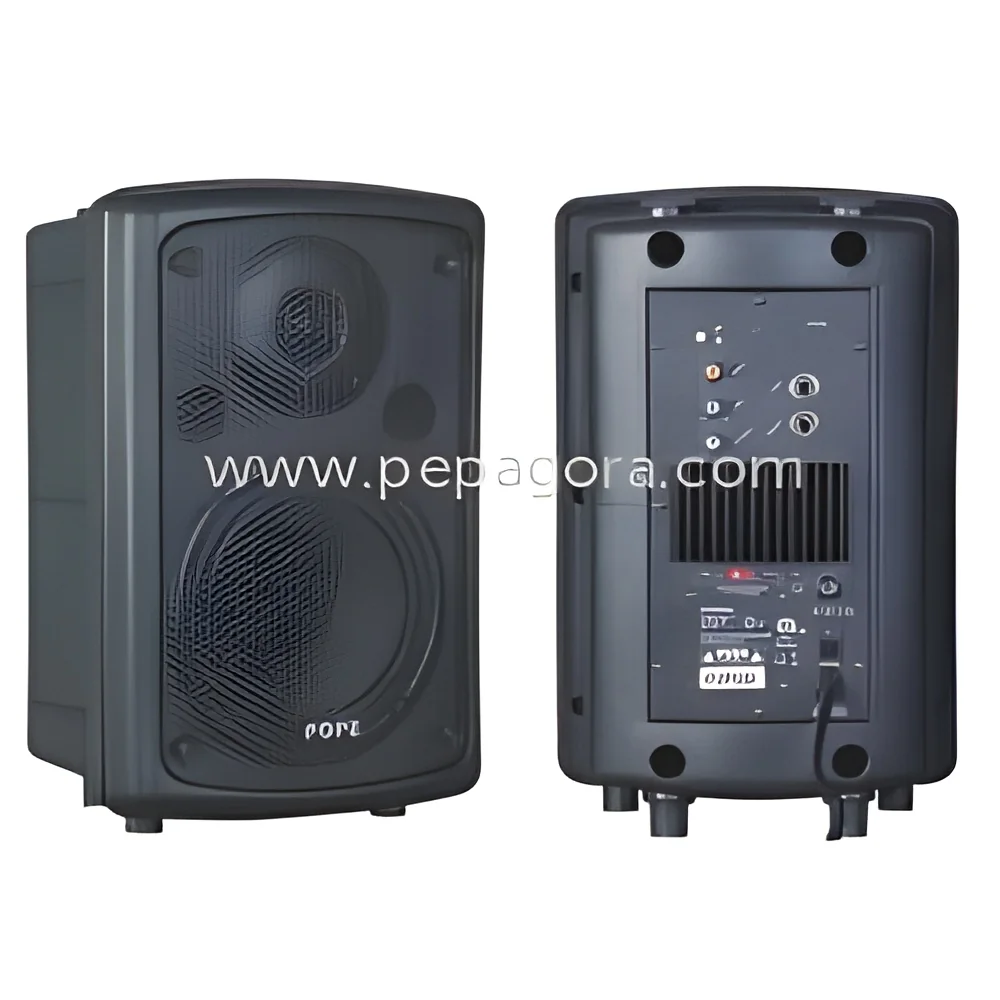
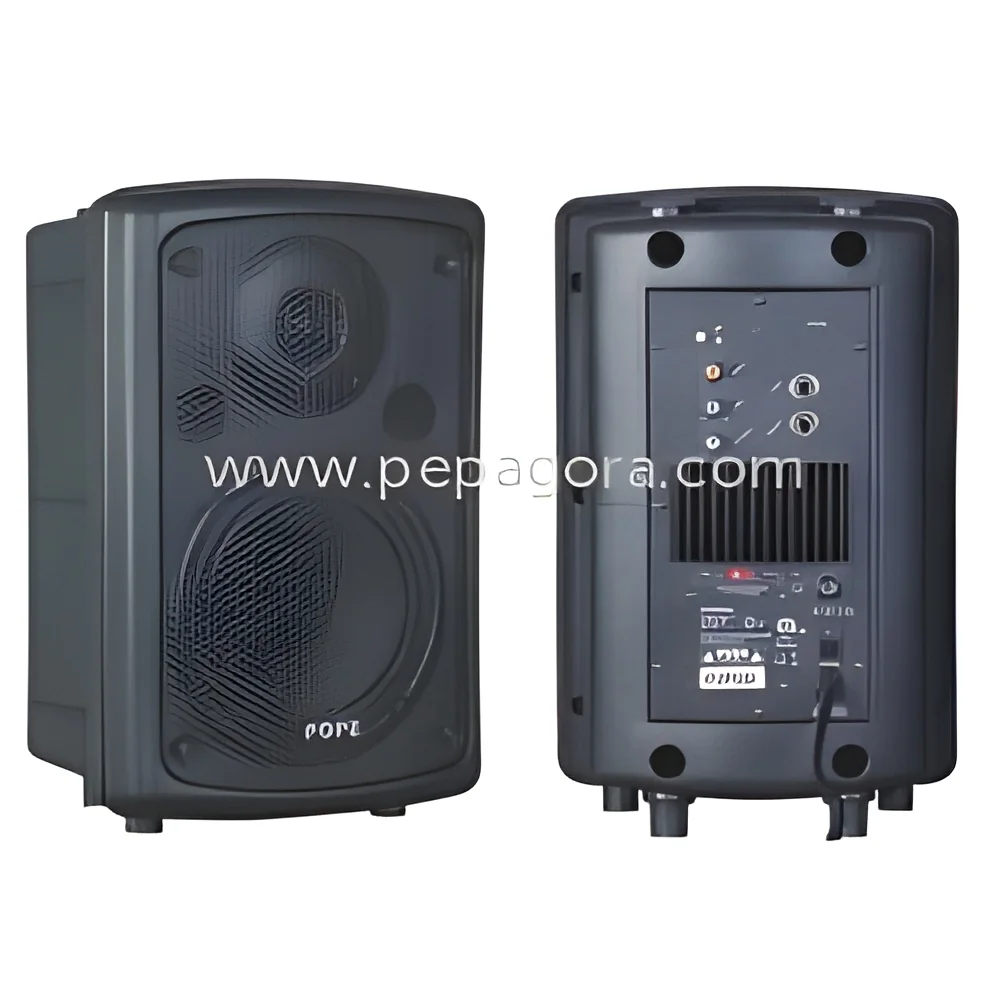
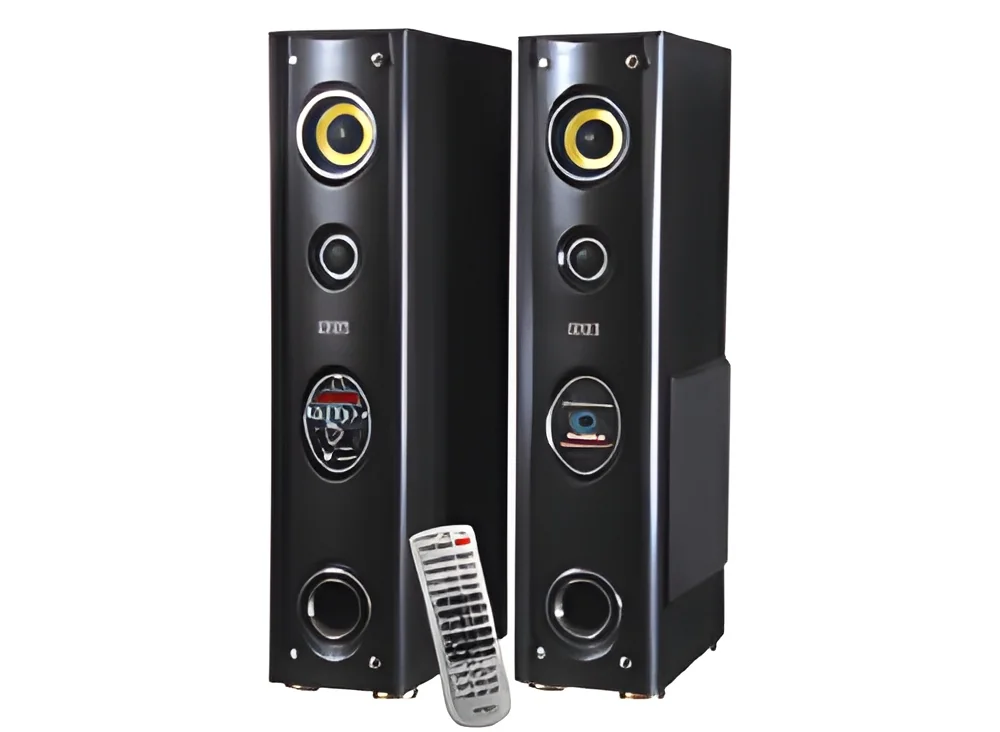
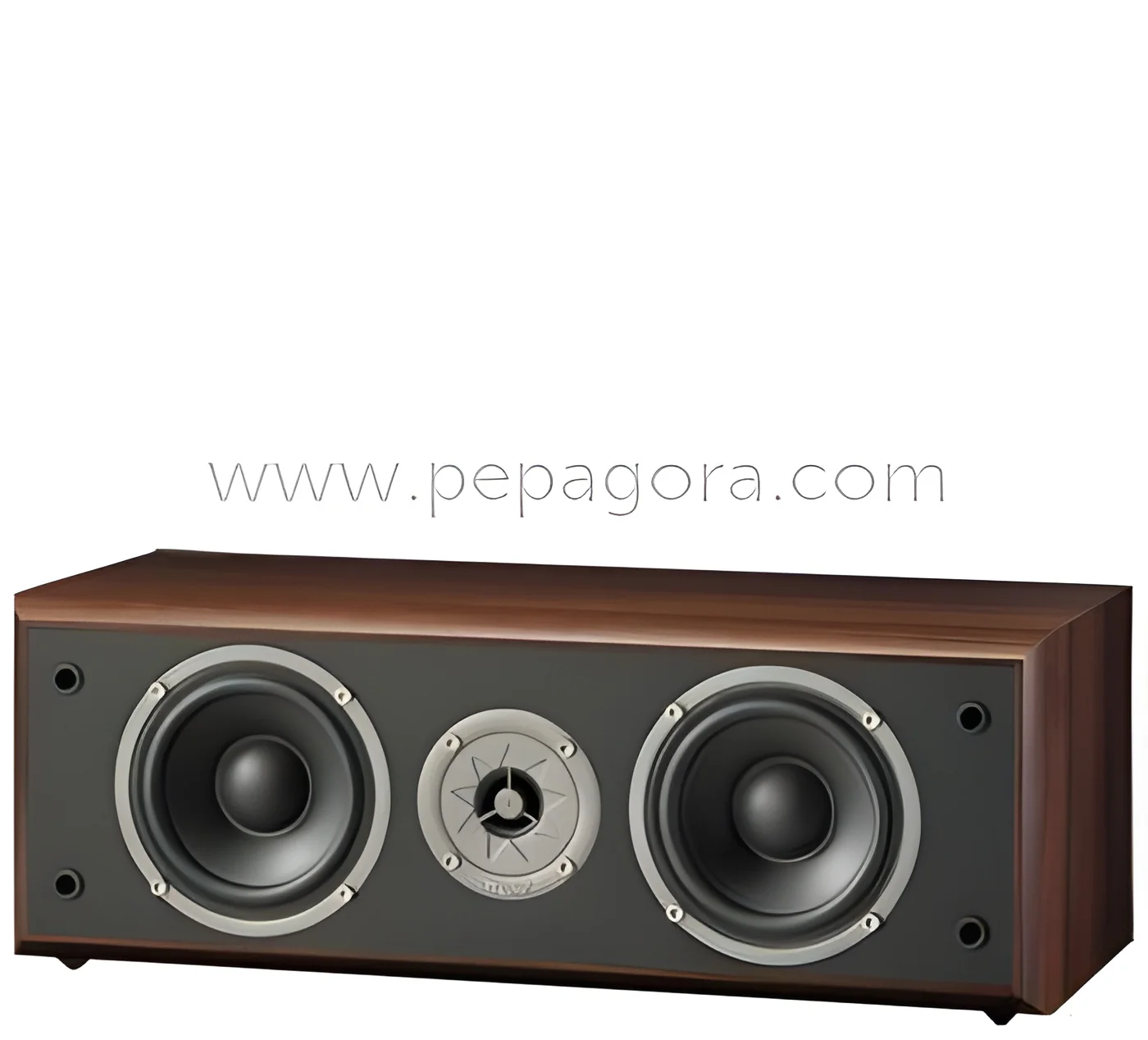
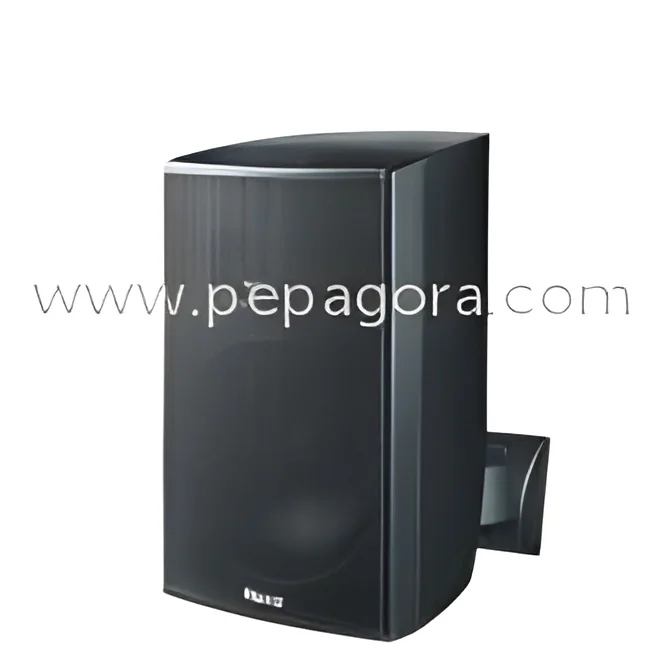
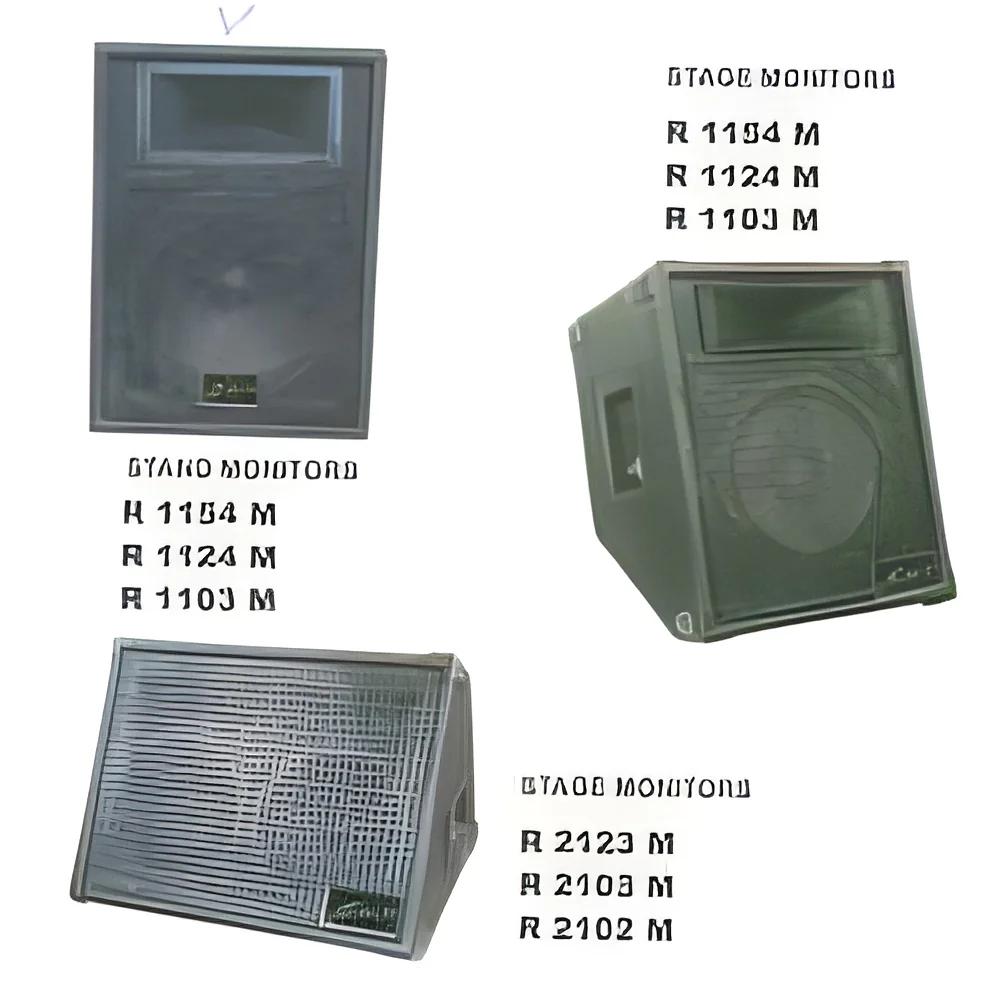
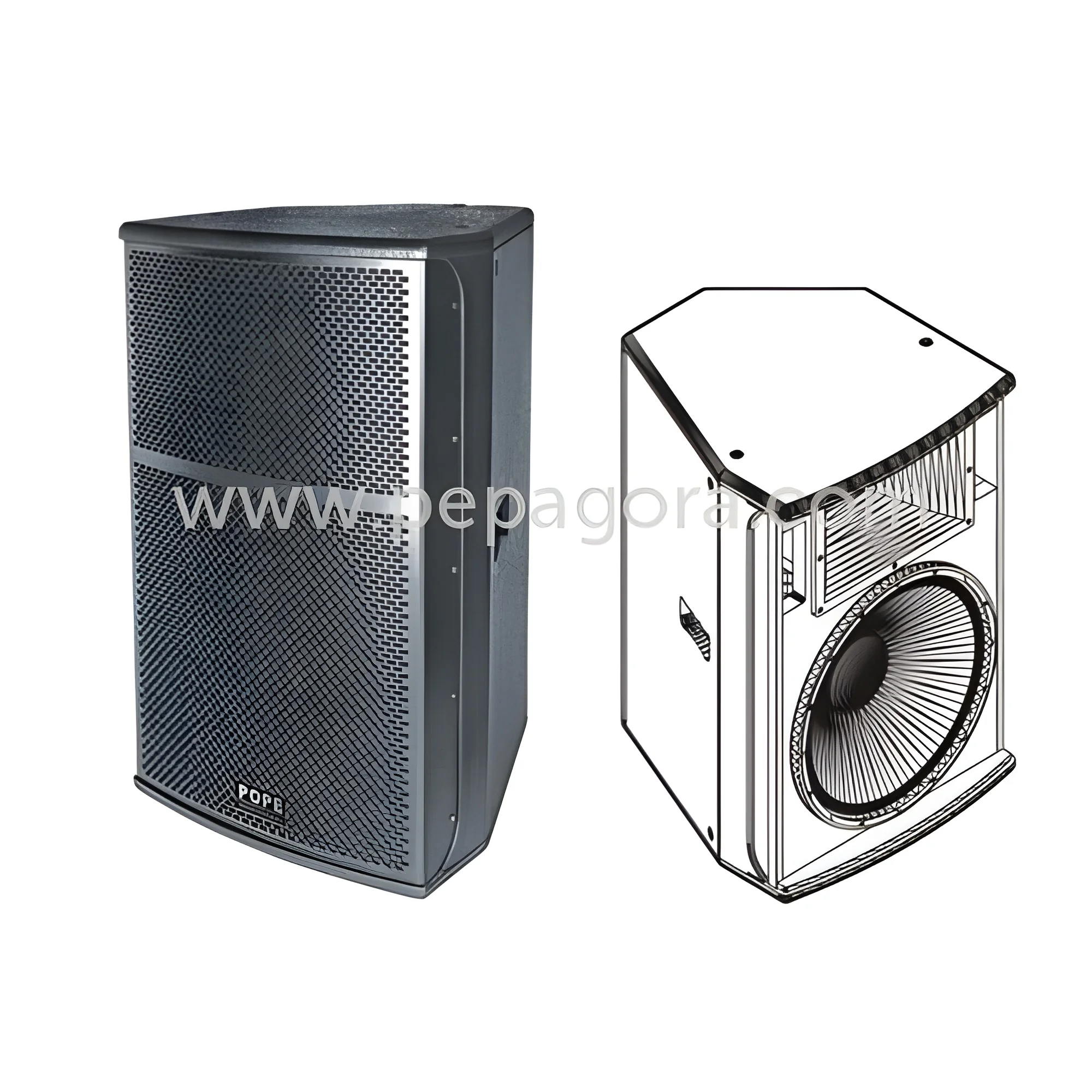
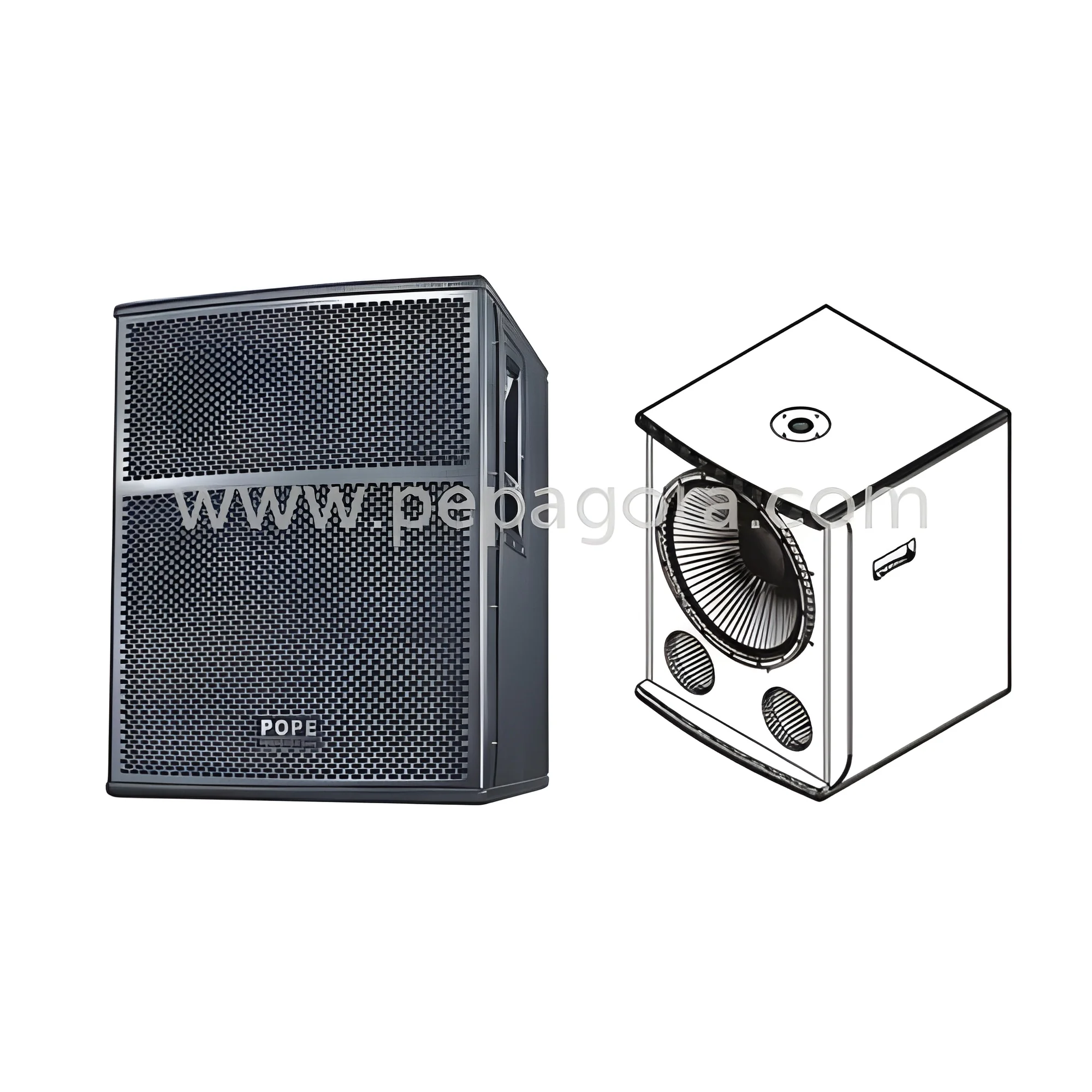
Studio Monitors: Designed for accurate sound reproduction, studio monitors are crucial for mixing and mastering. They come in various sizes and power ratings to suit different studio environments.
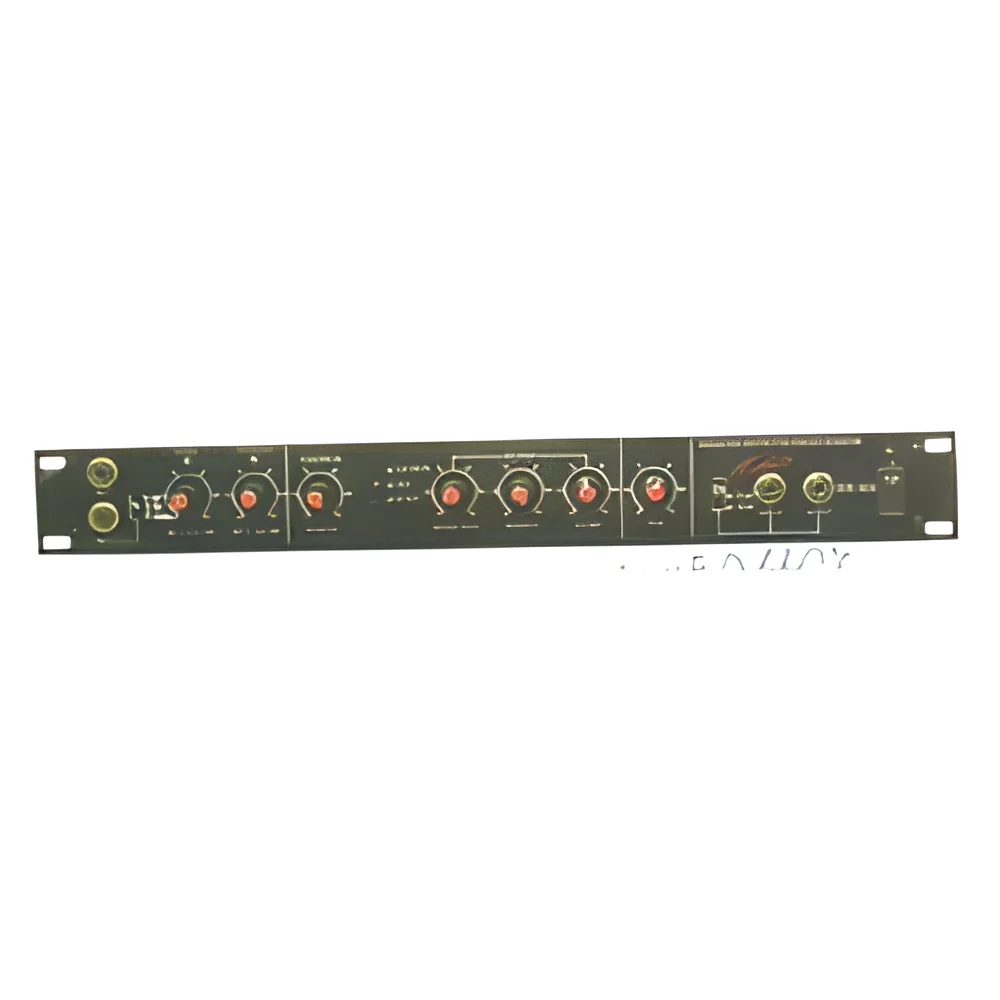
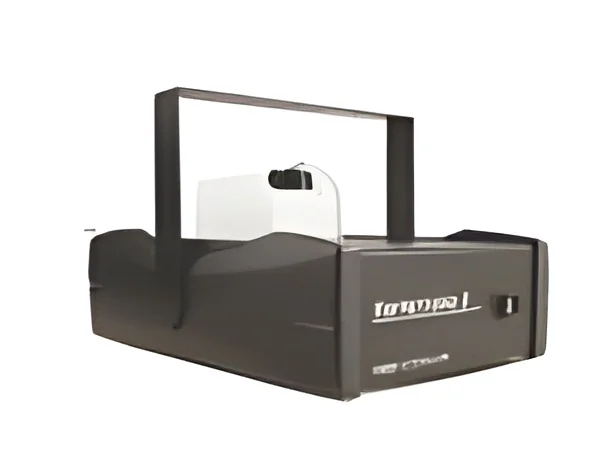
DJ Mixers: These standalone units allow DJs to mix tracks from multiple sources. They feature various effects and routing options, catering to both beginners and professionals.
𝗕𝗲𝗻𝗲𝗳𝗶𝘁𝘀 𝗮𝗻𝗱 𝗔𝗱𝘃𝗮𝗻𝘁𝗮𝗴𝗲𝘀
Investing in DJ and studio equipment brings numerous advantages that enhance audio production and performance.
1. Enhanced Sound Quality: High-quality equipment ensures clear and professional sound, crucial for engaging audiences and achieving desired audio outcomes.
2. Versatility: Many devices are multifunctional, allowing users to adapt their setups for different environments and applications, from live shows to studio recordings.
3. Improved Workflow: Streamlined equipment and software integration facilitate faster production cycles, enabling creators to focus more on their art.
4. Professionalism: Using industry-standard equipment enhances credibility and professionalism, making a positive impression on clients and audiences.
5. Creative Freedom: Advanced features and connectivity options provide users with the tools to express their creativity, experiment with sounds, and innovate in their productions.
6. Long-Term Investment: Quality DJ and studio equipment is durable and can serve users well over time, making it a worthwhile investment for professionals.
𝗕𝘂𝘆𝗶𝗻𝗴 𝗚𝘂𝗶𝗱𝗲 𝗳𝗼𝗿 𝗕𝟮𝗕 𝗕𝘂𝘆𝗲𝗿𝘀
When sourcing DJ and studio equipment, B2B buyers should consider several important factors to ensure they make informed decisions.
1. Quality Assessment: Evaluate the quality of equipment based on brand reputation, user reviews, and technical specifications. High-quality equipment leads to better sound performance and durability.
2. Supplier Verification: Vet suppliers thoroughly by checking their credibility, customer feedback, and certifications. Reliable suppliers ensure consistent product quality and support.
3. Pricing and MOQ: Understand the pricing structure and minimum order quantities (MOQ) set by suppliers. This helps in budgeting and planning for procurement.
4. Delivery and Lead Times: Assess the logistics involved, including delivery times and shipping options. Timely delivery is crucial for meeting production schedules.
5. Compliance Requirements: Ensure that the equipment meets industry standards and regulatory requirements. This includes certifications like CE, which indicate safety and quality adherence.
𝗖𝗼𝗺𝗽𝗹𝗶𝗮𝗻𝗰𝗲 𝗮𝗻𝗱 𝗖𝗲𝗿𝘁𝗶𝗳𝗶𝗰𝗮𝘁𝗶𝗼𝗻𝘀
DJ and studio equipment must adhere to various compliance and certification standards to ensure safety and quality. ISO 9001 is a common quality management standard that many manufacturers strive to meet. This certification demonstrates a commitment to quality assurance in production processes.
CE certification is another important aspect. Equipment bearing this marking complies with European health, safety, and environmental protection standards. This is particularly vital for businesses operating in or exporting to European markets.
Safety requirements also play a crucial role, especially in electrical components. Proper testing and adherence to regional safety standards help prevent accidents and ensure user safety. Furthermore, compliance with local regulations can vary, so understanding regional requirements is essential for successful procurement.
𝗪𝗵𝘆 𝗦𝗼𝘂𝗿𝗰𝗲 𝗗𝗝 & 𝗦𝘁𝘂𝗱𝗶𝗼 𝗘𝗾𝘂𝗶𝗽𝗺𝗲𝗻𝘁 𝗳𝗿𝗼𝗺 𝗣𝗲𝗽𝗮𝗴𝗼𝗿𝗮?
Pepagora is a trusted platform for sourcing DJ and studio equipment, offering several key advantages to B2B buyers.
Verified Supplier Network: Pepagora connects buyers with a network of verified suppliers who meet strict quality and reliability standards. This reduces the risk of subpar products and ensures consistent performance.
Streamlined RFQ Process: The platform provides a user-friendly Request for Quotation (RFQ) system that simplifies the procurement process. Buyers can easily compare quotes and make informed decisions based on their needs.
Trade Assurance and Support: Pepagora offers trade assurance, providing protection for buyers against unforeseen risks. This includes support for quality disputes and transaction security.
Regional Coverage: With a wide geographic reach across India, the GCC, and Southeast Asia, Pepagora serves as a reliable source for businesses in these regions, ensuring that they have access to the latest DJ and studio equipment.
By choosing Pepagora, B2B buyers can ensure they are making informed purchasing decisions backed by a reputable platform.

 IN
IN