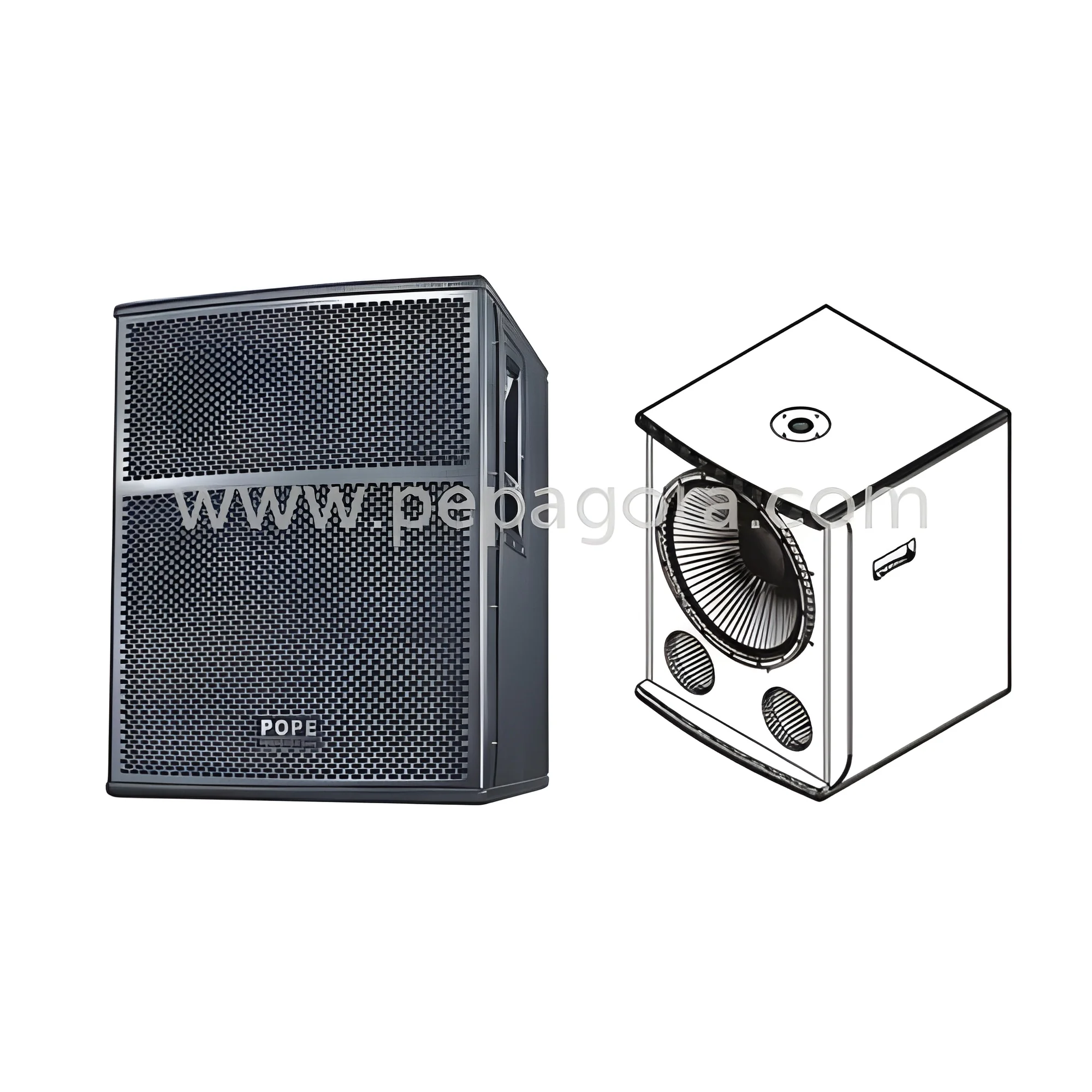
What are DJ Speakers & Monitors?
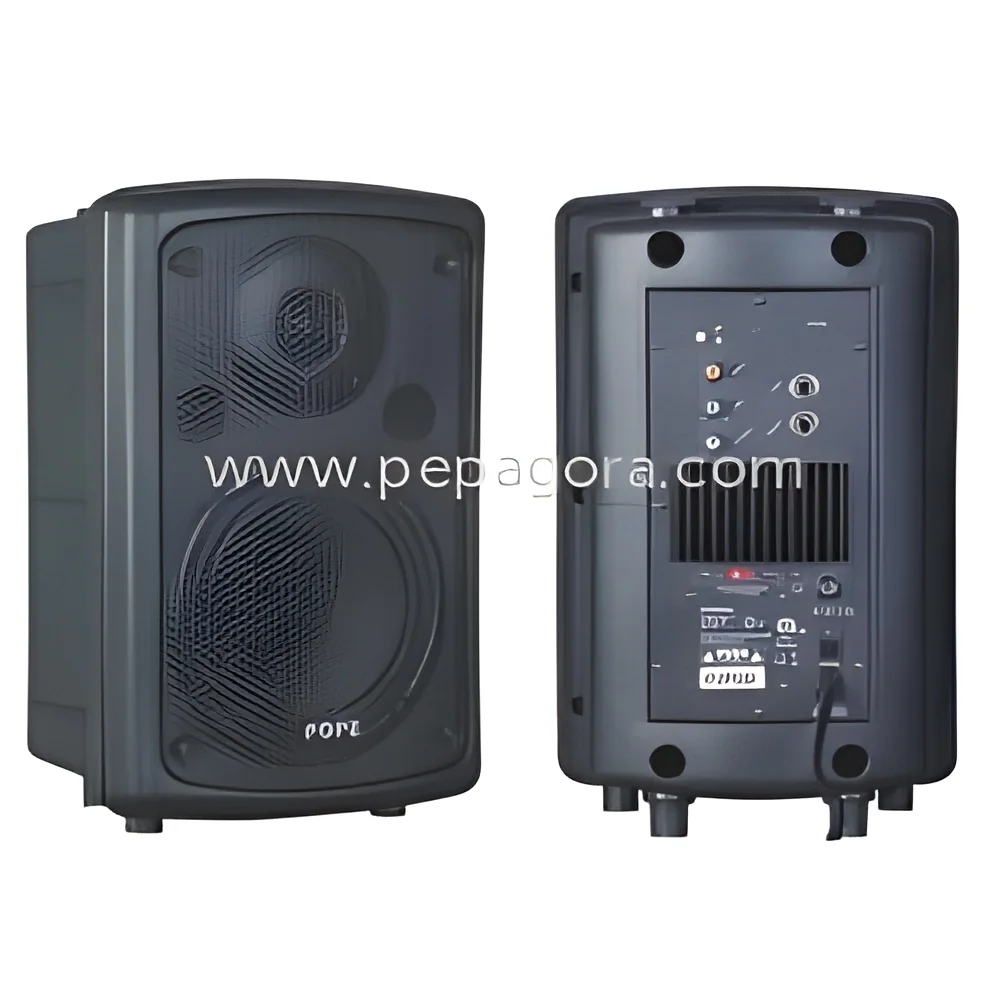
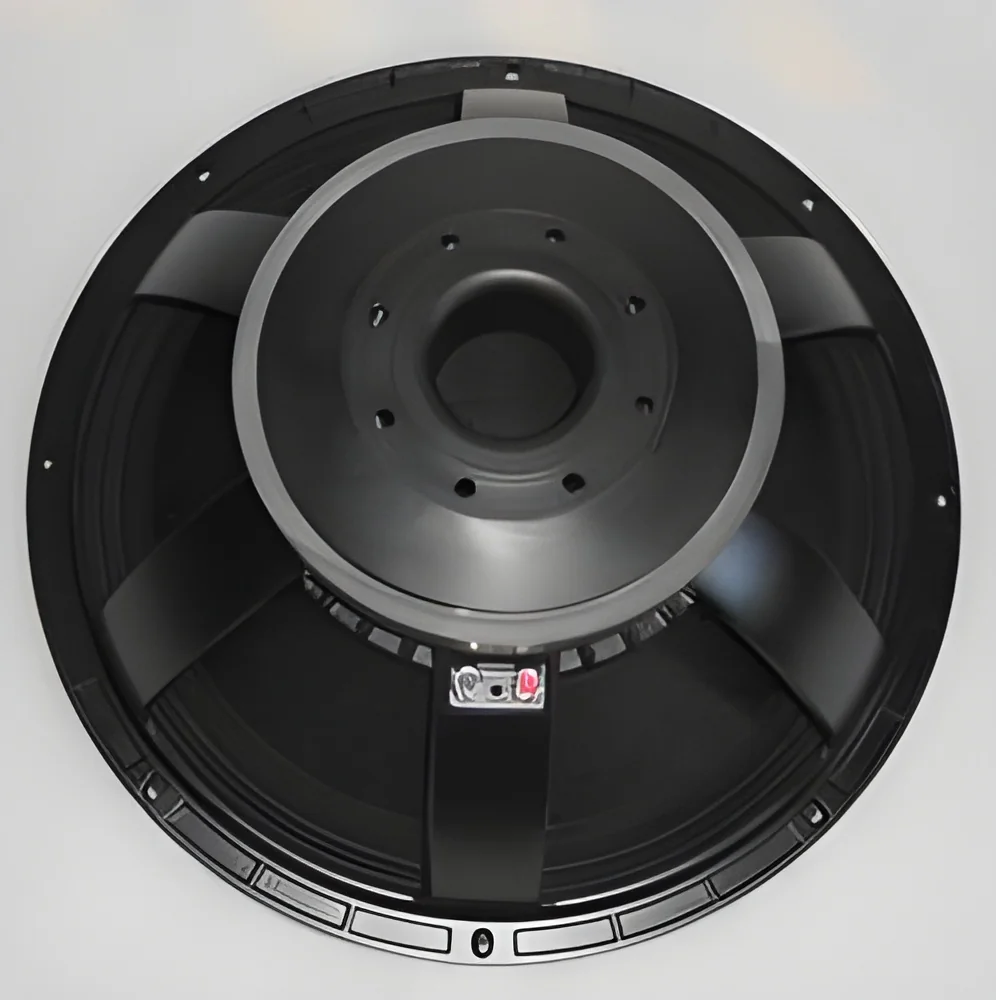
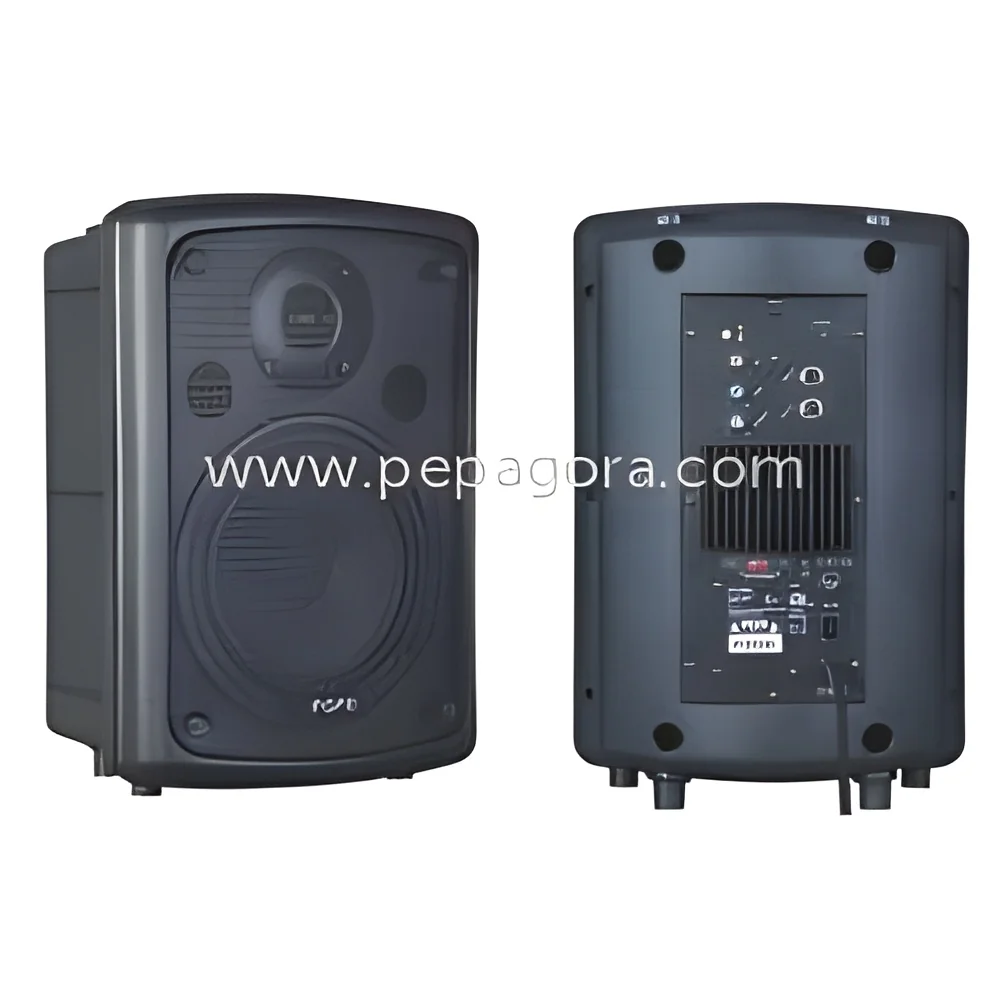
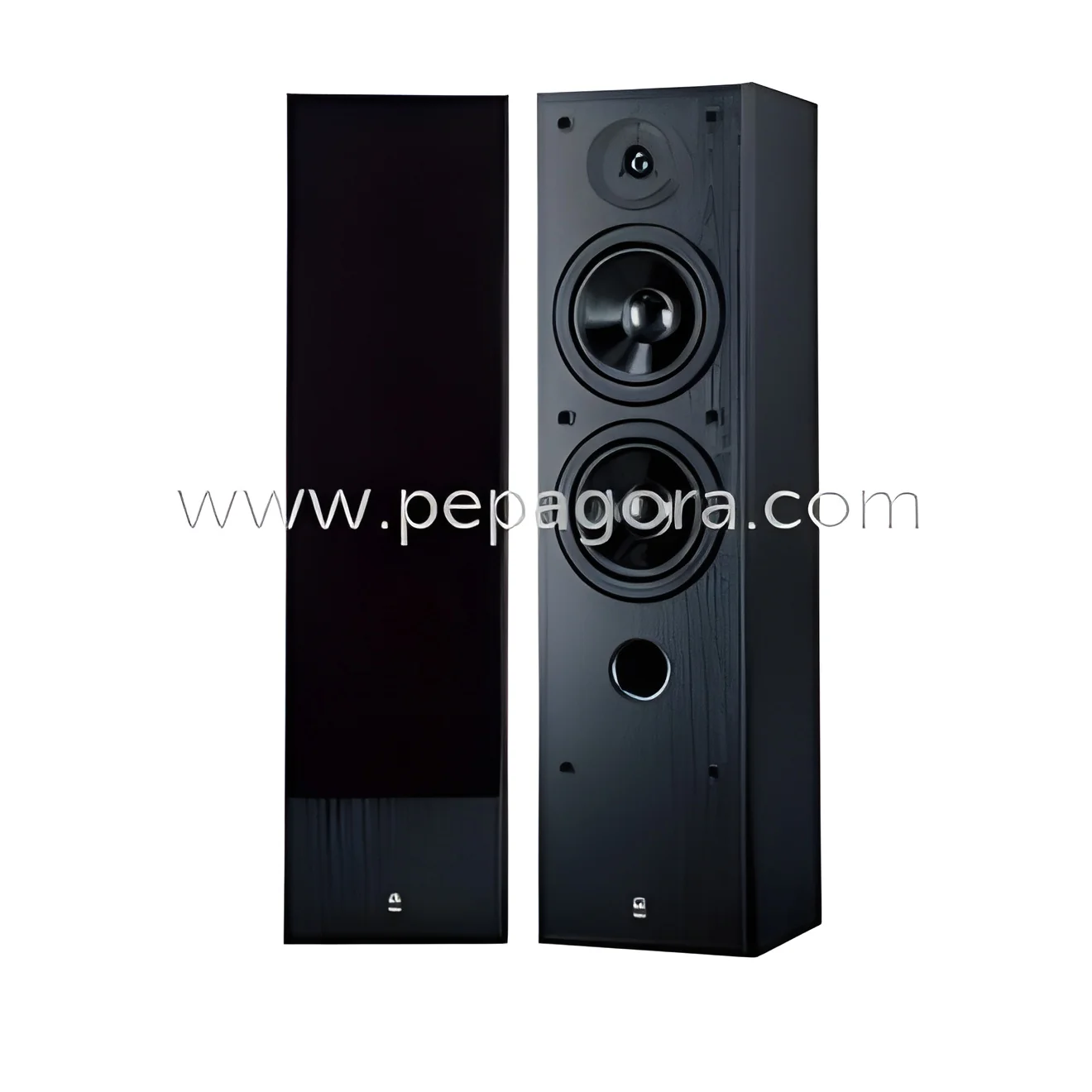
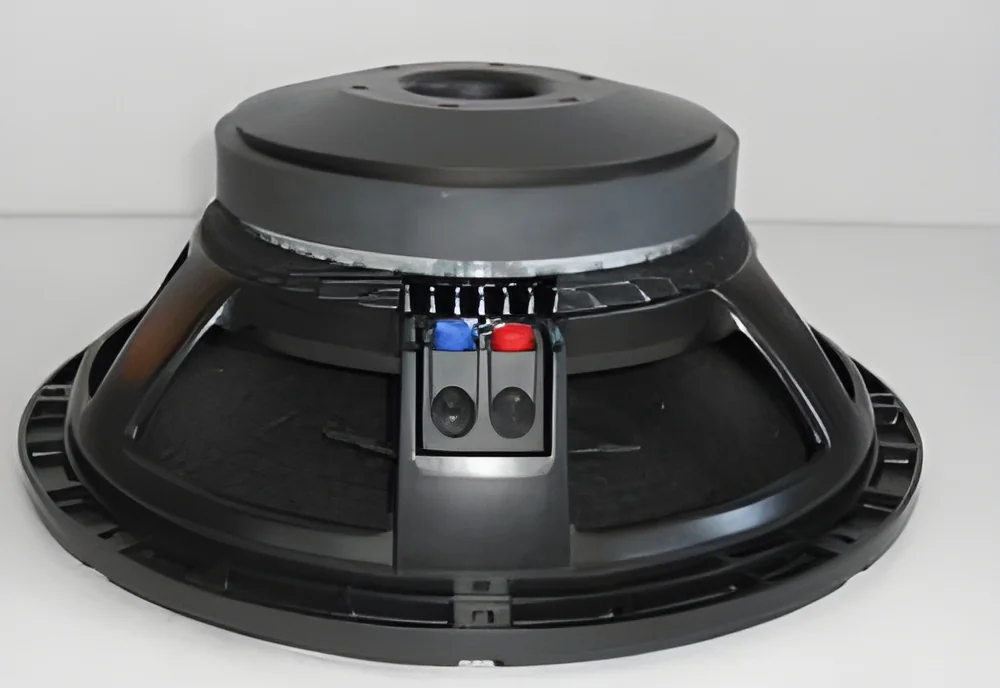
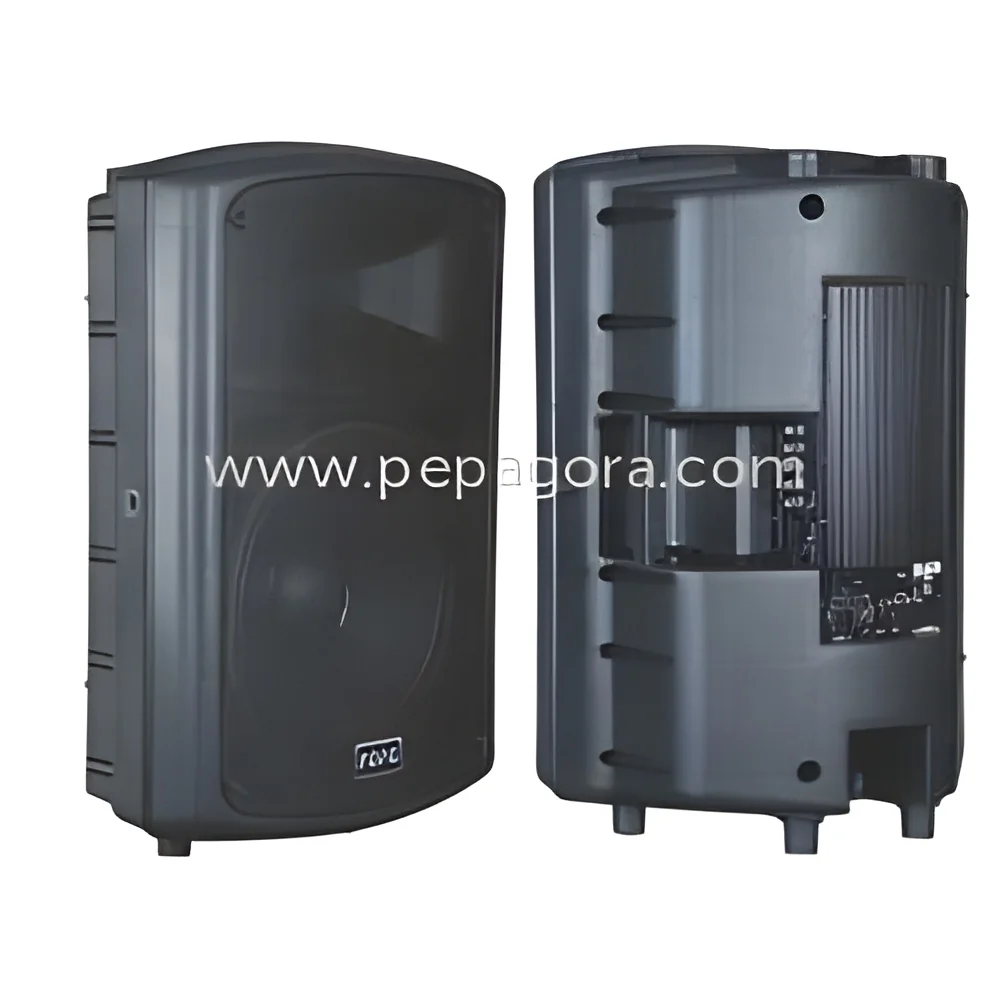
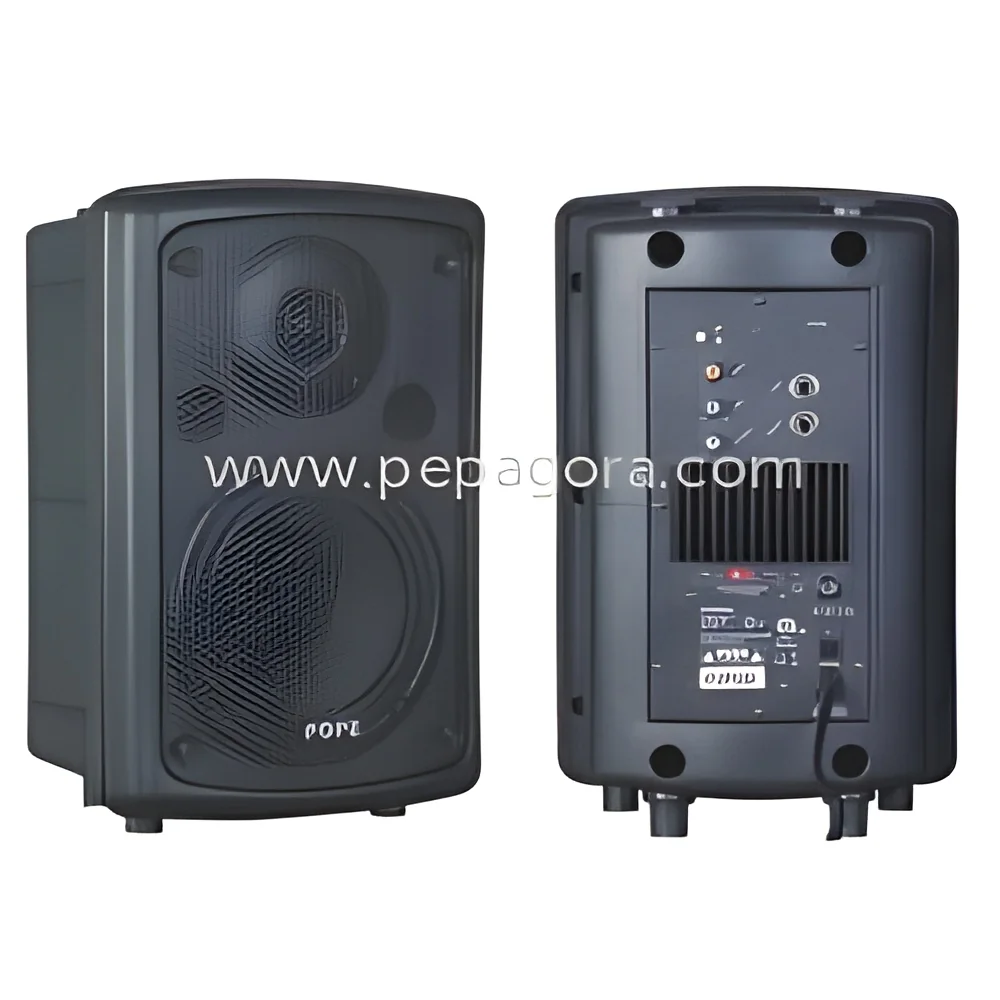
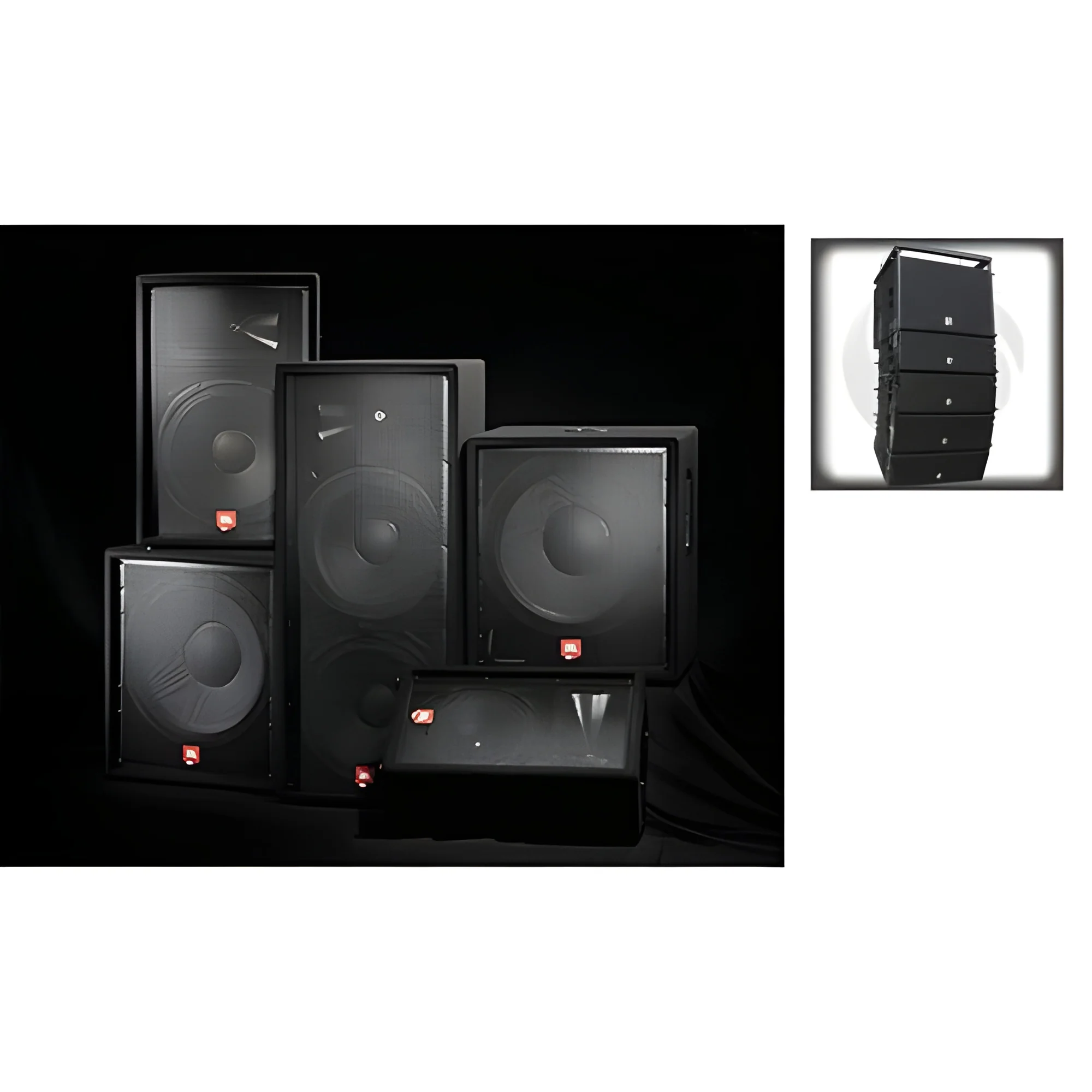
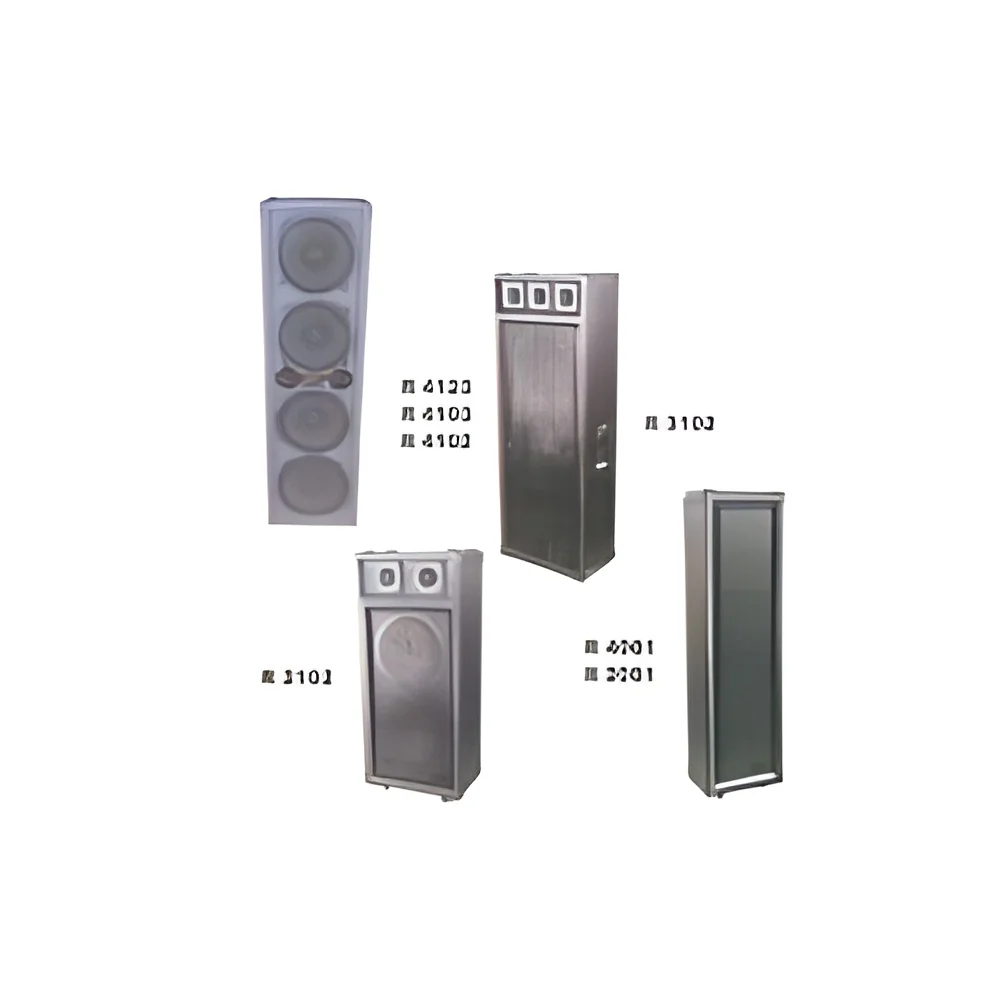
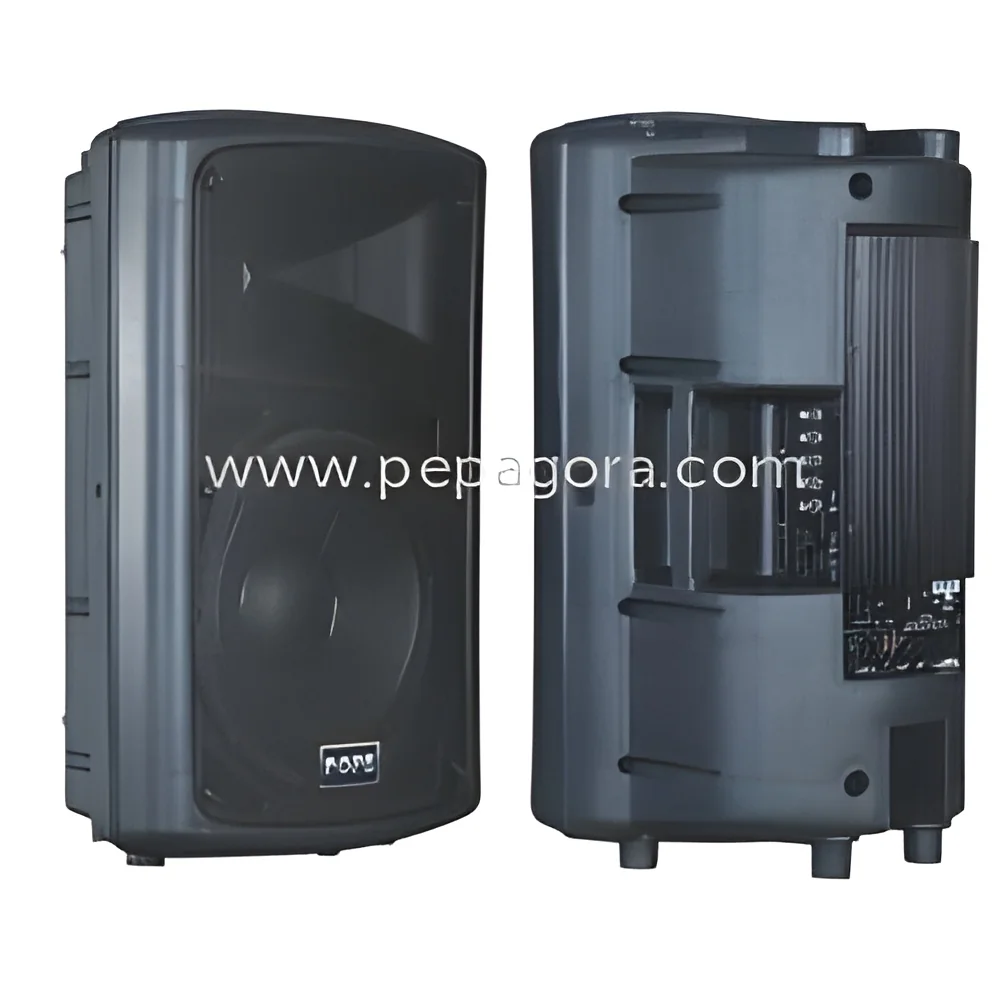
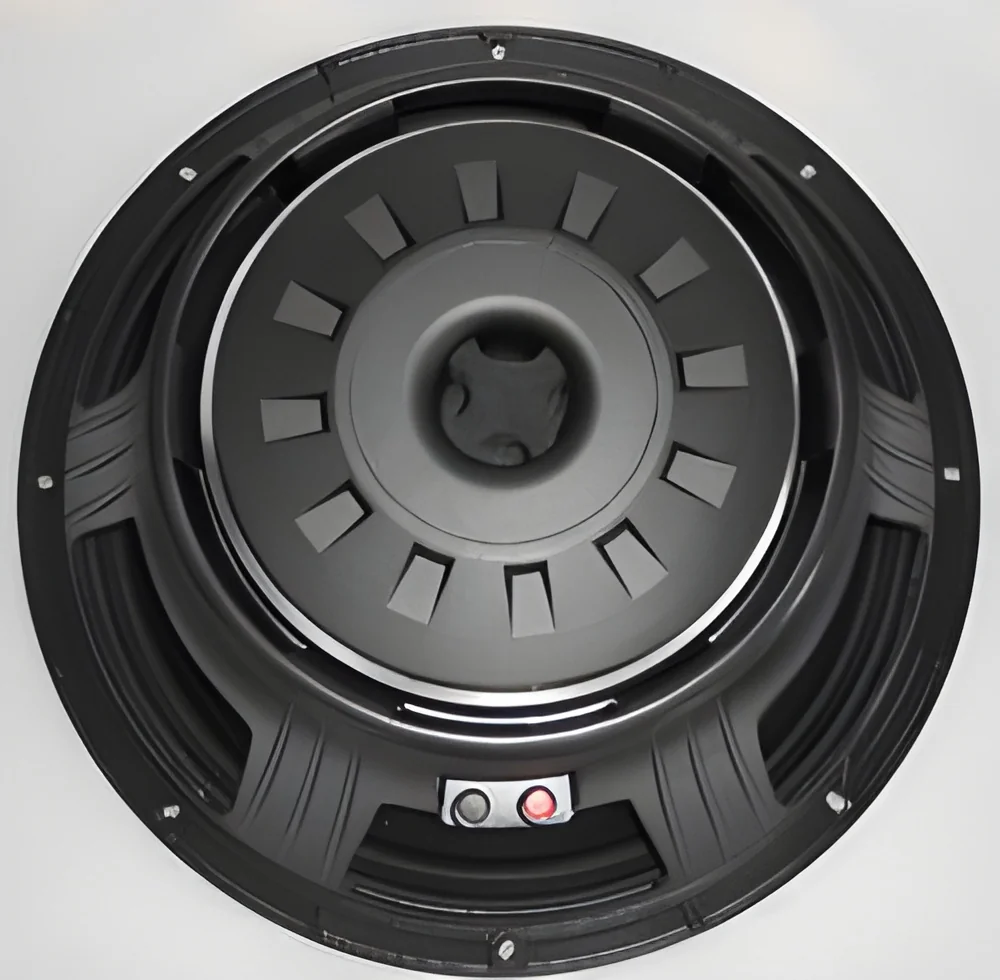
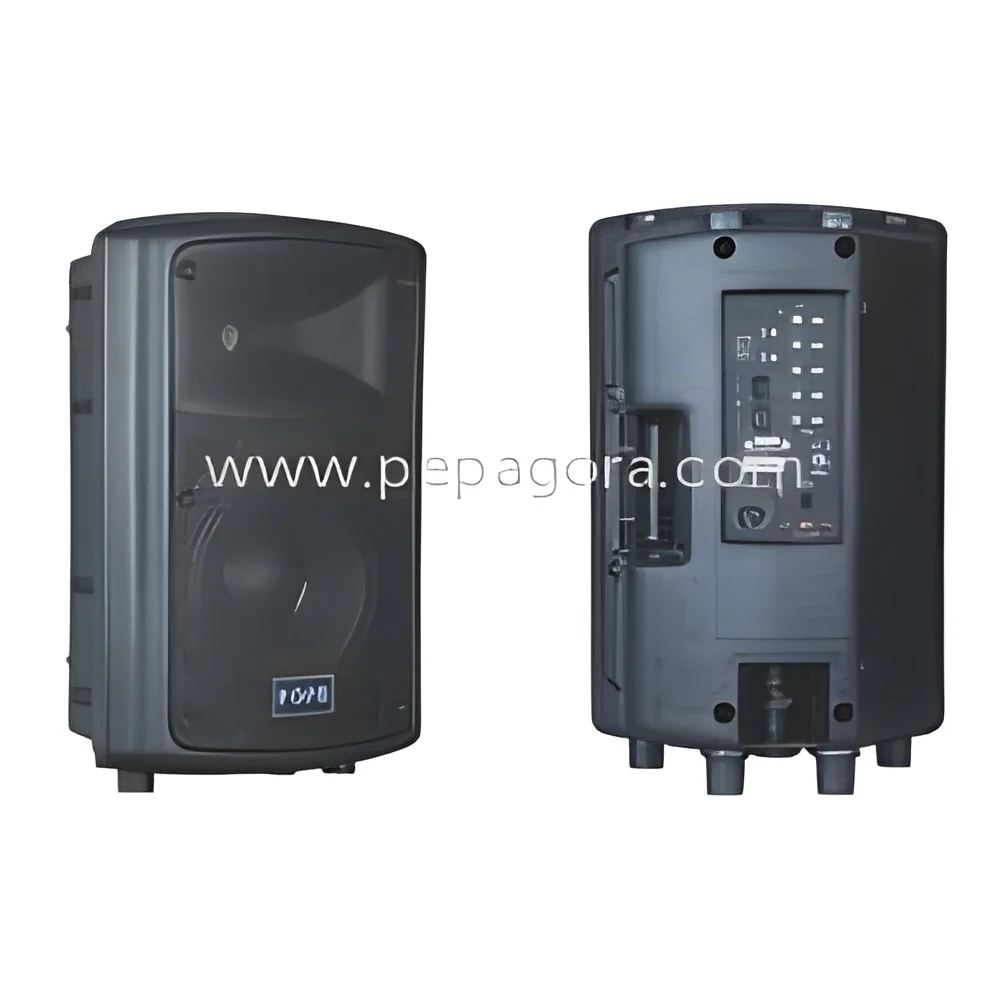
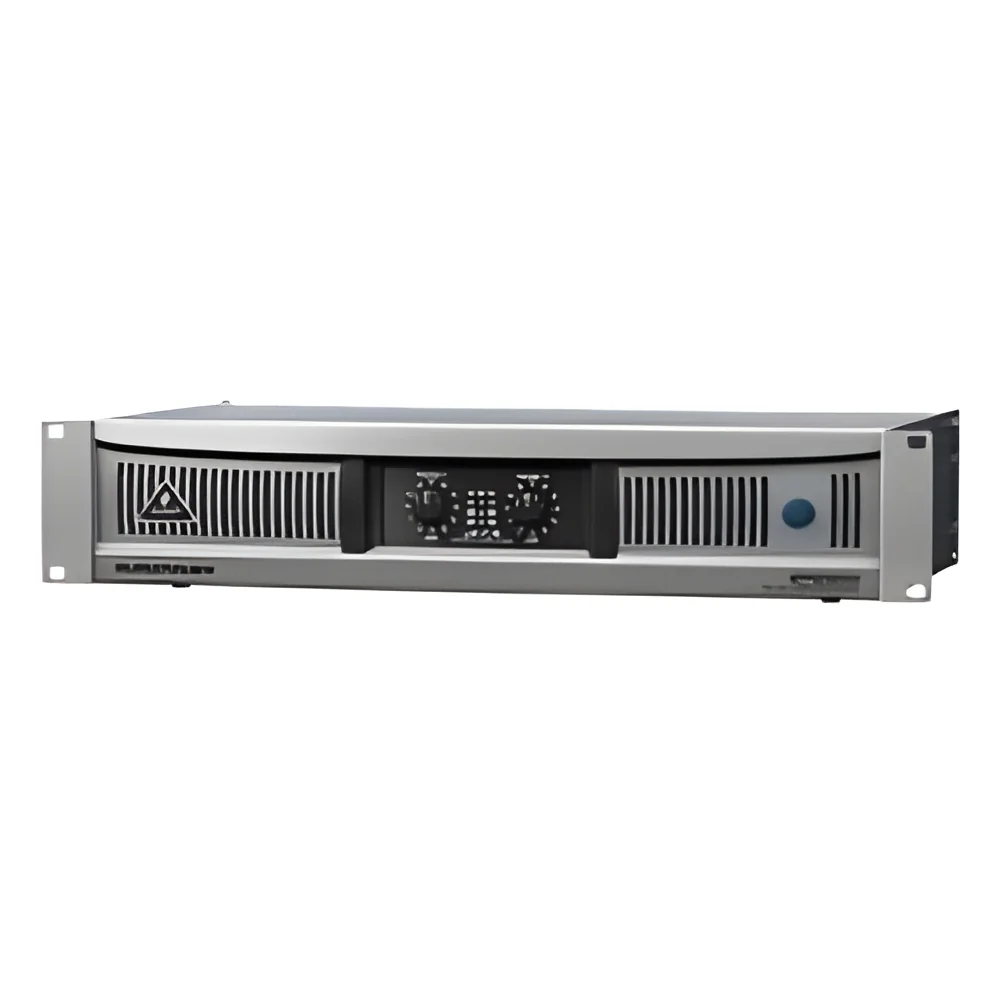
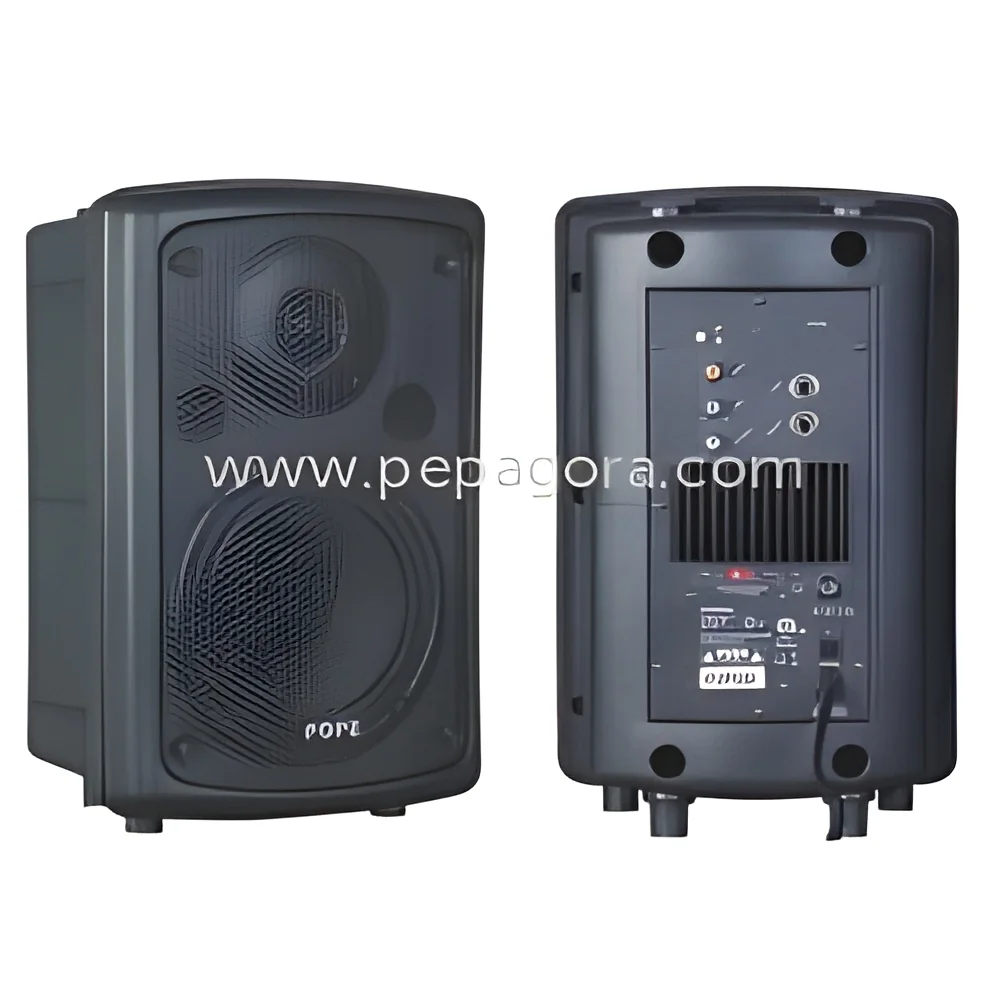
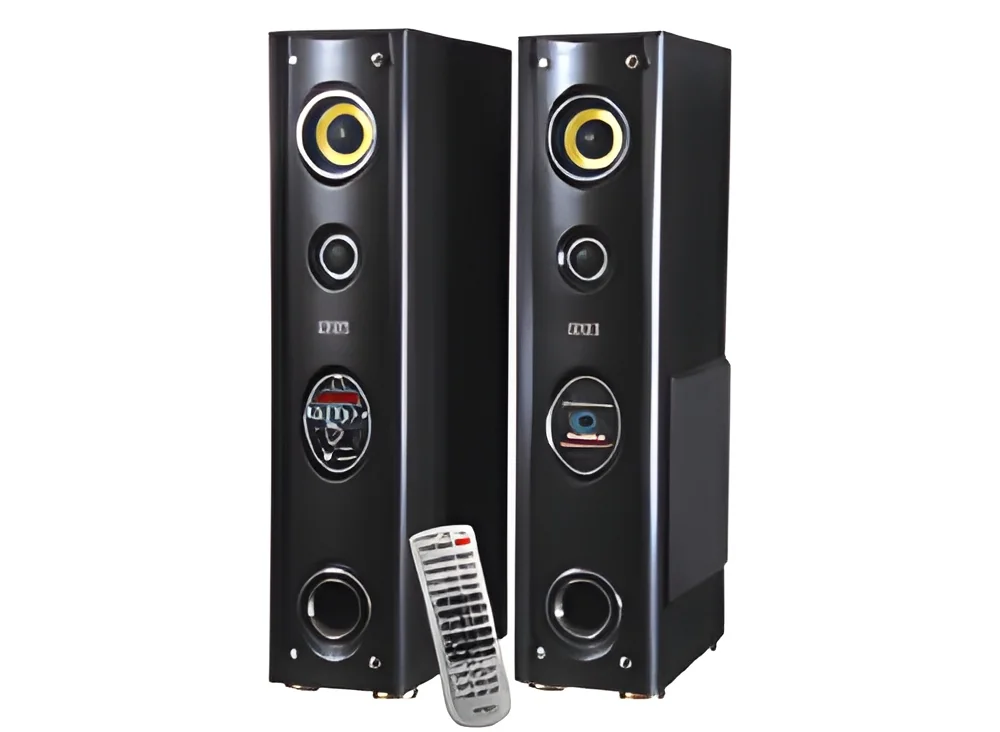
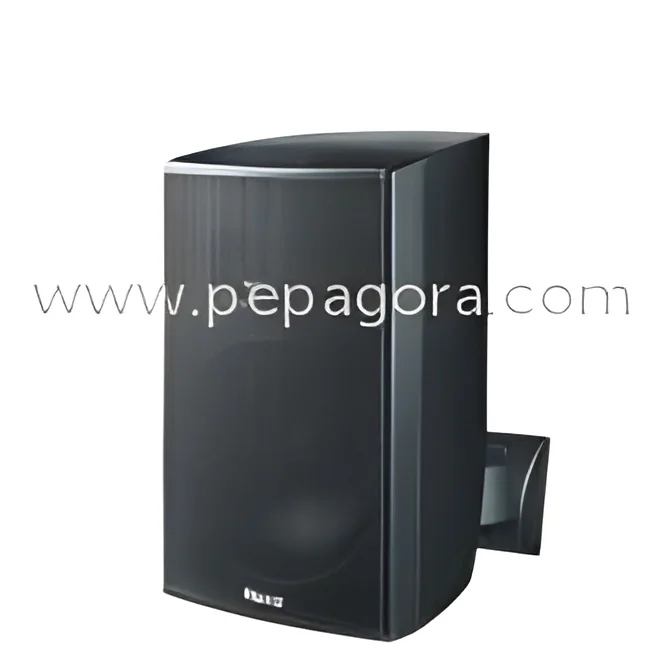
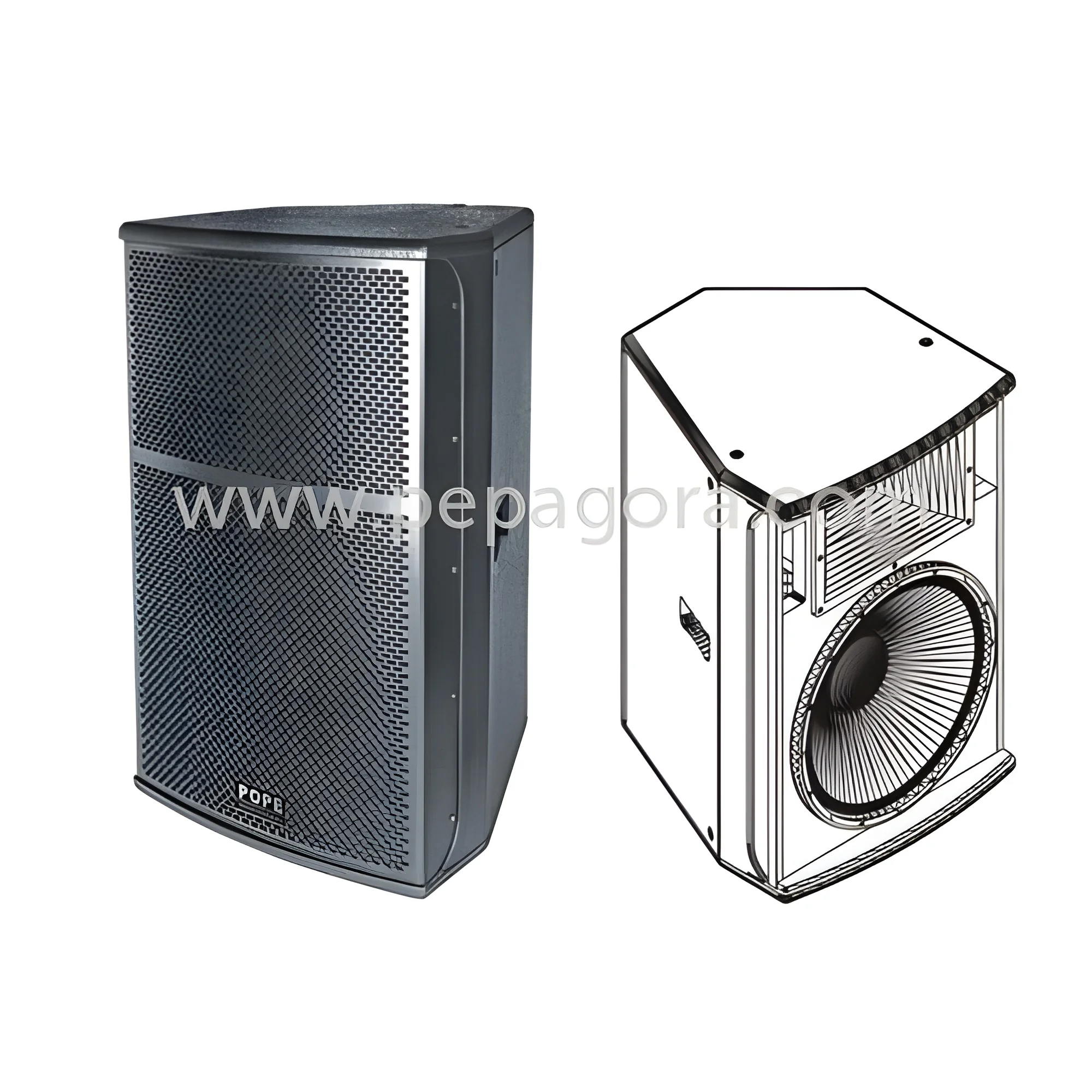
DJ speakers and monitors are specialized audio equipment designed to deliver high-quality sound reproduction for mixing, monitoring, and playback in live and studio environments. These devices are engineered to handle the demands of DJs and audio professionals, ensuring clarity and precision in sound across various frequencies. DJ speakers typically refer to portable, powerful speakers used in events, while monitors are designed for accurate sound reproduction in smaller settings, like studios.
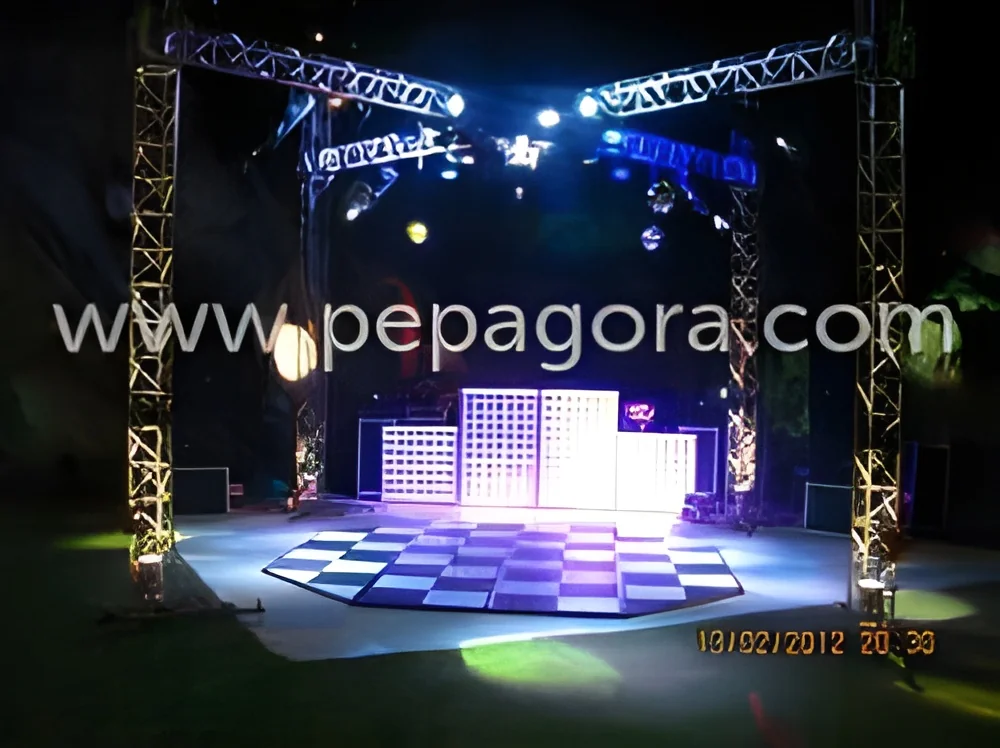
The primary use of DJ speakers and monitors spans various applications, including live performances, studio recording, and multimedia presentations. In live events, DJs rely on speakers to project sound to large audiences, while monitors are crucial for sound engineers and artists to hear their mix accurately. Industries such as entertainment, music production, and event management significantly benefit from these audio solutions, making them indispensable tools in modern sound reinforcement.
As the demand for high-quality audio equipment continues to rise, the market for DJ speakers and monitors has expanded. Businesses in the entertainment sector are increasingly investing in advanced sound systems to enhance their offerings. This growth is driven by technological advancements, improved sound quality, and the need for versatile audio solutions that can cater to various event types and environments.
Key Features and Specifications
DJ speakers and monitors are equipped with a range of features that enhance their performance and usability in professional settings. It is essential to consider these specifications to select the right equipment for specific needs.
Key specifications include:
1. Frequency Response
- Indicates the range of frequencies the speaker can reproduce accurately.
- Typical ranges are from 20 Hz to 20 kHz.
2. Power Output
- Refers to the amount of power the speaker can handle.
- Common power ratings range from 50 watts to 1000 watts.
3. Impedance
- Measures the resistance the speaker provides to the audio signal.
- Standard impedance values are usually 4, 6, or 8 ohms.
4. Connectivity Options
- Includes input types such as XLR, TRS, and RCA.
- Essential for compatibility with various audio sources.
5. Size and Weight
- Influences portability and ease of setup.
- Sizes can vary from compact models to larger, more powerful systems.
6. Enclosure Type
- Refers to the design of the speaker cabinet.
- Options include sealed, ported, or bandpass designs, each affecting sound characteristics.
7. Built-in Features
- Some models include EQ controls, Bluetooth connectivity, or DSP (Digital Signal Processing).
- Enhances flexibility in sound customization.
8. Certification Standards
- Compliance with industry standards such as CE for safety and performance.
- Ensures reliability and quality assurance.
Understanding these specifications helps buyers make informed decisions when selecting DJ speakers and monitors that meet their specific audio needs.
Common Applications and Use Cases
DJ speakers and monitors find utility in various industries, each with unique requirements and applications.
1. Entertainment Industry: DJs and live performers use high-quality speakers to deliver clear sound to large crowds, ensuring an engaging experience for audience members.
2. Music Production: Audio engineers and producers rely on studio monitors to achieve accurate sound reproduction during recording and mixing processes, allowing for precise adjustments.
3. Event Management: Companies organizing events require reliable sound systems for presentations, conferences, and parties, making DJ speakers essential for effective audio delivery.
4. Educational Institutions: Schools and universities utilize DJ speakers for various functions, including performances, lectures, and ceremonies, enhancing the audio experience for attendees.
5. Broadcasting: Radio and television stations depend on monitors for sound mixing and editing, ensuring high-quality audio output for their productions.
6. Fitness and Wellness: Gyms and wellness centers use DJ speakers for group classes and events, creating an energizing atmosphere for participants.
7. Retail Environments: Stores and malls often use speakers to play background music or announcements, improving the shopping experience for customers.
Product Variants and Subcategories
DJ speakers and monitors come in various models to suit different needs and preferences.
Active DJ Speakers: These speakers have built-in amplifiers, making them convenient for mobile DJs and events. They offer portability and ease of setup, eliminating the need for external amplifiers.
Passive DJ Speakers: These models require external amplification and are typically used in larger venues. They offer flexibility in customizing sound systems and are often preferred for permanent installations.
Studio Monitors: Designed for precise audio reproduction, studio monitors are essential in recording studios. They provide a flat frequency response, allowing producers to hear their mixes accurately.
Portable PA Systems: These all-in-one solutions include speakers, mixers, and microphones, making them ideal for small to medium-sized events. They are user-friendly and easy to transport.
Benefits and Advantages
Investing in DJ speakers and monitors offers several key advantages for businesses and professionals in the audio industry.
1. High Sound Quality: These devices are engineered to deliver clear and accurate sound, enhancing the overall audio experience for listeners.
2. Versatility: DJ speakers and monitors can adapt to various environments, from small studios to large outdoor events, making them suitable for diverse applications.
3. Enhanced Performance: With features like built-in EQ and DSP, users can customize sound output to meet specific needs, improving the effectiveness of their audio delivery.
4. Portability: Many models are designed for easy transport, allowing DJs and audio professionals to set up quickly and efficiently at different venues.
5. Reliability: DJ speakers and monitors are built to withstand the rigors of professional use, ensuring long-lasting performance even in demanding conditions.
6. Professional Image: Using high-quality audio equipment reflects a commitment to quality and professionalism, attracting more clients and opportunities in the industry.
Buying Guide for B2B Buyers
When sourcing DJ speakers and monitors, several factors should be considered to ensure the right choice for your business needs.
1. Quality Assessment: Evaluate the sound quality by checking frequency response and power output. Listening tests and reviews can provide insights into performance.
2. Supplier Verification: Vet suppliers for reliability, checking their reputation and customer feedback. Ensure they provide warranties and support for their products.
3. Pricing and MOQ: Compare pricing across different suppliers, considering minimum order quantities. Look for bulk purchasing options to optimize costs.
4. Delivery and Lead Times: Confirm lead times for delivery to avoid delays in your operations. Understand logistics and shipping options available.
5. Compliance Requirements: Be aware of applicable regulatory standards and certifications, such as CE, to ensure compliance and safety in your audio solutions.
Compliance and Certifications
DJ speakers and monitors must adhere to various compliance standards to ensure safety and performance in the industry. ISO 9001 is a relevant quality standard that emphasizes effective quality management systems. This certification assures that products meet international standards of quality.
Industry certifications such as CE indicate compliance with European health, safety, and environmental protection standards. This certification is crucial for businesses looking to market their audio products in Europe and other regions requiring compliance.
Safety and testing requirements often include assessments for electrical safety, acoustic performance, and environmental impact. These evaluations ensure that products are safe to use and perform reliably in various settings.
Regional compliance considerations may vary depending on local regulations and market requirements. It is important for businesses to stay informed about the applicable standards in their target markets to ensure compliance and avoid potential issues.
Why Source DJ Speakers & Monitors from Pepagora?
Pepagora offers a trusted platform for sourcing DJ speakers and monitors, providing several key advantages to B2B buyers.
Verified Supplier Network: Pepagora has established a robust network of verified suppliers, ensuring that businesses can source high-quality audio equipment with confidence. Each supplier undergoes a thorough verification process to maintain quality standards.
Streamlined RFQ Process: The platform features a streamlined Request for Quotation (RFQ) system, allowing buyers to easily request quotes from multiple suppliers. This saves time and helps businesses make informed purchasing decisions.
Trade Assurance and Support: Pepagora prioritizes buyer protection through trade assurance policies, ensuring that transactions are secure. Support is available to assist buyers throughout the sourcing process, enhancing their experience.
Regional Coverage: With a strong presence in India, the GCC, and Southeast Asia, Pepagora offers extensive regional coverage for sourcing DJ speakers and monitors. This geographic reach enables businesses to access a diverse range of products and suppliers, facilitating effective sourcing solutions.

 IN
IN