
 IN
Sound Cards & DACs
2 products available
What are Sound Cards & DACs?
Sound cards and digital-to-analog converters (DACs) are essential components in audio processing and playback. A sound card is a hardware device that allows computers and other devices to process audio data, converting digital signals into audible sound. Similarly, a DAC serves to convert digital audio signals into analog signals, enabling playback through speakers or headphones. Both components play a critical role in enhancing audio quality and ensuring accurate sound reproduction.
These products find primary applications in various sectors including music production, broadcasting, and gaming. In the music industry, sound cards and DACs are used in recording studios to ensure high-quality sound capture and playback. In gaming, they enhance the immersive experience by delivering high-fidelity audio. Businesses often rely on these tools to improve audio clarity and performance, making them indispensable in any environment that prioritizes audio quality.
The relevance of sound cards and DACs in today’s market is significant, especially with the growing demand for high-resolution audio experiences. As more consumers and businesses seek superior audio quality, the market for these devices continues to expand, driven by advancements in technology and increasing consumer expectations. This trend underscores the importance of these products across various industries.
Key Features and Specifications
Sound cards and DACs come with a variety of features and specifications that cater to different user needs. Understanding these specifications is essential for B2B buyers to ensure they select the right product for their applications.
Key specifications include:
1. Audio Resolution
- Determines the clarity and detail of audio playback.
- Common resolutions range from 16-bit/44.1 kHz to 24-bit/192 kHz.
2. Signal-to-Noise Ratio (SNR)
- Measures the level of desired signal compared to background noise.
- Higher SNR values indicate better sound quality, typically ranging from 90 dB to 120 dB.
3. Number of Channels
- Refers to the number of audio channels available.
- Options usually include stereo (2 channels) and surround sound (5.1 or 7.1 channels).
4. Connectivity Options
- Includes USB, HDMI, optical, and coaxial connections.
- Different connections support various audio devices and setups.
5. Driver Support
- Indicates compatibility with various operating systems and software.
- Support for Windows, macOS, and Linux is common.
6. Onboard Features
- May include built-in amplifiers, equalizers, and headphone outputs.
- Enhances versatility and user experience.
7. Latency
- Refers to the delay between input and output.
- Lower latency is crucial for applications like gaming and live sound.
8. Form Factor
- Describes the physical design of the card.
- Options include external USB devices and internal PCIe cards.
In summary, selecting the right sound card or DAC requires a keen understanding of these specifications to meet specific audio needs and business applications.
Common Applications and Use Cases
Sound cards and DACs serve various industries, each with its unique requirements and applications.
1. Music Production: In recording studios, sound cards are essential for capturing and mixing audio. They allow for high-quality recordings and playback, making them crucial for musicians and producers.
2. Broadcasting: Radio and television stations utilize sound cards and DACs for live broadcasting and sound editing. High fidelity audio is critical in this industry for maintaining professional standards.
3. Gaming: Gamers benefit from sound cards that enhance audio quality and provide immersive experiences. Surround sound capabilities are particularly valued in this sector.
4. Film and Video Editing: Sound cards are crucial for editors who need precise audio synchronization and high-quality sound playback during post-production.
5. Home Theater Systems: Consumers use DACs in home theater setups to improve audio quality from various sources, enhancing the overall viewing experience.
6. Virtual Reality: In VR applications, sound cards and DACs contribute to creating realistic audio environments, which are essential for user immersion.
7. Educational Institutions: Schools and universities use these devices for multimedia presentations, ensuring clear audio in classrooms and lecture halls.
Product Variants and Subcategories
Sound cards and DACs are available in a range of variants to cater to diverse user needs.
USB Sound Cards: These are external devices that connect via USB ports. They offer portability and ease of use, making them ideal for users who need to enhance audio quality on the go. They are commonly used with laptops and portable devices.
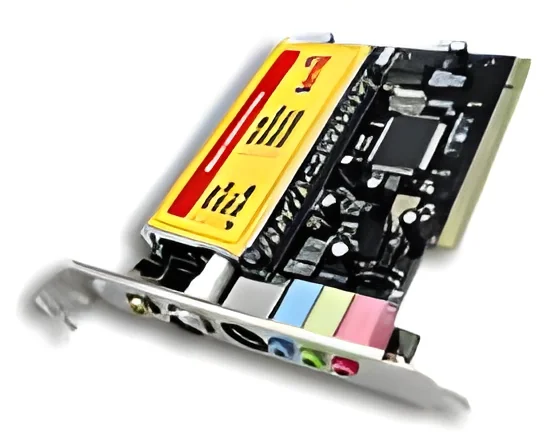
PCIe Sound Cards: These are internal cards that are installed directly into a computer's motherboard. They typically offer higher audio performance and more features compared to USB sound cards, suitable for gaming and professional audio production.
External DACs: These devices connect to audio sources and provide high-quality audio conversion. They are often used in audiophile setups to achieve superior sound quality and are compatible with various devices.
Integrated Sound Solutions: Some computers and laptops come with built-in sound cards and DACs. While convenient, their performance may not match dedicated devices, making them suitable for casual users.
Benefits and Advantages
Investing in sound cards and DACs provides numerous advantages for businesses and professionals.
1. Enhanced Audio Quality: These devices significantly improve the clarity and richness of sound, making them essential for professional audio applications.
2. Versatility: Sound cards and DACs come with various features that cater to different audio needs, from gaming to music production.
3. Compatibility: Many models offer broad compatibility with various devices and operating systems, ensuring seamless integration into existing setups.
4. Improved Performance: Dedicated sound cards often outperform integrated solutions, providing lower latency and higher fidelity audio.
5. User Control: Features like equalizers and customizable settings allow users to tailor audio experiences to their preferences.
6. Reliability: High-quality sound cards and DACs are built to last, offering consistent performance over time.
Buying Guide for B2B Buyers
When sourcing sound cards and DACs, it is important for B2B buyers to consider several factors to ensure they make informed purchasing decisions.
1. Quality Assessment: Evaluate the audio performance and reliability of the products. Look for specifications that align with your audio requirements and industry standards.
2. Supplier Verification: Conduct thorough research on potential suppliers. Check for reviews, certifications, and their track record in delivering quality products.
3. Pricing and MOQ: Understand the pricing structures and minimum order quantities to assess budget fit. Compare multiple suppliers to find the best deals.
4. Delivery and Lead Times: Inquire about the expected delivery times. Ensure that suppliers can meet your deadlines to avoid disruptions in your operations.
5. Compliance Requirements: Confirm that the products meet relevant industry standards and regulations. This includes safety certifications and environmental compliance.
Compliance and Certifications
Quality standards and certifications are essential considerations when evaluating sound cards and DACs. While specific standards may vary, adherence to recognized quality benchmarks is crucial.
For instance, ISO 9001 is a quality management standard that ensures consistent product quality and customer satisfaction. Compliance with this standard indicates that a manufacturer follows rigorous quality control processes.
Additionally, many sound cards and DACs carry CE certification, which signifies conformity to health, safety, and environmental protection standards within the European Economic Area.
Safety and testing requirements are also vital. Products must undergo testing to ensure they meet performance and safety standards, minimizing risks to users.
Regional compliance considerations are important as well, especially for businesses operating in multiple countries. Understanding local regulations can help avoid legal issues and ensure smooth operations.
Why Source Sound Cards & DACs from Pepagora?
Pepagora provides a trusted platform for sourcing sound cards and DACs, offering several key advantages to B2B buyers.
Verified Supplier Network: Pepagora has a robust network of verified suppliers, ensuring that buyers can access high-quality products from reliable manufacturers. This network helps streamline the sourcing process, saving time and resources.
Streamlined RFQ Process: The platform features an efficient request for quotation (RFQ) system that simplifies the process of obtaining quotes from multiple suppliers. This transparency allows buyers to compare prices and features effectively.
Trade Assurance and Support: Pepagora offers buyer protection through trade assurance programs, providing peace of mind when making purchases. Comprehensive support services are available to assist buyers throughout the sourcing journey.
Regional Coverage: With a strong presence in India, the Gulf Cooperation Council (GCC), and Southeast Asia, Pepagora connects buyers with suppliers across these regions. This geographic reach ensures access to a diverse range of products and competitive pricing, catering to various market needs.

 India
 India
Frequently Asked Questions
What are Sound Cards & DACs?
Sound Cards are hardware components that allow computers to send and receive audio signals. Digital-to-Analog Converters (DACs) convert digital audio signals into analog, enabling playback through speakers or headphones.
What are the different types of Sound Cards & DACs?
Sound Cards can be categorized into internal and external types. Internal sound cards are installed directly onto the motherboard, while external DACs connect via USB or other ports, providing flexibility and portability.
How do I choose the right Sound Cards & DACs?
When selecting Sound Cards and DACs, consider factors such as compatibility with your system, audio quality specifications, and intended use, whether for gaming, music production, or casual listening. Reviewing user feedback and expert recommendations can also aid your decision.
What are the standard specifications for Sound Cards & DACs?
Standard specifications for Sound Cards and DACs typically include sample rate, bit depth, signal-to-noise ratio (SNR), and total harmonic distortion (THD). Higher values in these specifications generally indicate better audio performance.
What is the price range for Sound Cards & DACs?
The price range for Sound Cards and DACs can vary widely based on features and quality, typically ranging from INR 1,000 to INR 50,000 or more. Budget options are available for casual users, while professional-grade devices may command higher prices.
What quality standards apply to Sound Cards & DACs?
Quality standards for Sound Cards and DACs include adherence to audio performance metrics like frequency response, noise levels, and compatibility with various audio formats. Compliance with international standards can also be a key indicator of quality.
Where can I find Sound Cards & DACs suppliers in India?
You can find Sound Cards and DACs suppliers in India through B2B marketplaces like Pepagora.com, industry trade shows, and local electronics distributors. Online platforms often provide a comprehensive list of manufacturers and suppliers.
Can Sound Cards & DACs be customized?
Yes, many manufacturers offer customization options for Sound Cards and DACs, allowing you to tailor features such as connectivity options, audio processing capabilities, and design to meet specific requirements. It's advisable to discuss customization with your chosen supplier.
What is the typical minimum order quantity for Sound Cards & DACs?
The typical minimum order quantity (MOQ) for Sound Cards and DACs varies by manufacturer but generally ranges from 10 to 100 units for wholesale purchases. Always confirm the MOQ with the supplier before placing an order.
What is the typical lead time for Sound Cards & DACs?
The typical lead time for Sound Cards and DACs can range from a few days to several weeks, depending on the supplier's inventory, customization requests, and shipping methods. It is advisable to check with the supplier for specific timelines.
Why Businesses Trust Pepagora
Thousands of companies trust Pepagora to source smarter and sell faster
Expand Your Sales Globally

Source Smarter,Grow Faster
