
 IN
Soft Toys & Plush Animals
34 products available
What are Soft Toys & Plush Animals?
Soft toys and plush animals are stuffed toys made from soft materials, designed to resemble animals or characters. They are typically filled with materials such as polyester fiber or cotton to enhance their softness and provide comfort. These toys come in various shapes, sizes, and designs, catering to diverse consumer preferences. They are often characterized by their cuddly nature, appealing aesthetics, and ability to provide emotional comfort to users.
In the B2B context, soft toys and plush animals find extensive applications across multiple sectors. They are popular in retail environments, particularly in toy stores and children's boutiques. Additionally, many businesses use them for promotional purposes, branding, or as gifts during special occasions. The demand for these products is also seen in educational settings, hospitals, and community organizations, where they are used for therapeutic and comfort purposes. The industry continues to grow, driven by trends in gifting, personalized products, and a rising focus on children's emotional well-being.
Key Features and Specifications
Soft toys and plush animals come with a range of features and specifications that enhance their appeal and usability. When selecting these products, it is crucial to understand their specifications to ensure they meet the needs of the target market.
Key specifications include:
1. Material Composition
- Typically made from soft, durable fabrics such as polyester or cotton
- Non-toxic and hypoallergenic options are available for safety
2. Size Options
- Available in multiple sizes from small keychain versions to large plush toys
- Custom sizes can be offered depending on order requirements
3. Design Variety
- Wide range of designs including animals, cartoon characters, and custom creations
- Options for personalization such as embroidery or printed logos
4. Safety Standards
- Compliance with safety regulations such as CE certification
- Tested for safety in terms of choking hazards and material safety
5. Fill Material
- Commonly filled with polyester fibers or cotton for softness
- Options for eco-friendly fill materials are also available
6. Care Instructions
- Machine washable or surface cleanable depending on materials used
- Specific care guidelines provided by manufacturers
7. Packaging Options
- Available in individual retail packaging or bulk packaging
- Eco-friendly packaging options can be provided
In summary, understanding the key features and specifications of soft toys and plush animals assists businesses in making informed purchasing decisions that align with market demands.
Common Applications and Use Cases
Soft toys and plush animals serve various industries and applications, enhancing customer engagement and satisfaction.
1. Retail Industry: Many retail businesses, including toy stores and gift shops, stock soft toys to attract customers. They are often used as promotional items or seasonal gifts.
2. Educational Settings: Schools and daycare centers utilize plush toys for educational purposes, helping children learn through play and providing comfort during transition periods.
3. Healthcare Sector: Hospitals and pediatric clinics often provide plush animals to young patients as comfort objects, assisting in easing anxiety and promoting emotional well-being.
4. Event Promotions: Businesses frequently use customized plush toys as giveaways during events, trade shows, or marketing campaigns to increase brand visibility.
5. Charity Organizations: Many charities distribute plush toys to children in need, serving as comforting gifts during difficult times.
6. Corporate Gifting: Companies often choose plush toys as unique corporate gifts to build rapport with clients and employees, especially for family-oriented businesses.
7. Online Retail: The rise of e-commerce has led to a surge in online sales of soft toys, allowing businesses to reach a broader audience.
Product Variants and Subcategories
Soft toys and plush animals exhibit a diverse range of variants to meet different market needs.
Classic Plush Animals
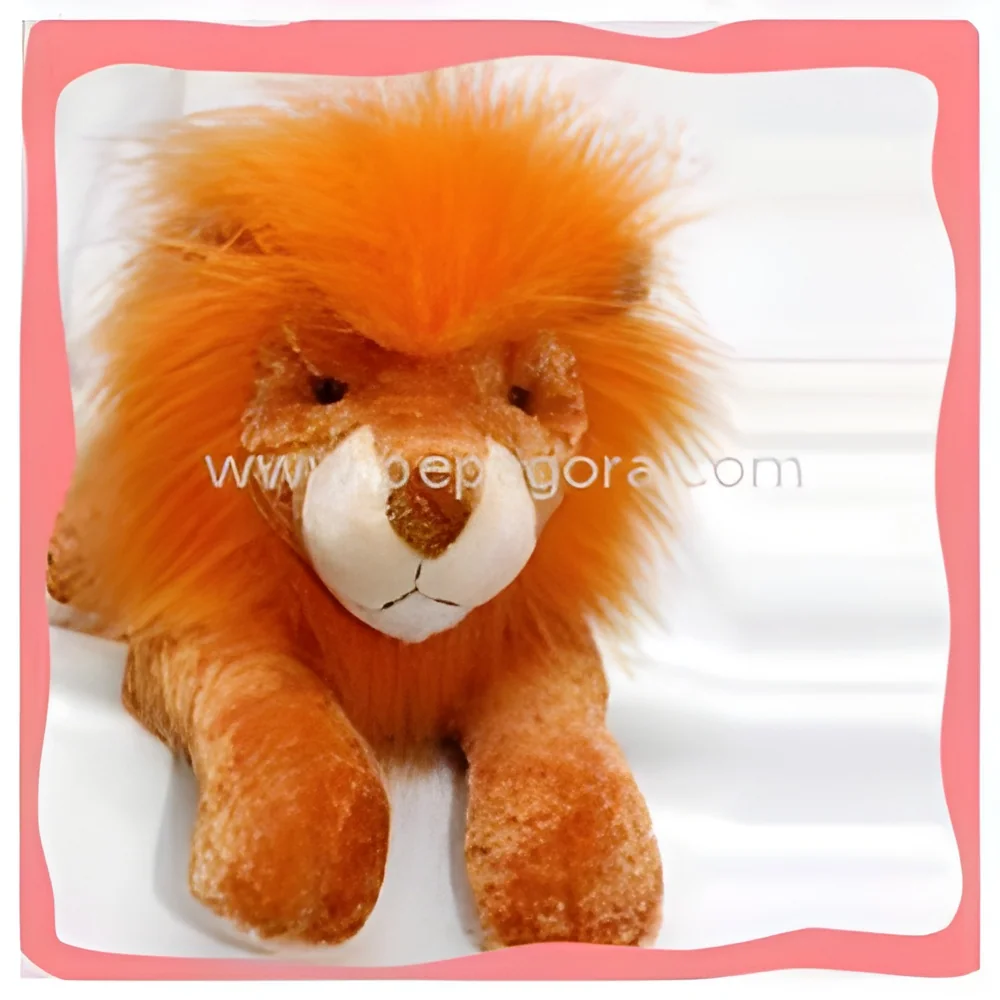
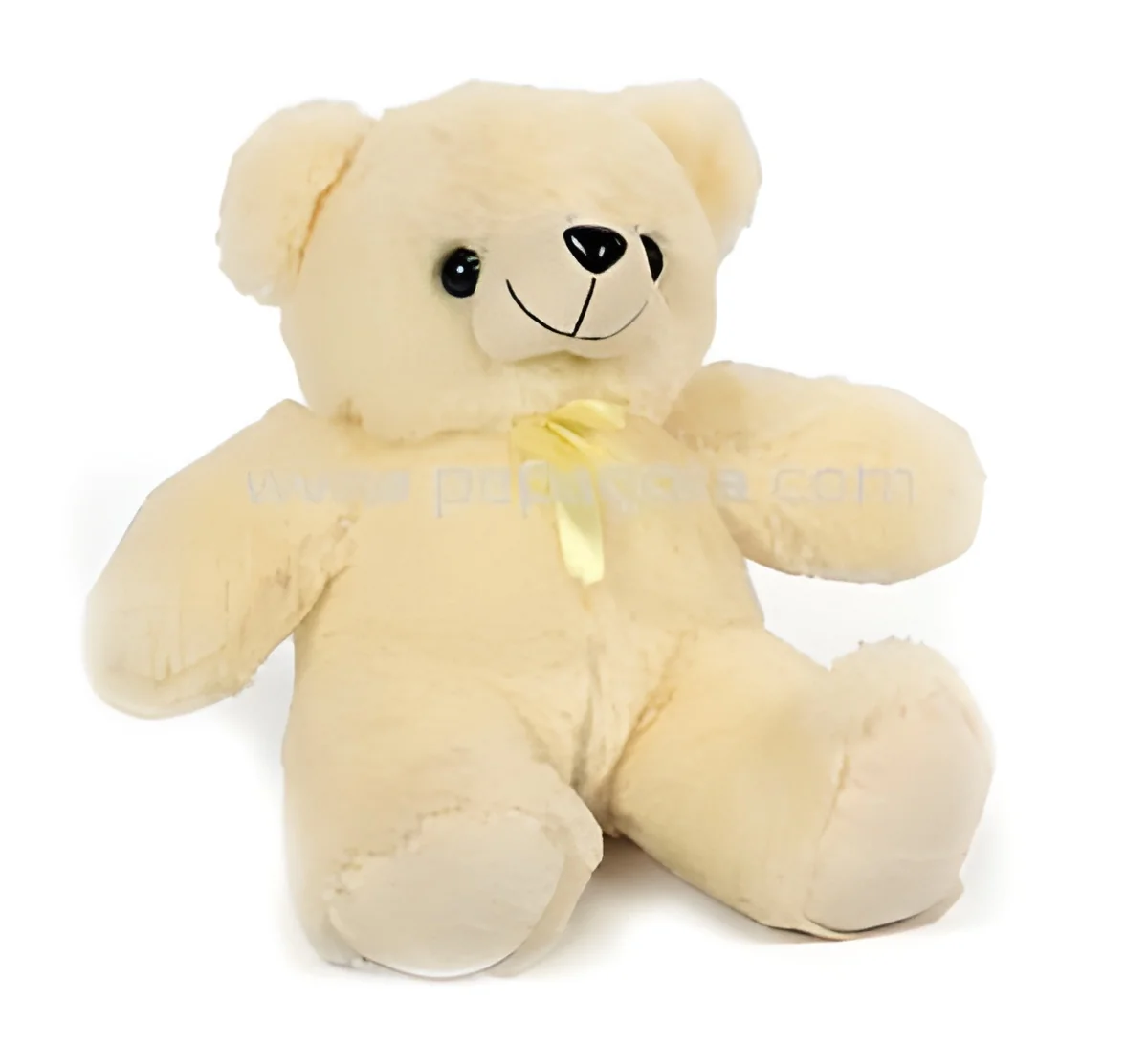
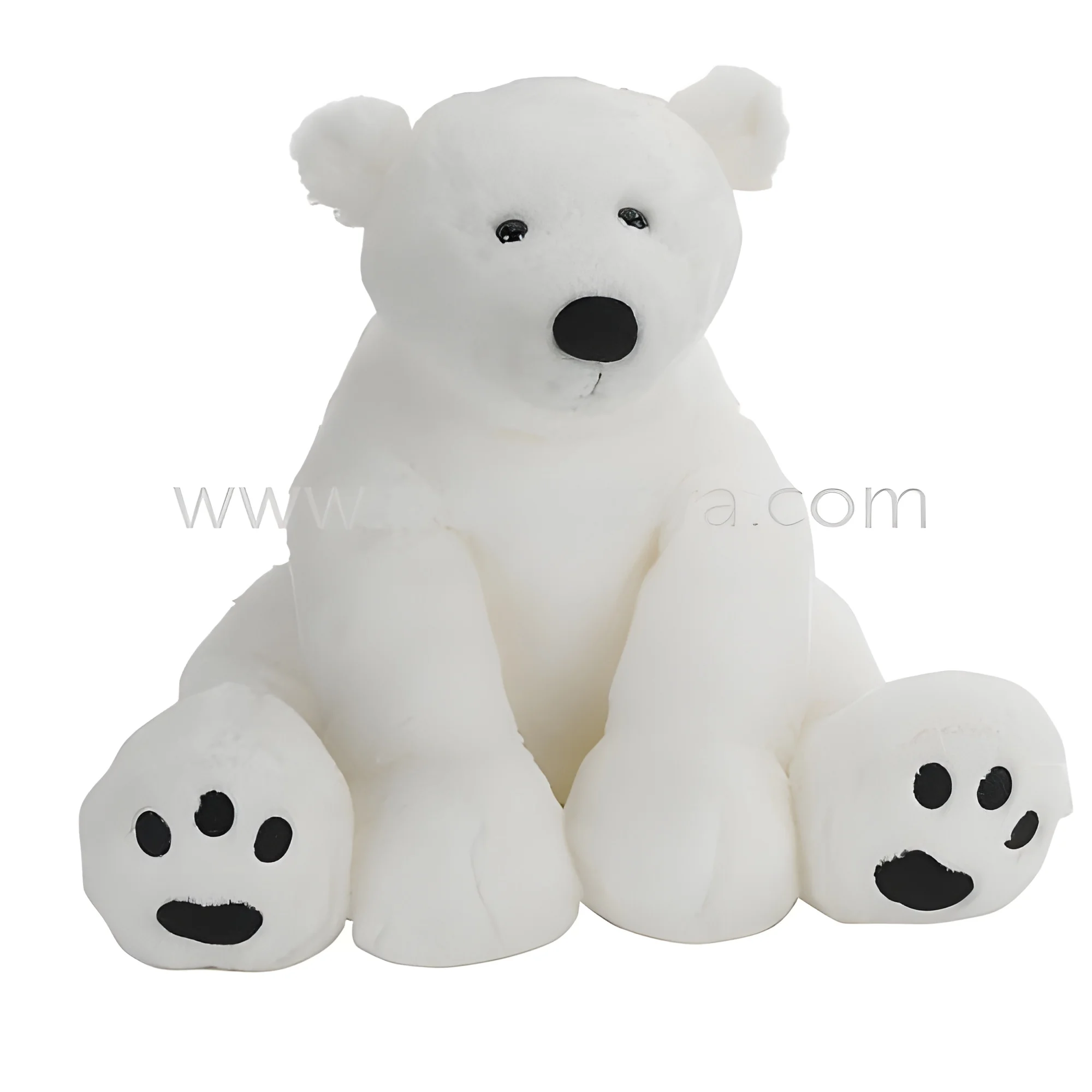
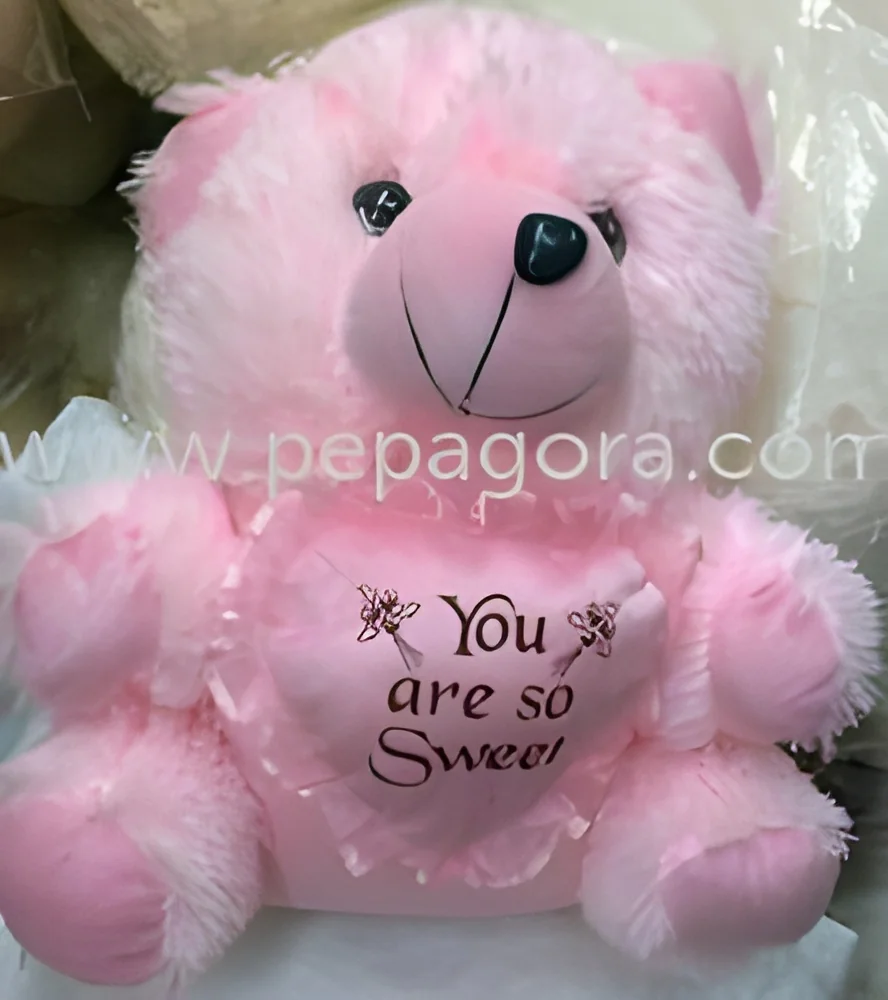
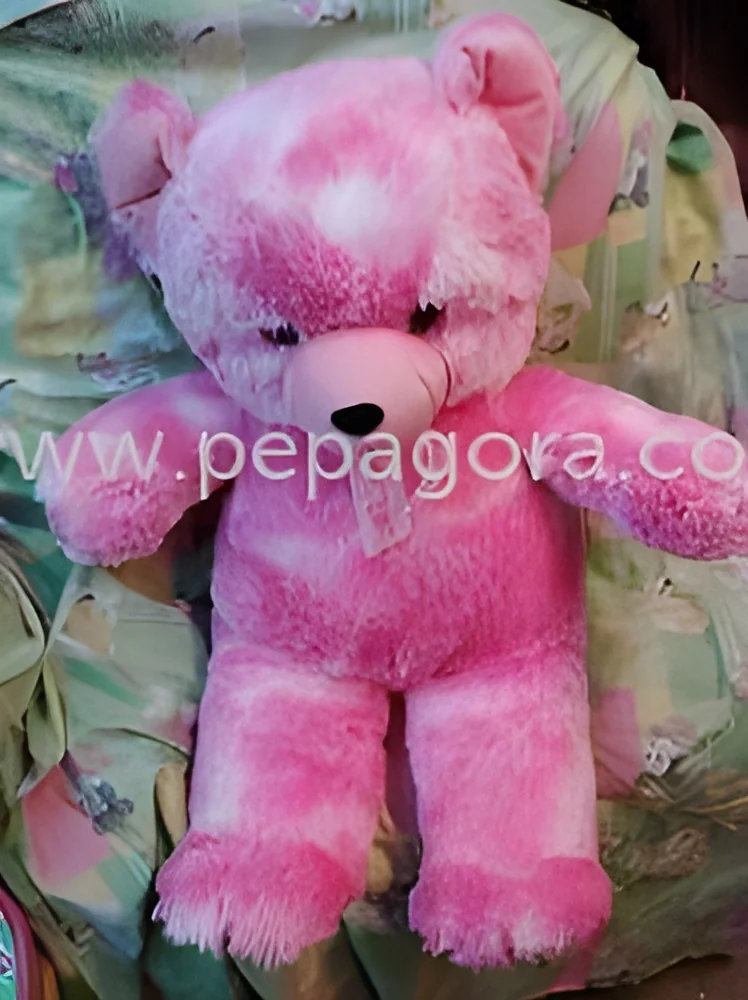
These are traditional stuffed animals designed to resemble popular animals like bears, dogs, and cats. They are often used for gifting and play and come in various sizes and colors.
Character Plush Toys
These toys are based on popular characters from movies, cartoons, or video games. They appeal to fans and collectors, making them popular in retail stores.
Customizable Plush Toys
These toys can be personalized with names, messages, or unique designs. They are frequently used for special occasions like birthdays or holidays.
Eco-Friendly Plush Toys
These variants are made from sustainable materials and are designed for environmentally conscious consumers. They are gaining popularity as awareness of sustainability increases.
Benefits and Advantages
Sourcing soft toys and plush animals offers several benefits for businesses.
1. Emotional Comfort: These toys provide emotional support and comfort, especially for children, making them a popular choice for many buyers.
2. Versatile Marketing Tool: Plush toys can be customized and used as promotional items, enhancing brand visibility and customer loyalty.
3. Broad Market Appeal: Soft toys cater to a wide audience, including children, collectors, and adults, ensuring diverse selling opportunities.
4. Safety Assurance: Many plush toys comply with safety standards, providing peace of mind to buyers regarding product safety.
5. Therapeutic Uses: Plush animals are often used in therapeutic settings, aiding in emotional healing and comfort for patients of all ages.
6. Gift Potential: Their cuddly and appealing nature makes soft toys ideal gifts for various occasions, from birthdays to holidays.
Buying Guide for B2B Buyers
When sourcing soft toys and plush animals, several factors should be taken into account to ensure a successful purchase.
1. Quality Assessment: Evaluate the quality of materials and craftsmanship. Look for products that meet safety standards and are durable enough for regular use.
2. Supplier Verification: Research potential suppliers to ensure they have a reliable reputation. Check for reviews, certifications, and their ability to meet your specific needs.
3. Pricing and MOQ: Understand the pricing structure and minimum order quantities. Compare prices among suppliers to find the best deal while considering quality.
4. Delivery and Lead Times: Inquire about delivery schedules and lead times. Ensure that suppliers can meet your timing needs for inventory replenishment.
5. Compliance Requirements: Familiarize yourself with any regulatory compliance standards applicable to soft toys in your region. Verify that suppliers adhere to these standards.
Compliance and Certifications
Soft toys and plush animals must adhere to specific compliance standards and certifications to ensure safety and quality.
Relevant quality standards include ISO 9001, which focuses on quality management systems, ensuring that manufacturers meet customer and regulatory requirements. Compliance with HACCP (Hazard Analysis Critical Control Point) standards is essential for products used in environments like hospitals or schools, ensuring safety during production.
Additionally, many plush toys carry the CE marking, indicating compliance with European safety, health, and environmental protection standards. This certification is critical for products sold in the European market.
Safety and testing requirements also play a crucial role in the manufacturing process. Plush toys must undergo rigorous testing for choking hazards, flammability, and material safety to ensure they are safe for children. Regional compliance considerations may vary, so it is essential for manufacturers to stay updated on local regulations.
Why Source Soft Toys & Plush Animals from Pepagora?
Pepagora provides a trusted platform for sourcing soft toys and plush animals, offering numerous advantages to B2B buyers.
Verified Supplier Network: Pepagora features a broad network of verified suppliers, ensuring that buyers can connect with reputable manufacturers. This network allows for easier sourcing and reduces risks associated with unverified suppliers.
Streamlined RFQ Process: The platform simplifies the request for quotation process, enabling buyers to quickly obtain pricing and product information. This efficiency saves time and facilitates better purchasing decisions.
Trade Assurance and Support: Pepagora offers trade assurance, providing protection for buyers against potential issues. The support team is available to assist with any inquiries or concerns throughout the purchasing process.
Regional Coverage: With a strong presence in regions such as India, the GCC, and Southeast Asia, Pepagora offers extensive geographic coverage. This reach allows buyers to access a wide variety of products and suppliers suited to their market needs.

 India
 India
 India

 India

Frequently Asked Questions
What are Soft Toys & Plush Animals?
Soft Toys & Plush Animals are stuffed toys designed for comfort and play. They are typically made from soft materials like cotton, polyester, or other plush fabrics, and are often designed to resemble animals or fictional characters.
What are the different types of Soft Toys & Plush Animals?
There are various types of Soft Toys & Plush Animals, including plush dolls, stuffed animals, and character toys. They can range from realistic animal representations to cartoonish figures, catering to different age groups and preferences.
How do I choose the right Soft Toys & Plush Animals?
When choosing Soft Toys & Plush Animals, consider the age of the recipient, safety features, and material quality. Additionally, look for toys that are easy to clean and maintain, as well as those that meet safety standards.
What are the standard specifications for Soft Toys & Plush Animals?
Standard specifications for Soft Toys & Plush Animals usually include dimensions, weight, and material composition. Compliance with safety regulations, such as non-toxic materials and secure stitching, is also essential.
What is the price range for Soft Toys & Plush Animals?
The price range for Soft Toys & Plush Animals can vary widely based on factors such as size, design, and material quality. Generally, prices can start from as low as INR 100 and can go up to several thousand rupees for premium or custom designs.
What quality standards apply to Soft Toys & Plush Animals?
Quality standards for Soft Toys & Plush Animals include safety certifications such as ASTM, EN71, and ISO compliance. These standards ensure that the toys are safe for children and free from harmful substances.
Where can I find Soft Toys & Plush Animals suppliers in India?
You can find Soft Toys & Plush Animals suppliers in India through B2B marketplaces like Pepagora.com, trade shows, and industry directories. These platforms often provide a range of manufacturers and wholesalers.
Can Soft Toys & Plush Animals be customized?
Yes, many manufacturers offer customization options for Soft Toys & Plush Animals. This can include changes in size, color, design, and even the addition of logos or specific features to suit branding needs.
What is the typical minimum order quantity for Soft Toys & Plush Animals?
The typical minimum order quantity (MOQ) for Soft Toys & Plush Animals can vary by supplier, but it generally ranges from 50 to 100 pieces. It's advisable to check with individual manufacturers for their specific MOQ.
What is the typical lead time for Soft Toys & Plush Animals?
The typical lead time for Soft Toys & Plush Animals varies depending on the order size and customization requirements. Generally, it can range from 2 to 8 weeks, so it's important to plan accordingly.
Why Businesses Trust Pepagora
Thousands of companies trust Pepagora to source smarter and sell faster
Expand Your Sales Globally

Source Smarter,Grow Faster
