
 IN
Shrink Wrapping for Electronics
7 products available
What are Shrink Wrapping for Electronics?
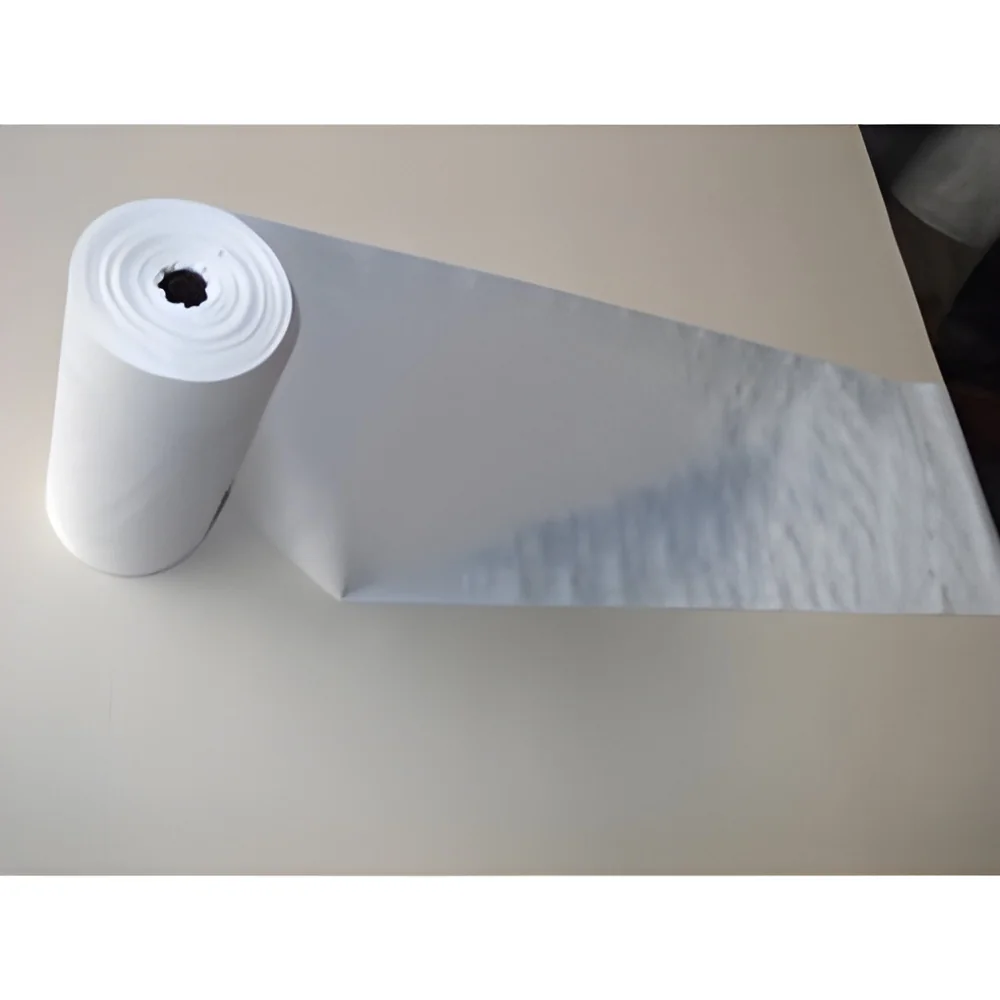
Shrink wrapping for electronics refers to the process of enclosing electronic components or devices in a plastic film that shrinks tightly around the product when heat is applied. This packaging method serves as a protective layer, safeguarding products from physical damage, dust, moisture, and other environmental factors. The film material is designed to conform to the shape of the item, providing a secure and tamper-evident seal.
This packaging solution is utilized across various sectors within the electronics industry, including consumer electronics, automotive components, and industrial machinery. It ensures that sensitive electronics are delivered to end-users in pristine condition. Additionally, shrink wrapping can also be used for bundling multiple items together, which is beneficial for retail presentation and shipping efficiency.
As the electronics market continues to grow, the relevance of shrink wrapping is becoming more pronounced. With an increasing demand for packaging that provides both protection and aesthetic appeal, manufacturers are turning to shrink wrapping as an effective solution. Companies are also seeking sustainable materials, leading to innovations in shrink wrap technology that align with environmental standards.
Key Features and Specifications
Shrink wrapping for electronics comes with several key features that enhance its performance and usability. Understanding these specifications is crucial for businesses looking to implement this packaging method effectively.
Key specifications include:
1. Material Composition
- Typically made from polyethylene or polyolefin.
- Offers varying thicknesses ranging from 50 to 100 microns.
2. Heat Shrink Temperature
- The optimal heat range for shrinking is between 100 to 120 degrees Celsius.
- Ensures proper adhesion without damaging the electronic components.
3. Barrier Properties
- Provides moisture and dust resistance.
- Effective in protecting against UV exposure.
4. Clarity and Transparency
- High clarity options available to showcase products.
- Essential for retail environments where visibility is key.
5. Sealing Type
- Options available for both manual and automated sealing.
- Ensures a secure fit for different production environments.
6. Tamper Evidence
- Some films include features that indicate tampering.
- Enhances security during shipping and handling.
7. Custom Sizing
- Options for custom sizes to fit a variety of electronic products.
- Flexibility in meeting specific packaging requirements.
In summary, the features and specifications of shrink wrapping for electronics provide a comprehensive solution for protecting sensitive items while also enhancing their presentation and security.
Common Applications and Use Cases
Shrink wrapping for electronics is utilized in a wide range of industries due to its protective and visual benefits.
1. Consumer Electronics: Devices such as smartphones, tablets, and laptops are commonly shrink-wrapped to prevent damage during transportation and display.
2. Automotive Components: Electronic components within vehicles, such as sensors and control units, are shrink-wrapped to guard against moisture and dust exposure.
3. Industrial Equipment: Machinery parts that require protection from corrosion and dirt are effectively packaged using shrink wrap.
4. Medical Devices: Sterile electronic instruments and devices are wrapped to maintain hygiene and prevent contamination.
5. Retail Packaging: Shrink wrapping is used for bundling multiple products together, enhancing the visual appeal and securing items for sale.
6. Telecommunications: Sensitive equipment such as routers and switches utilize shrink wrapping for protection against environmental factors.
7. Aerospace: Electronic components used in aircraft must be protected from moisture and physical damage, making shrink wrapping an ideal solution.
Product Variants and Subcategories
Shrink wrapping for electronics comes in various forms, allowing businesses to choose the best option for their specific needs.
Standard Shrink Film
This is the most common type, providing basic protection and visibility. It is suitable for a wide range of electronic products and is often used in retail packaging.
Heavy-Duty Shrink Film
Designed for more robust applications, this variant offers enhanced durability and resistance to punctures and tears. It is ideal for larger electronic equipment that requires additional protection.
Shrink Bands
These are used for sealing bottles and containers that contain electronic components. They provide tamper evidence and maintain product integrity during shipping.
Colored Shrink Film
Available in various colors, this variant is used for branding and marketing purposes. Colored films can enhance product visibility on retail shelves.
Benefits and Advantages
Shrink wrapping for electronics offers numerous advantages that can significantly benefit businesses.
1. Enhanced Protection: The shrink wrap provides a robust barrier against dust, moisture, and physical damage, ensuring that products remain in optimal condition.
2. Cost-Effective: Shrink wrapping is an economical packaging solution that reduces material waste and shipping costs.
3. Customizable: Businesses can choose from various film types, sizes, and colors to meet their specific branding and protection needs.
4. Tamper Evidence: Shrink wrapping can offer features that indicate if a product has been tampered with, enhancing security during transport.
5. Improved Shelf Life: By protecting products from environmental factors, shrink wrapping helps prolong the shelf life of electronic devices.
6. Visual Appeal: Transparent films allow for product visibility, making them ideal for retail environments where aesthetics matter.
Buying Guide for B2B Buyers
When sourcing shrink wrapping for electronics, there are several critical factors to consider to ensure the best fit for your business needs.
1. Quality Assessment: Review the quality of the shrink film, focusing on its durability and resistance to environmental factors. Ensure it meets industry standards.
2. Supplier Verification: Vet potential suppliers for reliability and consistency. Look for reviews and testimonials from other businesses.
3. Pricing and MOQ: Understand the pricing structure and minimum order quantities required by suppliers to ensure alignment with your budget.
4. Delivery and Lead Times: Evaluate the supplier's ability to meet your delivery timelines, as timely shipping is crucial for maintaining production schedules.
5. Compliance Requirements: Familiarize yourself with any regulatory compliance standards that the shrink wrap must meet, particularly in specialized industries like medical or automotive.
Compliance and Certifications
Compliance and certifications are essential aspects of shrink wrapping for electronics. Adhering to relevant quality standards ensures that products meet industry requirements.
ISO 9001 is a common quality management standard that many manufacturers follow to ensure consistent quality in their processes.
HACCP guidelines may be relevant in the medical and food sectors, ensuring that shrink-wrapped products are safe for use.
CE certification indicates that the product meets European safety standards, which is crucial for businesses exporting to European markets.
Additionally, safety and testing requirements may vary by region. It is important to stay informed about local regulations regarding packaging materials.
Why Source Shrink Wrapping for Electronics from Pepagora?
Pepagora provides an excellent platform for sourcing shrink wrapping for electronics, offering several key advantages to buyers.
Verified Supplier Network: Pepagora has established a strong network of verified suppliers. This ensures that buyers can find reliable partners who meet quality and service standards.
Streamlined RFQ Process: The request for quotation process is user-friendly, allowing businesses to quickly gather information and make informed purchasing decisions.
Trade Assurance and Support: Pepagora offers trade assurance, providing buyers with protection throughout the procurement process. This support helps mitigate risks associated with online transactions.
Regional Coverage: With a reach extending across India, GCC, and Southeast Asia, Pepagora connects buyers with suppliers in key markets, facilitating efficient sourcing and distribution.


 India
 India
 India
 India
 India
Frequently Asked Questions
What are Shrink Wrapping for Electronics?
Shrink wrapping for electronics is a packaging method that uses a polymer plastic film to encapsulate electronic products. The film is heated, causing it to shrink tightly around the items, providing protection against dust, moisture, and physical damage.
What are the different types of Shrink Wrapping for Electronics?
The different types of shrink wrapping for electronics include manual shrink wrapping, automatic shrink wrapping, and semi-automatic shrink wrapping. Each type varies in terms of efficiency, speed, and scale of production suitable for different business needs.
How do I choose the right Shrink Wrapping for Electronics?
Choosing the right shrink wrapping for electronics involves considering factors like the size and shape of the items, the level of protection required, and the production scale. Additionally, evaluate the shrink film materials based on their durability and compatibility with your products.
What are the standard specifications for Shrink Wrapping for Electronics?
Standard specifications for shrink wrapping for electronics include shrink temperature, film thickness, and clarity. It's essential to ensure that the specifications align with the requirements of the electronic products being packaged to provide optimal protection.
What is the price range for Shrink Wrapping for Electronics?
The price range for shrink wrapping for electronics can vary widely depending on the type of film, machinery used, and order quantity. Typically, prices may start from a few hundred rupees for basic shrink films to several thousand for advanced machinery.
What quality standards apply to Shrink Wrapping for Electronics?
Quality standards for shrink wrapping for electronics may include compliance with industry-specific regulations such as ISO and ASTM. Ensuring that the materials used are tested for durability and safety is crucial for maintaining product integrity.
Where can I find Shrink Wrapping for Electronics suppliers in India?
You can find shrink wrapping for electronics suppliers in India through B2B marketplaces like Pepagora.com, industry trade shows, and local supplier directories. It's advisable to compare suppliers based on their product range, pricing, and customer reviews.
Can Shrink Wrapping for Electronics be customized?
Yes, shrink wrapping for electronics can be customized to meet specific packaging needs, including size, color, and branding options. Working with manufacturers who offer customization can ensure that the packaging aligns with your product's requirements.
What is the typical minimum order quantity for Shrink Wrapping for Electronics?
The typical minimum order quantity (MOQ) for shrink wrapping for electronics can vary by supplier but often ranges from 100 to 1000 units. It is important to confirm the MOQ with the supplier before placing an order.
What is the typical lead time for Shrink Wrapping for Electronics?
The typical lead time for shrink wrapping for electronics can range from a few days to several weeks, depending on the supplier's production capacity and the complexity of the order. It's advisable to communicate directly with the supplier for accurate lead time estimates.
Why Businesses Trust Pepagora
Thousands of companies trust Pepagora to source smarter and sell faster
Expand Your Sales Globally

Source Smarter,Grow Faster
