What are Shrink Packaging for Industrial Goods?
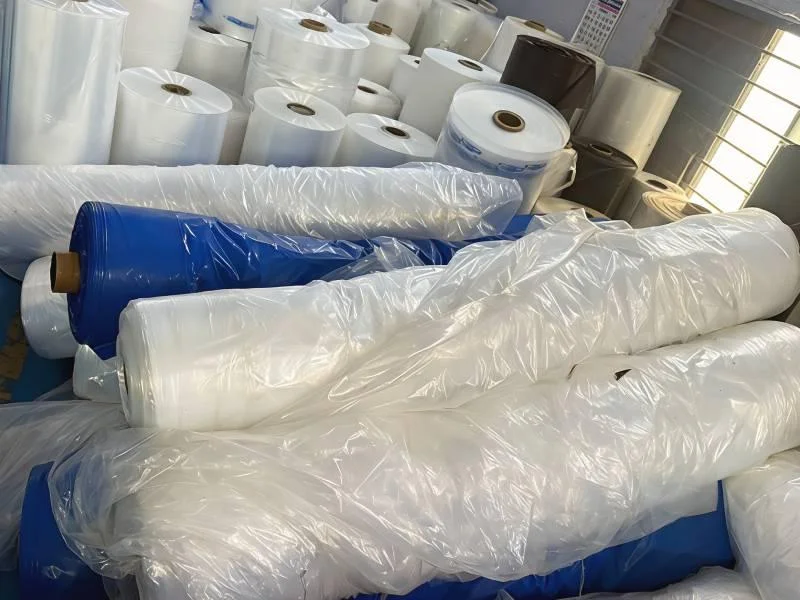
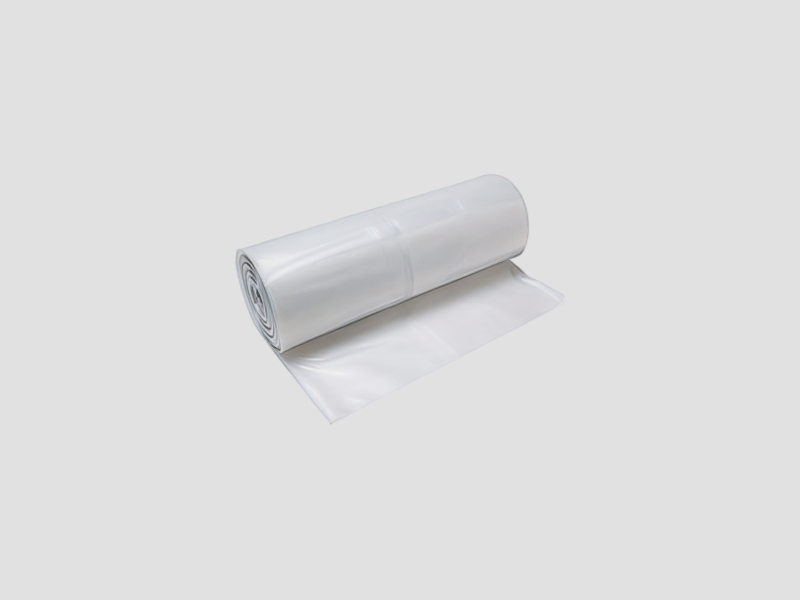
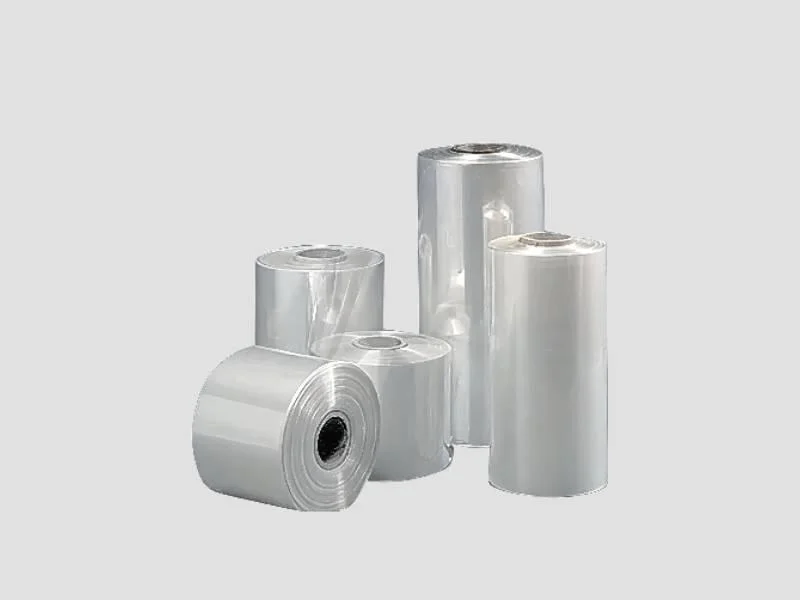
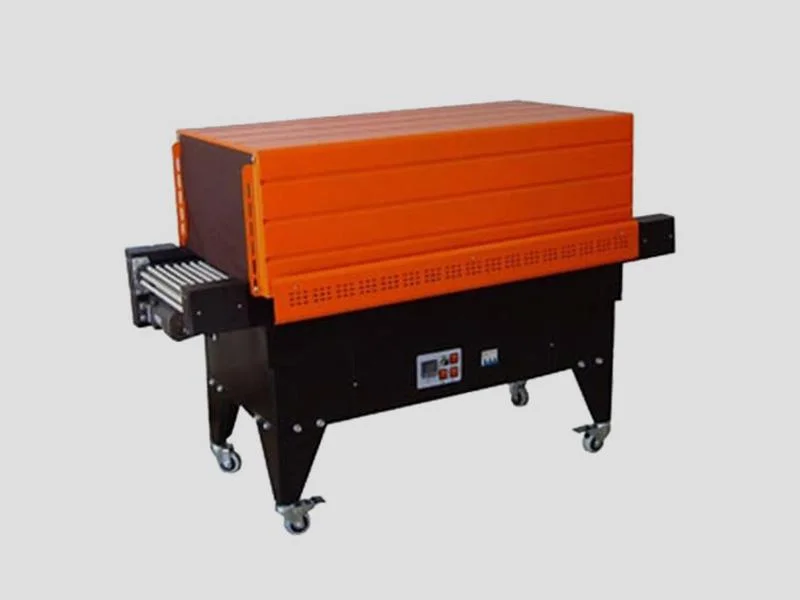
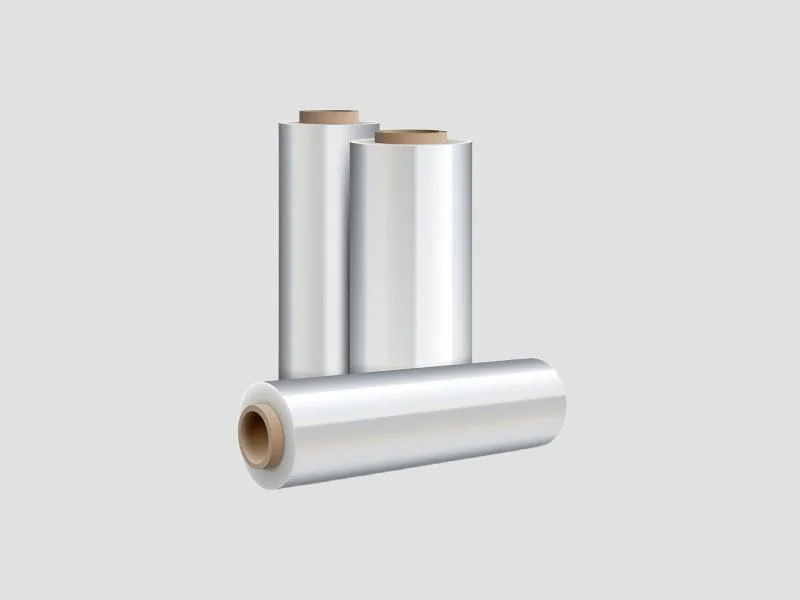
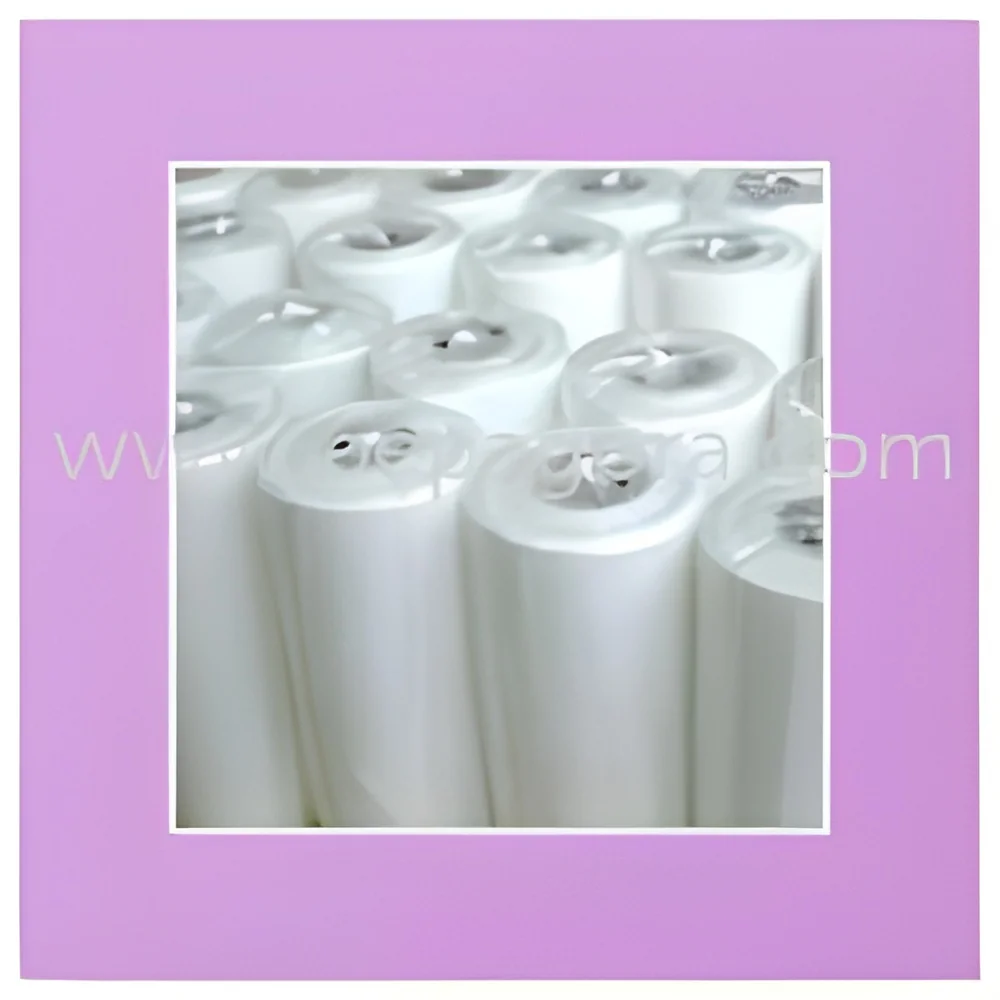
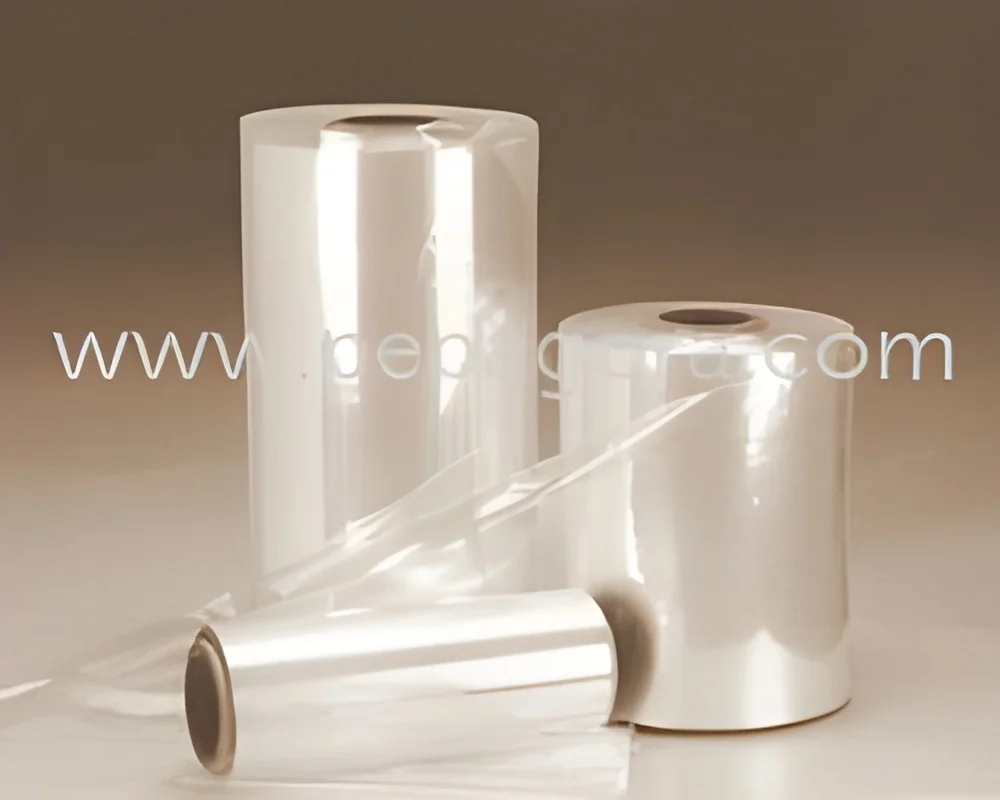
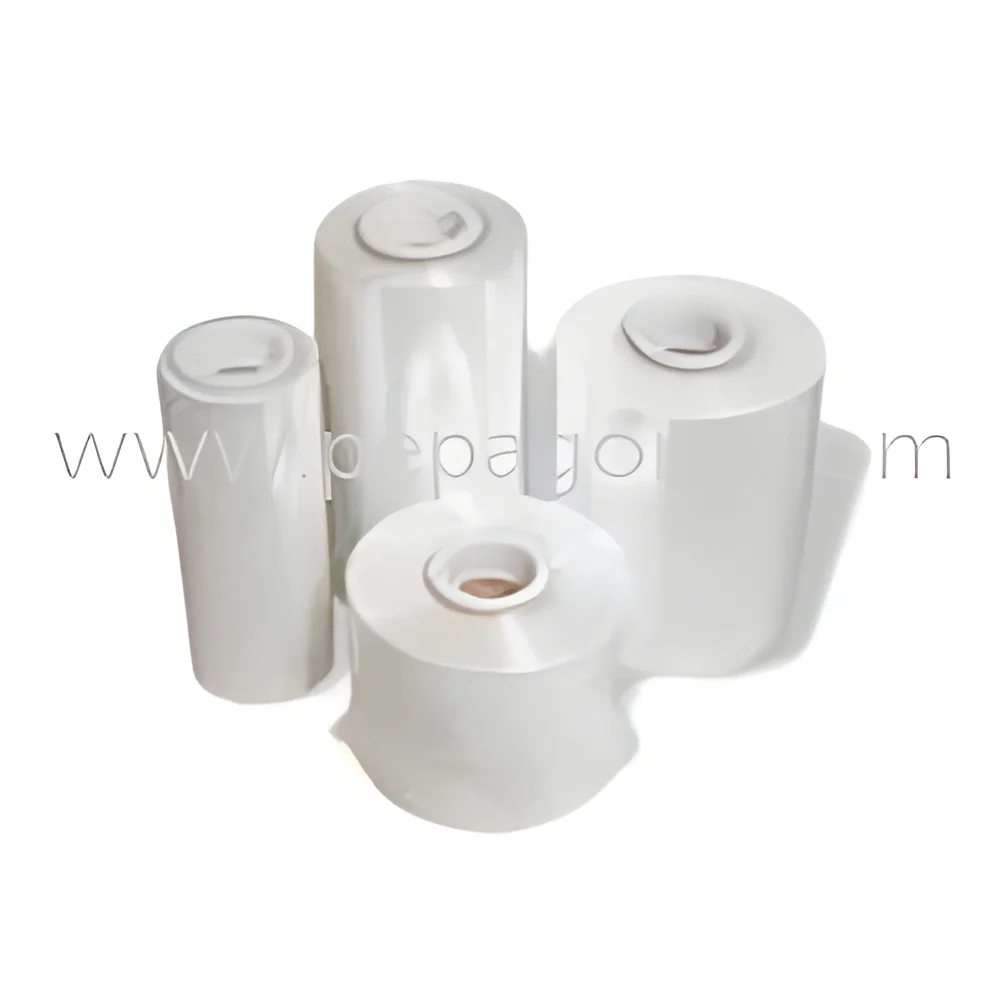
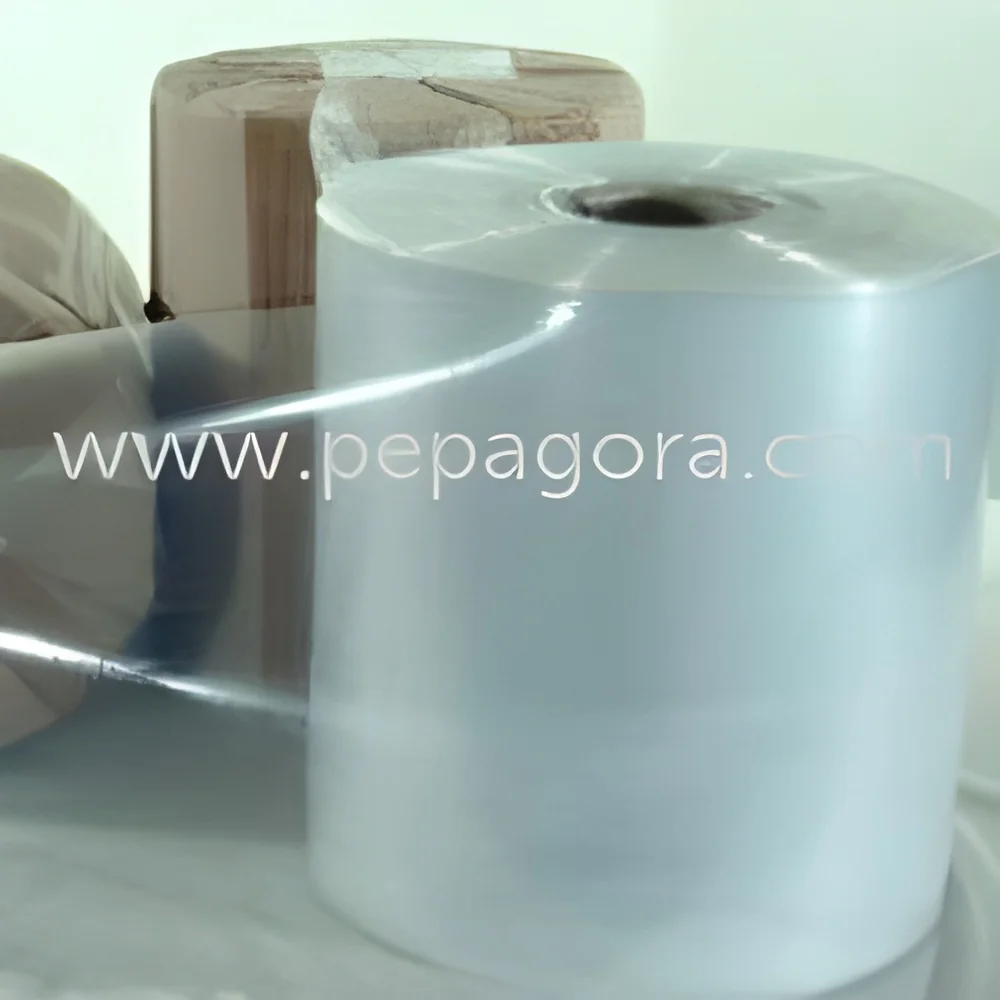
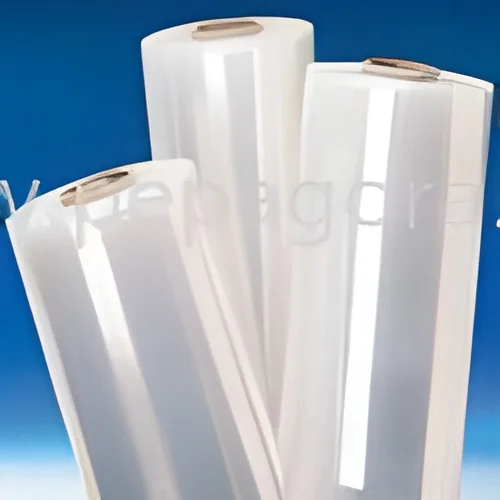
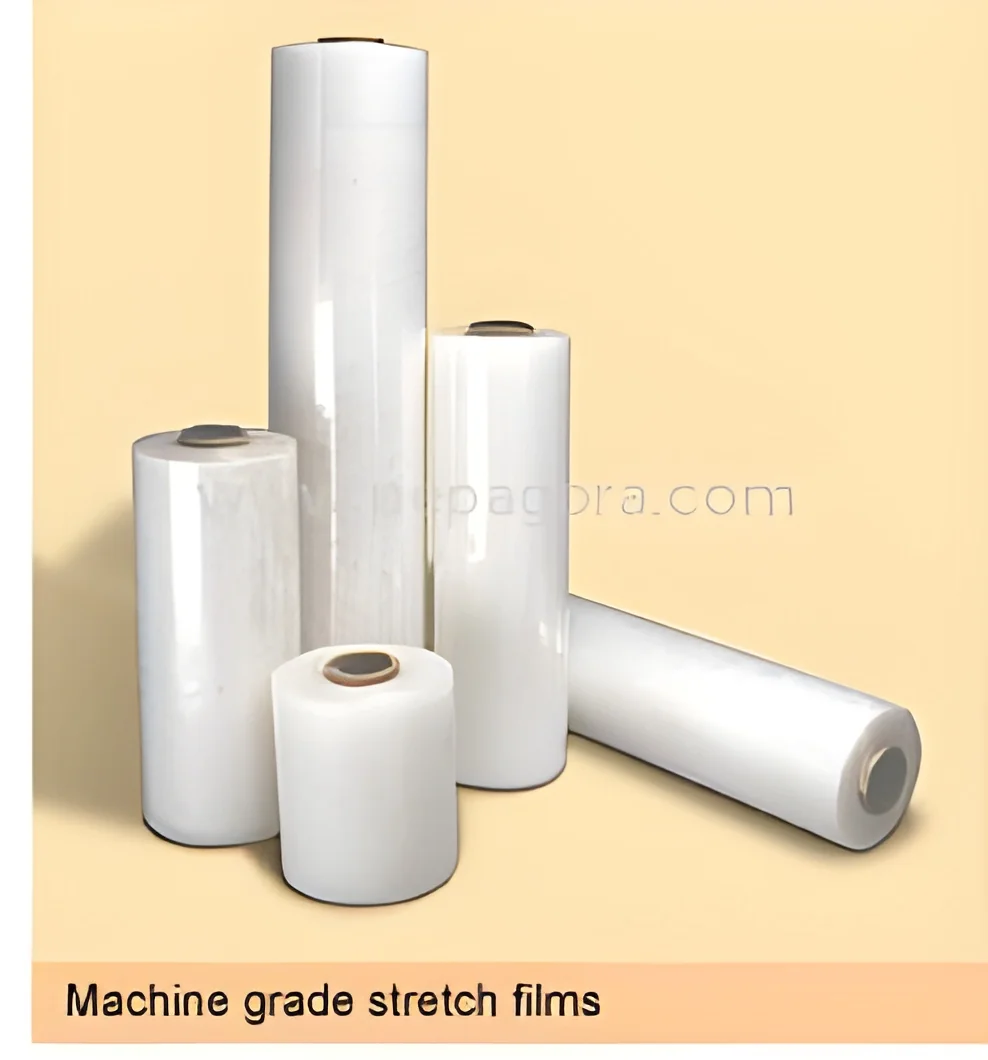
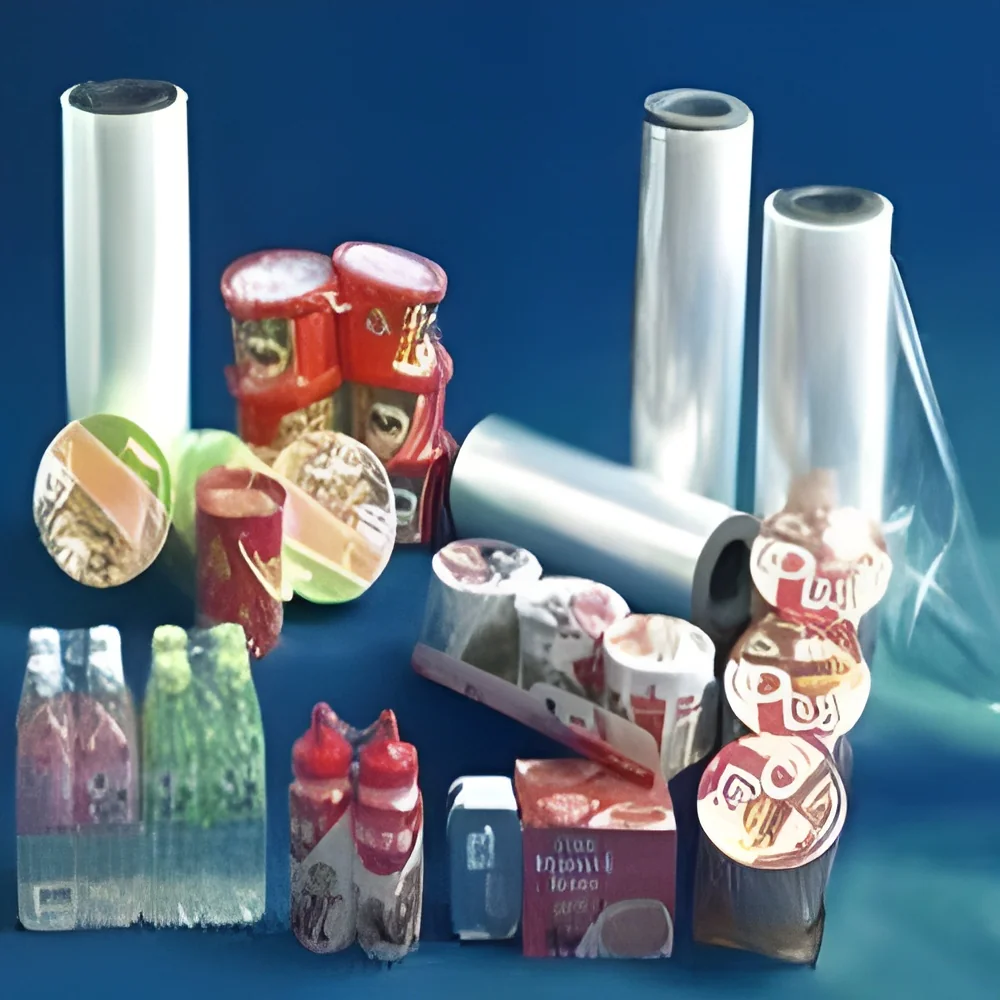
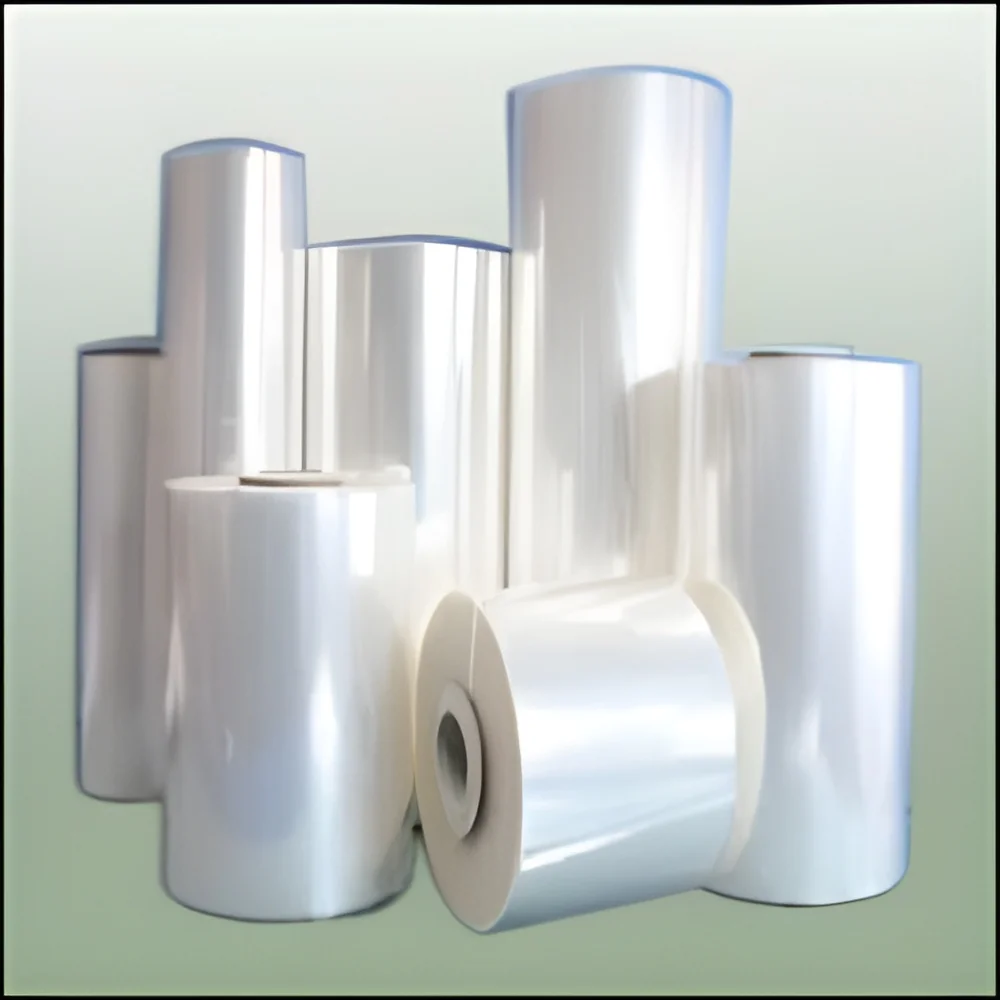
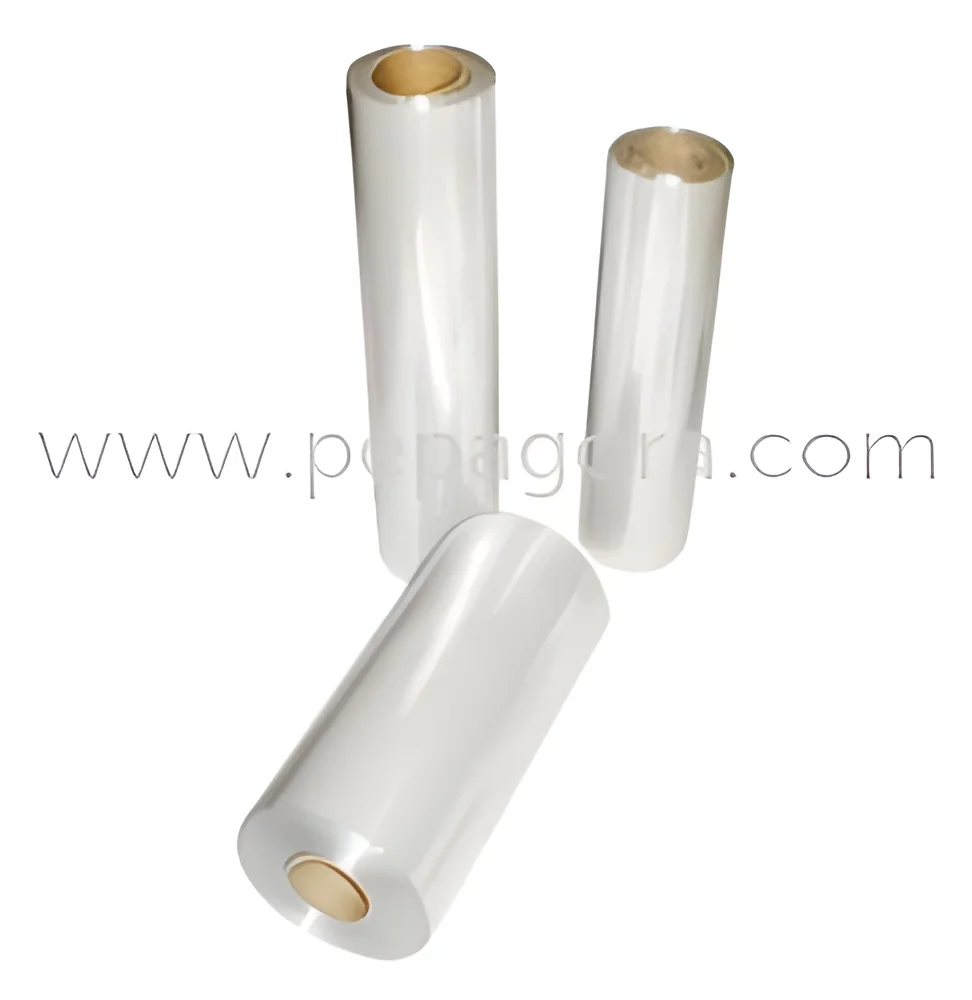
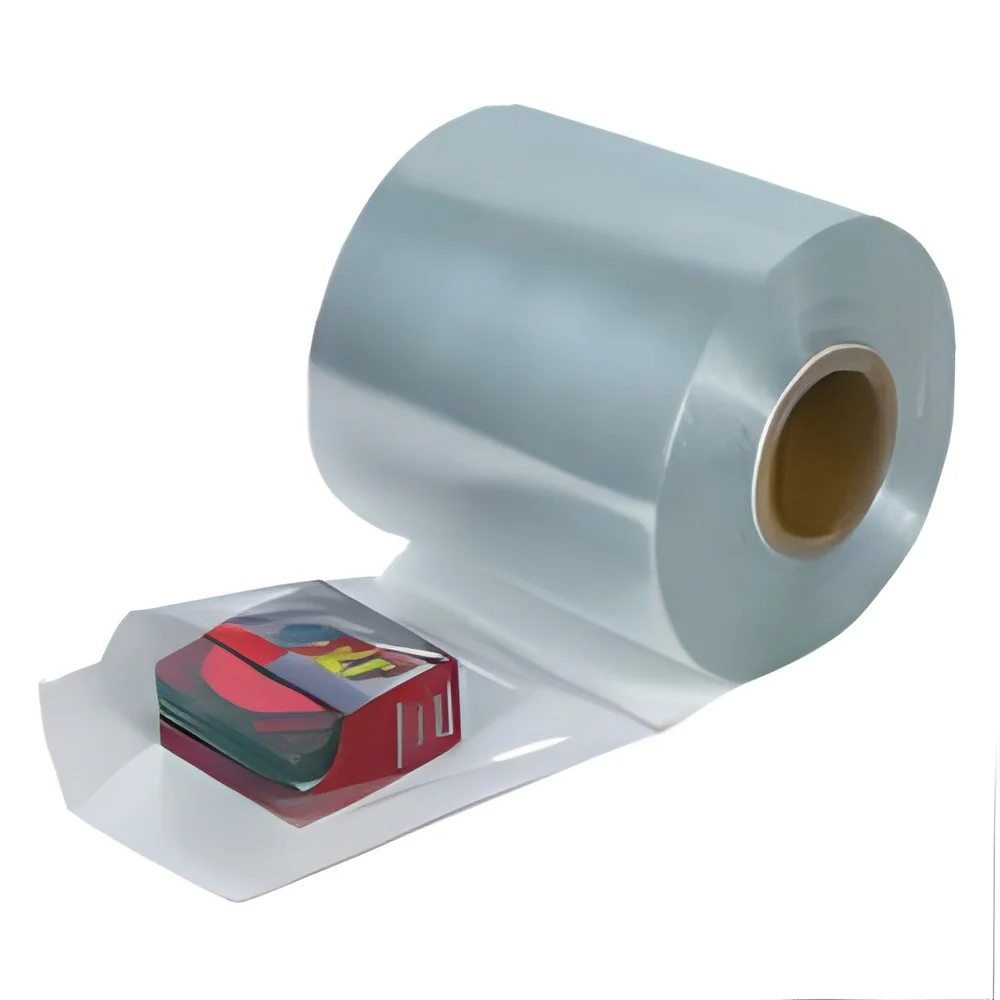
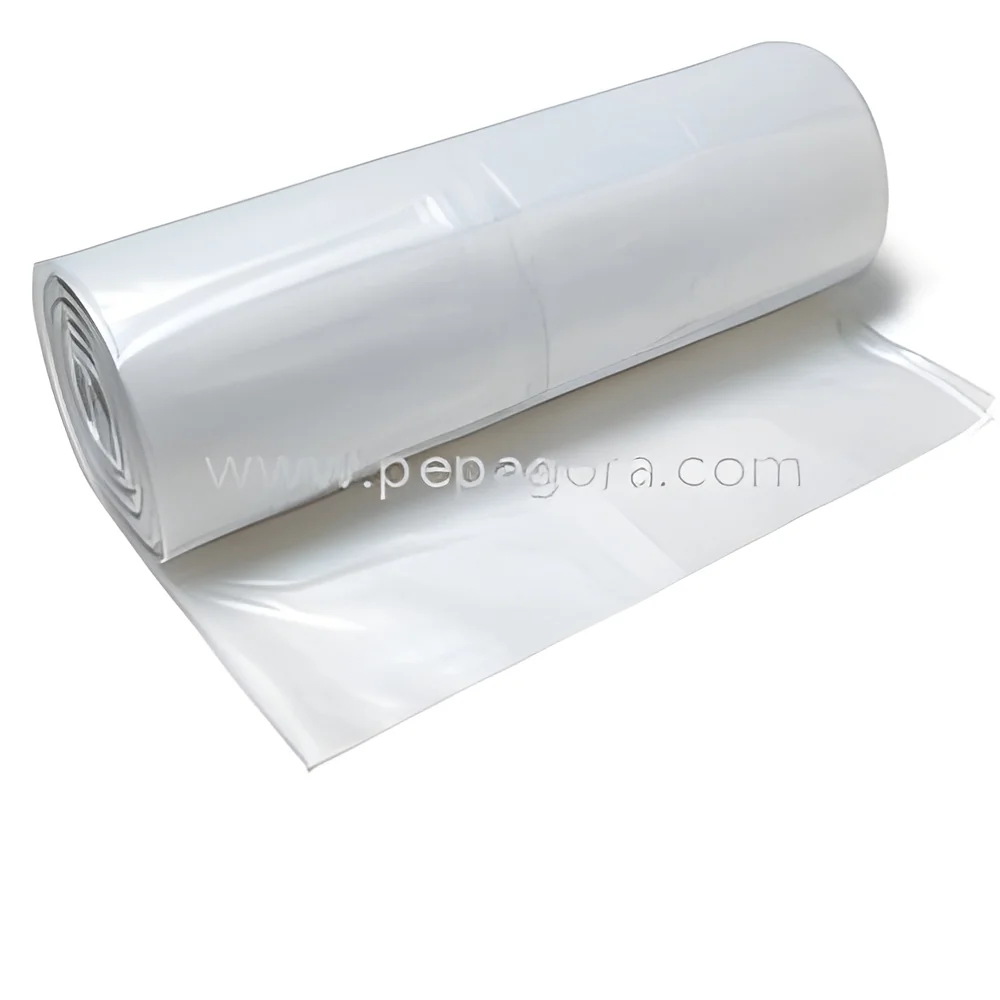
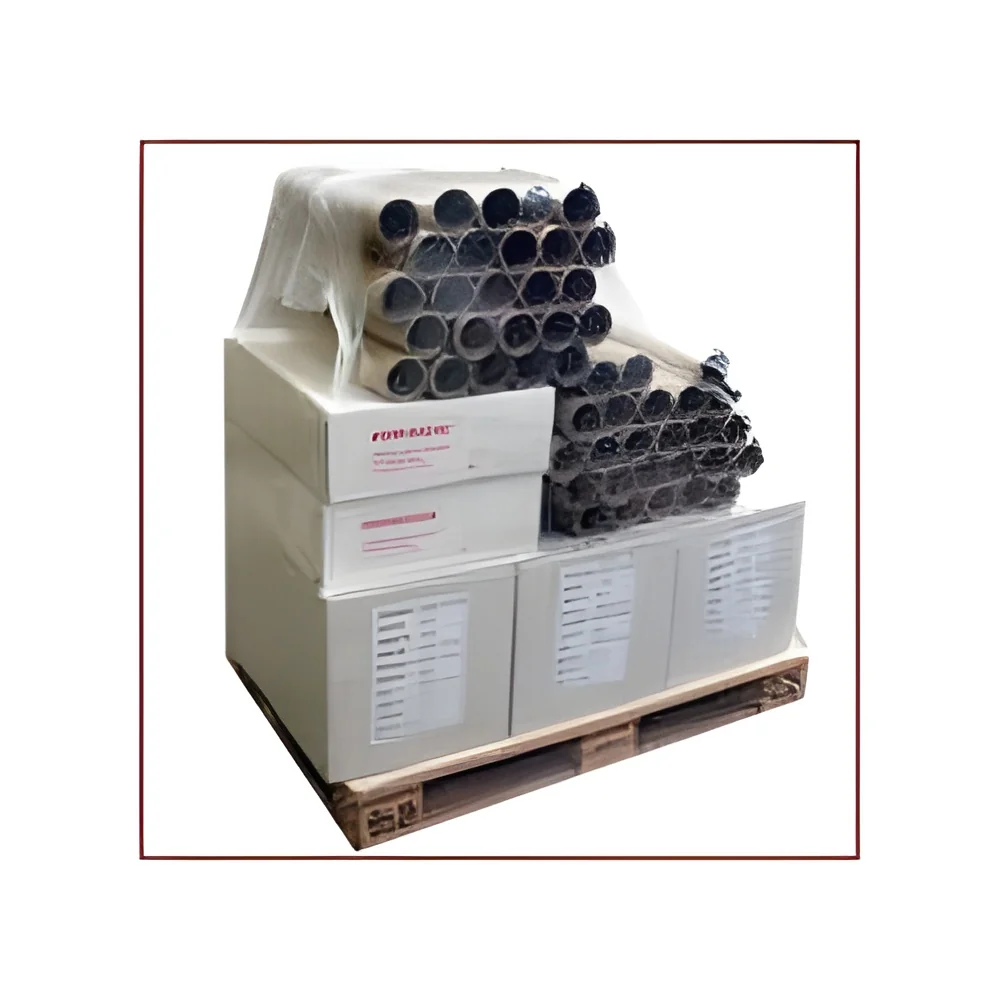
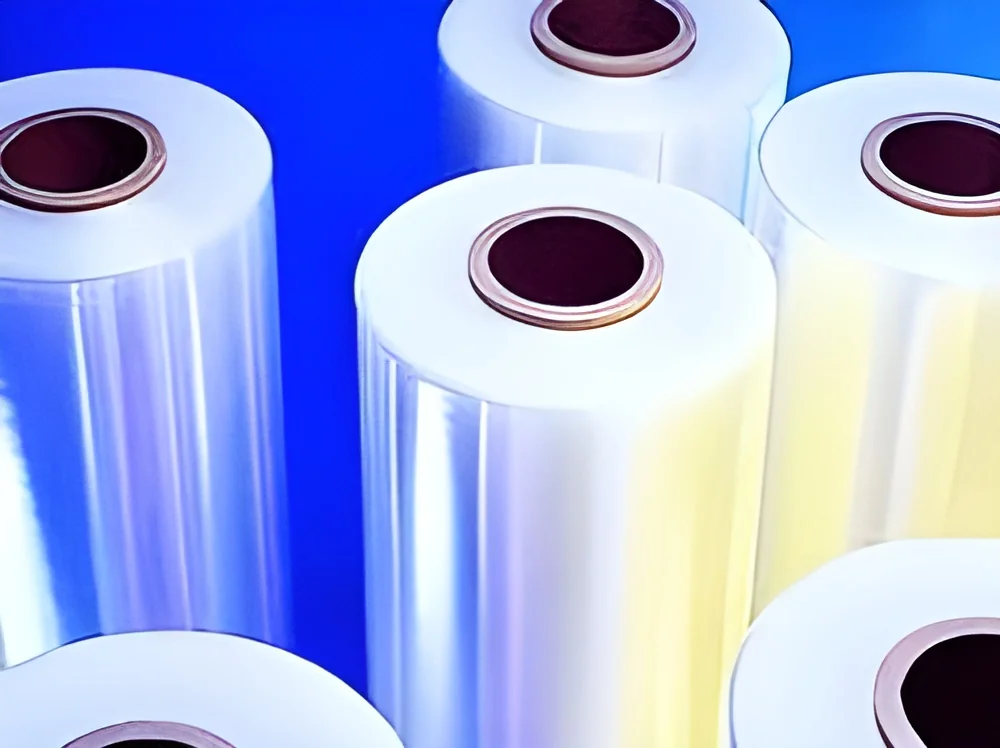
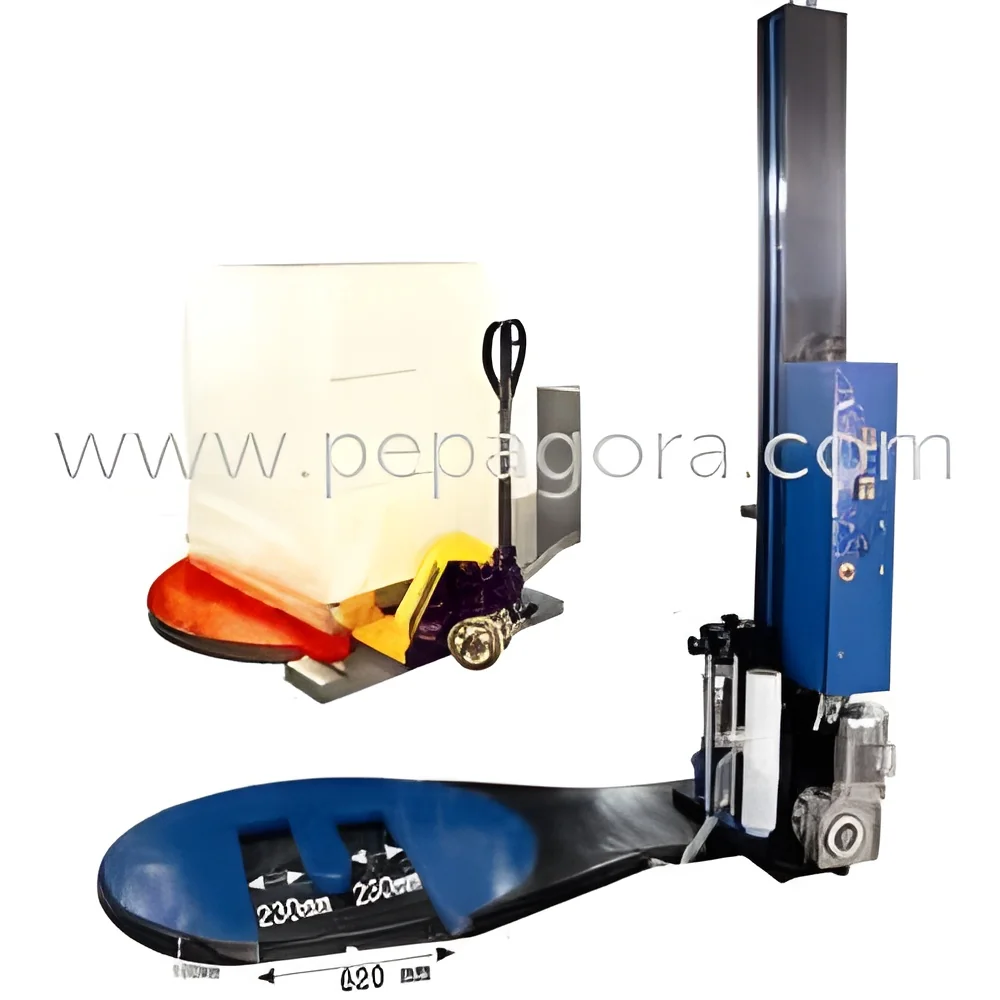
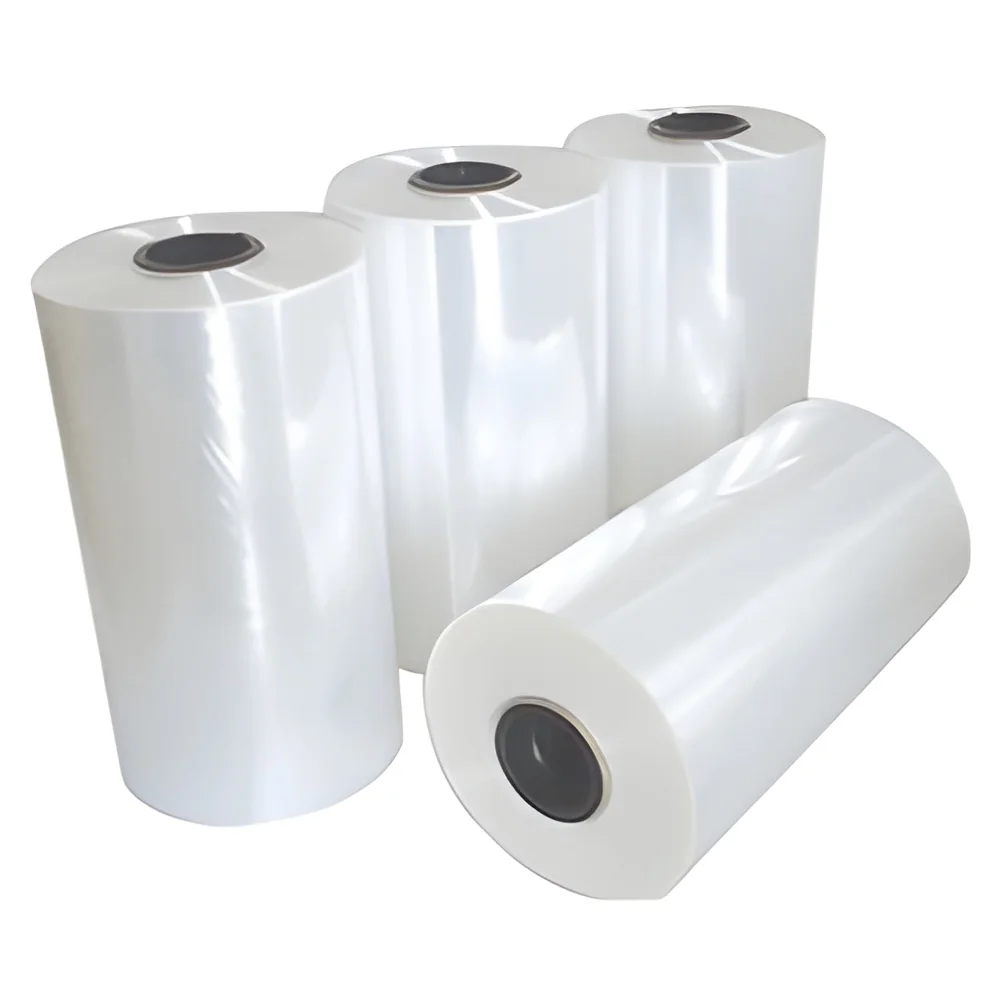
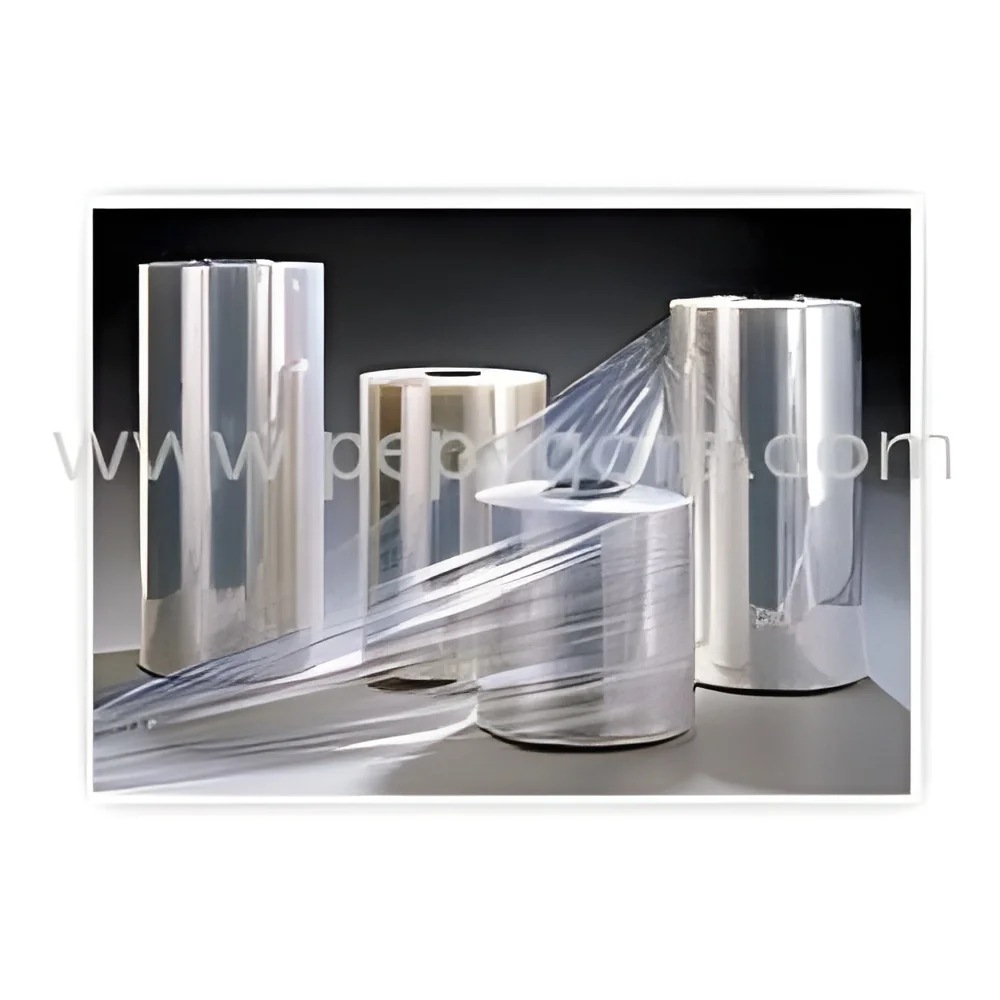
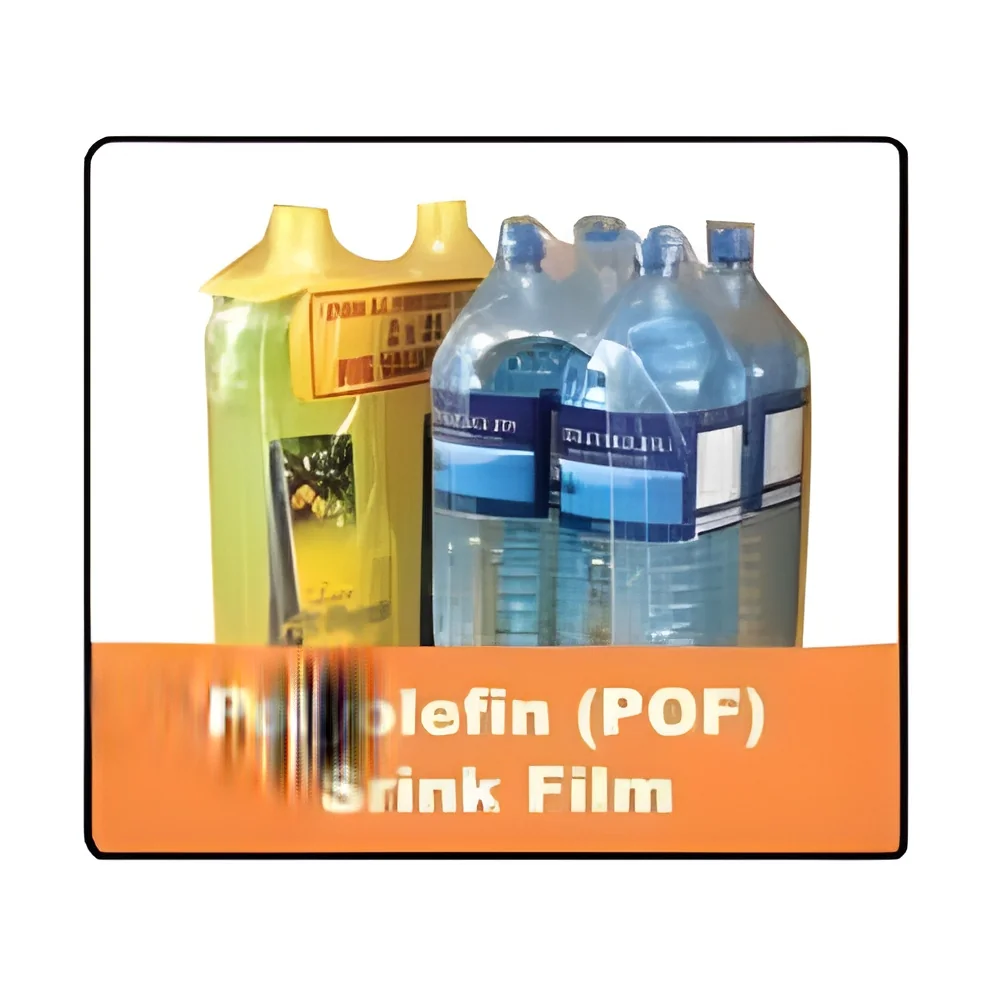
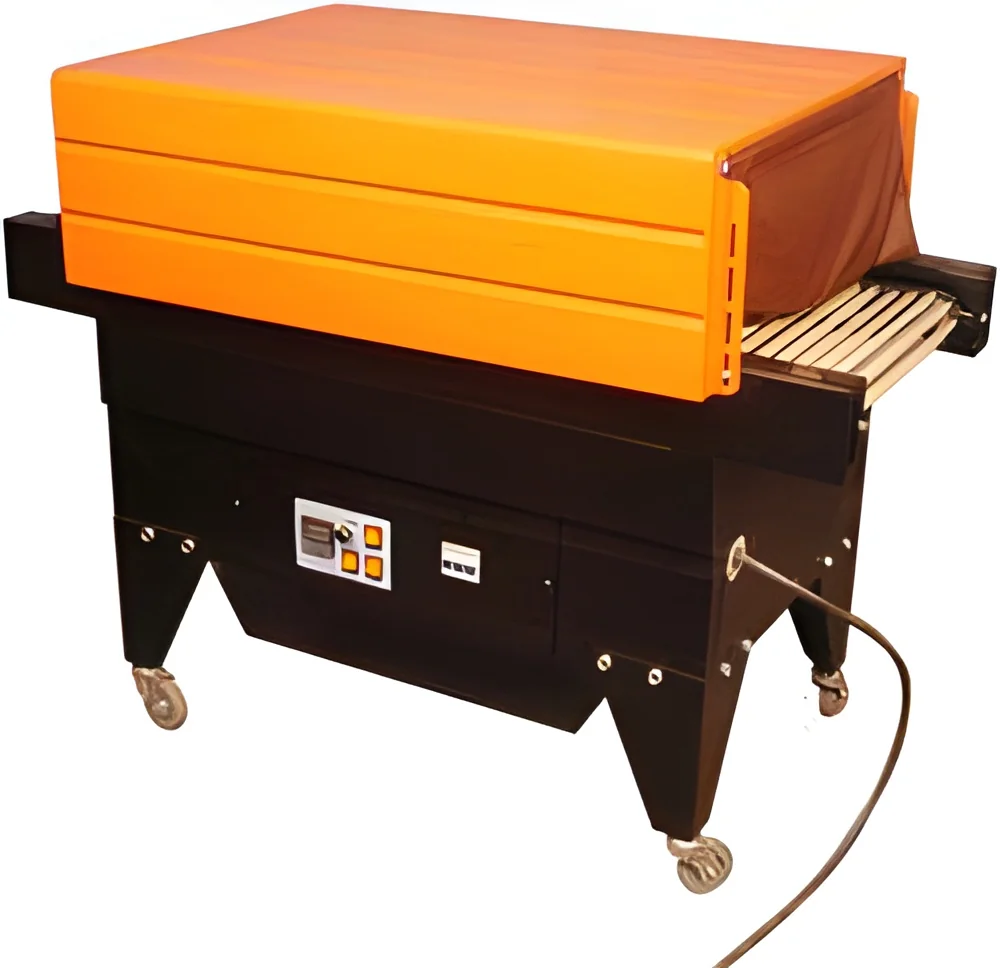
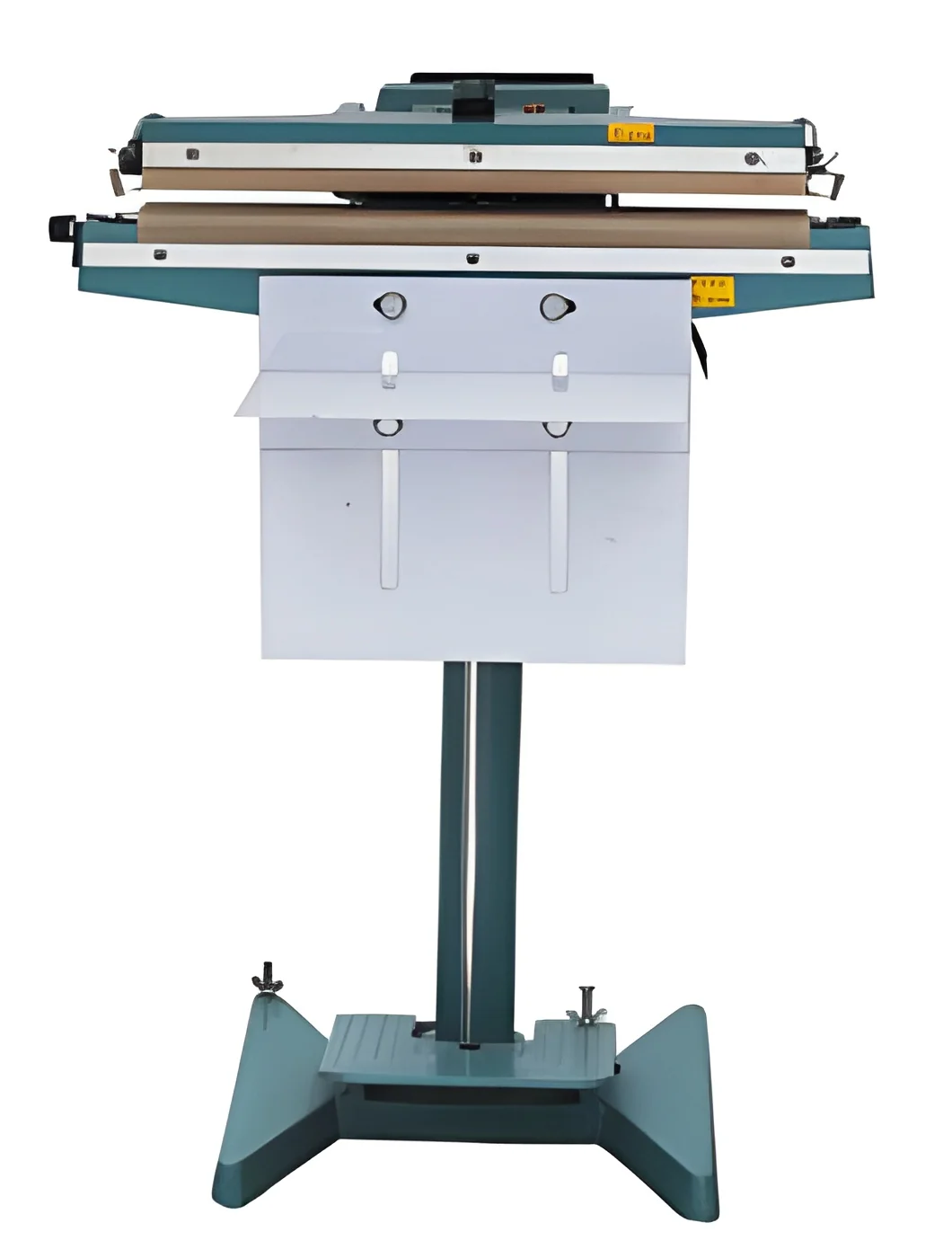
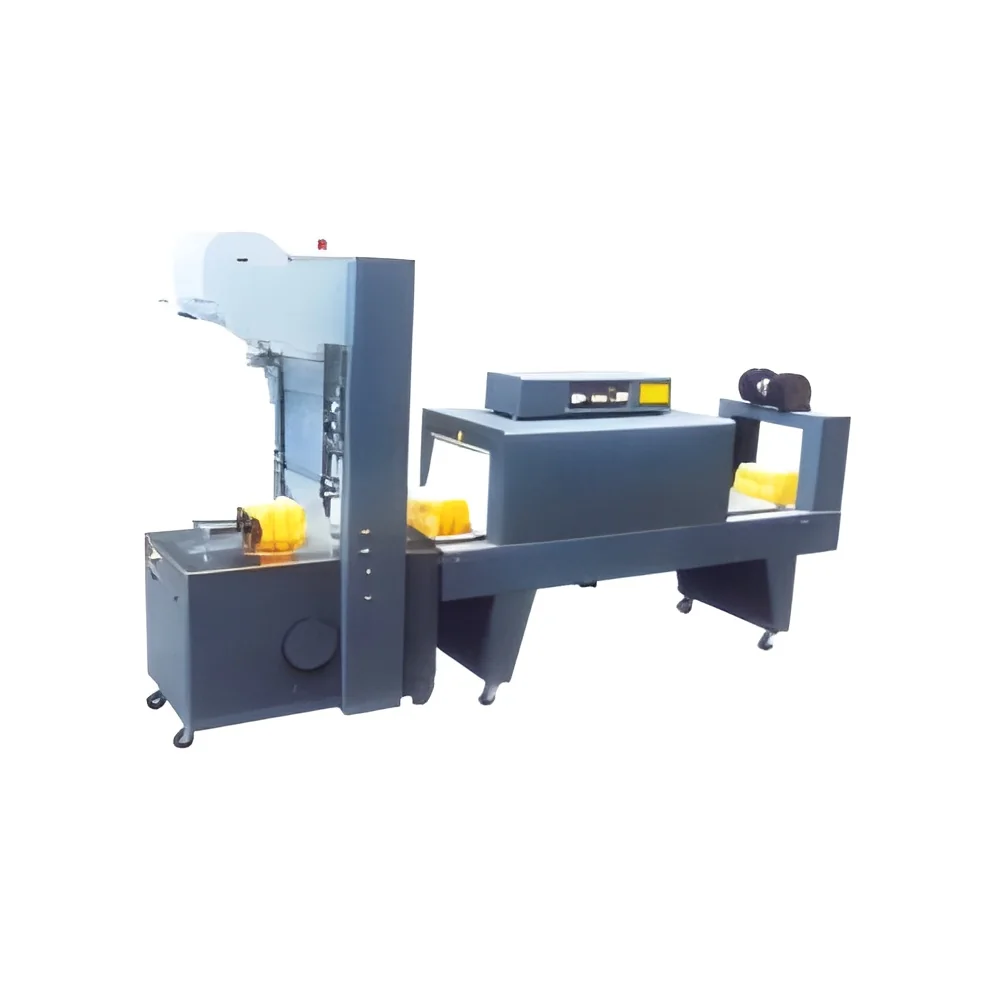
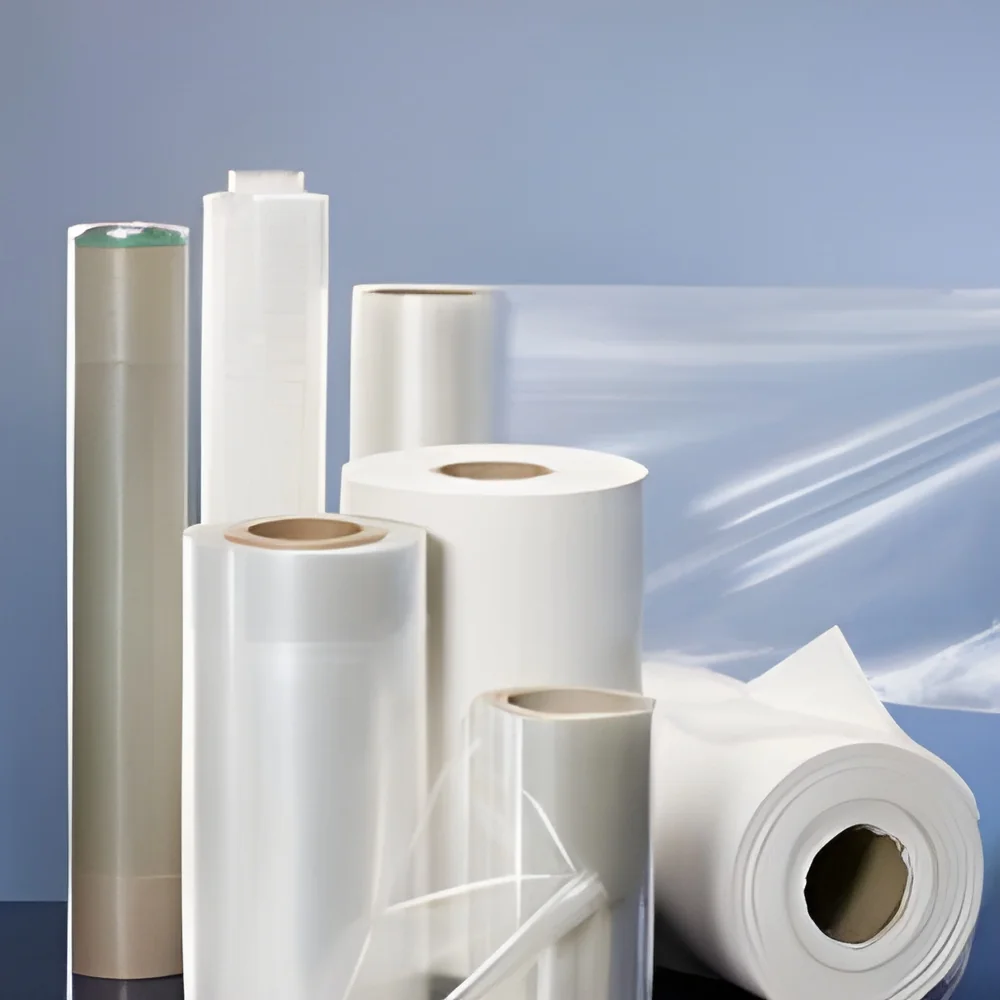
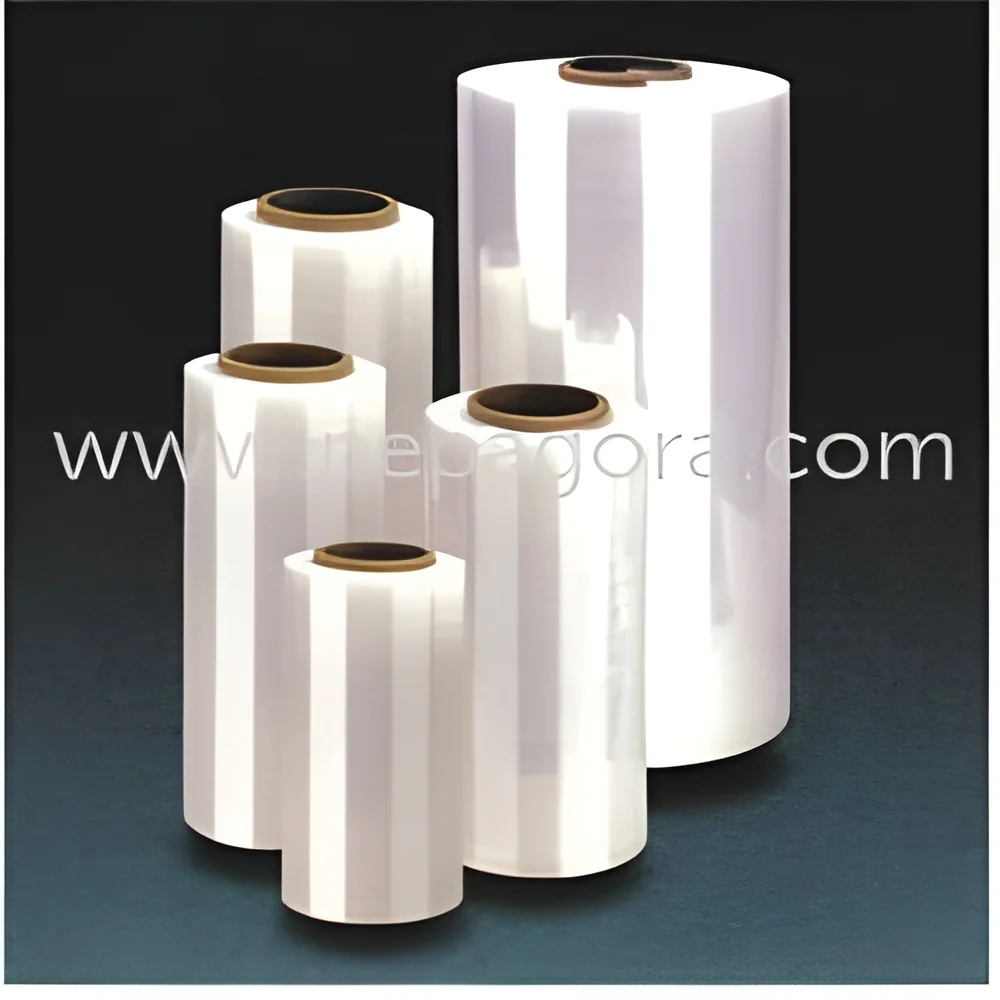
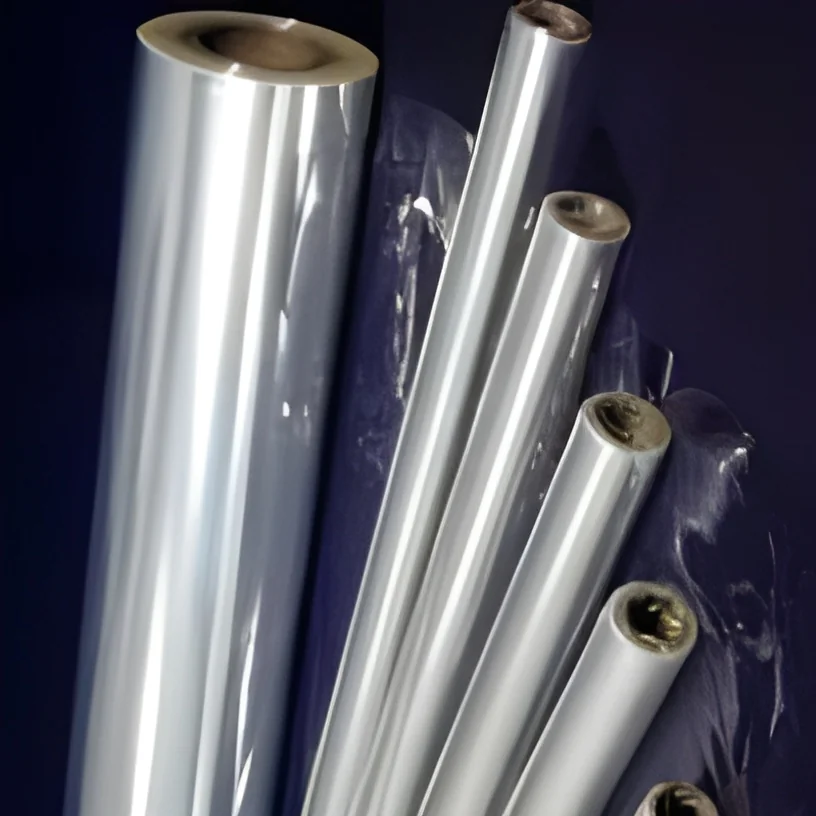
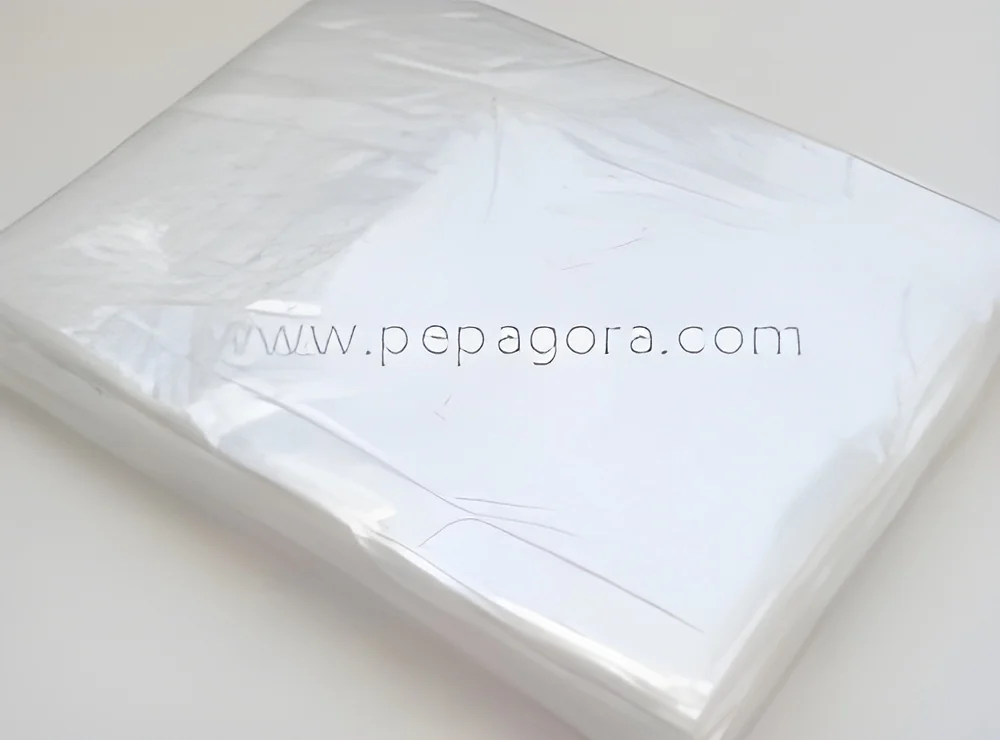
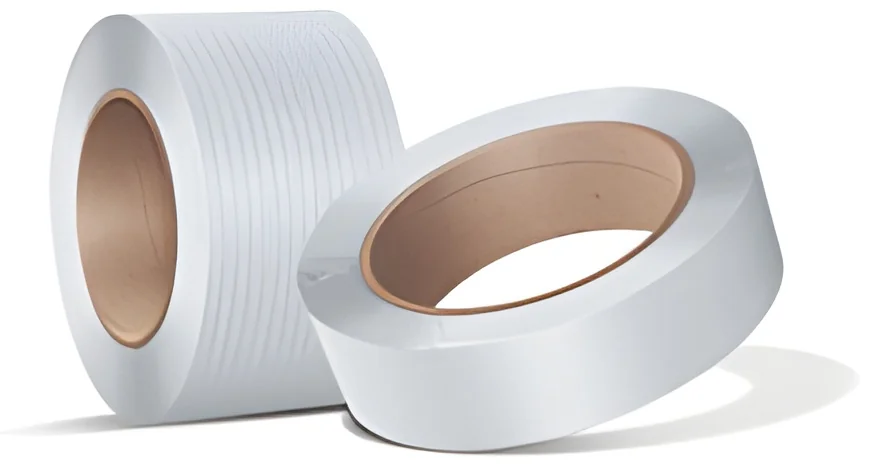
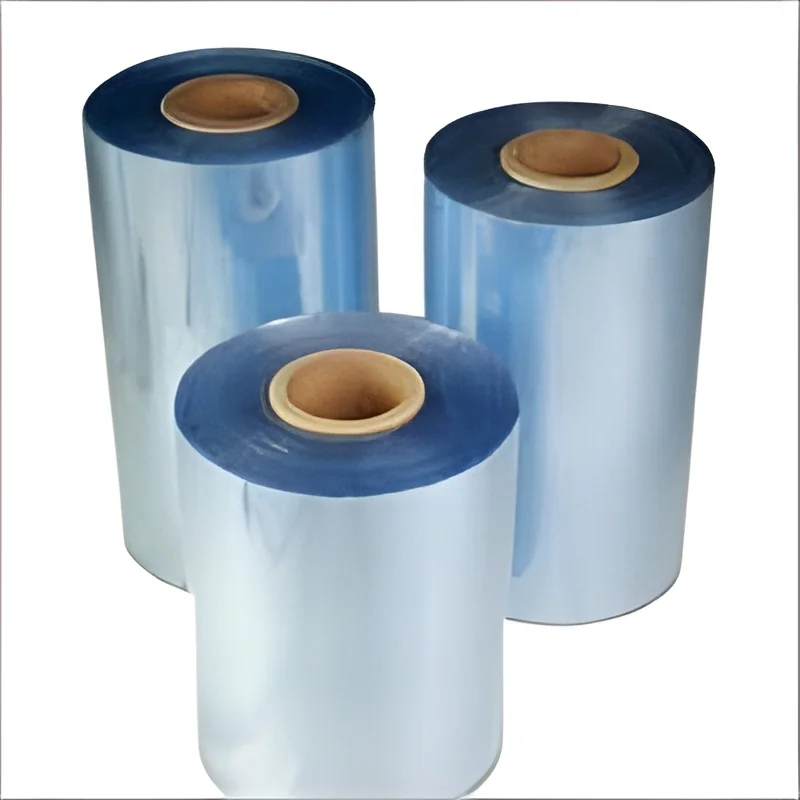
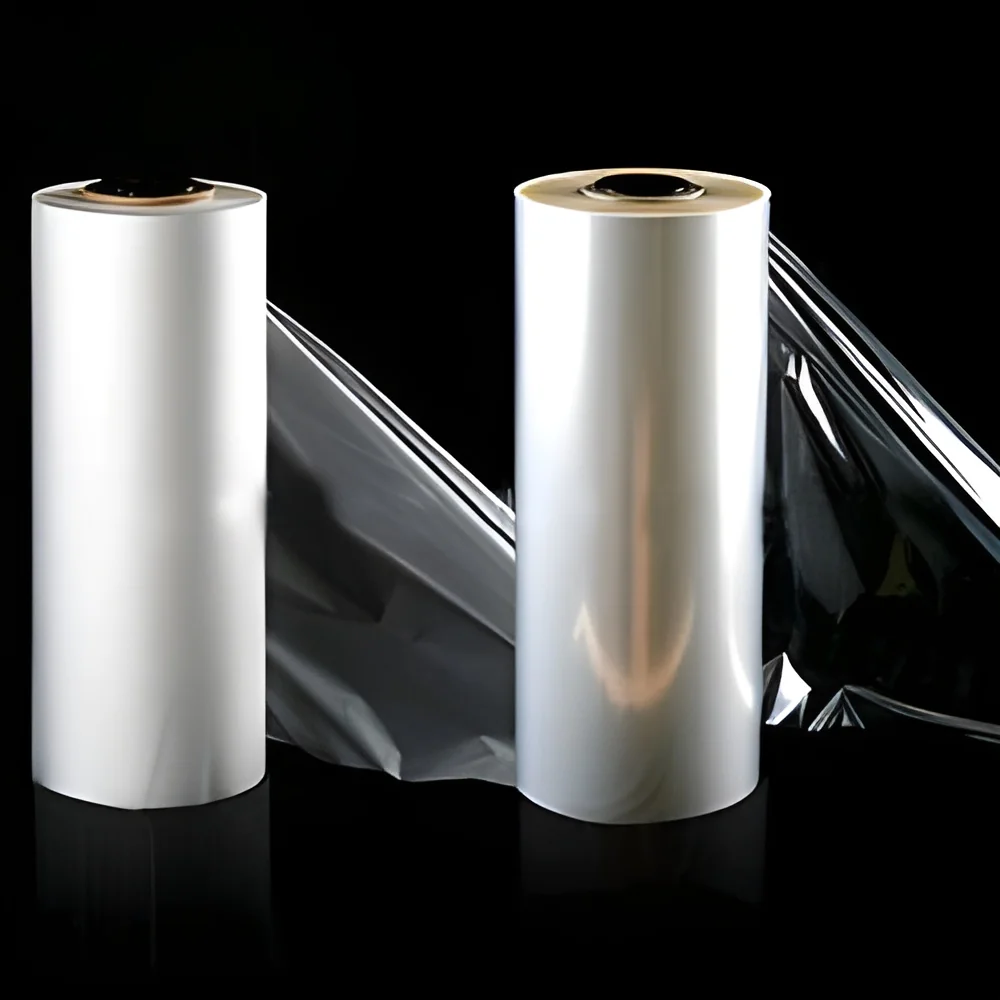
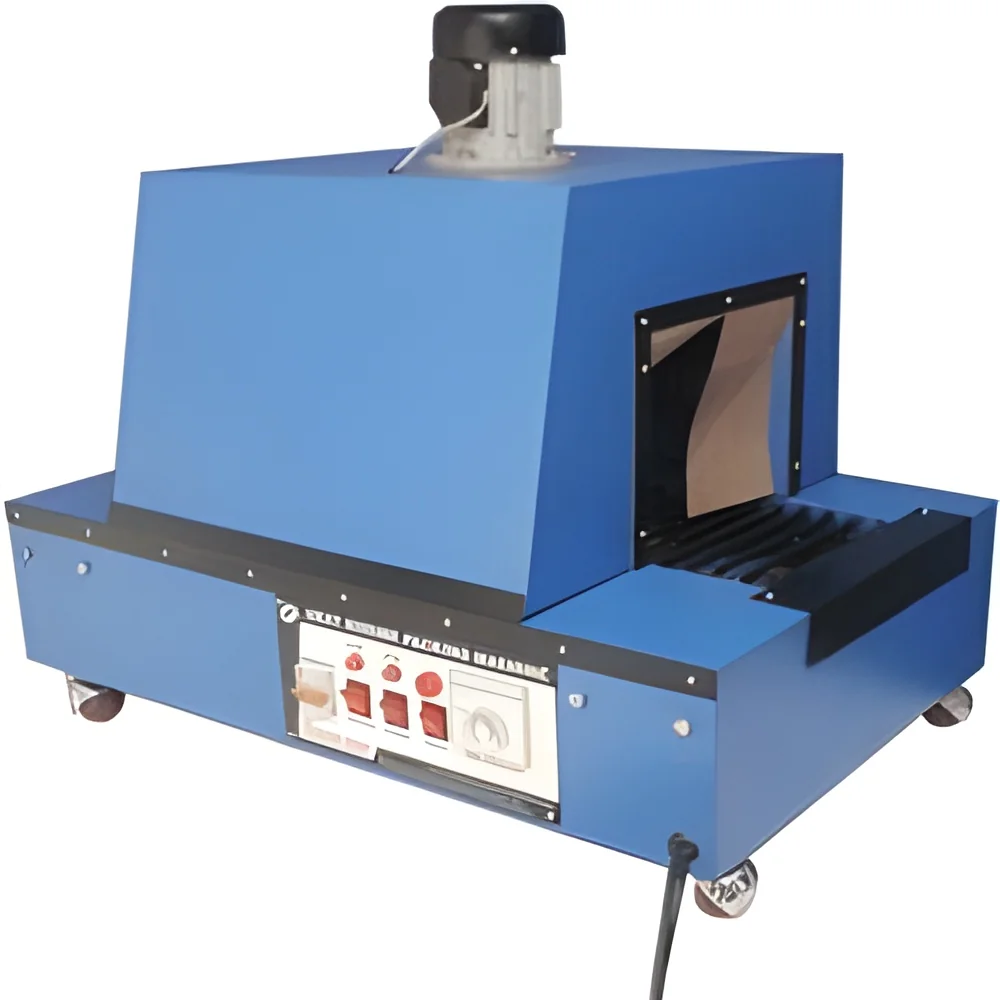
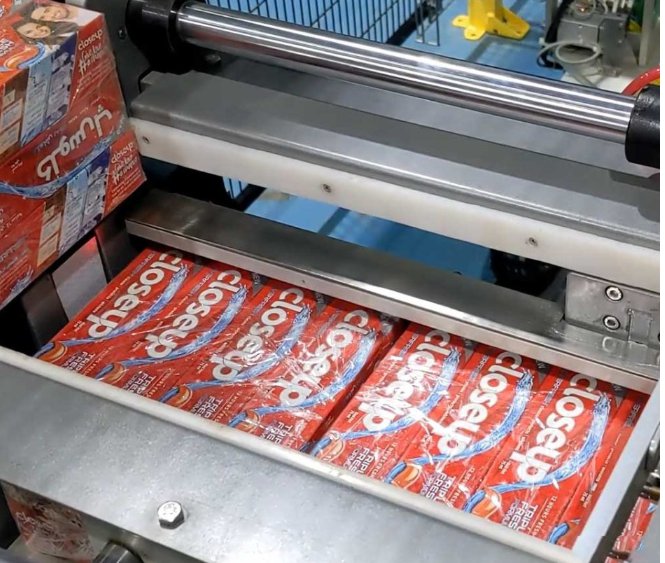
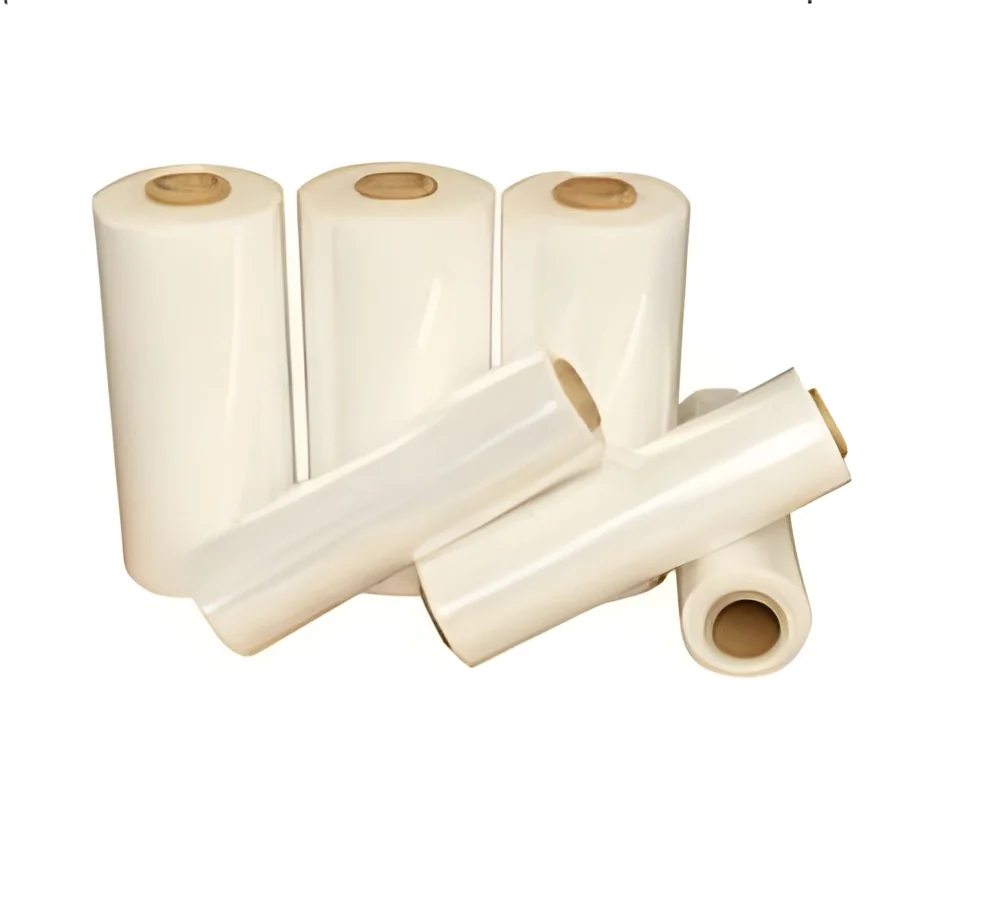
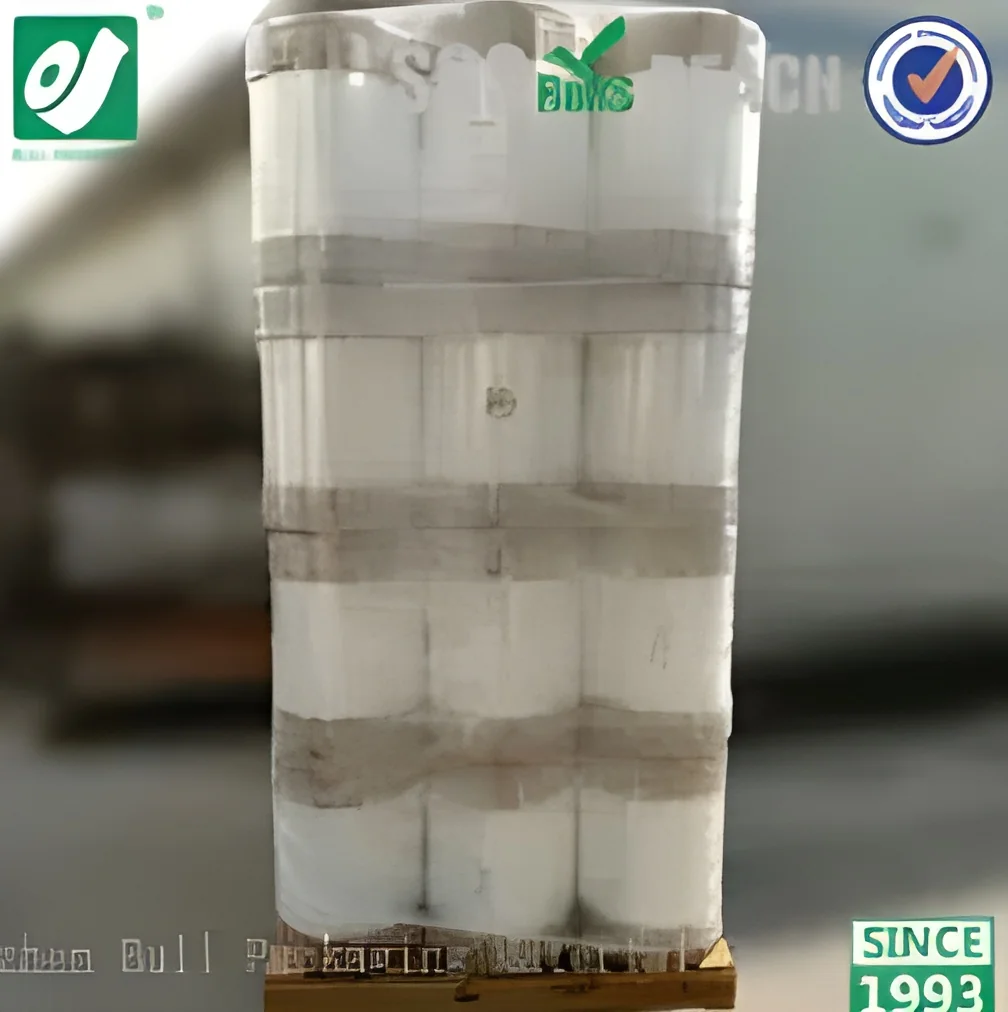
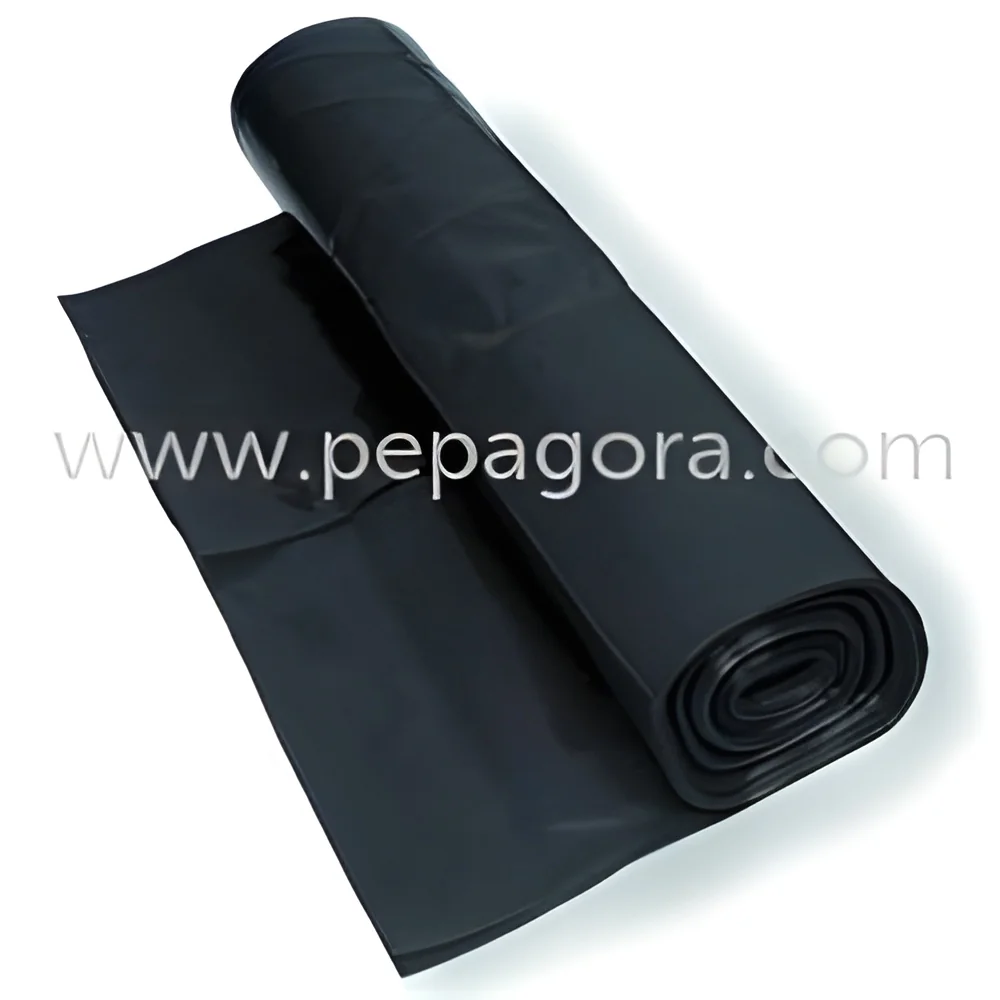
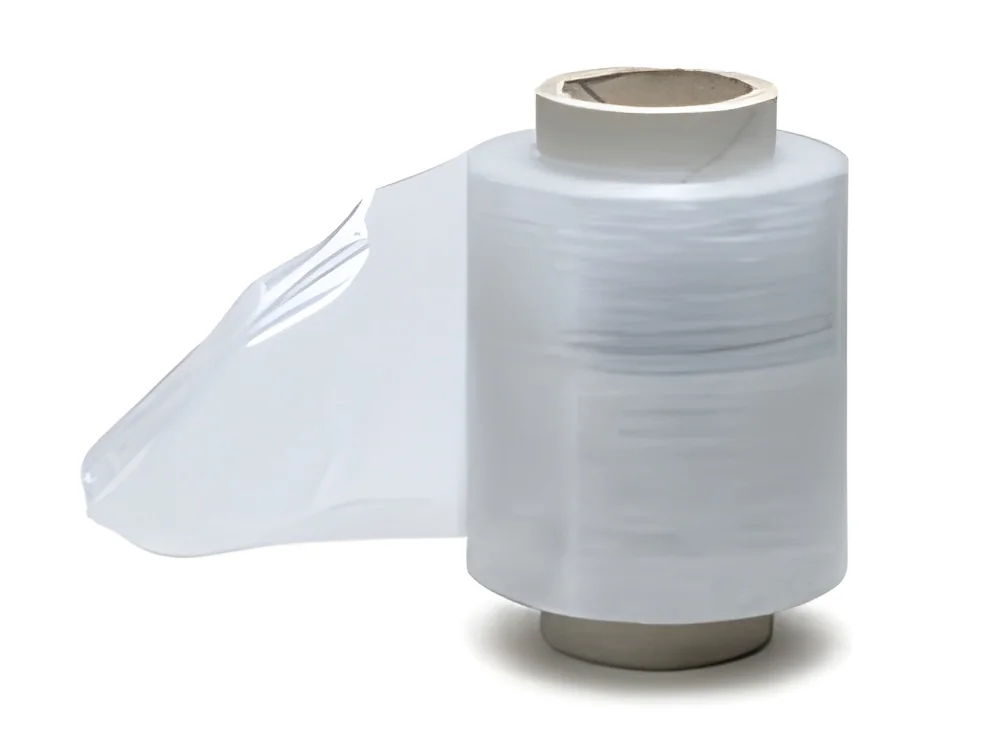
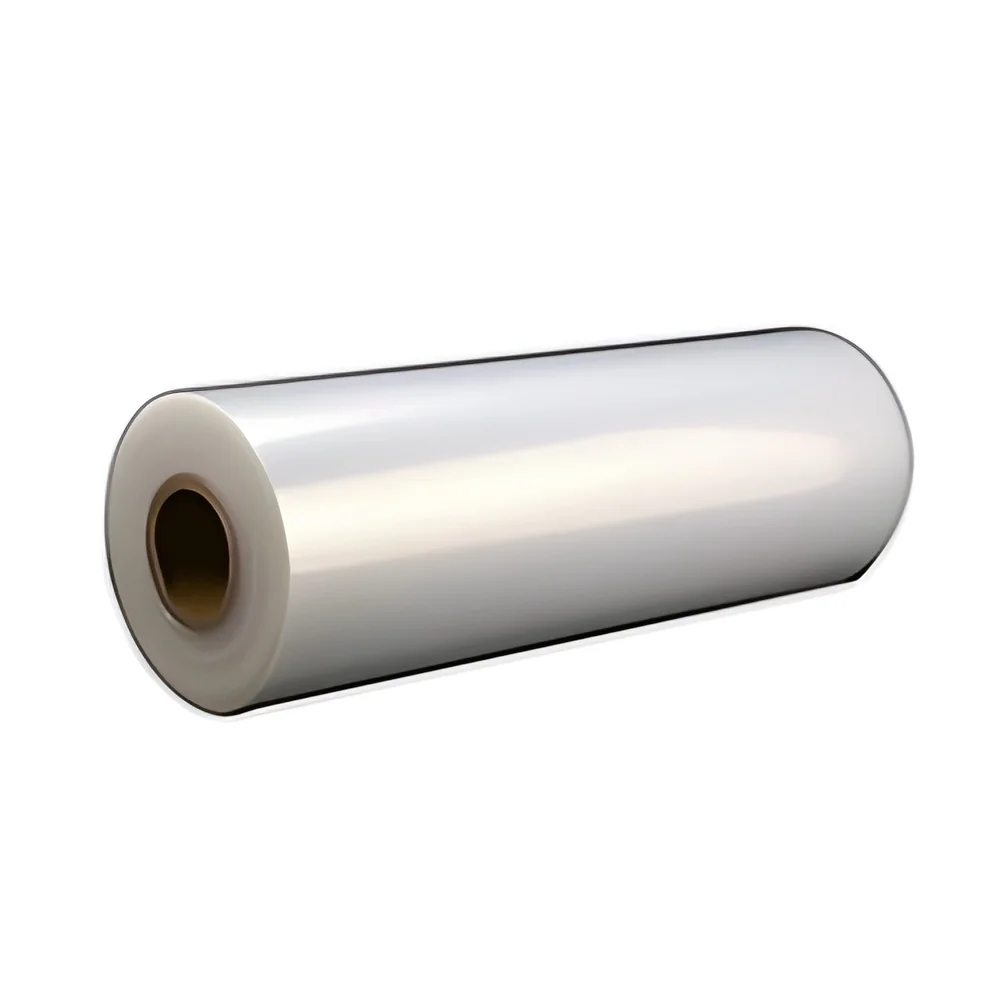
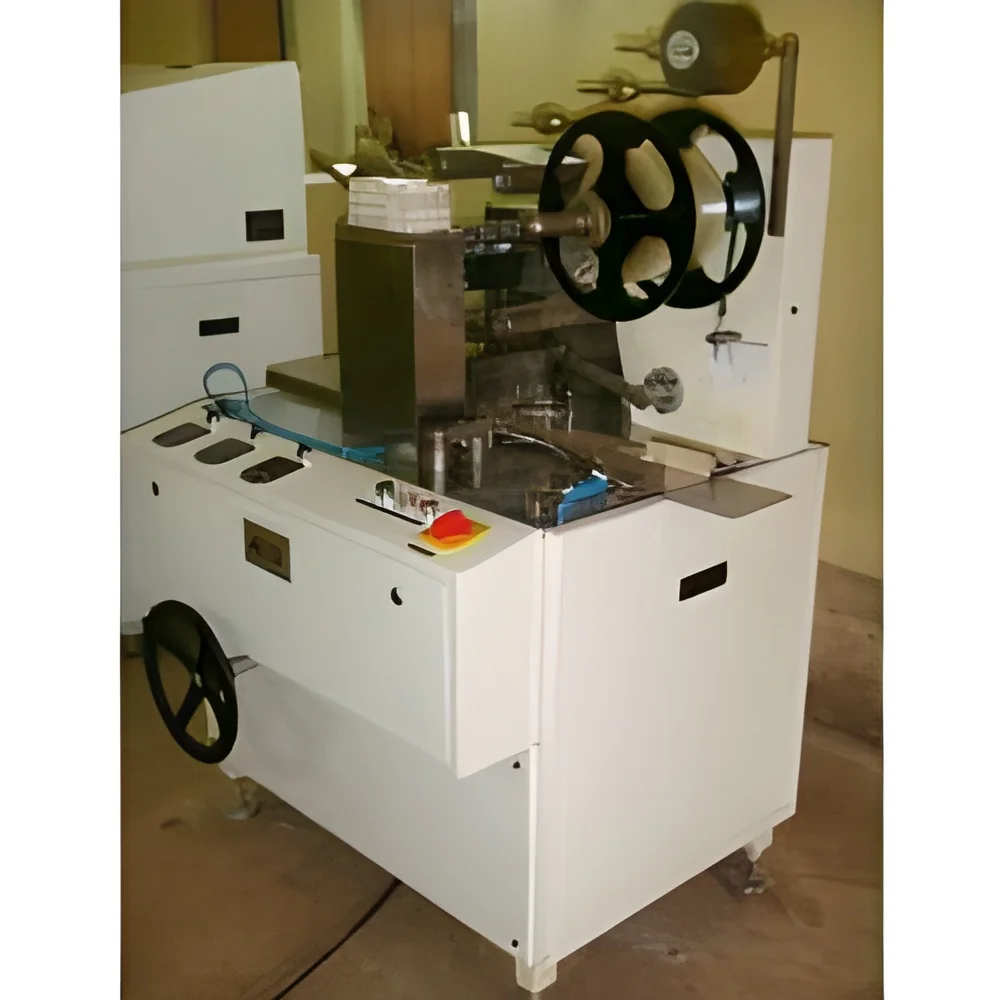
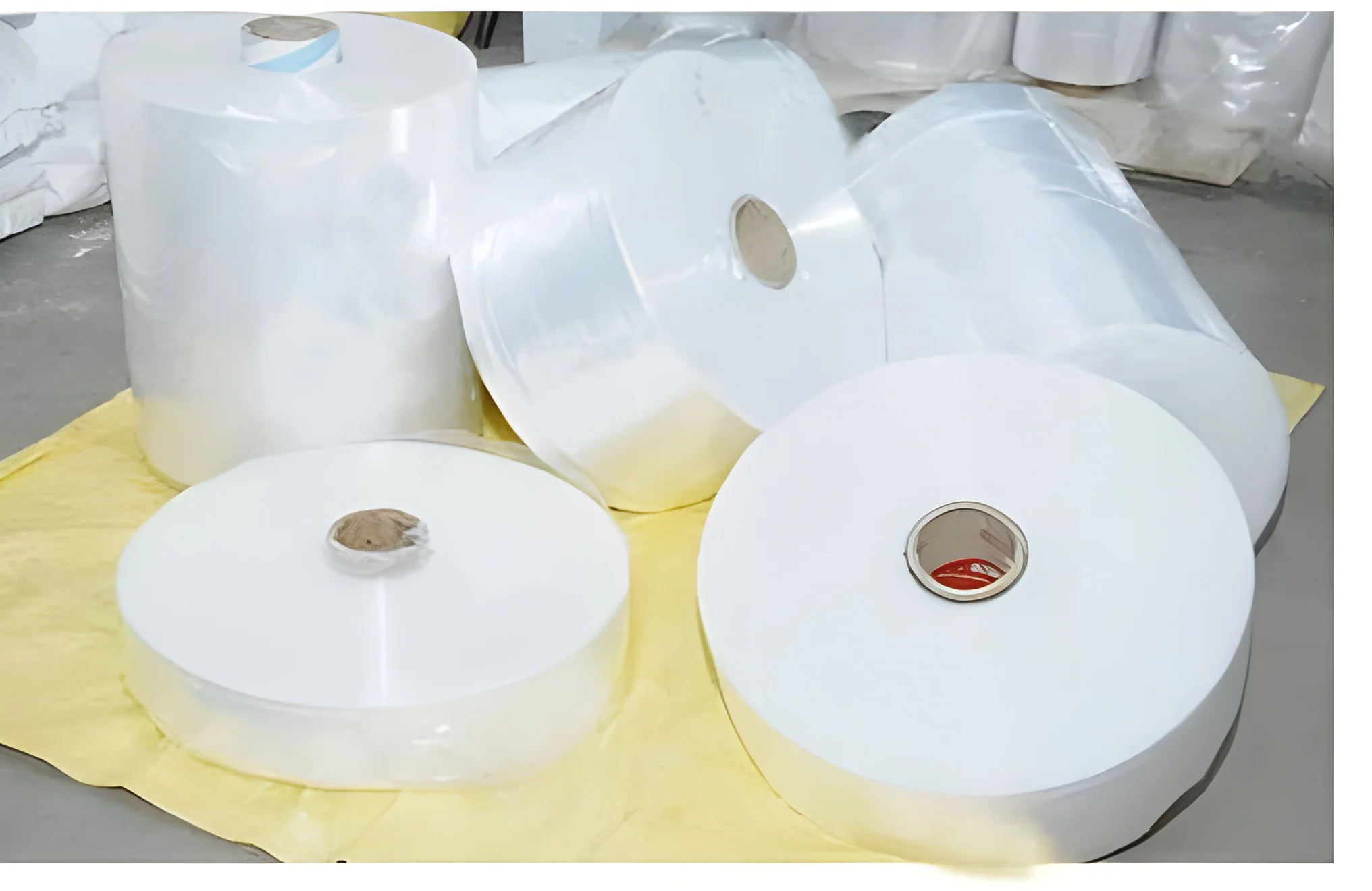
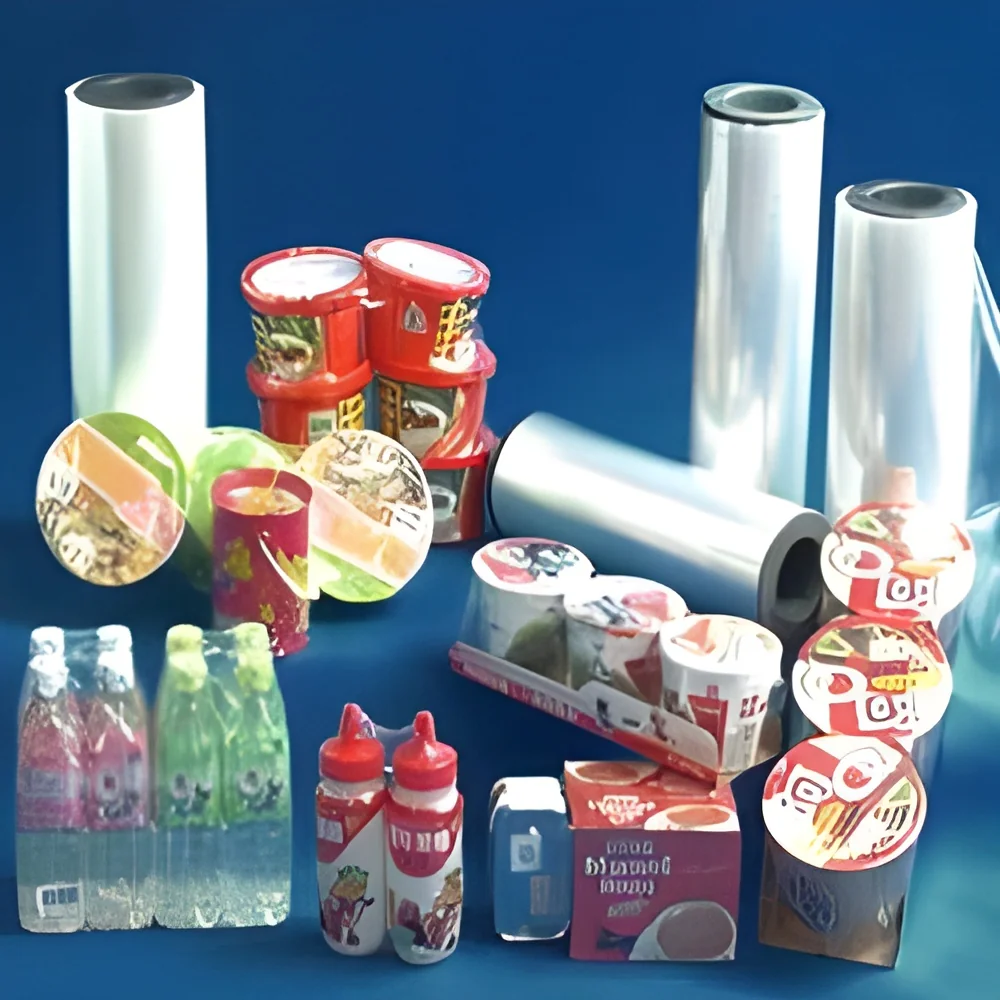
Shrink packaging for industrial goods is a method of enclosing products in a plastic film that shrinks tightly around the item when heat is applied. This process creates a secure and protective seal around the goods, ensuring they are safeguarded from dust, moisture, and potential damage during storage and transportation. The materials used in shrink packaging are typically polyolefin or polyethylene, known for their durability and flexibility.
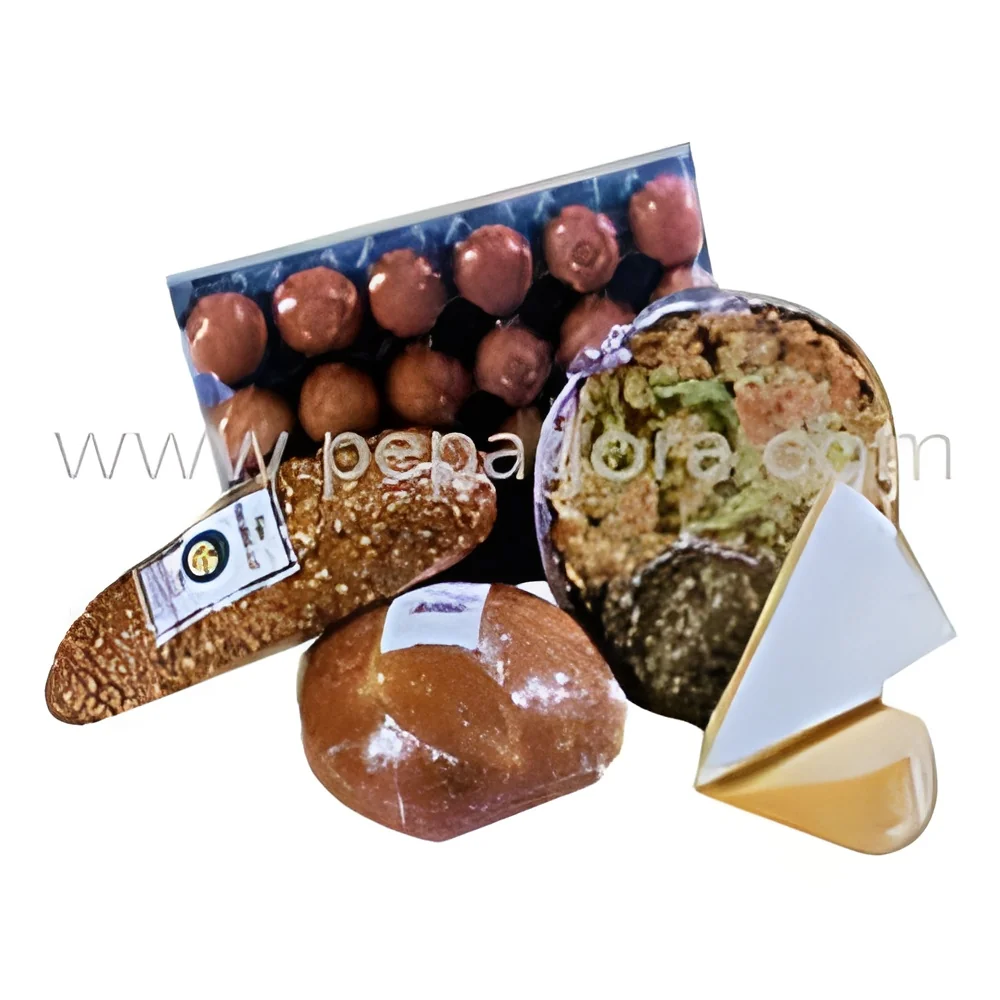
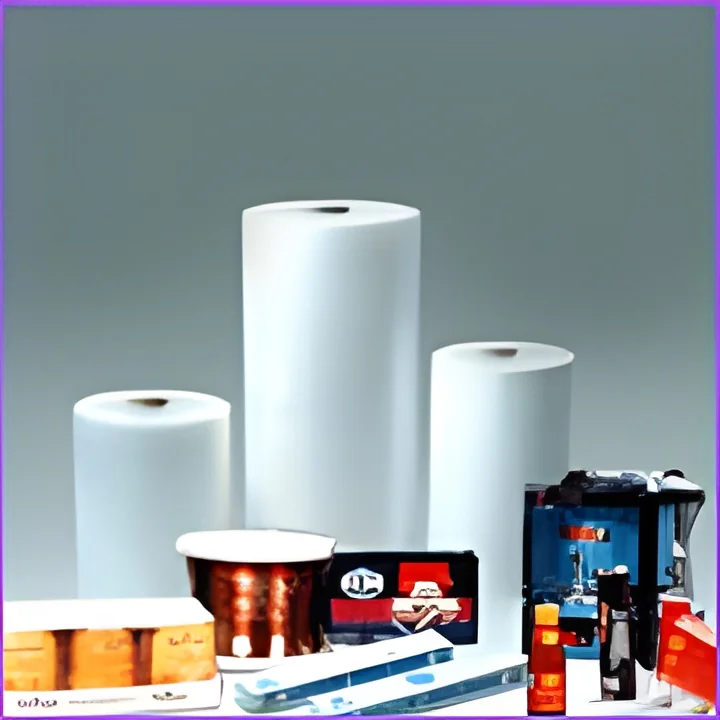
This packaging solution is widely utilized across various sectors, including manufacturing, logistics, and retail. Businesses often employ shrink packaging to bundle items together, facilitating easier handling and transport. It is particularly useful for products that require visibility while in packaging, as the clear film allows for easy identification. The relevance of shrink packaging in the market has grown due to the increasing demand for efficient packaging solutions that enhance product protection and reduce waste.
Key Features and Specifications
Shrink packaging offers numerous features that make it an ideal choice for many industrial applications. These specifications ensure that the packaging can meet diverse business needs effectively.
Key specifications include:
1. Material Type
- Common materials include polyolefin and polyethylene.
- These materials provide excellent durability and clarity.
2. Thickness
- Thickness can range from 30 to 150 microns.
- Thicker films offer enhanced protection against punctures and tears.
3. Shrink Ratio
- Typical shrink ratios range from 2:1 to 3:1.
- The ratio indicates how much the film will shrink around the product.
4. Temperature Resistance
- Designed to withstand varying temperature conditions.
- Data on specific temperature ranges is not available.
5. Seal Strength
- High seal strength prevents package openings during transit.
- Ensures the integrity of the product is maintained.
6. Transparency
- High clarity allows for product visibility.
- Enhances shelf appeal while providing protection.
7. Customization Options
- Available in various sizes and configurations.
- Customizable to meet specific product requirements.
8. Compliance with Standards
- Compliance with industry standards ensures product safety.
- CE certification is a notable compliance benchmark.
Shrink packaging is versatile and can be tailored to meet a range of industrial needs effectively.
Common Applications and Use Cases
Shrink packaging is utilized in various industries, demonstrating its versatility and effectiveness.
1. Food and Beverage: This industry uses shrink packaging to seal products like bottled beverages and snack items, ensuring freshness and hygiene.
2. Electronics: Shrink packaging protects delicate electronic components from dust and static during shipping and storage.
3. Pharmaceuticals: Medicines and medical devices are often shrink-wrapped to maintain sterility and security.
4. Consumer Goods: Retail products, such as toys and household items, benefit from shrink packaging for improved presentation and protection.
5. Automotive Parts: Shrink packaging is used to bundle and protect automotive components during transportation.
6. Home and Garden: Garden supplies and home improvement items are frequently shrink-wrapped to keep them safe from environmental factors.
7. Hardware: Tools and hardware items are often packaged using shrink film to prevent damage and ensure ease of handling during distribution.
Product Variants and Subcategories
Shrink packaging for industrial goods offers a range of variants to suit different applications.
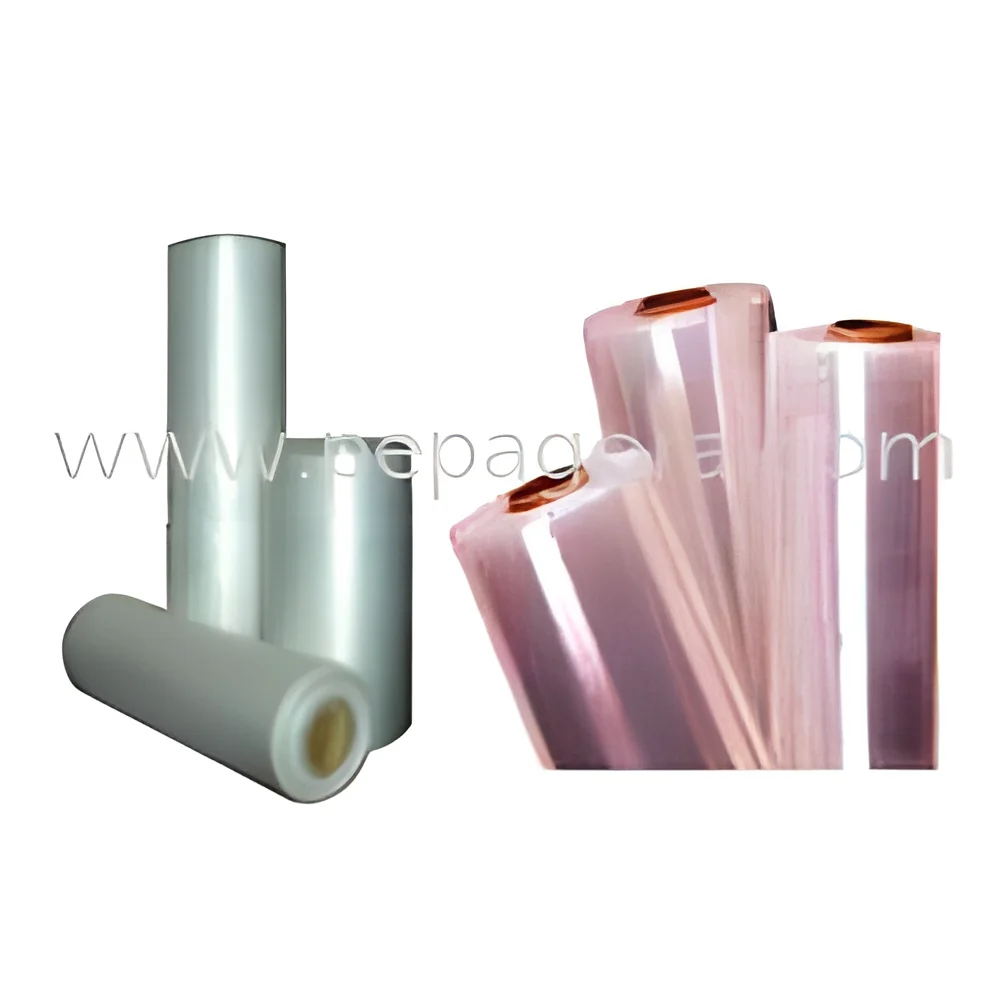
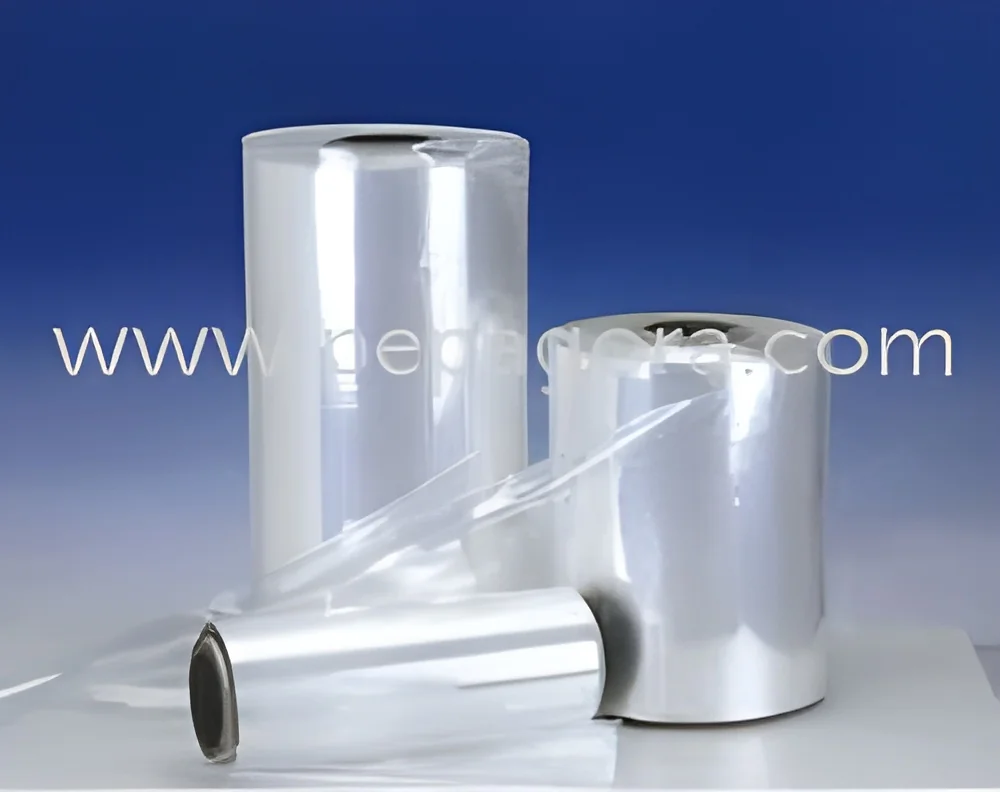
Polyolefin Shrink Film: This variant is known for its clarity and flexibility. It is ideal for products requiring high visibility and is widely used in food and consumer goods packaging.
PVC Shrink Film: This variant is often utilized for bundling and securing multiple products together. It is characterized by its strong sealing capabilities and is suitable for various industrial applications.
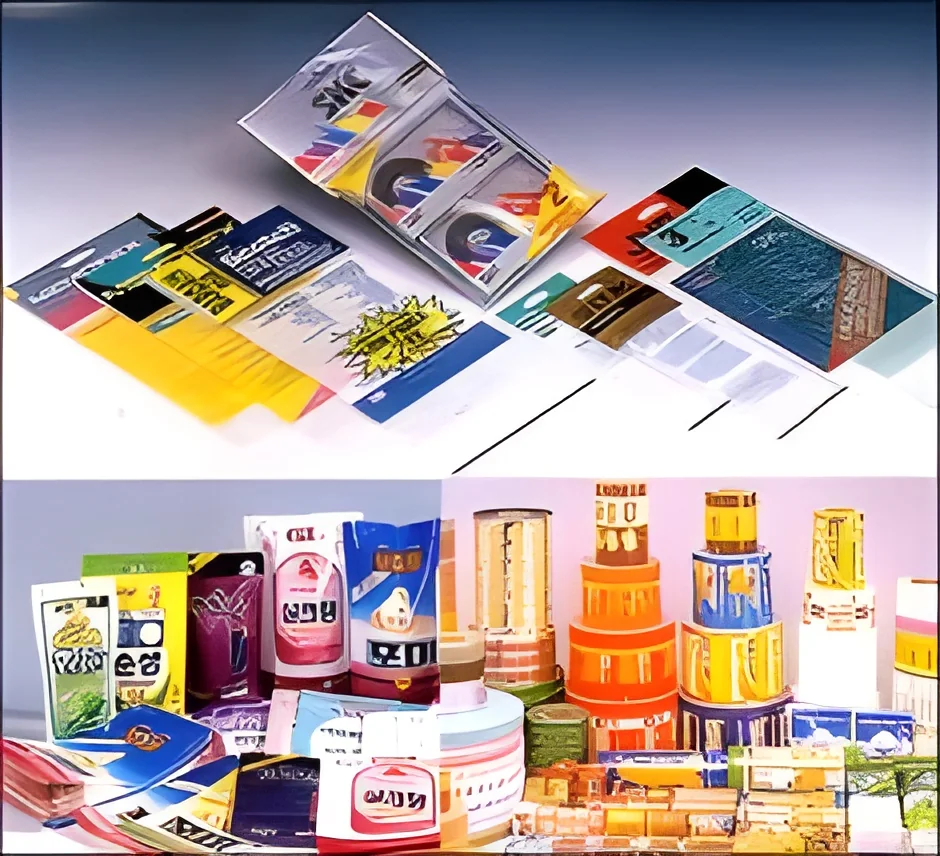
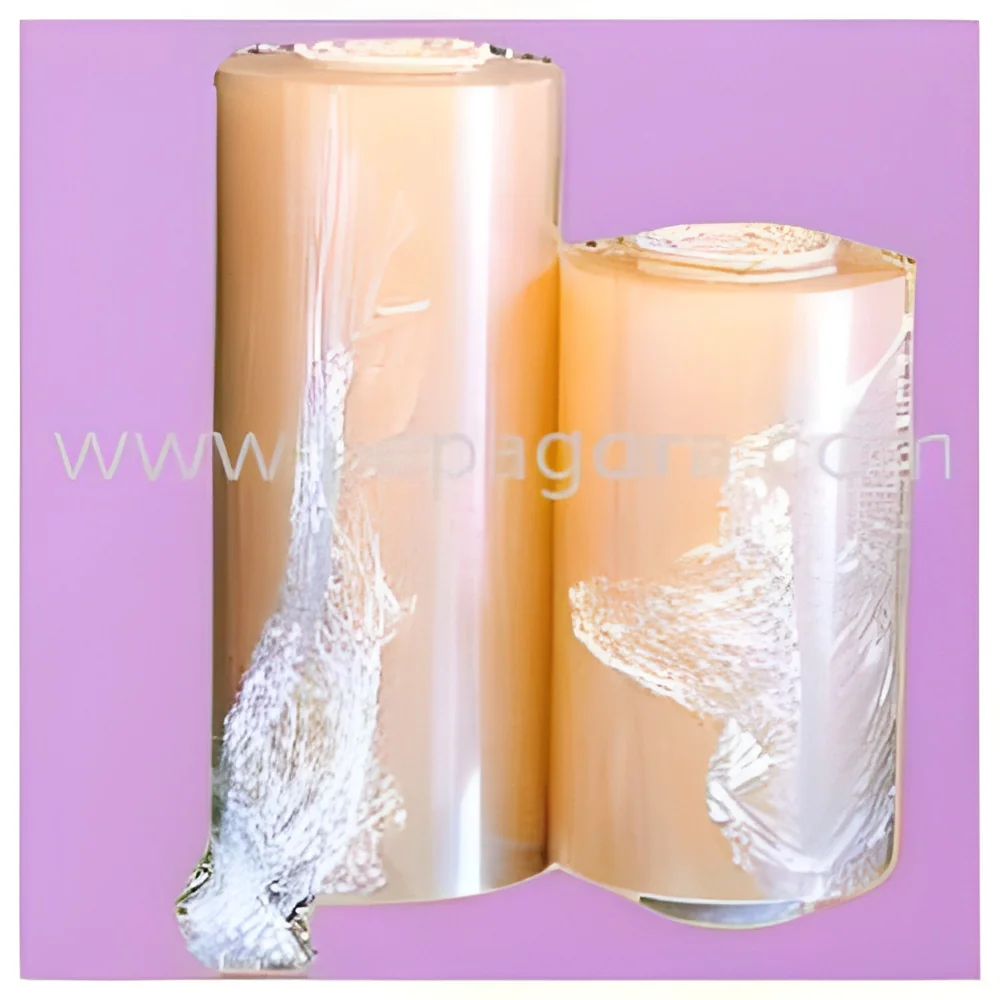
Colored Shrink Film: Available in various colors, this type of packaging is used for branding and product differentiation. It offers the same protective features while enhancing visual appeal.
Benefits and Advantages
Shrink packaging provides numerous advantages for businesses looking to protect their products during transit and storage.
1. Product Protection: The tight seal prevents damage from moisture, dust, and handling, ensuring products arrive in optimal condition.
2. Cost-Effectiveness: Shrink packaging is a cost-effective solution that reduces material waste and shipping costs by minimizing package size.
3. Enhanced Presentation: The clear film allows for product visibility, enhancing shelf appeal and attracting customer attention.
4. Versatility: Suitable for a wide range of products across various industries, making it a flexible packaging solution.
5. Tamper Evidence: The shrink seal can act as a tamper-evident feature, providing assurance to consumers regarding product safety.
6. Easy Handling: Bundled products are easier to handle and transport, improving logistics efficiency.
Buying Guide for B2B Buyers
When sourcing shrink packaging for industrial goods, it is essential to consider several factors to ensure the right choice for your business needs.
1. Quality Assessment: Evaluate the quality of the materials used in the shrink packaging. Look for certifications that indicate compliance with industry standards.
2. Supplier Verification: Vet potential suppliers to ensure they have a good reputation and track record in the industry. Request samples to assess the product quality.
3. Pricing and MOQ: Understand the pricing structure, including minimum order quantities (MOQ). Compare quotes from different suppliers to find the best deal.
4. Delivery and Lead Times: Inquire about delivery times and logistics to ensure timely availability of the packaging materials.
5. Compliance Requirements: Be aware of any regulatory compliance needs specific to your industry, such as safety standards and environmental regulations.
Compliance and Certifications
Compliance is a critical aspect of shrink packaging for industrial goods. Relevant quality standards such as ISO 9001 ensure that manufacturers adhere to quality management principles. Certifications like CE indicate that the products meet European safety standards, which is essential for market acceptance.
Safety and testing requirements are vital to ensure that shrink packaging does not compromise product integrity. Manufacturers must conduct rigorous testing to guarantee the materials used are safe for various applications. Additionally, regional compliance considerations may dictate specific packaging standards based on local regulations.
Why Source Shrink Packaging for Industrial Goods from Pepagora?
Pepagora offers a reliable platform for sourcing shrink packaging for industrial goods, focusing on quality and customer satisfaction. The verified supplier network ensures that buyers have access to reputable manufacturers who meet stringent quality criteria.
The streamlined RFQ process simplifies the quotation process, allowing buyers to receive competitive pricing from multiple suppliers efficiently. This approach saves time and resources, enabling businesses to make informed purchasing decisions.
Trade assurance and support provided by Pepagora offer additional buyer protection, ensuring a smoother transaction experience. Furthermore, Pepagora's extensive regional coverage across India, the GCC, and Southeast Asia ensures that businesses can find suitable packaging solutions tailored to their specific market needs.

 IN
IN