𝗪𝗵𝗮𝘁 𝗮𝗿𝗲 𝗩𝗮𝗰𝘂𝘂𝗺 & 𝗦𝗵𝗿𝗶𝗻𝗸 𝗣𝗮𝗰𝗸𝗮𝗴𝗶𝗻𝗴?
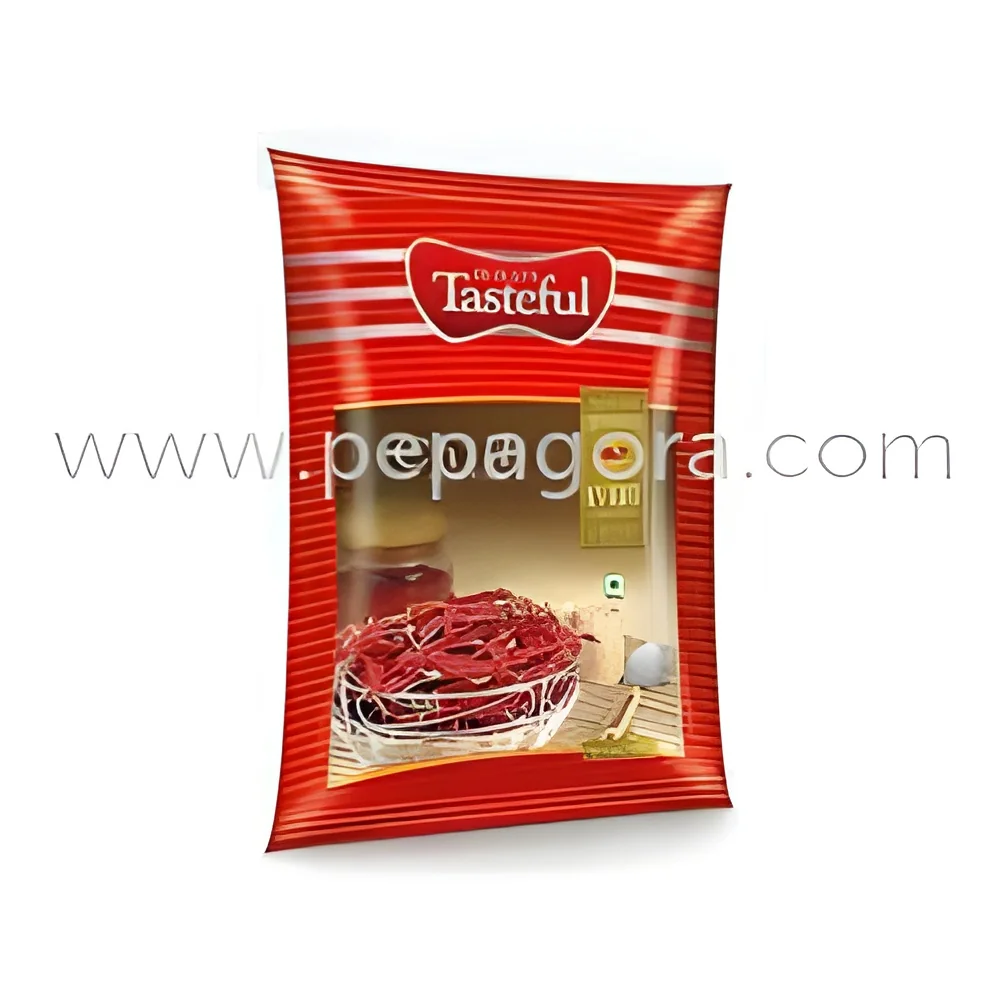
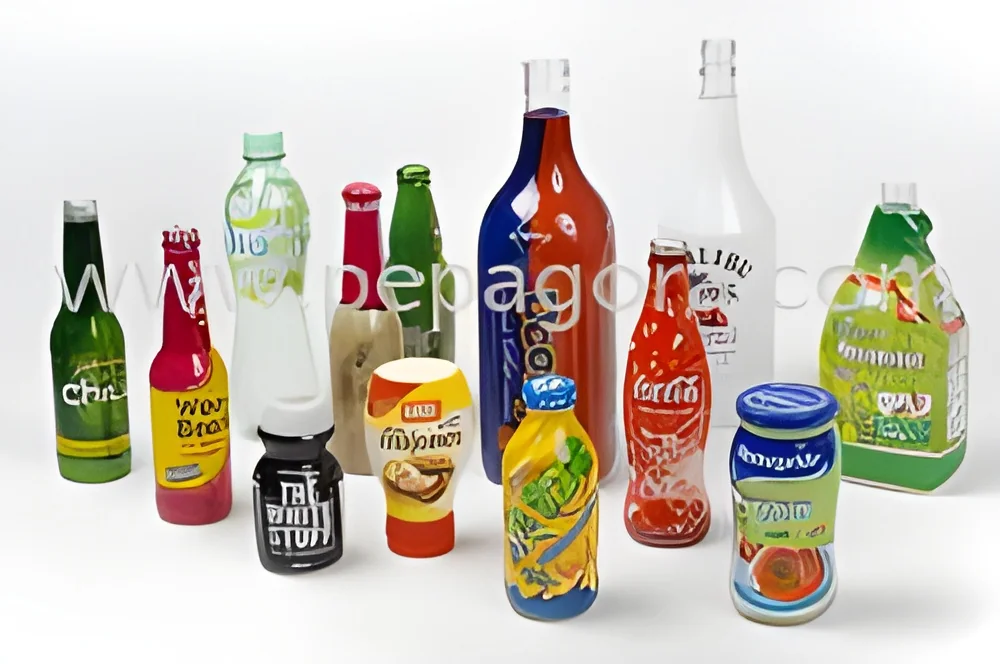
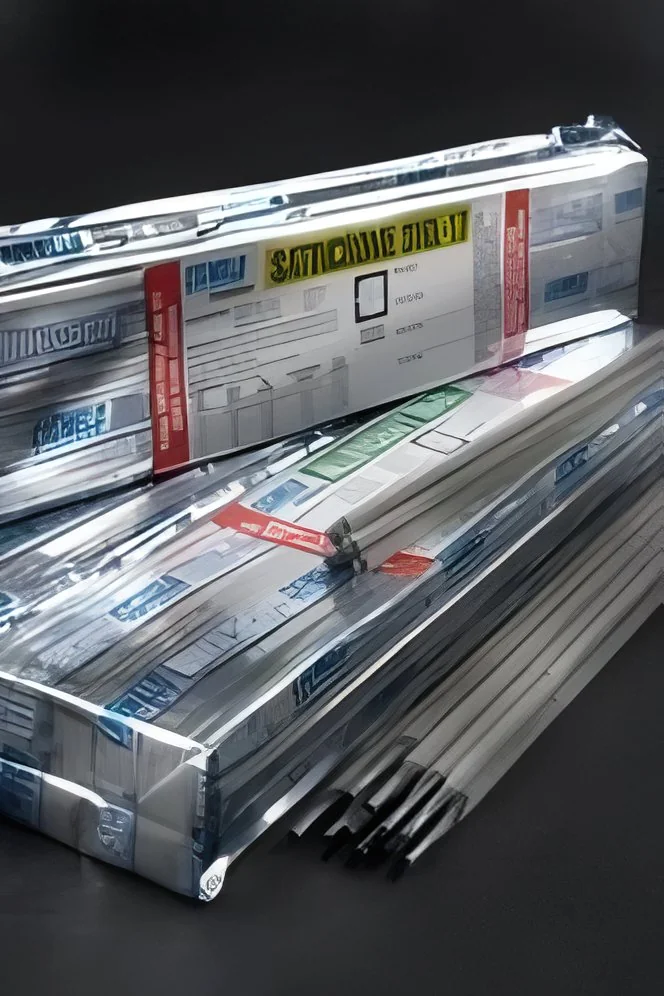
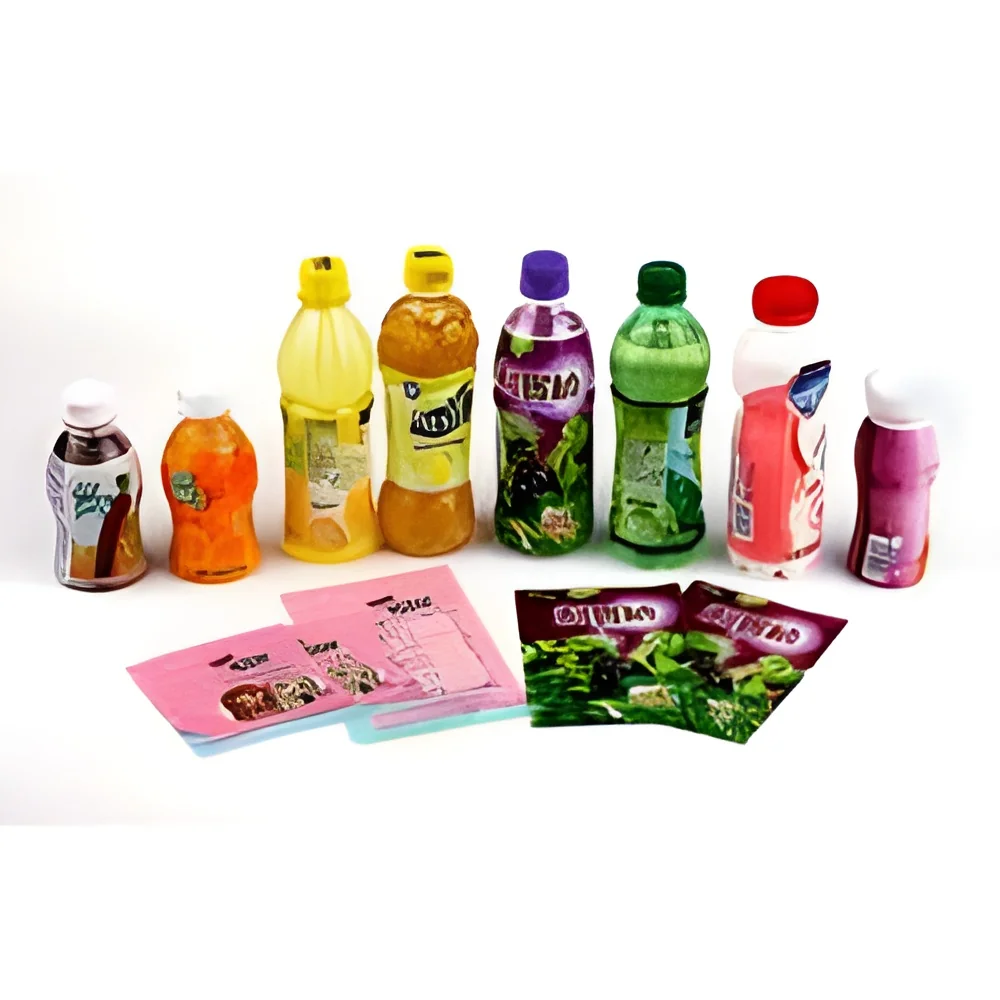
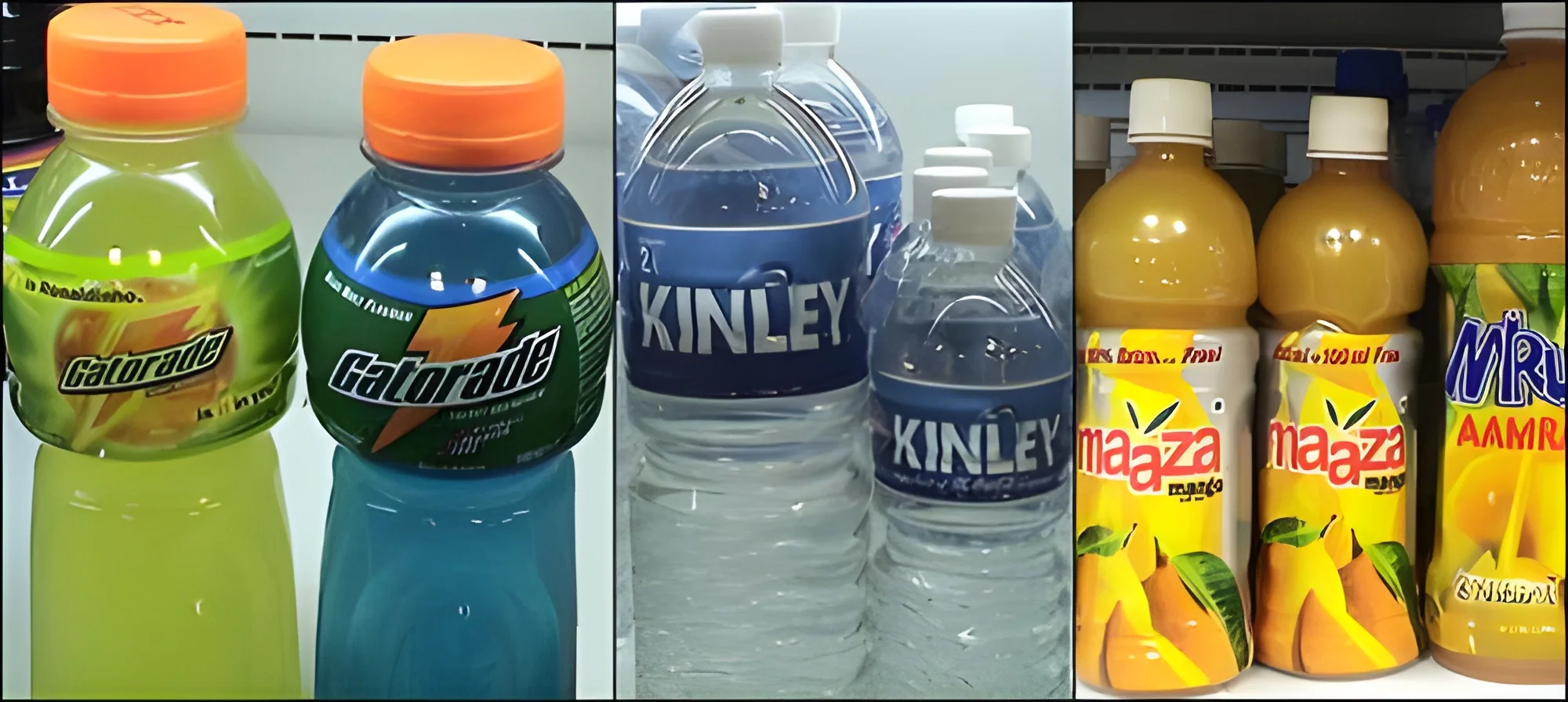
Vacuum and shrink packaging are essential methods used in the food and industrial sectors to preserve products and extend shelf life. Vacuum packaging involves removing air from a sealed bag containing the product, which helps prevent spoilage, oxidation, and the growth of bacteria. Shrink packaging, on the other hand, involves wrapping a product in a plastic film that shrinks tightly around it when heated, providing a snug fit that protects the item while enhancing its presentation.
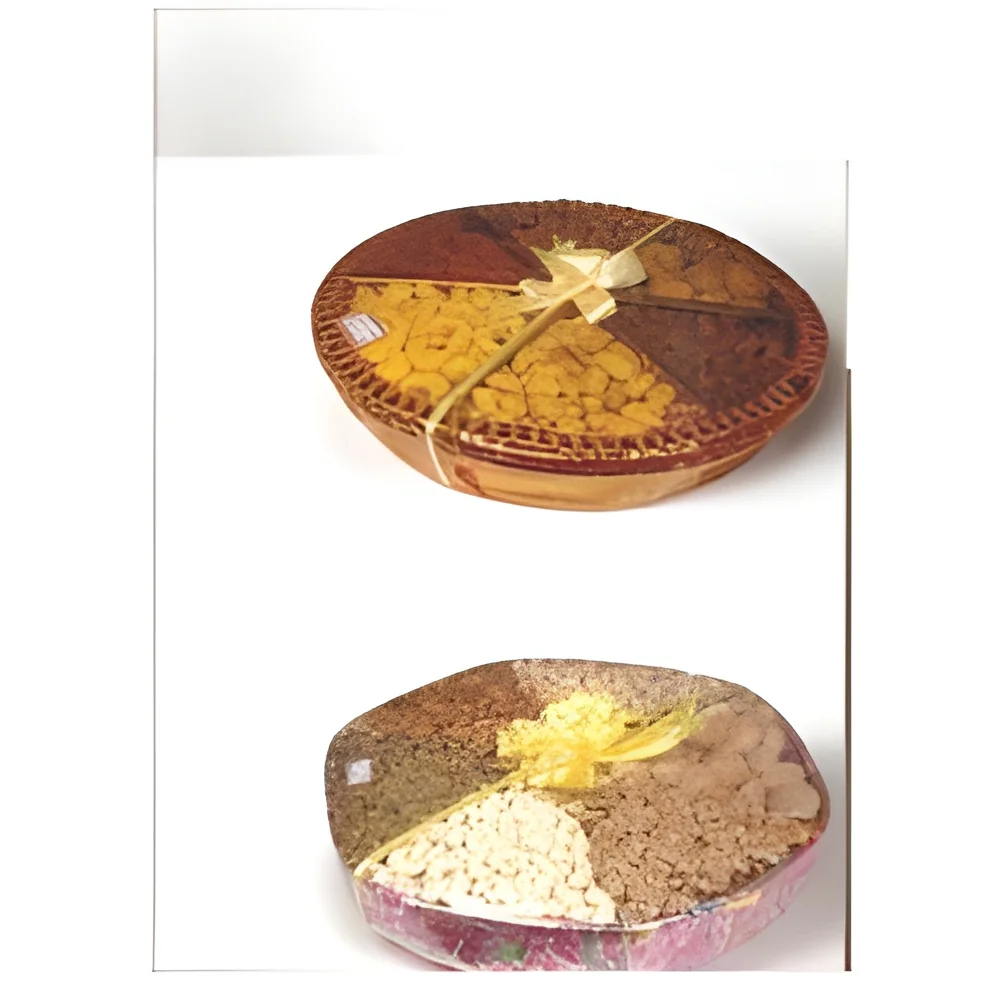
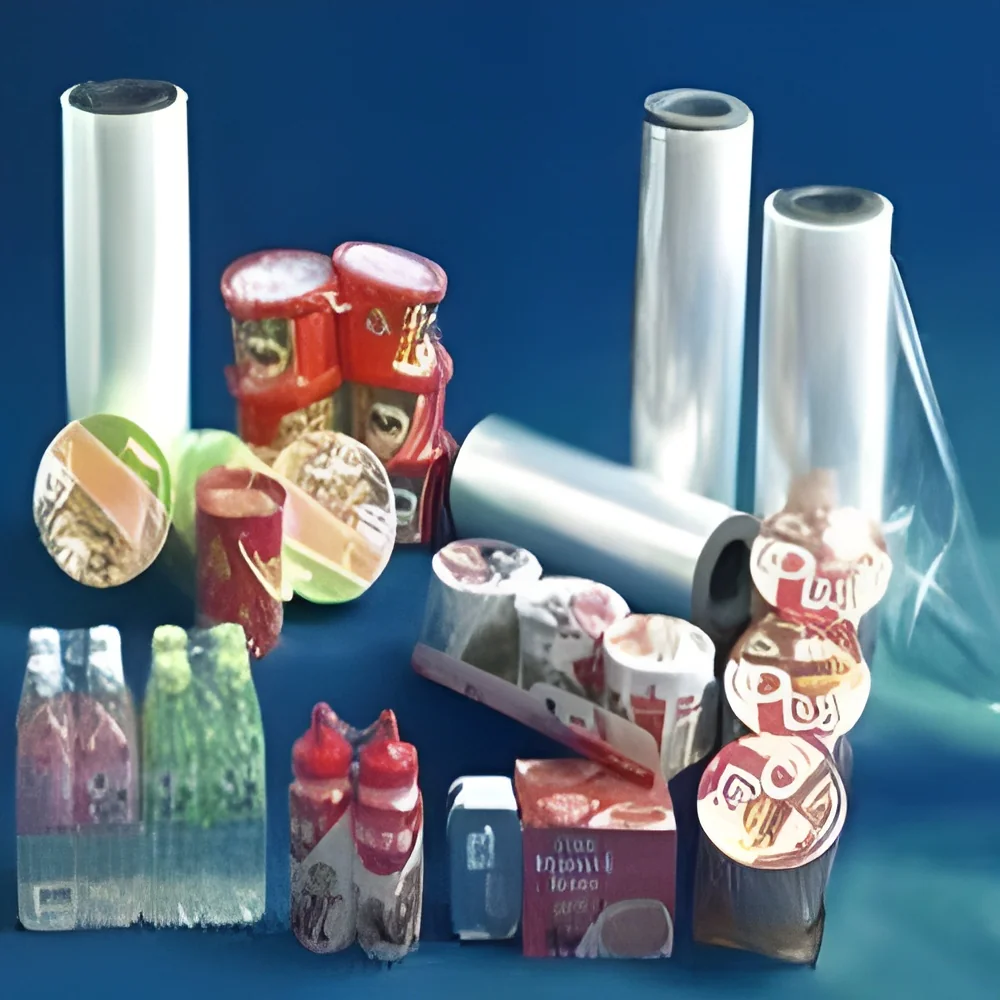
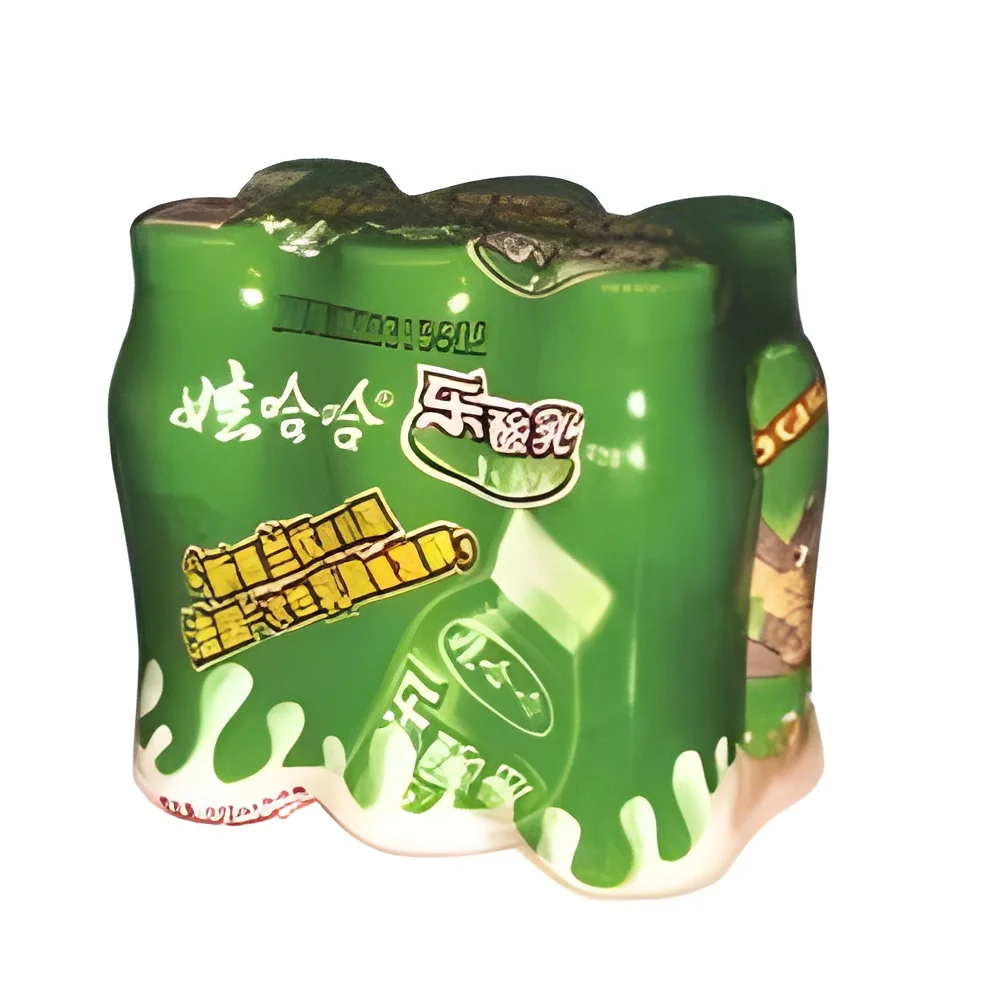
These packaging methods are widely used across various industries, including food processing, pharmaceuticals, and electronics. In food packaging, vacuum sealing keeps perishables fresh for an extended period while shrink packaging is often used for multi-packs or to bundle products together. The demand for these packaging solutions continues to grow as businesses seek to improve product quality and reduce waste.
The relevance of vacuum and shrink packaging in today’s market cannot be overstated. With increasing consumer demand for convenience and longer-lasting products, businesses are investing in advanced packaging technologies. The global market for vacuum and shrink packaging is expanding, driven by innovations and the need for efficient supply chain management.
𝗞𝗲𝘆 𝗙𝗲𝗮𝘁𝘂𝗿𝗲𝘀 𝗮𝗻𝗱 𝗦𝗽𝗲𝗰𝗶𝗳𝗶𝗰𝗮𝘁𝗶𝗼𝗻𝘀
Vacuum and shrink packaging solutions come equipped with several features that enhance their usability and effectiveness. Understanding these specifications is crucial for businesses looking to optimize their packaging processes.
Key specifications include:
1. Material Type
- Commonly made from polyethylene, polypropylene, or polyvinyl chloride (PVC)
- Each material offers different barrier properties, affecting shelf life and preservation
2. Seal Type
- Options include heat seals, adhesive seals, or zipper seals
- The choice of seal type can impact the ease of opening and reusability
3. Thickness
- Available in various thicknesses, typically ranging from 60 to 200 microns
- Thicker materials provide better protection but may be less flexible
4. Temperature Resistance
- Designed to withstand a range of temperatures, often from -40°C to 85°C
- Important for applications requiring freezing or heating
5. Barrier Properties
- Varying levels of oxygen and moisture barrier capabilities
- Higher barrier materials are essential for products sensitive to air and humidity
6. Customization Options
- Many manufacturers offer custom sizes and prints
- Custom designs can enhance branding and product visibility
7. Compliance Standards
- Must meet relevant industry standards such as CE certification
- Compliance ensures safety and quality for end-users
In summary, understanding these key features and specifications helps businesses select the right vacuum and shrink packaging solutions for their needs.
𝗖𝗼𝗺𝗺𝗼𝗻 𝗔𝗽𝗽𝗹𝗶𝗰𝗮𝘁𝗶𝗼𝗻𝘀 𝗮𝗻𝗱 𝗨𝘀𝗲 𝗖𝗮𝘀𝗲𝘀
Vacuum and shrink packaging serve a broad spectrum of industries, each with specific applications that leverage their benefits.
1. Food Industry: Vacuum packaging is extensively used for meat, cheeses, and ready-to-eat meals to maintain freshness and prevent spoilage. Shrink packaging is popular for multi-packs and retail display.
2. Pharmaceutical Industry: These packaging methods are critical for preserving medication integrity and ensuring compliance with safety standards. They help in maintaining sterility and extending shelf life.
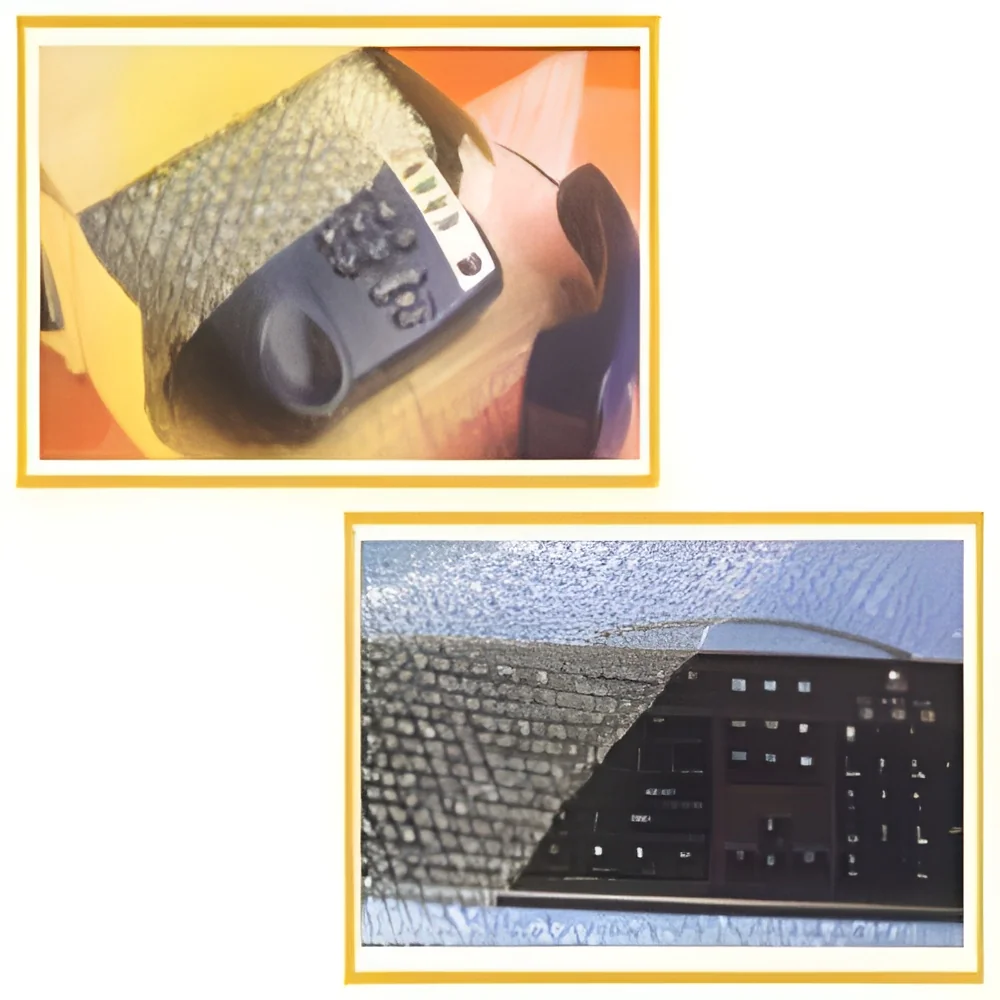
3. Electronics Industry: Vacuum packaging protects sensitive electronic components from moisture and dust during shipping and storage, ensuring functionality upon arrival.
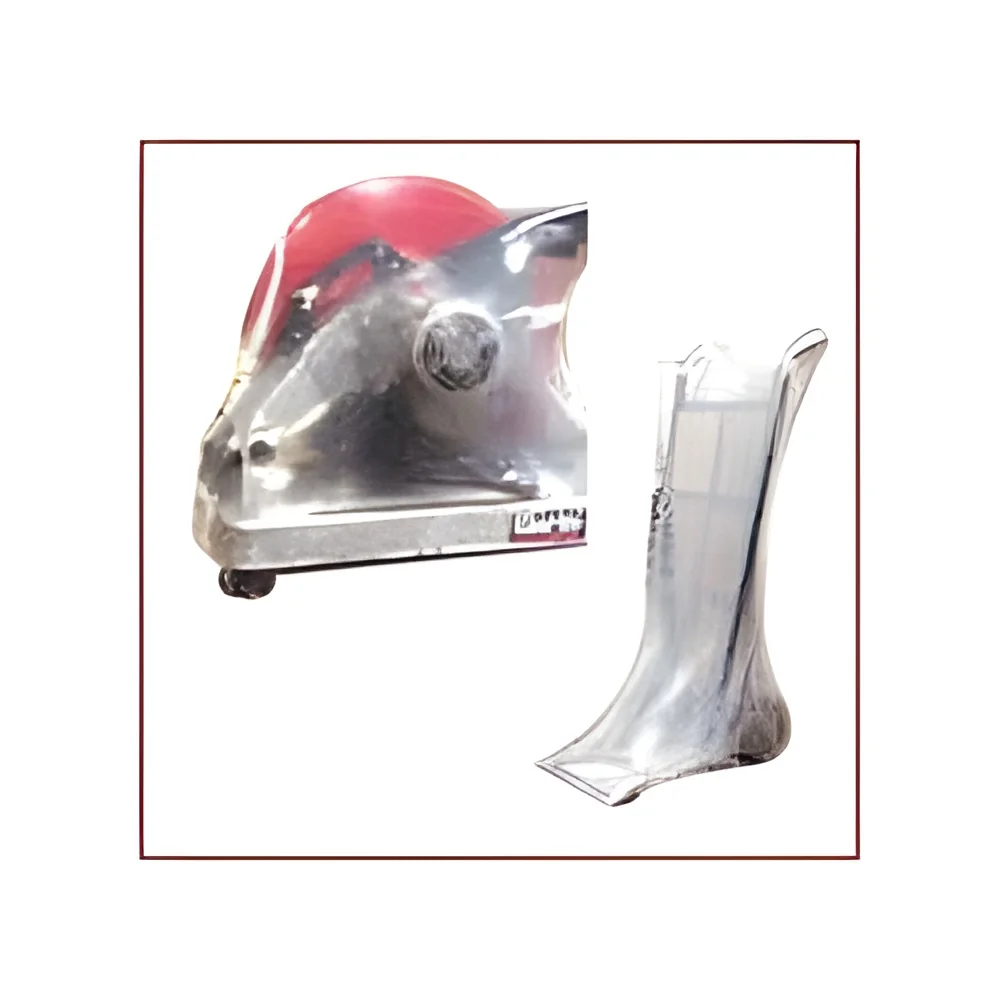
4. Industrial Products: Tools and machinery often use shrink packaging for protection against environmental factors during transportation. This enhances product durability and presentation.
5. Retail Packaging: Many consumer goods utilize vacuum and shrink packaging for aesthetic appeal, allowing for better product display on retail shelves while ensuring product safety.
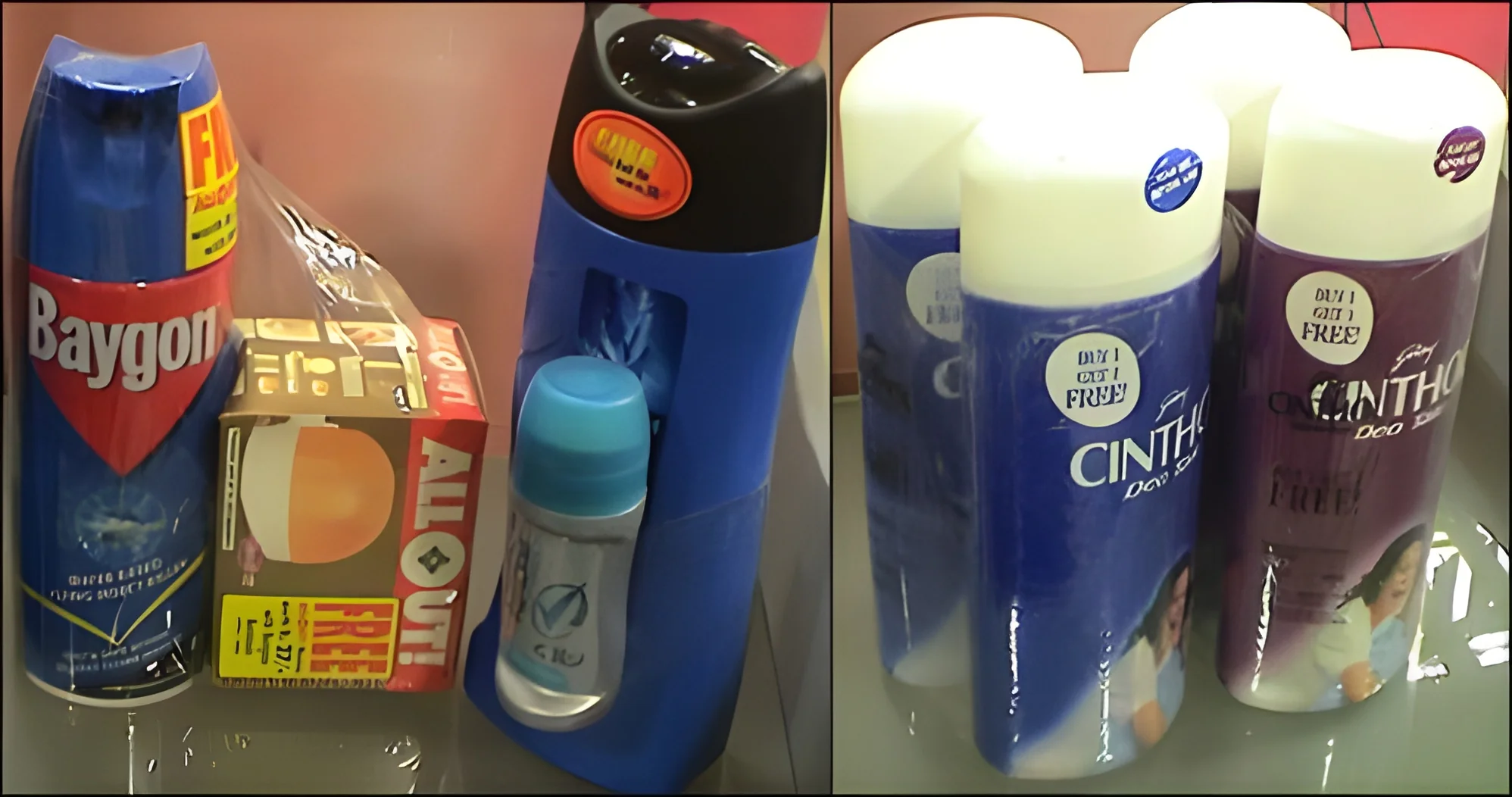
6. Cosmetics and Personal Care: Vacuum packaging is used to extend the shelf life of creams and lotions, while shrink packaging helps in bundling products for promotional offers.
7. Agricultural Products: Vacuum packaging is utilized for seeds and fertilizers to maintain quality and prevent contamination during storage.
𝗣𝗿𝗼𝗱𝘂𝗰𝘁 𝗩𝗮𝗿𝗶𝗮𝗻𝘁𝘀 𝗮𝗻𝗱 𝗦𝘂𝗯𝗰𝗮𝘁𝗲𝗴𝗼𝗿𝗶𝗲𝘀
The diversity in vacuum and shrink packaging allows businesses to choose solutions tailored to their specific requirements.
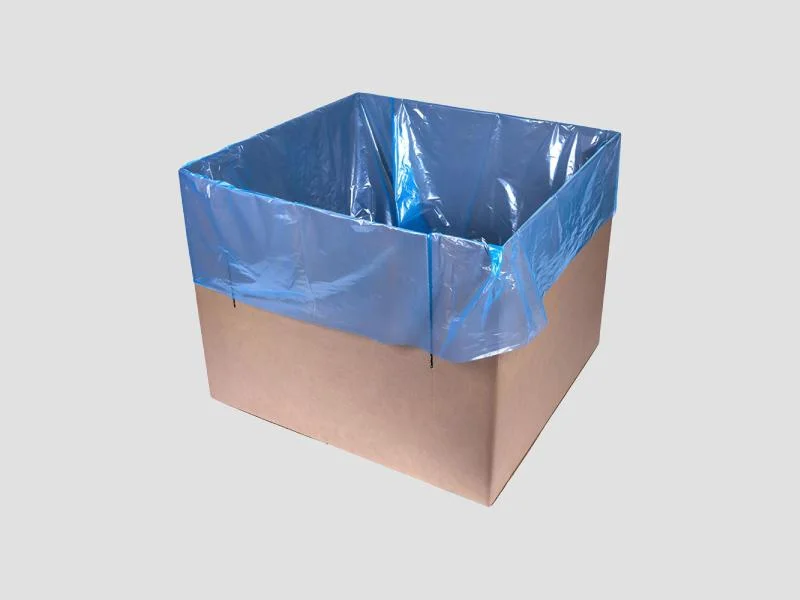
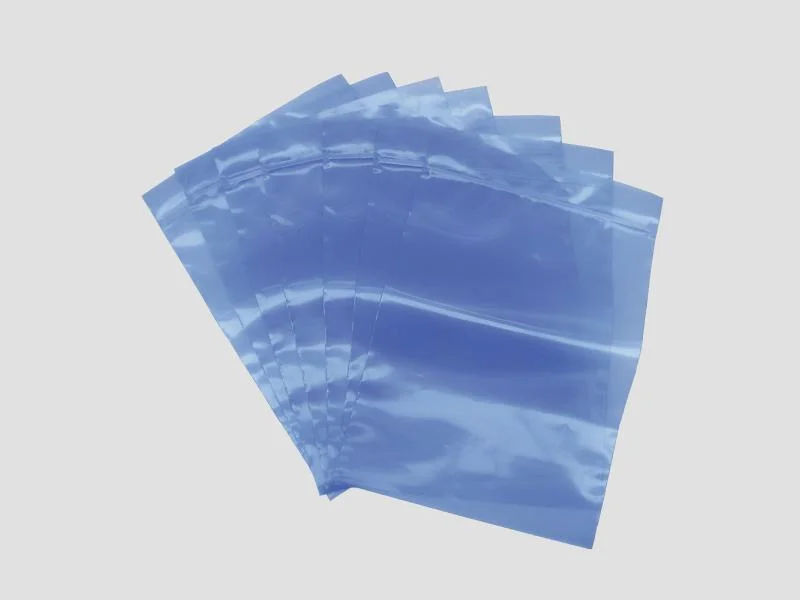
Vacuum Bags
These come in various sizes and can be used for both food and non-food items. They provide excellent barrier properties and can be customized for branding.
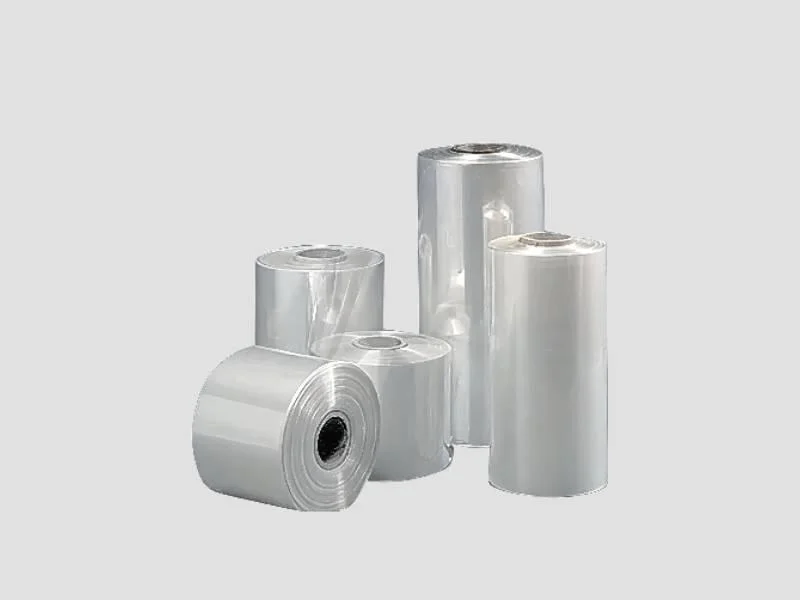
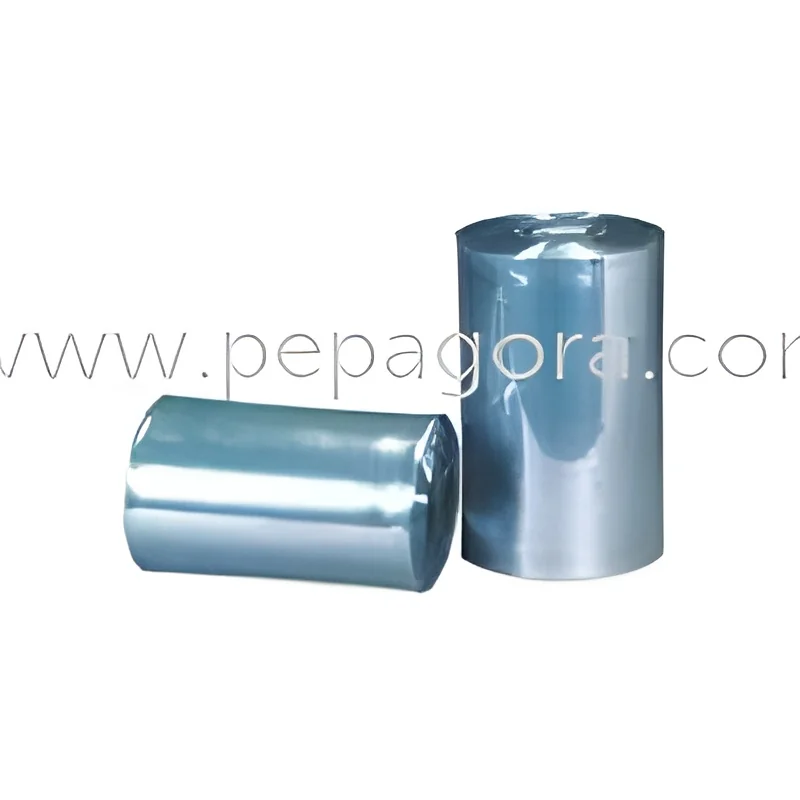
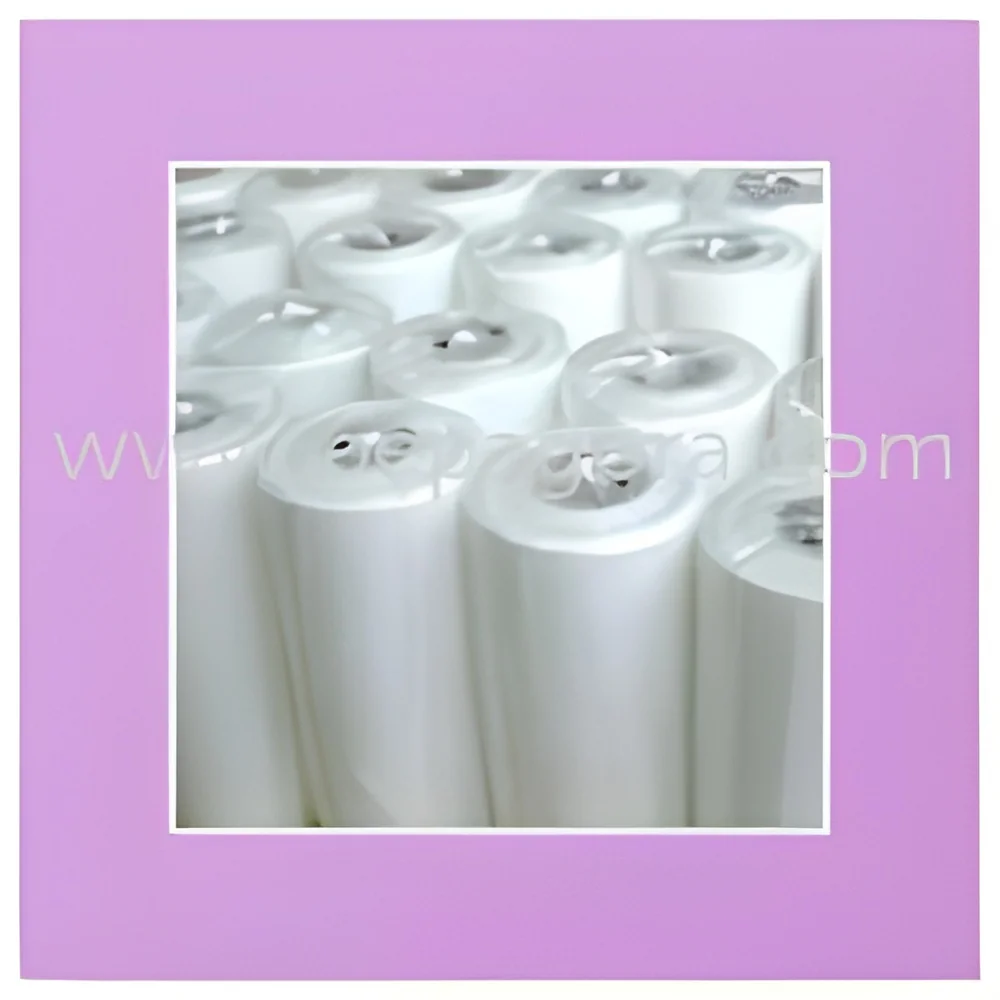
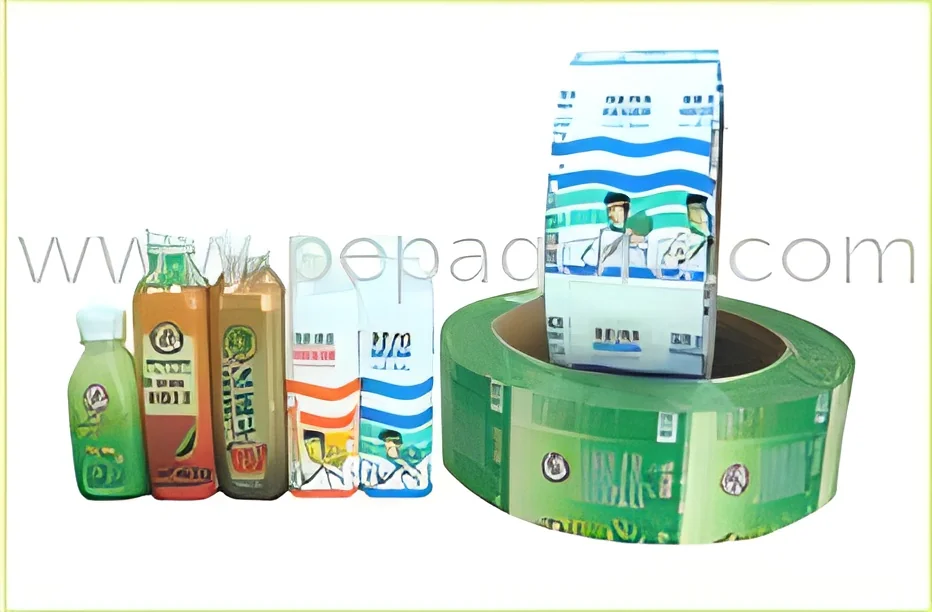
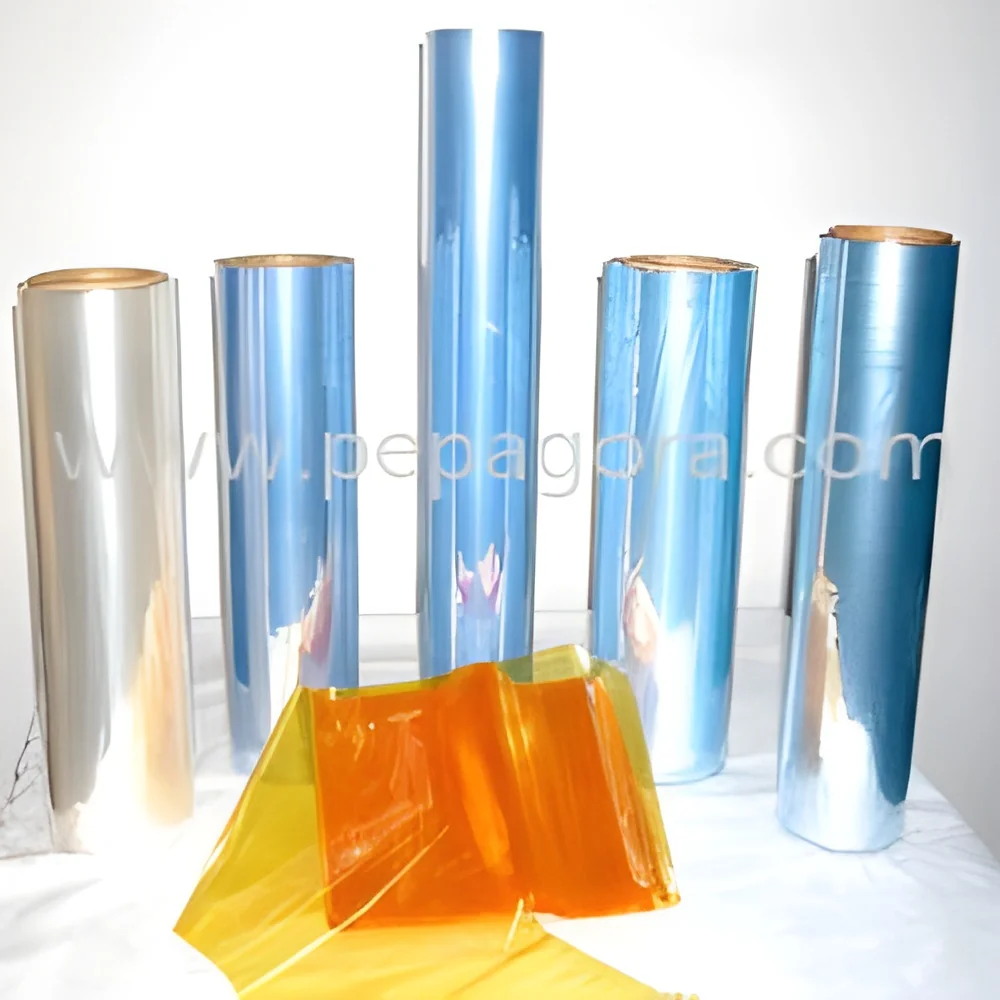
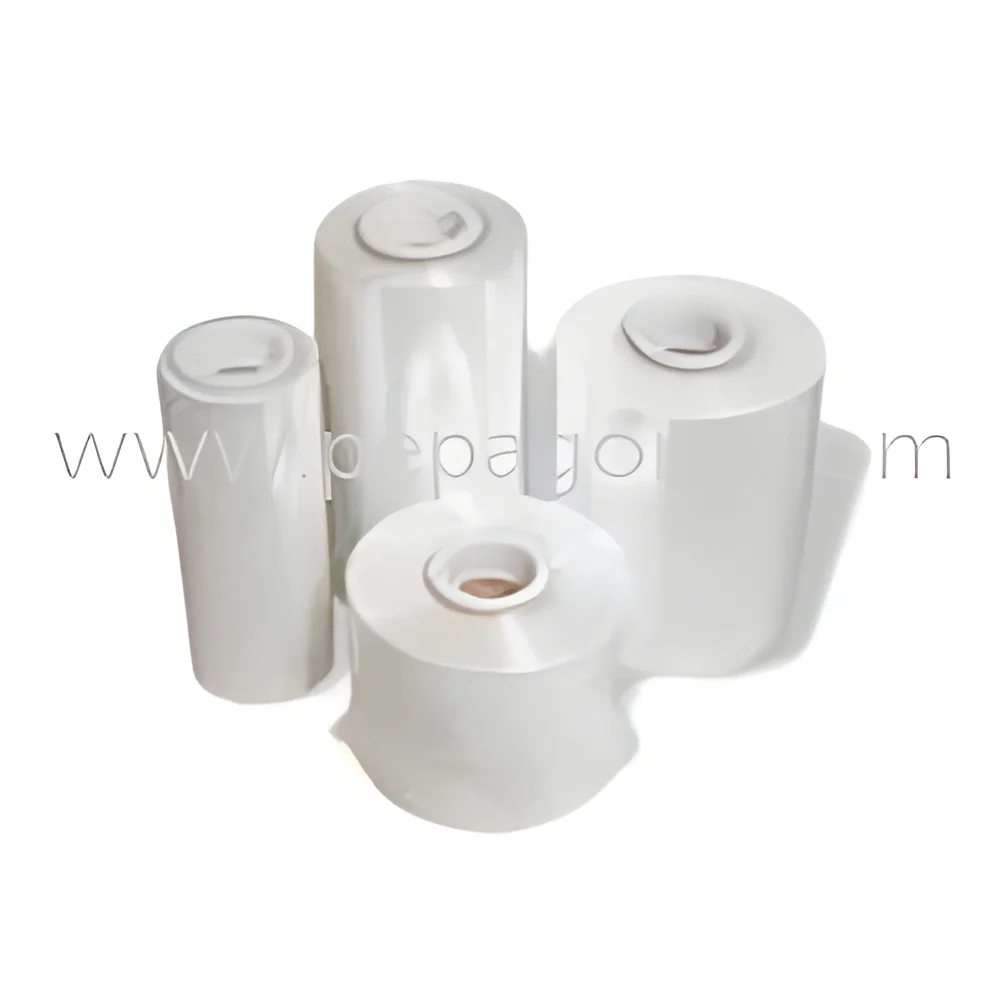
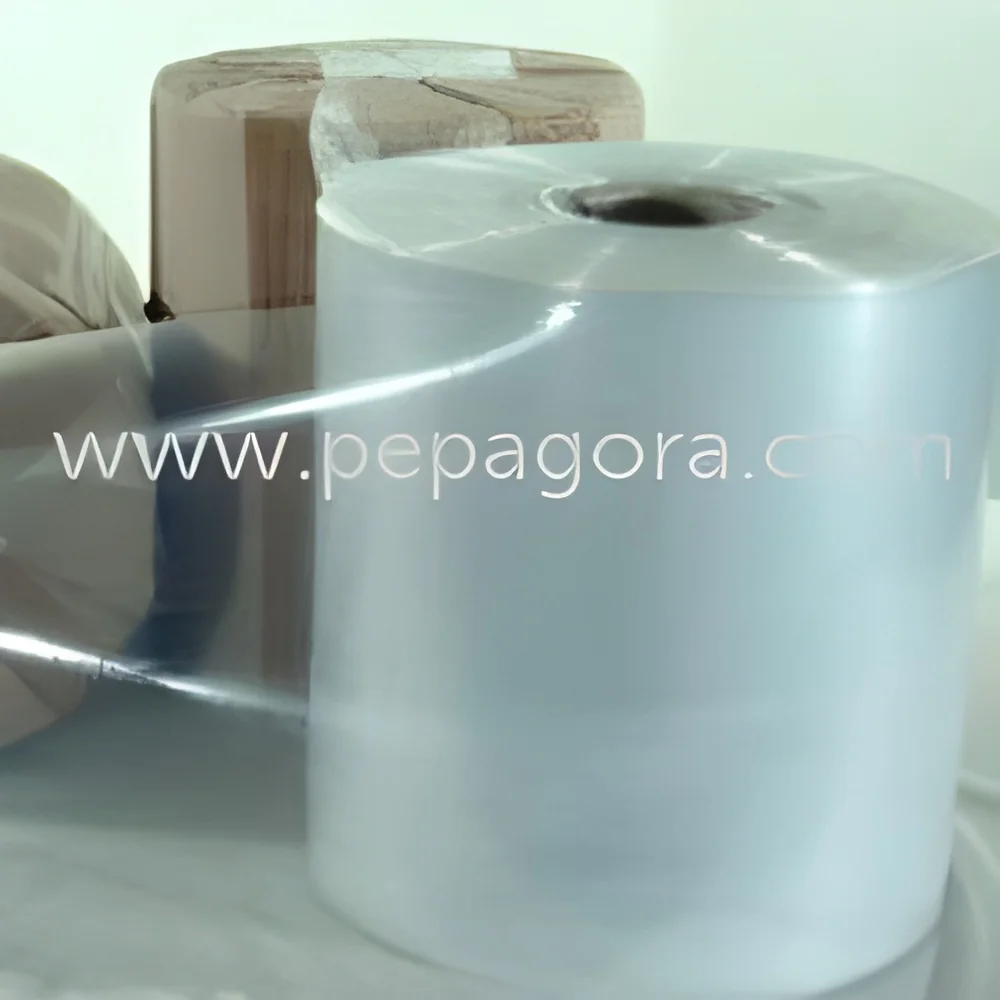
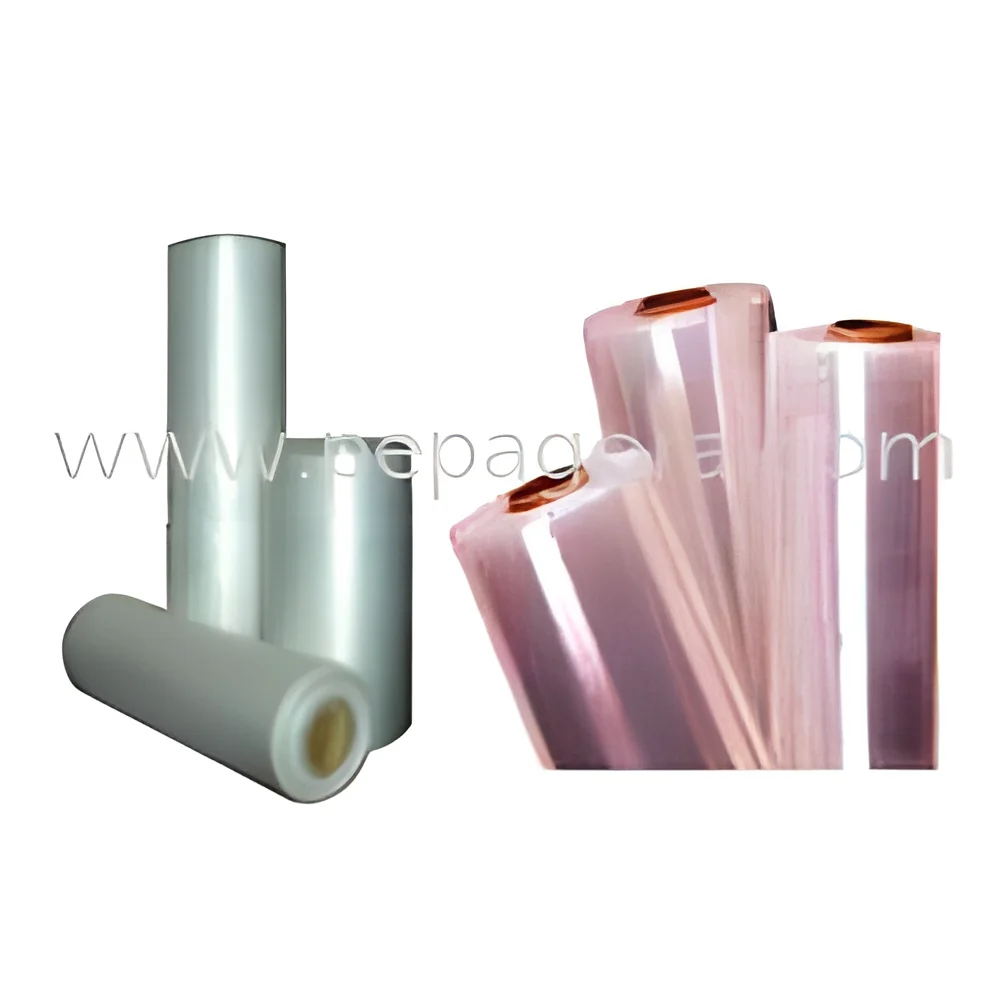
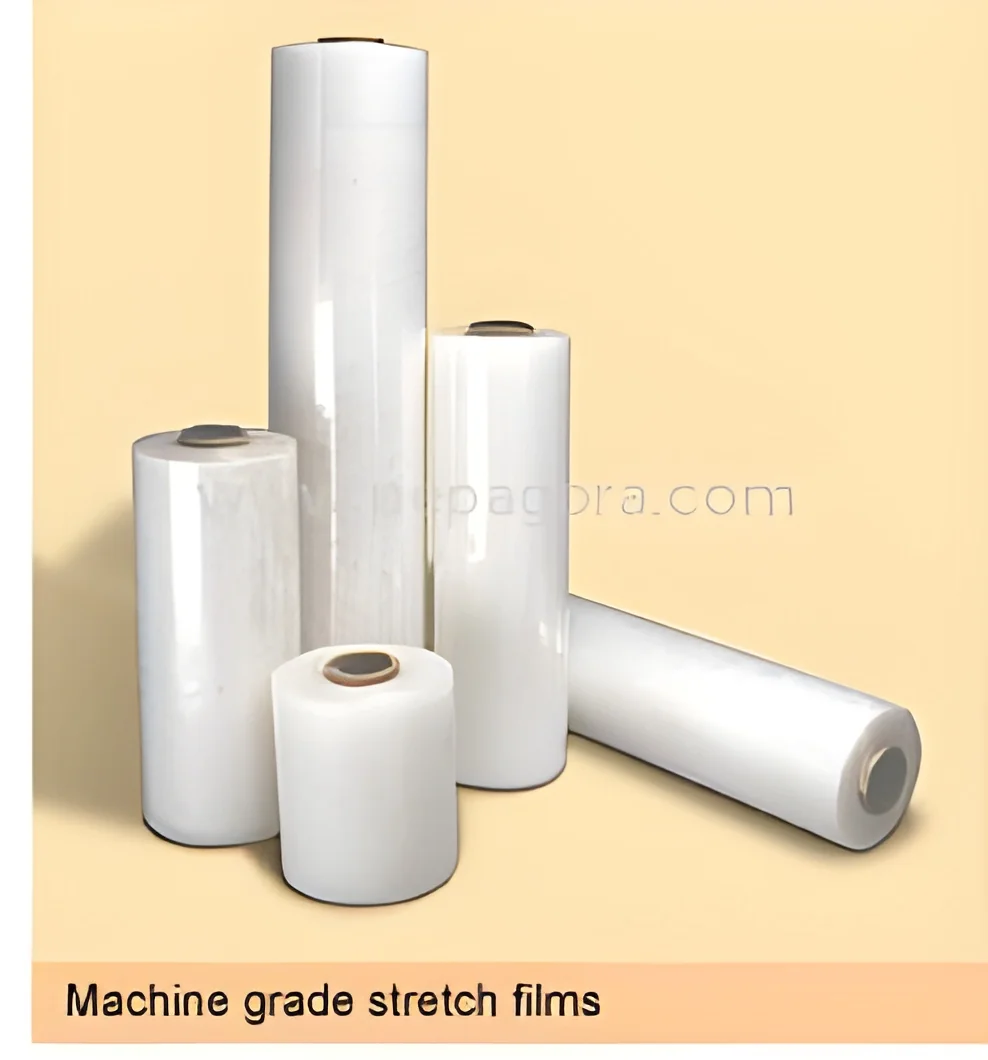
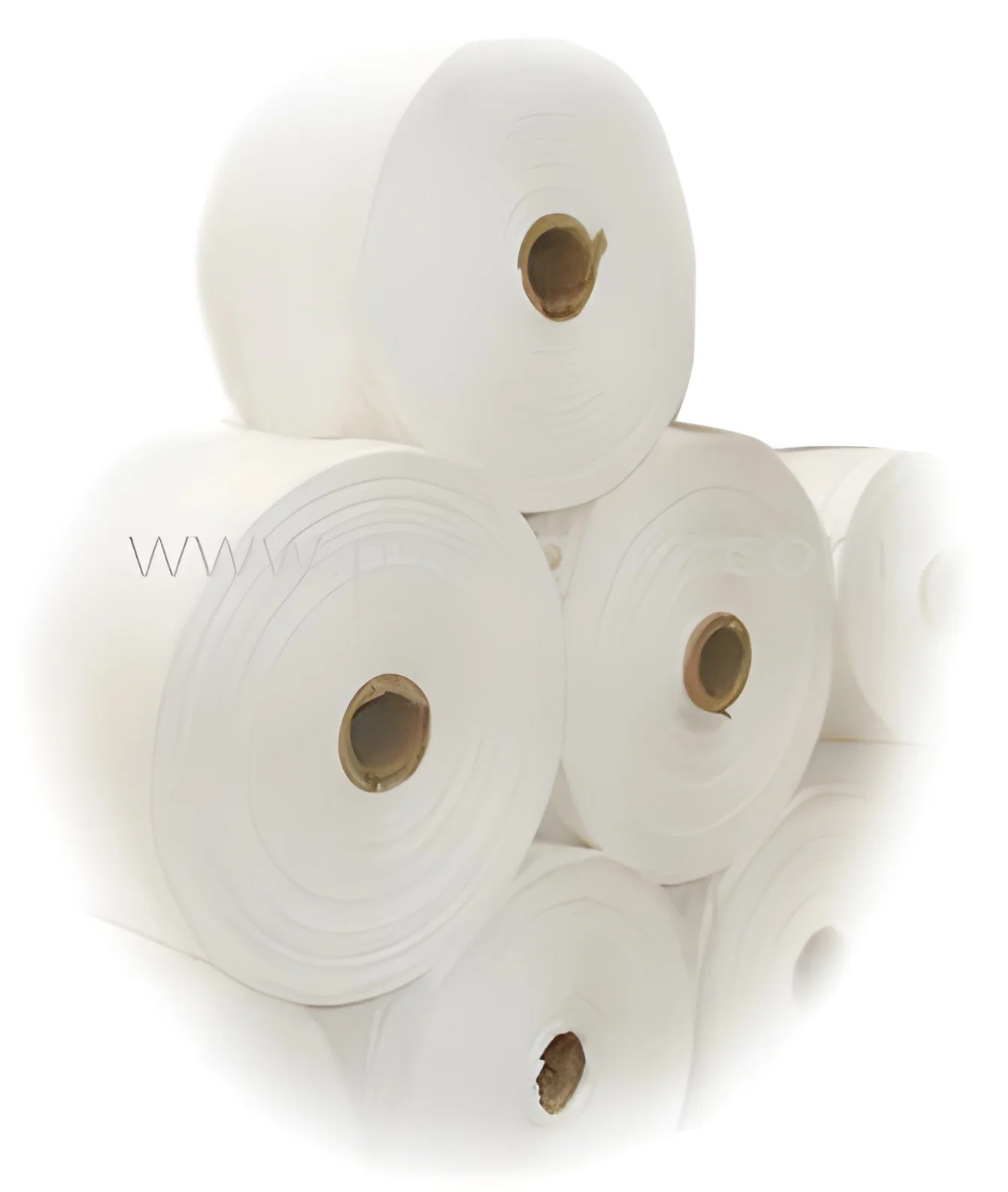
Shrink Film
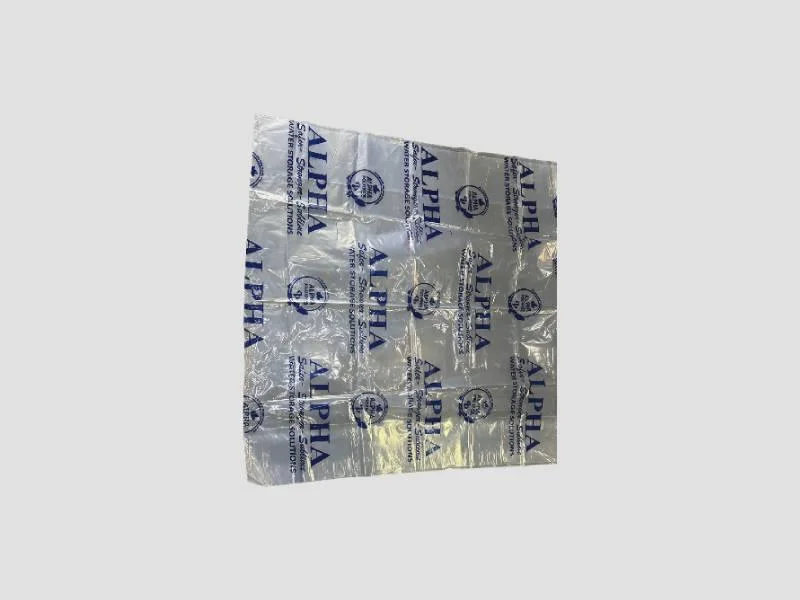
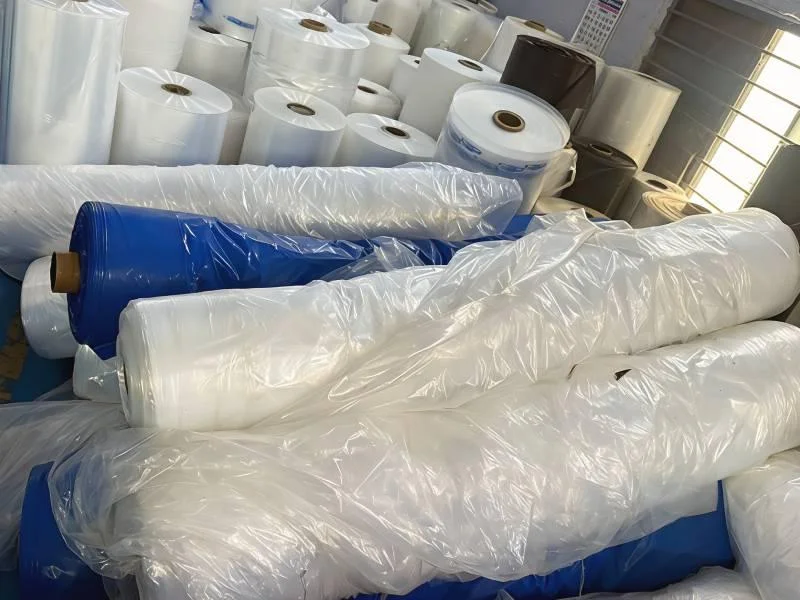
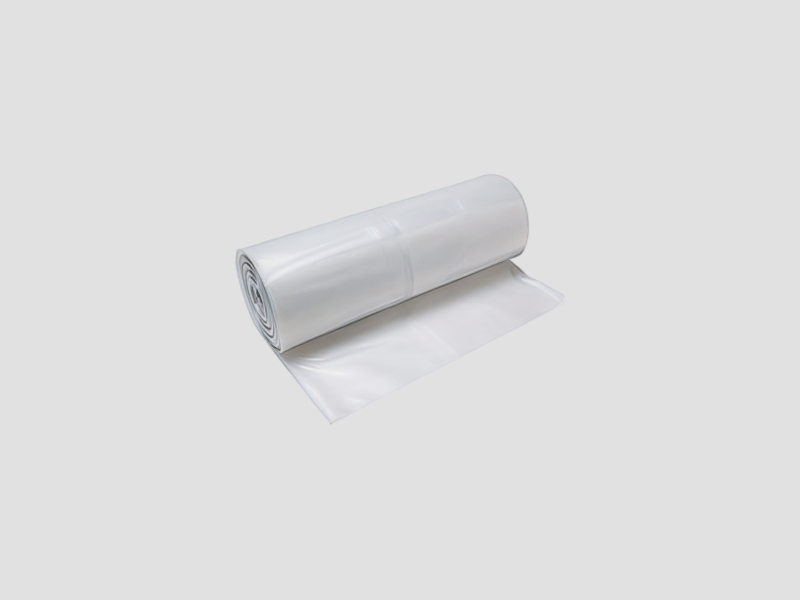
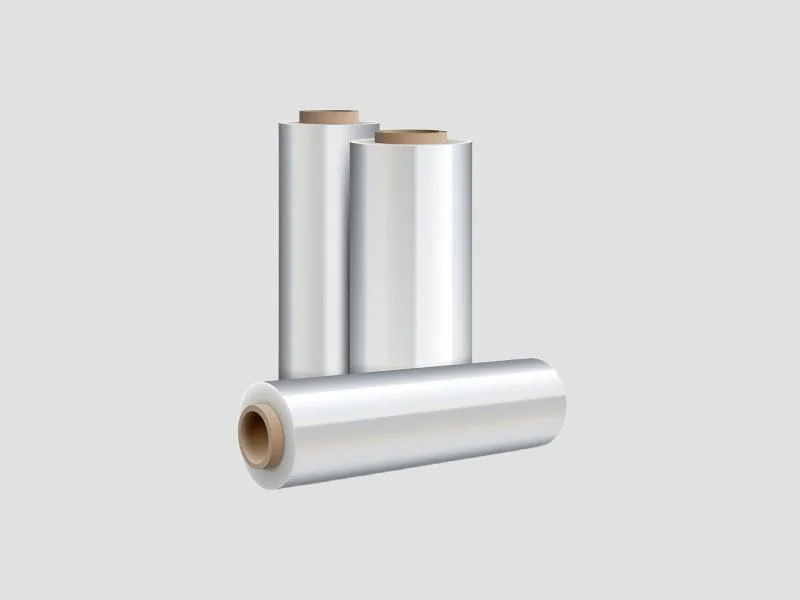
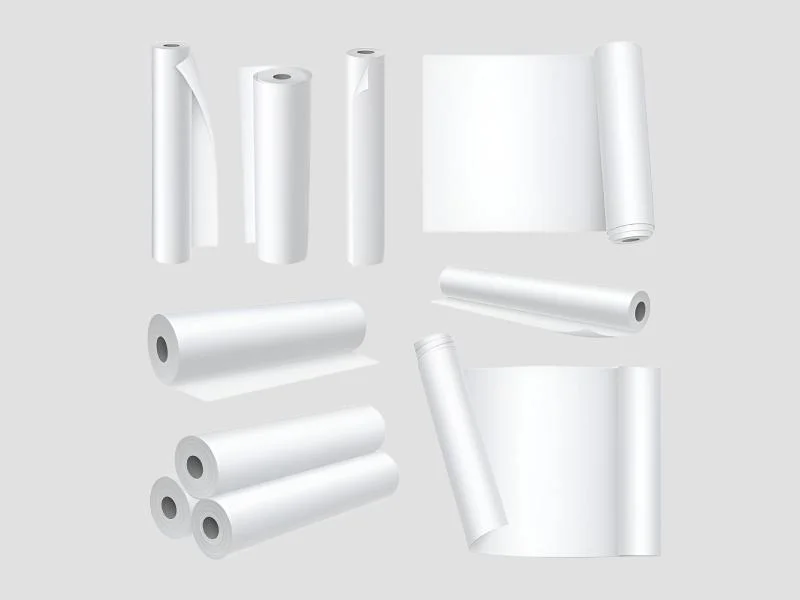
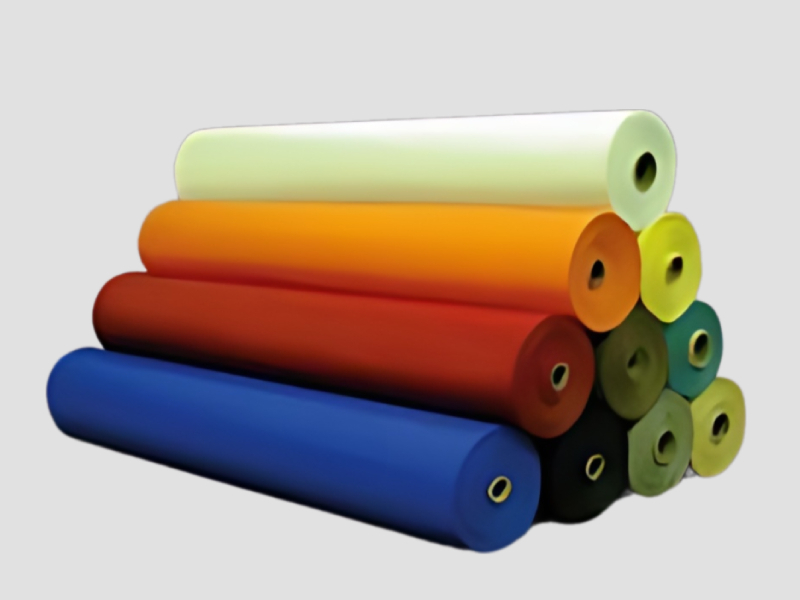
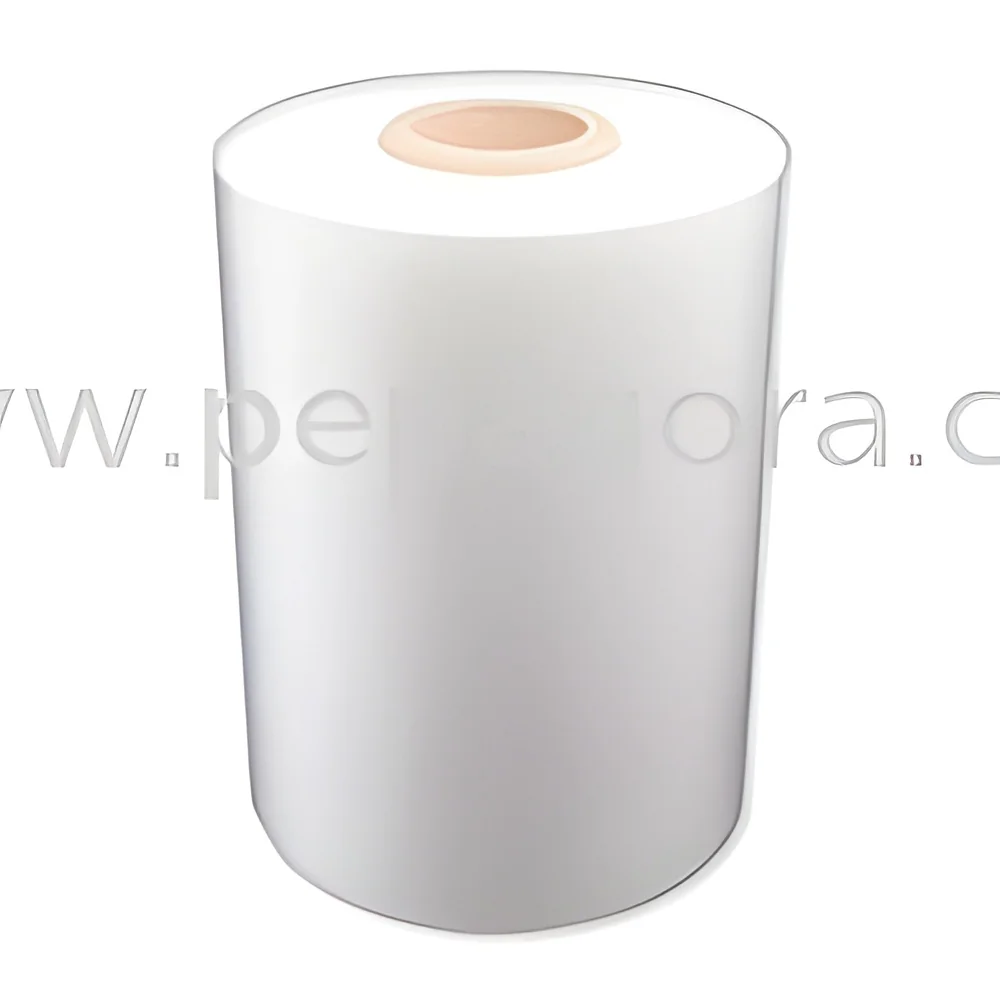
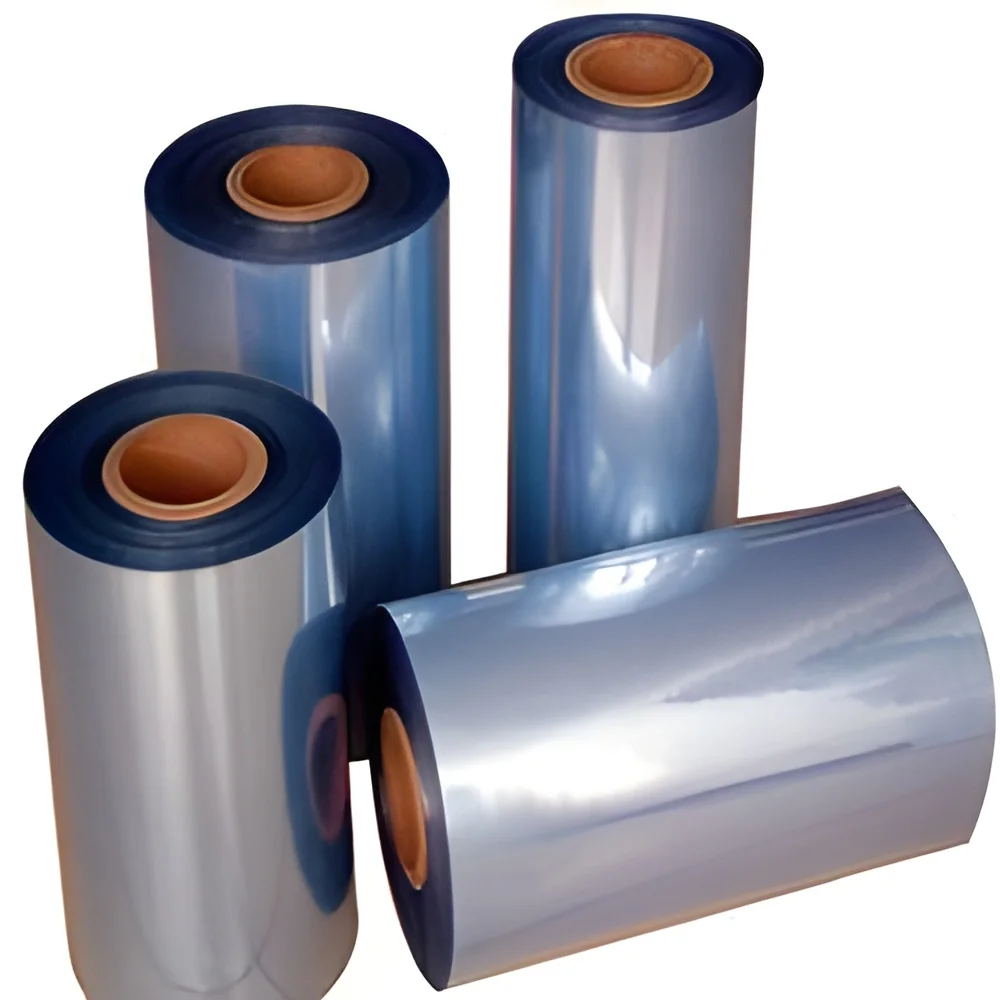
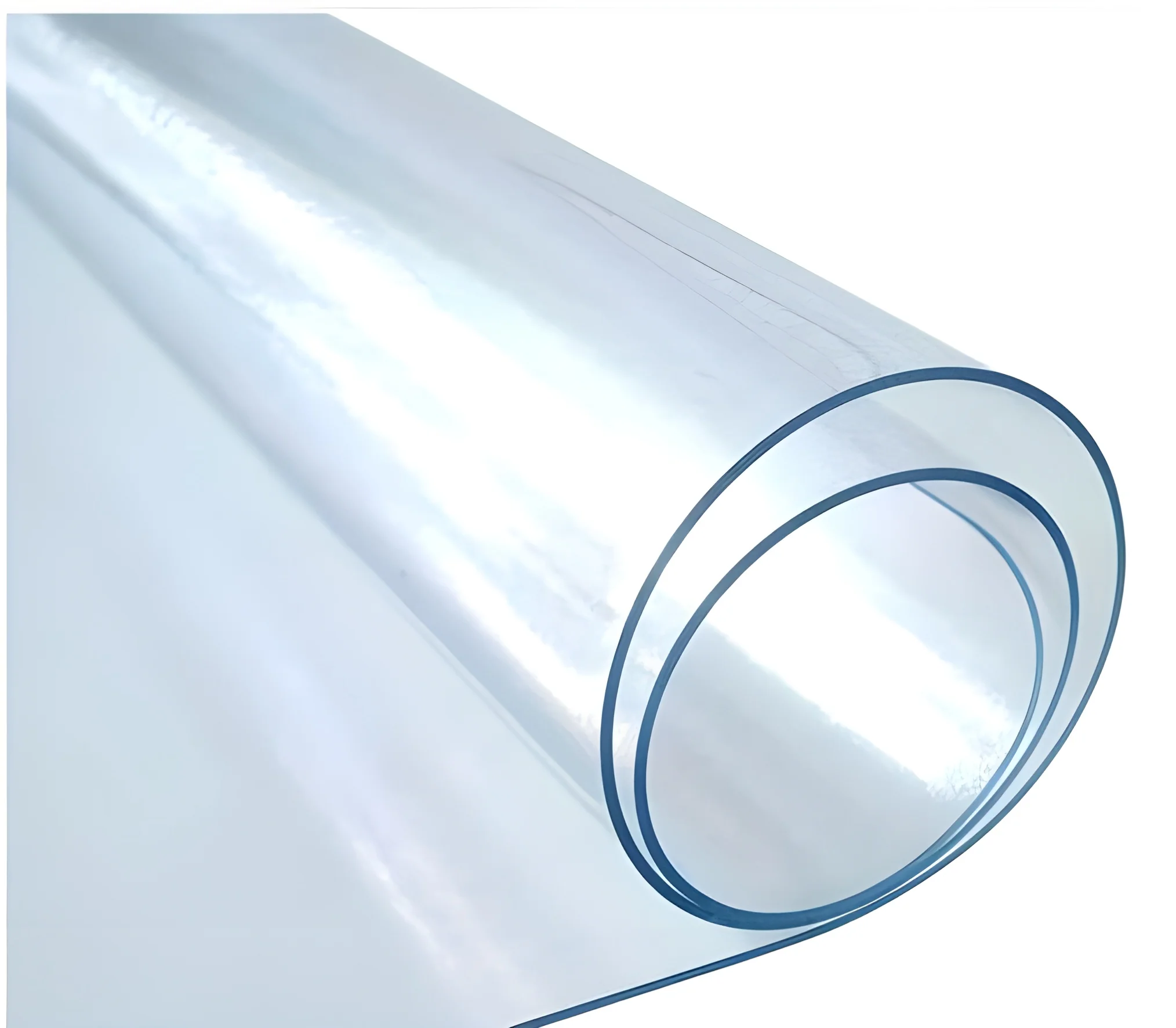
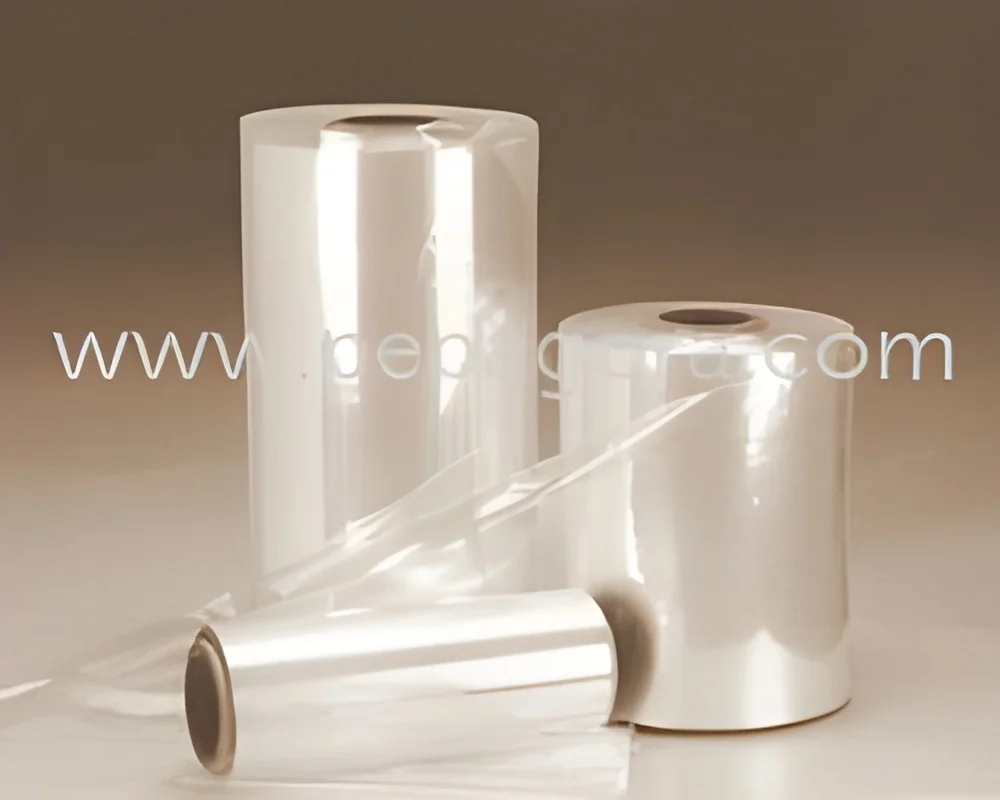
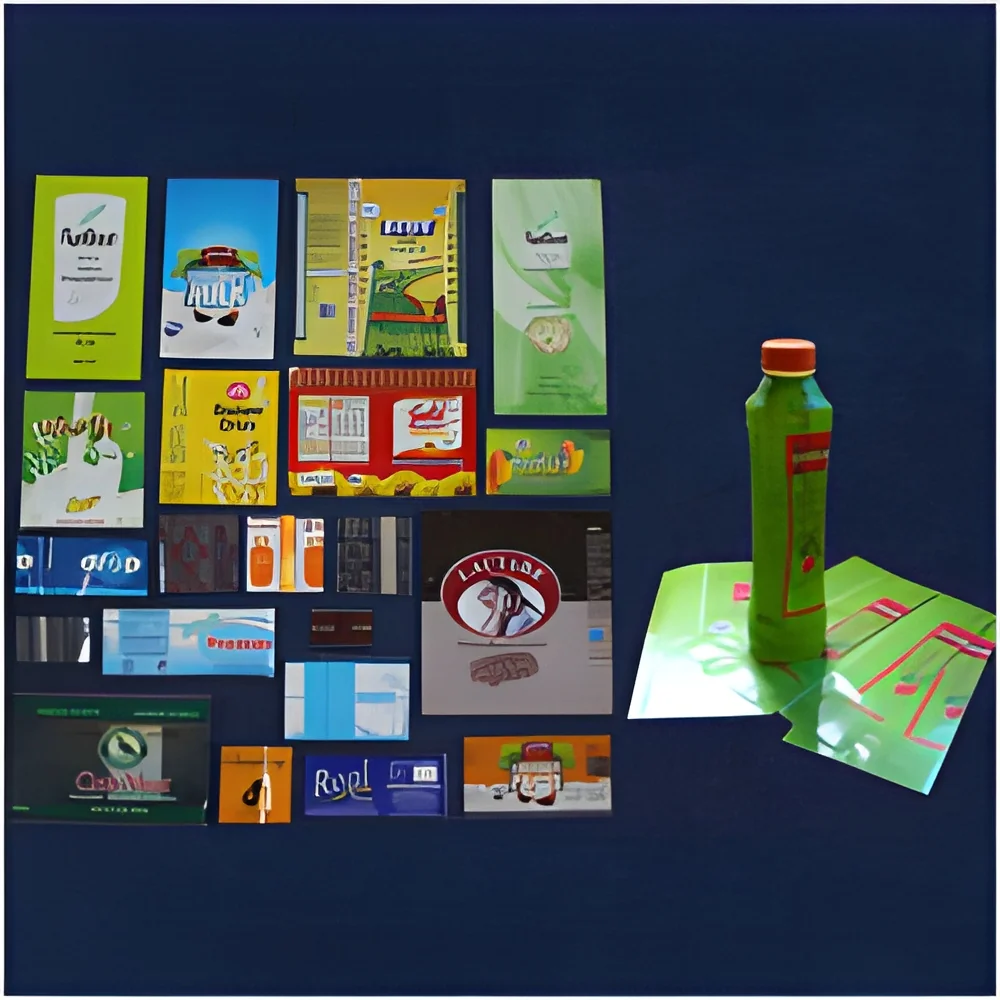
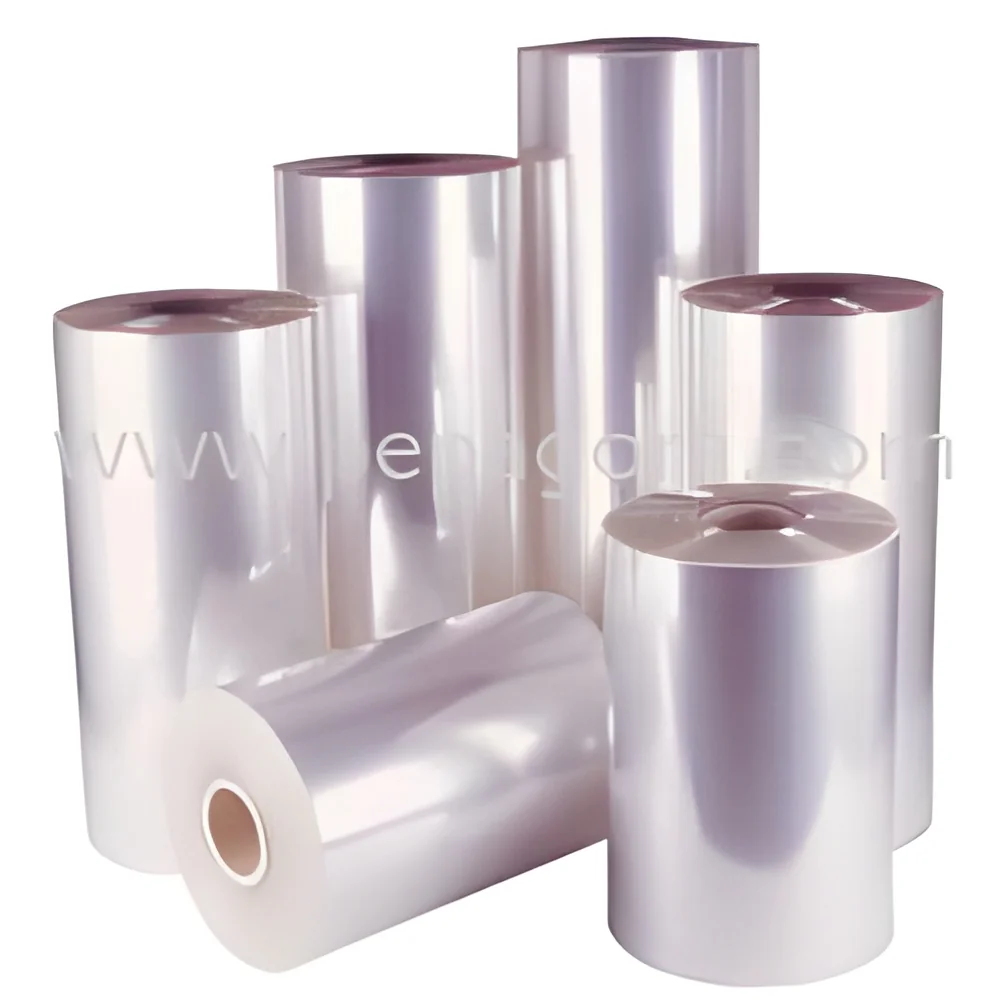
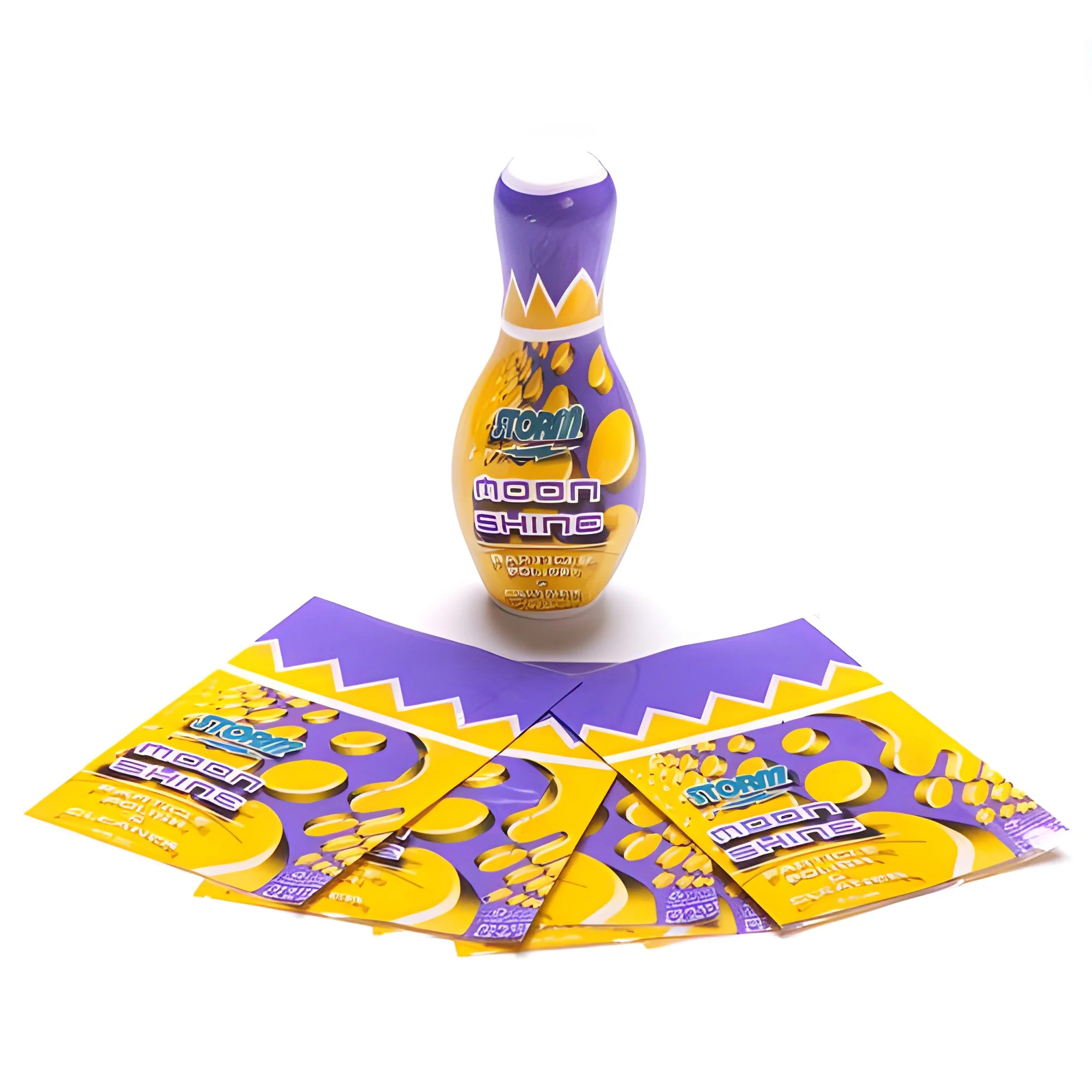
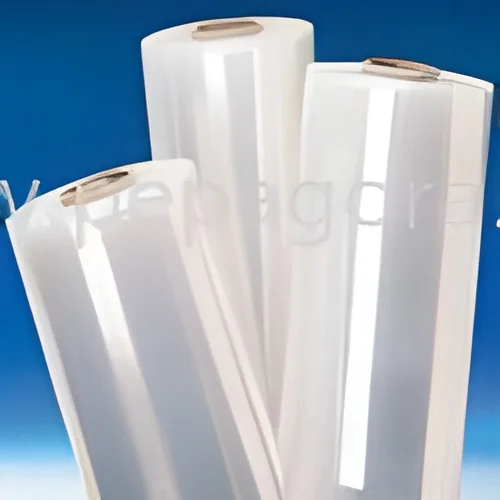
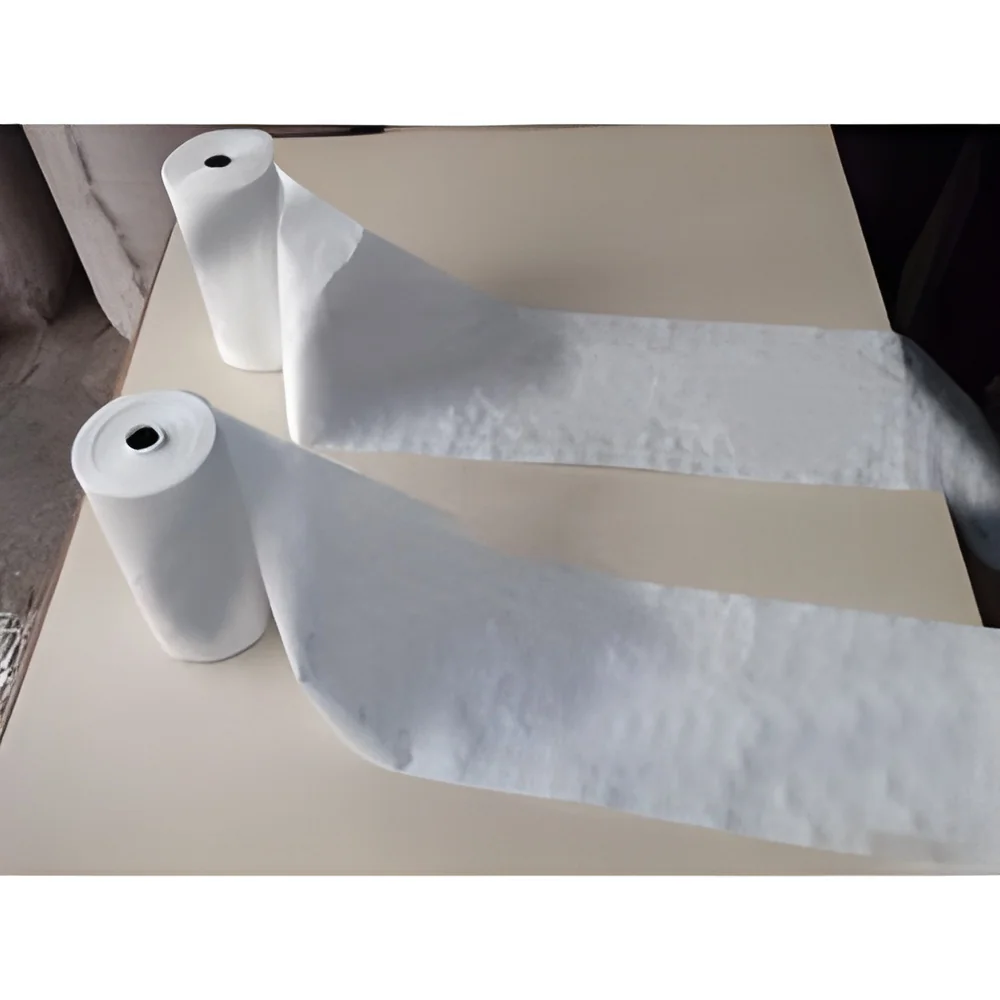
Available in rolls or sheets, shrink film provides a versatile option for wrapping products. It is commonly used in food packaging and can accommodate various shapes and sizes.
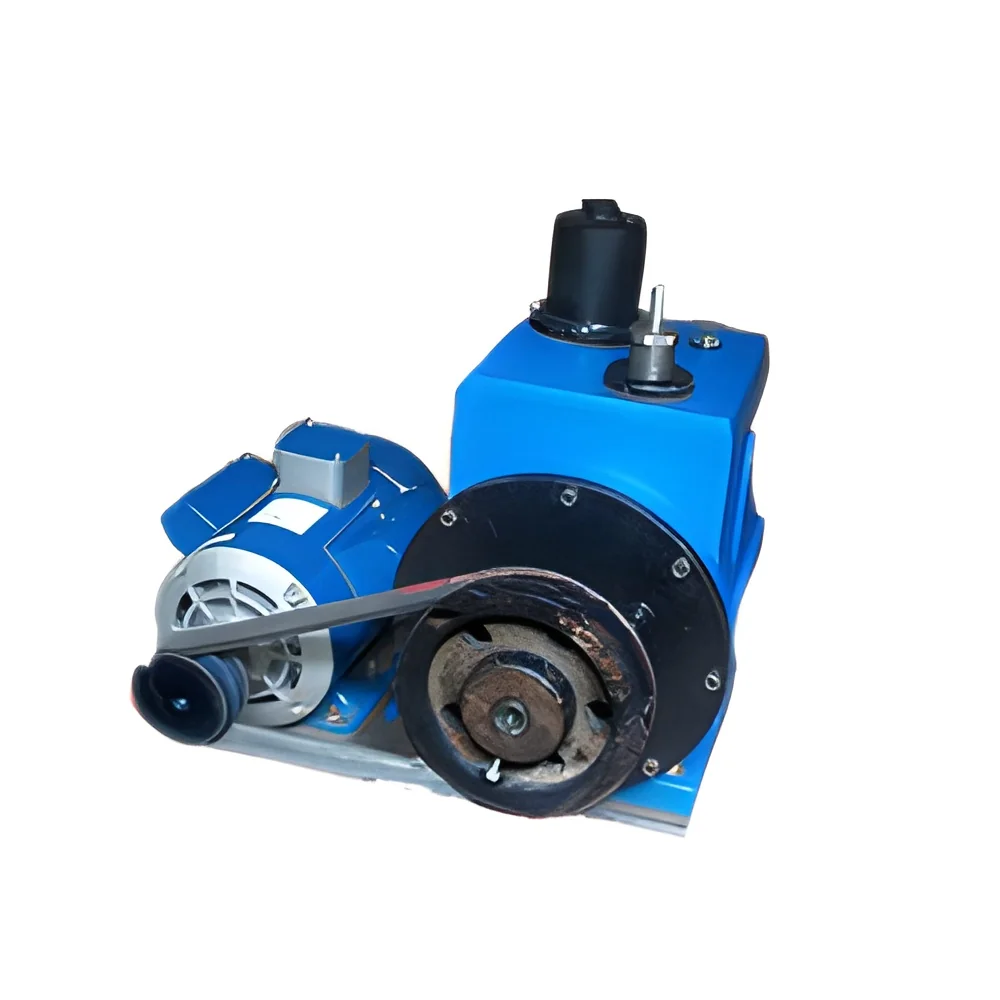
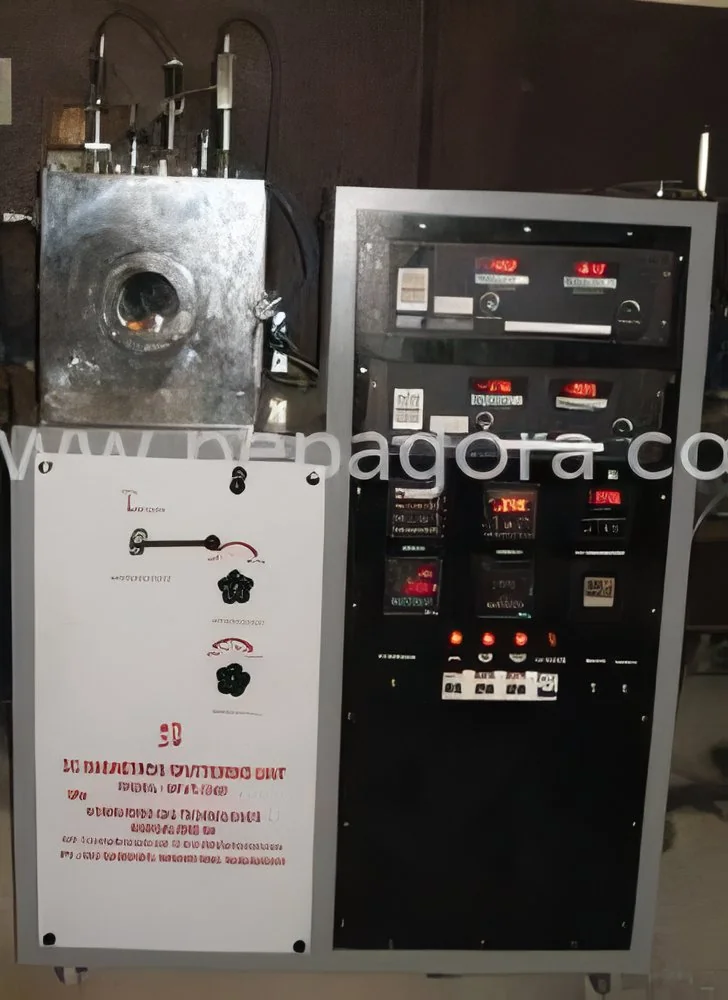
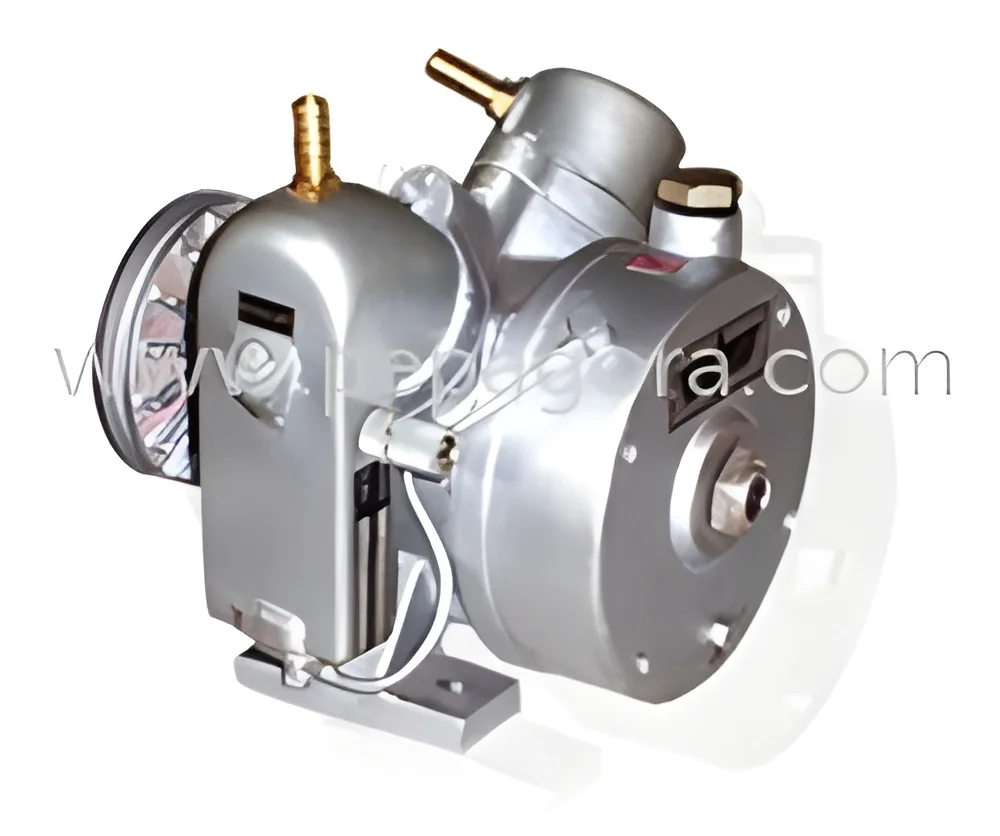
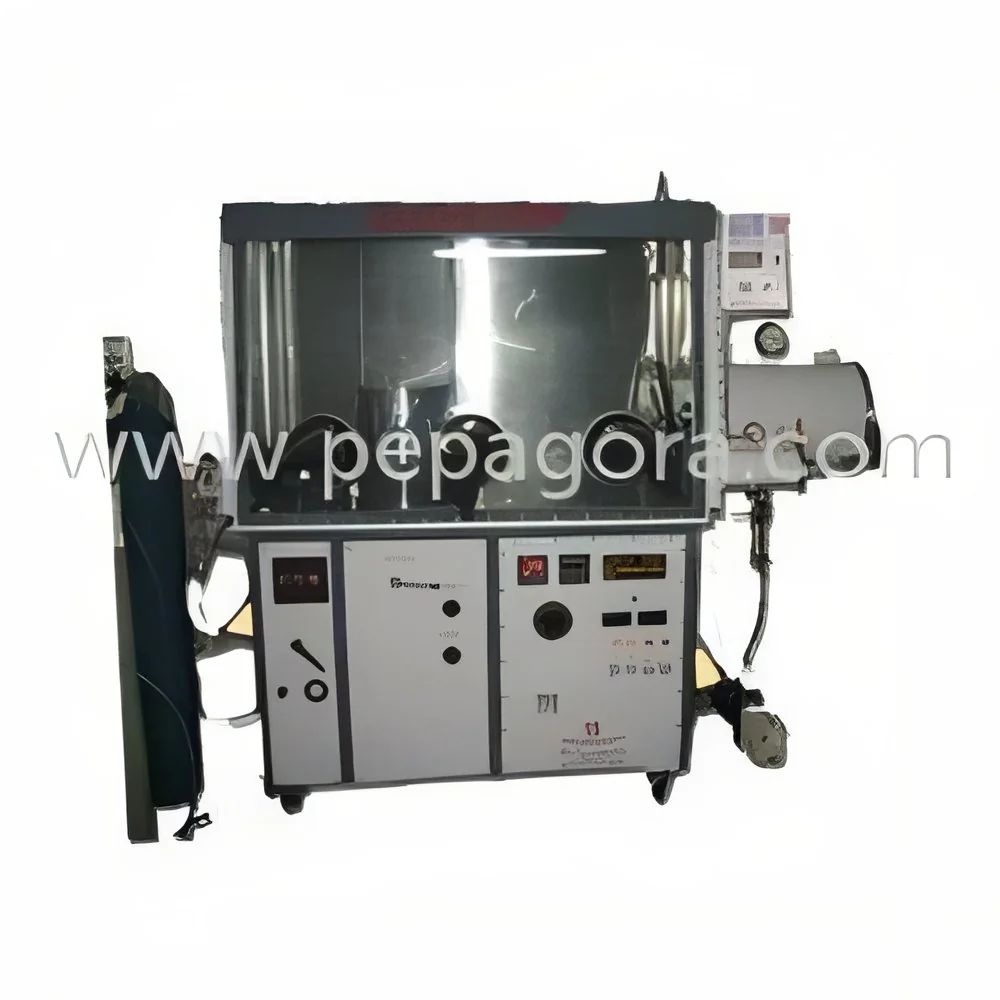
Vacuum Sealers
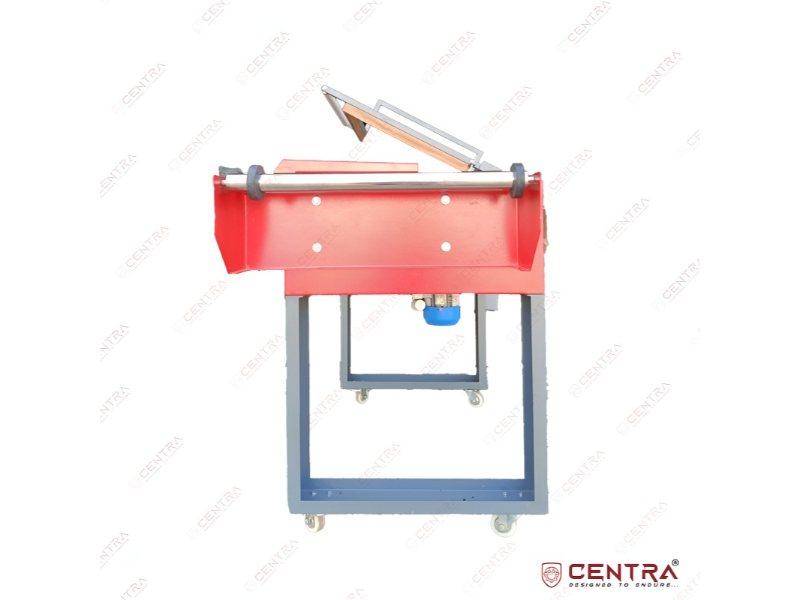
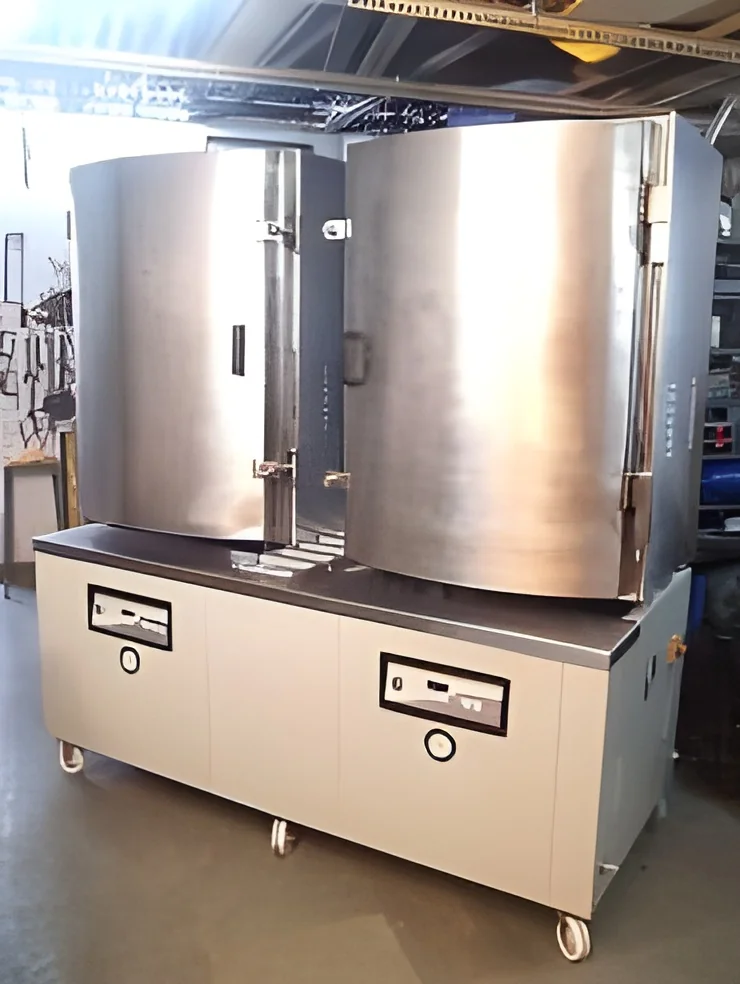
Machines designed to create vacuum-packed products efficiently. These are essential in industrial settings for bulk packaging and are available in various capacities.
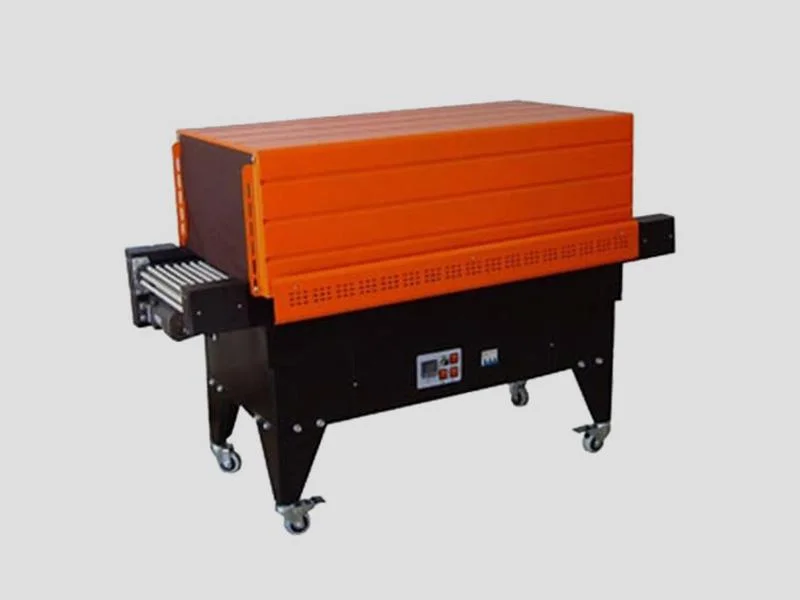
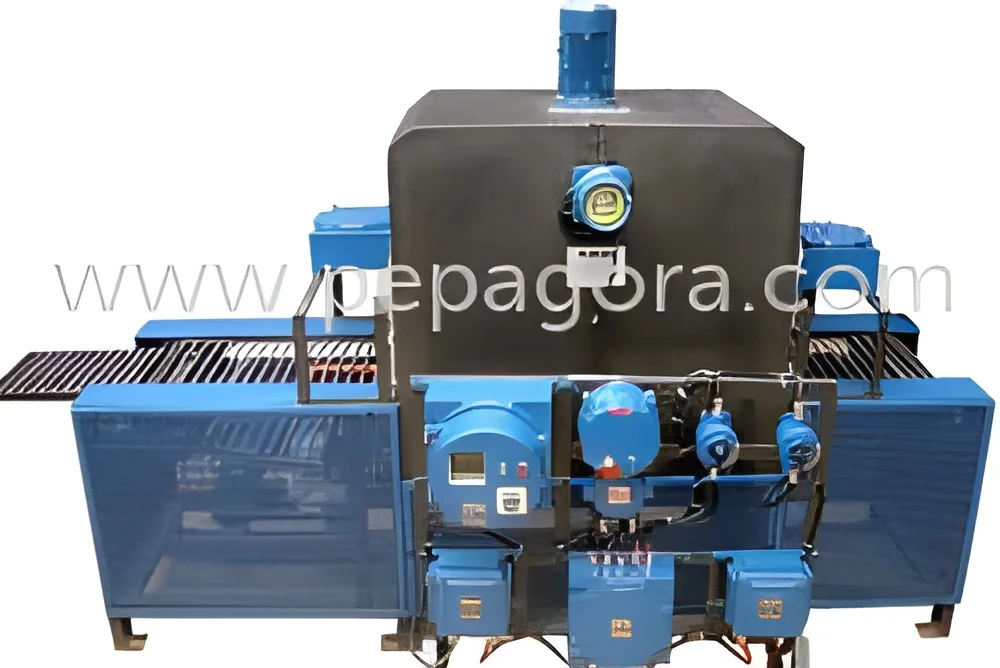
Shrink Tunnels
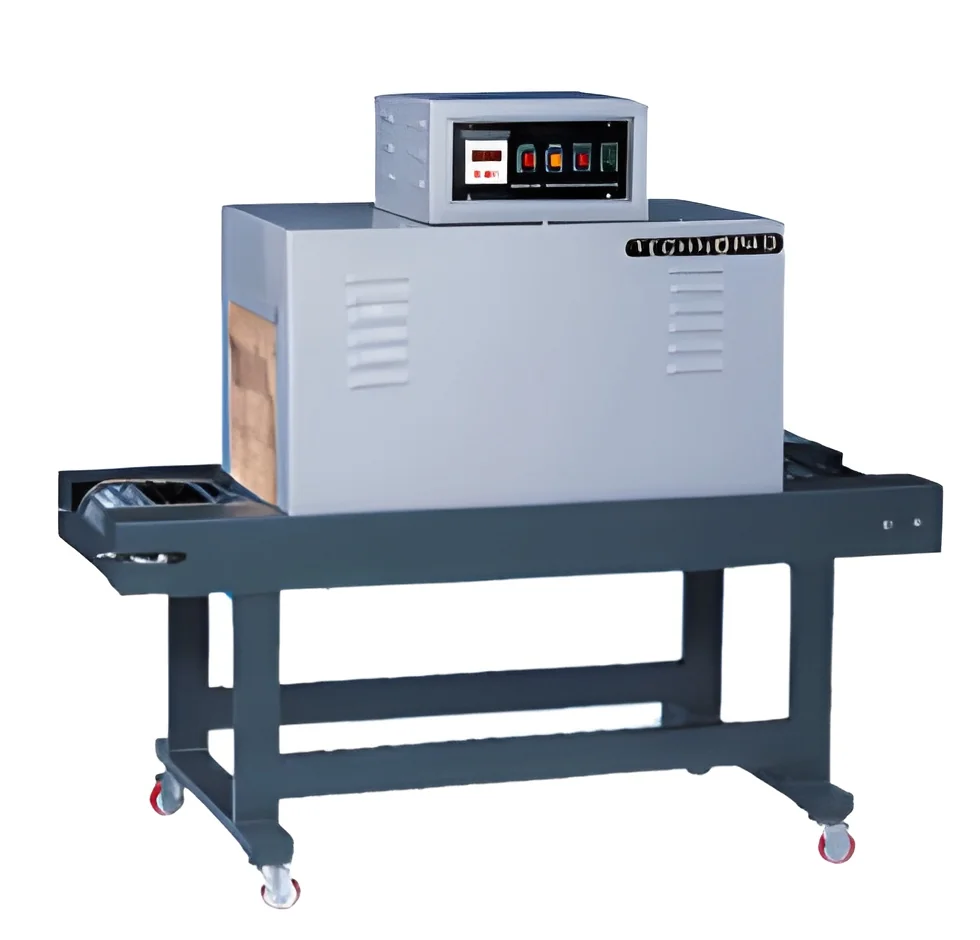
Equipment used to apply heat to shrink film around products. Ideal for high-volume operations, these ensure quick and efficient packaging processes.
𝗕𝗲𝗻𝗲𝗳𝗶𝘁𝘀 𝗮𝗻𝗱 𝗔𝗱𝘃𝗮𝗻𝘁𝗮𝗴𝗲𝘀
Vacuum and shrink packaging offer numerous advantages that enhance product quality and operational efficiency.
Key benefits include:
1. Extended Shelf Life: Vacuum sealing significantly slows down spoilage, allowing products to stay fresh longer.
2. Cost Efficiency: Reduces waste and spoilage, ultimately saving businesses money on product losses.
3. Enhanced Product Presentation: Shrink packaging improves the visual appeal of products, making them more attractive to consumers.
4. Protection Against Contamination: Both methods provide a barrier against moisture, dust, and other contaminants.
5. Easy Storage: Vacuum-packed products take up less space, making them easier to store and handle.
6. Custom Branding Opportunities: Customizable packaging allows businesses to enhance brand recognition and visibility.
𝗕𝘂𝘆𝗶𝗻𝗴 𝗚𝘂𝗶𝗱𝗲 𝗳𝗼𝗿 𝗕𝟮𝗕 𝗕𝘂𝘆𝗲𝗿𝘀
When sourcing vacuum and shrink packaging, it is crucial for businesses to consider several key factors to ensure they select the right solutions.
1. Quality Assessment: Evaluate packaging materials and manufacturing processes. Look for certifications and compliance with industry standards to ensure quality.
2. Supplier Verification: Conduct thorough checks on potential suppliers. Look for a track record of reliability and quality assurance practices.
3. Pricing and MOQ: Understand the pricing structure and minimum order quantities (MOQ) offered by suppliers. This helps in budgeting and inventory planning.
4. Delivery and Lead Times: Inquire about logistics and expected lead times for orders. Timely delivery is essential for maintaining production schedules.
5. Compliance Requirements: Ensure that the packaging meets all regional regulatory needs, including safety and environmental standards.
𝗖𝗼𝗺𝗽𝗹𝗶𝗮𝗻𝗰𝗲 𝗮𝗻𝗱 𝗖𝗲𝗿𝘁𝗶𝗳𝗶𝗰𝗮𝘁𝗶𝗼𝗻𝘀
Compliance and certifications are vital elements in the vacuum and shrink packaging industry. Products must adhere to relevant quality standards to ensure safety and efficiency.
ISO 9001 is a widely recognized standard that outlines quality management systems and is essential for manufacturers in the packaging industry. Compliance with this standard demonstrates a commitment to quality and continuous improvement.
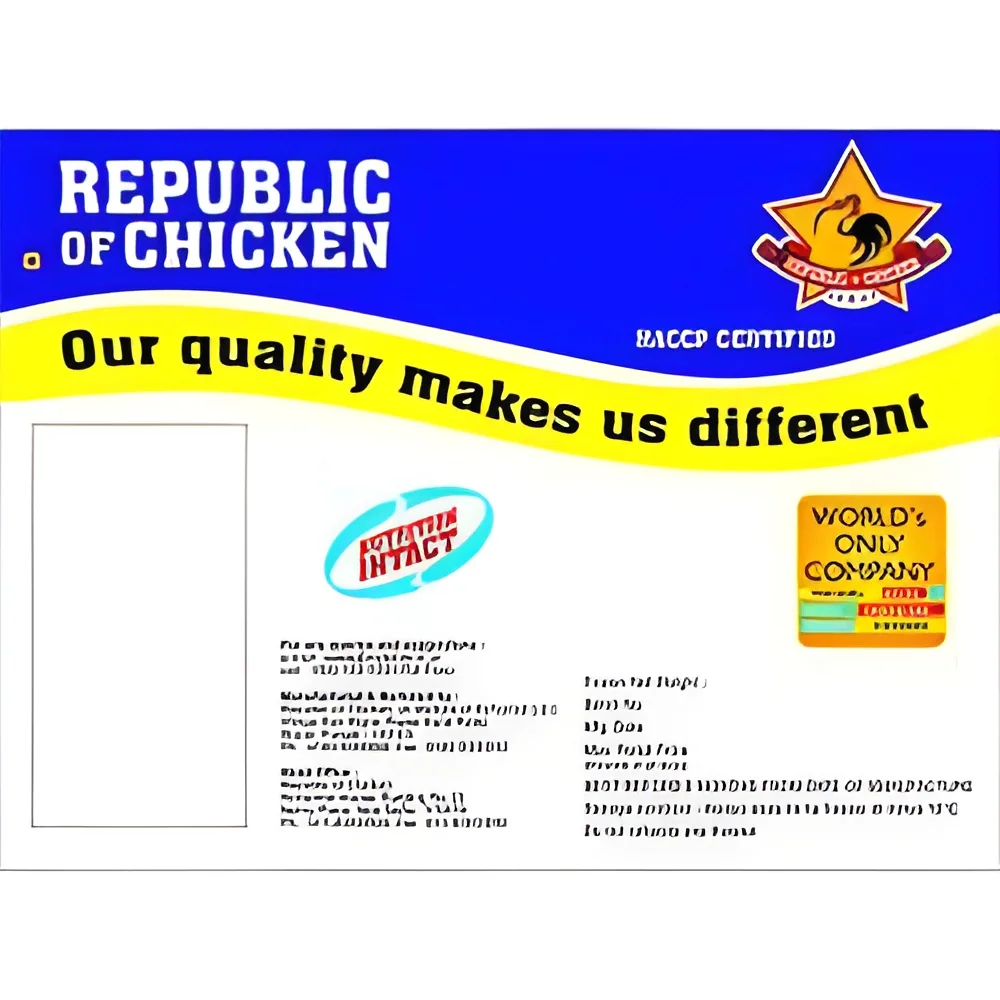
HACCP (Hazard Analysis Critical Control Point) is particularly relevant in the food industry, ensuring that food packaging processes are safe and hygienic.
CE certification indicates that products meet European safety standards, making it crucial for products sold in the European market.
Safety and testing requirements are also critical, as packaging must withstand various conditions without compromising product integrity.
Regional compliance considerations vary, and businesses must stay informed about specific regulations in their target markets to ensure full compliance.
𝗪𝗵𝘆 𝗦𝗼𝘂𝗿𝗰𝗲 𝗩𝗮𝗰𝘂𝘂𝗺 & 𝗦𝗵𝗿𝗶𝗻𝗸 𝗣𝗮𝗰𝗸𝗮𝗴𝗶𝗻𝗴 𝗳𝗿𝗼𝗺 𝗣𝗲𝗽𝗮𝗴𝗼𝗿𝗮?
Pepagora offers a trusted platform for sourcing vacuum and shrink packaging, providing businesses with several key advantages.
Verified Supplier Network: Pepagora connects buyers with a network of verified suppliers, ensuring that all partners meet stringent quality and reliability standards. This minimizes the risk of sourcing inferior products.
Streamlined RFQ Process: The platform simplifies the request for quotation process, allowing buyers to easily compare prices and services from multiple suppliers. This efficiency helps in making informed purchasing decisions quickly.
Trade Assurance and Support: Pepagora provides buyer protection through trade assurance, ensuring that transactions are secure and that buyers receive the products as promised. This adds a layer of confidence in the purchasing process.
Regional Coverage: With a strong presence in India, the GCC, and Southeast Asia, Pepagora offers extensive regional coverage, making it easier for businesses to find local suppliers and reduce shipping costs.
By choosing Pepagora, businesses can ensure they receive high-quality vacuum and shrink packaging solutions tailored to their specific needs.

 IN
IN