What are Recyclable Shrink Materials?
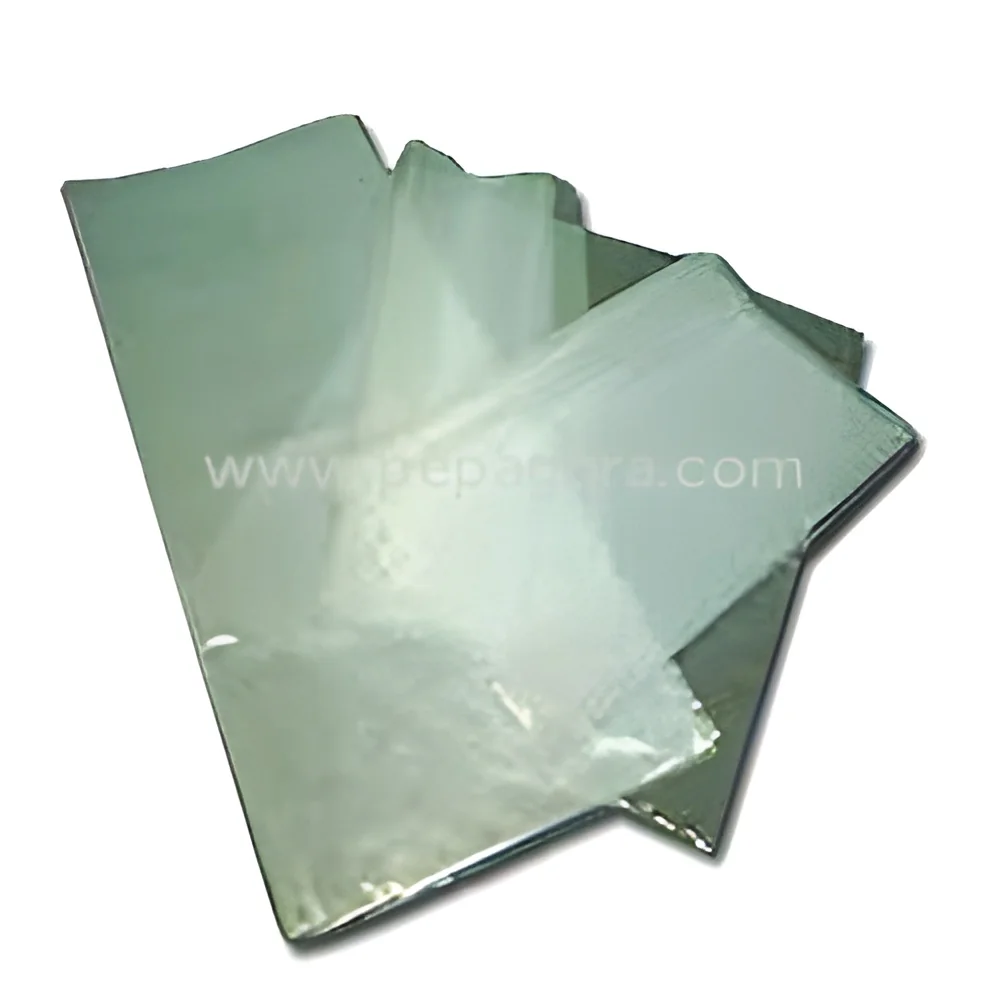
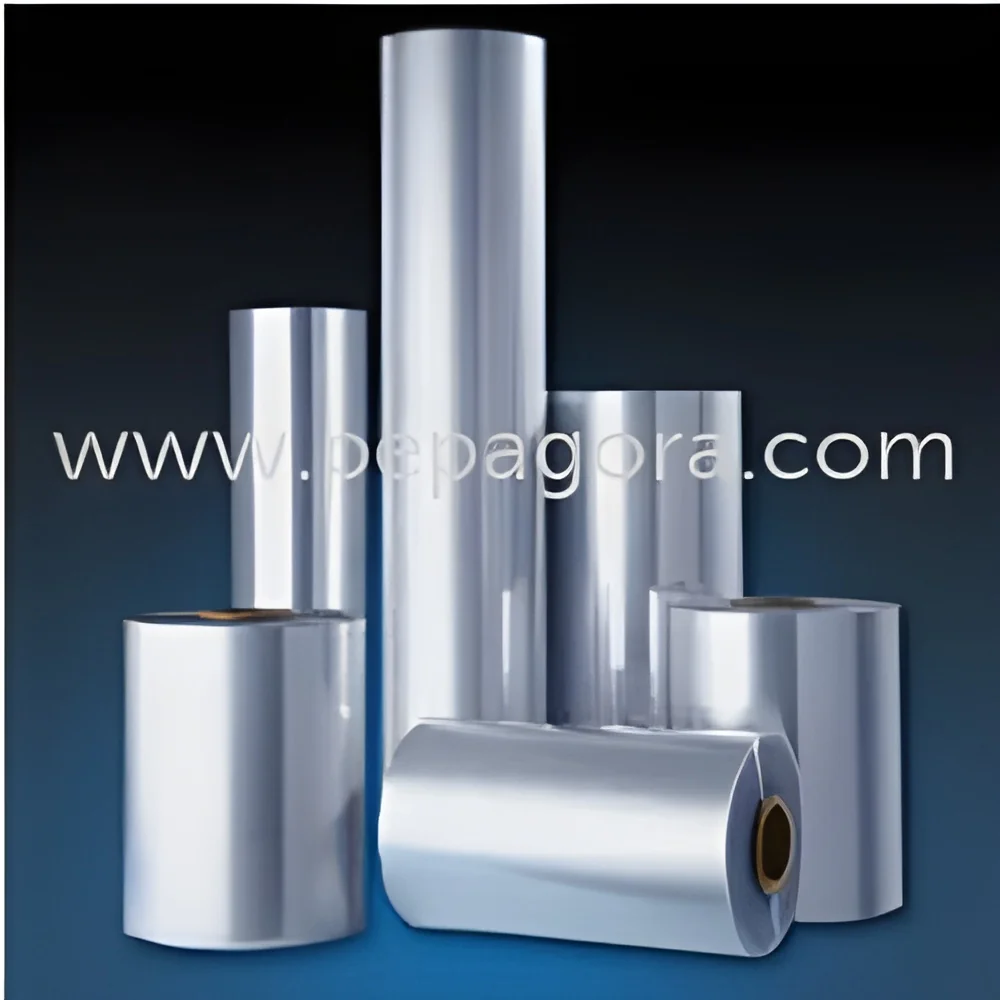
Recyclable shrink materials are specialized films made from polymers that shrink when heated, allowing them to conform tightly to the shape of the products they encase. These materials are designed to be environmentally friendly, as they can be recycled after use, reducing waste and promoting sustainability. They provide a protective barrier against moisture, dust, and mechanical damage, making them an ideal packaging solution for various industries.
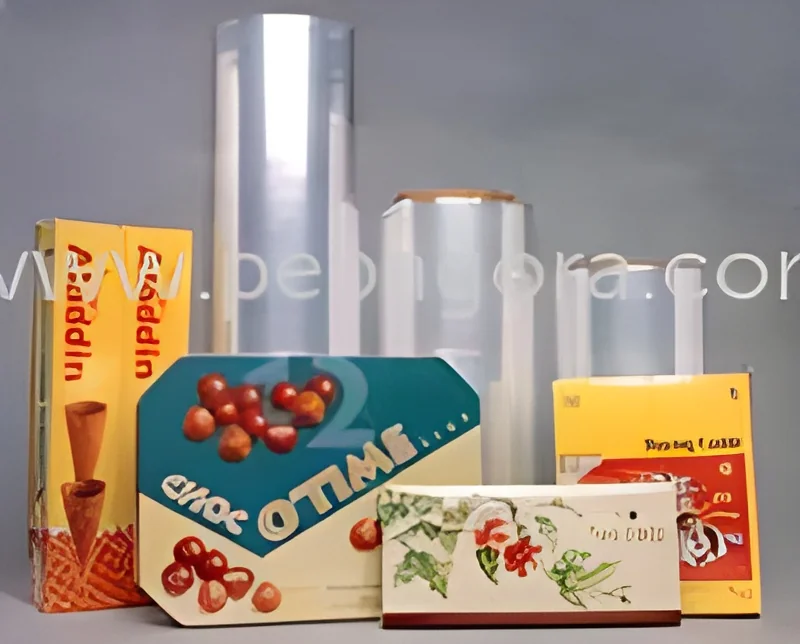
These materials are commonly used for packaging items such as beverages, food products, consumer goods, and industrial components. They offer excellent clarity, allowing for product visibility while providing a secure seal. As businesses increasingly focus on sustainability, recyclable shrink materials have gained relevance in the market, offering an eco-friendly alternative to traditional plastic packaging options. This shift is vital as companies strive to meet regulatory requirements and consumer demand for sustainable practices.
Key Features and Specifications
Recyclable shrink materials come with various features and specifications that enhance their usability in different applications. These specifications are essential for businesses to understand to select the right product for their needs.
Key specifications include:
1. Material Type
- Made from recyclable polymers such as PET or PVC.
- Ensures that the materials can be processed and reused.
2. Thickness
- Typically ranges from 30 to 100 microns.
- Affects the durability and strength of the packaging.
3. Shrink Ratio
- Commonly has a shrink ratio of up to 60%.
- Determines how much the material will shrink when exposed to heat.
4. Clarity
- Offers high optical clarity for product visibility.
- Enhances the aesthetic appeal of packaged goods.
5. Heat Resistance
- Can withstand temperatures of up to 120 degrees Celsius.
- Suitable for various heat sealing processes.
6. Seal Strength
- Provides strong seals to protect contents during transit.
- Reduces the risk of contamination or product damage.
7. Printability
- Compatible with various printing methods for branding.
- Allows for customization and product information display.
8. Compliance
- Meets industry standards for recyclability and safety.
- Ensures adherence to environmental regulations.
In summary, understanding the features and specifications of recyclable shrink materials helps businesses make informed decisions about their packaging needs.
Common Applications and Use Cases
Recyclable shrink materials are versatile and cater to various industries.
1. Food and Beverage: These materials are widely used in food packaging, providing a protective layer that extends shelf life and maintains freshness. They are suitable for both single and multipack beverages.
2. Consumer Electronics: Recyclable shrink materials are ideal for packaging electronic items, as they provide a snug fit and protect against dust and moisture, ensuring that products reach consumers in pristine condition.
3. Retail Products: Many retail items, including toys and household goods, benefit from shrink packaging, which enhances product presentation while providing security against tampering.
4. Pharmaceuticals: In the pharmaceutical sector, recyclable shrink materials are used to package medication and medical devices, ensuring safety and compliance with health regulations.
5. Industrial Components: These materials are suitable for packaging mechanical parts and tools, offering protection during storage and transportation.
6. E-commerce: As online shopping grows, recyclable shrink materials are increasingly used for shipping products, ensuring they arrive safely and securely.
7. Personal Care Products: The beauty and personal care industry utilizes shrink materials for packaging bottles and jars, enhancing shelf appeal while ensuring product integrity.
Product Variants and Subcategories
Recyclable shrink materials are available in various forms to cater to specific needs.
Standard Shrink Film
This variant is commonly used for general packaging applications. It provides excellent clarity and seal strength, making it suitable for a wide range of products.
Colored Shrink Film
Colored options are available for branding purposes. This variant allows businesses to create visually appealing packaging that stands out on store shelves.
Heavy-Duty Shrink Film
Designed for industrial applications, heavy-duty options offer superior strength and durability, making them ideal for large and heavy items.
Custom-Printed Shrink Film
Businesses can opt for custom printing on shrink films, allowing them to showcase branding and product information directly on the packaging.
Benefits and Advantages
Recyclable shrink materials offer several key benefits that appeal to businesses looking for effective packaging solutions.
1. Environmental Sustainability: These materials contribute to reducing plastic waste and promoting recycling, aligning with global sustainability goals.
2. Cost-Effectiveness: By minimizing material use and optimizing shipping space, recyclable shrink materials can lower overall packaging costs.
3. Enhanced Protection: The snug fit of shrink materials protects products from external elements, reducing damage during transit.
4. Improved Shelf Life: Shrink packaging helps extend the shelf life of products by providing a barrier against moisture and contaminants.
5. Customization Options: Businesses can customize shrink films with branding and product information, enhancing market appeal.
6. Versatility: Recyclable shrink materials can be utilized across various industries, making them a flexible packaging solution.
Buying Guide for B2B Buyers
When sourcing recyclable shrink materials, it is essential for buyers to consider several factors to ensure they select the right product.
1. Quality Assessment: Evaluate the quality of shrink materials by checking their certifications and compliance with industry standards. Look for materials that are tested for durability and performance.
2. Supplier Verification: Vet suppliers by reviewing their reputation, customer feedback, and delivery history. A reliable supplier will provide consistent quality and timely service.
3. Pricing and MOQ: Understand the pricing structure and minimum order quantities. Compare costs among different suppliers to find the best deal while ensuring quality.
4. Delivery and Lead Times: Consider logistics, including delivery times and shipping costs. Ensure that suppliers can meet your required timelines.
5. Compliance Requirements: Be aware of relevant regulatory requirements for packaging materials in your region. Ensure that suppliers provide materials that meet these standards.
Compliance and Certifications
Recyclable shrink materials must adhere to several quality standards and regulations to ensure safety and environmental compliance.
ISO 9001 is a widely recognized standard that requires manufacturers to maintain quality management systems. This ensures consistent quality in production processes.
HACCP (Hazard Analysis and Critical Control Points) is essential in the food industry, ensuring that packaging materials do not pose any health risks. Compliance with HACCP is necessary for any materials used in food packaging.
CE certification indicates that products meet European safety standards. This is particularly important for businesses exporting to or operating in Europe.
Safety and testing requirements are crucial for ensuring that recyclable shrink materials do not leach harmful substances into packaged goods. Manufacturers should conduct thorough testing to meet these safety standards.
Regional compliance considerations may vary, so it is essential for businesses to stay informed about local regulations regarding recyclable materials and packaging.
Why Source Recyclable Shrink Materials from Pepagora?
Pepagora provides a trusted platform for sourcing recyclable shrink materials with several key advantages that benefit B2B buyers.
Verified Supplier Network: Pepagora features a comprehensive network of verified suppliers, ensuring that buyers can find reliable sources for high-quality recyclable shrink materials. Each supplier undergoes strict vetting to guarantee trustworthiness.
Streamlined RFQ Process: The platform simplifies the request for quotation (RFQ) process, allowing buyers to quickly and easily compare offers from different suppliers. This efficiency helps businesses save time and find the best pricing options.
Trade Assurance and Support: Pepagora offers trade assurance and buyer protection, ensuring that transactions are secure. Buyers can have peace of mind knowing that their purchases are protected.
Regional Coverage: Pepagora operates across India, the GCC, and Southeast Asia. This extensive geographic reach allows businesses to access a wide range of suppliers and products, catering to various regional needs and preferences.

 IN
IN