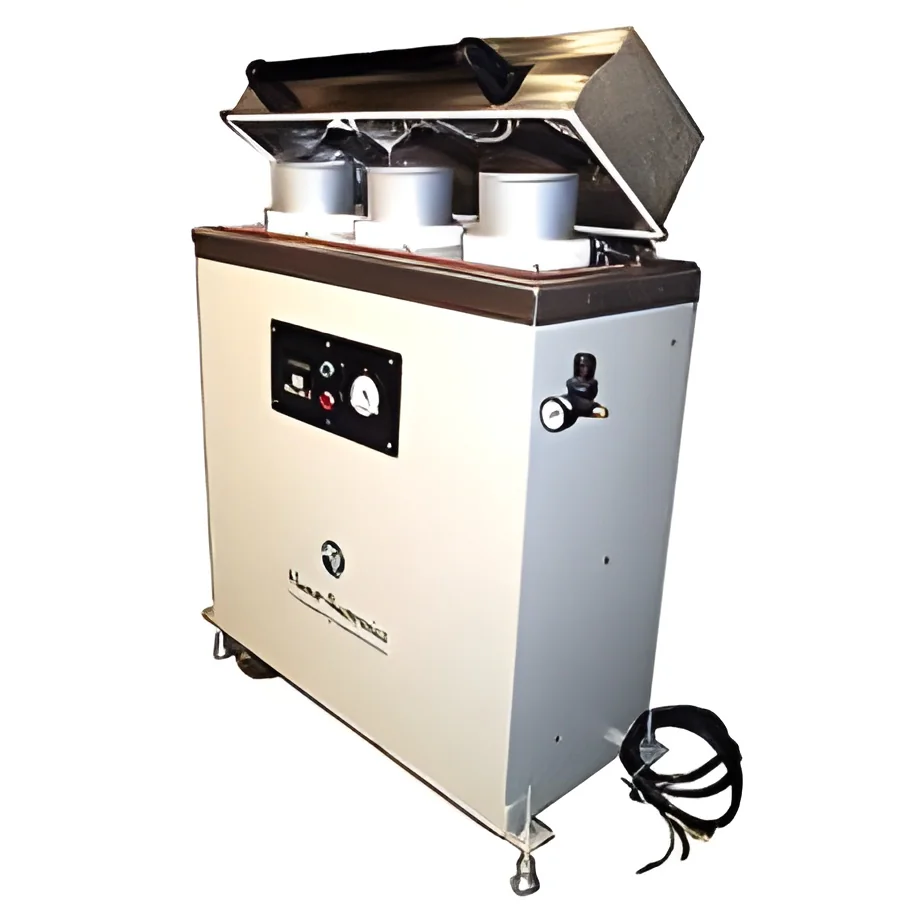
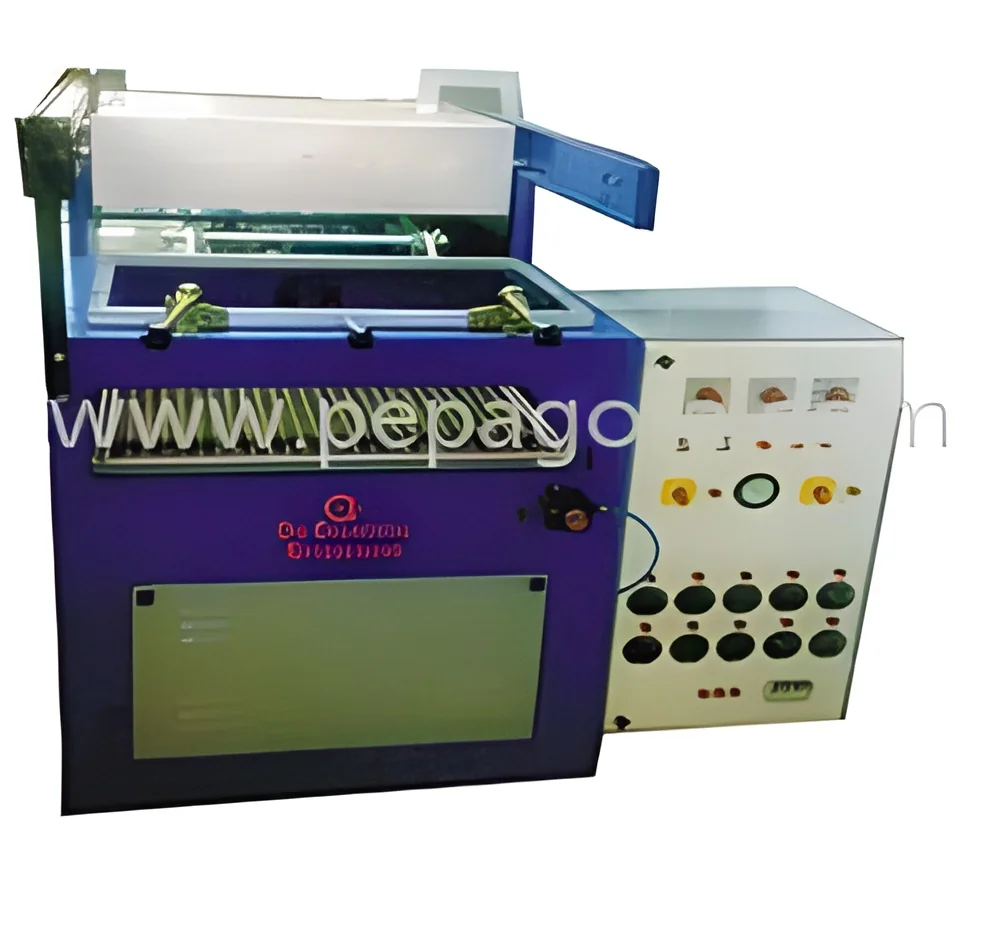
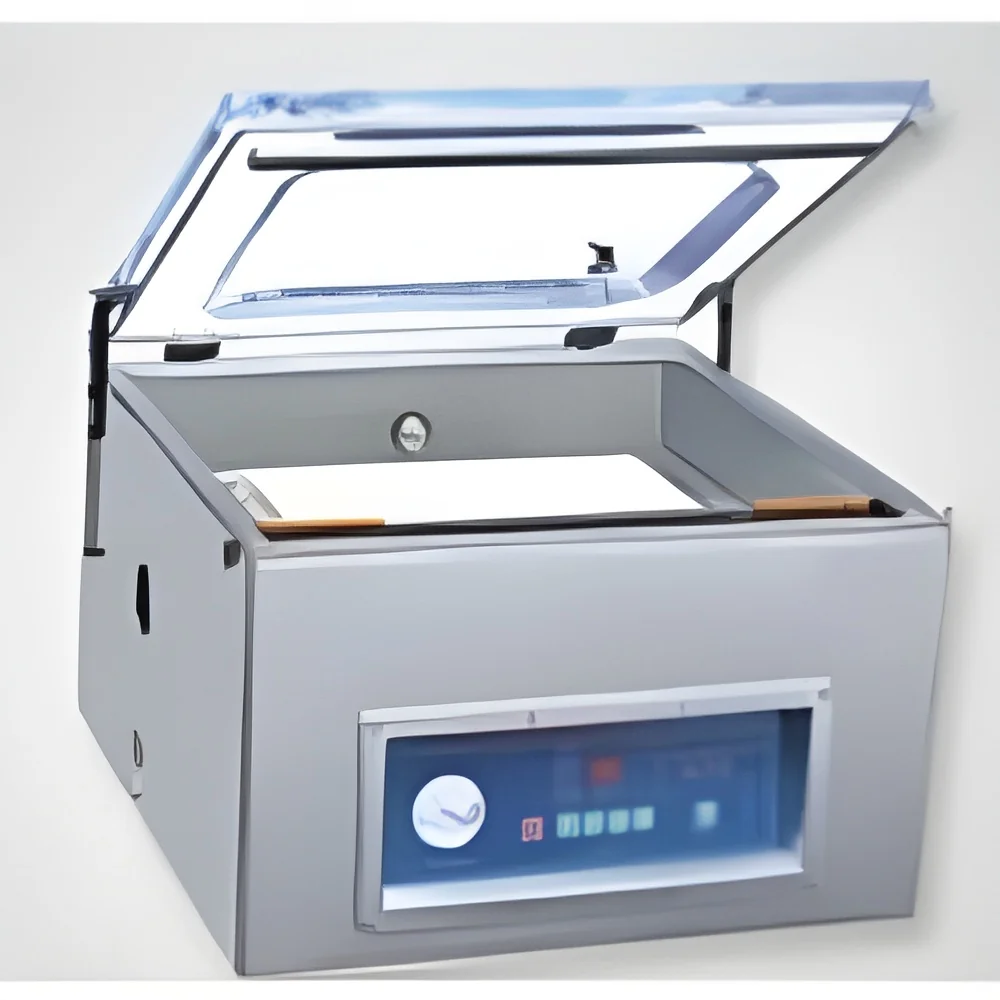
What are Thermoforming Vacuum Packaging Machines?
Thermoforming vacuum packaging machines are specialized equipment designed to package products by forming plastic materials around the items to be packed, then sealing the package in a vacuum environment. This process involves heating a plastic sheet until it becomes pliable, forming it over a mold, and then applying vacuum pressure to remove air and seal the package. The result is a tightly sealed package that preserves product freshness, extends shelf life, and provides an appealing presentation.
These machines are primarily used in industries such as food processing, pharmaceuticals, and electronics. In the food industry, they are utilized for packaging perishable goods like meats, cheeses, and vegetables, ensuring that these products remain fresh during transportation and storage. In pharmaceuticals, thermoforming vacuum packaging helps to maintain the integrity of sensitive medicines. The versatility of these machines makes them essential in various sectors, helping businesses meet consumer demands for quality and safety.
As the global market for packaged goods continues to grow, thermoforming vacuum packaging machines are increasingly relevant. Their ability to enhance product longevity and reduce waste plays a crucial role in the sustainability efforts of many industries. As more businesses seek efficient packaging solutions, these machines offer a combination of reliability and performance that can meet diverse packaging needs.
Key Features and Specifications
Thermoforming vacuum packaging machines come with a range of features aimed at enhancing efficiency and product integrity. These specifications are critical for businesses looking to optimize their packaging processes.
Key specifications include:
1. Forming Area
- The size of the area where the plastic is formed over the product
- Typically ranges from small desktop models to large industrial machines
2. Vacuum Pressure
- The level of vacuum achieved during packaging
- Usually between 20 to 30 inches of mercury
3. Cycle Time
- The time taken for one complete packaging cycle
- Generally ranges from 5 to 15 seconds depending on machine specifications
4. Material Compatibility
- Types of plastic materials that can be used
- Commonly compatible materials include PVC, PET, and PE
5. Control System
- Type of control interface for operating the machine
- Can vary from manual controls to advanced touchscreen interfaces
6. Heating System
- Method of heating the plastic sheet for forming
- May use infrared, convection, or direct contact heating methods
7. Sealing Mechanism
- Type of sealing used to secure the package
- Options include heat sealing or impulse sealing
8. Energy Efficiency
- Power consumption and energy-saving features
- Most modern machines are designed to minimize energy use
In summary, understanding these features and specifications is crucial for businesses considering the purchase of thermoforming vacuum packaging machines. They provide insight into the capabilities and efficiencies that can be achieved in the packaging process.
Common Applications and Use Cases
Thermoforming vacuum packaging machines serve a wide range of industries due to their adaptability and efficiency.
1. Food Industry: These machines are widely used for packaging meats, cheeses, fruits, and vegetables. They help in extending shelf life and maintaining freshness, which is vital for consumer safety and satisfaction.
2. Pharmaceutical Industry: In pharmaceuticals, thermoforming vacuum packaging is essential for packaging tablets, capsules, and medical devices. The vacuum sealing ensures that the integrity of sensitive products is maintained, preventing contamination.
3. Electronics Industry: For electronic components, these machines provide protective packaging that prevents damage from moisture and dust. Vacuum sealing helps in preserving the quality of sensitive electronic parts during transport.
4. Automotive Sector: Thermoforming vacuum packaging is used for packaging automotive parts, ensuring they are secure and protected from environmental factors during shipping.
5. Consumer Goods: Many consumer goods, including cosmetics and household items, benefit from vacuum packaging. This method enhances product presentation and helps in reducing waste.
6. Industrial Products: Various industrial components, such as tools and machinery parts, can be efficiently packaged using thermoforming vacuum technology, ensuring safe delivery to clients.
7. Retail Packaging: Retailers use these machines to create appealing packaging for products displayed on shelves, enhancing visual appeal and prolonging shelf life.
Product Variants and Subcategories
Thermoforming vacuum packaging machines come in various models and configurations to meet specific needs.
Standard Model
This model is designed for general-purpose applications and is suitable for small to medium-sized production runs. It offers basic features while ensuring reliability and efficiency in packaging.
High-Speed Model
Aimed at high-volume production environments, this variant offers faster cycle times and advanced automation features. It is ideal for industries that require rapid packaging solutions without compromising quality.
Compact Model
Designed for businesses with limited space, the compact model provides essential packaging capabilities in a smaller footprint. It is perfect for small businesses or those with lower production needs.
Customizable Model
This variant allows for customization based on specific packaging requirements. It offers flexibility in terms of size, sealing techniques, and control systems, catering to unique business needs.
Benefits and Advantages
Investing in thermoforming vacuum packaging machines presents several benefits for businesses.
1. Enhanced Product Shelf Life: Vacuum sealing removes air, which helps preserve the freshness of food and other perishable items for a longer period.
2. Cost Efficiency: By reducing spoilage and waste, businesses can save on costs related to product losses. Efficient packaging also speeds up production processes.
3. Improved Aesthetics: Thermoformed packages provide an attractive presentation, enhancing the appeal of products on the shelf and increasing customer interest.
4. Versatility: These machines can be used across various industries and can handle different types of products, making them a versatile choice for manufacturers.
5. Reduced Environmental Impact: By extending product life and minimizing waste, thermoforming vacuum packaging machines contribute to more sustainable business practices.
6. Safety and Hygiene: The vacuum packaging process helps in maintaining product safety and hygiene, which is crucial, especially in the food and pharmaceutical industries.
Buying Guide for B2B Buyers
When sourcing thermoforming vacuum packaging machines, several key factors should be considered to ensure a suitable purchase.
1. Quality Assessment: Evaluate the build quality and reliability of the machine. Look for machines that meet recognized standards and have a proven track record in the industry.
2. Supplier Verification: Conduct due diligence on potential suppliers. Check for their reputation, customer reviews, and their ability to provide support and service.
3. Pricing and MOQ: Understand the pricing structure and the minimum order quantity (MOQ) required. Compare quotes from different suppliers to get the best deal.
4. Delivery and Lead Times: Assess the logistics involved in delivery. Ensure that the supplier can meet your timeline requirements for production.
5. Compliance Requirements: Be aware of any regulatory compliance and certifications necessary for the products to be packaged. This is particularly important in the food and pharmaceutical sectors.
Compliance and Certifications
Compliance and certification are essential aspects of thermoforming vacuum packaging machines. Manufacturers must adhere to relevant quality standards such as ISO 9001, which ensures quality management systems are in place.
Additionally, compliance with HACCP (Hazard Analysis Critical Control Point) standards is crucial in the food industry to ensure food safety through effective hazard management.
CE certification indicates that the machines meet EU safety, health, and environmental protection requirements. This is particularly important for businesses looking to market their products in Europe.
Safety and testing requirements are also critical to ensure that machines operate safely and efficiently. Regular testing and adherence to safety regulations help prevent accidents and ensure product integrity.
Regional compliance considerations may vary, so it is vital for businesses to be aware of local regulations regarding packaging materials and processes.
Why Source Thermoforming Vacuum Packaging Machines from Pepagora?
Pepagora provides a trusted platform for sourcing thermoforming vacuum packaging machines, offering several key advantages for businesses.
Verified Supplier Network: Pepagora features a robust network of verified suppliers, ensuring that buyers can find reliable manufacturers who meet their quality and service expectations. This verification process helps mitigate risks associated with sourcing.
Streamlined RFQ Process: The request for quotation (RFQ) process on Pepagora is designed to be user-friendly and efficient. Buyers can quickly submit their requirements and receive competitive quotes from multiple suppliers, saving time and effort.
Trade Assurance and Support: Buyers on Pepagora benefit from trade assurance policies that protect their purchases. This includes support for any issues that may arise during the transaction, ensuring peace of mind throughout the procurement process.
Regional Coverage: Pepagora's platform extends across various regions, including India, the GCC, and Southeast Asia. This broad geographic reach allows businesses to connect with suppliers that best meet their logistical and operational needs, facilitating smoother transactions.

 IN
IN