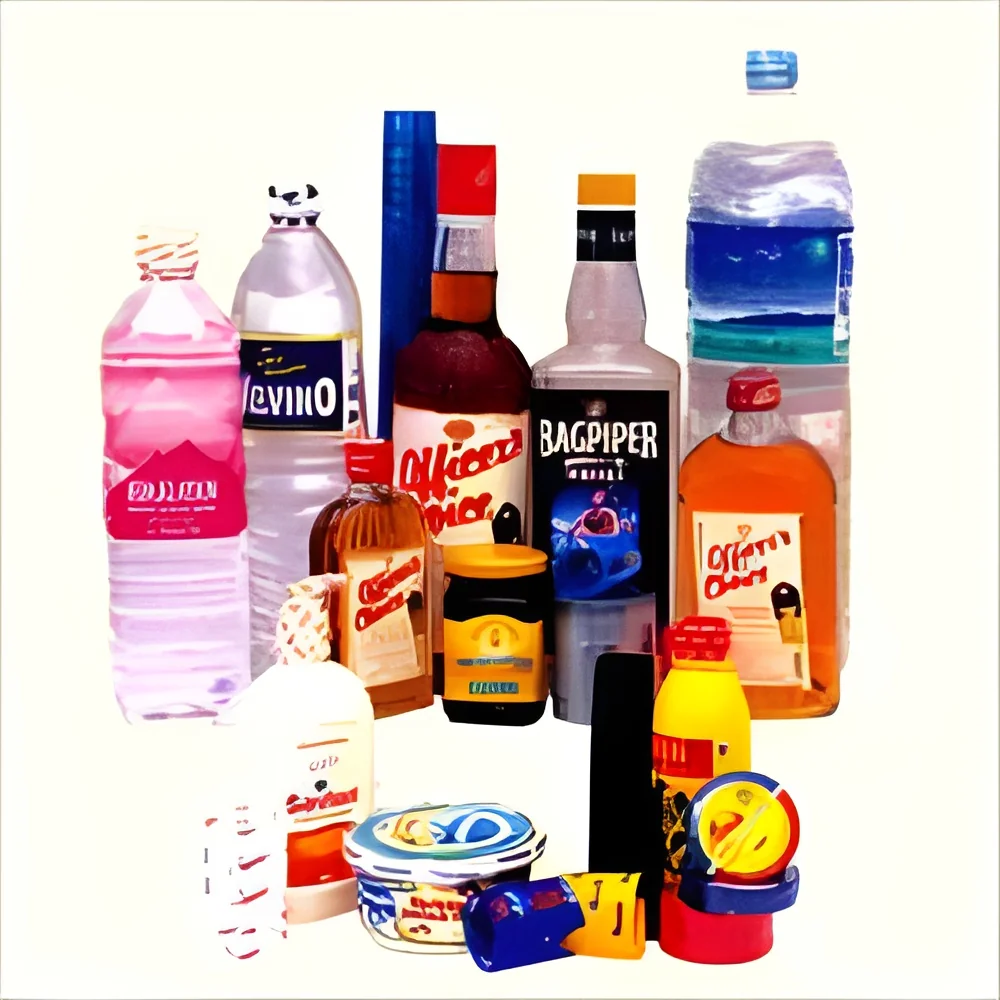
What are Shrink Sleeves?
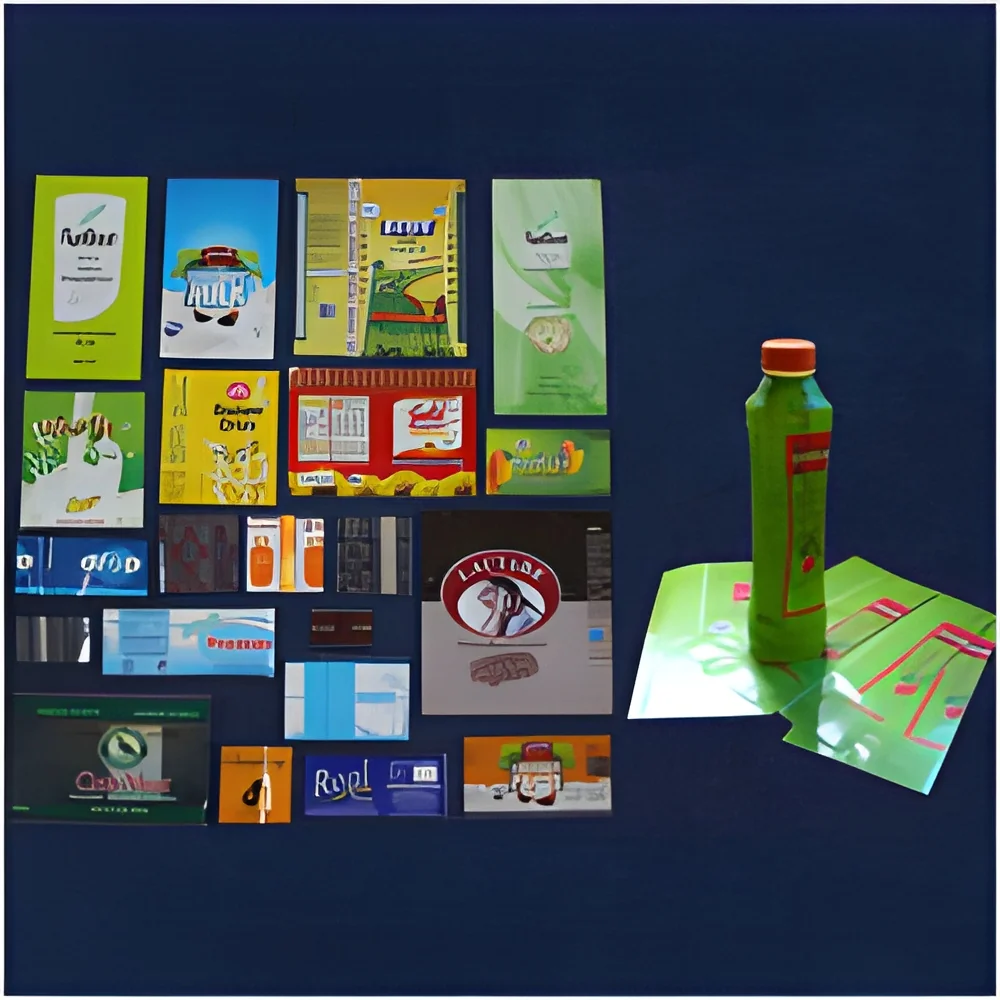
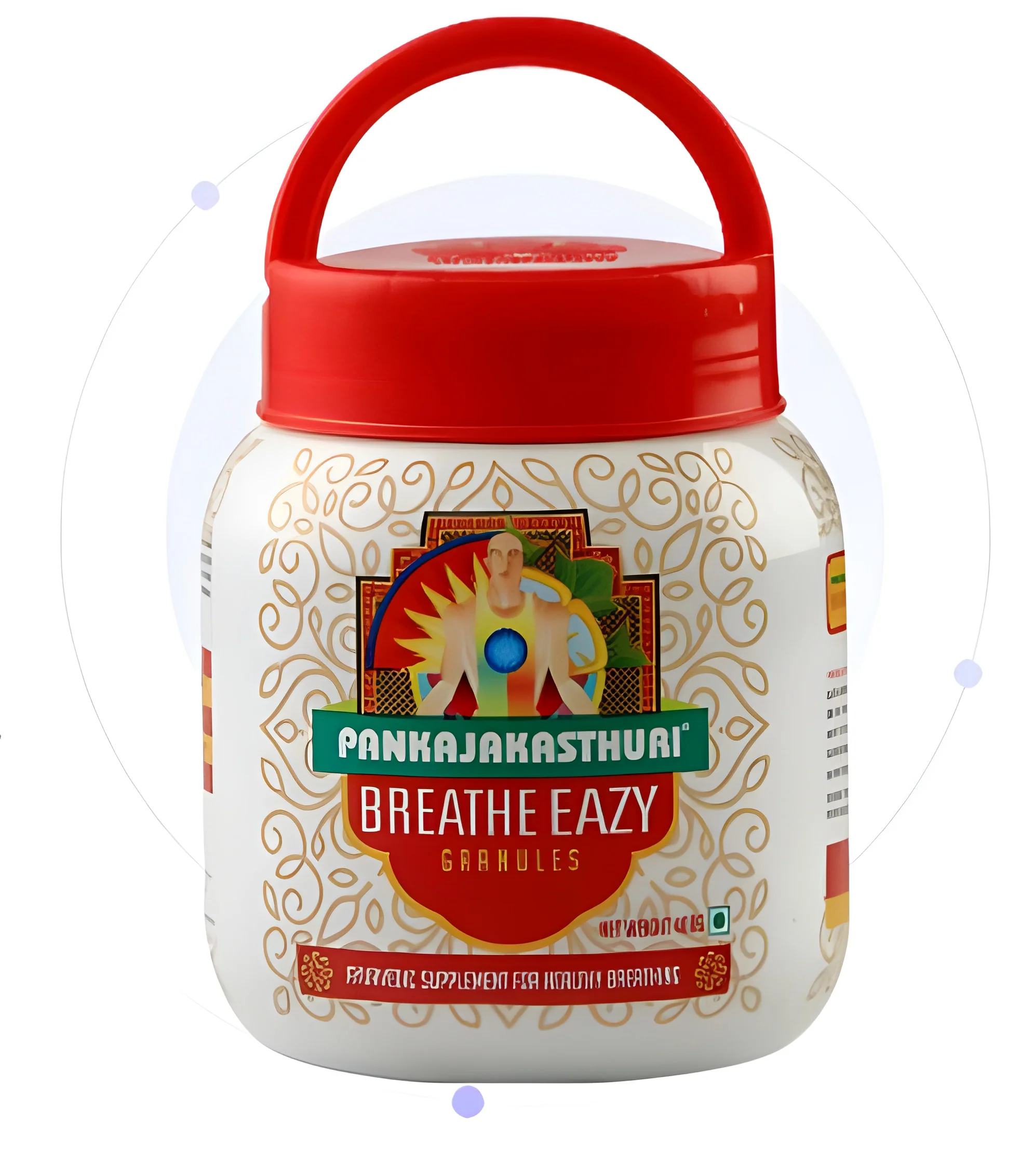
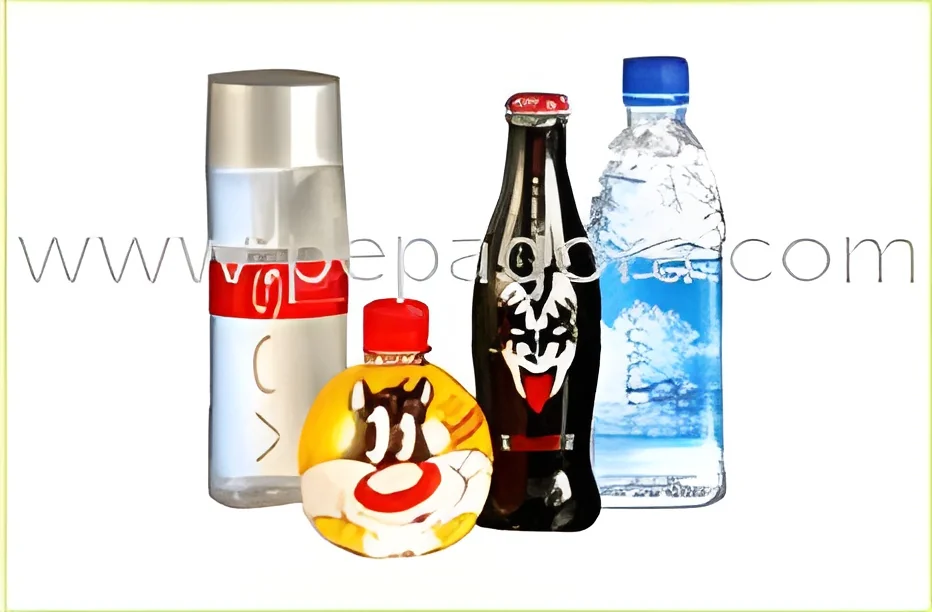
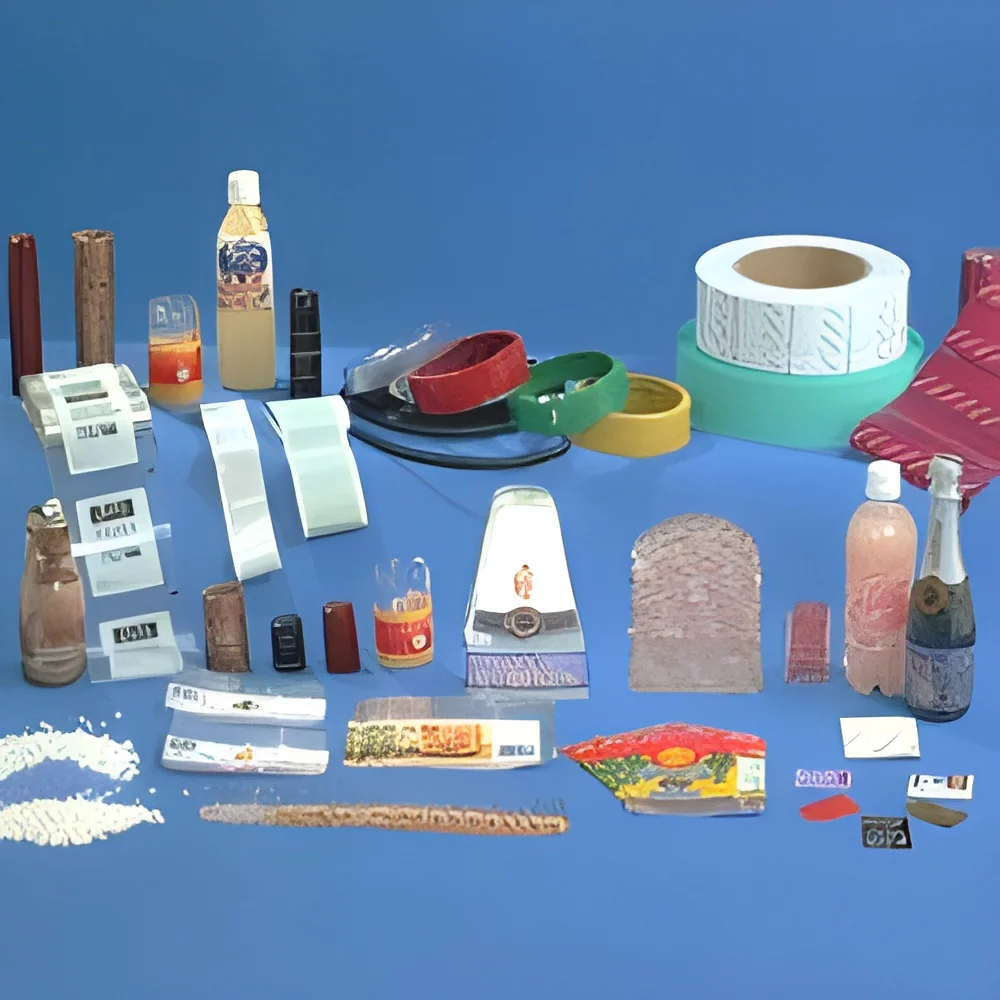
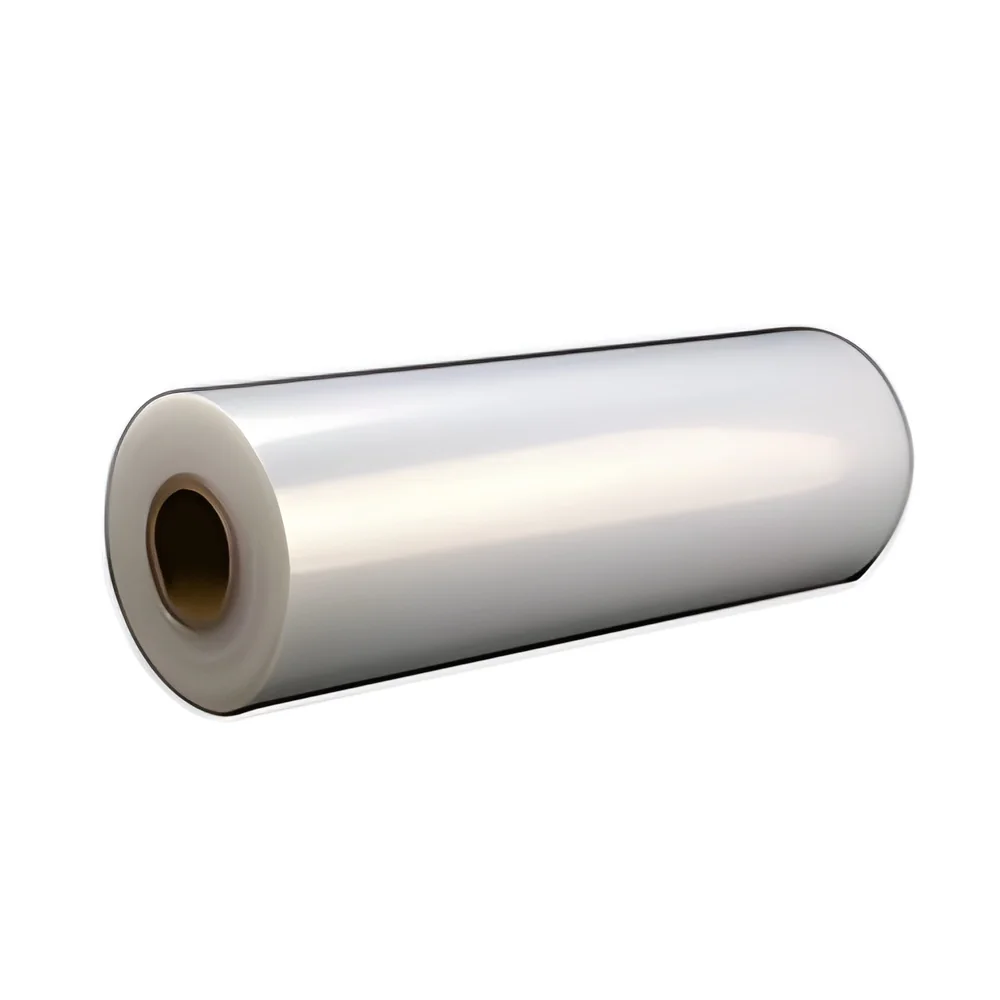
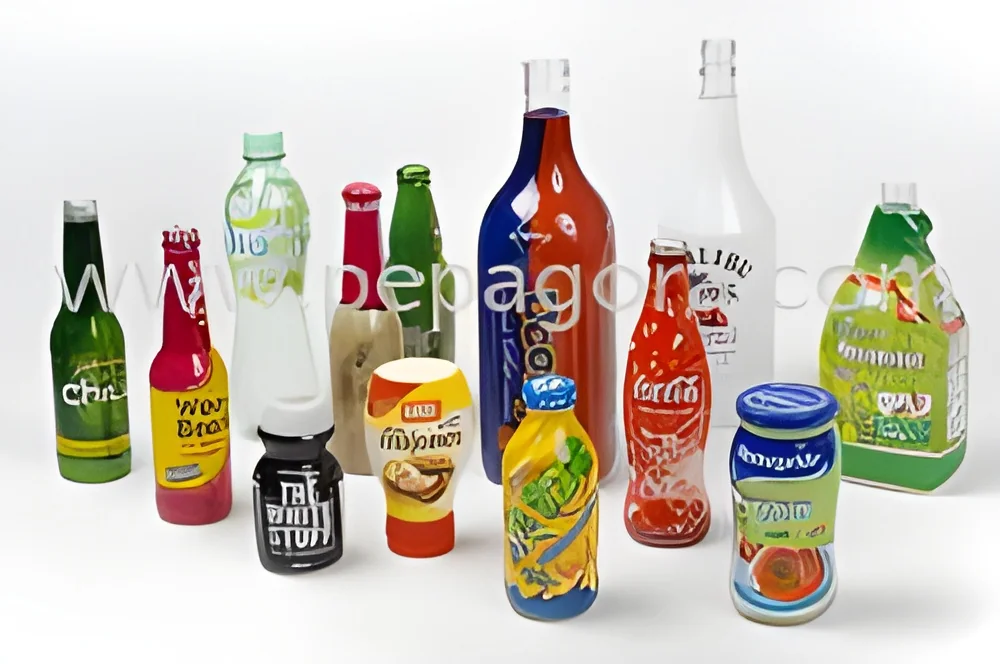
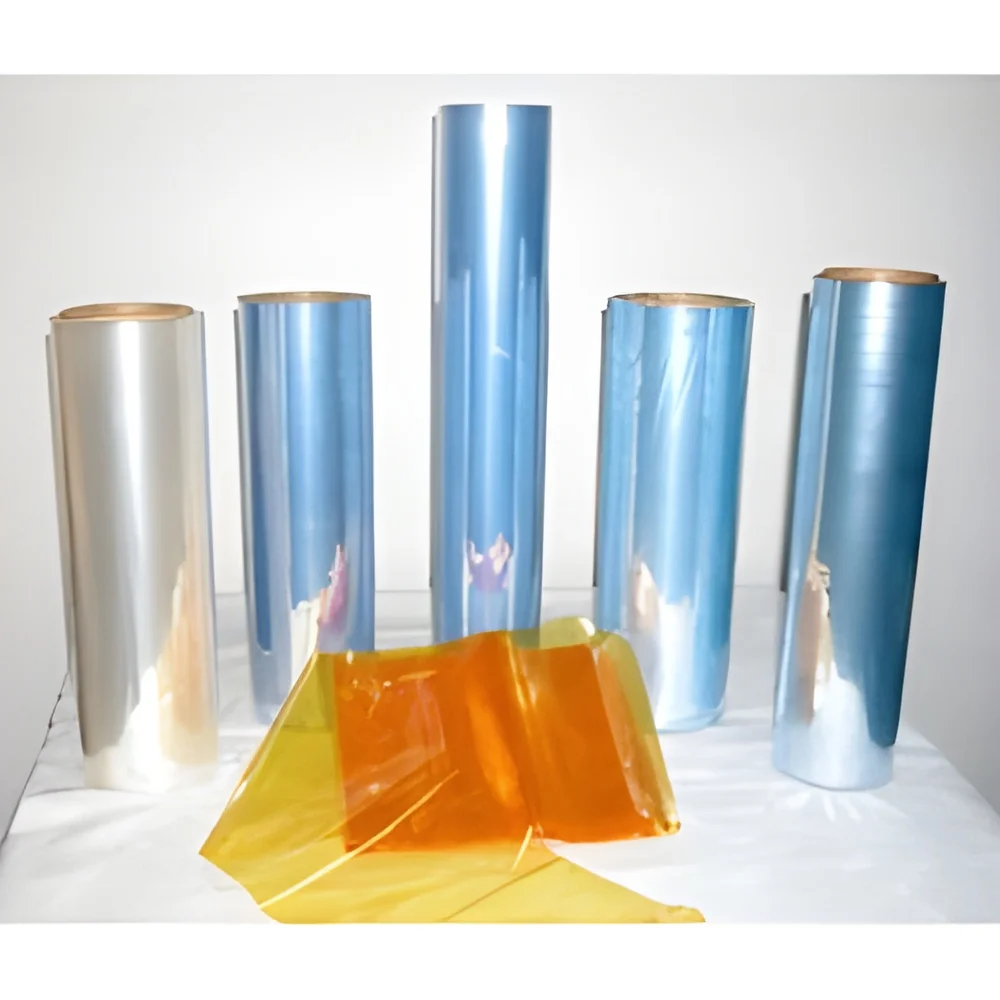
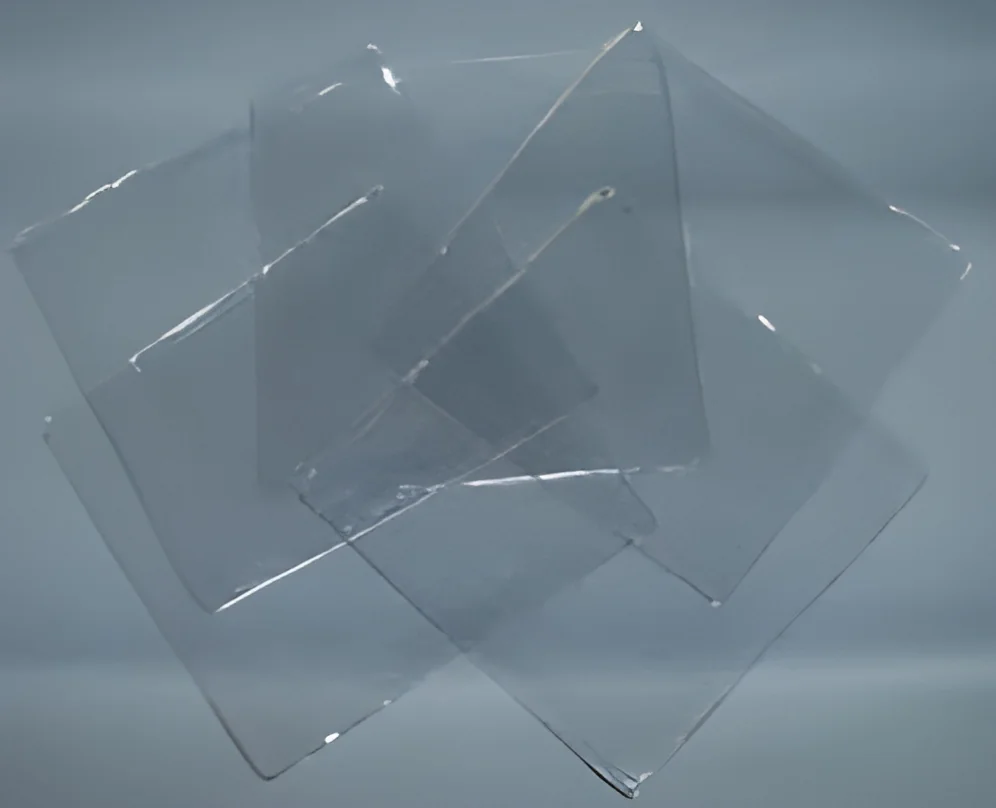
Shrink sleeves are flexible, plastic materials that shrink tightly around objects when heated. They are typically made from materials such as polyolefin, PVC, or PETG. When applied to products, shrink sleeves provide a secure fit, enhancing both protection and presentation. This process involves using heat to contract the sleeve, allowing it to conform to the shape of the underlying product, which can range from bottles and cans to boxes and industrial components.
Shrink sleeves have a wide array of applications across different industries. They are commonly used for labeling, bundling, and protecting products. In the food and beverage industry, shrink sleeves are often used for branding and tamper-evidence purposes. Additionally, they serve as a protective layer for products during shipping and storage. The flexibility and versatility of shrink sleeves make them relevant in various sectors, from consumer goods and pharmaceuticals to electronics and automotive industries.
Key Features and Specifications
Shrink sleeves are characterized by several key features that enhance their functionality and performance. Understanding these specifications is crucial for businesses looking to implement shrink sleeve solutions effectively.
Key specifications include:
1. Material Type
- Common materials include polyolefin, PVC, and PETG.
- Each material offers different levels of clarity, durability, and shrink ratios.
2. Shrink Ratio
- Typical shrink ratios range from 40% to 60%.
- This ratio determines how tightly the sleeve conforms to the product.
3. Thickness
- Thickness commonly varies from 30 to 100 microns.
- Thicker sleeves provide better protection but may require more heat to shrink.
4. Printing Capabilities
- Options for flexographic or digital printing.
- Allows for high-quality graphics and branding on the sleeve.
5. Temperature Resistance
- Designed to withstand a range of temperatures during application.
- Ensures the sleeve maintains integrity throughout its lifecycle.
6. Compliance Standards
- Must adhere to relevant safety and regulatory standards.
- Certifications may include CE marking for specific applications.
In summary, the selection of shrink sleeves should consider material types, shrink ratios, and compliance with industry standards to ensure optimal performance.
Common Applications and Use Cases
Shrink sleeves are utilized in various industries, offering versatility and functionality.
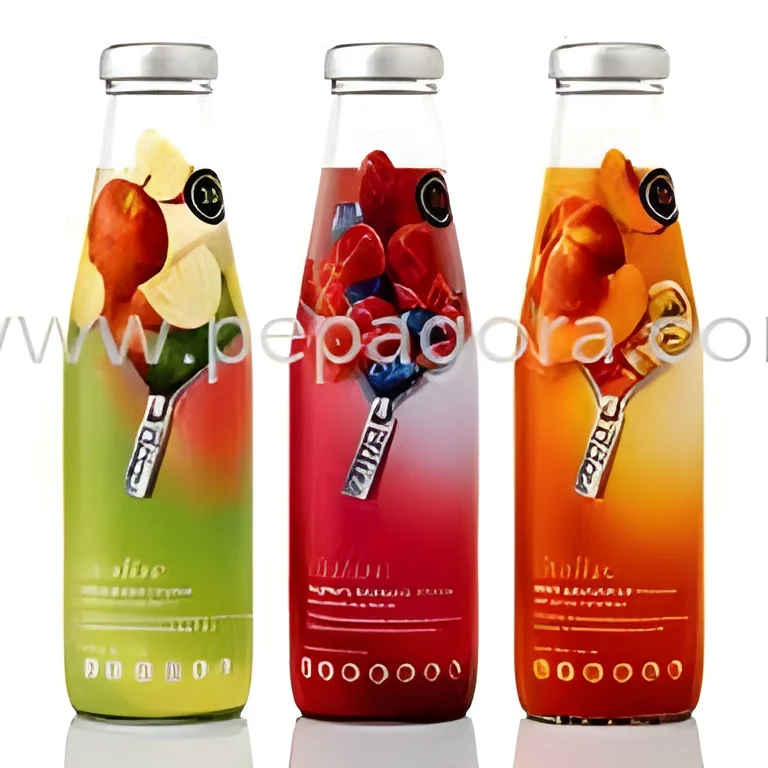
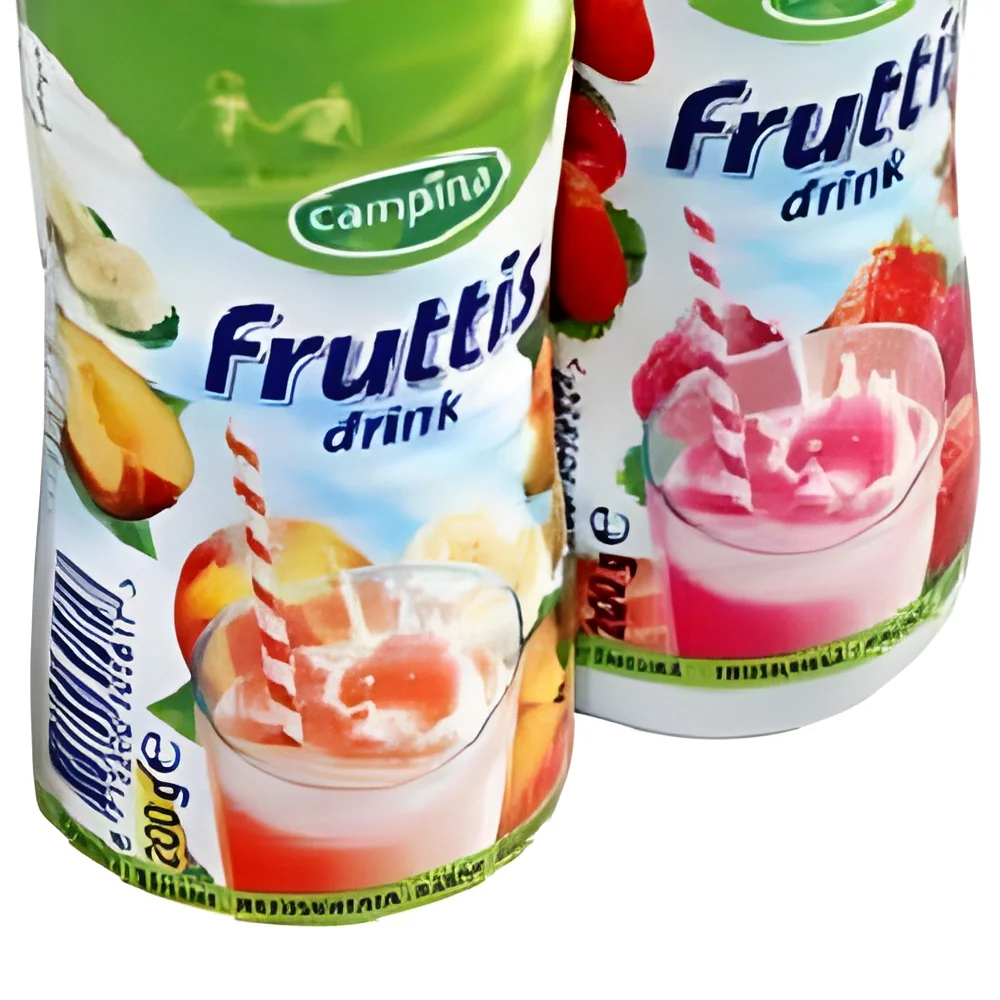
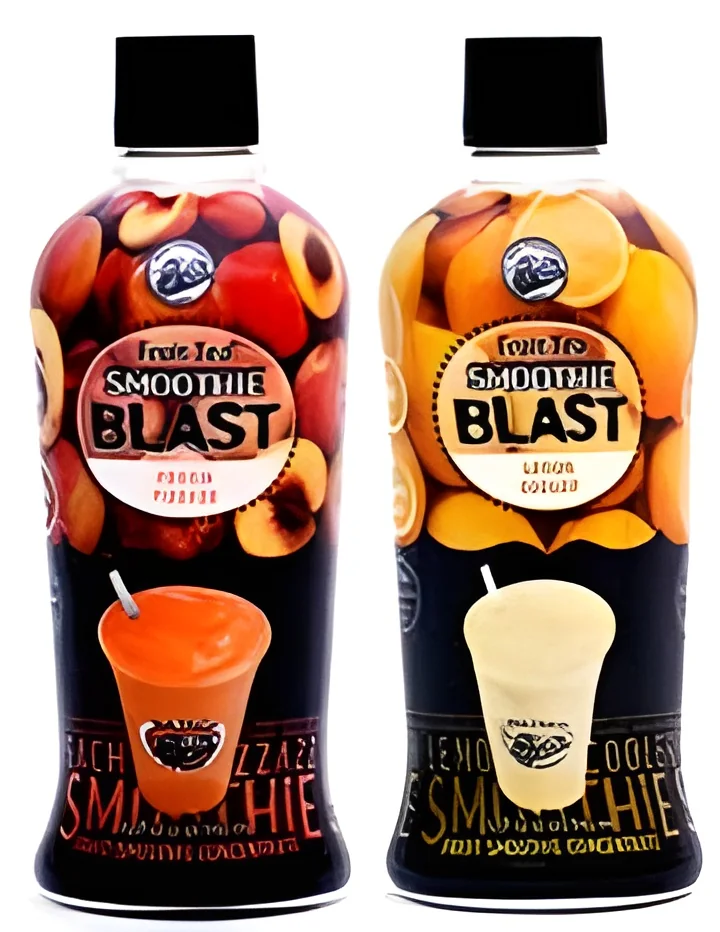
1. Food and Beverage: Shrink sleeves are frequently used for labeling bottles and cans. They provide an attractive display while ensuring product freshness and tamper resistance.
2. Pharmaceuticals: In the pharmaceutical sector, shrink sleeves help with branding and regulatory compliance. They often feature tamper-evident designs to enhance safety.
3. Cosmetics: Cosmetic products benefit from shrink sleeves that offer vibrant graphics and branding. They also provide protection from contamination.
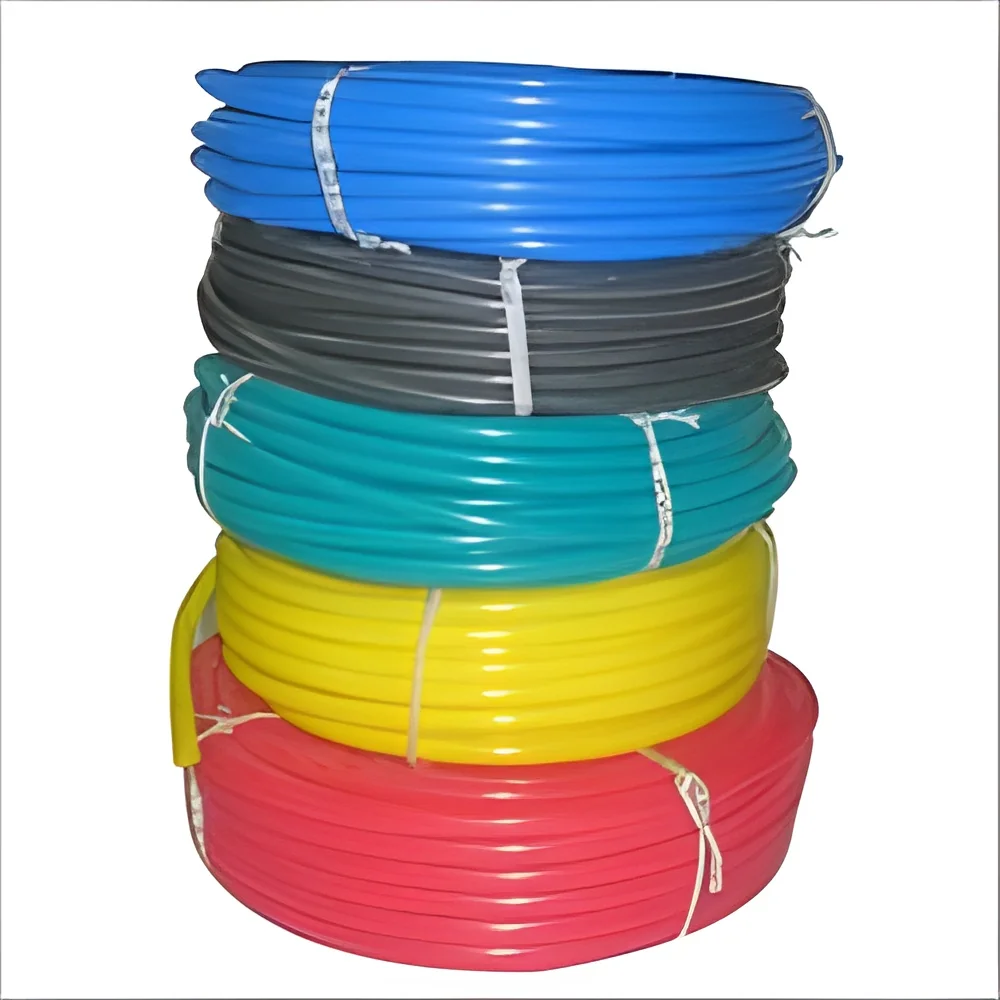
4. Electronics: Shrink sleeves are used for bundling wires and components. They protect sensitive electronics from dust and moisture.
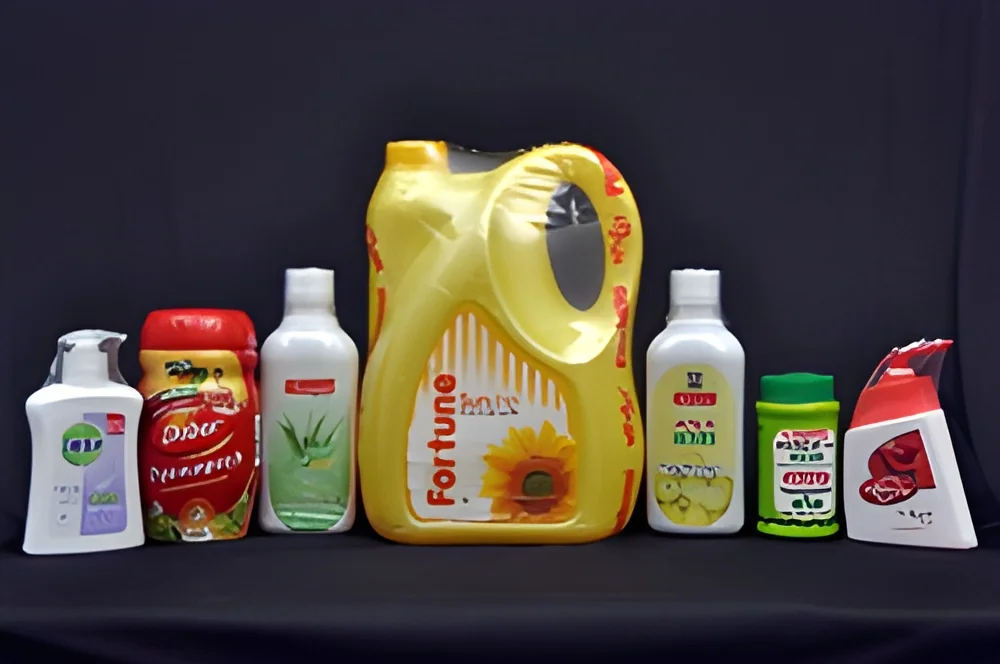
5. Household Products: Many household items, such as cleaning supplies, use shrink sleeves for branding and to offer a clear view of the product inside.
6. Automotive: In the automotive industry, shrink sleeves are employed for labeling parts and components, ensuring they remain identifiable and protected during shipping.
Product Variants and Subcategories
Shrink sleeves come in various forms to meet specific needs and applications.
Standard Shrink Sleeves
These are the most commonly used type, designed for general packaging and labeling purposes. They are versatile and can accommodate a wide range of product shapes and sizes.
Tamper-Evident Shrink Sleeves
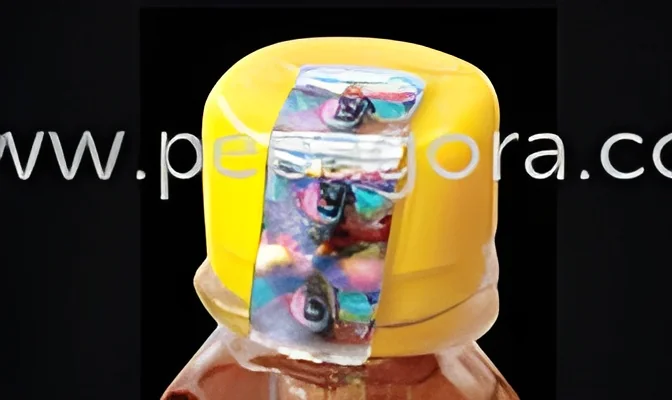
This variant includes features that indicate if a product has been tampered with. They are essential for food and pharmaceutical products, providing an added layer of security.
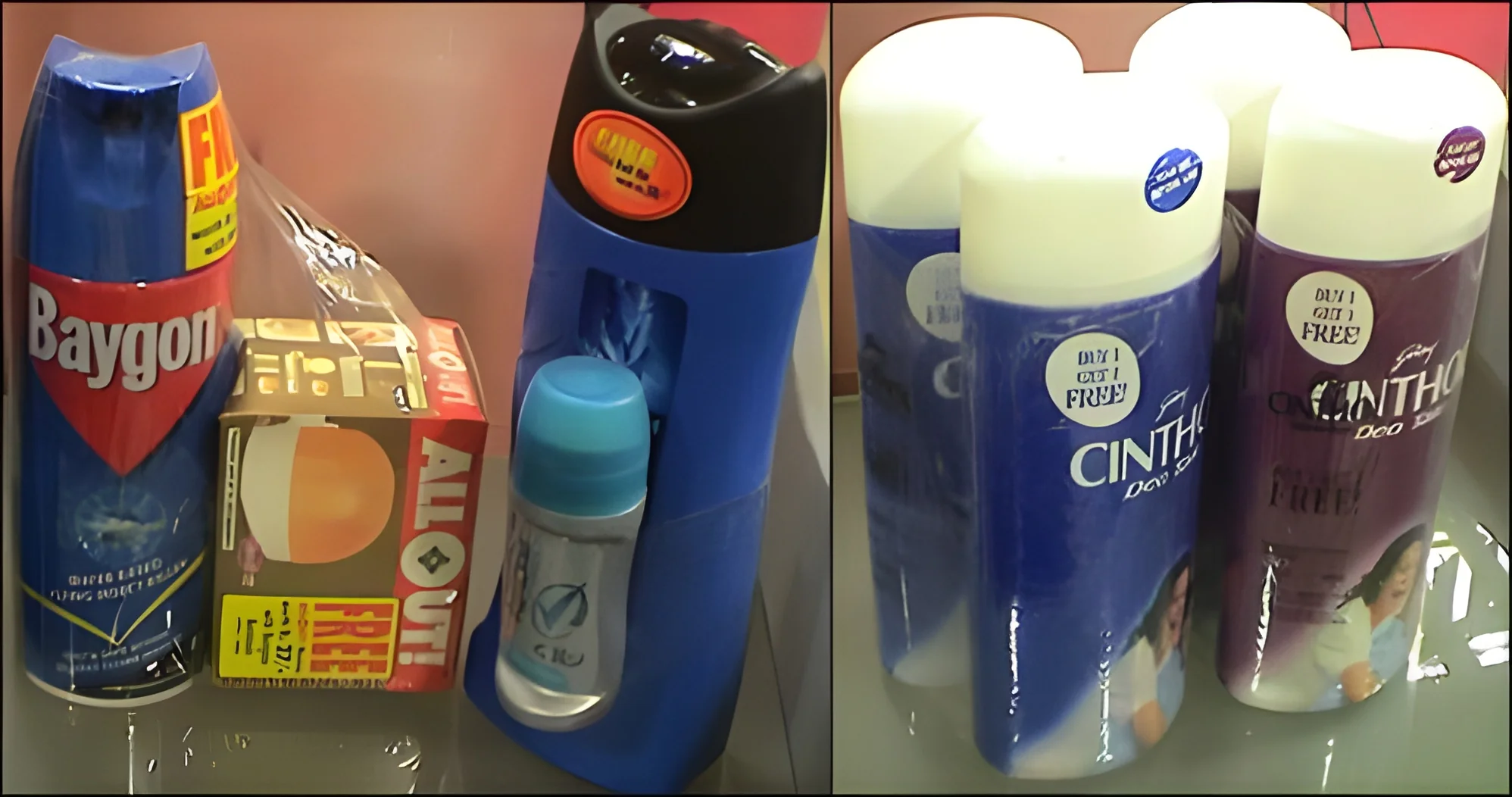
Multi-Pack Shrink Sleeves
Designed for bundling multiple products together, these sleeves are ideal for promotional packaging. They allow for easy handling and presentation of grouped items.
Custom-Printed Shrink Sleeves
These sleeves can be tailored with specific designs and branding elements. They offer businesses the opportunity to create unique packaging that stands out in the market.
Benefits and Advantages
Shrink sleeves offer numerous benefits that make them an attractive option for businesses.
1. Enhanced Branding: Shrink sleeves provide a large surface area for vibrant graphics, enhancing brand visibility and recognition.
2. Product Protection: They offer a protective barrier against moisture, dust, and tampering, ensuring product integrity during transport and storage.
3. Versatility: Shrink sleeves can be applied to various shapes and sizes, making them suitable for a wide range of products across industries.
4. Cost-Effective: Compared to traditional labels or packaging, shrink sleeves can be more economical, especially for bulk applications.
5. Easy Application: The shrinking process is straightforward, allowing for efficient packaging without complicated machinery.
6. Eco-Friendly Options: Many manufacturers offer biodegradable or recyclable shrink sleeve materials, aligning with sustainability goals.
Buying Guide for B2B Buyers
When sourcing shrink sleeves, several factors should be taken into account to ensure the right choice for your business needs.
1. Quality Assessment: Look for suppliers who provide samples to evaluate the quality of the shrink sleeves. Check for durability, clarity, and performance under heat.
2. Supplier Verification: Vet potential suppliers by reviewing their industry reputation, customer feedback, and certifications. This ensures reliability and quality assurance.
3. Pricing and MOQ: Consider the cost per unit and the minimum order quantity. Understanding pricing structures will help you manage your budget effectively.
4. Delivery and Lead Times: Inquire about logistics and expected delivery times. It's essential to align your order with your production schedule to avoid delays.
5. Compliance Requirements: Ensure that your chosen shrink sleeves meet industry-specific compliance standards. This is particularly crucial in regulated sectors like food and pharmaceuticals.
Compliance and Certifications
Compliance and certifications are integral to ensuring the safety and effectiveness of shrink sleeves. Relevant quality standards often include ISO 9001, which promotes consistent quality management systems. HACCP (Hazard Analysis Critical Control Point) is important in food packaging, ensuring safety throughout production.
Additionally, the CE mark is a certification that indicates conformity with health, safety, and environmental protection standards for products sold within the European Economic Area.
Manufacturers may also follow specific safety and testing requirements to ensure that shrink sleeves perform well under various conditions. Regional compliance considerations may vary, so understanding the regulations in your target markets is essential for successful product deployment.
Why Source Shrink Sleeves from Pepagora?
Pepagora provides a reliable platform for sourcing shrink sleeves, delivering multiple advantages to B2B buyers.
Verified Supplier Network: Pepagora connects businesses with a network of verified suppliers. This ensures that buyers can source high-quality products with confidence.
Streamlined RFQ Process: The platform offers a straightforward request for quotation (RFQ) process that makes it easy for buyers to obtain competitive pricing and terms.
Trade Assurance and Support: Pepagora prioritizes buyer protection, offering trade assurance to ensure that transactions are secure and that quality standards are met.
Regional Coverage: With a strong presence in India, the GCC, and Southeast Asia, Pepagora facilitates access to a broad market, helping businesses expand their reach and streamline their sourcing process.

 IN
IN