What are Shrink Labels for Cans and Bottles?
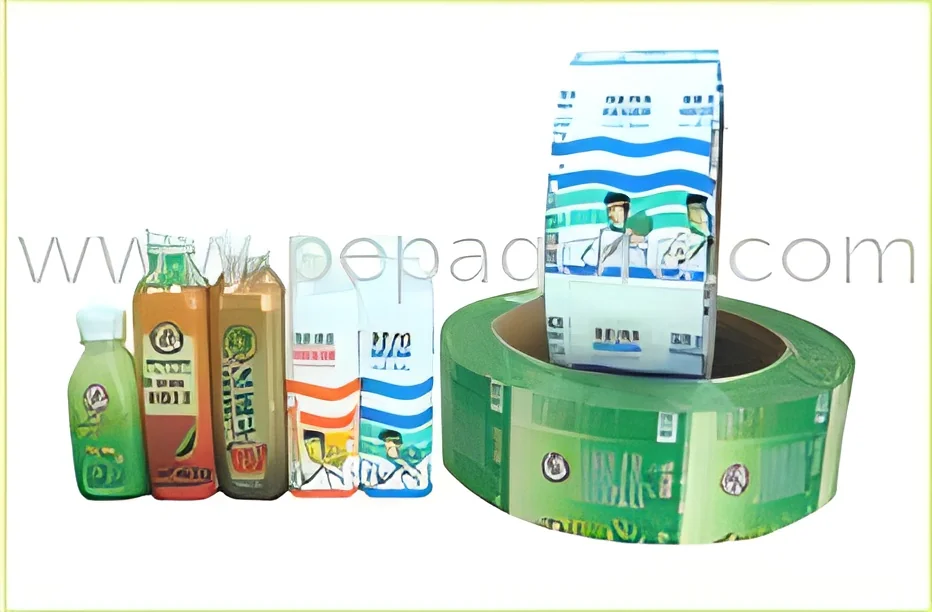
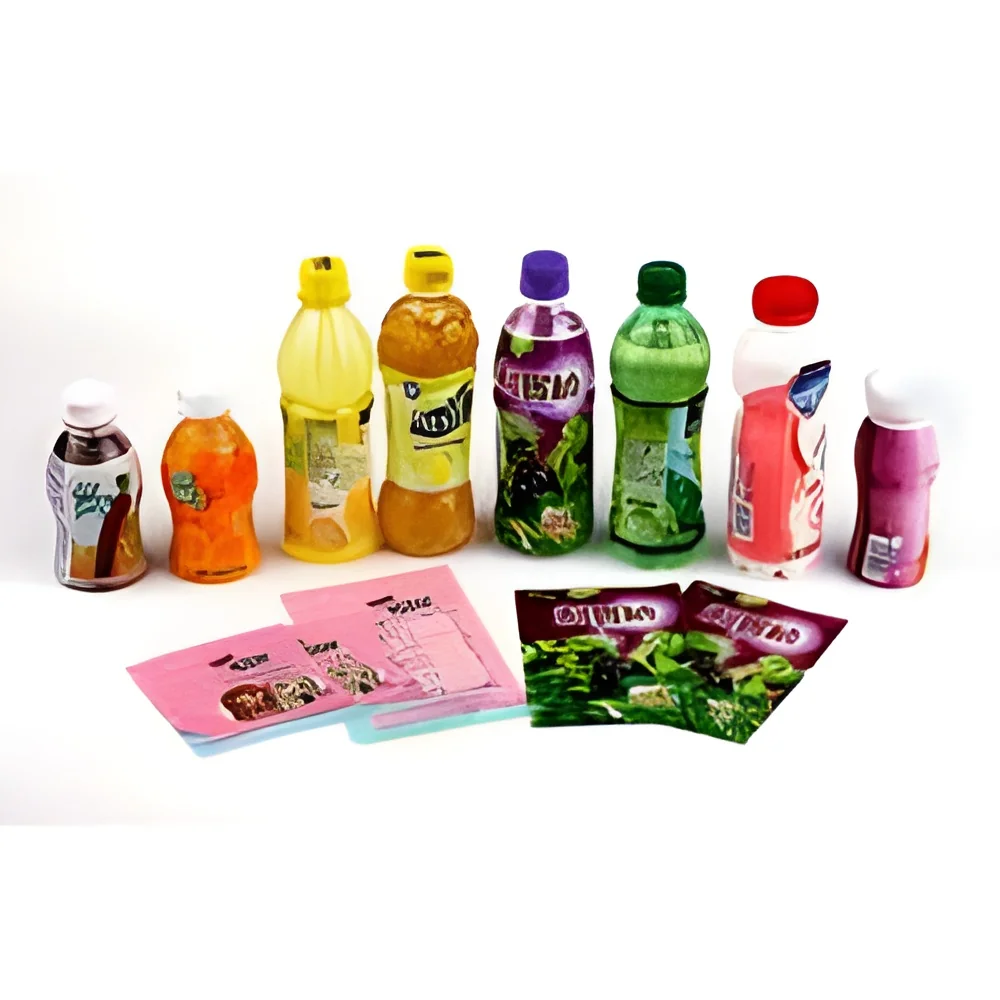
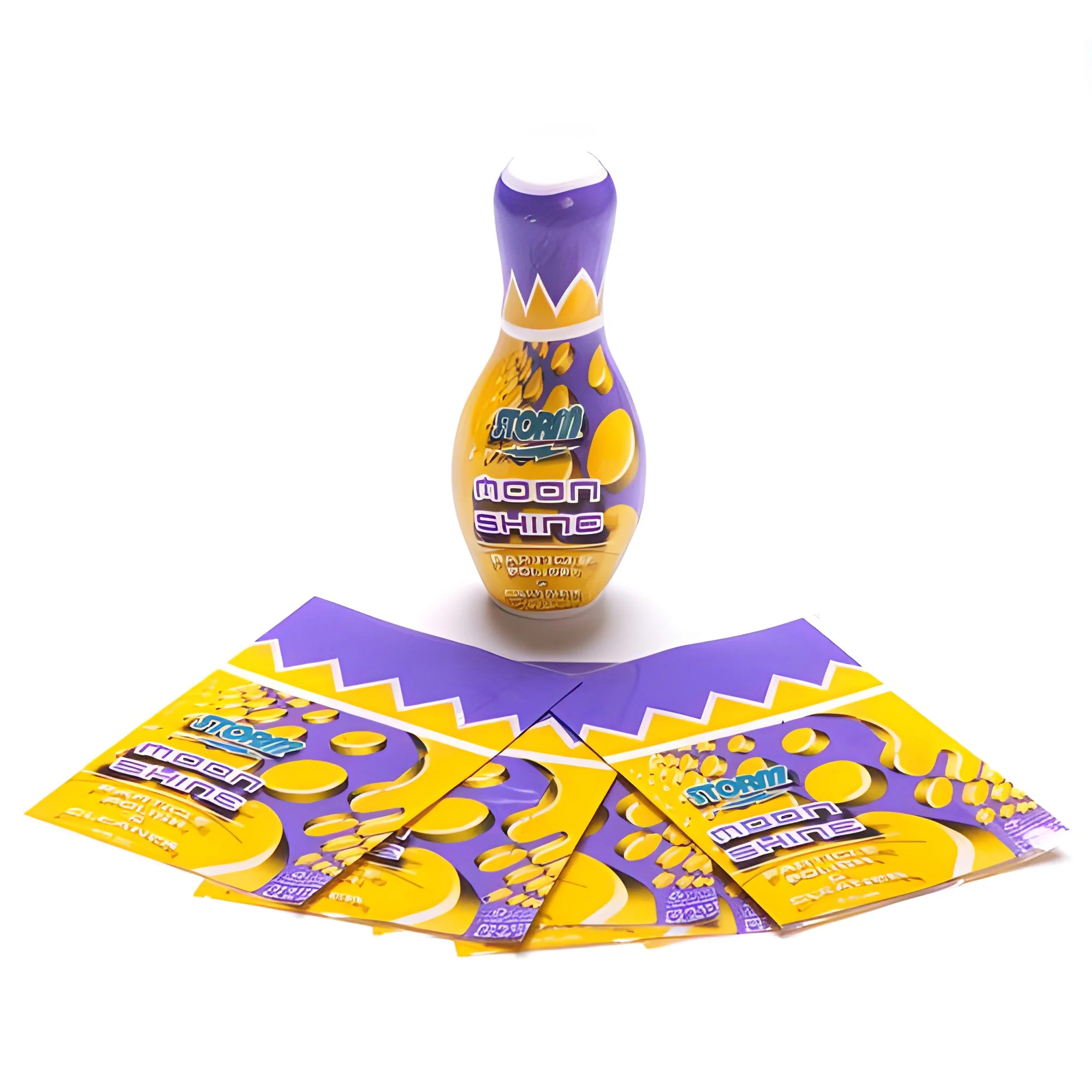
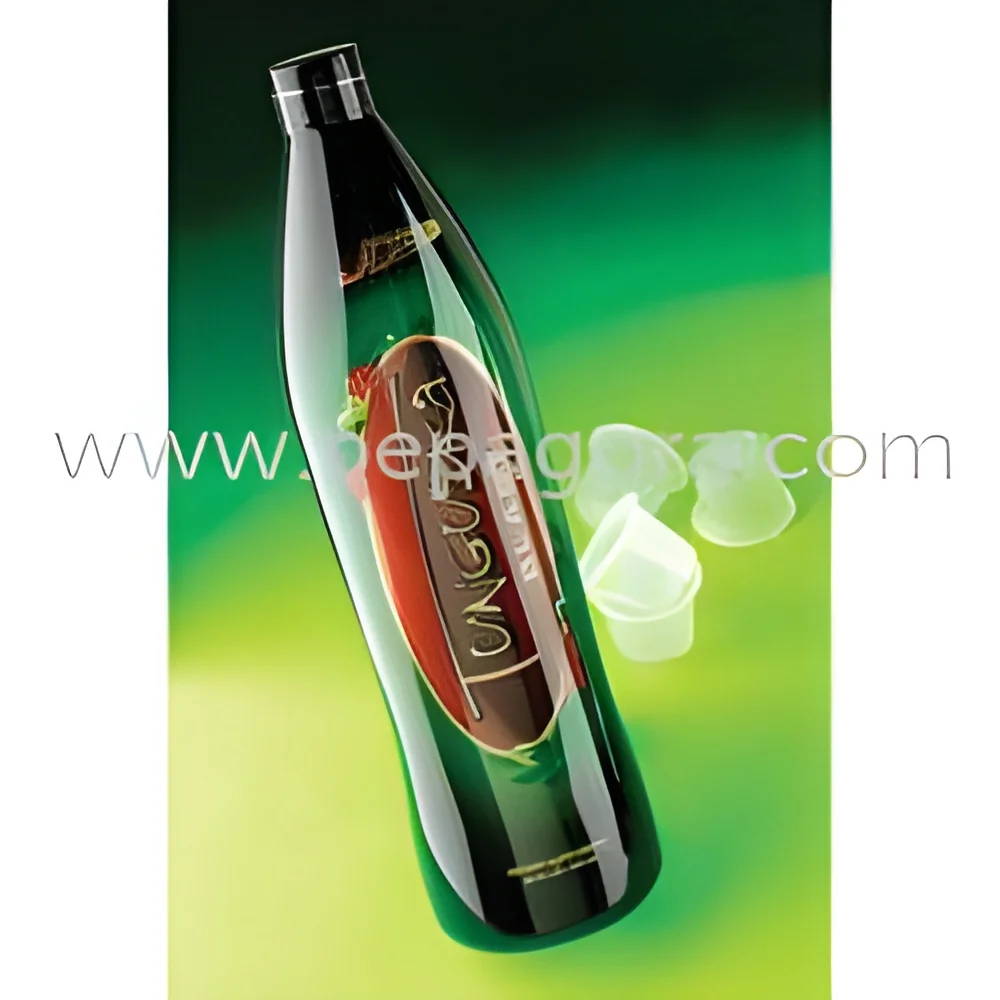
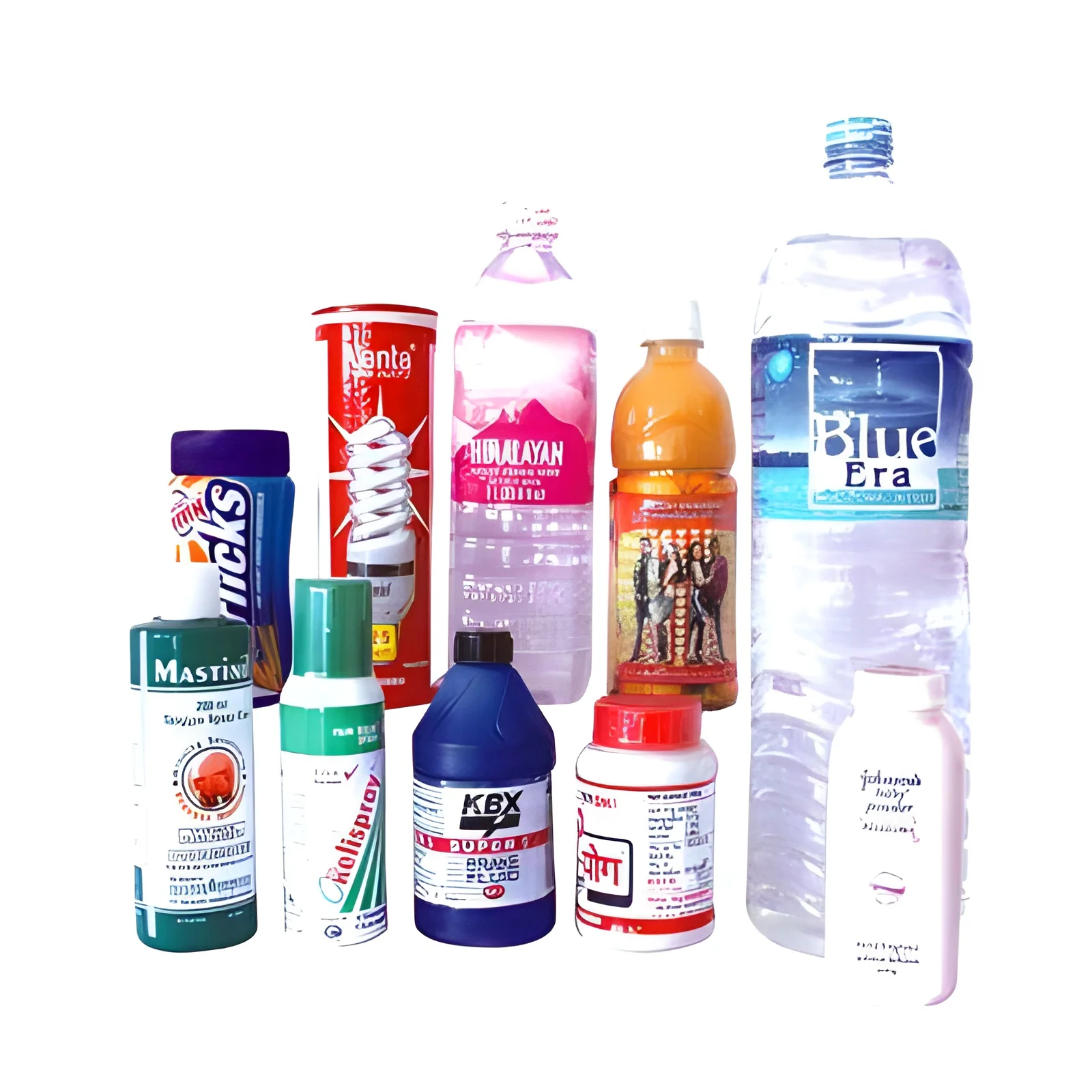
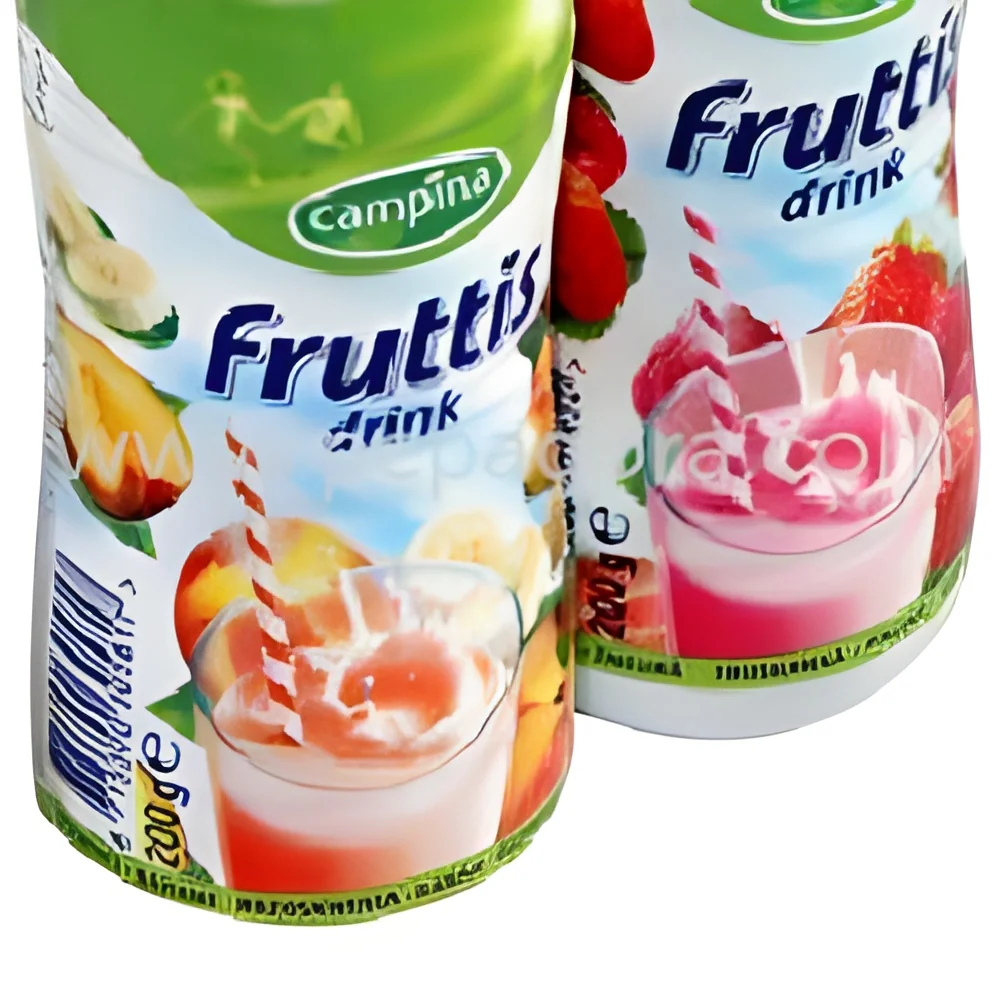
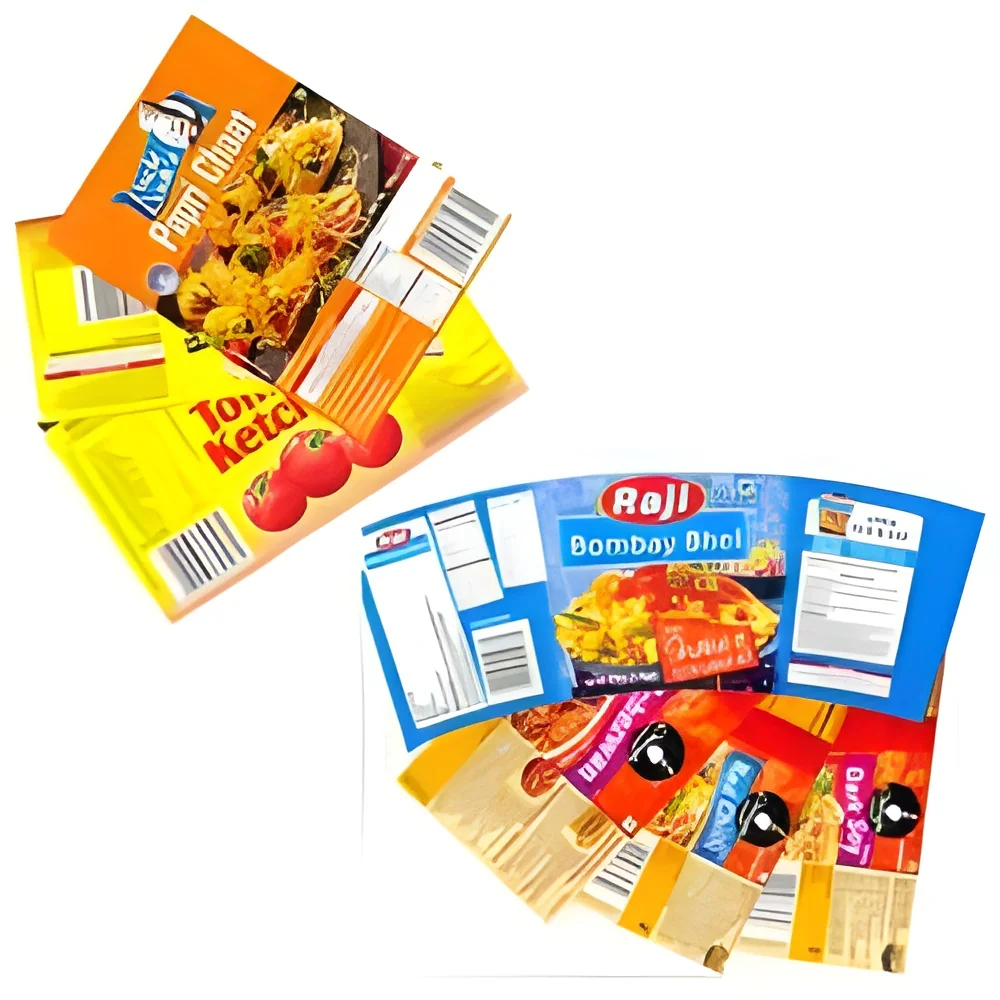
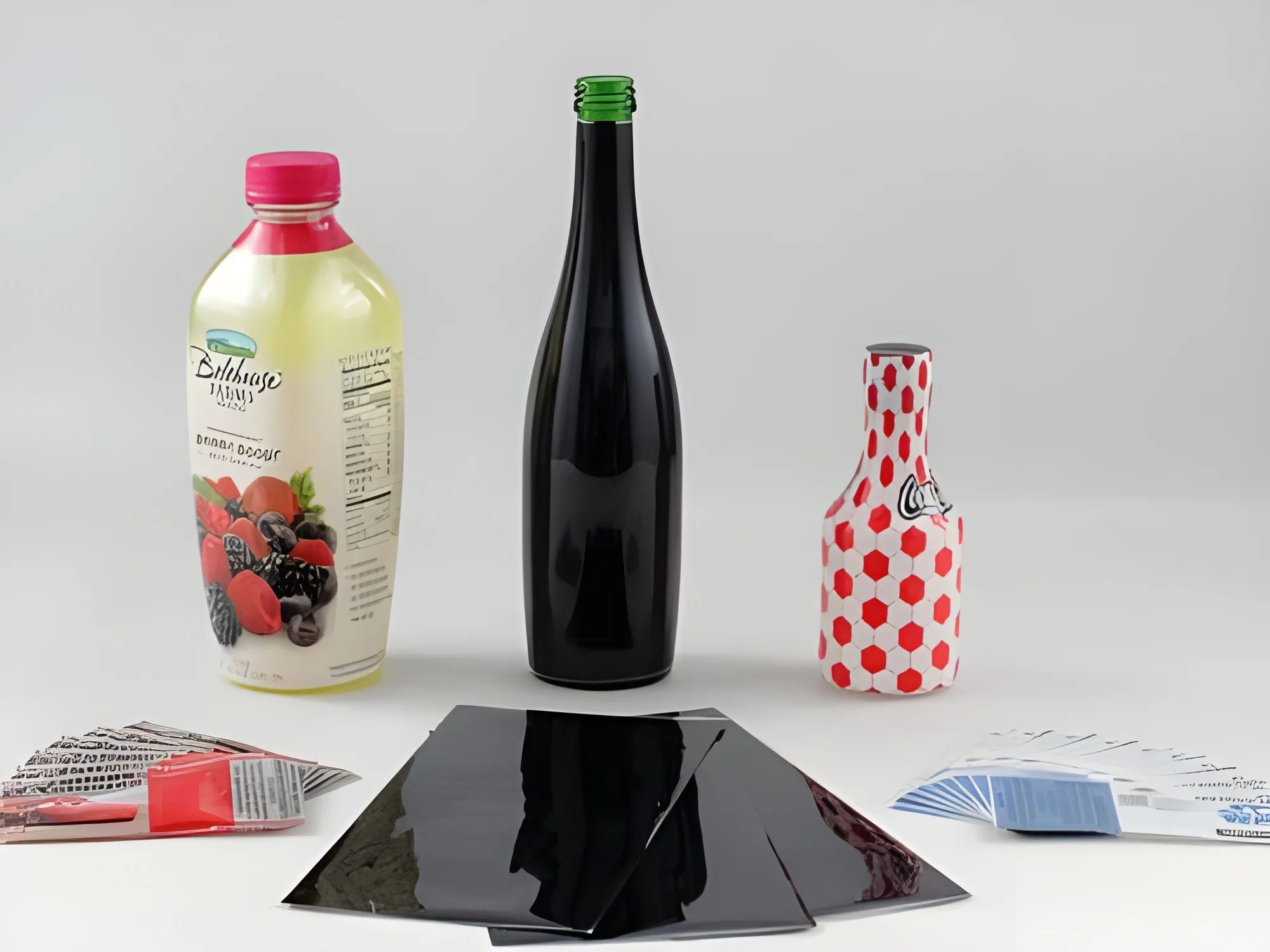
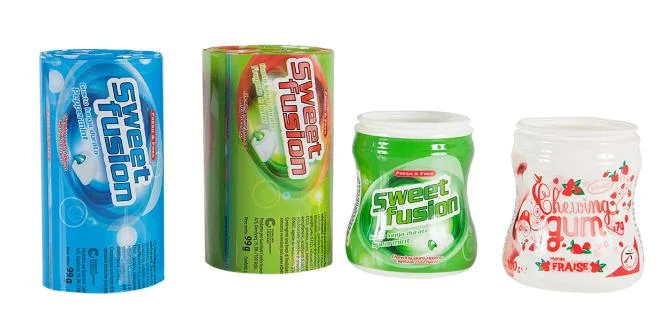
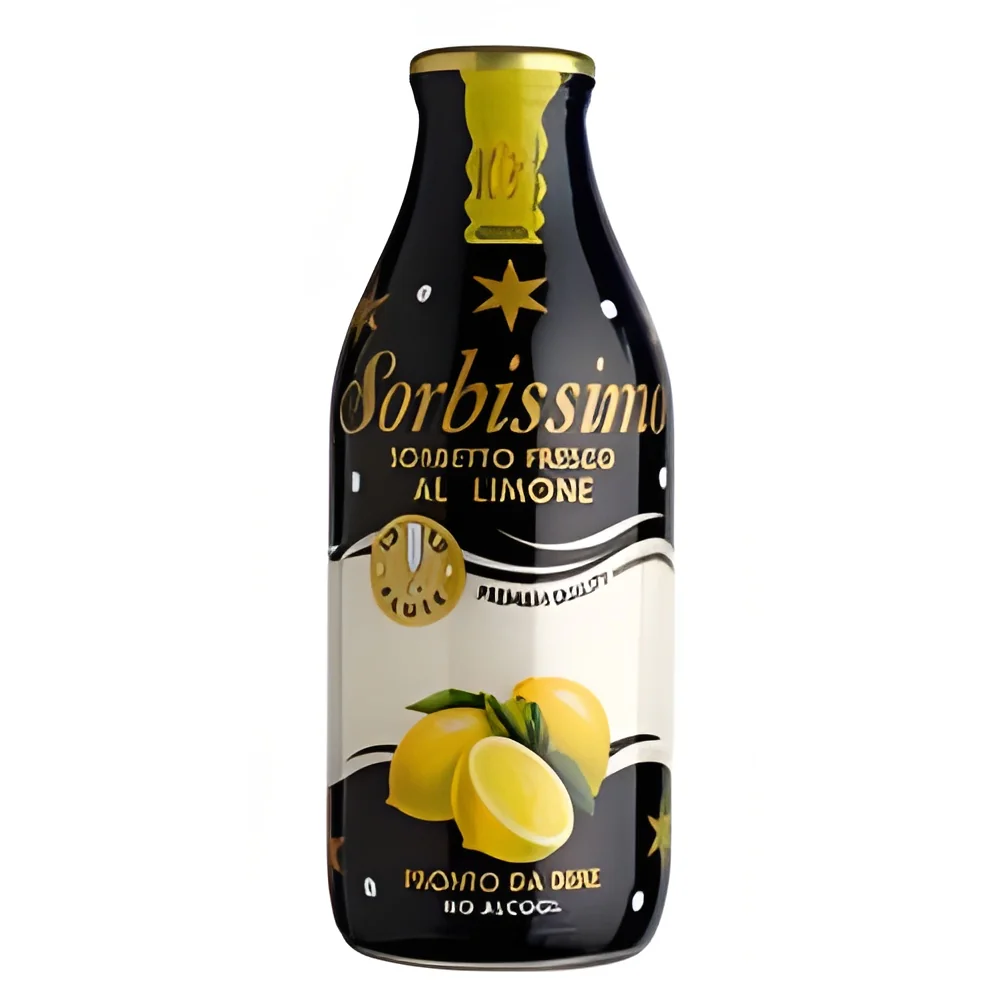
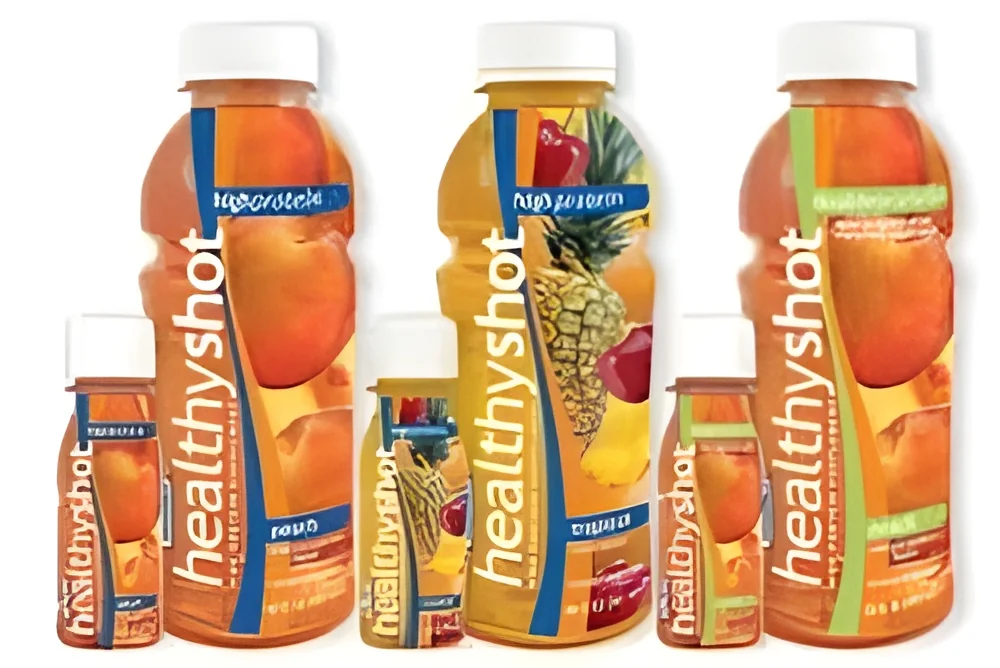
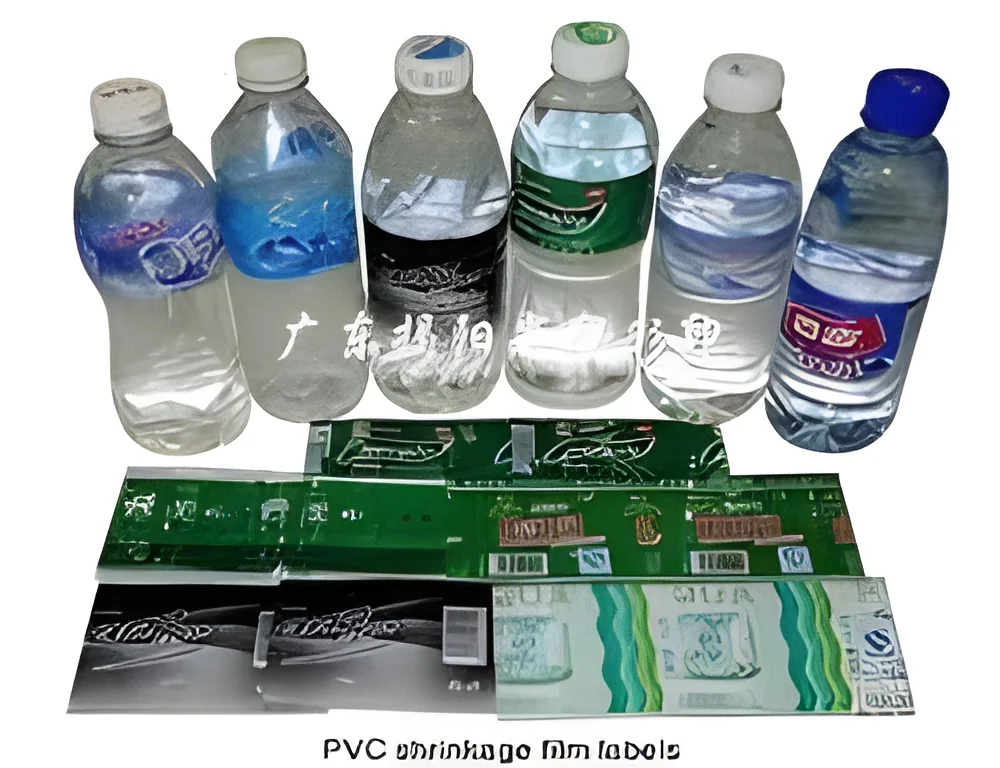
Shrink labels for cans and bottles are a type of packaging solution designed to conform tightly to the shape of containers when heat is applied. These labels are typically made from materials like PVC, PET, or OPS, which shrink when exposed to heat, allowing for a snug fit. This process not only provides a professional appearance but also protects the product inside from contamination and damage.
The primary uses of shrink labels include branding, product information, and tamper evidence. Businesses often utilize these labels to create eye-catching designs that attract consumers and convey essential information about the product. They are widely used across various sectors, including food and beverage, pharmaceuticals, and household products. As these industries grow, the demand for effective labeling solutions continues to increase, making shrink labels a staple in product packaging.
In today's market, shrink labels are especially relevant due to the rising emphasis on sustainability and recyclability. Many manufacturers are seeking eco-friendly materials and processes, aligning with consumer preferences for environmentally responsible products. The versatility of shrink labels makes them suitable for a broad range of applications, further solidifying their position in the packaging industry.
Key Features and Specifications
Shrink labels for cans and bottles come with a variety of features and specifications that enhance their functionality and effectiveness. These specifications are critical for businesses to consider when selecting the right labels for their products.
Key specifications include:
1. Material Type
- Common materials include PVC, PET, and OPS.
- Each material offers different properties such as clarity, strength, and shrinkability.
2. Shrink Rate
- Shrink rates typically range from 40% to 70%.
- The appropriate shrink rate depends on the container shape and design.
3. Print Compatibility
- Labels can be printed using flexography, digital printing, or gravure.
- Each printing method offers unique advantages for design and production.
4. Thickness
- Label thickness can vary between 40 to 100 microns.
- Thicker labels provide more durability while thinner options may reduce material costs.
5. Adhesive Type
- Adhesives can be permanent or removable based on application needs.
- Choosing the right adhesive is essential for proper label adherence.
6. Temperature Resistance
- Labels can withstand temperatures from -40°F to 180°F.
- This feature is vital for products that undergo extreme conditions.
7. Compliance Standards
- Labels may need to meet specific regulatory requirements.
- Compliance with food safety standards is critical for food and beverage applications.
8. Customization Options
- Custom designs, sizes, and finishes are available to meet branding needs.
- Customization enhances product visibility on shelves.
In summary, understanding the key features and specifications of shrink labels can help businesses select the right products for their packaging needs. Selecting the correct label type ensures quality presentation and protection for the contained products.
Common Applications and Use Cases
Shrink labels are versatile and serve various industries effectively.
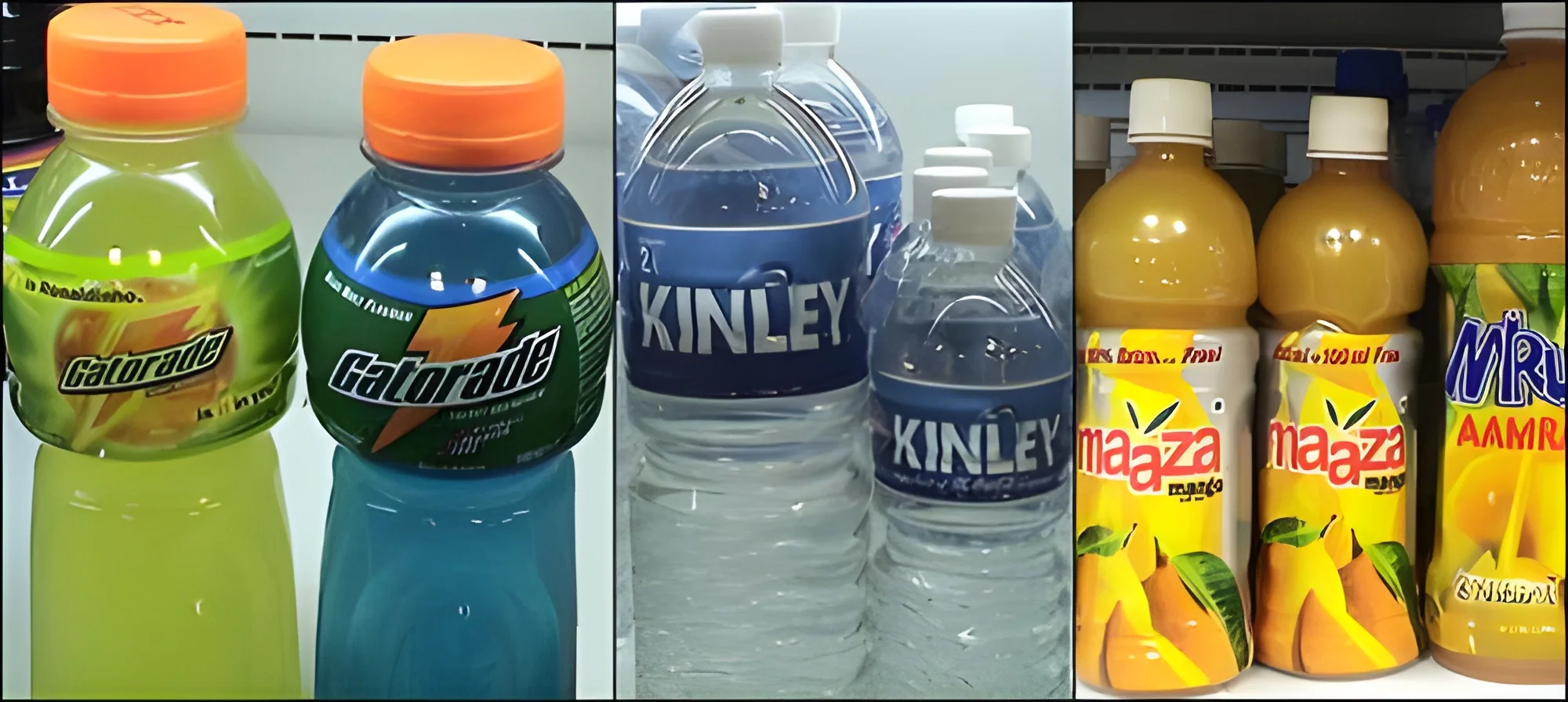
1. Food and Beverage: Shrink labels are commonly used for beverage bottles and food containers. They enhance branding while providing tamper evidence, ensuring product safety.
2. Pharmaceuticals: In the pharmaceutical industry, shrink labels help in compliance with regulations. They provide important product information and dosage instructions.
3. Household Products: Many household cleaning products utilize shrink labels for branding and clear instructions. The labels are resistant to moisture and chemicals.
4. Cosmetics: The cosmetics industry often employs shrink labels for personal care products. They help achieve an attractive look while also being functional.
5. Nutraceuticals: For dietary supplements, shrink labels provide essential information while ensuring product integrity. They can also assist in distinguishing products in a competitive market.
6. Industrial Products: Shrink labels are used for various industrial containers. They are effective in labeling chemicals and other materials, ensuring safety and compliance.
7. Promotional Products: Businesses often use shrink labels for promotional items. They allow for unique branding opportunities that can attract attention at trade shows or events.
Product Variants and Subcategories
Shrink labels for cans and bottles come in a range of variants, allowing businesses to choose the most suitable option for their needs.
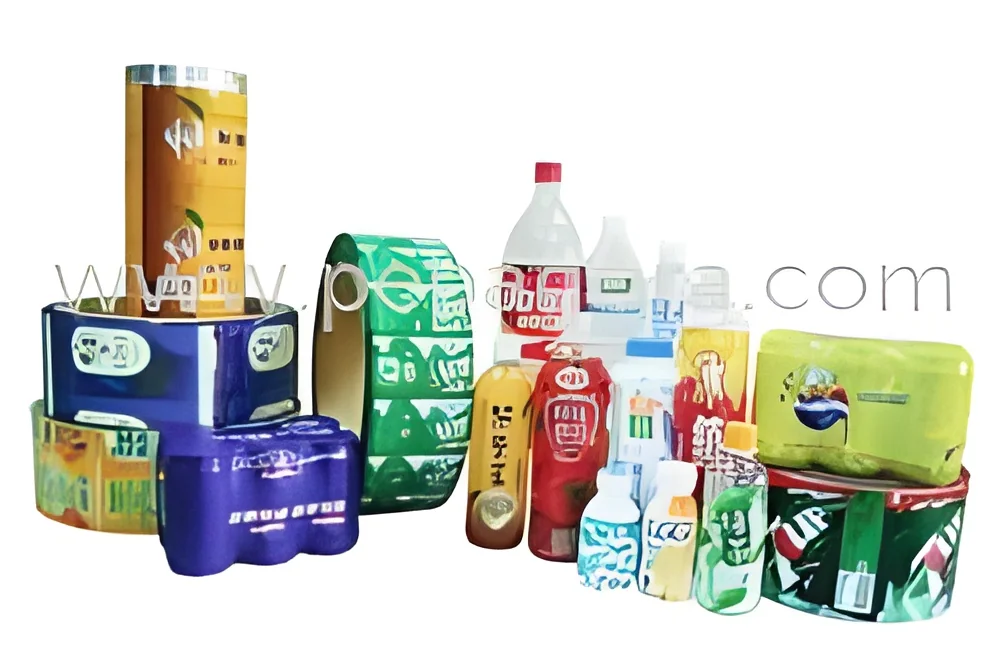
Standard Shrink Labels: These are the most common type, providing essential branding and product information. They are available in various sizes and materials, making them adaptable for different products.
Tamper-Evident Shrink Labels: This variant offers additional security by indicating whether a product has been tampered with. These labels are especially important in industries like food and pharmaceuticals, where consumer safety is paramount.
Custom-Printed Shrink Labels: Businesses can opt for custom designs that reflect their branding. These labels can be tailored to fit unique bottle shapes and sizes, enhancing product appeal.
Multi-Pack Shrink Labels: Designed for packaging multiple units together, these labels help in promoting bundled products. They are popular in beverage packaging, where multiple cans or bottles are sold together.
Benefits and Advantages
Shrink labels for cans and bottles provide several advantages that make them a preferred choice in packaging.
1. Enhanced Branding: Shrink labels allow for vibrant graphics and designs, helping products stand out on shelves.
2. Tamper Evidence: Many shrink labels offer tamper-evident features, ensuring product integrity and consumer safety.
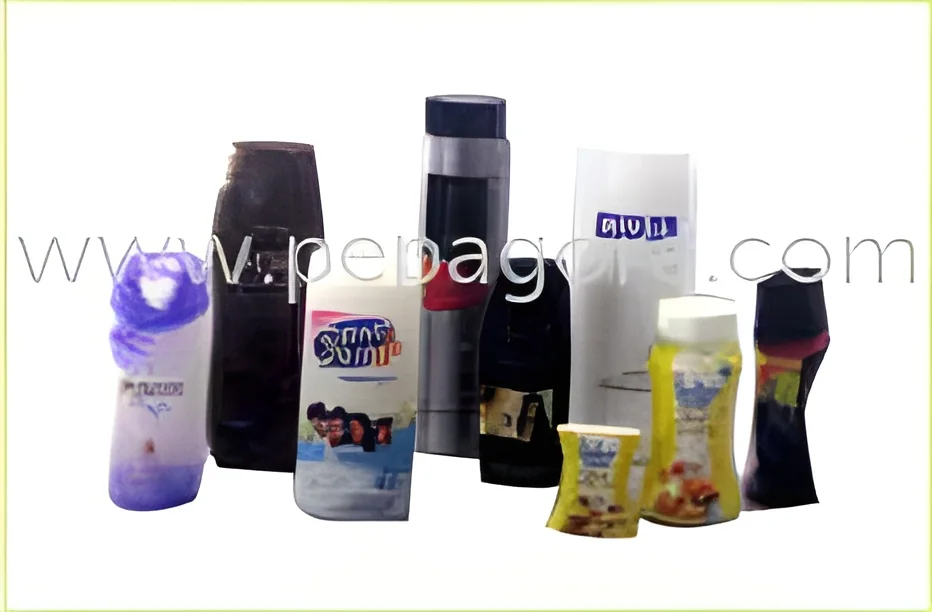
3. Versatility: They can be used on various container shapes and sizes, making them suitable for different industries.
4. Cost-Effective: Shrink labels are often more economical than other labeling methods, especially for high-volume production.
5. Easy Application: The application process is straightforward, often requiring minimal machinery.
6. Moisture and Chemical Resistance: Shrink labels can withstand exposure to moisture and chemicals, maintaining their appearance and function.
Buying Guide for B2B Buyers
When sourcing shrink labels for cans and bottles, it is essential for buyers to consider several factors to ensure they select the best options.
1. Quality Assessment: Evaluate the quality of materials used in the labels. Look for certifications that confirm the labels meet industry standards to ensure durability and performance.
2. Supplier Verification: It is crucial to vet suppliers for their reliability and reputation in the market. Researching reviews and requesting samples can help in making informed decisions.
3. Pricing and MOQ: Understand the pricing structures and minimum order quantities that suppliers offer. This helps in budgeting and ensures you can meet production needs.
4. Delivery and Lead Times: Assess the logistics involved in delivery. Timely delivery is vital for maintaining production schedules, so inquire about lead times before placing orders.
5. Compliance Requirements: Ensure that the labels comply with relevant regulations, especially in industries like food and pharmaceuticals. This is crucial for avoiding legal issues and ensuring consumer safety.
Compliance and Certifications
Shrink labels for cans and bottles must adhere to various compliance and certification standards that ensure quality and safety.
Relevant quality standards include ISO 9001, which focuses on quality management systems, ensuring that products meet customer and regulatory requirements. HACCP (Hazard Analysis and Critical Control Points) is another important standard, especially in the food industry, as it helps in identifying and controlling potential hazards.
Industry certifications like CE indicate that the products meet European health, safety, and environmental protection standards. This is particularly important for businesses exporting products to Europe.
Safety and testing requirements may vary based on the application. For example, food-grade labels must be tested to ensure they do not leach harmful substances into food products.
Regional compliance considerations are also crucial. Different countries may have specific regulations governing labeling, especially for consumables, so it is vital to stay informed about local legal requirements.
Why Source Shrink Labels for Cans and Bottles from Pepagora?
Pepagora provides a trusted platform for sourcing shrink labels for cans and bottles, offering several key advantages for B2B buyers.
Verified Supplier Network: Pepagora maintains a network of verified suppliers, ensuring that buyers have access to quality products from reputable sources. This reduces the risk involved in sourcing materials.
Streamlined RFQ Process: The platform offers a streamlined Request for Quotation (RFQ) process, allowing buyers to easily compare prices and specifications from different suppliers. This simplifies the decision-making process.
Trade Assurance and Support: Pepagora offers trade assurance, providing buyers with protection and support throughout the purchasing process. This builds confidence in transactions and helps resolve any issues that may arise.
Regional Coverage: With a strong presence in India, the GCC, and Southeast Asia, Pepagora caters to a diverse range of markets. This geographic reach ensures that businesses can find suitable suppliers regardless of their location.

 IN
IN