What are Vacuum Packaging for Pharmaceuticals?
Vacuum packaging for pharmaceuticals refers to a specialized method of packaging that removes air from a sealed container, ensuring that the contents remain uncontaminated and stable over time. This process is crucial for preserving the integrity of pharmaceuticals, which can be sensitive to moisture, light, and oxygen. By eliminating air, vacuum packaging helps prevent oxidation, microbial growth, and other forms of degradation that could compromise product efficacy.
This packaging technique is primarily used in the pharmaceutical industry to package medications, vaccines, and sensitive compounds that require long shelf lives. By utilizing vacuum packaging, manufacturers can extend the usability of their products while maintaining safety and compliance with industry regulations. The vacuum-sealed environment also aids in reducing packaging waste, as it can often lead to more compact and efficient storage solutions.
In the current market context, the demand for vacuum packaging in pharmaceuticals is growing due to the increasing focus on drug safety and the need for effective preservation techniques. Regulatory agencies emphasize the importance of packaging in maintaining drug quality. As a result, investments in advanced vacuum packaging technologies are on the rise, making it a relevant consideration for pharmaceutical companies looking to enhance their product offerings.
Key Features and Specifications
Vacuum packaging for pharmaceuticals includes several key features that make it a preferred choice for protecting sensitive products. These specifications ensure that the packaging meets industry standards and effectively maintains product integrity.
Key specifications include:
1. Material Composition
- Typically made from high-barrier materials that prevent moisture and oxygen transfer.
- Common materials include polyethylene, polypropylene, and barrier films.
2. Seal Integrity
- Ensures that the vacuum seal remains intact throughout the product's shelf life.
- Tested for durability under various conditions to prevent leaks.
3. Oxygen Transmission Rate (OTR)
- Measures the permeability of the packaging to oxygen.
- Lower OTR values indicate better preservation of the product.
4. Moisture Vapor Transmission Rate (MVTR)
- Indicates how much moisture can pass through the packaging.
- Essential for products sensitive to humidity.
5. Temperature Resistance
- Designed to withstand varying temperatures during storage and transportation.
- Specific temperature ranges depend on the product requirements.
6. Shelf Life Extension
- Capable of extending the shelf life of pharmaceutical products significantly compared to traditional packaging.
- Often results in longer usability without loss of efficacy.
7. Customizable Sizes
- Available in various sizes to accommodate different pharmaceutical products.
- Options for custom shapes and designs based on product specifications.
8. Compliance with Regulations
- Must meet industry standards such as ISO 9001 and CE certification.
- Adheres to Good Distribution Practices (GDP) for pharmaceuticals.
In summary, these features and specifications ensure that vacuum packaging for pharmaceuticals not only protects products but also aligns with regulatory requirements and market needs.
Common Applications and Use Cases
Vacuum packaging serves various industries, particularly in the pharmaceutical sector, where product integrity is paramount.
1. Pharmaceuticals: Used to package tablets, capsules, and powders that are sensitive to moisture and air exposure, ensuring their effectiveness.
2. Biotech: Essential for storing biological samples and reagents that require controlled environments to maintain viability.
3. Nutraceuticals: Frequently utilized for dietary supplements, vacuum packaging helps preserve the potency of active ingredients.
4. Medical Devices: Ensures that sterile medical devices remain uncontaminated until they are needed for use.
5. Veterinary Products: Used to package medications for animals, maintaining their efficacy and safety.
6. Research Laboratories: Frequently employed for storing chemicals and reagents that must remain uncontaminated over long periods.
7. Clinical Trials: Applied in packaging trial medications, ensuring the integrity of samples used in studies.
Product Variants and Subcategories
Vacuum packaging for pharmaceuticals encompasses a variety of products designed to meet specific needs within the industry.
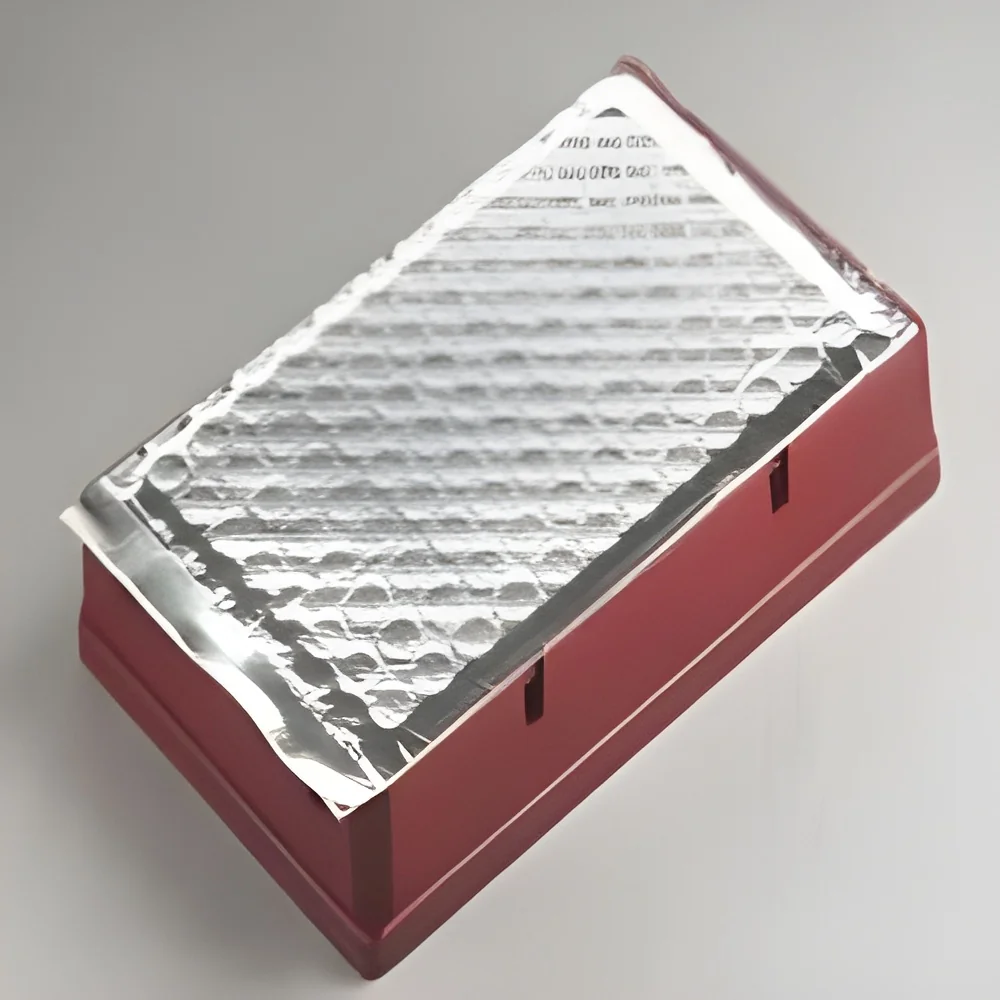
Flexible Vacuum Bags: These bags are ideal for packaging a wide range of pharmaceutical products. They offer excellent barrier properties and can be customized to fit different sizes and shapes.
Vacuum Sealed Pouches: Suitable for smaller items such as vials or syringes, these pouches provide a secure seal while allowing for easy access to the contents.
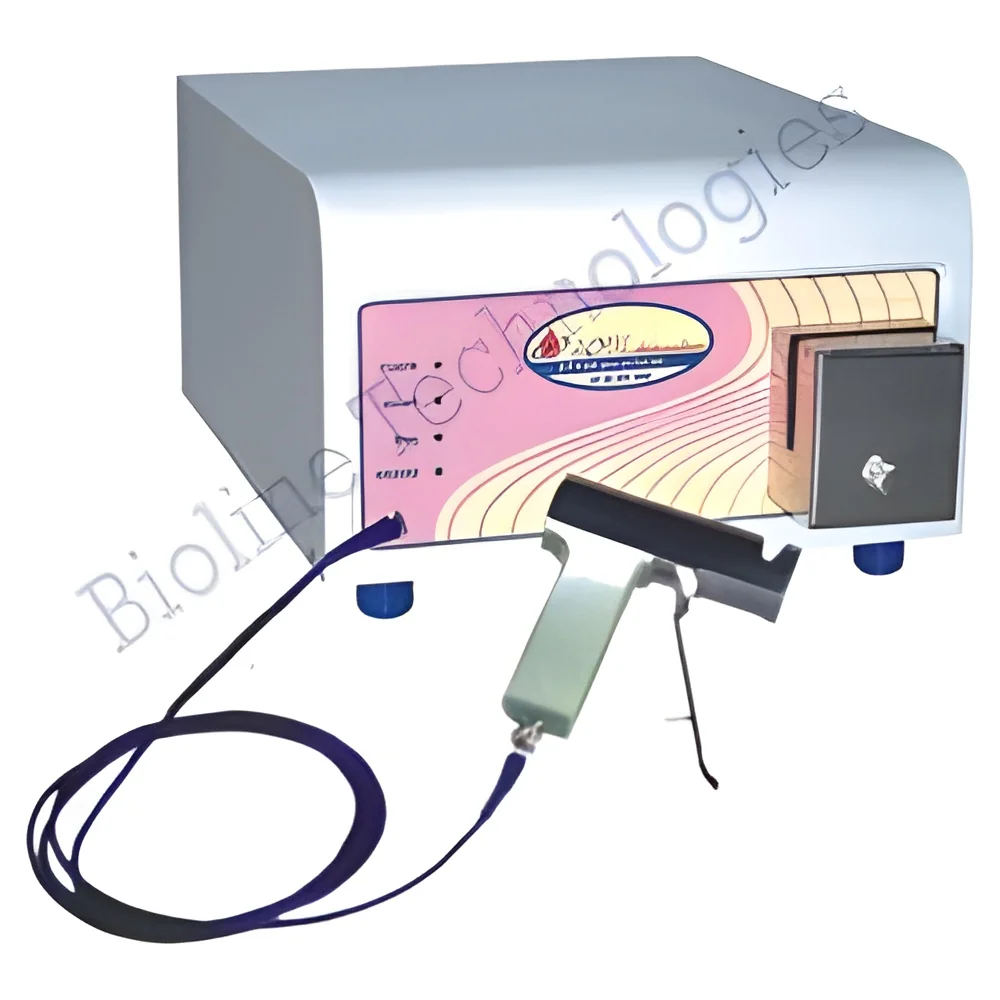
Vacuum Chambers: Used in industrial settings, vacuum chambers allow for bulk packaging of pharmaceutical products. They ensure a uniform seal across multiple items.
Pre-made Vacuum Containers: These containers are designed for specific pharmaceutical applications and come pre-sterilized for immediate use.
Benefits and Advantages
Vacuum packaging for pharmaceuticals provides several key benefits that enhance product safety and efficacy.
1. Increased Shelf Life: Vacuum packaging significantly prolongs the shelf life of pharmaceutical products, reducing waste and ensuring product availability.
2. Enhanced Product Protection: By removing air, vacuum packaging protects against oxidation and contamination, maintaining product integrity.
3. Cost Efficiency: Reduces the need for preservatives and minimizes spoilage, ultimately lowering costs for manufacturers and distributors.
4. Improved Storage Efficiency: Vacuum packaging allows for more compact storage solutions, optimizing space in warehouses and distribution centers.
5. Regulatory Compliance: Meets stringent industry standards, providing assurance to manufacturers that their products are safely packaged.
6. Customization Options: Offers flexibility in design, allowing businesses to tailor packaging solutions to specific product requirements.
Buying Guide for B2B Buyers
When sourcing vacuum packaging for pharmaceuticals, various factors should be considered to ensure the right choice for your business needs.
1. Quality Assessment: Evaluate the quality of packaging materials, ensuring they meet industry standards for safety and effectiveness. Look for certifications such as ISO 9001.
2. Supplier Verification: Vet suppliers by checking their reputation, customer reviews, and compliance with industry regulations. Reliable suppliers should have a proven track record.
3. Pricing and MOQ: Understand pricing structures and minimum order quantities. Compare costs across suppliers to find the best value for your investment.
4. Delivery and Lead Times: Consider logistics and delivery times to ensure timely access to products. Reliable suppliers should provide clear timelines.
5. Compliance Requirements: Ensure that packaging meets all relevant regulatory requirements, including Good Distribution Practices (GDP) and safety standards.
Compliance and Certifications
Vacuum packaging for pharmaceuticals must adhere to several quality standards and certifications to ensure product safety and compliance with industry regulations.
Key standards include ISO 9001, which focuses on quality management systems and continuous improvement. This certification indicates that manufacturers follow best practices in producing high-quality packaging solutions.
Additionally, compliance with Hazard Analysis and Critical Control Points (HACCP) is crucial for ensuring food safety in packaging that may be used in conjunction with pharmaceuticals. This system helps identify and control potential hazards in the production process.
Regional compliance considerations also play a role, as different regions may have specific regulations governing pharmaceutical packaging. It is important for manufacturers and suppliers to stay updated on these requirements to ensure compliance.
Why Source Vacuum Packaging for Pharmaceuticals from Pepagora?
Pepagora provides a trusted platform for sourcing vacuum packaging for pharmaceuticals, offering several key advantages to B2B buyers.
Verified Supplier Network: Pepagora has a robust network of verified suppliers, ensuring that buyers can access high-quality products from reputable manufacturers. Each supplier undergoes a rigorous vetting process to guarantee reliability.
Streamlined RFQ Process: The platform features a streamlined request for quotation (RFQ) process, making it easy for buyers to request and receive quotes from multiple suppliers. This efficiency helps businesses make informed purchasing decisions quickly.
Trade Assurance and Support: Pepagora offers trade assurance and dedicated support to buyers, providing protection throughout the sourcing process. This commitment to buyer satisfaction fosters trust and confidence in transactions.
Regional Coverage: With a strong presence in India, the GCC, and Southeast Asia, Pepagora ensures that buyers can find local suppliers that meet their specific needs. This regional focus enhances the ability to source products efficiently while considering logistical advantages.

 IN
IN