IN
IN₹
Apparel & Fashion
Description
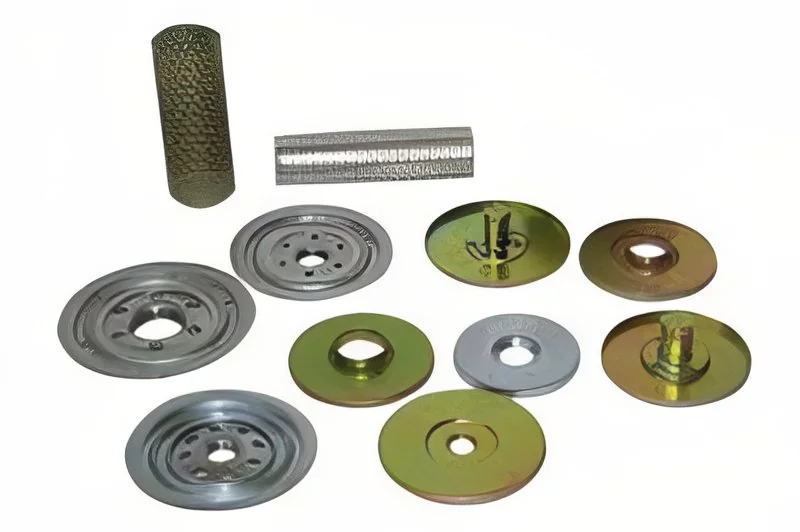
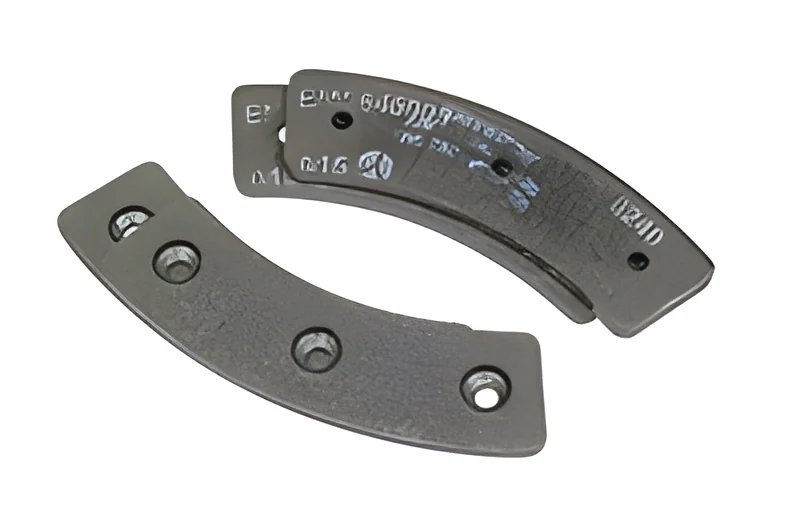
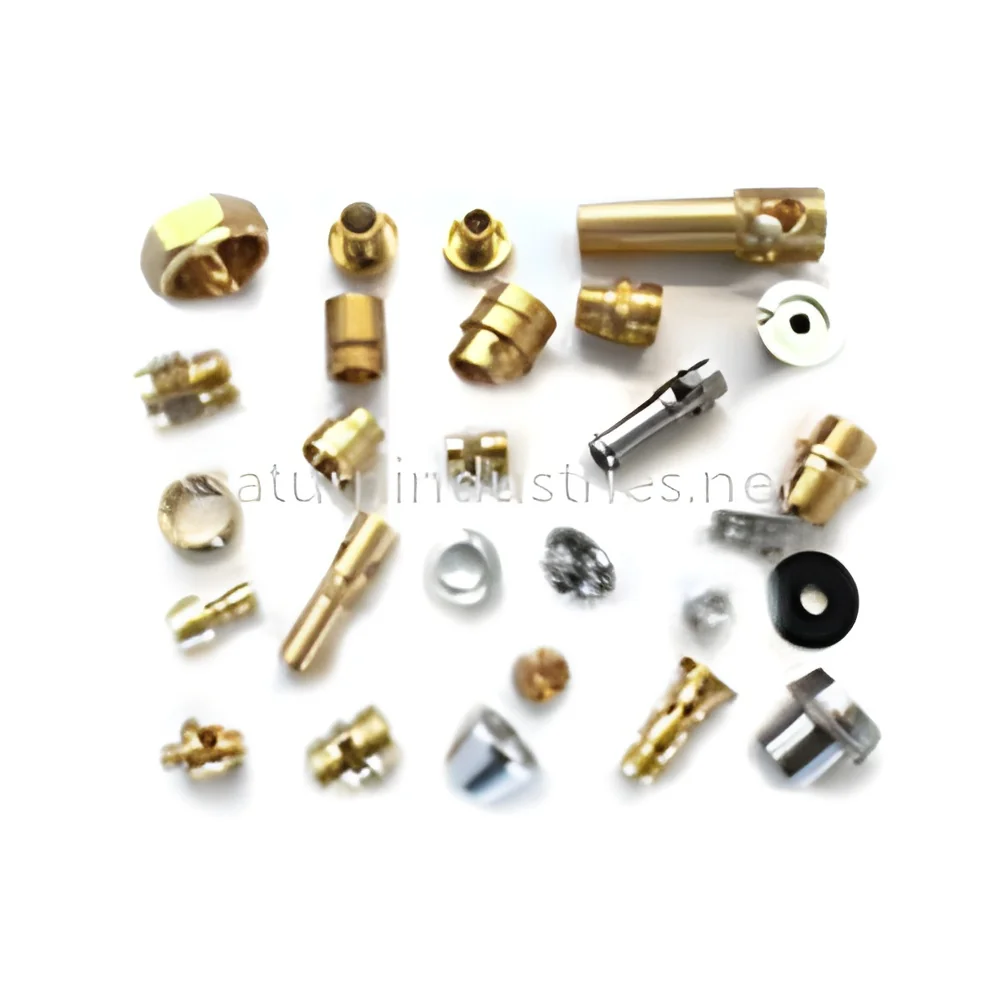
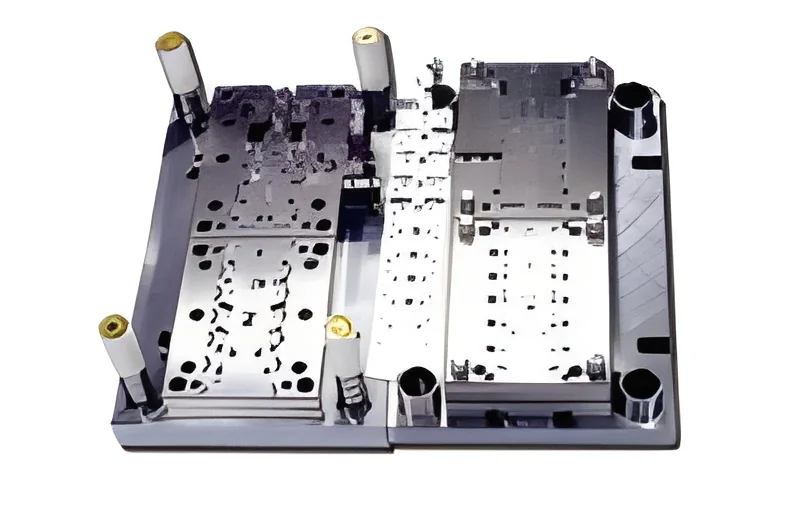
Automotive press tools are high-precision devices designed for shaping, cutting, and assembling metal components through controlled high-pressure processes. These tools are essential in automotive manufacturing, ensuring repeatability, accuracy, and efficiency in mass production. Built for durability, they support operations like stamping, bending, and punching, making them indispensable for modern assembly lines. Their robust construction and precision engineering allow them to meet stringent automotive standards, providing reliable performance across diverse applications and materials, from steel to aluminum alloys.

In the automotive industry, these press tools are utilized by manufacturers and suppliers to produce critical vehicle parts. They are employed in creating body panels, chassis components, engine parts, and interior elements, ensuring compliance with safety and quality regulations. Their application spans passenger vehicles, commercial trucks, and electric vehicles, under...
Automotive press tools are high-precision devices designed for shaping, cutting, and assembling metal components through controlled high-pressure processes. These tools are essential in automotive manufacturing, ensuring repeatability, accuracy, and efficiency in mass production. Built for durability, they support operations like stamping, bending, and punching, making them indispensable for modern assembly lines. Their robust construction and precision engineering allow them to meet stringent automotive standards, providing reliable performance across diverse applications and materials, from steel to aluminum alloys.

In the automotive industry, these press tools are utilized by manufacturers and suppliers to produce critical vehicle parts. They are employed in creating body panels, chassis components, engine parts, and interior elements, ensuring compliance with safety and quality regulations. Their application spans passenger vehicles, commercial trucks, and electric vehicles, underscoring their versatility and vital role in automotive innovation, production scalability, and supply chain efficiency for global markets.

For businesses, automotive press tools deliver exceptional value by enhancing productivity, reducing operational costs, and improving product quality. Their reliability minimizes downtime and maintenance, while precision engineering enables consistent performance for specific production needs. This investment translates to faster ROI, competitive advantage, and long-term partnerships, ideal for buyers focused on scalability, sustainability, and meeting evolving automotive demands with confidence and trust.

Key Features:
- High-precision engineering for accurate metal forming and stamping
- Robust construction ensuring durability and long service life
- Designed for high-volume production with consistent performance
- Compatibility with diverse materials including steel and aluminum
- Precision tooling for tight tolerances and complex geometries

Benefits:
- Enhanced production efficiency and reduced cycle times
- Consistent part quality with minimal material waste
- Lower maintenance requirements and reduced downtime
- Improved operational throughput and cost-effectiveness
- Reliable performance in demanding manufacturing environments
Specifications
| Additional Information | |
|---|---|
| Country of Origin | India |
Application
Automotive press tools are engineered for precision metal shaping, cutting, and assembly in vehicle manufacturing. These tools ensure consistent production of critical components like body panels, brackets, and engine parts, supporting high-volume automotive lines with durability and efficiency. They are vital for handling diverse materials and complex designs, reducing waste and enhancing operational throughput in demanding production environments.
Widely used across automotive sectors, these press tools facilitate the production of structural and functional parts for passenger cars, commercial trucks, and electric vehicles. Their precision engineering makes them suitable for stamping, bending, and punching operations, ensuring compliance with industry standards and enabling manufacturers to meet tight tolerances and rigorous quality requirements for global supply chains.
- Stamping high-strength body panels and structural components for cars and trucks
- Forming precision engine mounts, brackets, and transmission parts
- Producing chassis and suspension elements with consistent accuracy
- Creating interior trim, dashboard components, and seating parts
- Manufacturing exhaust systems, brackets, and under-hood assemblies
Trade Details
| Available Stock | In Stock |
| Sample Availability | No |
Payment Terms
| Payment Terms |
|
Company Profile

Saturn Industries , Karnataka
 Karnataka, India
Karnataka, IndiaRaw Materials & Chemicals•Manufacturer•Distributor / Wholesaler
Factory Details
Factory SizeBelow 1000 sqm
Annual Production Capacity0
Main Markets
Eastern Asia
South Asia
Southeast Asia
Africa
Quality & Certification
We never compromise on quality, so that we are certified with ISO 9001:2000 certification. We are the manufacturers and exporters of aerospace spare components, which are designed according to the international quality standards.
We never compromise on quality, so that we are certified with ISO 9001:2000 certification. We are the manufacturers and exporters of aerospace spare components, which are designed according to the international quality standards. We never compromise on quality, so that we are certified with ISO 9001:2000 certification. We are the manufacturers and exporters of aerospace spare components, which are designed according to the international quality standards.
We never compromise on quality, so that we are certified with ISO 9001:2000 certification. We are the manufacturers and exporters of aerospace spare components, which are designed according to the international quality standards. Automotive Press Tools For Precision Metal Forming And Stamping
Automotive press tools deliver precision metal forming and stamping for automotive manufacturing. These high-quality tools ensure reliable performance, durability, and consistent production of critical vehicle components with unmatched accuracy.
Min. Order Quantity: 1 unit
Shipping
Shipping fee and delivery date to be negotiated. Contact supplier now for more details.
Saturn Industries 
 Karnataka, India
Karnataka, IndiaRaw Materials & ChemicalsManufacturer