
 IN
Sensor Modules for Embedded Systems
2 products available
What are Sensor Modules for Embedded Systems?
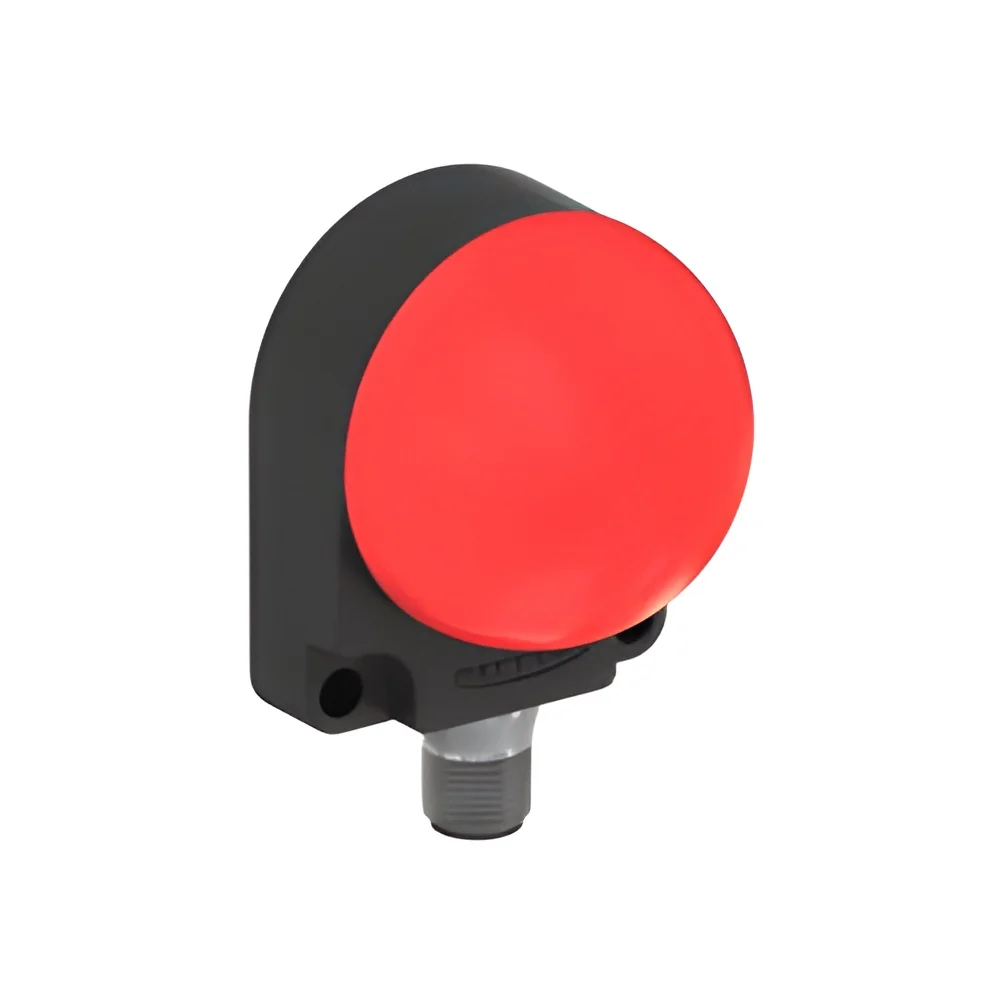
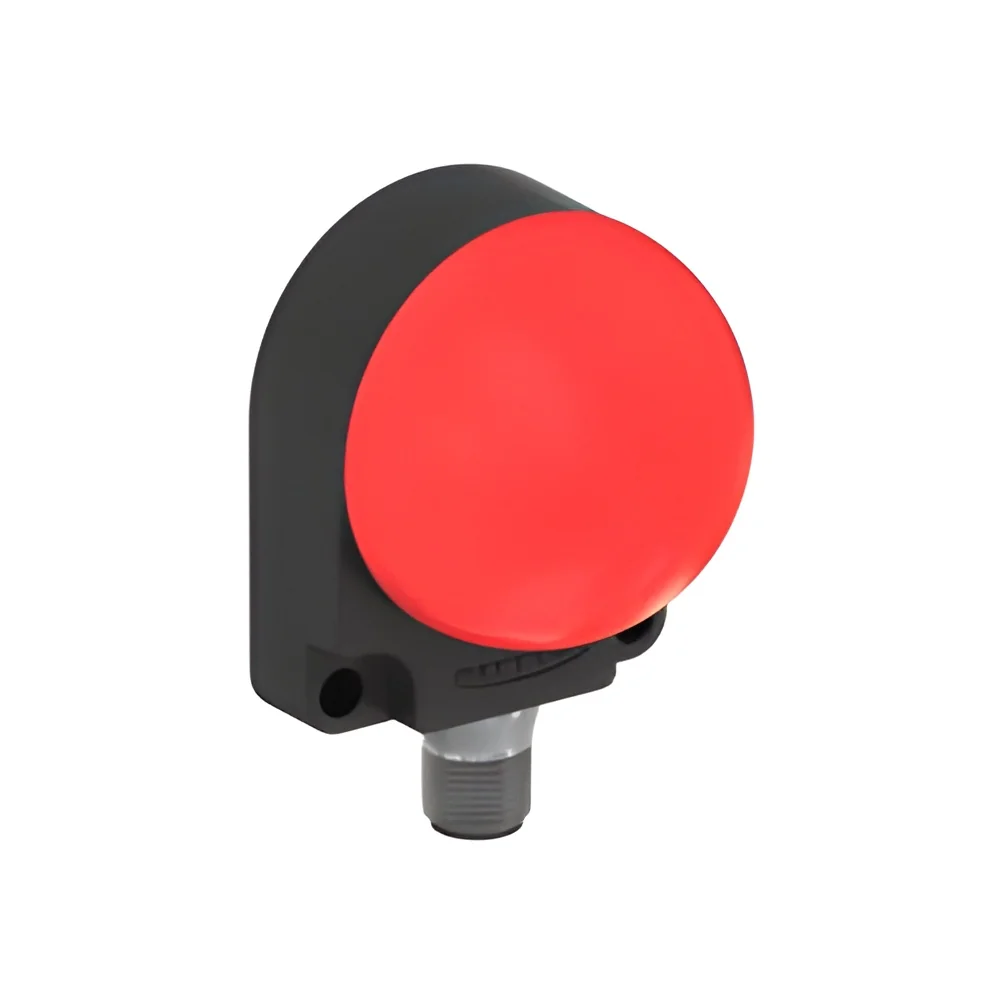
Sensor modules for embedded systems are compact devices designed to collect data from the environment and relay that information to a processing unit. These modules typically integrate various types of sensors, such as temperature, humidity, pressure, and motion sensors, within a single unit. They serve as essential components in embedded systems, enabling real-time monitoring and control in various applications.
The primary uses of sensor modules span across multiple industries, including manufacturing, automotive, healthcare, and smart home technologies. In manufacturing, they facilitate automation by monitoring operational conditions. In automotive applications, they enhance safety through collision detection and navigation assistance. In healthcare, sensor modules enable remote patient monitoring systems, ensuring timely responses to health changes. The relevance of these modules in modern technology is underscored by the growing demand for smart devices and the Internet of Things (IoT), which rely heavily on accurate and reliable data collection.
Key Features and Specifications
Sensor modules for embedded systems come equipped with a range of features that make them suitable for various applications. Understanding these specifications is crucial for businesses seeking to integrate these modules into their products.
Key specifications include:
1. Sensor Type
- Various sensors like temperature, humidity, and motion
- Essential for diverse applications
2. Communication Protocol
- Options include I2C, SPI, UART
- Enables compatibility with different microcontrollers
3. Power Supply
- Voltage ranges typically from 3.3V to 5V
- Compatibility with battery and mains-powered systems
4. Operating Temperature
- Ranges generally from -40°C to +85°C
- Suitable for industrial applications
5. Humidity Range
- Commonly from 0% to 100% relative humidity
- Essential for environmental monitoring
6. Dimensions
- Compact sizes to fit various embedded applications
- Standardized footprints for easy integration
7. Response Time
- Fast response times, often in milliseconds
- Important for real-time data processing
8. Calibration
- Factory-calibrated for accuracy
- Options for user calibration available
In summary, choosing the right sensor module requires an understanding of these specifications, as they directly impact the performance and reliability of embedded systems.
Common Applications and Use Cases
Sensor modules find utility across various industries due to their versatility and functionality.
1. Manufacturing: In this sector, sensor modules monitor machinery performance, detect anomalies, and support predictive maintenance, enhancing operational efficiency.
2. Automotive: Sensor modules are critical for functions such as vehicle stability control, collision avoidance systems, and environmental monitoring, contributing to safer driving experiences.
3. Healthcare: These modules are used in wearable devices and remote monitoring systems, allowing healthcare providers to track patient vitals and respond swiftly to emergencies.
4. Smart Homes: Sensor modules enable automation features such as temperature regulation, security systems, and energy management, creating a more comfortable living environment.
5. Agriculture: In precision farming, sensor modules help monitor soil conditions and crop health, optimizing resource use and improving yields.
6. Environmental Monitoring: These modules are employed in air quality monitoring systems to track pollution levels, contributing to public health and safety.
7. Robotics: In robotics, sensor modules provide essential feedback for navigation and task execution, enhancing the capabilities of autonomous systems.
Product Variants and Subcategories
Sensor modules for embedded systems can vary significantly depending on their intended application.
Temperature Sensor Module
This variant is designed to measure temperature with high accuracy. It is commonly used in HVAC systems and industrial processes, where precise temperature control is essential.
Humidity Sensor Module
This module focuses on measuring humidity levels, making it ideal for applications in agriculture and climate control systems. It helps maintain optimal conditions for both plant growth and comfort.
Pressure Sensor Module
These modules measure atmospheric or fluid pressure, used in weather stations and automotive applications. Their accuracy is crucial for safety and performance monitoring.
Benefits and Advantages
Sensor modules for embedded systems offer numerous advantages for businesses looking to enhance their products.
1. Enhanced Accuracy: With built-in calibration, these modules provide precise data, critical for decision-making processes.
2. Integration Flexibility: Their compact design allows for easy integration into existing systems, reducing development time.
3. Cost-Effectiveness: By consolidating multiple sensors into one module, businesses can save on costs associated with procurement and assembly.
4. Improved Efficiency: Real-time data collection enables faster responsiveness to changing conditions, optimizing operations.
5. Scalability: These modules can be scaled easily for larger systems, accommodating growing business needs.
6. Enhanced Safety: By providing accurate data, sensor modules contribute to safety in applications such as automotive and healthcare.
Buying Guide for B2B Buyers
When sourcing sensor modules for embedded systems, businesses should consider several key factors to ensure they select the right product for their needs.
1. Quality Assessment: Evaluate the quality standards and performance metrics of the sensor modules. Look for products that meet relevant industry certifications to ensure reliability.
2. Supplier Verification: It is essential to vet potential suppliers. Check their reputation, customer reviews, and history in the market to ensure they can deliver quality products consistently.
3. Pricing and MOQ: Understand the pricing structures offered by suppliers, including minimum order quantities. This will help in budgeting and inventory planning.
4. Delivery and Lead Times: Consider the logistics of sourcing, including lead times for delivery. Timely shipping is crucial for maintaining project timelines.
5. Compliance Requirements: Ensure that the sensor modules meet any necessary regulatory and compliance standards relevant to your industry, such as safety certifications.
Compliance and Certifications
Compliance and certifications are fundamental aspects of sensor modules for embedded systems. Relevant quality standards, such as ISO 9001, ensure that manufacturers maintain consistent quality and continuous improvement in their processes.
Industry certifications like UL and CE signify that the products meet safety and performance requirements, providing assurance to buyers. These certifications are essential for building trust and credibility in the marketplace.
In addition to safety standards, testing requirements are vital for ensuring that sensor modules perform reliably in their intended environments. This may include environmental testing for temperature and humidity resistance.
Regional compliance considerations should also be taken into account, as different markets may have varying regulatory requirements. Understanding these aspects is crucial for businesses looking to source sensor modules effectively.
Why Source Sensor Modules for Embedded Systems from Pepagora?
Pepagora is a trusted platform for sourcing sensor modules for embedded systems, offering several key advantages to B2B buyers.
Verified Supplier Network: Pepagora connects buyers with a network of verified suppliers, ensuring that businesses can source high-quality products with confidence. This verification process includes checking supplier credentials and customer feedback.
Streamlined RFQ Process: The platform simplifies the request for quotation process, allowing businesses to receive competitive pricing from multiple suppliers quickly. This efficiency saves time and resources while ensuring buyers get the best deal.
Trade Assurance and Support: Pepagora provides buyer protection through trade assurance, ensuring that transactions are secure and that buyers receive the products as promised. The support team is available to assist with any inquiries or issues that may arise.
Regional Coverage: With a strong presence in India, the GCC, and Southeast Asia, Pepagora offers extensive regional coverage. This makes it easier for businesses in these areas to find local suppliers and reduce logistics costs.
In conclusion, sourcing sensor modules for embedded systems from Pepagora provides businesses with reliable solutions, enhancing their product offerings and operational efficiency.



Frequently Asked Questions
What are Sensor Modules for Embedded Systems?
Sensor Modules for Embedded Systems are electronic components designed to collect data from the environment and relay it to a microcontroller for processing. These modules can include various types of sensors such as temperature, humidity, motion, and pressure sensors, facilitating the development of smart systems in applications ranging from home automation to industrial monitoring.
What are the different types of Sensor Modules for Embedded Systems?
There are several types of Sensor Modules for Embedded Systems, including analog and digital sensors, environmental sensors, motion detectors, and proximity sensors. Each type serves a specific function, providing necessary data for applications in robotics, IoT devices, and automated systems.
How do I choose the right Sensor Modules for Embedded Systems?
To choose the right Sensor Modules for Embedded Systems, consider factors such as the specific application requirements, the type of data needed, and compatibility with your existing hardware. Additionally, evaluate the sensor's accuracy, range, and power consumption to ensure it meets your project's needs.
What are the standard specifications for Sensor Modules for Embedded Systems?
Standard specifications for Sensor Modules for Embedded Systems typically include parameters such as operating voltage, current consumption, output type, and measurement range. It's also important to consider environmental factors such as temperature range and humidity tolerance, which can affect the module's performance.
What is the price range for Sensor Modules for Embedded Systems?
The price range for Sensor Modules for Embedded Systems can vary widely based on the type and complexity of the sensor, generally falling between INR 200 to INR 5000. Basic sensors tend to be more affordable, while advanced modules with additional features may be priced higher.
What quality standards apply to Sensor Modules for Embedded Systems?
Quality standards for Sensor Modules for Embedded Systems often include compliance with international certifications such as ISO, CE, and RoHS. These standards ensure that the modules are reliable, safe, and environmentally friendly, which is crucial for industrial and consumer applications.
Where can I find Sensor Modules for Embedded Systems suppliers in India?
You can find Sensor Modules for Embedded Systems suppliers in India through B2B marketplaces like Pepagora.com, where manufacturers and distributors list their products. Additionally, industry trade shows, electronics fairs, and online directories can serve as valuable resources for sourcing suppliers.
Can Sensor Modules for Embedded Systems be customized?
Yes, many manufacturers offer customization options for Sensor Modules for Embedded Systems to meet specific project requirements. Customizations may include modifications in design, functionality, or integration with other devices to better suit the intended application.
What is the typical minimum order quantity for Sensor Modules for Embedded Systems?
The typical minimum order quantity (MOQ) for Sensor Modules for Embedded Systems can vary by supplier but often ranges from 10 to 100 units. It's advisable to check with individual suppliers for their specific MOQ policies.
What is the typical lead time for Sensor Modules for Embedded Systems?
The typical lead time for Sensor Modules for Embedded Systems can range from a few days to several weeks, depending on the supplier and the complexity of the order. Custom orders may require additional time for production and testing.
Why Businesses Trust Pepagora
Thousands of companies trust Pepagora to source smarter and sell faster
Expand Your Sales Globally

Source Smarter,Grow Faster
