
 IN
Seedling Trays
2 products available
What are Seedling Trays?
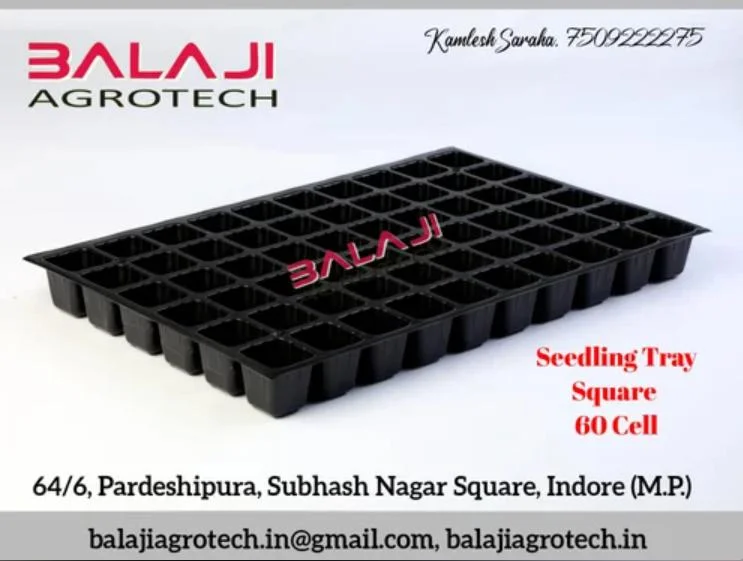
Seedling trays are specialized containers used for germinating and nurturing young plants. They come in various sizes and configurations, typically featuring multiple cells or compartments to hold individual seedlings. Made from durable materials, these trays are designed to facilitate optimal growth conditions by providing adequate drainage and aeration. Their structure supports a controlled environment that helps seedlings develop strong roots before being transplanted.
In the realm of agriculture, horticulture, and landscaping, seedling trays are essential tools. They are widely utilized in greenhouses, nurseries, and commercial farming operations. The trays allow for organized planting and easy handling of seedlings. This method not only maximizes space but also enhances efficiency in the production process. As the demand for sustainable and efficient agriculture practices grows, seedling trays have become increasingly relevant in the market.
The industry context is significant, as the global horticulture market continues to expand. Innovations in seedling tray design and materials contribute to improved plant health and increased yields. This relevance underscores the importance of selecting high-quality seedling trays for various agricultural applications.
Key Features and Specifications
Seedling trays come equipped with various features that enhance their functionality and usability. Understanding these specifications is crucial for making informed purchasing decisions.
Key specifications include:
1. Material Composition
- Commonly made from plastic or biodegradable materials
- Offers durability and resistance to environmental factors
2. Cell Size and Configuration
- Available in different cell sizes to accommodate various plant types
- Configurations may include standard, deep, or modular designs
3. Drainage Features
- Designed with drainage holes to prevent overwatering
- Ensures optimal moisture retention and aeration
4. Reusability
- Many trays are designed for multiple uses, reducing waste
- Easy to clean and sterilize for subsequent planting cycles
5. Compatibility with Automation
- Some trays are designed for compatibility with automated planting systems
- Enhances efficiency in large-scale operations
6. Temperature Resistance
- Capable of withstanding a range of temperatures
- Ensures stability during varying climate conditions
7. UV Stability
- Treated to resist degradation from UV exposure
- Prolongs the lifespan of the trays in outdoor environments
8. Customization Options
- Some manufacturers offer customization for branding or specific needs
- Allows businesses to tailor trays to their unique requirements
In summary, the right seedling trays can significantly impact plant growth and operational efficiency in agricultural settings. Their various features cater to diverse planting needs and environmental conditions.
Common Applications and Use Cases
Seedling trays are versatile products that serve a multitude of industries.
1. Agriculture: Seedling trays are extensively used in crop production, allowing farmers to start plants indoors before transplanting them outdoors. This method improves plant survival rates and optimizes growing seasons.
2. Horticulture: Nurseries utilize seedling trays to propagate flowers and ornamental plants. The trays facilitate easy handling and transportation of delicate plants.
3. Landscaping: Landscape professionals use seedling trays to grow a variety of plants for residential and commercial projects. They ensure a steady supply of healthy plants ready for installation.
4. Hydroponics: In hydroponic systems, seedling trays play a critical role in supporting young plants in nutrient-rich solutions. They allow for efficient space utilization and growth monitoring.
5. Research and Development: Agricultural research facilities employ seedling trays to study plant genetics and growth patterns. Trays provide controlled environments for experimentation.
6. Home Gardening: Hobbyist gardeners use seedling trays to start plants indoors, providing a convenient way to grow vegetables and flowers in limited space.
7. Retail: Garden centers and retailers often use seedling trays to display and sell young plants to consumers. This setup allows for easy viewing and selection.
Product Variants and Subcategories
Seedling trays come in a variety of forms to suit different applications and preferences.
Standard Seedling Tray
This is the most common type, featuring multiple small cells suitable for a range of plant types. Ideal for general gardening and small-scale agricultural use, these trays provide excellent drainage and aeration.
Deep Seedling Tray
Designed with deeper cells, this variant is ideal for plants that require more root space. It is particularly useful for growing vegetables and herbs that develop extensive root systems.
Modular Seedling Tray
These trays are customizable and can be configured to fit specific growing needs. They often allow for easy separation of cells, making them ideal for larger commercial operations.
Biodegradable Seedling Tray
Made from eco-friendly materials, these trays are designed to decompose after use. They are an excellent choice for businesses focused on sustainability and reducing plastic waste.
Cell Size Specific Trays
These trays are tailored to accommodate specific plant sizes, ensuring optimal growth conditions. They are often used in specialized agricultural sectors, such as floriculture.
Benefits and Advantages
The use of seedling trays offers multiple advantages for businesses in various sectors.
1. Enhanced Growth: Seedling trays provide optimal conditions for young plants, leading to faster and healthier growth.
2. Efficient Space Utilization: Trays enable growers to maximize available space, allowing for higher plant densities in greenhouses and nurseries.
3. Improved Transplant Success: The structured environment of seedling trays helps develop robust root systems, increasing survival rates when transplanting.
4. Cost-Effectiveness: Reusable trays reduce waste and save costs over time, making them a budget-friendly choice for growers.
5. Easy Handling: Seedling trays are designed for easy transport and handling, facilitating the movement of plants between locations.
6. Versatility: With various sizes and configurations, seedling trays can adapt to different types of plants and growing methods, from traditional soil planting to hydroponics.
Buying Guide for B2B Buyers
When sourcing seedling trays, it is essential to evaluate several critical factors to ensure you make the right choice.
1. Quality Assessment: Consider materials used and construction quality. Look for trays that withstand environmental conditions and offer durability for repeated use.
2. Supplier Verification: Vet potential suppliers by checking their reputation, customer reviews, and certifications. A reliable supplier will ensure consistent quality and supply.
3. Pricing and MOQ: Understand the pricing structure and minimum order quantities. Compare costs from different suppliers to ensure competitive pricing while considering bulk discounts.
4. Delivery and Lead Times: Evaluate the supplier's delivery capabilities and lead times. Choose a supplier that can meet your timelines to avoid delays in your operations.
5. Compliance Requirements: Ensure that the seedling trays meet regional regulatory standards, such as safety and environmental certifications. Compliance ensures product quality and marketability.
Compliance and Certifications
Seedling trays must adhere to various quality standards and certifications to ensure safety and reliability.
Relevant quality standards include ISO 9001, which focuses on quality management systems, ensuring that manufacturers maintain high levels of quality throughout the production process. Additionally, HACCP (Hazard Analysis Critical Control Point) may apply to trays used in food-related plant production, emphasizing safety and risk management.
Industry certifications, such as CE, demonstrate compliance with health, safety, and environmental protection standards within the European market. This certification assures buyers of the product's adherence to established safety guidelines.
Safety and testing requirements are crucial for ensuring that seedling trays do not leach harmful substances into the soil or plants. Manufacturers should conduct thorough testing to meet these safety standards.
Regional compliance considerations may vary depending on local regulations. Buyers should familiarize themselves with specific requirements in their operating region to ensure full compliance.
Why Source Seedling Trays from Pepagora?
Pepagora provides a trusted platform for sourcing seedling trays with several key advantages that cater to the needs of B2B buyers.
Verified Supplier Network: Pepagora has established a rigorous supplier verification process, ensuring that all suppliers meet quality standards and reliability benchmarks. This network enables buyers to source from reputable manufacturers.
Streamlined RFQ Process: The Request for Quotation (RFQ) system simplifies the procurement process for buyers. It allows businesses to easily compare quotes from multiple suppliers, ensuring they find the best deals without the hassle of extensive negotiations.
Trade Assurance and Support: Pepagora offers buyer protection through trade assurance policies. This support helps mitigate risks associated with online purchasing, providing peace of mind for businesses investing in seedling trays.
Regional Coverage: With a broad geographic reach, Pepagora connects buyers with suppliers across India, the GCC, and Southeast Asia. This extensive network ensures that businesses can access high-quality seedling trays tailored to their specific needs, regardless of their location.

 India
Frequently Asked Questions
What are Seedling Trays?
Seedling trays are flat containers designed to hold soil and seedlings during the germination and early growth stages. They come with multiple cells or compartments, allowing for efficient planting and management of young plants.
What are the different types of Seedling Trays?
There are several types of seedling trays, including plastic trays, biodegradable trays, and foam trays. Each type has its own benefits, such as durability, environmental friendliness, or enhanced aeration for root development.
How do I choose the right Seedling Trays?
When selecting seedling trays, consider factors such as the type of plants you are growing, the size of the cells, and the material of the tray. Additionally, ensure that the trays provide adequate drainage and aeration for healthy root growth.
What are the standard specifications for Seedling Trays?
Standard specifications for seedling trays include dimensions, cell size, and material quality. Typically, trays are made from durable plastic or biodegradable materials and come in various sizes to accommodate different types of seedlings.
What is the price range for Seedling Trays?
The price range for seedling trays can vary widely based on material, size, and supplier. Generally, prices can range from a few rupees for basic plastic trays to several hundred rupees for specialized or biodegradable options.
What quality standards apply to Seedling Trays?
Quality standards for seedling trays typically include material durability, resistance to UV light, and non-toxicity. It is essential to choose trays that meet industry standards to ensure the health and safety of the seedlings.
Where can I find Seedling Trays suppliers in India?
You can find seedling trays suppliers in India through online B2B marketplaces like Pepagora, local agricultural supply stores, and trade shows dedicated to horticulture and gardening supplies.
Can Seedling Trays be customized?
Yes, many manufacturers offer customization options for seedling trays, including size, shape, and material. Custom trays can be tailored to specific planting needs and preferences.
What is the typical minimum order quantity for Seedling Trays?
The typical minimum order quantity (MOQ) for seedling trays can vary by supplier but generally ranges from 50 to 100 trays. However, larger orders may be required for customized options.
What is the typical lead time for Seedling Trays?
The typical lead time for seedling trays can range from a few days to several weeks, depending on the supplier's inventory and the complexity of any custom orders. It's advisable to check with the supplier for specific timelines.
Why Businesses Trust Pepagora
Thousands of companies trust Pepagora to source smarter and sell faster
Expand Your Sales Globally

Source Smarter,Grow Faster
