
 IN
Seaweed-Based Films
1 products available
What are Seaweed-Based Films?
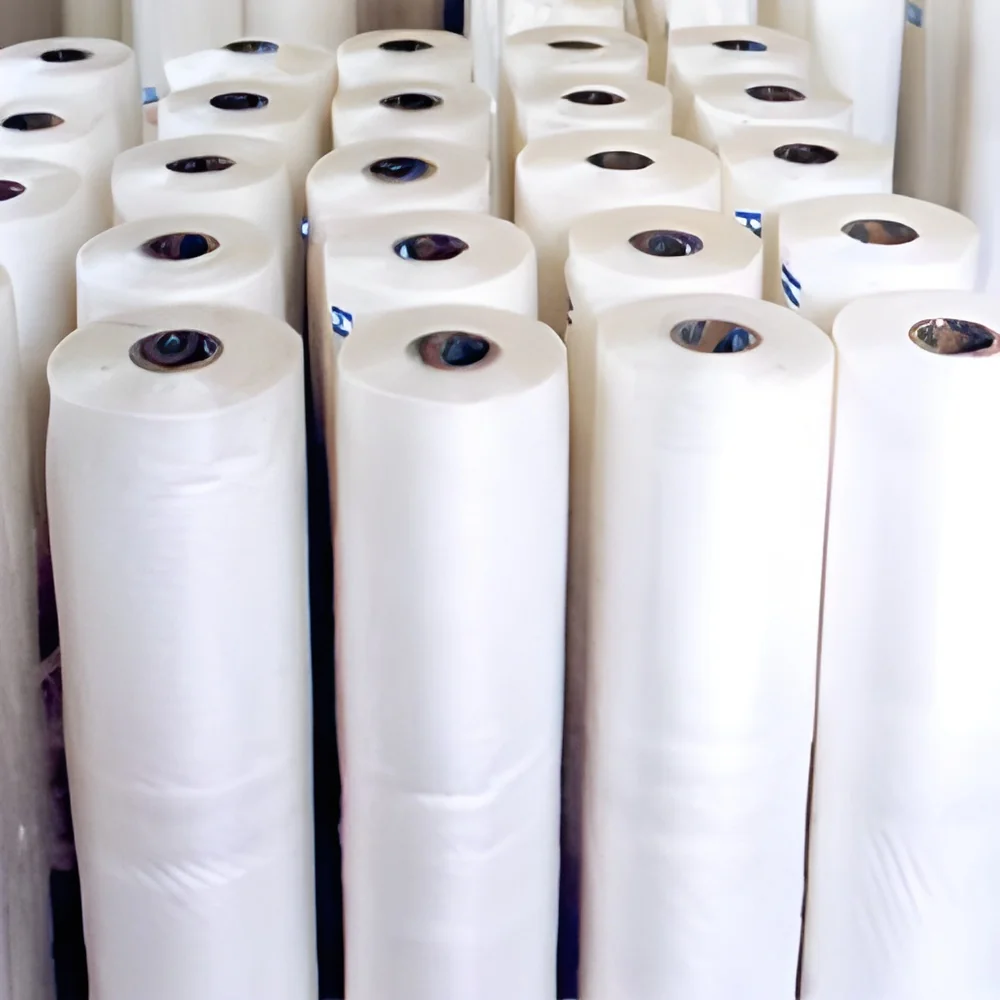
Seaweed-Based Films are biodegradable and sustainable packaging materials derived from marine algae. These films are designed to serve as eco-friendly alternatives to conventional plastic films. The production process involves extracting polysaccharides from seaweed, which are then processed into thin sheets. These films can be customized for various thicknesses and properties, making them suitable for a range of applications.
The primary uses of seaweed-based films include packaging for food products, agricultural applications, and personal care items. They are particularly valued for their ability to provide moisture protection while being compostable. Businesses are increasingly turning to these materials as they seek to reduce their environmental footprint and comply with stricter regulations regarding plastic waste. The growing awareness of sustainability in consumer preferences further drives the demand for seaweed-based films across multiple industries.
In today's market, seaweed-based films hold significant relevance due to their alignment with global sustainability goals. As industries move toward greener practices, the bio-based nature of these films positions them favorably against traditional petroleum-based alternatives. This shift is supported by innovations in material science, which continue to enhance the functionality and versatility of seaweed-based films.
Key Features and Specifications
Seaweed-Based Films come with a variety of features and specifications that make them suitable for diverse applications. These films are known for their biodegradable properties, which mitigate environmental impact. Additionally, they can be engineered to meet specific performance requirements based on their intended use.
Key specifications include:
1. Biodegradability
- Decomposes within a defined period when exposed to natural environmental conditions.
- Typically breaks down in 3 to 6 months under composting conditions.
2. Moisture Barrier Properties
- Provides excellent protection against moisture, extending shelf life for food products.
- Humidity control can be tailored to meet specific packaging needs.
3. Tensile Strength
- Exhibits sufficient strength to withstand stress during handling and transportation.
- Measured in Newtons per square millimeter (N/mm²).
4. Thickness Range
- Available in various thicknesses, usually ranging from 20 to 200 micrometers.
- Thicker films can provide additional durability for specific applications.
5. Transparency
- Can be produced in transparent or opaque forms, depending on branding needs.
- Transparency allows visibility of the product inside the packaging.
6. Customization Options
- Films can be customized in terms of size, color, and additives for specific properties.
- Tailored formulations can enhance features like antimicrobial properties.
In summary, the key features and specifications of seaweed-based films highlight their adaptability and performance, making them an attractive option for businesses aiming for sustainable solutions.
Common Applications and Use Cases
Seaweed-Based Films find applications across various industries, driven by their eco-friendly characteristics and functional benefits.
1. Food Industry: These films are widely used in food packaging, offering moisture barrier properties that help maintain freshness and extend shelf life. They are particularly popular for wrapping fresh produce and snacks.
2. Agriculture: Seaweed-based films can serve as biodegradable mulch films, promoting soil health while preventing weed growth. They contribute to sustainable farming practices by reducing plastic pollution.
3. Personal Care: In the cosmetics industry, these films are utilized for packaging items like face masks and wet wipes, appealing to environmentally conscious consumers.
4. Pharmaceuticals: The films can be used in pharmaceutical packaging to protect sensitive medications from moisture and contamination, ensuring product integrity.
5. Retail: Retail businesses are increasingly adopting seaweed-based films for packaging gifts and merchandise, aligning their brand with sustainability values.
6. Industrial Applications: These films can be used in various industrial applications where temporary protective films are needed, such as in construction and manufacturing.
7. Electronics: Seaweed-based films can serve as protective layers in electronic packaging, providing moisture resistance while being biodegradable.
Product Variants and Subcategories
Seaweed-Based Films come in various forms, each tailored to specific needs and applications.
Eco-Friendly Packaging Film: This variant is designed specifically for food packaging, offering excellent moisture and oxygen barrier properties. It is suitable for a range of food products, ensuring freshness while remaining compostable.
Biodegradable Mulch Film: This type of seaweed-based film is used in agricultural settings. It helps manage weed growth while being environmentally friendly and contributing to soil health.
Transparent Seaweed Film: This variant is ideal for applications requiring visibility of the packaged product, such as in retail or food display settings. Its clarity makes it an attractive choice for brands focusing on aesthetics.
Flavored Seaweed Film: This innovative option incorporates natural flavors, making it popular in the food industry for applications such as edible packaging for snacks and confections.
Benefits and Advantages
Seaweed-Based Films offer numerous benefits that appeal to businesses looking to adopt sustainable practices.
1. Environmental Sustainability: These films are biodegradable and compostable, making them a responsible choice for reducing plastic waste.
2. Versatility: They can be customized for various thicknesses and properties, catering to diverse industry needs and applications.
3. Enhanced Product Shelf Life: The moisture barrier properties help preserve food quality, reducing spoilage and waste.
4. Compliance with Regulations: As governments impose stricter regulations on plastic usage, seaweed-based films provide a viable alternative that meets compliance requirements.
5. Consumer Appeal: An increasing number of consumers prefer products packaged in sustainable materials, enhancing brand loyalty and marketability.
6. Cost-Effectiveness: While initial costs may be higher than traditional plastics, the long-term savings from waste reduction and compliance can offset these expenses.
Buying Guide for B2B Buyers
When sourcing Seaweed-Based Films, businesses should consider several critical factors to ensure they make informed purchasing decisions.
1. Quality Assessment: Evaluate the film's quality based on its biodegradability, tensile strength, and moisture barrier properties. Request samples to perform quality tests.
2. Supplier Verification: Vet potential suppliers to ensure they adhere to industry standards and have a proven track record in delivering quality products. Check for certifications and customer reviews.
3. Pricing and MOQ: Understand the pricing structure and minimum order quantities (MOQ). Compare quotes from multiple suppliers to find competitive pricing while ensuring quality.
4. Delivery and Lead Times: Discuss delivery schedules and lead times to ensure timely procurement and avoid disruptions in operations.
5. Compliance Requirements: Confirm that the seaweed-based films meet relevant regulations for your industry. This includes checking for certifications like CE and other necessary documentation.
Compliance and Certifications
Compliance and certifications are essential for ensuring the quality and safety of Seaweed-Based Films. Relevant quality standards such as ISO 9001 ensure that manufacturers follow consistent quality management practices. HACCP (Hazard Analysis and Critical Control Points) guidelines are also crucial for food-related applications, focusing on food safety.
Industry certifications like CE indicate that the products meet European health, safety, and environmental protection standards. Safety and testing requirements further ensure that the films perform as expected without risking contamination or degradation.
Regional compliance considerations may vary based on local regulations regarding biodegradable materials. Businesses should be aware of these differences to ensure their products meet all necessary legal requirements.
Why Source Seaweed-Based Films from Pepagora?
Pepagora provides a trusted platform for sourcing Seaweed-Based Films, offering several key advantages for businesses.
Verified Supplier Network: Pepagora connects buyers with a network of verified suppliers committed to quality and sustainability. This ensures that businesses can source reliable products that meet their specifications.
Streamlined RFQ Process: The request for quotation (RFQ) process is user-friendly, allowing buyers to easily compare offers from multiple suppliers. This helps in making informed decisions quickly.
Trade Assurance and Support: Pepagora offers trade assurance to protect buyers throughout the purchasing process. This includes support in case of disputes or issues, ensuring a secure transaction.
Regional Coverage: With a strong presence in India, the GCC, and Southeast Asia, Pepagora provides extensive regional coverage, facilitating smooth procurement for businesses operating in these areas.
By leveraging Pepagora’s platform, businesses can access high-quality Seaweed-Based Films while benefiting from a range of support services that enhance their buying experience.


Frequently Asked Questions
What are Seaweed-Based Films?
Seaweed-Based Films are biodegradable materials made from natural seaweed extracts. They serve as an eco-friendly alternative to conventional plastic films and are used in various applications, including food packaging and agricultural films.
What are the different types of Seaweed-Based Films?
There are several types of Seaweed-Based Films, including films made from alginate, carrageenan, and agar. Each type varies in terms of properties such as thickness, tensile strength, and permeability, making them suitable for different applications.
How do I choose the right Seaweed-Based Films?
To choose the right Seaweed-Based Films, consider factors such as the intended application, required barrier properties, and environmental conditions. It's also important to evaluate the film's compatibility with the products being packaged.
What are the standard specifications for Seaweed-Based Films?
Standard specifications for Seaweed-Based Films typically include thickness (measured in micrometers), tensile strength, elongation at break, and moisture barrier properties. These specifications ensure that the films meet industry standards for performance and safety.
What is the price range for Seaweed-Based Films?
The price range for Seaweed-Based Films can vary widely based on factors such as material type, thickness, and supplier. Generally, prices may range from INR 100 to INR 500 per kilogram, depending on the quality and customization.
What quality standards apply to Seaweed-Based Films?
Quality standards for Seaweed-Based Films may include compliance with food safety regulations, biodegradability certifications, and testing for mechanical properties. It is essential to ensure that the films meet the specific requirements of their intended use.
Where can I find Seaweed-Based Films suppliers in India?
You can find Seaweed-Based Films suppliers in India through online B2B marketplaces like Pepagora.com, industry trade shows, and local business directories. Conducting thorough research and comparing multiple suppliers can help you find reliable options.
Can Seaweed-Based Films be customized?
Yes, Seaweed-Based Films can often be customized to meet specific requirements, such as size, thickness, and barrier properties. Many manufacturers offer customization options to cater to unique packaging needs.
What is the typical minimum order quantity for Seaweed-Based Films?
The typical minimum order quantity (MOQ) for Seaweed-Based Films can vary by supplier, ranging from 100 kg to several tons. It's advisable to check with individual suppliers for their specific MOQ policies.
What is the typical lead time for Seaweed-Based Films?
The typical lead time for Seaweed-Based Films can range from 2 to 6 weeks, depending on the supplier and whether the films are customized. It's important to confirm lead times during the order process to ensure timely delivery.
Why Businesses Trust Pepagora
Thousands of companies trust Pepagora to source smarter and sell faster
Expand Your Sales Globally

Source Smarter,Grow Faster
