Key Features and Specifications
Seasonal seeds come with a range of features and specifications that cater to various agricultural needs. Understanding these specifications is vital for businesses looking to maximize their planting efficiency and crop yield.
Key specifications include:
1. Germination Rate
- Indicates the percentage of seeds that successfully sprout
- Typically ranges from 85% to 95%
2. Seed Size
- Refers to the physical dimensions of the seeds
- Can vary significantly between flower and vegetable types
3. Seed Treatment
- Details any pre-planting treatments to enhance growth
- May include fungicides or nutrients
4. Variety Type
- Specifies the breed or hybrid of the seed
- Includes heirloom, open-pollinated, or hybrid options
5. Packaging
- Indicates the type of packaging used for seeds
- Common options include bulk, retail packs, or eco-friendly packaging
6. Shelf Life
- Describes the viability period of seeds before they lose germination ability
- Generally ranges from 1 to 3 years
7. Climate Adaptability
- Specifies suitable climate conditions for optimal growth
- Includes temperature range and humidity levels
8. Compliance Standards
- Ensures adherence to industry regulations
- Includes certifications like CE for quality assurance
Understanding these specifications can help buyers make informed decisions when selecting seasonal seeds for their specific agricultural requirements.
Common Applications and Use Cases
Seasonal seeds are utilized across various industries, each benefiting from their unique properties.
1. Agriculture: Farmers use seasonal seeds to optimize crop production, ensuring that vegetables and flowers are planted and harvested at the right times for maximum yield.
2. Horticulture: Nurseries and garden centers rely on seasonal seeds to provide customers with a diverse array of flowering plants, ensuring a vibrant selection throughout the year.
3. Landscaping: Landscaping companies use seasonal seeds for designing gardens and public spaces, creating seasonal displays that attract attention and enhance aesthetic appeal.
4. Retail: Garden supply stores offer seasonal seeds to hobby gardeners, catering to the growing interest in home gardening and sustainable practices.
5. Culinary: Restaurants and chefs source seasonal vegetable seeds to grow their own produce, ensuring freshness and quality in their dishes.
6. Educational: Schools and agricultural programs use seasonal seeds in educational projects to teach students about plant biology and sustainable practices.
7. Environmental Restoration: Organizations focusing on ecological restoration utilize seasonal seeds to restore native flora in degraded landscapes, promoting biodiversity.
Product Variants and Subcategories
Seasonal seeds come in various forms to cater to different planting needs.
Flower Seeds
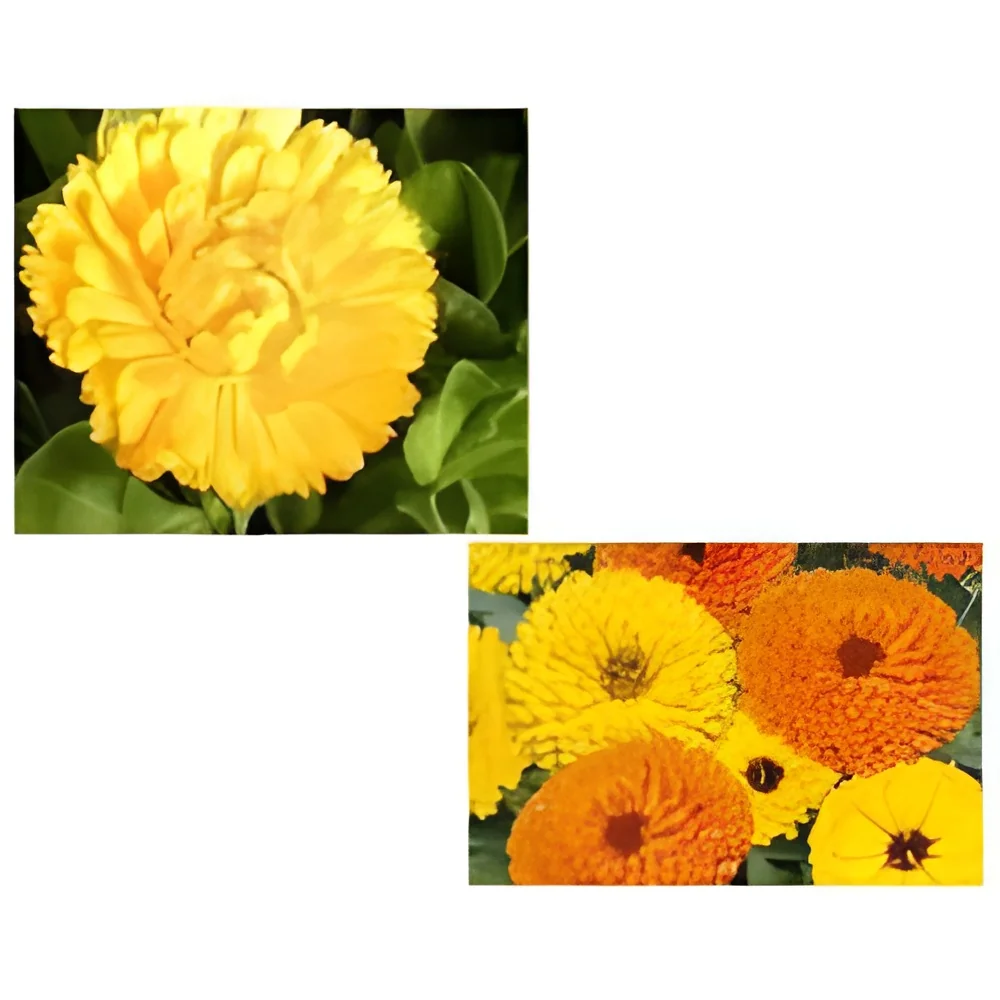
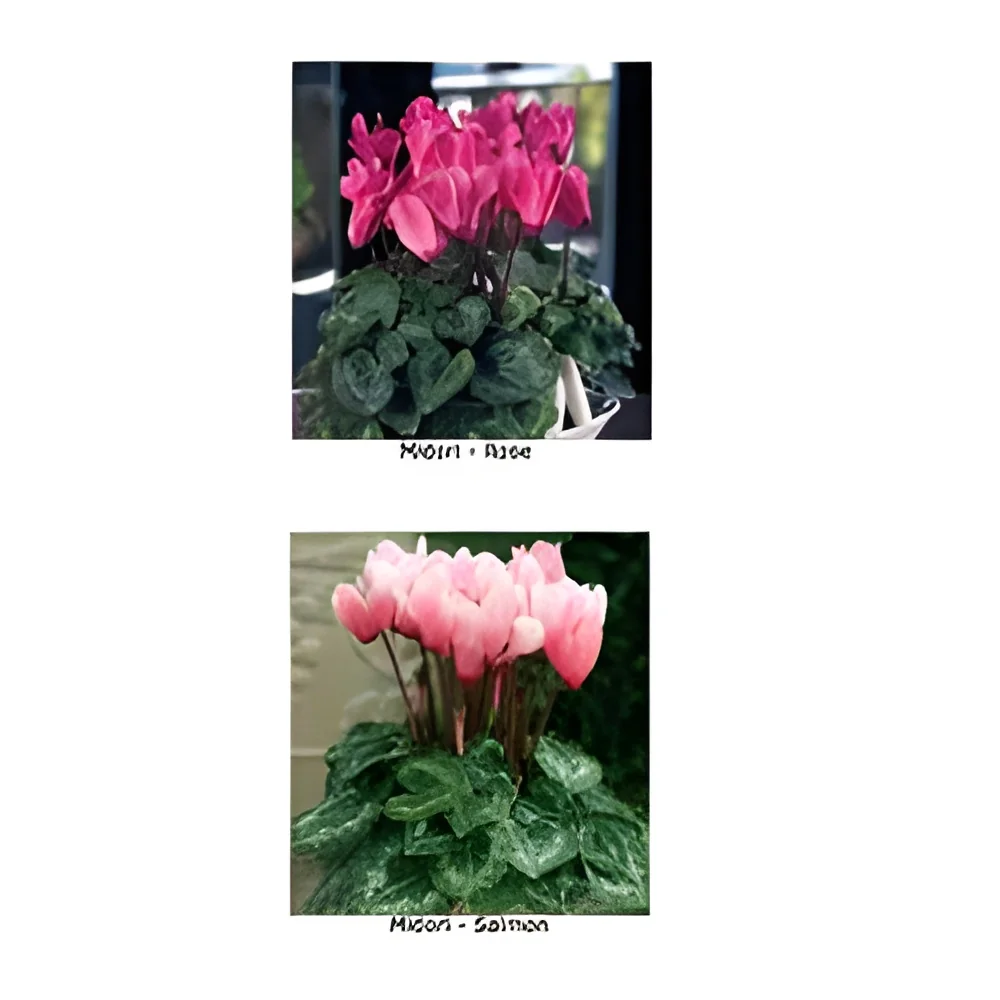
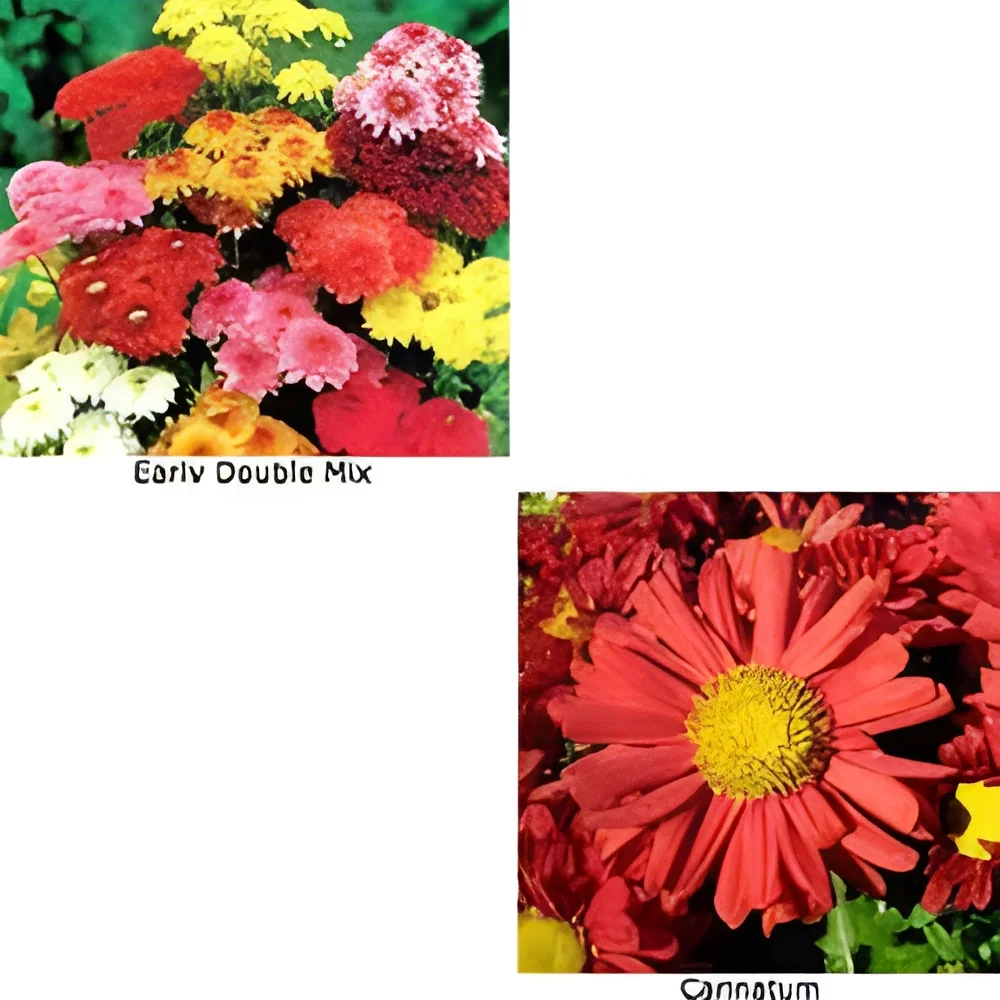
These seeds include a wide variety of flowering plants, each offering unique colors and blooming seasons. They are perfect for landscaping and decorative gardening.
Vegetable Seeds
This category includes seeds for various vegetables that can be planted according to seasonal cycles. They provide essential food sources for communities and businesses.
Benefits and Advantages
Choosing seasonal seeds offers several advantages for businesses and growers.
1. Increased Yield: Seasonal seeds are optimized for specific growing conditions, leading to higher crop yields.
2. Cost Efficiency: By planting seeds that are suitable for the current season, businesses can reduce waste and improve resource management.
3. Enhanced Flavor: Seasonal vegetables often have superior flavor profiles due to being harvested at their peak ripeness.
4. Market Demand Alignment: Utilizing seasonal seeds ensures that products are in demand when harvested, maximizing sales potential.
5. Sustainability: Seasonal planting encourages sustainable agricultural practices, reducing the ecological footprint.
6. Biodiversity Support: Growing a variety of seasonal plants helps maintain biodiversity within ecosystems, benefiting the environment.
Buying Guide for B2B Buyers
When sourcing seasonal seeds, buyers should consider several crucial factors to ensure they make informed purchasing decisions.
1. Quality Assessment: Evaluate seed quality based on germination rates, treatment, and overall health to ensure successful planting.
2. Supplier Verification: Vet suppliers through reviews, certifications, and track records to confirm their reliability and quality standards.
3. Pricing and MOQ: Understand the pricing structure and minimum order quantities to align purchases with budget constraints.
4. Delivery and Lead Times: Assess the logistics involved in delivery to ensure timely receipt of seeds for planting schedules.
5. Compliance Requirements: Familiarize yourself with any regulatory requirements related to seed sourcing, including safety standards and certifications.
Compliance and Certifications
Seasonal seeds must adhere to various quality standards and regulations to ensure their safety and efficacy. Relevant quality standards such as ISO 9001 and HACCP guide manufacturers in maintaining consistent quality processes. CE certification is often required for seeds to confirm their compliance with European safety and health regulations.
Additionally, safety and testing requirements are critical to ensure that seeds are free from contaminants and viable for planting. Regional compliance considerations may vary, so it is essential for businesses to stay informed about local regulations governing seed sales and distribution.
Why Source Seasonal Seeds (Flowers, Vegetables) from Pepagora?
Pepagora offers a reliable platform for sourcing seasonal seeds, providing several key advantages to B2B buyers.
Verified Supplier Network: Pepagora connects buyers with a network of verified suppliers, ensuring that all listed products meet high-quality standards. This reduces the risk associated with sourcing seeds and allows businesses to focus on their core operations.
Streamlined RFQ Process: The Request for Quotation (RFQ) system simplifies the procurement process, allowing buyers to easily compare prices and specifications from multiple suppliers. This efficiency saves time and promotes competitive pricing.
Trade Assurance and Support: Pepagora provides trade assurance, offering buyers protection throughout the sourcing process. This includes support for any disputes or challenges that may arise during transactions.
Regional Coverage: With a strong presence in markets such as India, the GCC, and Southeast Asia, Pepagora ensures that buyers have access to a diverse range of seasonal seeds tailored to their regional needs. This broad coverage enhances supply chain reliability and market reach.

 IN
IN