
 IN
Hanging Baskets & Flower Pots
20 products available
What are Hanging Baskets & Flower Pots?
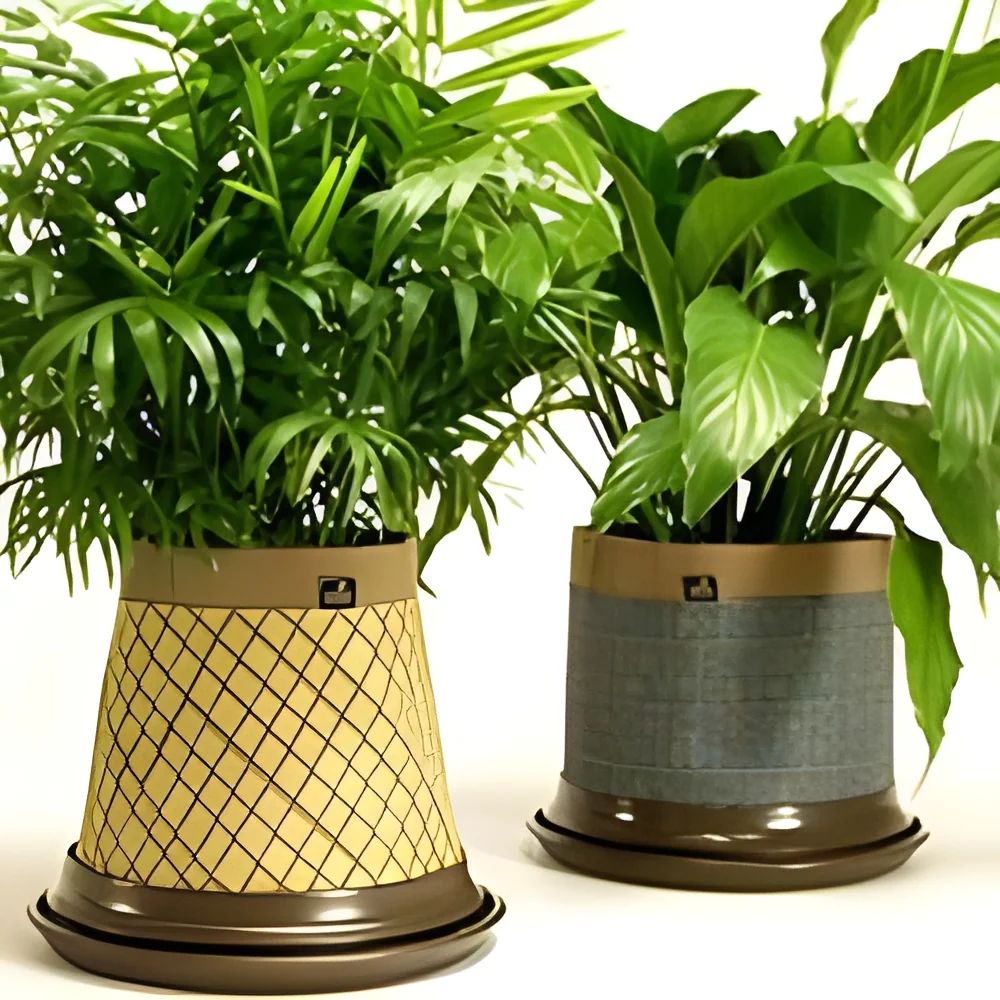
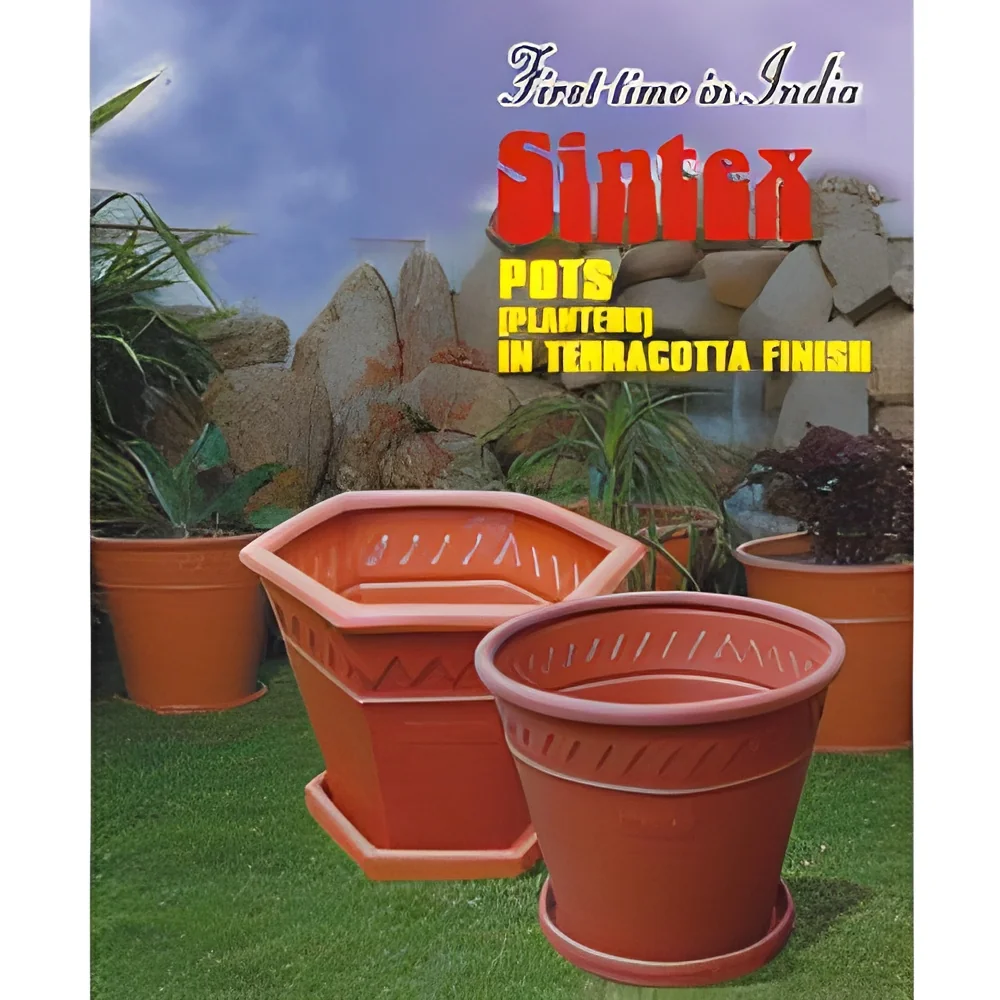
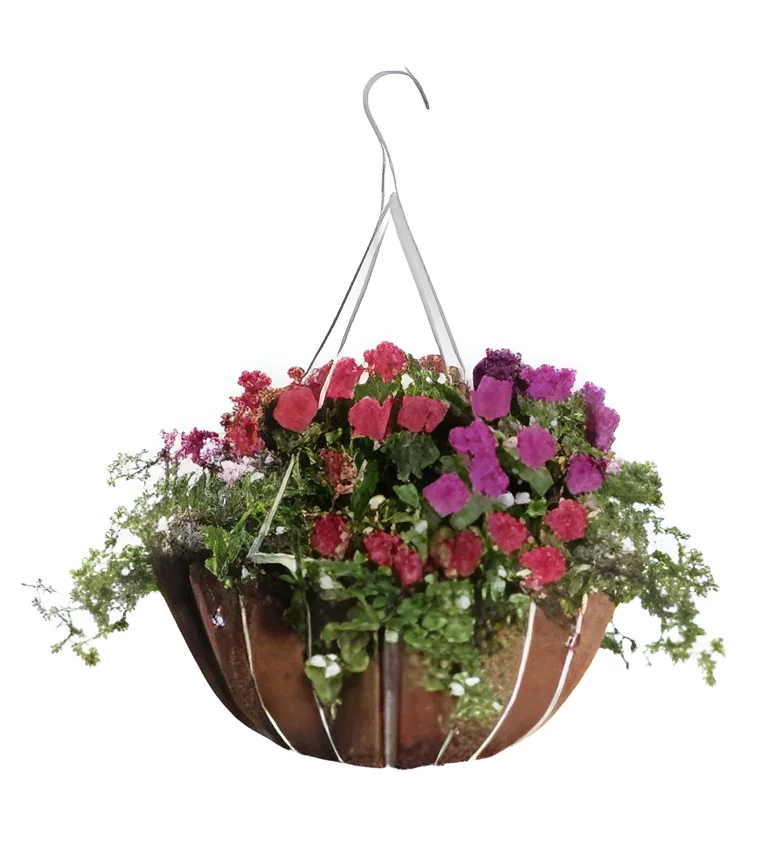
Hanging baskets and flower pots are essential products used for planting and displaying flowers and plants in various settings. Hanging baskets are typically suspended from hooks or brackets, allowing for vertical gardening and maximizing space, while flower pots are containers used to hold soil and plants, commonly placed on surfaces such as tables or floors. Both products come in diverse shapes, sizes, and materials, making them suitable for a range of horticultural applications.
These products are widely utilized in commercial landscaping, retail environments, and residential gardening. Businesses such as nurseries, garden centers, and landscaping companies often incorporate hanging baskets and flower pots into their offerings. They are used to enhance visual appeal in public spaces, create outdoor and indoor gardens, and promote plant sales. The market for these items is growing, driven by trends in urban gardening and an increasing interest in sustainable practices.
In the context of the industry, hanging baskets and flower pots play a significant role in promoting green spaces and enhancing environmental aesthetics. With the rise of urbanization, there is a greater demand for these products, as they allow individuals and businesses to cultivate greenery in limited spaces. The market is characterized by innovation in materials and designs, catering to the evolving preferences of consumers.
Key Features and Specifications
Hanging baskets and flower pots offer various features that cater to different gardening needs. When evaluating these products, buyers should consider several specifications to ensure they meet their requirements.
Key specifications include:
1. Material Type
- Common materials include plastic, ceramic, metal, and biodegradable options.
- Each material offers specific durability, weight, and aesthetic qualities.
2. Size and Dimensions
- Available in multiple sizes, from small pots to large baskets.
- Dimensions typically range from 6 inches to 36 inches in diameter.
3. Drainage System
- Features include drainage holes or built-in saucers to prevent waterlogging.
- Proper drainage is essential for plant health.
4. Design Options
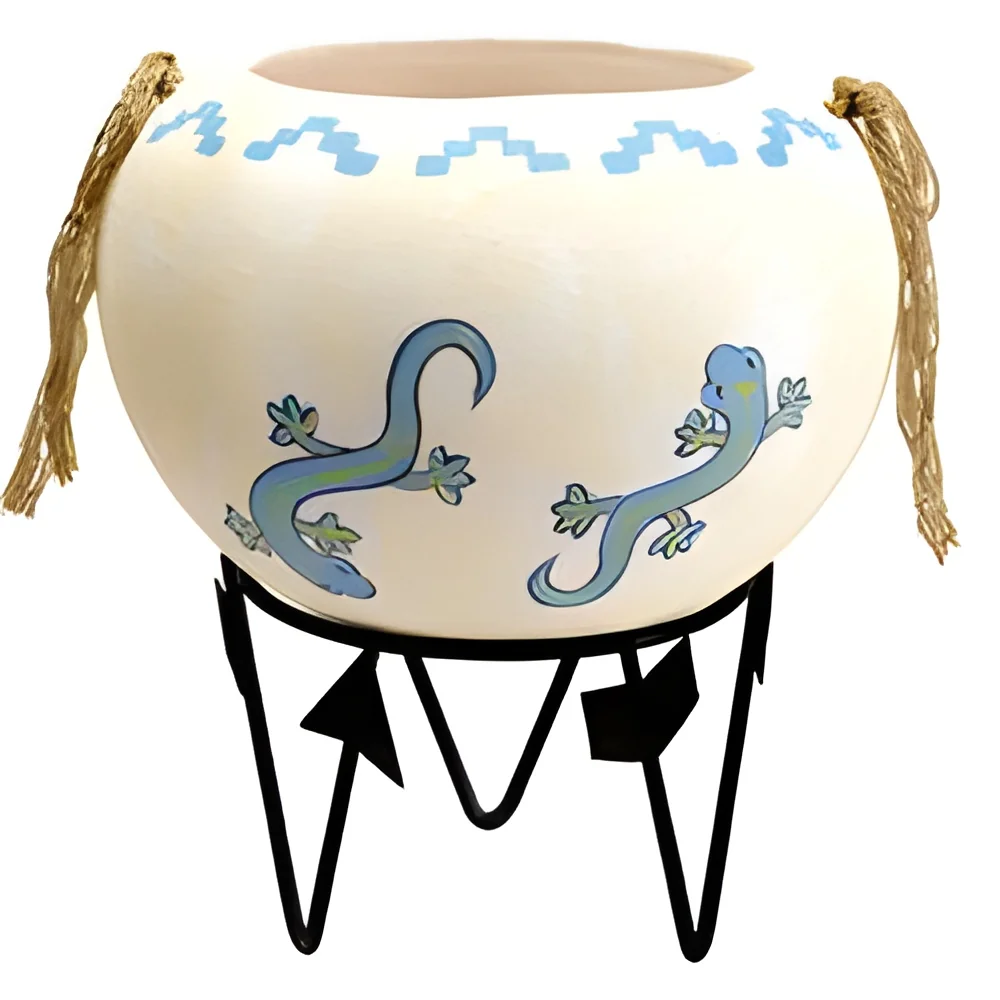
- Various designs include traditional, modern, and decorative styles.
- Customization options may be available for branding or aesthetic purposes.
5. Weight Capacity
- Depending on the material and design, weight capacity varies.
- Ensures that the basket or pot can support the plant and soil weight.
6. UV Resistance
- Many products are treated to resist damage from sunlight.
- Ensures longevity when used outdoors.
7. Eco-Friendliness
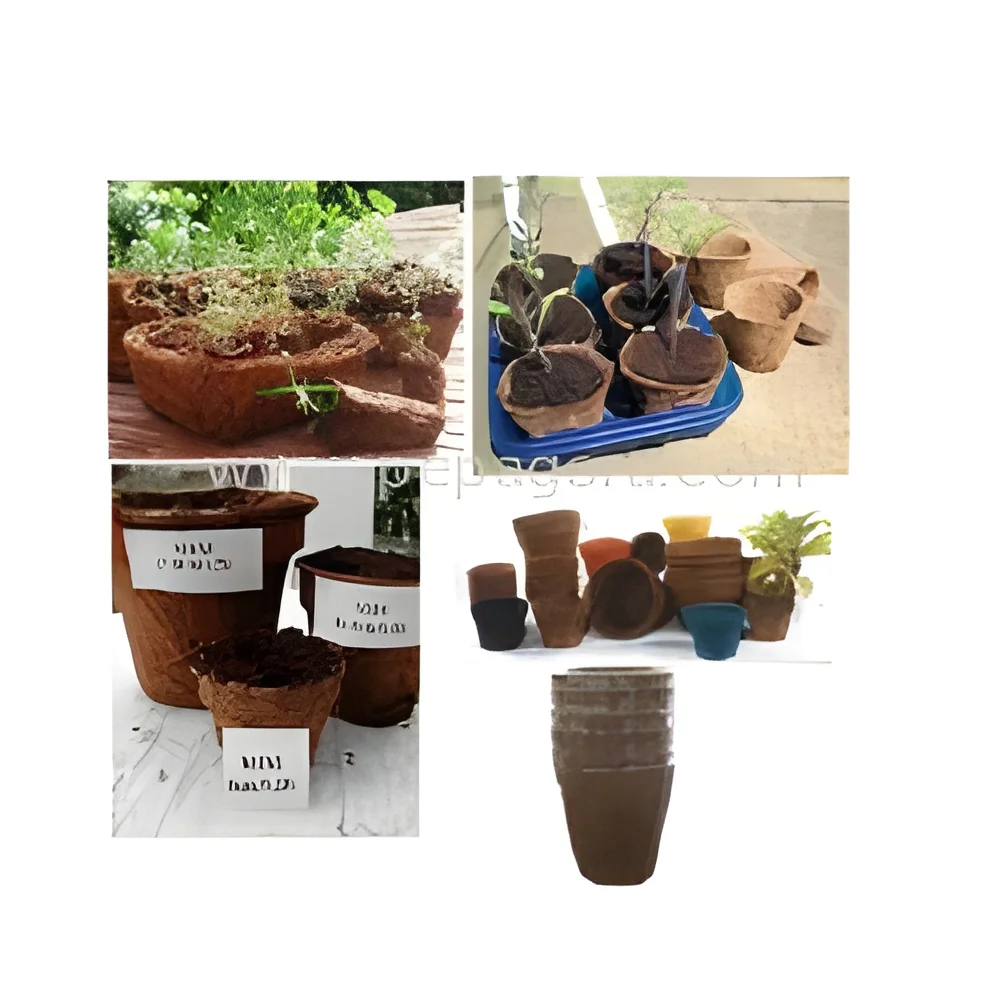
- Some products are made from recycled or sustainable materials.
- Important for businesses focused on sustainability.
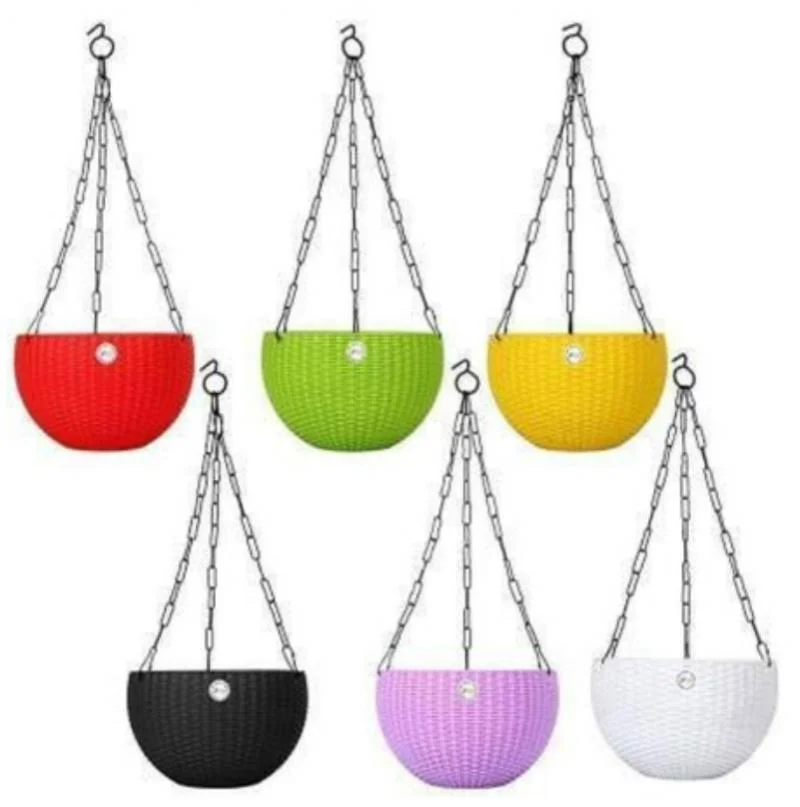
8. Color Options
- Available in a wide range of colors to match different environments.
- Enhances visual appeal and complements surrounding decor.
In summary, understanding these key features and specifications will aid buyers in selecting the right hanging baskets and flower pots for their specific needs.
Common Applications and Use Cases
Hanging baskets and flower pots find applications across various sectors, enhancing both aesthetic and functional aspects of environments.
1. Retail Horticulture: Garden centers and nurseries use these products to showcase plants, attracting customers with visually appealing displays.
2. Landscaping: Landscaping companies employ hanging baskets and flower pots to create vibrant outdoor spaces in parks, commercial properties, and residential gardens.
3. Hospitality: Hotels and restaurants utilize these products to enhance outdoor seating areas, creating inviting atmospheres for guests.
4. Urban Gardening: City dwellers use hanging baskets and flower pots to maximize space and cultivate plants in balconies, patios, and rooftops.
5. Public Spaces: Municipalities incorporate them into public parks and streetscapes to beautify urban environments and promote greenery.
6. Events and Promotions: Businesses often use decorative pots and baskets for events, enhancing the visual appeal of venues and displays.
7. Education: Schools and community centers utilize these products for educational gardening programs, teaching children about plant care and sustainability.
Product Variants and Subcategories
Hanging baskets and flower pots come in a variety of forms to cater to different gardening styles and applications.
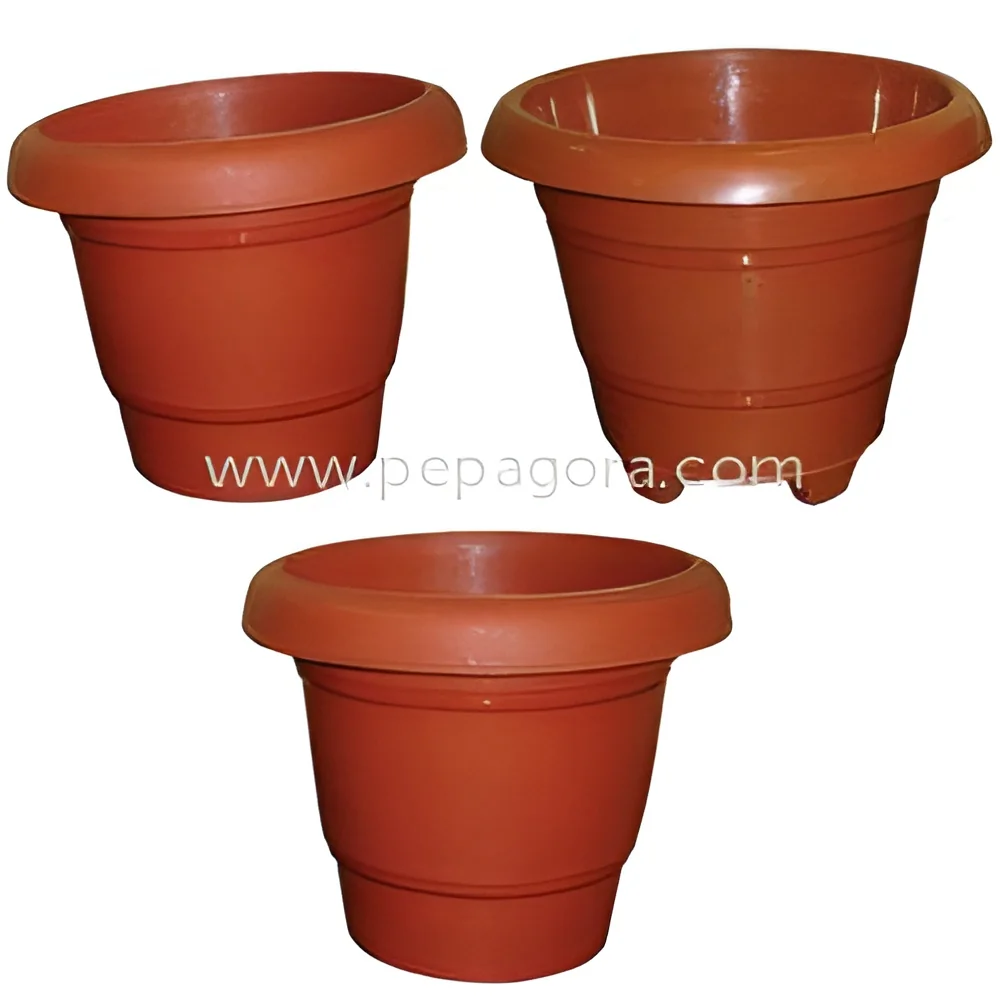
Plastic Hanging Baskets
These lightweight and durable baskets are resistant to fading and breaking. They are ideal for outdoor use and often come with built-in drainage systems for optimal plant health.
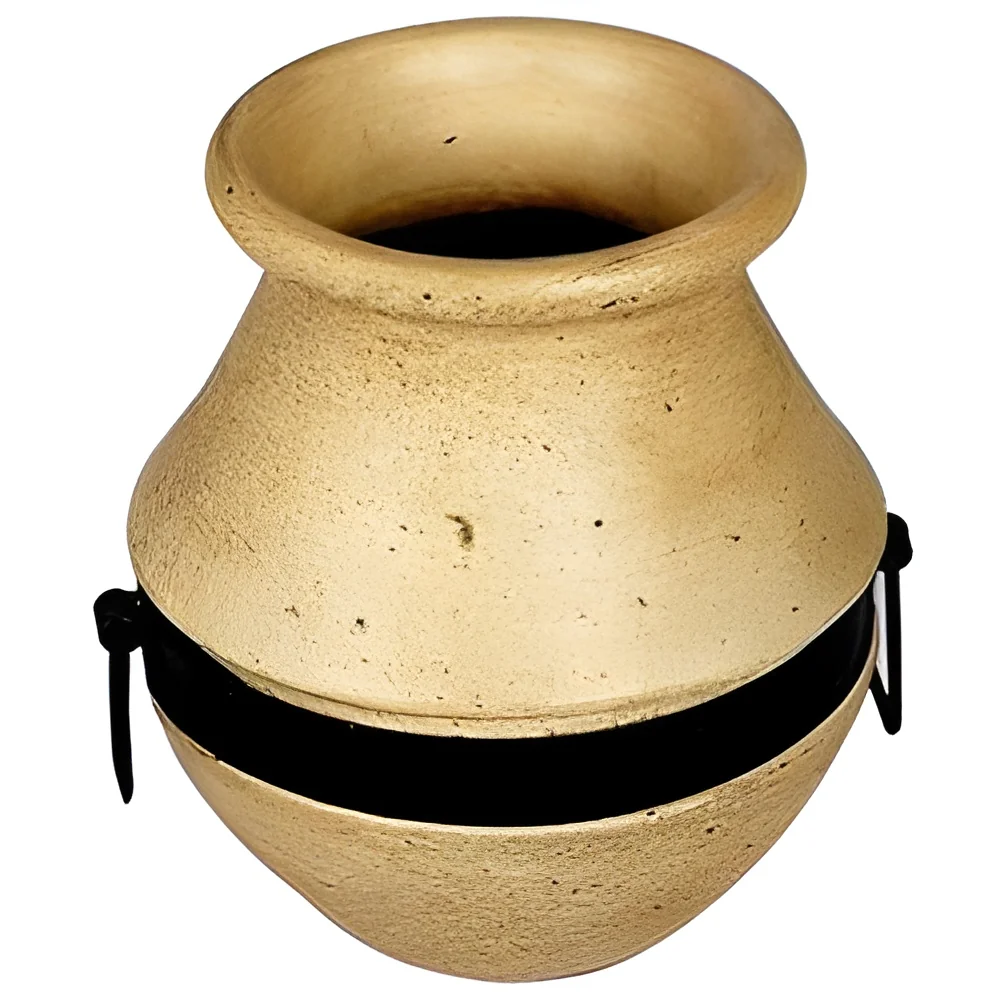
Ceramic Flower Pots
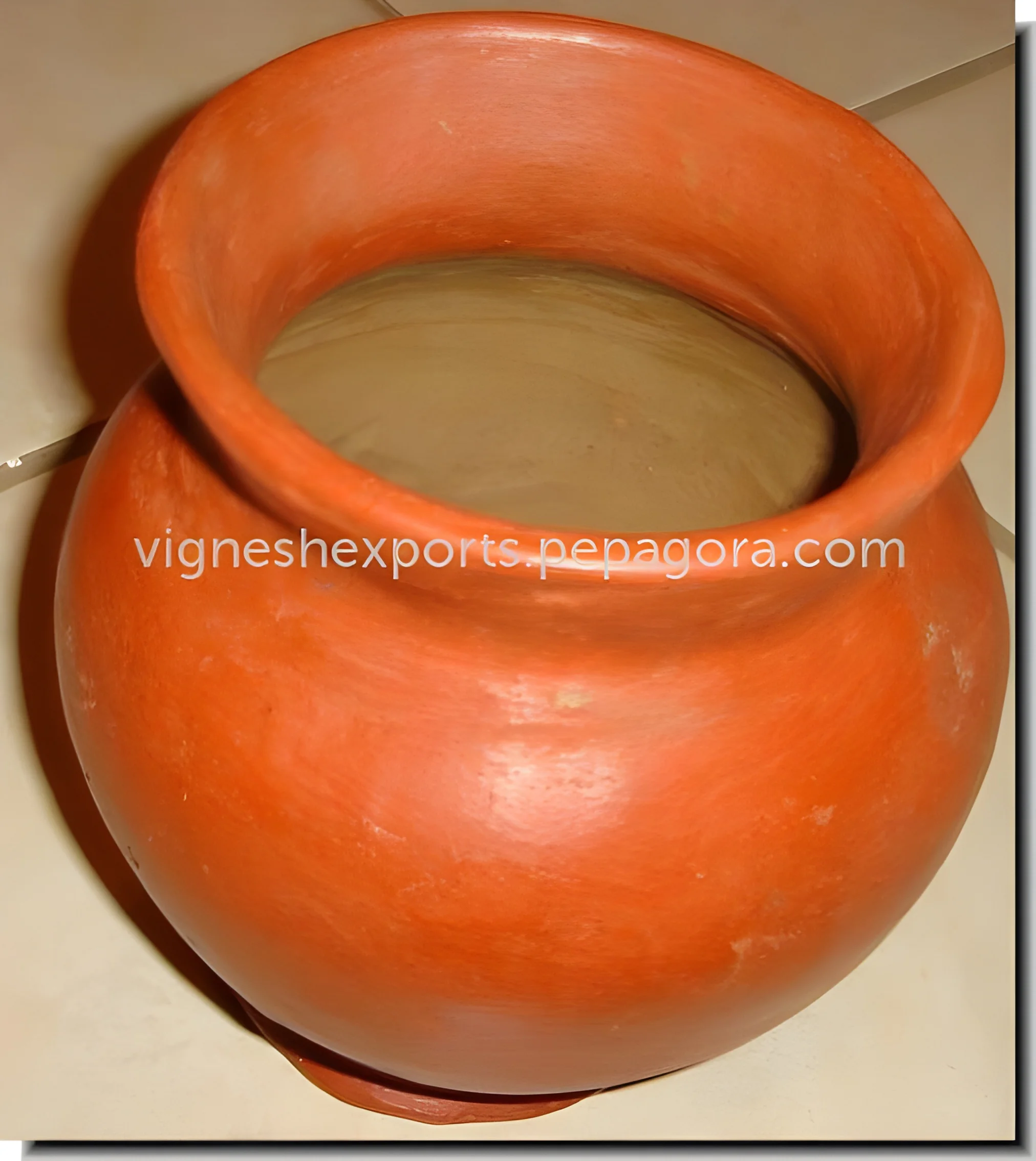
Ceramic pots offer a classic look and are available in various glazes and colors. They provide excellent insulation for roots and are suitable for indoor and outdoor use.
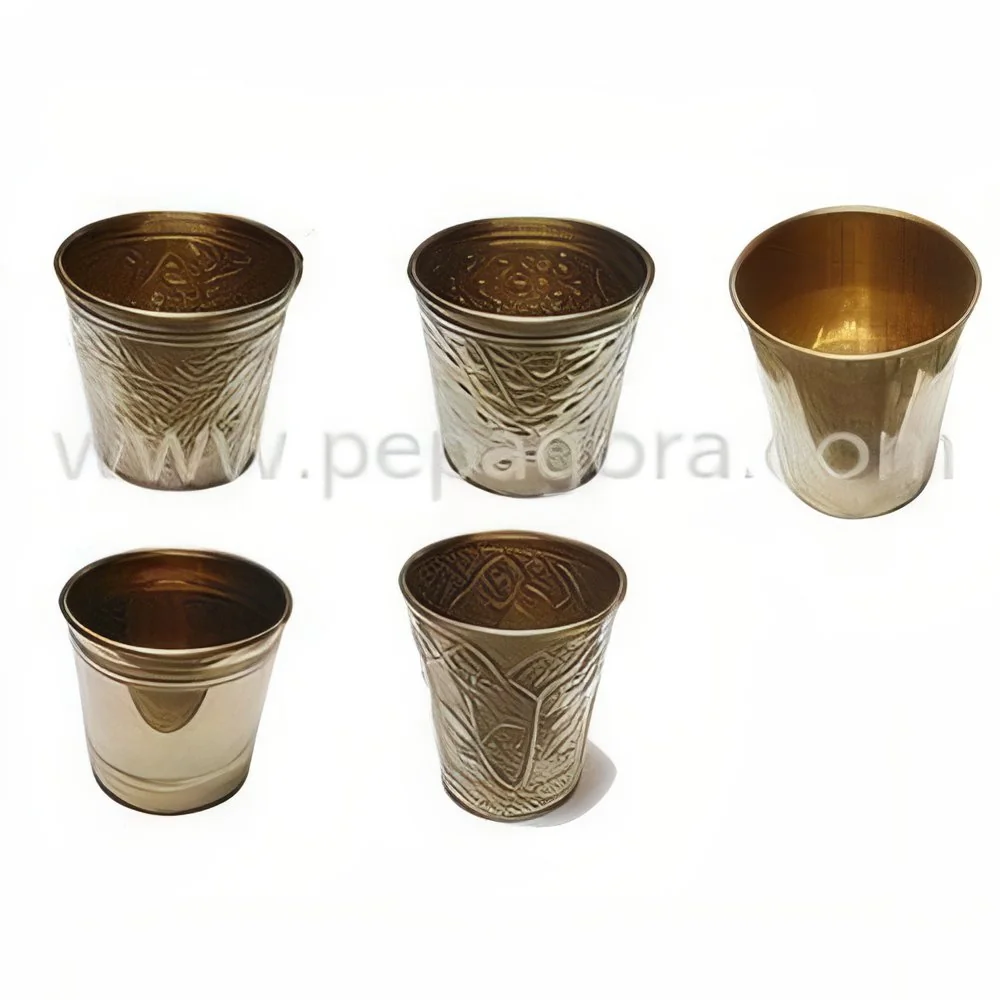
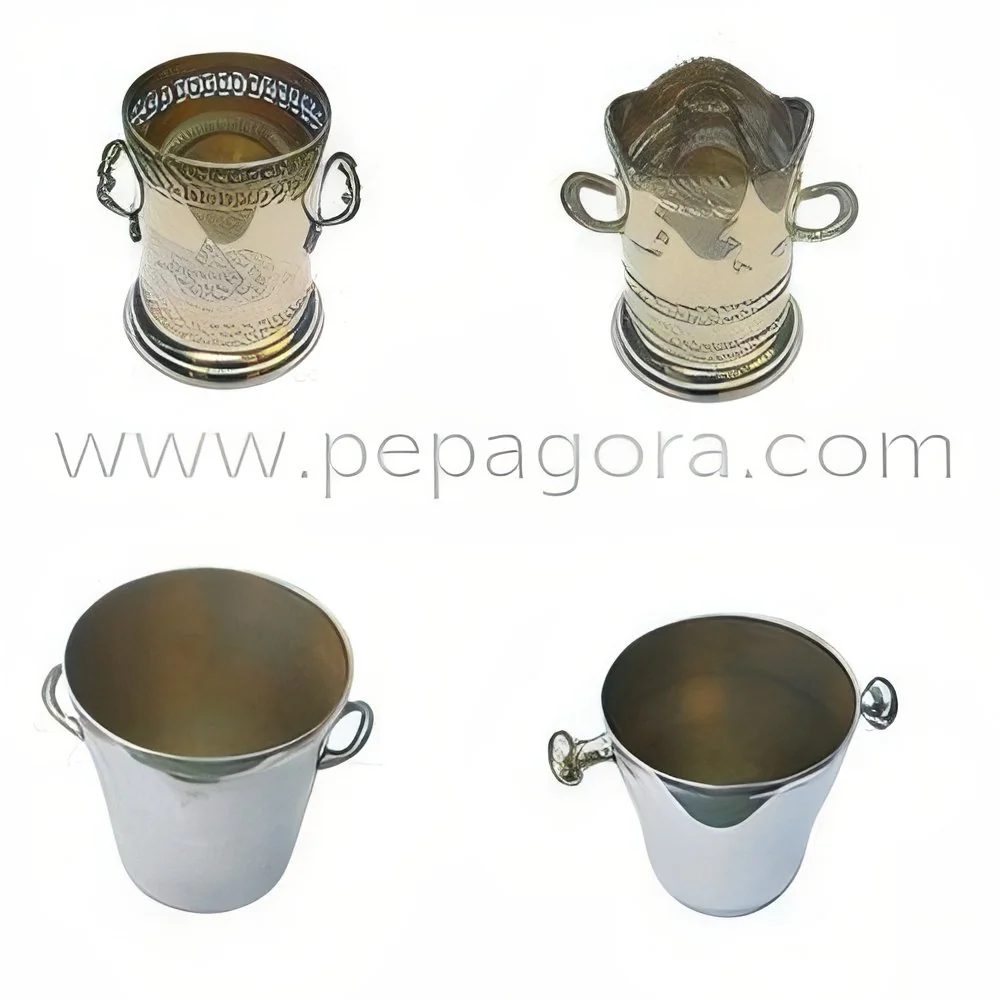
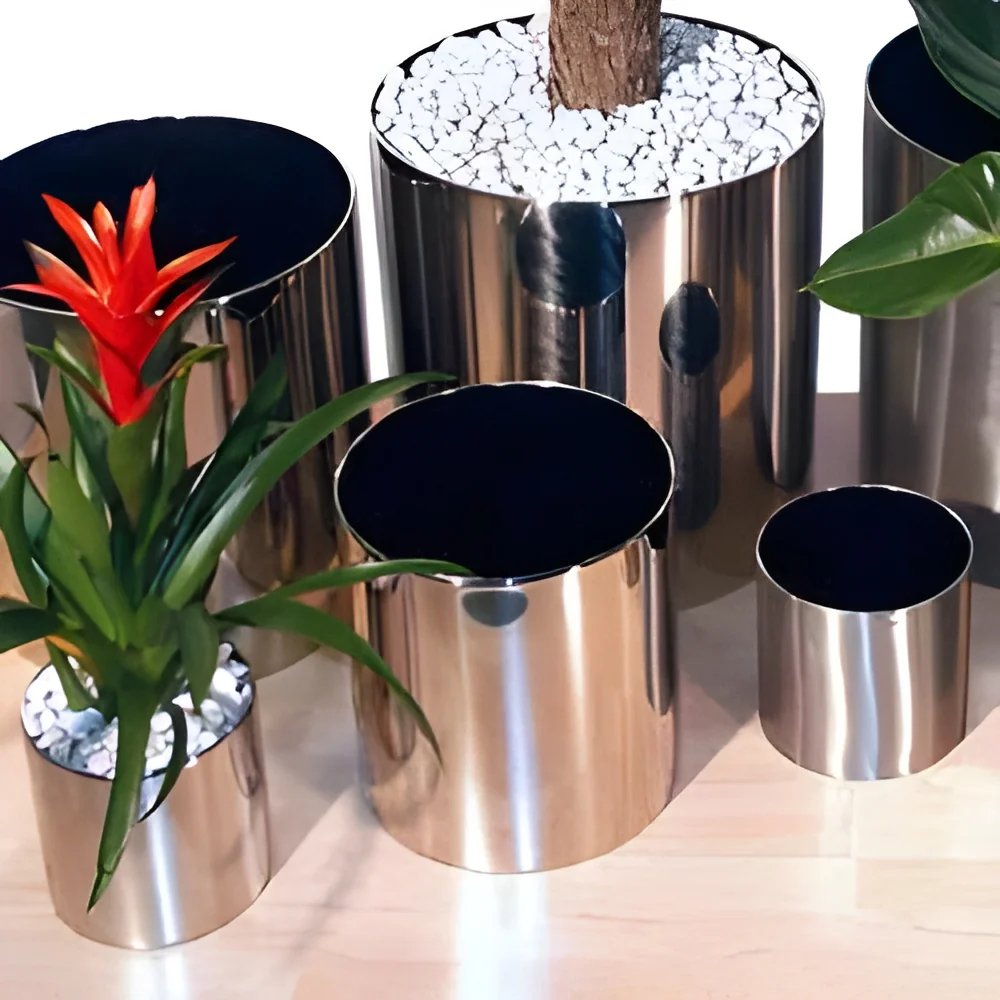
Metal Hanging Baskets
These baskets provide a modern aesthetic and are often coated to prevent rust. They are great for creating a stylish look in contemporary gardens.
Self-Watering Pots
Designed with a reservoir system, these pots allow plants to absorb water as needed. They are perfect for busy gardeners who want to ensure consistent moisture levels.
Benefits and Advantages
Hanging baskets and flower pots offer numerous advantages for both businesses and individual consumers.
1. Space Efficiency: These products allow for vertical gardening, making them perfect for small spaces, balconies, and urban settings.
2. Aesthetic Appeal: They enhance the visual appeal of any environment, adding color and life to both indoor and outdoor spaces.
3. Versatility: Suitable for various plant types, from flowers to herbs, allowing for diverse planting options.
4. Mobility: Hanging baskets and lightweight pots can be moved easily, enabling gardeners to rearrange their displays.
5. Improved Air Circulation: Hanging baskets promote better air circulation around plants, which can lead to healthier growth.
6. Customization: Many suppliers offer customization options, allowing businesses to brand their products or tailor them to specific themes.
Buying Guide for B2B Buyers
When sourcing hanging baskets and flower pots, buyers should consider key factors to ensure they make informed purchasing decisions.
1. Quality Assessment: Evaluate the materials and construction of the products. Look for durable options that can withstand weather conditions if used outdoors.
2. Supplier Verification: Vet suppliers for reliability and reputation. Check for reviews, references, and their track record in the industry.
3. Pricing and MOQ: Understand the pricing structure and minimum order quantities. Compare costs among different suppliers to find the best value.
4. Delivery and Lead Times: Discuss logistics and expected delivery times. Ensure that suppliers can meet your scheduling needs.
5. Compliance Requirements: Be aware of any regional compliance standards related to materials and safety. Ensure that products meet necessary regulations.
Compliance and Certifications
Hanging baskets and flower pots must adhere to various compliance and certification standards to ensure quality and safety.
Quality standards such as ISO 9001 ensure that products are manufactured to meet international quality management principles. Adhering to these standards helps businesses maintain consistency and reliability in their offerings.
The CE mark is an important certification for products sold in the European Economic Area. It indicates that the product meets EU safety, health, and environmental protection standards.
Safety and testing requirements may include ensuring that materials used are non-toxic and safe for use around plants and people. Regular testing may be required to ensure these standards are met.
Regional compliance considerations may vary, so it is essential for businesses to stay informed about local regulations concerning product safety and environmental impact.
Why Source Hanging Baskets & Flower Pots from Pepagora?
Pepagora provides a trusted platform for sourcing hanging baskets and flower pots, offering several key advantages to B2B buyers.
Verified Supplier Network: Pepagora has established a network of verified suppliers that meet stringent quality and reliability standards. This ensures that buyers can source products from reputable manufacturers.
Streamlined RFQ Process: The platform allows for a straightforward request for quotation process, making it easy for buyers to compare offers and select the best options for their needs.
Trade Assurance and Support: Pepagora offers trade assurance, providing buyers with protection throughout the purchasing process. This includes support for resolving any issues that may arise.
Regional Coverage: With a focus on markets in India, the GCC region, and Southeast Asia, Pepagora facilitates access to a broad range of suppliers, ensuring buyers can find the products they need efficiently.


Frequently Asked Questions
What are Hanging Baskets & Flower Pots?
Hanging Baskets & Flower Pots are containers designed for growing plants, flowers, and herbs. They are typically made from various materials such as plastic, metal, or ceramic and can be hung from ceilings, walls, or hooks to enhance indoor and outdoor decor.
What are the different types of Hanging Baskets & Flower Pots?
There are several types of Hanging Baskets & Flower Pots, including traditional wicker baskets, plastic pots, and ceramic containers. Additionally, they vary in shape, size, and design, catering to different aesthetic preferences and plant types.
How do I choose the right Hanging Baskets & Flower Pots?
To choose the right Hanging Baskets & Flower Pots, consider the type of plants you want to grow, the size of the space, and the material that best suits your environment. Additionally, ensure the basket has proper drainage to prevent root rot.
What are the standard specifications for Hanging Baskets & Flower Pots?
Standard specifications for Hanging Baskets & Flower Pots include dimensions, weight capacity, material type, and drainage features. It's essential to select baskets that provide adequate space for plant growth and ensure proper water drainage.
What is the price range for Hanging Baskets & Flower Pots?
The price range for Hanging Baskets & Flower Pots varies based on material, size, and design, typically starting from a few hundred rupees and going up to several thousand. Bulk purchasing may offer discounts, making it more cost-effective.
What quality standards apply to Hanging Baskets & Flower Pots?
Quality standards for Hanging Baskets & Flower Pots include durability, weather resistance, and non-toxicity of materials. Additionally, products should meet safety regulations to ensure they can securely hold plants without risk of breakage.
Where can I find Hanging Baskets & Flower Pots suppliers in India?
You can find Hanging Baskets & Flower Pots suppliers in India through various online B2B marketplaces, industry trade shows, and local gardening shops. Websites like Pepagora.com are also valuable resources for connecting with manufacturers and suppliers.
Can Hanging Baskets & Flower Pots be customized?
Yes, many suppliers offer customization options for Hanging Baskets & Flower Pots. Customization may include size, color, design, and branding, allowing businesses to tailor products to their specific needs or aesthetic preferences.
What is the typical minimum order quantity for Hanging Baskets & Flower Pots?
The typical minimum order quantity (MOQ) for Hanging Baskets & Flower Pots can vary by supplier but generally ranges from 50 to 100 units. It's advisable to check with individual suppliers for their specific MOQ requirements.
What is the typical lead time for Hanging Baskets & Flower Pots?
The typical lead time for Hanging Baskets & Flower Pots ranges from 2 to 4 weeks, depending on the supplier and the complexity of the order. Custom orders may require additional time for production and delivery.
Why Businesses Trust Pepagora
Thousands of companies trust Pepagora to source smarter and sell faster
Expand Your Sales Globally

Source Smarter,Grow Faster
