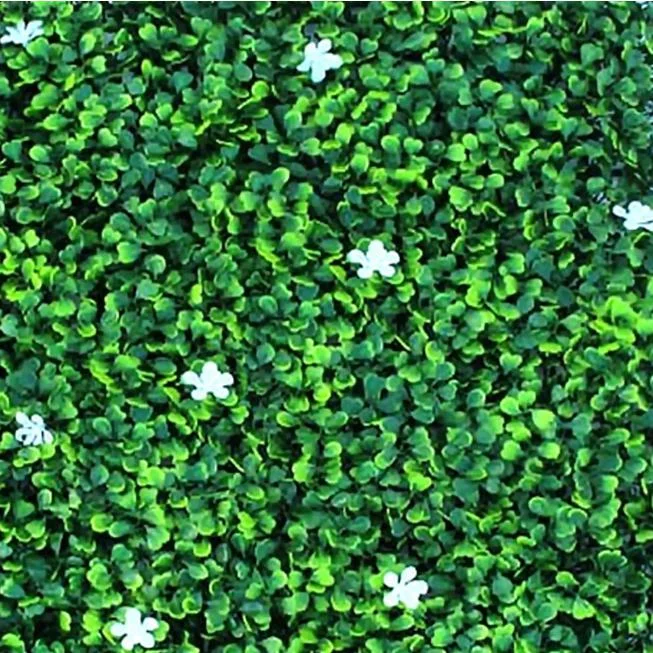
What are Artificial Grass Mats?
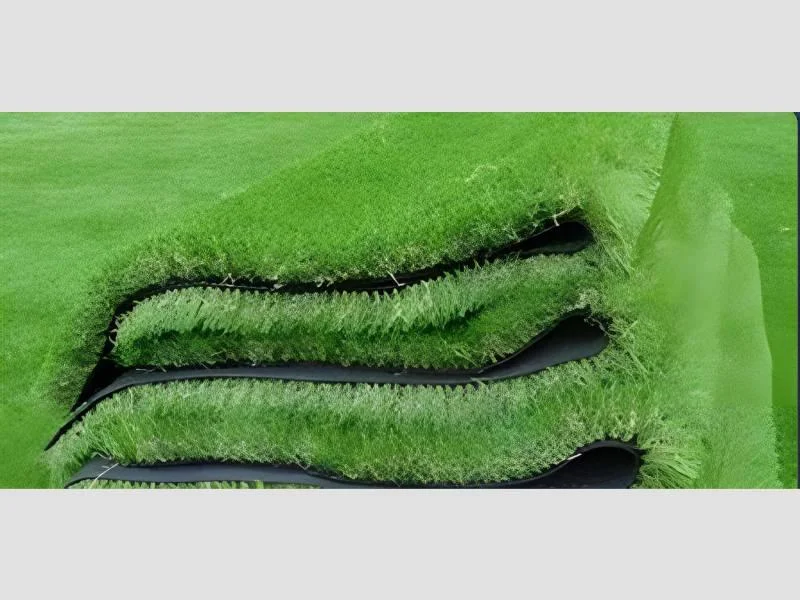
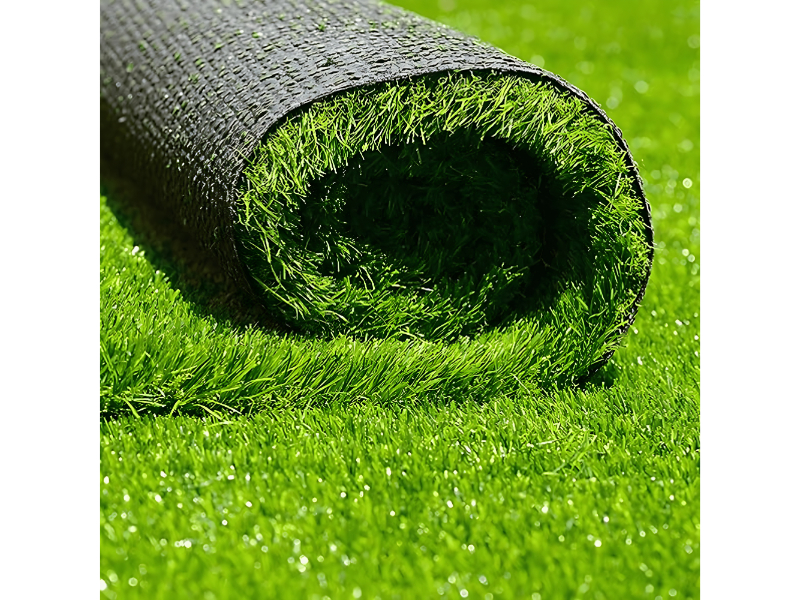
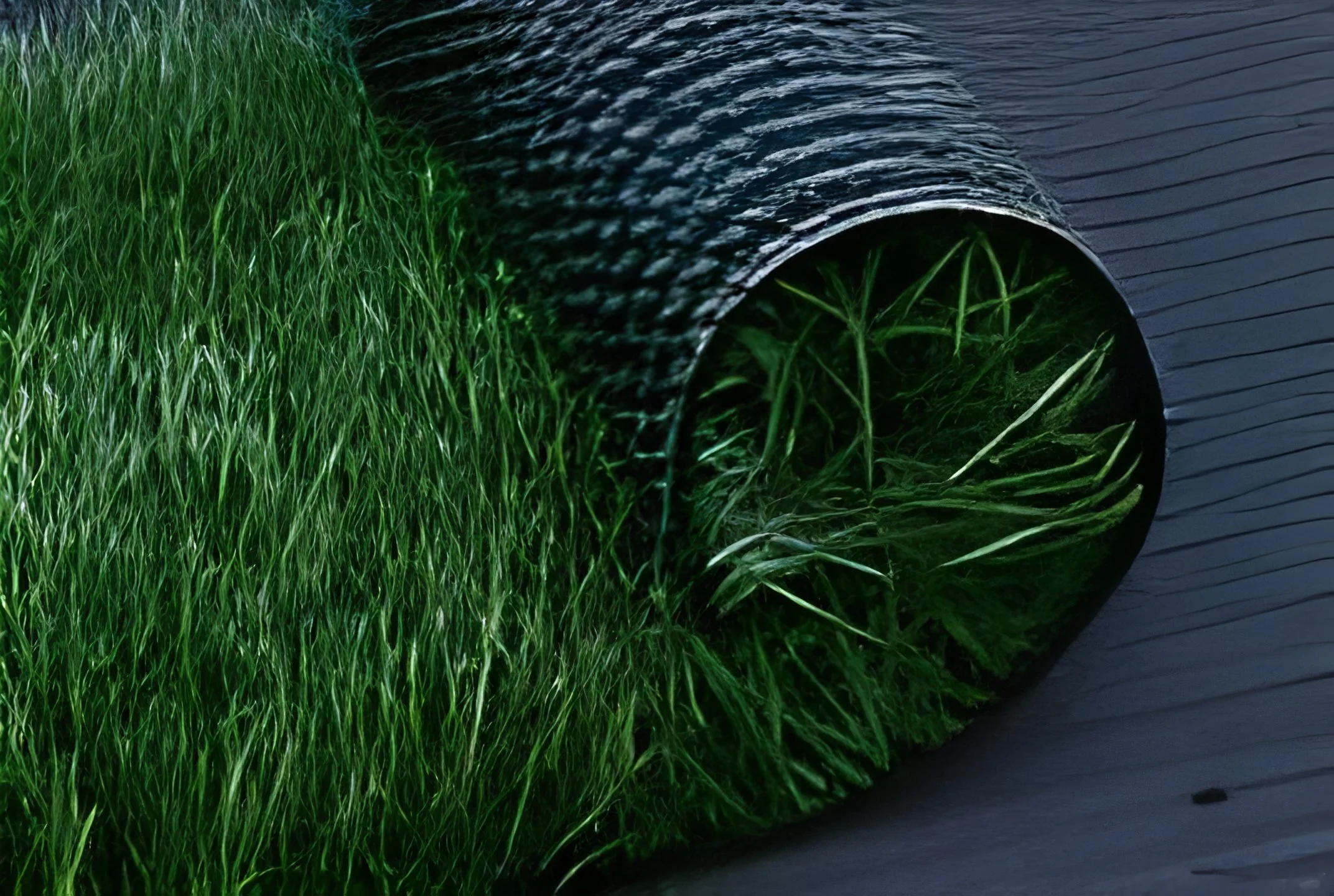
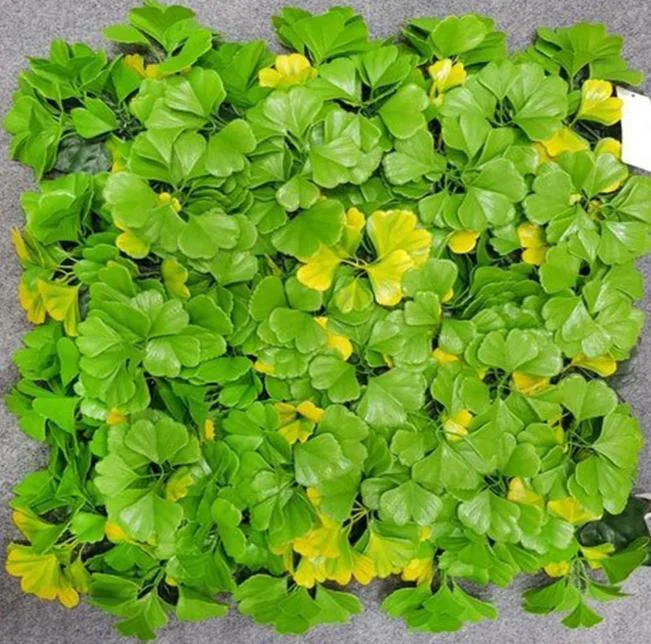
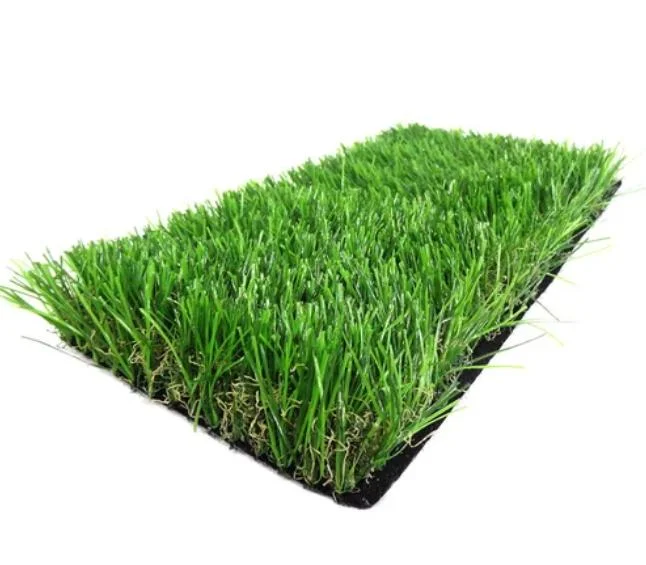
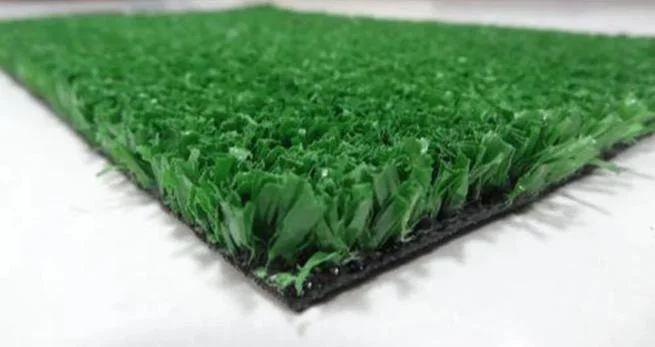
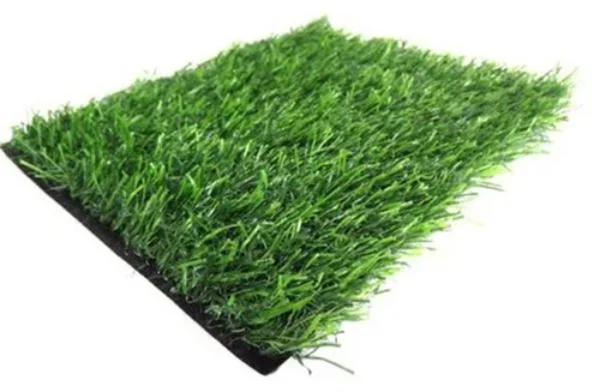
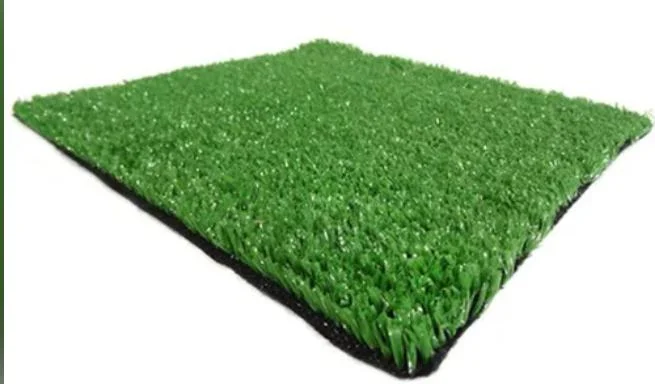
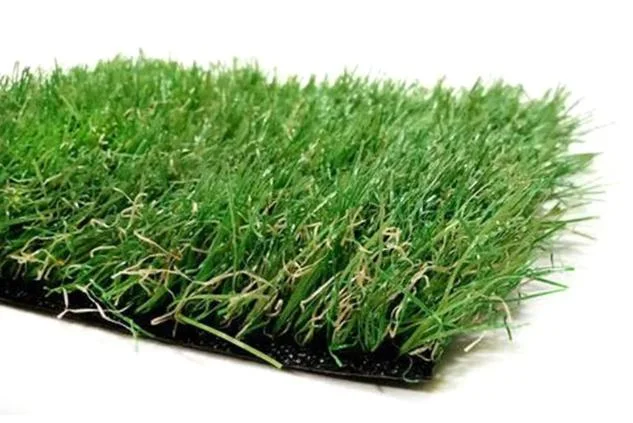
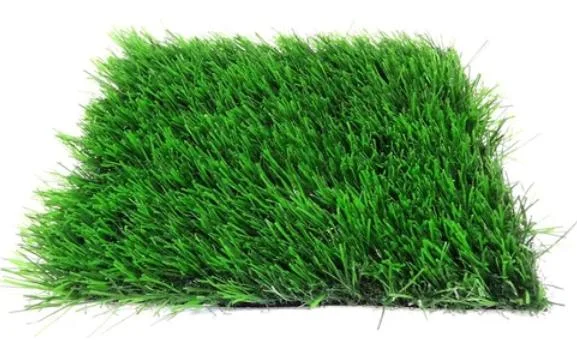
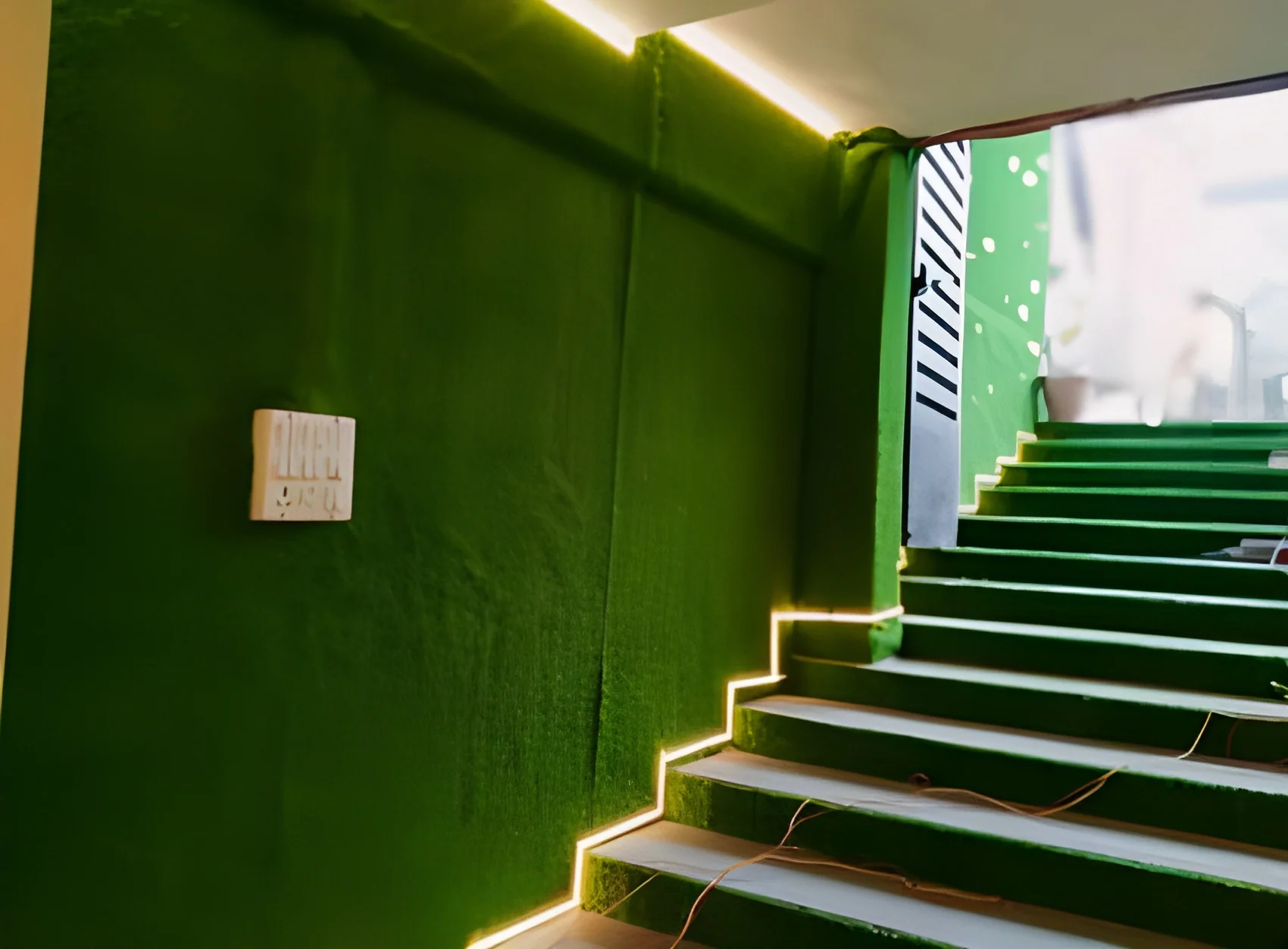
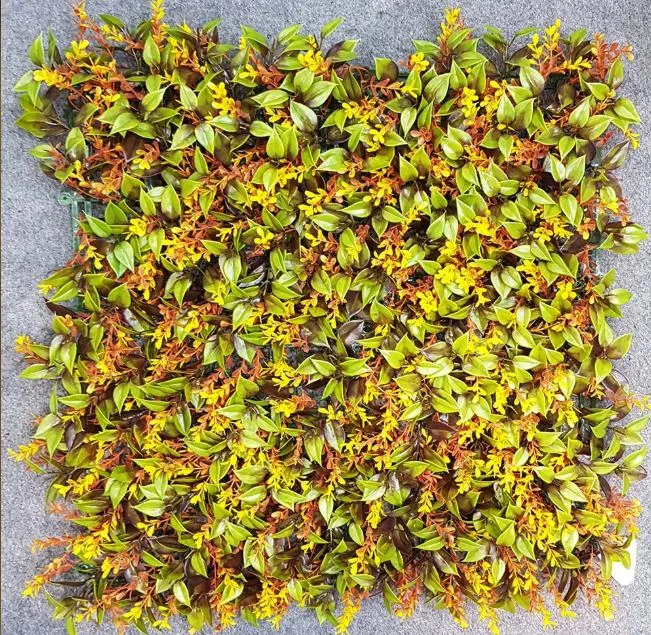
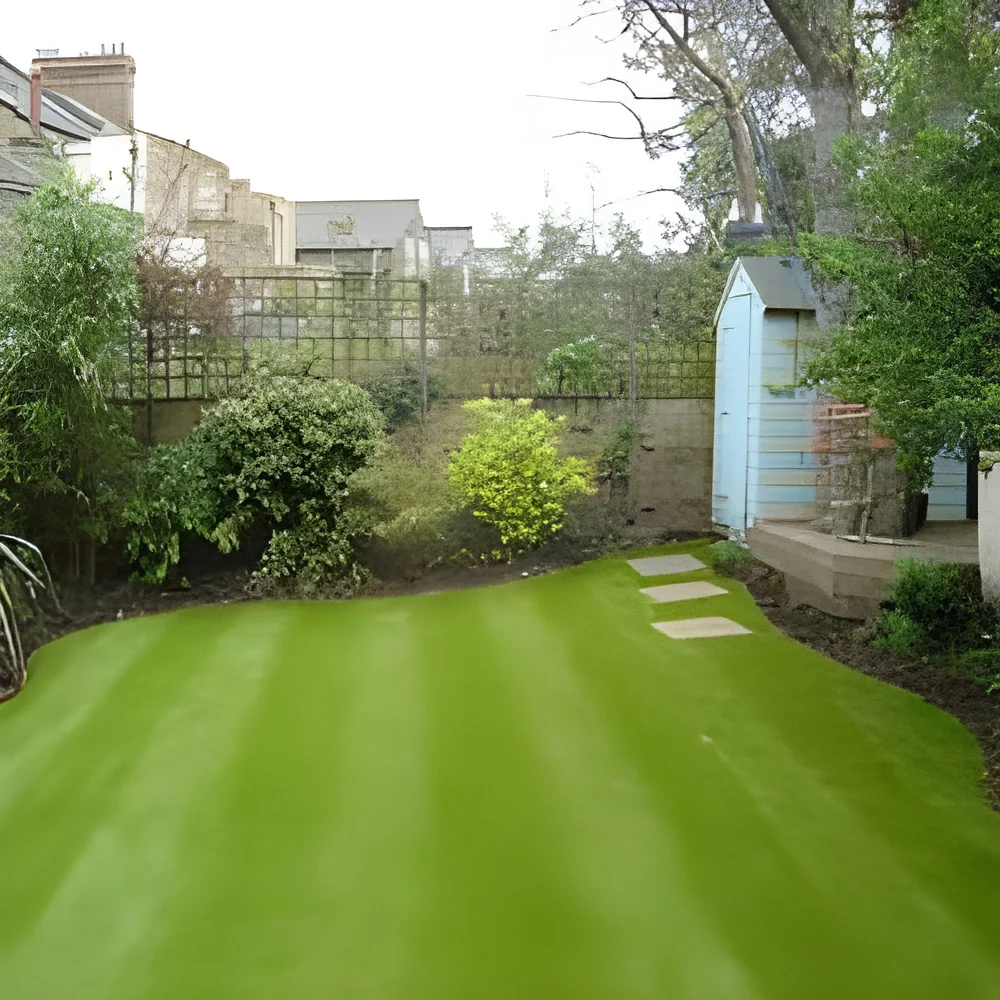
Artificial grass mats are synthetic surfaces designed to mimic the appearance and feel of natural grass. They are constructed from durable materials that can withstand various weather conditions while maintaining their aesthetic appeal. These mats are typically made from polyethylene or polypropylene fibers, which are engineered to provide a realistic grass-like texture.
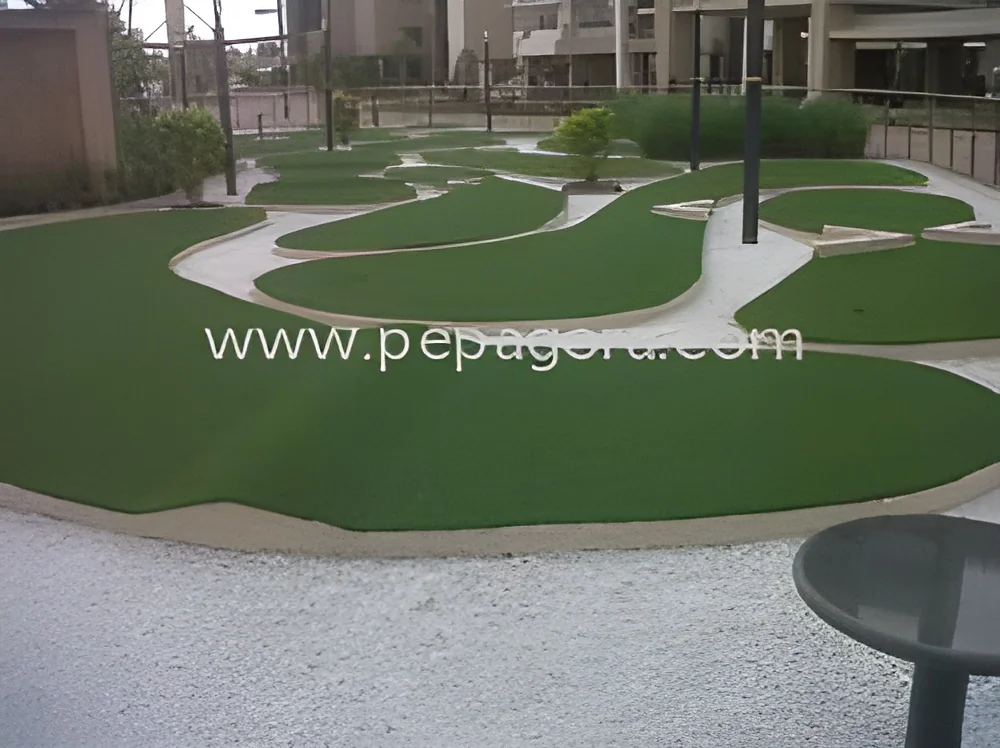
These mats are widely used across multiple sectors, including sports, landscaping, and recreational areas. Businesses often utilize artificial grass mats for areas where maintaining natural grass is challenging due to environmental factors or high foot traffic. Their versatility makes them suitable for playgrounds, commercial landscaping, and even indoor applications. The growing demand for low-maintenance landscaping solutions has led to increased adoption of artificial grass mats in both residential and commercial settings.
As the market for artificial grass continues to expand, manufacturers are developing more advanced products that offer improved durability and environmental benefits. The push for sustainable landscaping solutions has also contributed to the relevance of artificial grass mats in contemporary landscaping practices.
Key Features and Specifications
Artificial grass mats come with a variety of features and specifications that cater to different needs. They are designed to be durable, weather-resistant, and easy to install. With advancements in manufacturing technology, these mats now offer enhanced longevity and performance.
Key specifications include:
1. Material Composition
- Typically made from polyethylene or polypropylene.
- Provides durability and a realistic appearance.
2. Pile Height
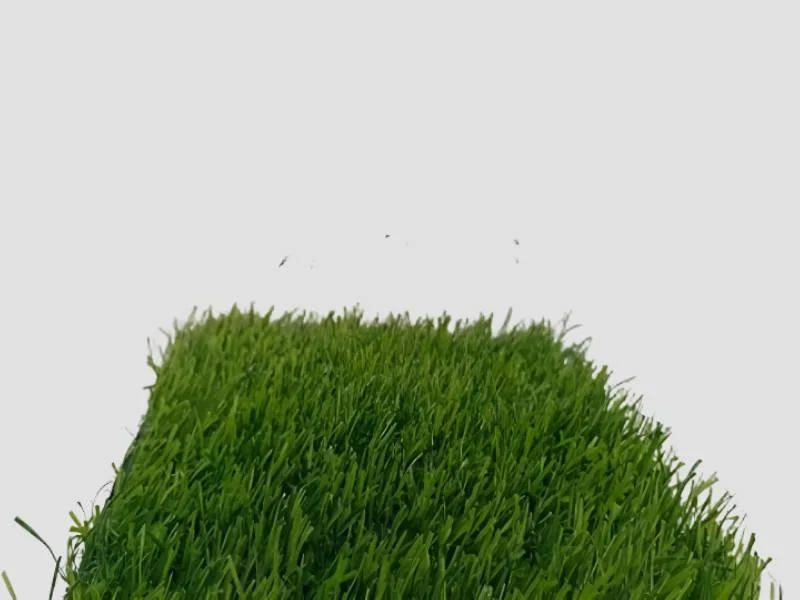
- Range from 20mm to 60mm depending on application.
- Affects the overall look and feel of the grass.
3. UV Resistance
- Treated to withstand sun exposure without fading.
- Ensures long-term color retention.
4. Drainage Capability
- Designed with perforations for effective water drainage.
- Prevents water pooling and facilitates quick drying.
5. Weight
- Generally between 1.5 to 2.5 kg per square meter.
- Influences installation and stability.
6. Fire Retardancy
- Complies with fire safety standards.
- Reduces fire risk in high-temperature environments.
7. Warranty Period
- Typically ranges from 5 to 15 years.
- Indicates expected product lifespan and durability.
In summary, artificial grass mats offer a variety of features that enhance their functionality and suitability for diverse applications.
Common Applications and Use Cases
Artificial grass mats serve various industries and applications due to their versatility and low maintenance requirements.
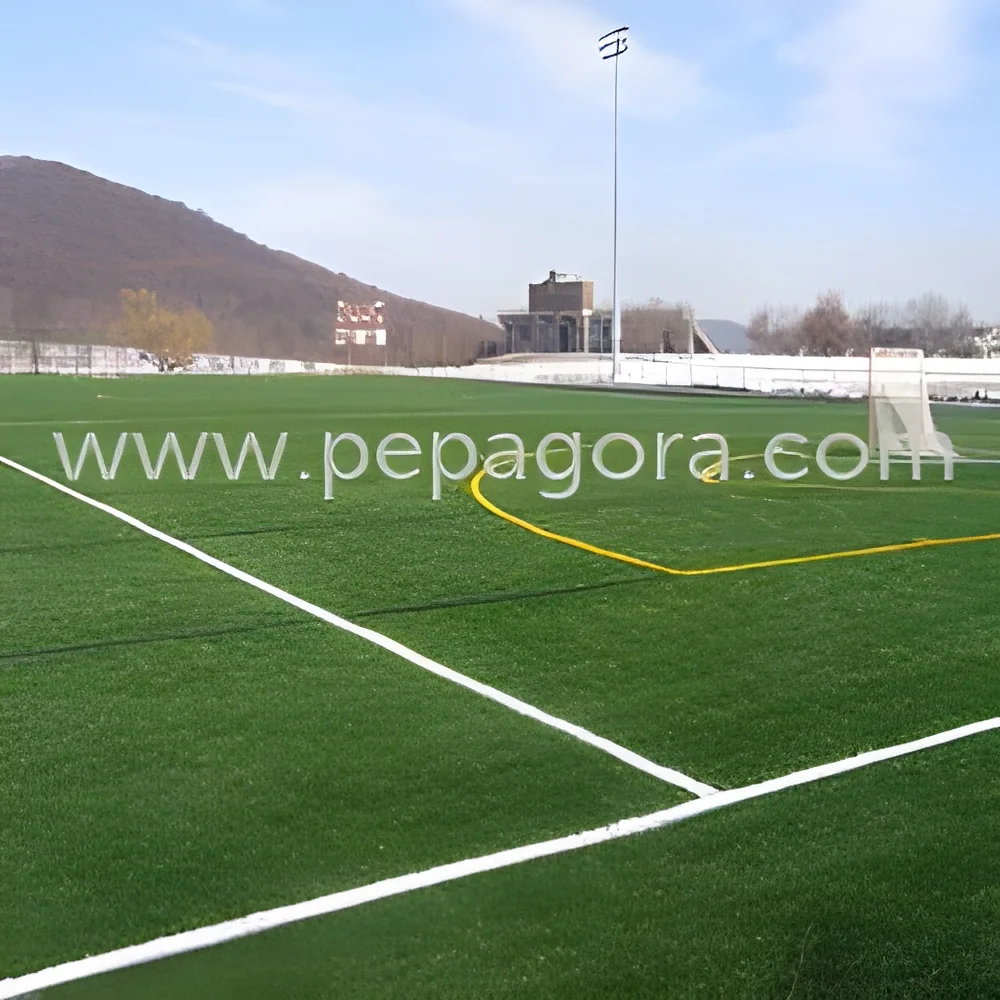
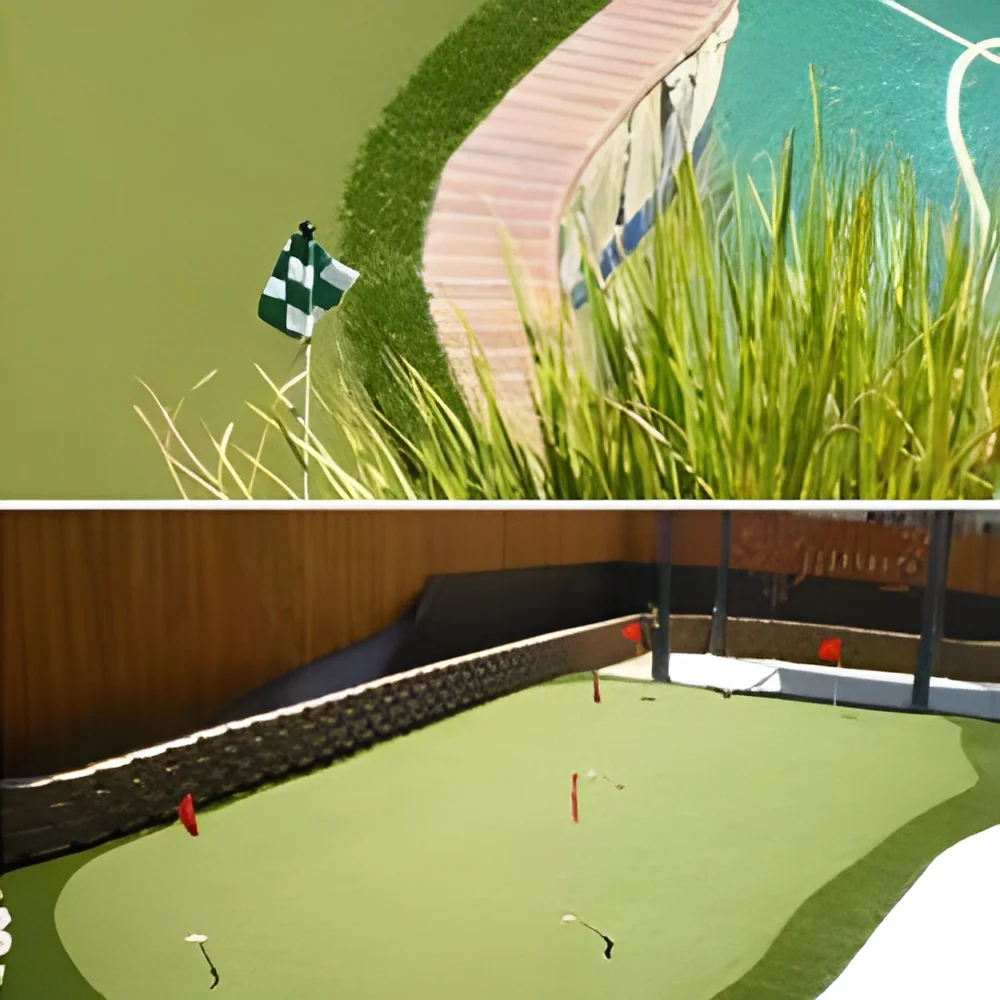
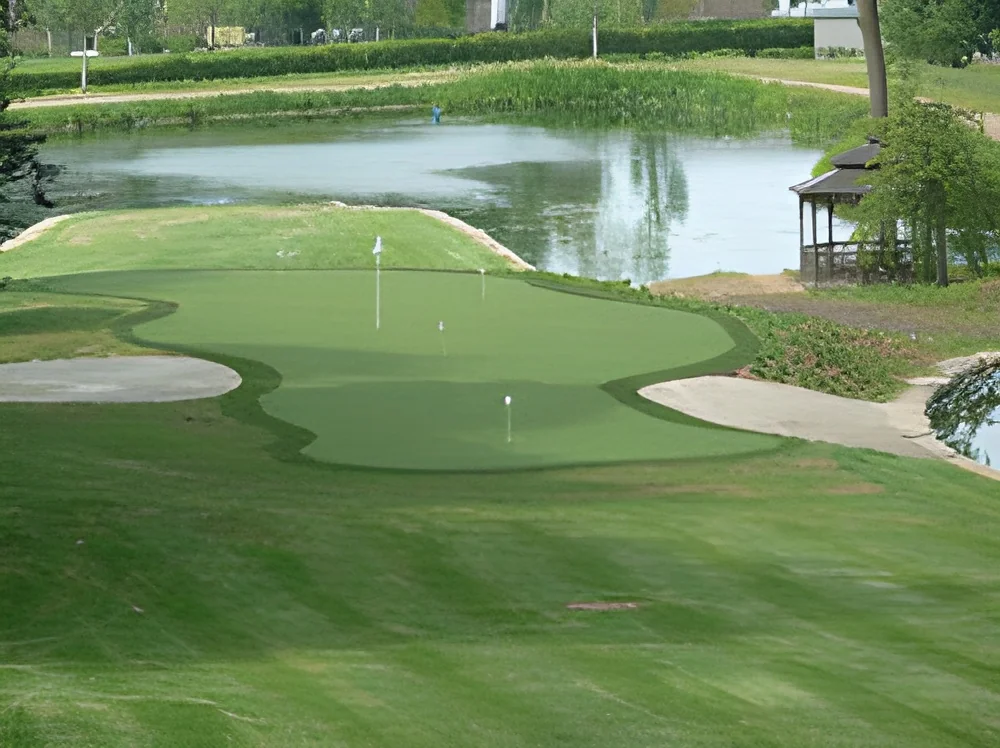
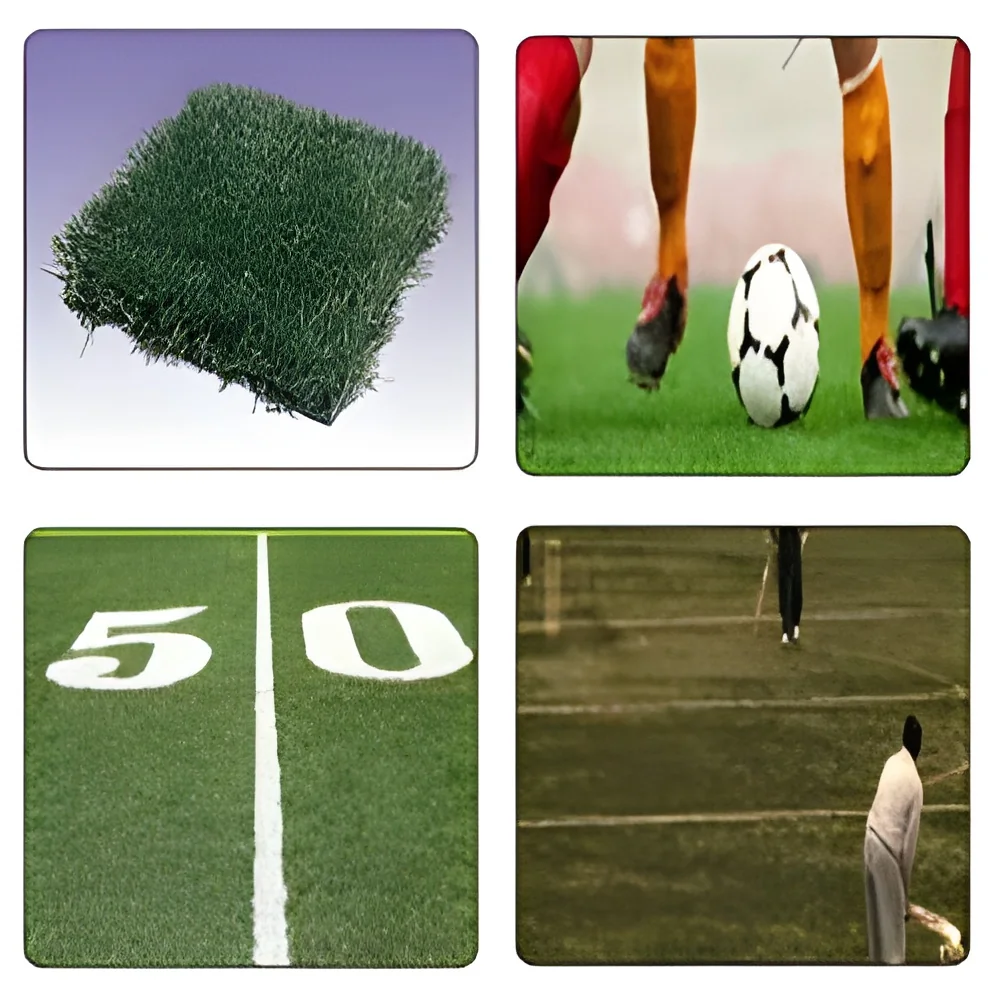
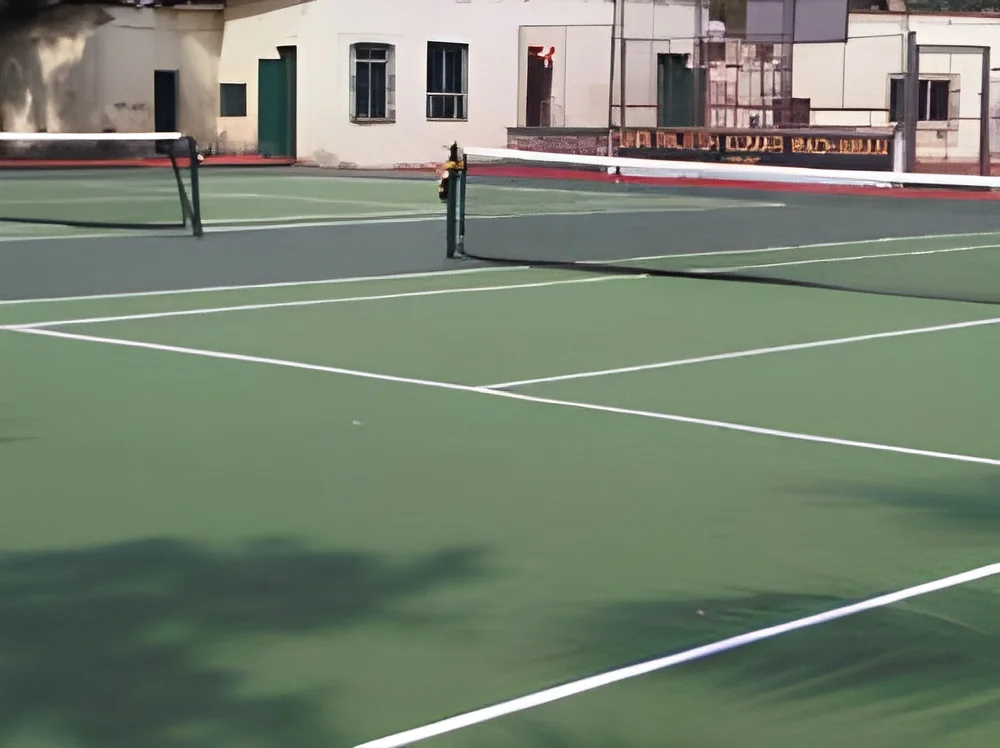
1. Sports Facilities: These mats are ideal for sports fields and training facilities, providing a consistent playing surface for various sports.
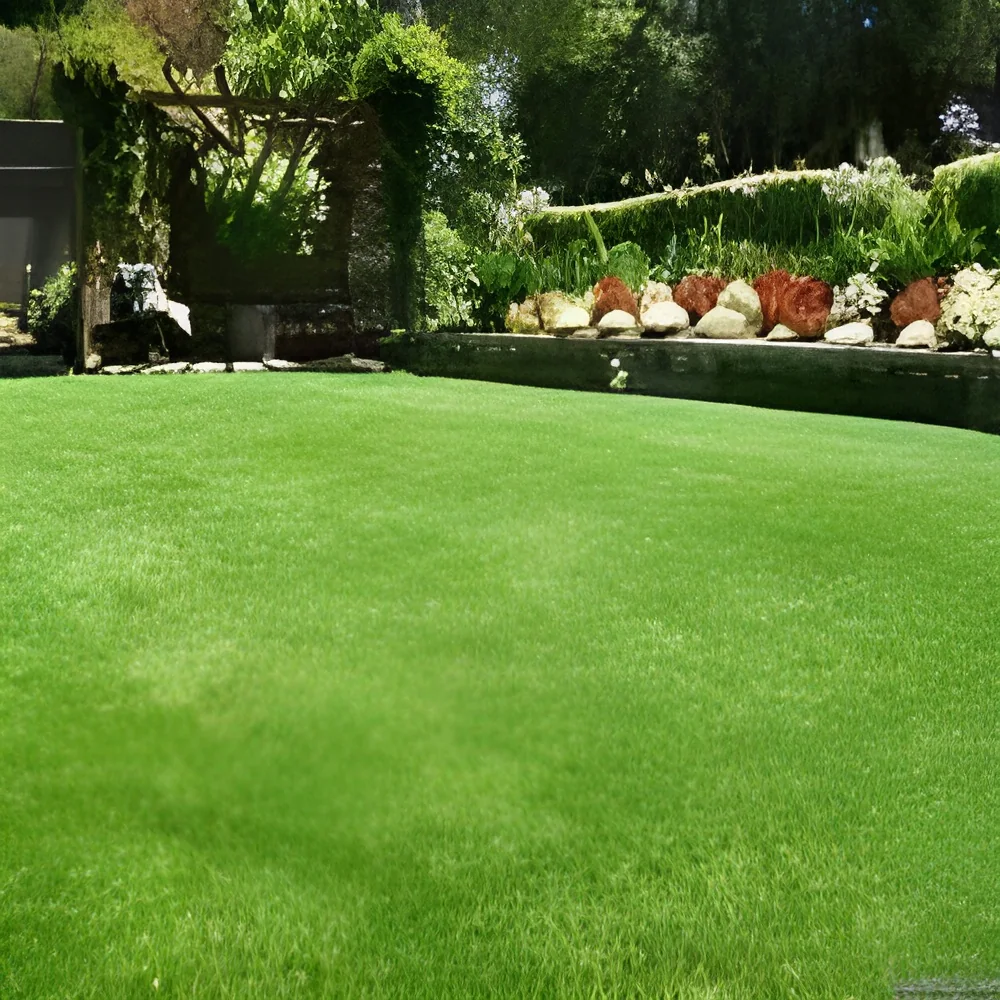
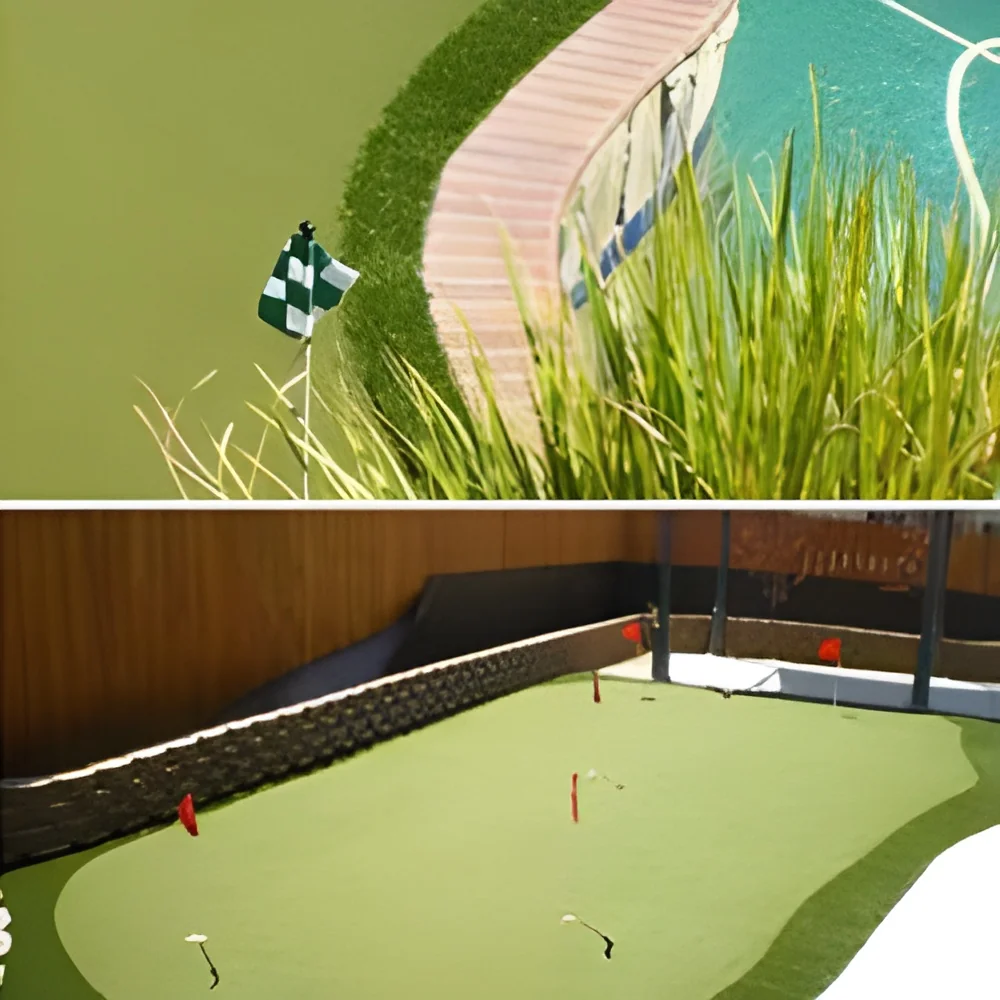
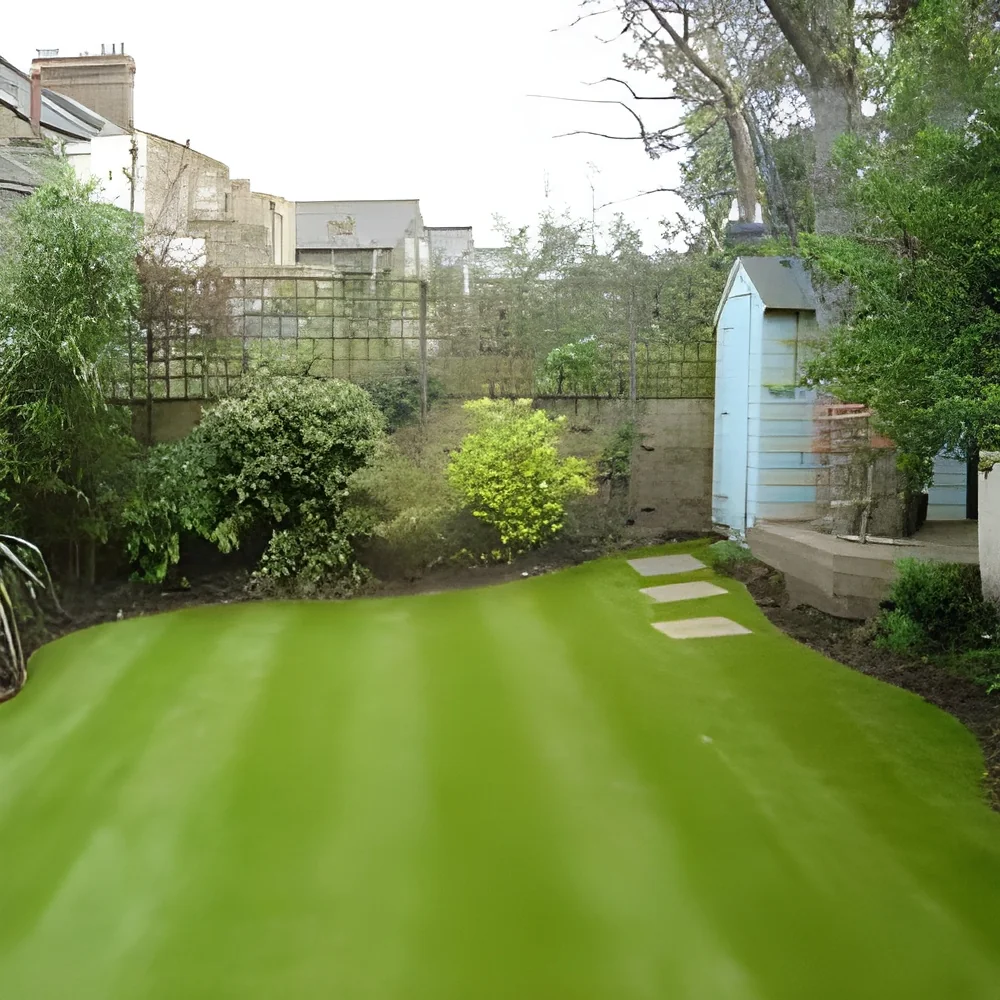
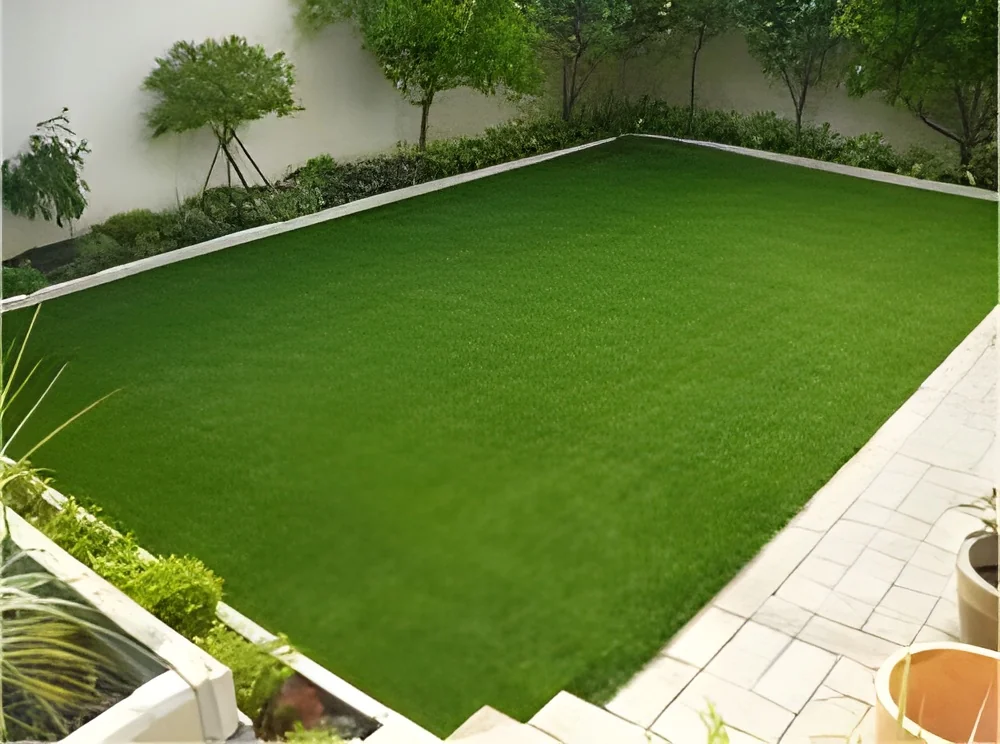
2. Landscaping: Businesses use artificial grass mats in landscaping projects to create green spaces without the upkeep associated with natural grass.
3. Playgrounds: Many schools and parks install artificial grass to provide a safe, cushioned surface for children's play areas.
4. Events and Exhibitions: Temporary installations of artificial grass mats enhance the aesthetic appeal of event spaces and exhibitions.
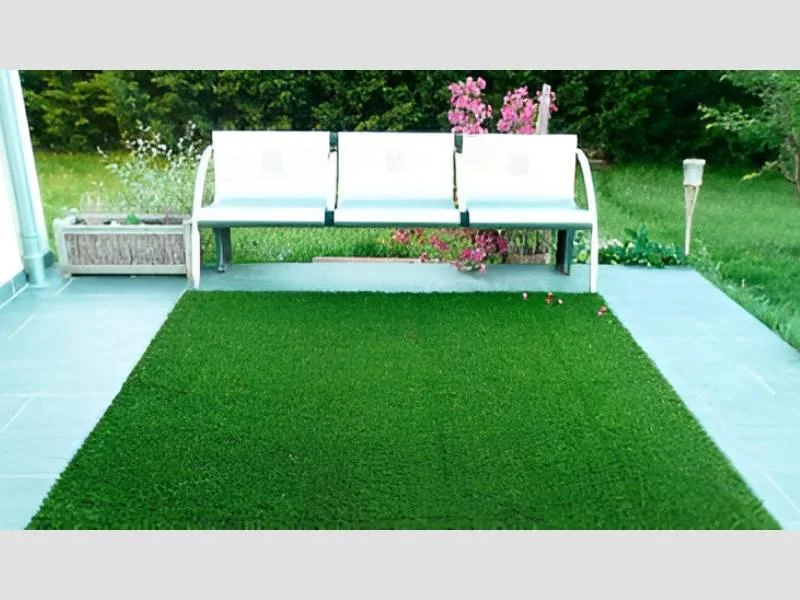
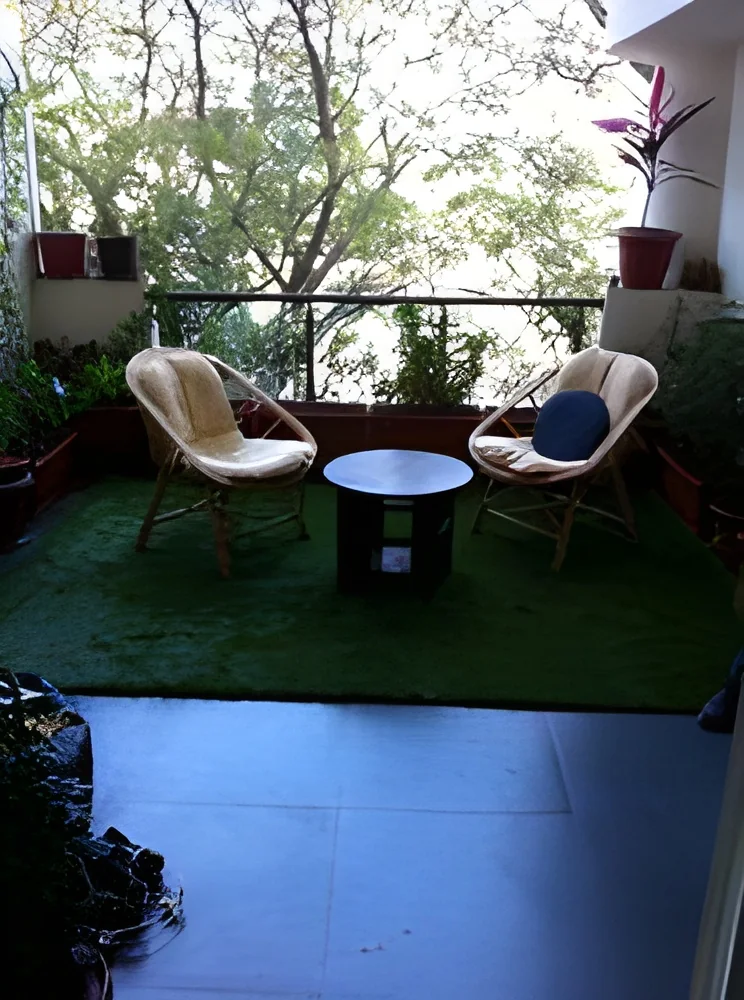
5. Residential Use: Homeowners often use these mats in gardens, patios, and balconies to create a green, inviting atmosphere.
6. Rooftop Gardens: Artificial grass mats are increasingly popular for rooftop landscaping, where natural grass may not thrive.
7. Pet Areas: Many pet owners choose artificial grass mats for dog runs and play areas, as they are easy to clean and maintain.
Product Variants and Subcategories
Artificial grass mats come in a range of variants to meet specific needs and preferences.
Premium Turf Mats
These mats feature a higher pile height and a more realistic look, making them suitable for high-end landscaping projects and luxury residential areas.
Commercial Grade Mats
Designed for heavy foot traffic, these mats are durable and ideal for public spaces such as parks and sports facilities.
Economy Mats
These budget-friendly options are perfect for temporary setups or low-traffic areas, offering adequate performance at a lower price point.
Benefits and Advantages
Artificial grass mats provide a host of benefits for businesses and organizations.
1. Low Maintenance: They require minimal upkeep, eliminating the need for mowing, watering, and fertilizing.
2. Durability: Built to withstand various weather conditions, these mats have a long lifespan and maintain their appearance over time.
3. Cost-Effectiveness: Although the initial investment can be higher, the reduced maintenance costs make them a cost-effective choice in the long run.
4. Environmental Benefits: Artificial grass mats conserve water and reduce the need for chemicals, making them a more sustainable option.
5. Safety Features: Many mats are designed with safety in mind, offering cushioning for falls and preventing muddy conditions.
6. Aesthetic Appeal: They provide a lush, green appearance year-round, enhancing the visual appeal of any space.
Buying Guide for B2B Buyers
When sourcing Artificial Grass Mats, B2B buyers should consider several critical factors to ensure they make informed purchasing decisions.
1. Quality Assessment: Evaluate the material and construction quality. Look for mats that meet industry standards and offer warranties.
2. Supplier Verification: Research potential suppliers. Verify their reputation, certifications, and customer reviews to ensure reliability.
3. Pricing and MOQ: Understand the pricing structure and minimum order quantities. Compare prices across different suppliers to find the best value.
4. Delivery and Lead Times: Confirm the supplier's ability to meet delivery deadlines. Plan orders in advance to accommodate any potential delays.
5. Compliance Requirements: Be aware of any regional regulations or compliance standards that the artificial grass mats must meet.
Compliance and Certifications
Artificial grass mats are subject to various industry standards and certifications to ensure quality and safety. While specific quality standards for artificial grass mats are not universally defined, compliance with ISO 9001 for quality management systems is common among reputable manufacturers.
Additionally, many products hold CE certification, indicating they meet European safety and environmental requirements. Safety and testing requirements may include assessments for UV resistance, fire retardancy, and overall durability.
Regional compliance considerations are essential, especially in markets with strict regulations for outdoor products. Buyers should ensure that their chosen products adhere to local laws regarding safety and environmental impact.
Why Source Artificial Grass Mats from Pepagora?
Pepagora provides a trusted platform for sourcing Artificial Grass Mats, offering several key advantages for B2B buyers.
Verified Supplier Network: Pepagora has a rigorous vetting process for suppliers, ensuring that buyers can access high-quality products from reliable manufacturers.
Streamlined RFQ Process: The platform simplifies the request for quotation process, allowing buyers to easily compare offers and negotiate terms with multiple suppliers.
Trade Assurance and Support: Pepagora offers trade assurance, which protects buyers during transactions and ensures product quality and delivery.
Regional Coverage: With a strong presence in India, the GCC, and Southeast Asia, Pepagora connects buyers with suppliers across a wide geographic area, facilitating easier access to artificial grass mats.

 IN
IN